
Earthquake alerts are becoming more common in places many people call home. Across the country, 10 U.S. cities are seeing a sharp rise in earthquake warnings as monitoring expands, fault activity shifts, and detection systems improve. These alerts can feel sudden, especially in areas not usually linked to frequent earthquakes.
Knowing where alerts are increasing helps people understand local risks and stay informed. With these cities, it becomes easier to see why warnings are happening more often and what that means for daily life. Keep reading to learn which areas are seeing the biggest changes and why paying attention matters.

Los Angeles, California
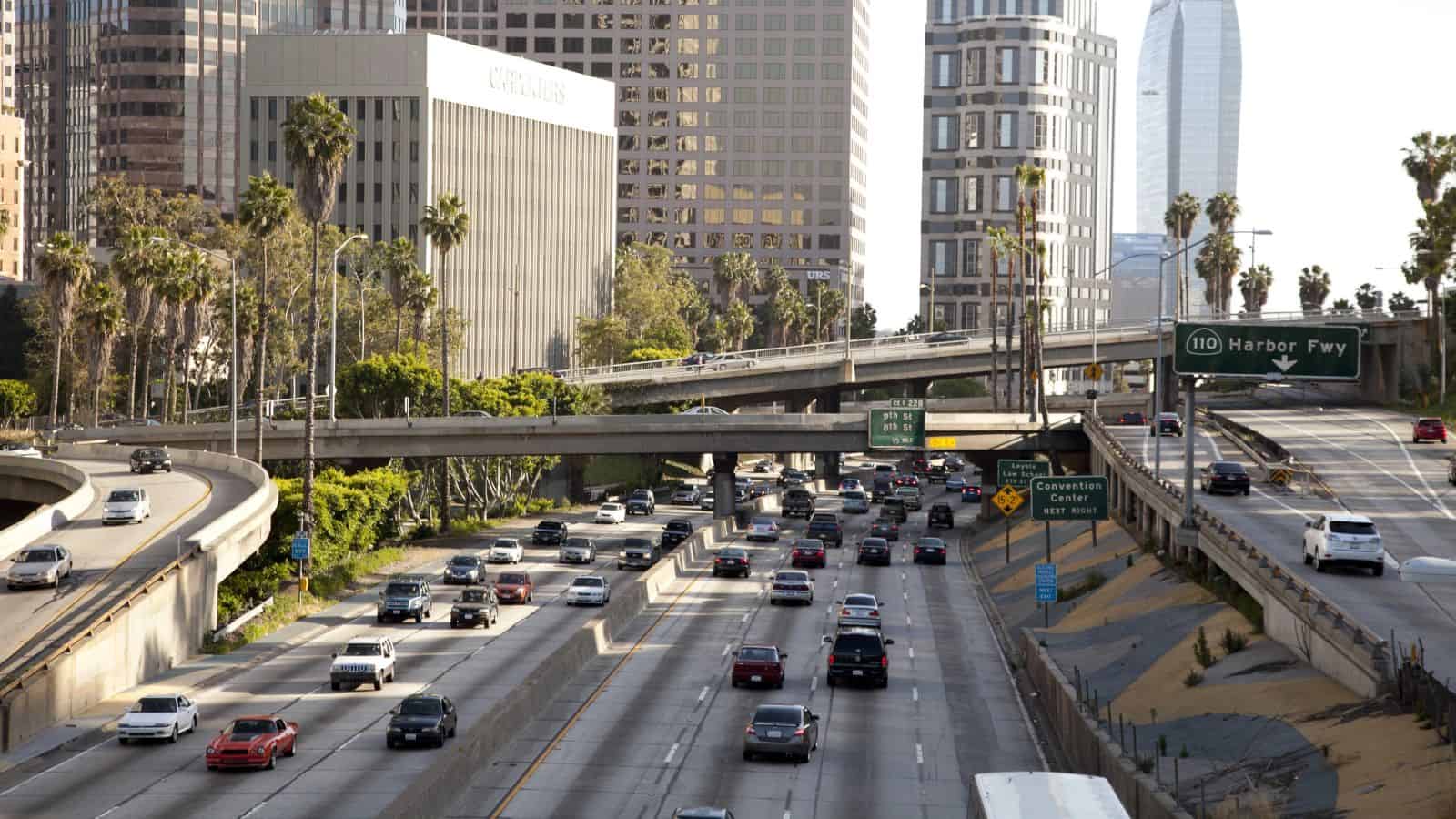
Los Angeles remains one of the most closely monitored seismic zones in the country, with alerts rising as new research highlights shifting stress along the San Andreas Fault and several nearby systems. Minor quakes and deeper tremors detected by expanded sensor networks have prompted scientists to update projections for the region. The city’s dense population and aging infrastructure add urgency to these alerts, since even moderate shaking can affect transportation routes and older buildings. Experts are also studying activity around the Newport-Inglewood and Puente Hills faults, which run directly beneath urban areas. As monitoring technology improves, more signals are detected, giving residents earlier warnings but also raising awareness of how active the region truly is.
San Francisco, California

San Francisco has experienced an uptick in earthquake alerts due to increased micro-quake activity across several parts of the Bay Area. These small events don’t cause damage, but they indicate shifting pressure along the Hayward Fault, Calaveras Fault, and segments connected to the San Andreas system. With millions living around these interconnected faults, scientists remain cautious and continue refining forecast models. Expanded monitoring stations now capture tremors that went unnoticed decades ago, revealing patterns that help researchers understand potential future risk. The combination of dense infrastructure, historic buildings, and elevated seismic readings has prompted renewed attention to preparedness across the region.
Seattle, Washington

Seattle’s rising earthquake alerts are tied to concerns about both shallow faults beneath the city and the powerful Cascadia Subduction Zone offshore. Recent studies show deeper rumbling along the subduction interface, raising attention among scientists who track long-term stress buildup. The city also sits atop the Seattle Fault, which has produced damaging quakes in the past. Improved early-warning systems now detect more seismic signals, alerting residents sooner but also increasing awareness of how active the region is. With rapid population growth and ongoing development, officials emphasize retrofitting older structures and educating the public about response plans. The combination of multiple fault systems contributes to Seattle’s elevated alert levels.
Portland, Oregon

Portland sees rising alerts tied to the same Cascadia Subduction Zone that affects Seattle, along with smaller inland faults closer to the city. Offshore sensors have detected increased rumbling, prompting scientists to update hazard models and expand public awareness campaigns. Portland’s soil composition and riverfront development make certain areas more vulnerable to shaking, so even subtle changes in seismic data draw close attention. With more residents relying on early-warning apps and emergency notifications, every detected tremor contributes to a growing sense of caution. The city continues investing in preparedness, strengthening bridges and schools while monitoring offshore patterns that help researchers better understand long-term risk.
Anchorage, Alaska
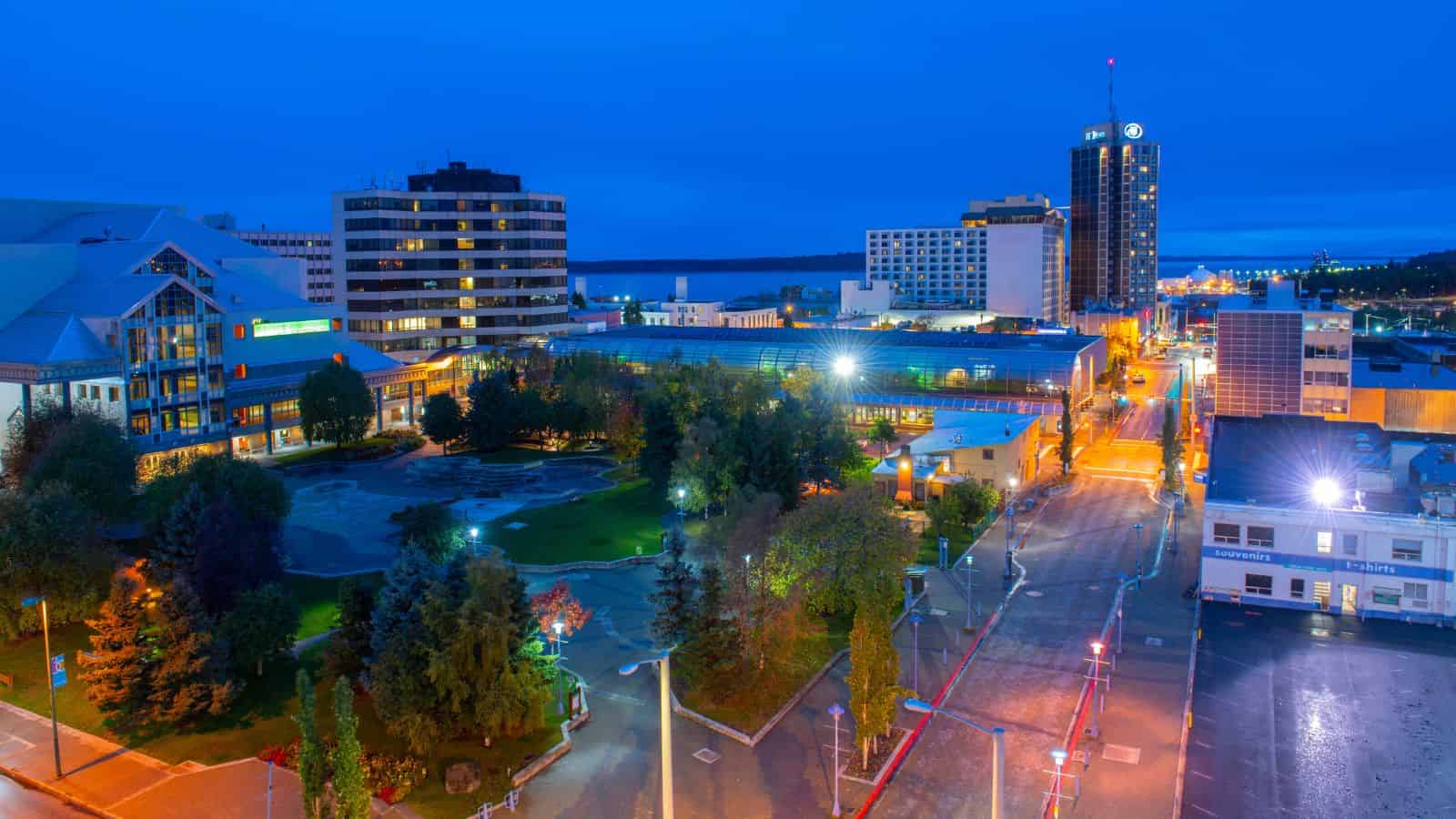
Anchorage experiences frequent earthquake alerts because it sits in one of the most active seismic regions in North America. The city regularly feels moderate quakes, aftershocks, and deeper tremors generated by the collision between the Pacific and North American plates. Recent upticks in activity near nearby faults have kept sensors busy, and early-warning systems often issue notifications even for small shifts. Residents are accustomed to regular seismic movement, but experts pay close attention to any signs of changing patterns that could signal larger events. With cold temperatures and winter conditions adding complexity to infrastructure planning, officials continue to strengthen buildings and update emergency procedures as data shows consistent upward trends in recorded activity.
Reno, Nevada
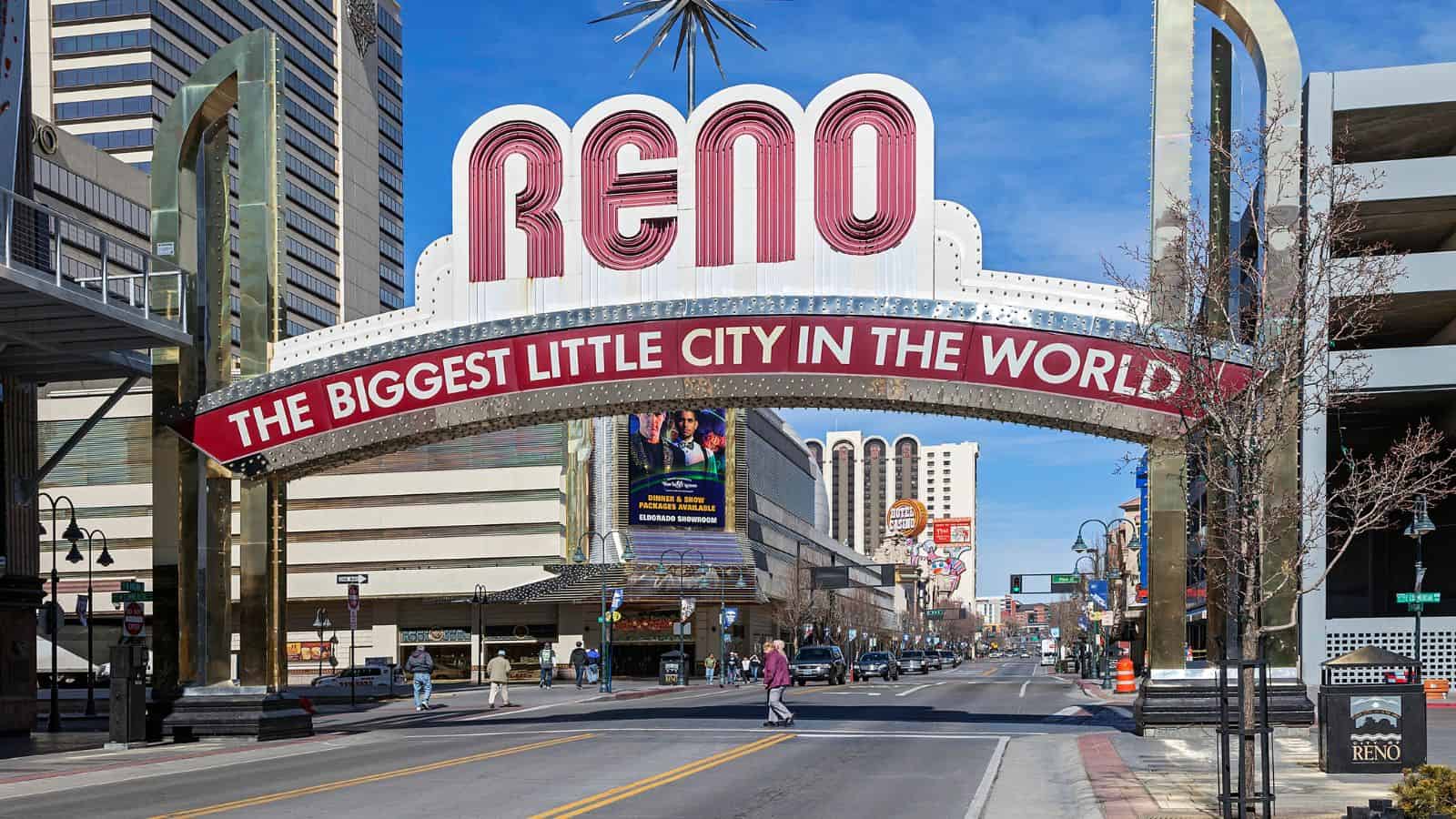
Reno has seen rising earthquake alerts due to an increase in swarm activity across the region. These swarms consist of many small quakes occurring over days or weeks, signaling shifting stress along nearby faults. While most of these quakes are too weak to cause damage, scientists watch them closely because swarms sometimes precede larger seismic events. The area’s proximity to the Walker Lane fault system adds complexity, as this zone accommodates a significant portion of the movement between the Pacific and North American plates. As monitoring technology improves, more tremors are detected, giving residents clearer insight into local seismic behavior. Reno’s rapid growth and expanding suburbs make earthquake preparedness increasingly important as alerts continue rising.
Want to save this?
Salt Lake City, Utah
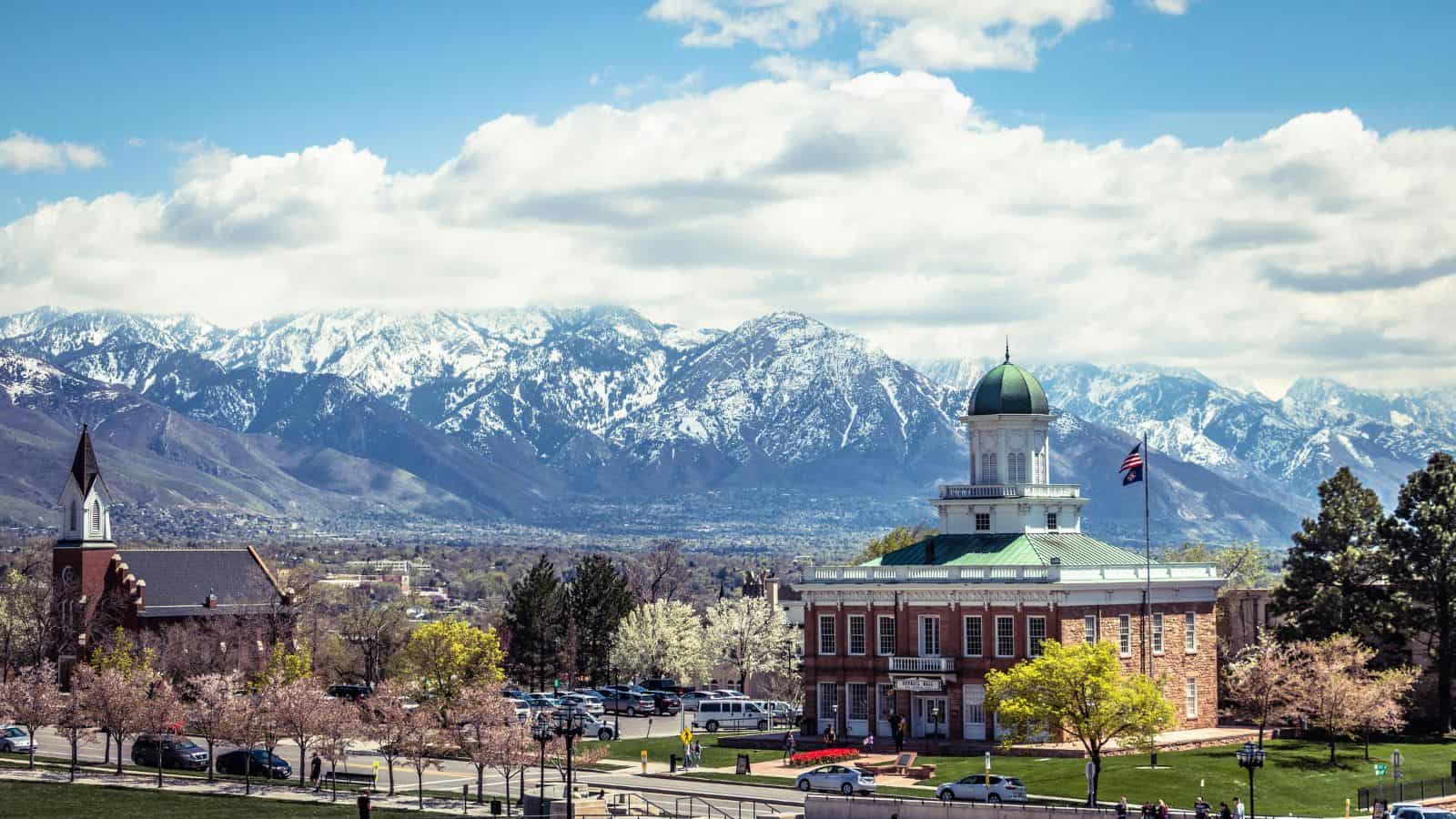
Salt Lake City’s rising alerts stem from renewed attention on the Wasatch Fault, which runs directly beneath the metropolitan area. Recent studies show signs of stress accumulation and subtle ground movement that has prompted updated hazard assessments. The region has experienced clusters of small quakes that, while minor, highlight how active the fault remains. With dense residential areas, historic buildings, and critical infrastructure built close to the fault line, experts emphasize increased monitoring and preparedness. Improved seismic sensors throughout the valley capture tremors that once went unnoticed, leading to more frequent alerts. The city continues strengthening schools, bridges, and utilities as long-term forecasts indicate elevated risk.
Memphis, Tennessee

Memphis sits within the New Madrid Seismic Zone, an area known for producing some of the strongest earthquakes in early U.S. history. Recent tremors and updated geological surveys have increased alerts across the region. Although many quakes are small, they show that stress continues to build beneath the surface. Soft soils along the Mississippi River can amplify shaking, raising concern among scientists and emergency planners. With major transportation networks, pipelines, and older buildings throughout the region, even moderate quakes can have widespread effects. As monitoring improves, alerts are issued more frequently, helping residents stay aware of the area’s ongoing seismic activity.
St. Louis, Missouri

St. Louis is another major city affected by activity in the New Madrid Seismic Zone. Rising alerts reflect both improved monitoring and a measurable increase in minor quakes detected near regional faults. The city’s older brick buildings and riverfront areas are particularly vulnerable to shaking due to soil conditions that can intensify seismic waves. While tourists and newer residents may be unaware of the region’s history, locals and scientists pay close attention to subtle shifts recorded by modern sensors. These alerts support better preparedness planning for schools, utilities, and transportation systems as the region continues to show regular seismic movement.
Oklahoma City, Oklahoma
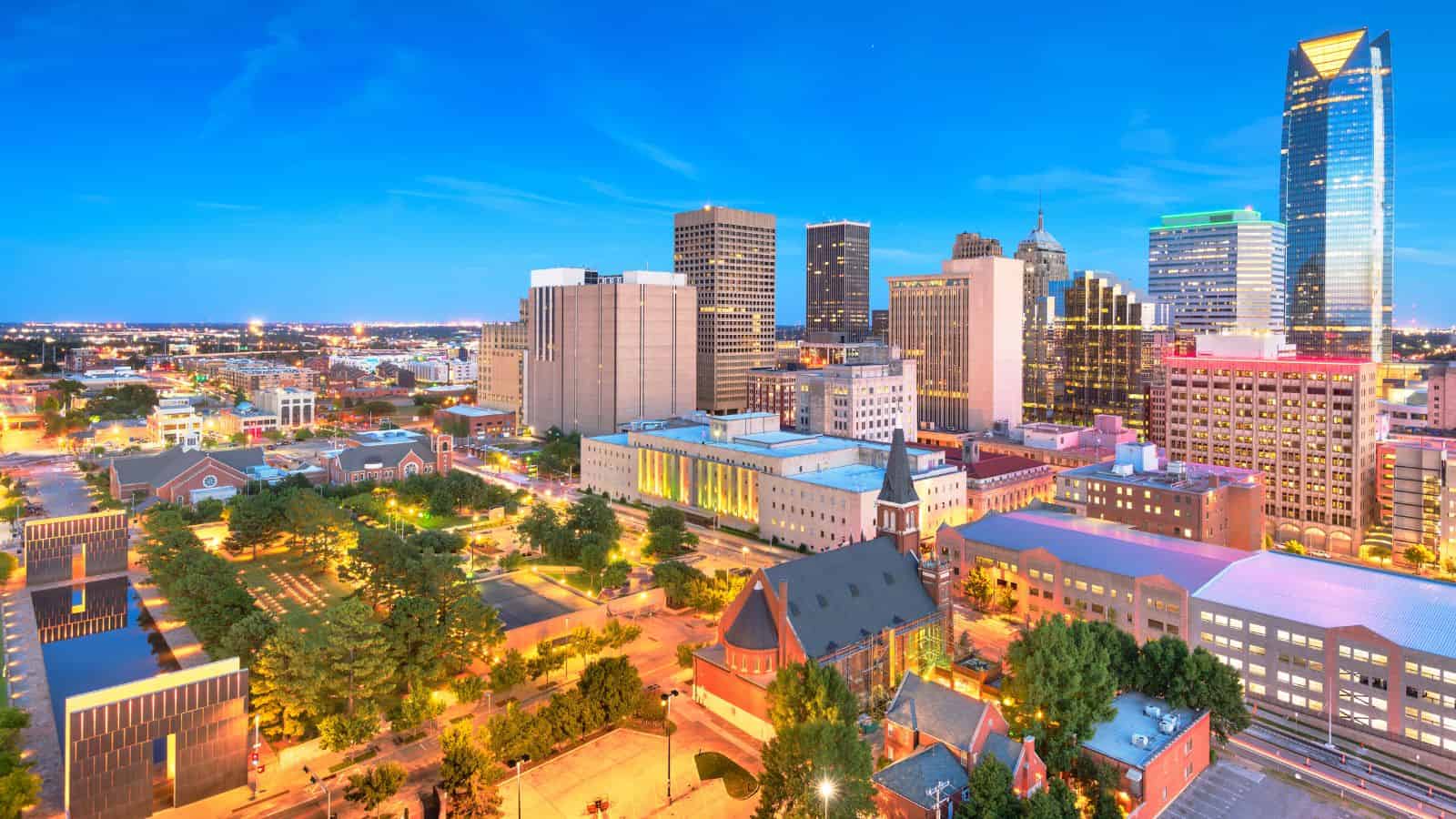
Oklahoma City has seen a significant increase in earthquake alerts over the past decade due to changes in regional geology and widespread wastewater injection practices. Although regulations have reduced some activity, sensors still record elevated numbers of small to moderate quakes. These events often occur in clusters, drawing attention from both scientists and emergency managers. The state’s infrastructure was not originally designed with frequent seismic activity in mind, so alerts help encourage retrofitting and updated safety practices. As monitoring networks expand, more tremors are recorded, giving residents earlier warnings and a clearer understanding of how active the region has become.
15 States With Active Volcanoes Most Americans Don't Know About

When thinking about volcanoes in the United States, most people picture Hawaii or perhaps Mount St. Helens in Washington. But there are actually 15 states with active volcanoes that most Americans don't know about—places where magma still stirs beneath the surface, quietly shaping the land. These states aren’t always associated with volcanic activity, yet they hold some of the country's most fascinating and overlooked geological features.
Read More Here: 15 States With Active Volcanoes Most Americans Don't Know About
11 Countries With Smart Economies That Might Surprise You

Countries that are doing it better than others. Smart economies are often associated with global powerhouses like the United States, Germany, or Japan, but there are other countries with surprisingly strong economies that may not be as well known. These 11 countries with smart economies, which might surprise you, have employed innovative policies, strategic investments, and forward-thinking leadership to build thriving markets. They’ve found creative solutions to global challenges and leveraged their unique strengths to establish themselves as economic leaders in unexpected ways.
Read More Here: 11 Countries With Smart Economies That Might Surprise You



Leave a Reply