
Food has a way of turning a trip into something unforgettable. In particular, food from these 14 countries with great food scenes has become the main reason why tourists flock to visit. Exploring these places through their food lets you connect with the culture in a way that goes beyond sightseeing. It’s about tasting history, tradition, and creativity all in one bite.
Traveling for food doesn’t mean you need to be an expert or have a fancy palate. It’s about being open to new experiences and letting your taste buds guide you. Whether you like spicy dishes, fresh seafood, or rich desserts, there’s something out there to catch your attention. These destinations make it easy to fall in love with their food and keep coming back for more. Planning a trip around great food is a perfect way to discover a new side of the world.
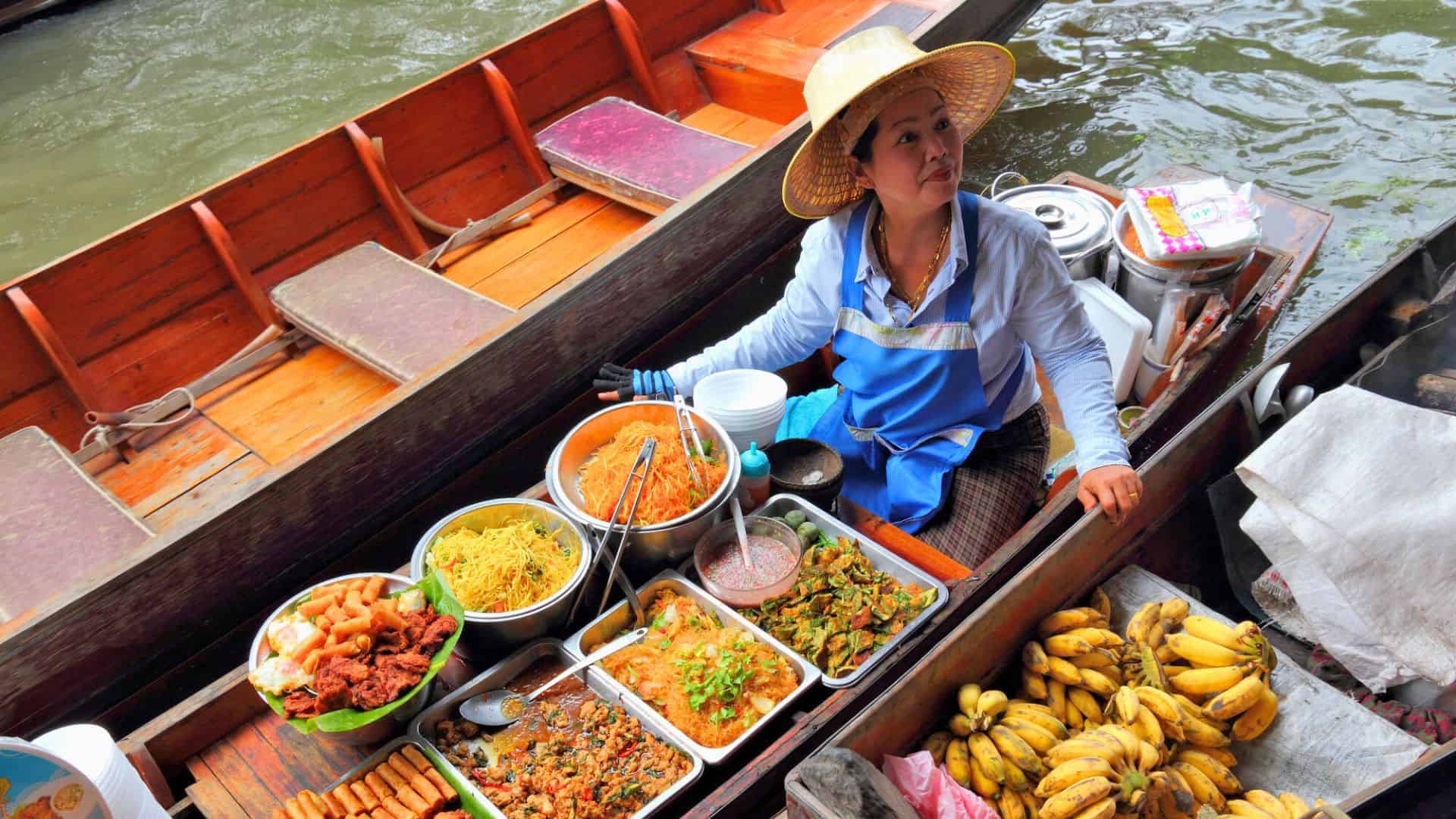
Italy

Italy is a treasure trove for food lovers, with each region showcasing its own specialties. From the rich, creamy risottos of Milan to the fresh seafood dishes of Sicily, the variety is impressive. Traditional pizzas from Naples draw crowds worldwide, while handmade pastas like tagliatelle and tortellini highlight the skill of Italian chefs. Street markets brim with fresh produce, cheeses, and cured meats. Italy’s desserts, including tiramisu and cannoli, complete the experience. The culture around meals emphasizes sharing and taking time to enjoy the flavors and company.
Peru
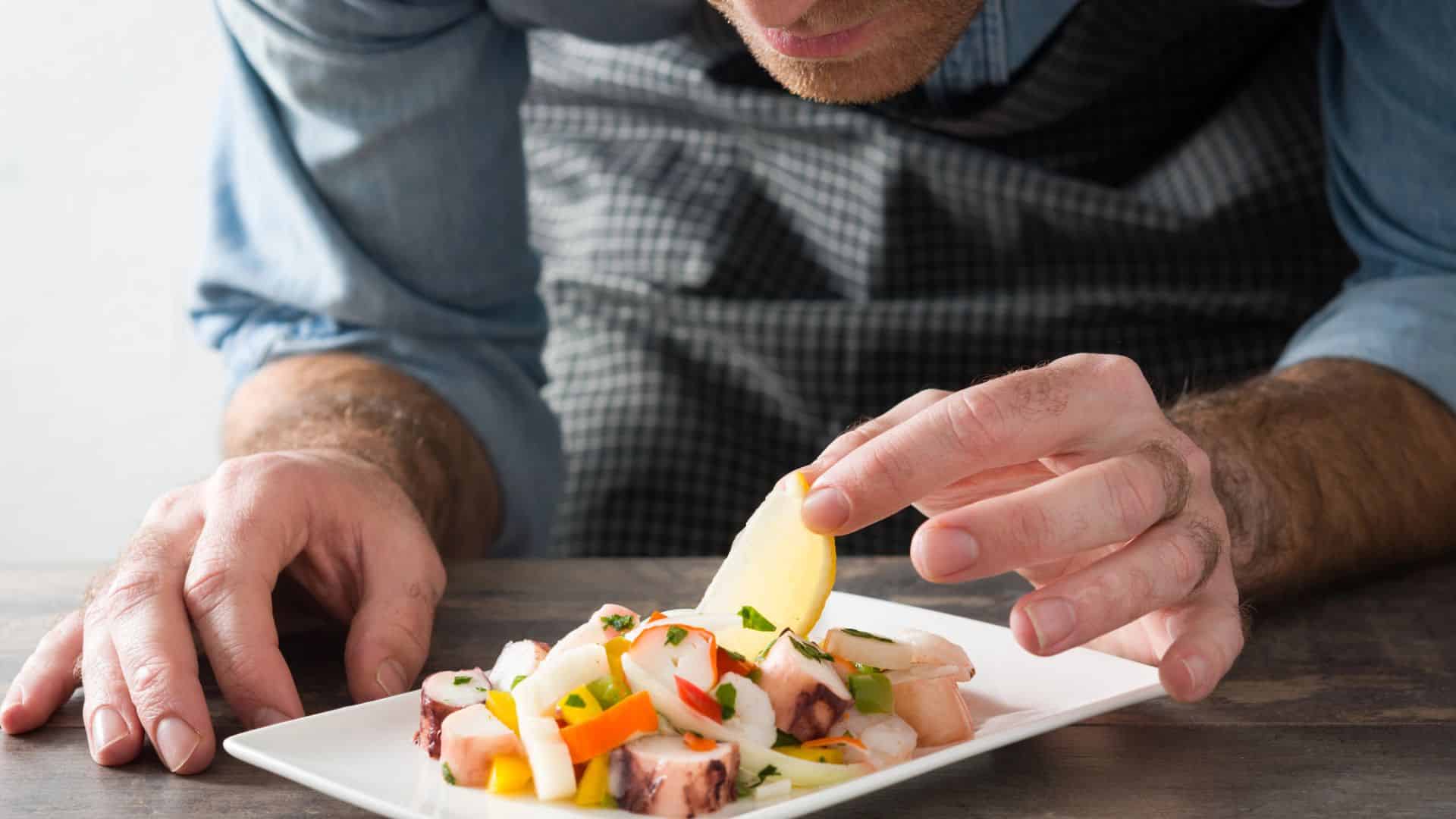
Coastal and mountain ingredients come together in dishes like ceviche, where raw fish is marinated in citrus juices and mixed with chili and onions. Quinoa, native to the Andes, is used in a variety of soups and salads. Potatoes, native to the region, appear in countless preparations, from creamy stews to crispy fried snacks. The influence of indigenous, Spanish, and Asian flavors creates complex profiles. Street food stalls offer anticuchos, grilled skewers of meat, while the use of aji peppers adds a distinctive heat. Dining often celebrates the connection between land and sea.
India
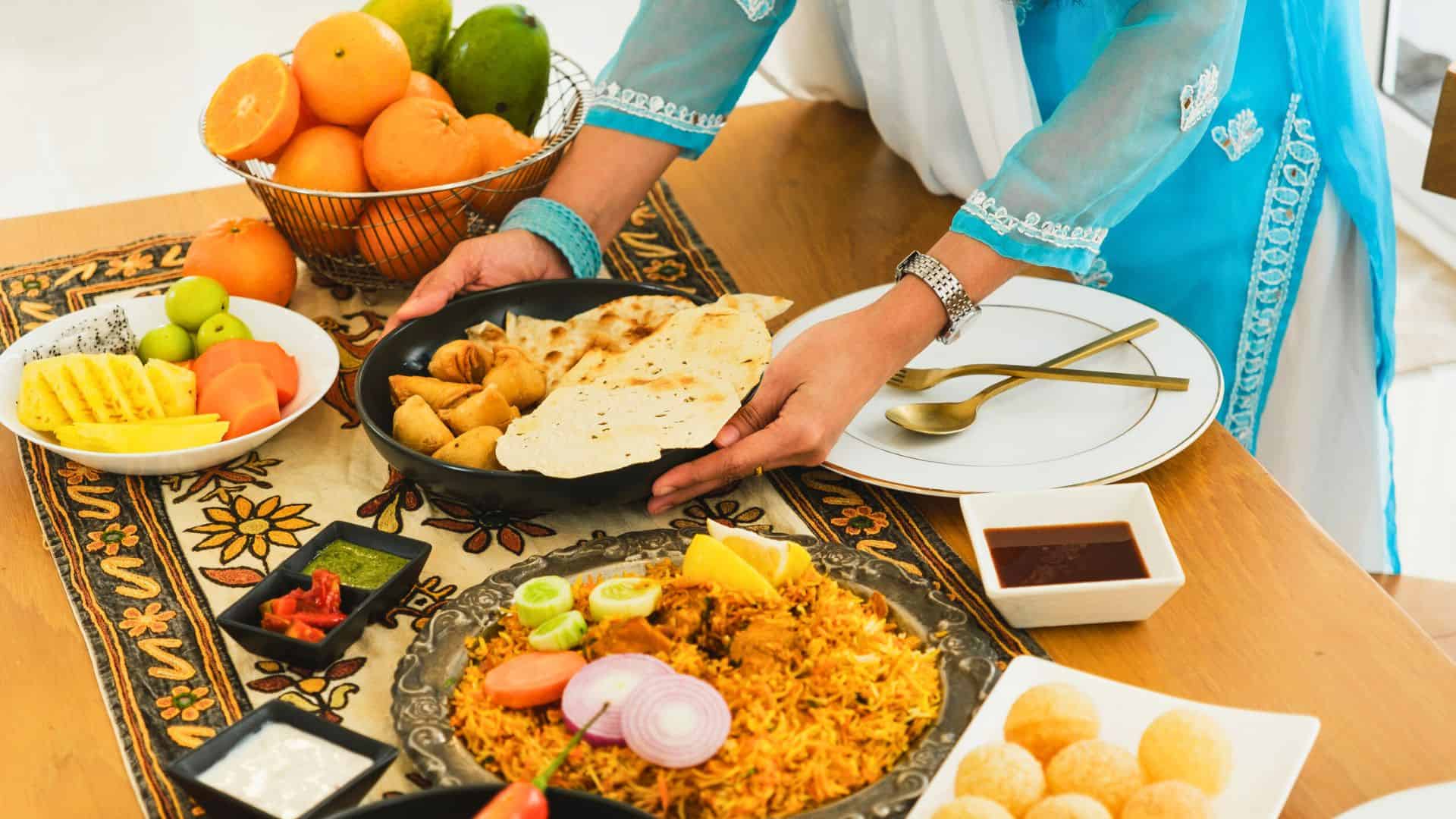
India’s food scene is a vast tapestry of spices, textures, and aromas. Each state presents its own specialties, from the rich gravies of the north to the rice-based dishes of the south. Curries range from mild to fiery, often accompanied by freshly baked breads like naan or roti. Street food stalls serve chaat and samosas, packed with layers of flavor and crunch. Lentils, vegetables, and dairy products such as paneer are staples. Meals are often communal, with a variety of dishes shared among family and friends, celebrating both tradition and hospitality.
Turkey
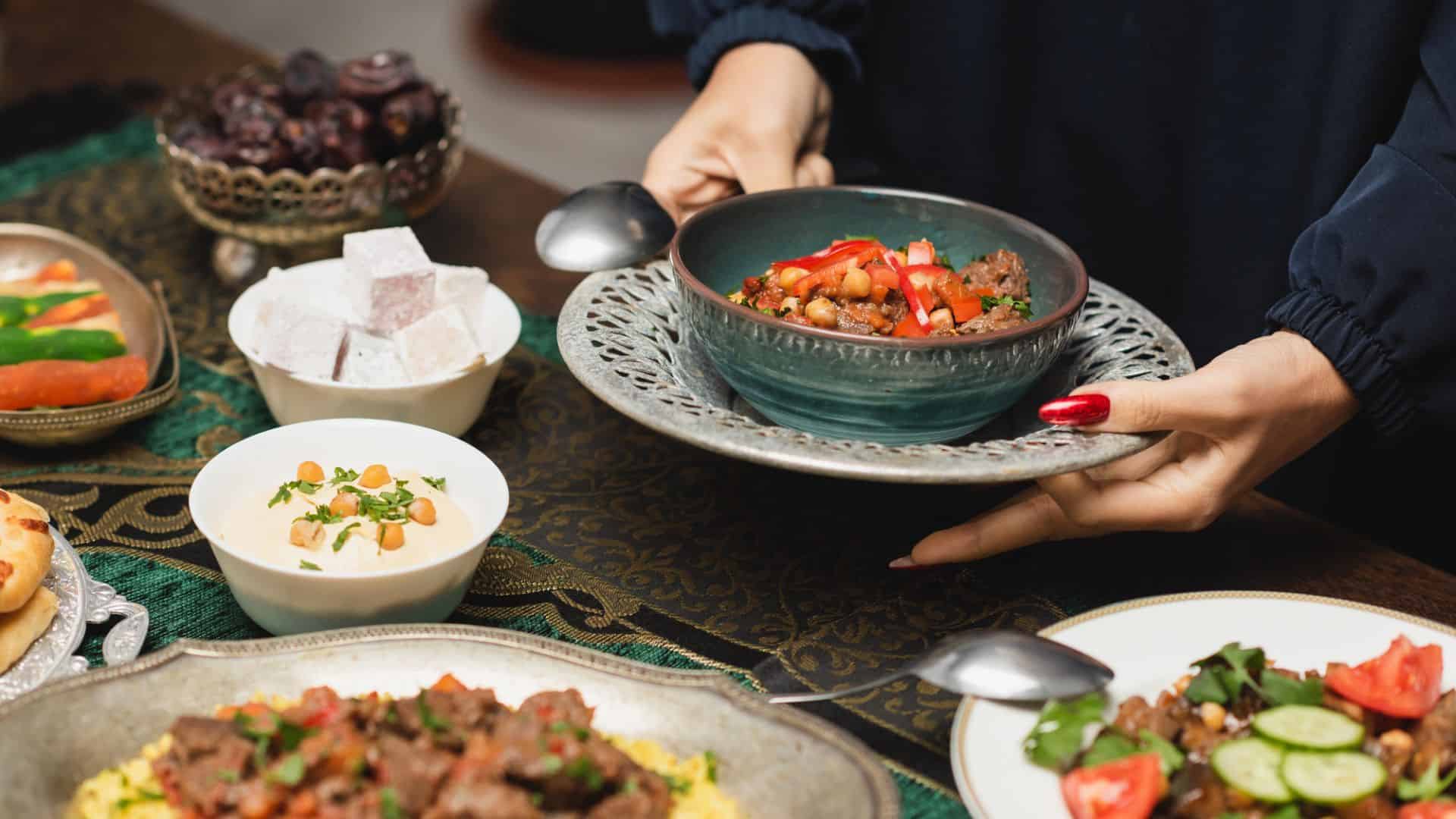
Rich, hearty dishes often feature lamb, eggplant, and bulgur wheat, seasoned with herbs like parsley and sumac. Meze platters, filled with small portions of dips, salads, and grilled vegetables, encourage communal dining. Kebabs, cooked over open flames, showcase tender, well-marinated meats. Sweet pastries like baklava and Turkish delight provide a sugary finish. Tea and coffee cultures are deeply ingrained, with gatherings centered around conversation and relaxation. Markets burst with fresh produce and spices, reflecting the country’s position at the crossroads of continents.
Japan

Japan’s food scene is defined by precision and seasonality. Sushi and sashimi highlight the freshness of the sea, while ramen shops serve steaming bowls with complex broths. Tempura offers a light, crispy contrast to other rich dishes. Regional specialties vary greatly, from Osaka’s okonomiyaki to Hokkaido’s dairy products. Street vendors sell takoyaki and yakitori, perfect for quick bites. Traditional tea ceremonies and kaiseki meals emphasize balance and presentation. The respect for ingredients and preparation techniques makes dining in Japan a deeply immersive experience.
South Korea
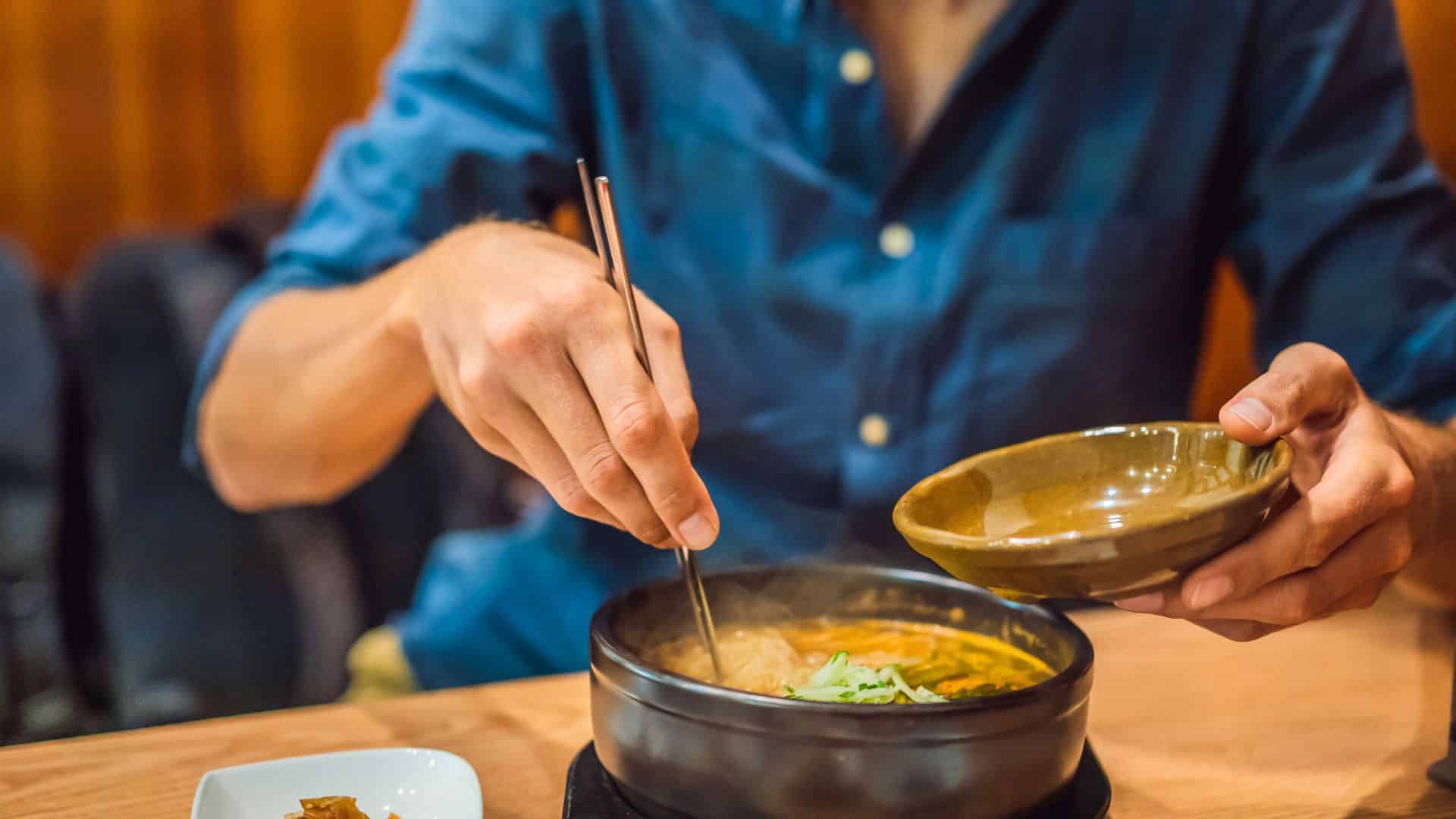
Bold flavors define many dishes, from fermented kimchi to grilled meats cooked at the table. Bibimbap mixes rice with vegetables, egg, and spicy gochujang sauce, creating a balanced bowl of textures and tastes. Street vendors offer snacks like tteokbokki, chewy rice cakes in a spicy sauce, and hotteok, sweet filled pancakes. Meals often involve multiple side dishes, encouraging sampling and sharing. The culture of barbecue restaurants invites diners to cook their own food while enjoying lively conversation. Fermentation plays a key role in preserving ingredients and enhancing flavor.
Vietnam
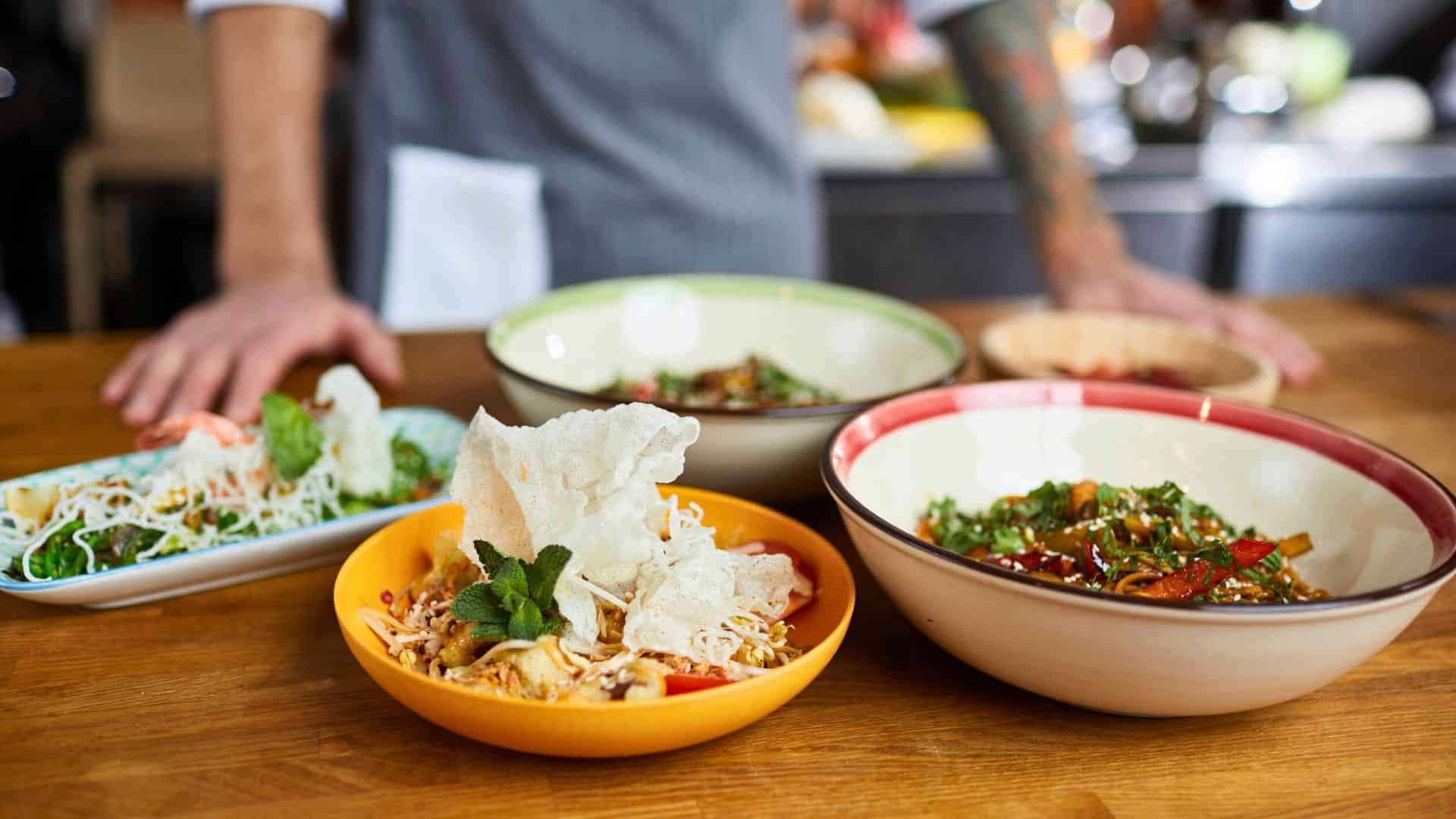
Street food culture thrives in bustling cities and quiet towns alike, where vendors serve bowls of pho filled with fragrant broth and tender meat. Banh mi sandwiches combine French influences with fresh herbs and pickled vegetables, creating layers of flavor and texture. Markets overflow with tropical fruits and fresh greens, while dishes often balance sweet, sour, salty, and spicy elements. The use of fish sauce and fresh herbs adds brightness to many meals. Eating is often a social event, with small plates shared among friends and family.
France

France’s food traditions run deep, with regional specialties reflecting local ingredients and history. Parisian bistros serve classics like coq au vin and boeuf bourguignon, while Provence is known for herbs, olives, and seafood. The country’s bread and pastries are world-famous, with baguettes and croissants appearing daily on tables. Cheese varieties abound, from Camembert to Roquefort. Meals often begin with a selection of charcuterie and end with rich desserts such as crème brûlée or tarte tatin. French dining is as much about conversation and atmosphere as it is about the dishes.
Want to save this?
Thailand
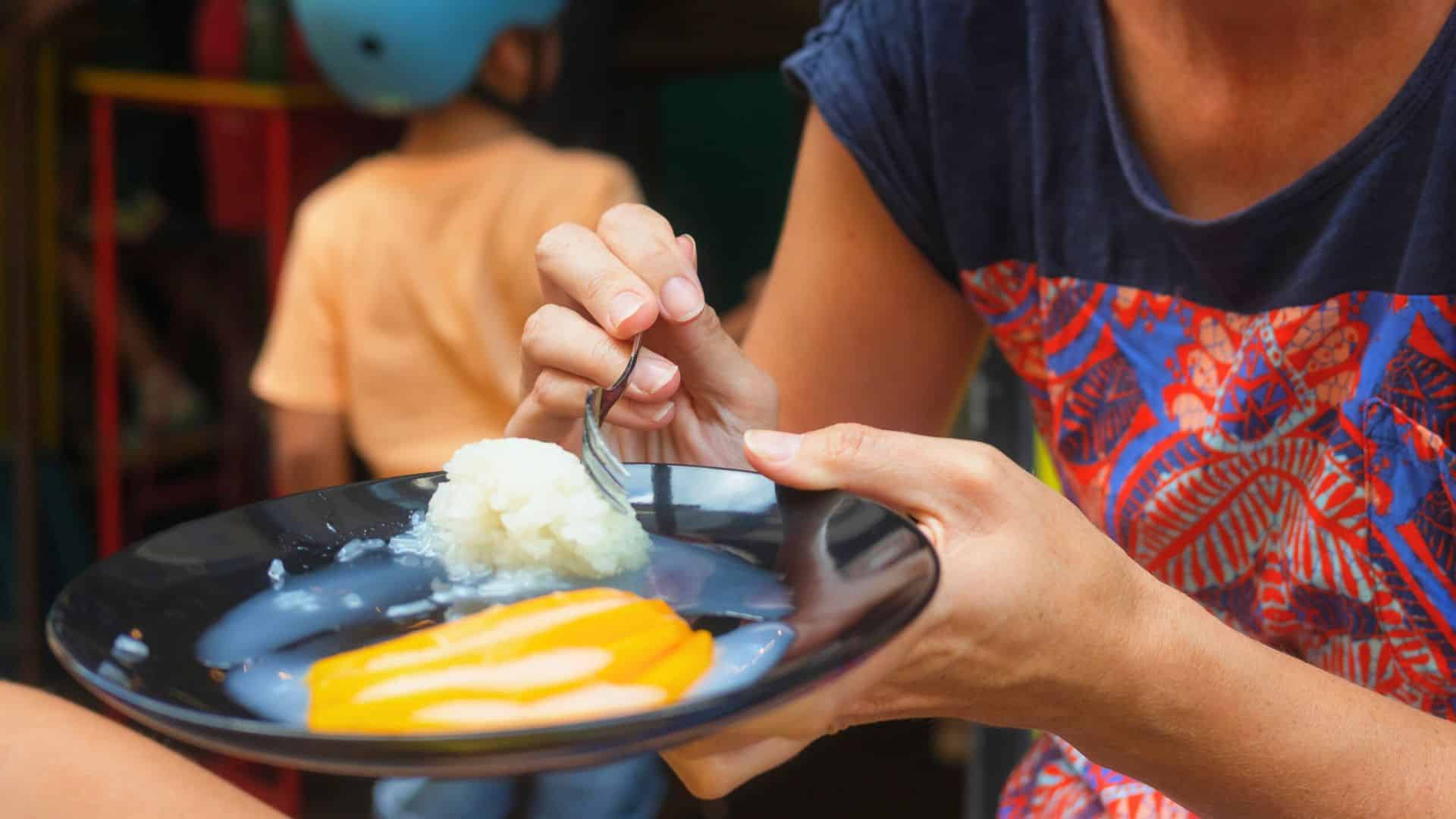
Thailand is famous for its vibrant street food culture, where bustling markets fill the air with fragrant spices and herbs. Dishes like pad Thai combine sweet, sour, and spicy flavors in perfect harmony. Tom yum soup brings a punch of heat and citrus, while green curry delivers a creamy, aromatic richness. Sticky rice with mango is a beloved dessert. Fresh ingredients such as lemongrass, galangal, and kaffir lime leaves create complex layers of flavor. Eating in Thailand often means enjoying food outdoors, surrounded by lively crowds and colorful stalls.
Lebanon
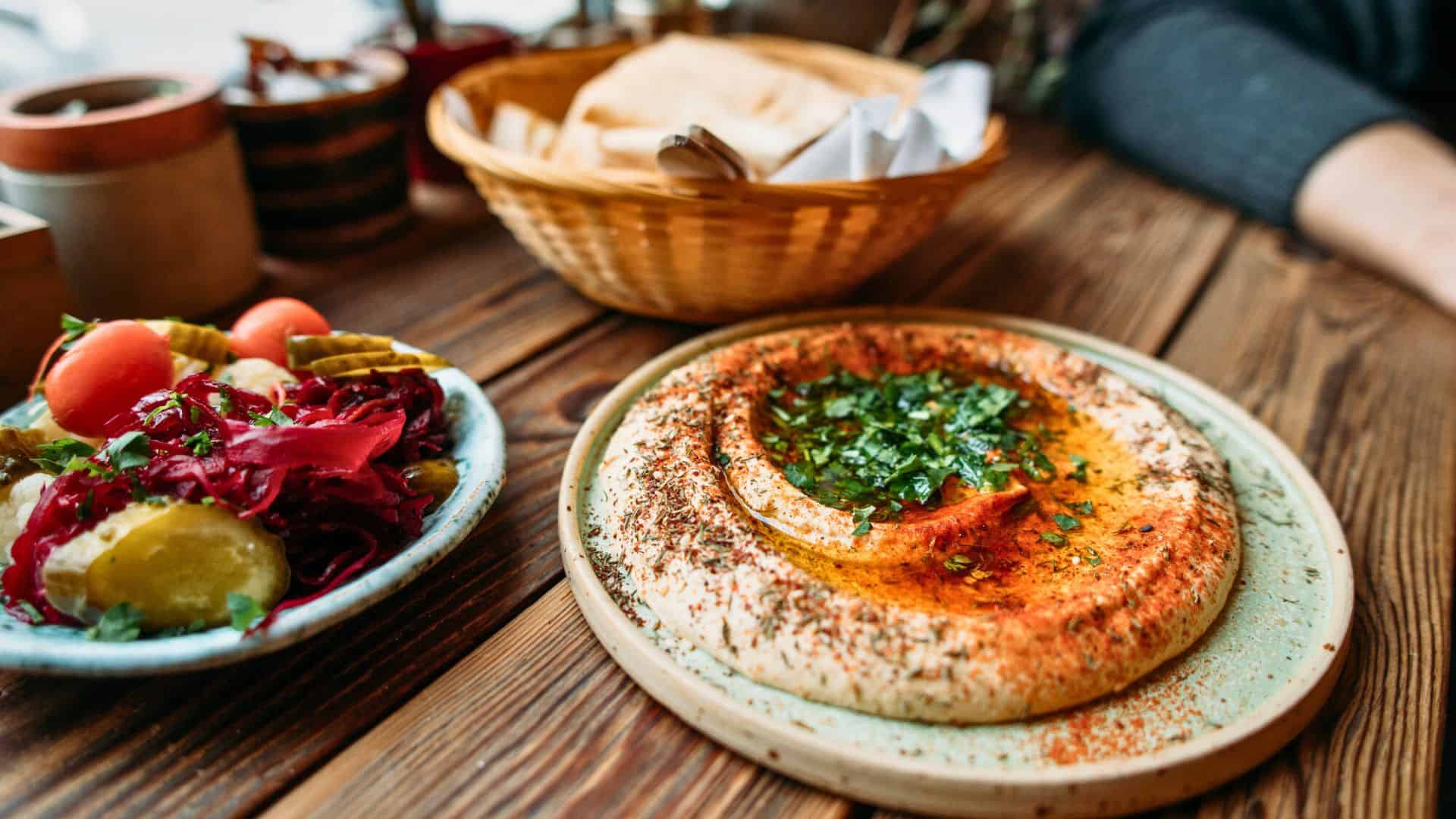
Mezze spreads include hummus, tabbouleh, and baba ghanoush, each bursting with fresh herbs, lemon, and garlic. Grilled meats and flatbreads are staples, often enjoyed in casual, social settings. Olive oil and sumac add brightness to many dishes, while pomegranate seeds provide a pop of tartness. Desserts such as knafeh, a cheese pastry soaked in syrup, highlight the region’s love for sweet and savory combinations. Meals are typically shared, reflecting a culture that values hospitality and connection through food. Markets feature a bounty of fresh vegetables, spices, and nuts.
Greece
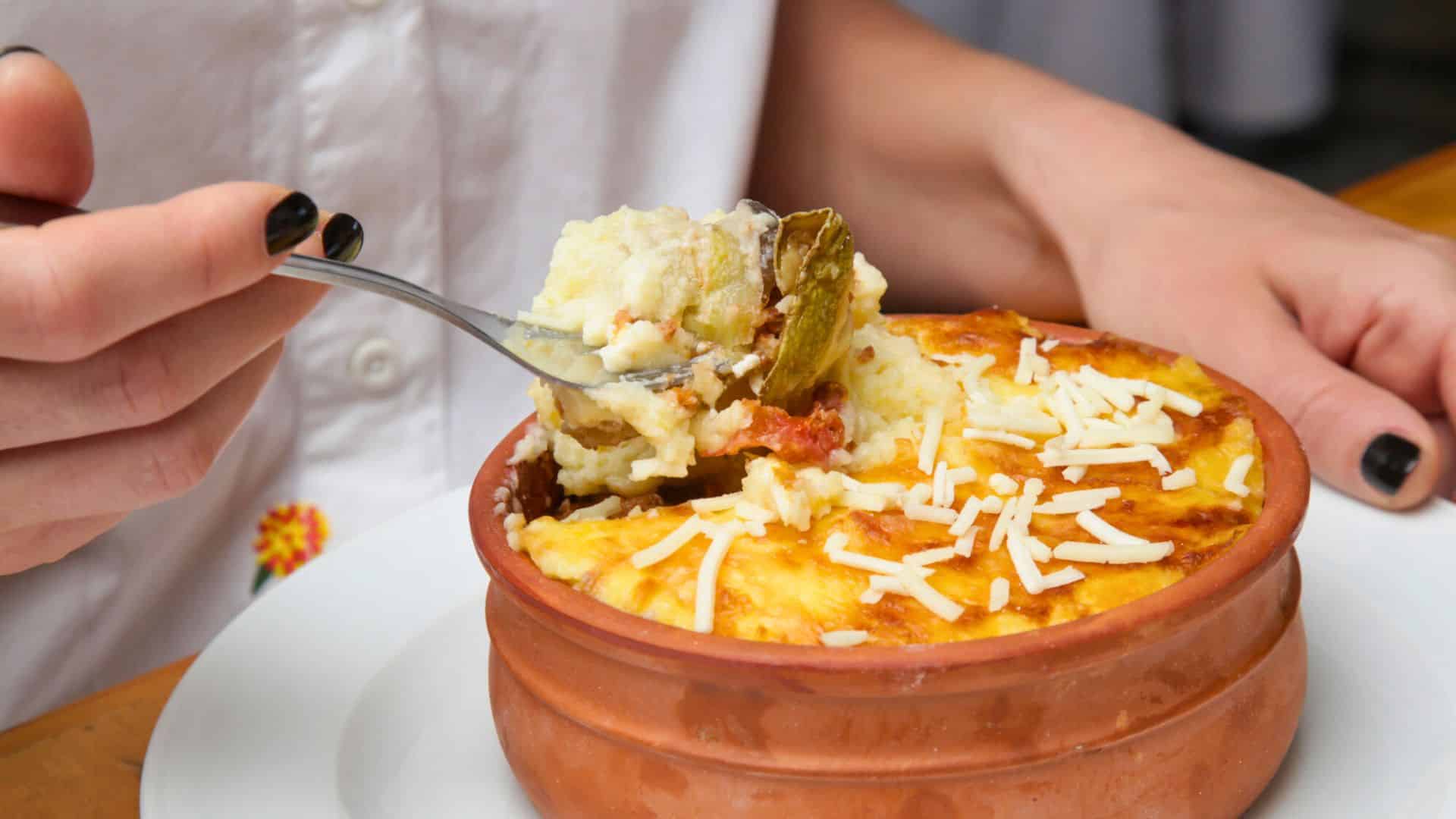
Mediterranean ingredients such as olives, feta cheese, and fresh seafood form the backbone of many traditional dishes. Grilled meats like souvlaki are commonly enjoyed alongside vibrant salads and lemony dressings. Moussaka, a layered eggplant and meat casserole, represents hearty comfort food. Meals often take place outdoors, where the relaxed atmosphere complements the fresh, simple flavors. Pastries filled with nuts and honey, like baklava, conclude meals on a sweet note. Local tavernas invite diners to experience the rich food heritage passed down through generations.
Morocco
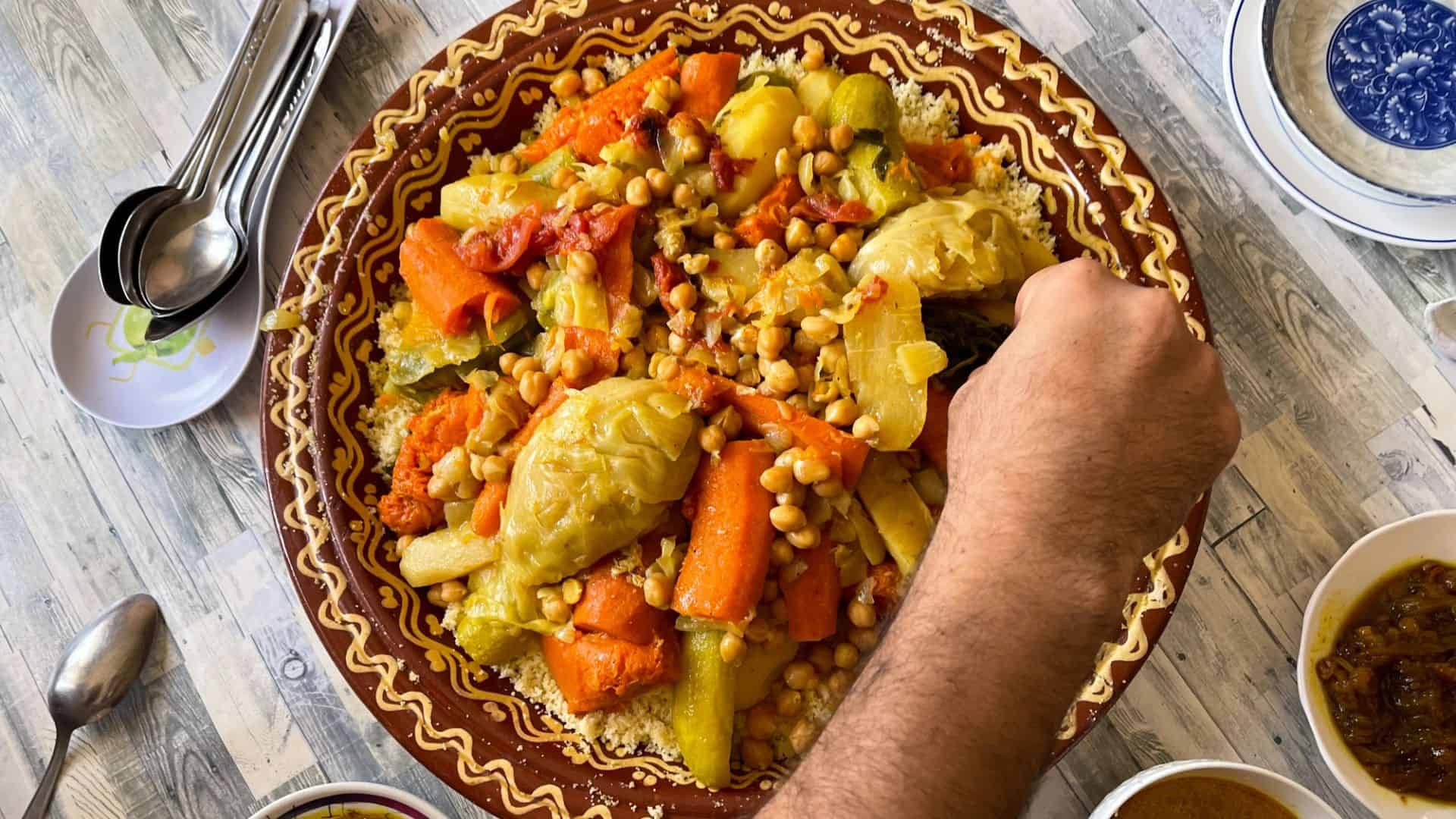
Aromatic spices such as cumin, coriander, and cinnamon infuse slow-cooked tagines, where tender meats and vegetables meld together in rich sauces. Couscous is a staple, often served with a variety of roasted or stewed accompaniments. Street markets buzz with vendors selling fresh bread, olives, and preserved lemons. Mint tea, poured from a height into small glasses, is a symbol of hospitality. Meals emphasize communal sharing, with platters designed for passing around. The combination of North African and Mediterranean influences creates a vibrant tapestry of flavors.
Mexico
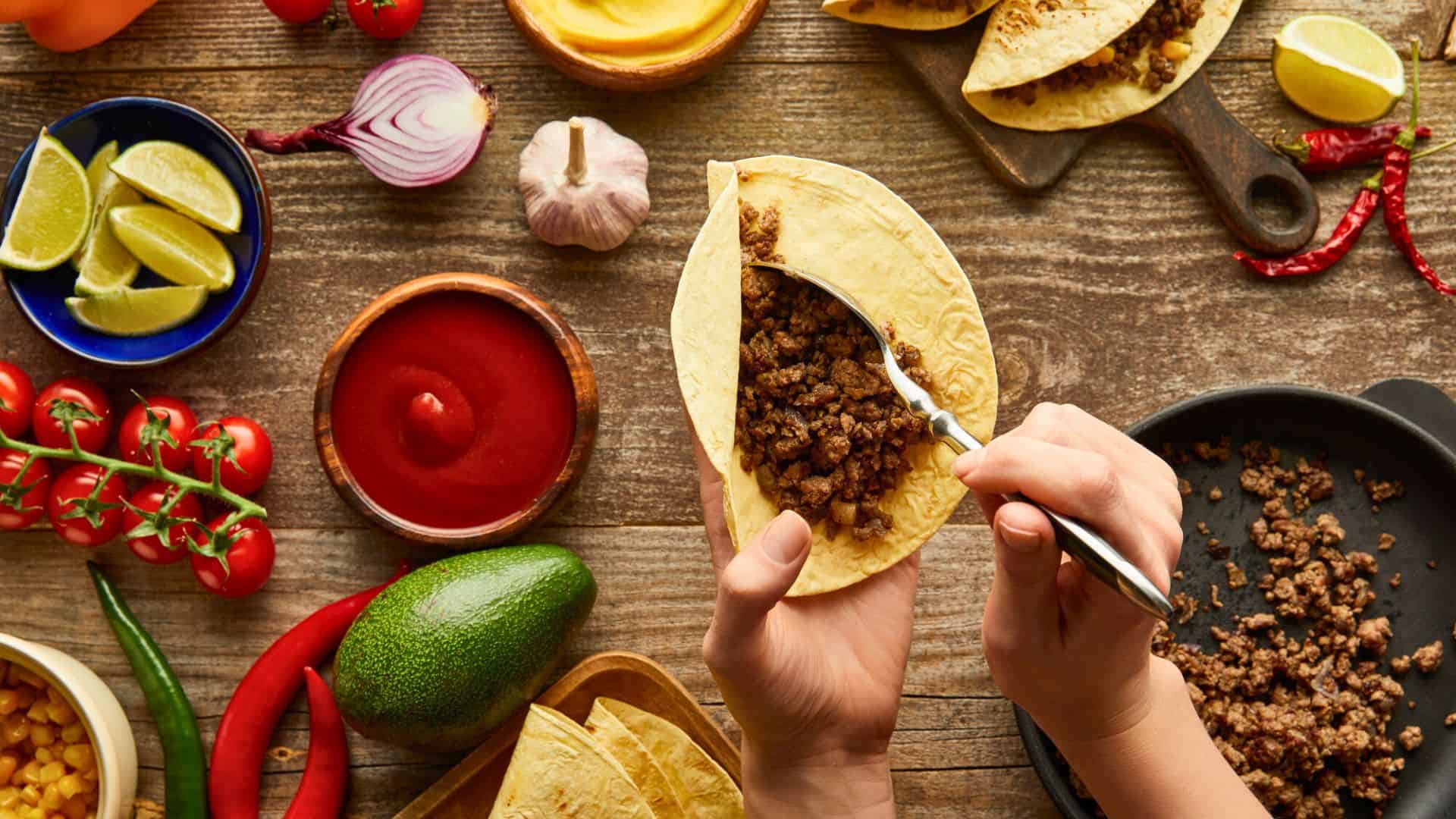
Mexico’s food scene is a vibrant celebration of bold flavors and textures. Tacos come filled with everything from slow-cooked pork to fresh fish, often topped with lively salsas made from chilies and fresh herbs. Mole sauces, made from complex blends of spices and chocolate, add depth to dishes. Street vendors serve tamales wrapped in corn husks and fresh elote (corn on the cob) slathered with cheese and chili powder. Corn, beans, and chili peppers form the foundation of many recipes, reflecting centuries of indigenous and Spanish influences.
Spain
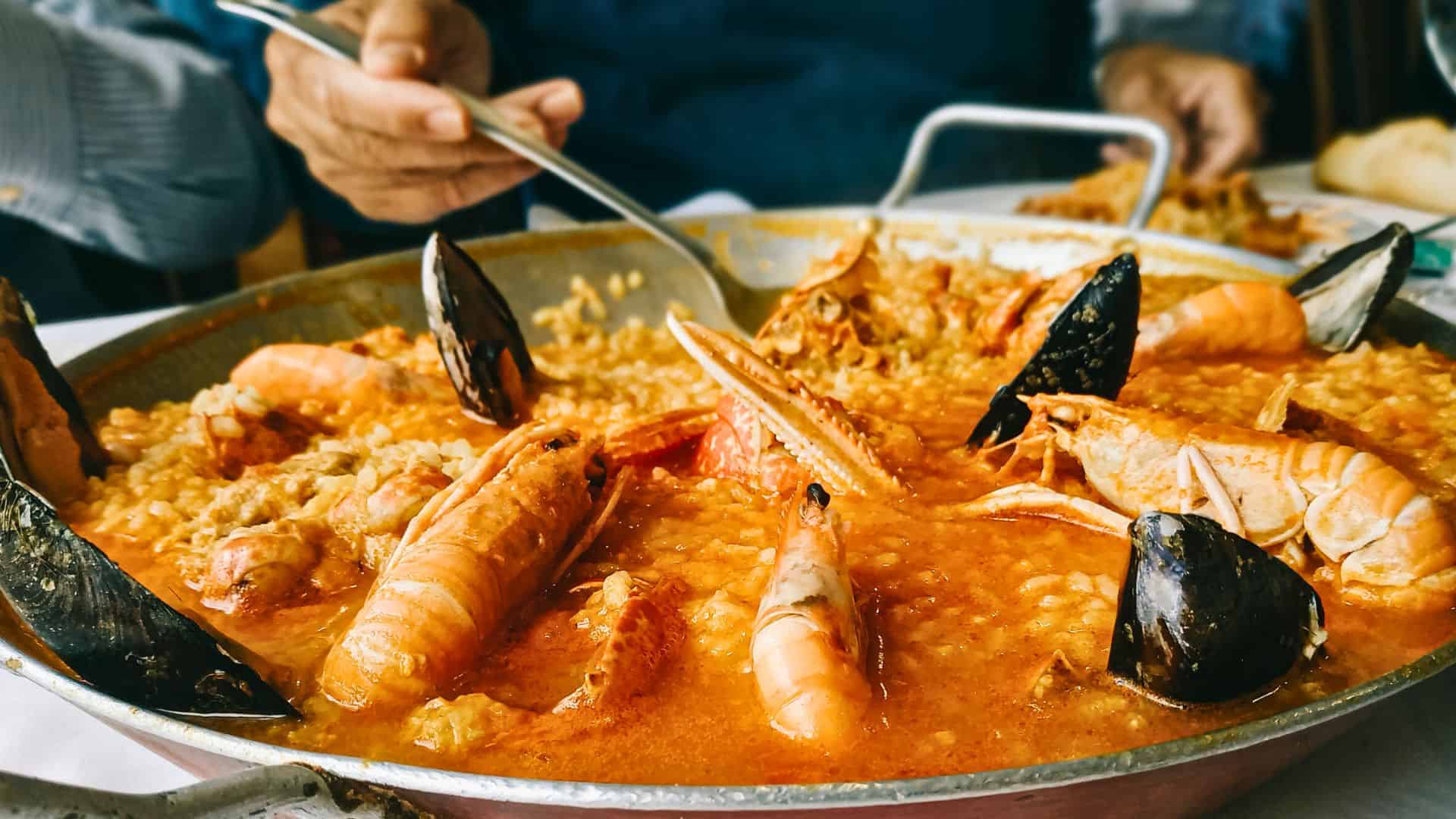
Spain’s food culture is rich with variety, from the small plates of tapas to hearty paellas cooked over open flames. Jamón ibérico, a cured ham with a deep, nutty flavor, is a prized delicacy. Olive oil, garlic, and fresh tomatoes play central roles in many dishes. Markets like La Boqueria in Barcelona are vibrant hubs where locals gather to buy fresh fish, cheeses, and produce. Wine regions such as Rioja complement meals with robust reds. The late-night dining culture encourages leisurely meals that extend into the early hours.
Forks Up, Passports Ready

Great food has a way of making any trip more memorable. When a place serves up dishes that stick with you, it’s hard not to want to come back. Traveling to explore food means diving into local life and discovering stories behind every bite. It’s a way to connect with people and places that goes beyond the usual tourist spots.
No matter what kind of flavors you prefer, there’s a destination out there that can surprise you. Planning a trip around food can turn a simple vacation into an adventure for your taste buds. It’s a chance to try something new, meet new faces, and create memories that last long after the meal is over. So, if you love good food, these places might just be the perfect reason to start packing your bags.
11 Nations That Prove Street Food Is the Ultimate Travel Experience
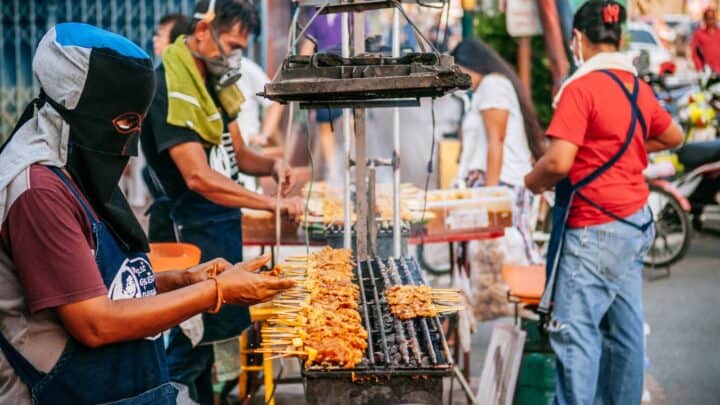
Here are 11 countries where street food reigns supreme and proves that the ultimate travel experience can often be found on a food stall. From the vibrant food scenes in Bangkok’s night markets to the savory tacos in Mexico City, these nations show just how exciting, affordable, and culturally rich street food can be. So, next time you’re traveling, skip the high-end restaurants and embrace the flavors of the streets.
Read More Here: 11 Nations That Prove Street Food Is the Ultimate Travel Experience
11 Countries Where Food Adventures Are More Thrilling Than Theme Parks

For travelers seeking excitement beyond theme parks, food adventures offer a unique thrill. While roller coasters and carnival rides might get the adrenaline pumping, some countries take food experiences to a whole new level. In these 11 destinations, culinary traditions, street food, and local delicacies offer an adventure of their own, often more daring than any thrill ride.
Read More Here: 11 Countries Where Food Adventures Are More Thrilling Than Theme Parks




Leave a Reply