
Canada is home to some of the most walkable cities, where visitors can explore the culture, history, and natural beauty on foot. With scenic streets, pedestrian-friendly pathways, and plenty of green spaces, these cities offer the perfect opportunity to immerse oneself in the surroundings. Whether it’s discovering charming neighborhoods, walking along waterfronts, or enjoying parks, many Canadian destinations are ideal for travelers who prefer to take things at a slower pace and enjoy the sights up close.
Here are 12 cities that have earned praise for their walkability and are loved by travelers for providing easy access to everything a visitor needs. Lace up those shoes and prepare to explore the streets, parks, and markets that make these cities stand out.
Quebec City, Quebec

Quebec City is one of Canada’s most enjoyable cities to explore on foot because everything feels close together and full of character. The old town has narrow cobblestone streets, stone buildings, and small squares that encourage slow wandering. Travelers enjoy climbing to viewpoints above the St. Lawrence River, browsing local shops, and walking through historic gates that date back centuries. The atmosphere shifts gently from quiet residential corners to busy plazas. Most major sights sit within walking distance, so visitors rarely feel rushed. The experience feels immersive, with history and scenery present at every turn.
Victoria, British Columbia

Victoria is easy to explore on foot thanks to its compact downtown and scenic waterfront paths. Visitors enjoy strolling around the Inner Harbour, where street performers, boats, and historic buildings create a lively setting. Walking routes lead through peaceful parks, small shops, museums, and cozy residential streets. The climate is mild, which encourages outdoor exploration throughout much of the year. Many travelers say Victoria feels approachable and calm, with plenty of places to stop and take in the ocean views. The city’s layout makes it simple to enjoy an entire day without relying on cars or transit.
Halifax, Nova Scotia
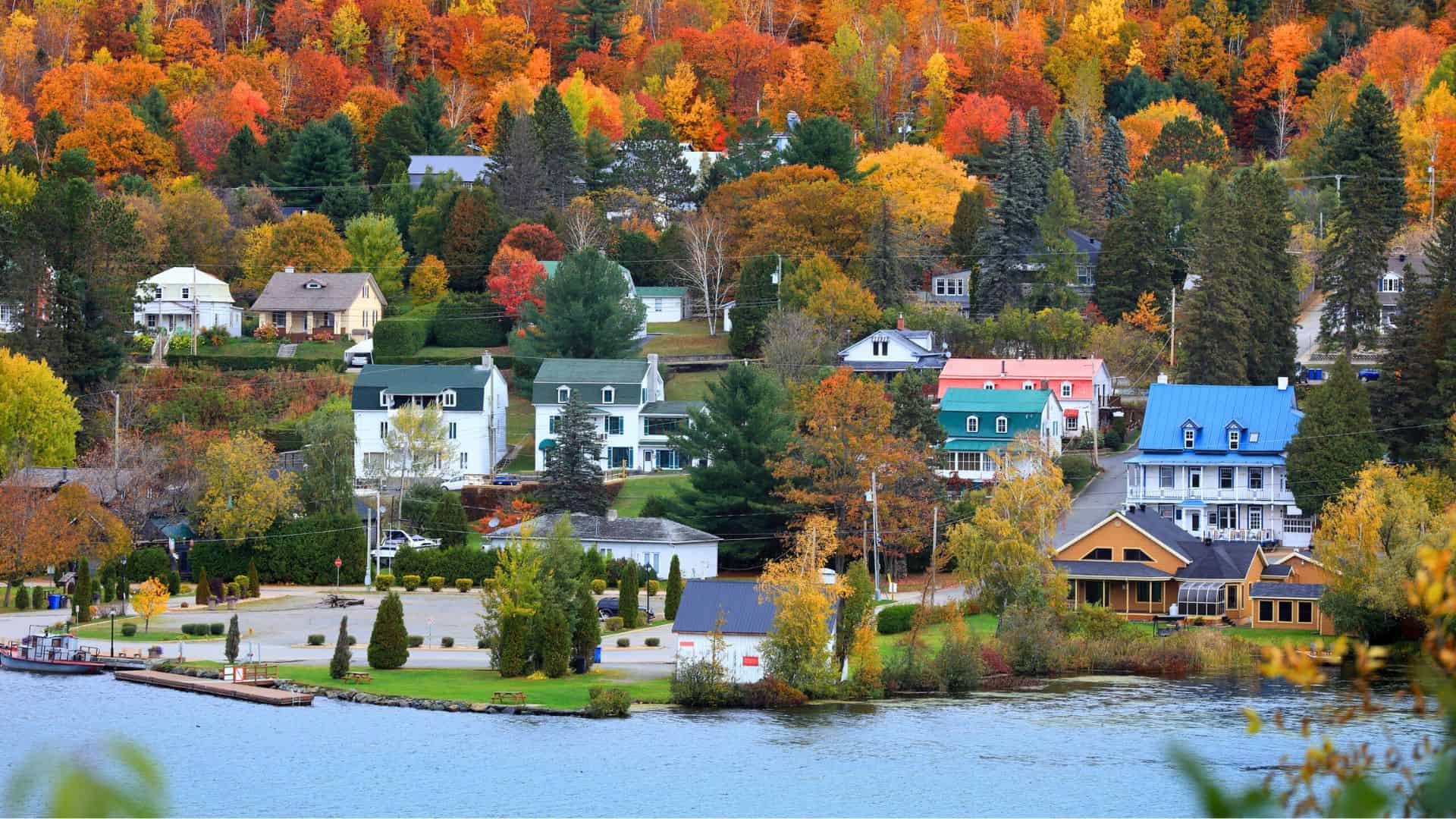
Halifax combines coastal charm with a lively downtown that feels built for walking. Travelers enjoy following the long boardwalk along the harbor, where they can watch ships, browse small kiosks, and enjoy open views of the water. The city’s hills lead to scenic lookouts and historic sites such as the Citadel, which rewards walkers with impressive perspectives. Downtown streets are filled with restaurants, markets, and cultural spots that are close together. Halifax feels energetic but not overwhelming, making it easy for visitors to explore at their own pace. The mix of maritime scenery and history adds depth to every walk.
St. John’s, Newfoundland
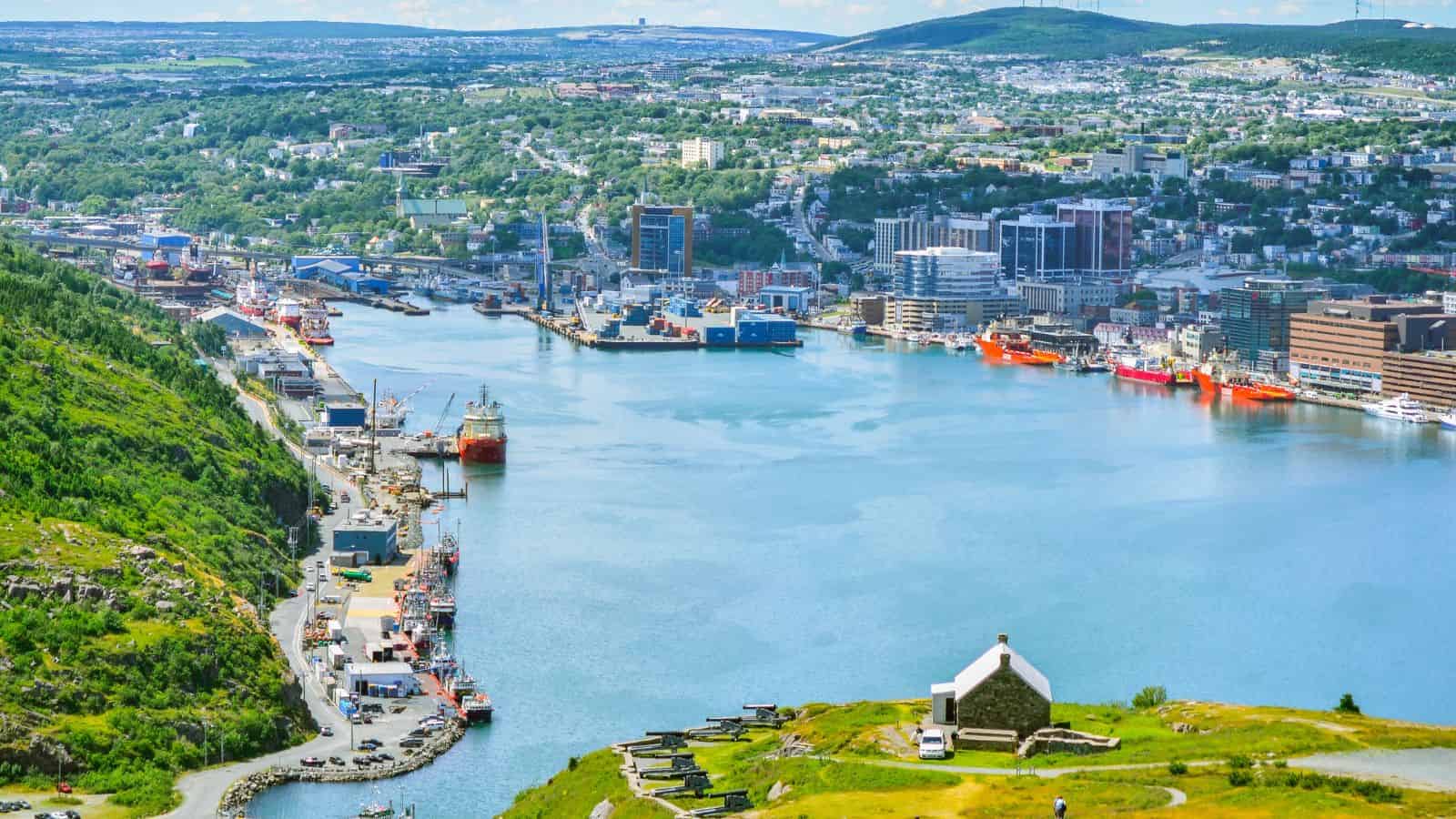
St. John’s invites visitors to explore its steep streets, colorful row houses, and dramatic coastal scenery on foot. Many travelers enjoy wandering through the downtown area, where each street has its own character. Walking paths lead to Signal Hill and other viewpoints that overlook the harbor and ocean. The compact layout encourages exploration, and the mix of history, culture, and rugged landscapes gives each walk a sense of discovery. Even brief strolls reveal new angles of the city’s vibrant architecture. Visitors often say they appreciate how walkable St. John’s feels despite its hills and winding roads.
Ottawa, Ontario

Ottawa’s well-maintained pathways, compact downtown, and scenic canal make it a strong walking city. Travelers easily move between Parliament Hill, museums, markets, and the riverfront without needing transit. The Rideau Canal provides long, peaceful routes ideal for slow walks in any season. Neighborhoods near the downtown core offer quiet streets with cafés and small shops. Major attractions sit close together, so visitors can explore multiple sites in a single day. The city feels clean, open, and organized, which helps travelers enjoy the combination of government landmarks, waterways, and cultural spots at a relaxed pace.
Montreal, Quebec

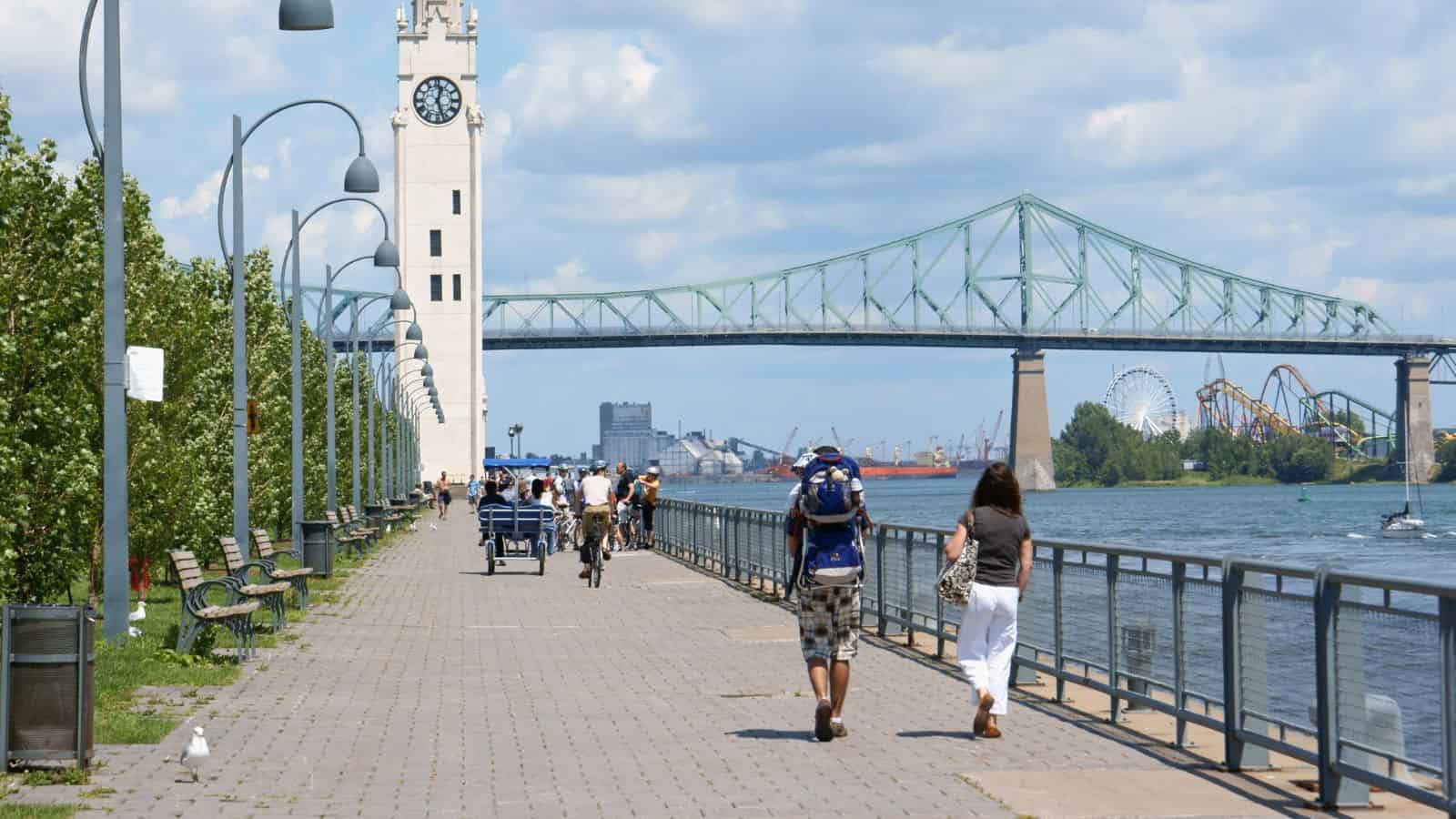
Montreal encourages walking with its lively neighborhoods, street art, parks, and variety of cultural districts. Visitors enjoy exploring Old Montreal’s historic architecture, wandering through the Plateau’s colorful residential streets, and climbing Mount Royal for sweeping city views. Sidewalk cafés, local markets, and murals make each walk feel interesting and full of life. The city’s layout supports casual strolling, with many attractions connected by pleasant pedestrian routes. Montreal’s mix of history and modern culture makes it easy to spend an entire day walking without running out of things to see.
Charlottetown, Prince Edward Island

Charlottetown’s peaceful streets, waterfront routes, and compact size make it an inviting city for walking. Visitors enjoy exploring historic buildings, quiet parks, and local shops without feeling rushed. The harbor area provides scenic views, and the city’s tidy layout makes navigation simple. Many attractions sit close together, so travelers can move easily between museums, cafés, and residential neighborhoods. The relaxed pace adds to the charm, giving walkers time to appreciate the small details that define the city. Charlottetown feels calm and approachable, with routes that highlight both local history and coastal scenery.
Want to save this?
Winnipeg, Manitoba

Winnipeg has several walkable districts that give travelers plenty to explore. The Exchange District attracts visitors with its historic warehouses, art galleries, and cultural spots, all arranged along pedestrian-friendly streets. The Forks provides riverside paths, markets, and green spaces perfect for long strolls. Osborne Village brings a creative atmosphere, with shops and cafés that reward slow exploration. Winnipeg’s walkability depends on the area, but these districts offer compact zones where everything sits close together. The combination of heritage sites and modern spaces helps travelers enjoy the city on foot at a comfortable pace.
Calgary, Alberta

Calgary offers excellent walking routes along the Bow River, where pedestrian bridges connect parks, neighborhoods, and the lively East Village. Downtown streets are organized and easy to navigate, with shops, restaurants, and public art scattered throughout. Prince’s Island Park provides peaceful trails surrounded by nature, giving travelers a break from urban scenery. Many visitors enjoy how close natural and city environments feel, creating a balanced walking experience. Calgary’s pathways make it simple to spend an entire day outside, moving between districts without needing a car.
Kingston, Ontario

Kingston’s waterfront, limestone buildings, and tidy downtown create a walkable environment that travelers appreciate. The city has a historic charm, with markets, parks, and museums arranged within comfortable walking distance. Visitors often follow lakeside routes that offer views of sailboats and old fortifications. The downtown core is compact, making it easy to explore shops, cafés, and cultural sites on foot. Kingston’s blend of heritage and scenic pathways turns casual walks into memorable experiences, especially during warmer months when the waterfront comes alive with activity.
Saskatoon, Saskatchewan

Saskatoon is known for its beautiful river valley, where walking paths connect several bridges, parks, and neighborhoods. Visitors enjoy following these routes for long stretches without interruption, taking in views of the South Saskatchewan River. Downtown streets feel approachable, with shops and restaurants scattered across a manageable area. The city’s overall layout encourages exploration on foot, especially near the river where trails offer a calm break from urban activity. Travelers often comment on the balance between nature and city life found throughout Saskatoon’s pedestrian routes.
Banff Townsite, Alberta

Banff’s compact center makes it easy for travelers to explore on foot while surrounded by spectacular mountain views. Visitors enjoy walking between shops, cafés, and museums before heading toward nearby riverside paths and scenic overlooks. The townsite is designed to support foot traffic, with clear sidewalks and routes that connect to outdoor areas quickly. Many travelers appreciate how walking allows them to enjoy the fresh air and scenery without needing transportation. Even short strolls lead to impressive views, making Banff one of the most rewarding Canadian towns to explore entirely on foot.
13 Breathtaking Urban Centers Designed for Walking, Not Driving

In an age of traffic jams and congested highways, some cities stand out for their pedestrian-friendly design. These 13 breathtaking urban centers designed for walking, not driving, offer a refreshing escape from the typical car-dependent environment. With compact city layouts, vibrant streets, and a focus on public spaces, these cities prioritize walkability, making them perfect for those who want to explore at their own pace without the stress of traffic or parking.
Read More Here: 13 Breathtaking Urban Centers Designed for Walking, Not Driving
10 Destinations That Help You Reset When Life Feels Too Fast

Life moves quickly, and sometimes the best way to slow down is to step away from it all. Around the world, there are destinations that help you reset when life feels too fast—places where quiet landscapes, calming cultures, and slower rhythms remind travelers to breathe again. Whether it’s a misty mountain village, a seaside town, or a forest retreat, these destinations encourage reflection and stillness in ways that modern life rarely allows. Each one creates space to rest, refocus, and rediscover balance without the constant noise of routine.
Read More Here: 10 Destinations That Help You Reset When Life Feels Too Fast




Leave a Reply