
In today’s fast-paced world, travel has evolved in many ways, but some habits still stand the test of time. While technology has introduced new conveniences, many travelers continue to hold on to old routines that made exploring the world more personal and memorable. From map-reading to hand-written postcards, these practices remind us of a time when travel was a bit simpler, often slower, but deeply rewarding.
Despite the rise of smartphones and instant online bookings, there are still certain things that can’t be replaced. Here are 13 habits that travelers, especially seasoned explorers, still swear by. Whether it’s choosing to travel light with just carry-on luggage or relying on trusted travel guides, these habits continue to shape the journey for many. If you’re looking to revisit some tried-and-true travel practices, these might be worth bringing back on your next adventure.
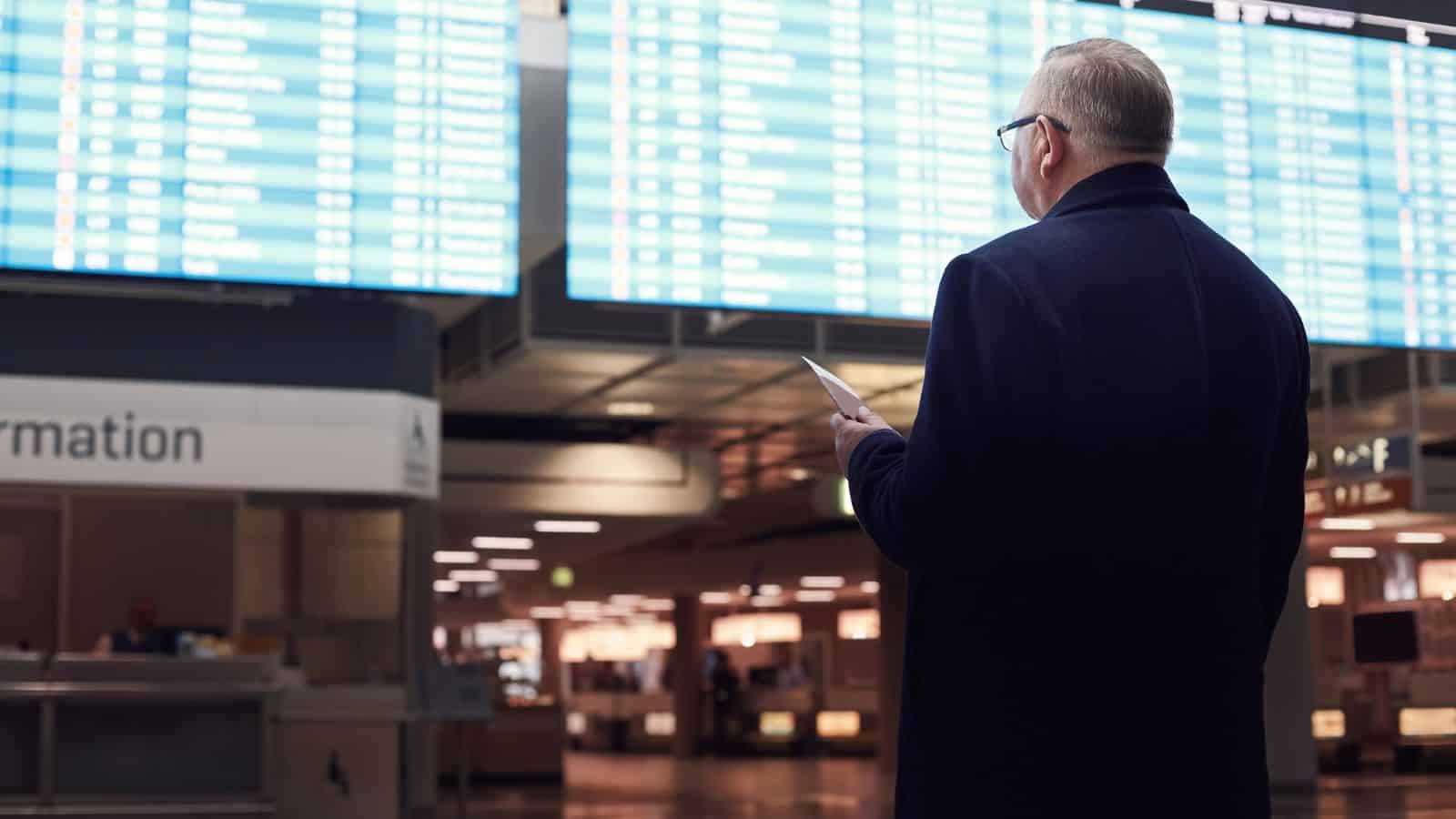
Bringing a Printed Boarding Pass
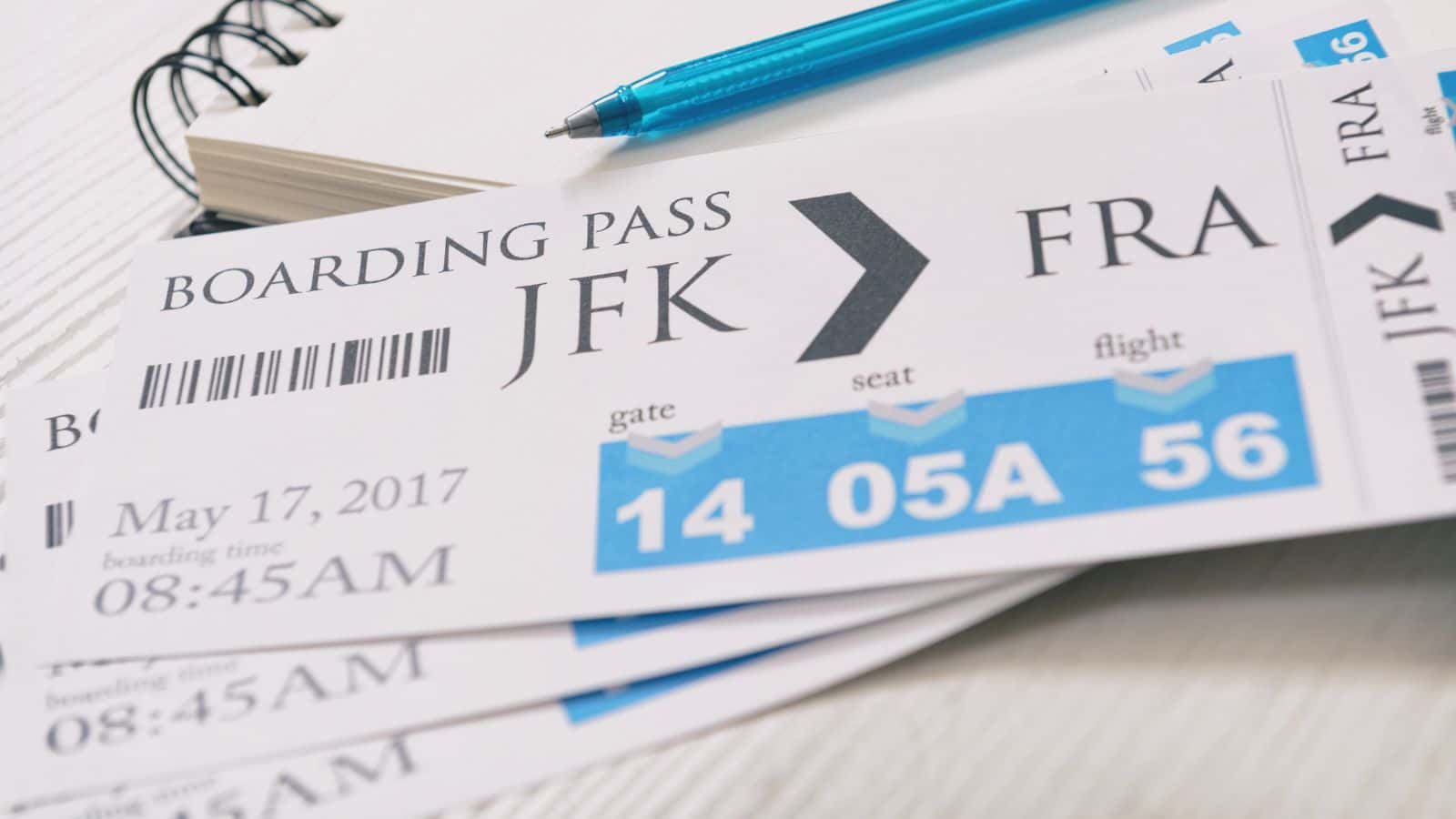
Many travelers still prefer carrying a printed boarding pass even though airlines encourage digital versions. They feel safer having something they can physically hold, especially if their phone battery drains or an app fails to load at security. Printed passes also help older travelers who are used to checking documents multiple times during the trip. Some like keeping a copy tucked into their passport so everything stays in one place. This habit remains strong because it adds a sense of predictability to the start of a journey.
Packing Way Too Early

Some people still begin packing several days before a trip because it helps them feel organized. They spread clothes and essentials across the bed, double-check weather forecasts, and adjust their plans slowly. This routine comes from years of travel when last-minute stores were limited and forgotten items caused real inconvenience. Early packing allows time to weigh bags, rethink outfits, and prepare toiletries calmly. Even in an age of quick shopping and easy replacements, this habit continues because it brings comfort and reduces pre-trip uncertainty.
Carrying Paper Copies of Passports and IDs

Travelers who grew up during a time when document loss caused major problems still keep printed copies of passports, visas, and IDs. They stash them in bags, money belts, or hidden pockets as a backup. Even though digital copies exist, many feel safer with paper versions that do not depend on internet access or battery life. This habit remains common among travelers who like having a fallback plan for unexpected situations such as misplaced documents or delayed embassy help. It gives them a sense of structure while navigating new places.
Arriving Extremely Early to the Airport

Some travelers continue arriving at the airport hours before required, a habit formed during decades when check-in lines were long and processes slower. They still prefer having excess time for security, terminals, and possible delays. Early arrival lets them settle, buy snacks, organize their bags, and calm their nerves before boarding. Even though airports now operate more efficiently, the memory of rushing through terminals or nearly missing flights sticks with many. This habit endures because early arrival feels like the safest way to begin any trip.
Using Paper Maps on Road Trips
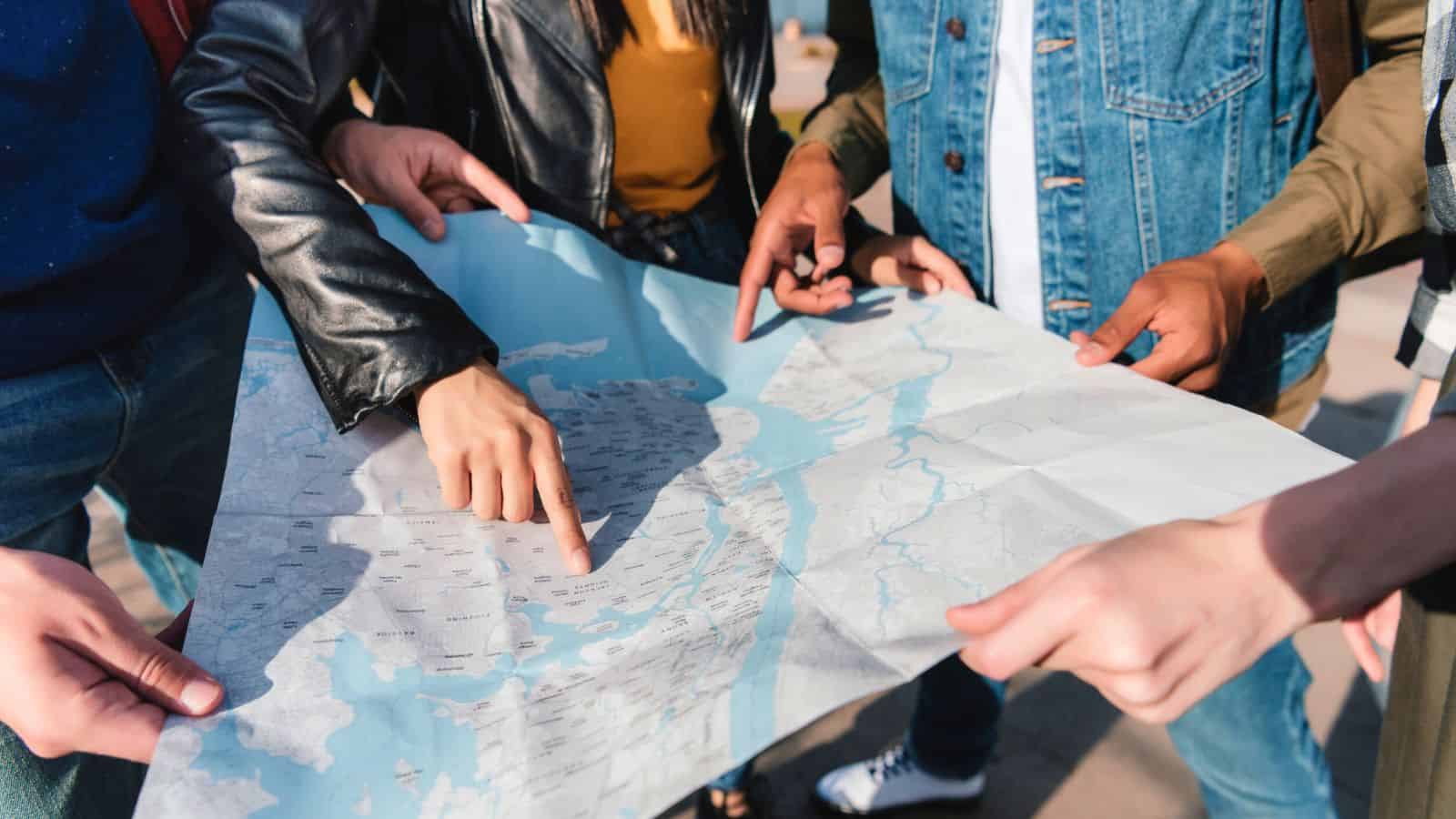
Many travelers still keep paper maps in their cars despite relying on GPS for most journeys. They see maps as dependable backups in case they lose signal or their phone dies. Some enjoy unfolding a large map to get a broader view of the landscape instead of zooming in and out on a screen. The practice also brings a sense of nostalgia from past trips when navigating required teamwork and careful planning. Paper maps stay tucked in glove compartments as quiet reminders of earlier travel routines.
Calling Hotels Directly to Confirm Reservations

Even with booking platforms and instant confirmations, some travelers still call hotels a day or two before arrival. Speaking with staff gives them reassurance that their room is secure and that no system errors occurred. They may ask about check-in times, parking, or local tips. This habit comes from years when handwritten ledgers and manual entries occasionally caused mistakes. Calling still feels like the most dependable way to avoid surprises at check-in. For many people, the quick phone call brings clarity and peace of mind.
Writing Itineraries by Hand

Handwritten itineraries remain common among travelers who prefer notebooks over apps. They jot down flight times, hotel addresses, sightseeing lists, and restaurant ideas. This method helps them visualize the trip clearly and check things off as they go. Some travelers say writing by hand helps them remember details better. Others enjoy carrying a small notebook that becomes a keepsake after the trip. Even with digital apps that organize everything, many still enjoy the tangibility and simplicity of a handwritten plan.
Want to save this?
Carrying Cash Instead of Relying on Cards

Some travelers still convert money before leaving home or withdraw cash immediately after landing. They grew accustomed to carrying bills during a time when card acceptance was limited and ATMs were unreliable. Cash helps them feel prepared for small shops, markets, taxis, or rural areas. They also like having money ready during emergencies, especially if card systems go down. While most destinations now accept cards, the habit of keeping physical currency remains strong among travelers who value readiness and predictability.
Bringing a Travel Pillow or Blanket from Home

Travelers who have experienced cold flights or stiff seats continue bringing their own pillows or small blankets. These personal items give them comfort and help them rest during long trips. Many prefer familiar fabrics over airline materials and appreciate knowing exactly what they will use. Some have carried the same pillow for years because it fits easily in their bag. Even with improved inflight amenities, this habit remains because it helps travelers manage long hours in transit with minimal discomfort.
Printing Out Directions

Travelers who remember unreliable early GPS systems still print driving directions or take screenshots before trips. They worry about losing signal in rural areas or unfamiliar cities. Printed directions also help when phones lose battery or apps freeze at inconvenient moments. Some feel calmer having a physical sheet with turn-by-turn instructions folded into their pocket or glove box. This habit continues because it gives travelers a structured backup plan when navigating new roads.
Keeping Tickets and Stubs as Souvenirs

Many travelers still save physical reminders from their trips, such as train tickets, museum stubs, or boarding pass fragments. These small pieces become personal keepsakes tucked into journals or scrapbooks. They help people document journeys and remember specific moments that photos might not capture. The habit comes from decades when digital records did not exist and tangible items were the only proof of a trip. Even today, these small paper souvenirs carry sentimental value and remain meaningful mementos.
Using a Dedicated “Travel Outfit”

Some travelers always wear the same outfit when flying or taking long trips. These clothes often include comfortable pants, a reliable top, and shoes that slip on easily at security. The habit formed over years of trial and error, learning which pieces work best during long hours in transit. Wearing a familiar outfit helps them settle into travel mode mentally. It reduces uncertainty and makes packing easier because part of the wardrobe is already chosen.
Over-Preparing Emergency Kits

Many people still pack extensive emergency kits filled with bandages, pain relievers, extra chargers, safety pins, batteries, and sewing tools. This habit reflects past experiences where a small problem disrupted the entire trip. Having these items brings comfort, especially when traveling to unfamiliar places. Even though hotels and stores now carry most supplies, some travelers still feel better knowing their kit is ready to solve minor issues immediately. This approach creates a sense of stability that they carry from destination to destination.
11 Travel Habits That Help Protect Your Credit Cards From Theft

Traveling opens up a world of new experiences, but it also presents certain risks, especially when it comes to credit card theft. With the rise of digital transactions, traveling abroad with credit cards has become more convenient, but it also exposes travelers to potential threats. There are certain travel habits that, if followed, can minimize the risk of fraud and theft, ensuring your money stays safe while you enjoy your journey.
Read More Here: 11 Travel Habits That Help Protect Your Credit Cards From Theft
11 Small Travel Habits That Save You Hundreds Every Year

Travel doesn’t have to drain your wallet to be meaningful. With a few simple adjustments, there are small travel habits that save you hundreds every year without cutting back on the experience itself. From smarter booking choices to how you pack, eat, and move around, these practical changes can make a big financial difference over time. The secret isn’t in skipping what you love—it’s about knowing where small decisions quietly add up to major savings.
Read More Here: 11 Small Travel Habits That Save You Hundreds Every Year




Leave a Reply