
Even the most seasoned travelers can fall into bad habits at airports. From packing mistakes to time mismanagement, there are still airport mistakes travelers make after 20 years of flying that can lead to stress, delays, and unnecessary expenses. The chaos of security lines, boarding confusion, or overlooked travel documents can quickly derail what should be a smooth start to a trip. Avoiding these slip-ups isn’t just about saving time—it’s about traveling smarter and arriving more relaxed.
With these common errors in mind, it’s easier to spot where things often go wrong and how to fix them before your next flight. A few small changes—like planning ahead, staying organized, and knowing what to skip—can completely change the airport experience. So, get ready to breeze through your next departure with confidence and ease.
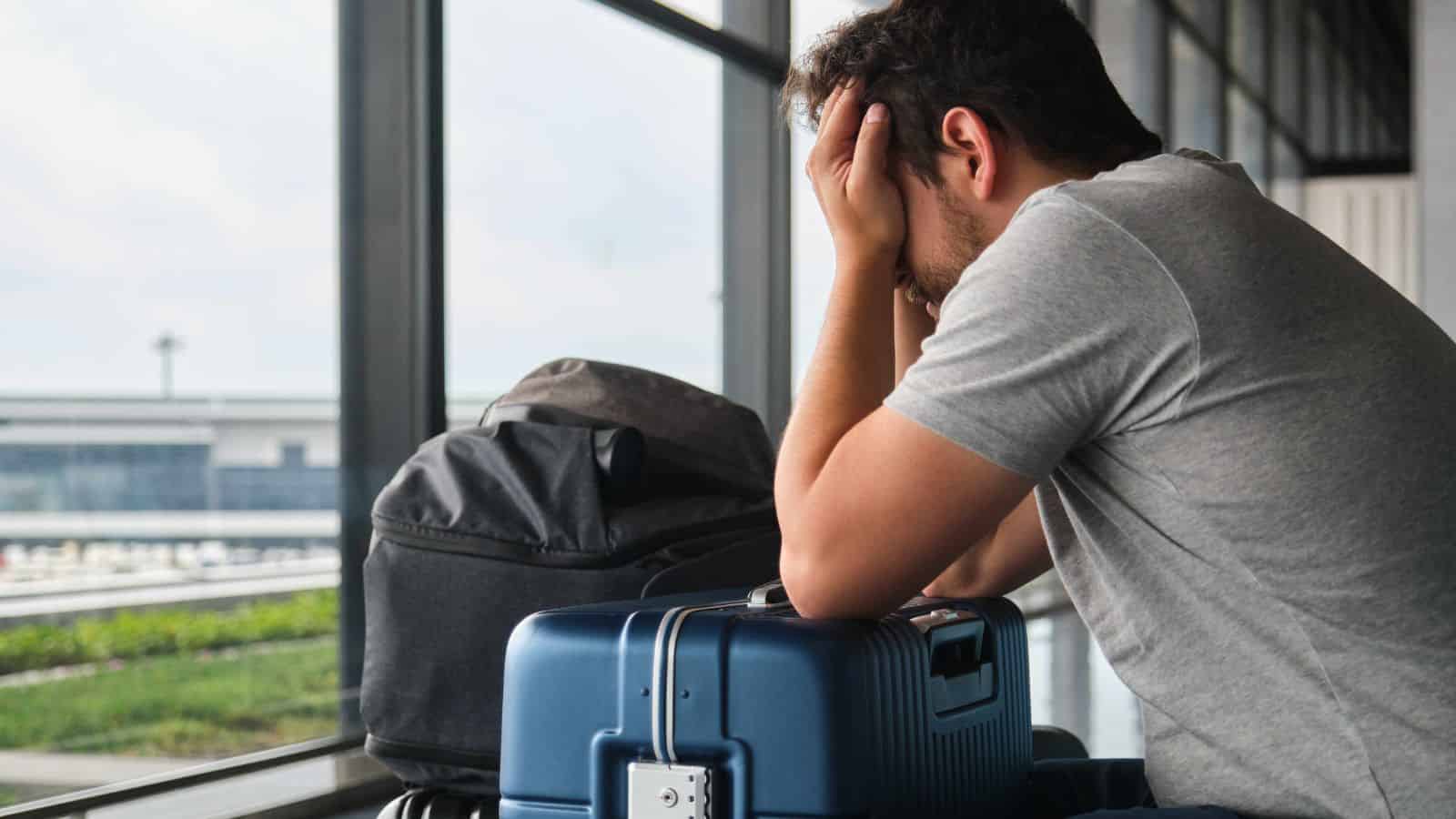
Arriving Too Close to Boarding Time

Cutting it close sounds efficient, but airports have many moving parts that can slow you down. A short taxi ride can turn into a traffic crawl, a short security line can double in minutes, and a gate can move to another concourse. Arriving earlier gives you time to handle these surprises without panic. You can refill your bottle, visit the restroom, and organize your documents before the rush starts. If you are traveling with kids or checked baggage, add even more buffer. Early arrival also helps when something goes wrong, like a payment issue at check in or a flagged carry on. Extra minutes can be the difference between a calm walk and a stressful sprint.
Forgetting to Check Terminal and Gate Updates

Airlines change gates frequently, sometimes more than once for the same flight. Many travelers still head to the gate printed on the first pass they see, then find out it moved after a long walk. Make it a habit to recheck the screen near you and your airline’s app every 15 to 30 minutes. Turn on notifications, and glance up at the monitors each time you pass one. If your airport has multiple terminals, confirm the terminal number before you commit to security or a train ride. This simple routine saves time, avoids unnecessary walking, and keeps you from waiting at the wrong door while boarding starts somewhere else.
Not Packing Essentials in a Personal Bag

When checked luggage is delayed or a carry on gets gate checked, you still need basics. Keep medication, glasses, a phone charger, a small power bank, a pen, earphones, a light snack, and a change of underwear in your personal bag. Add travel documents, a small pouch for liquids, and anything you cannot replace easily. Place these items in a zipper pocket so you can reach them without digging through the whole bag. If your connection is tight or you get rebooked, this kit keeps your day on track. Think of it as your “airport survival” pack, small but complete. You can still travel light, you are just packing smart in case plans shift.
Ignoring Liquid and Electronics Rules

Security rules feel familiar, yet they still catch people off guard. The 100 ml liquid limit, clear quart bag, and the need to remove laptops or large tablets can slow you down if you only remember at the bin. Before you reach the queue, move liquids to a top pocket and place your laptop where it can slide out quickly. Empty your pockets into your bag, and place your belt or watch inside as well. Shoes and jackets vary by country, so watch the signs and follow the staff’s directions. A small routine saves time, avoids extra checks, and keeps the line moving. You get through faster, and everyone behind you does too.
Skipping Airport Wi-Fi Caution

Public Wi-Fi can expose your data to snoops or fake networks. Many travelers connect without a second thought, then open banking apps or enter passwords. Use mobile data for sensitive tasks. If that is not possible, use a trusted hotspot or a VPN that encrypts your traffic. Always confirm the network name with posted signs, and avoid lookalike names. Turn off automatic connections in your phone settings, and forget networks you no longer use. Log out of websites when you finish, and avoid saving passwords in shared browsers. These small steps lower the risk of stolen logins, surprise charges, or account takeovers, which can ruin a trip faster than any delay or missed connection.
Want to save this?
Leaving Travel Documents Scattered

Many travelers still juggle their passport, boarding pass, and ID separately at checkpoints, only to drop something or hold up the line. Keeping your documents together in a travel wallet or a slim pouch saves time and stress. You can store your passport, passes, and even a small pen inside, so everything is in one place when security or immigration asks for it. If you prefer digital passes, still keep one printed copy in case your phone battery dies or the QR code fails to scan. Staying organized here is about more than neatness—it prevents frantic searching and protects important papers from being lost or bent during travel.
Overpacking or Not Knowing Baggage Limits

Even frequent flyers forget that baggage rules vary by airline, route, or ticket class. A suitcase that was fine last trip might now be overweight or oversized, leading to surprise fees at check-in. Always double-check baggage allowances before heading to the airport. Weigh your bag at home or use a small travel scale to stay within limits. If you tend to shop while abroad, pack a foldable duffel for the trip home. Overpacking not only costs money but makes your luggage harder to manage when you’re tired or switching gates. Traveling light gives you more freedom to move comfortably through crowds and handle your belongings easily.
Not Checking Lounge Access Options

Airport lounges aren’t just for business travelers anymore. Many credit cards, memberships, or even day passes allow entry without first-class tickets. Yet travelers still pass them by, unaware they could use one. Lounges usually have better seating, cleaner restrooms, charging ports, and quieter spaces for rest. Some even offer small meals or showers, especially on long layovers. Before your trip, check whether your card, airline, or loyalty program includes free or discounted access. Even if you pay a small fee, the calm and comfort can make long waits far easier. It’s worth looking into, especially if you travel often or face long delays.
Wearing the Wrong Clothes Through Security
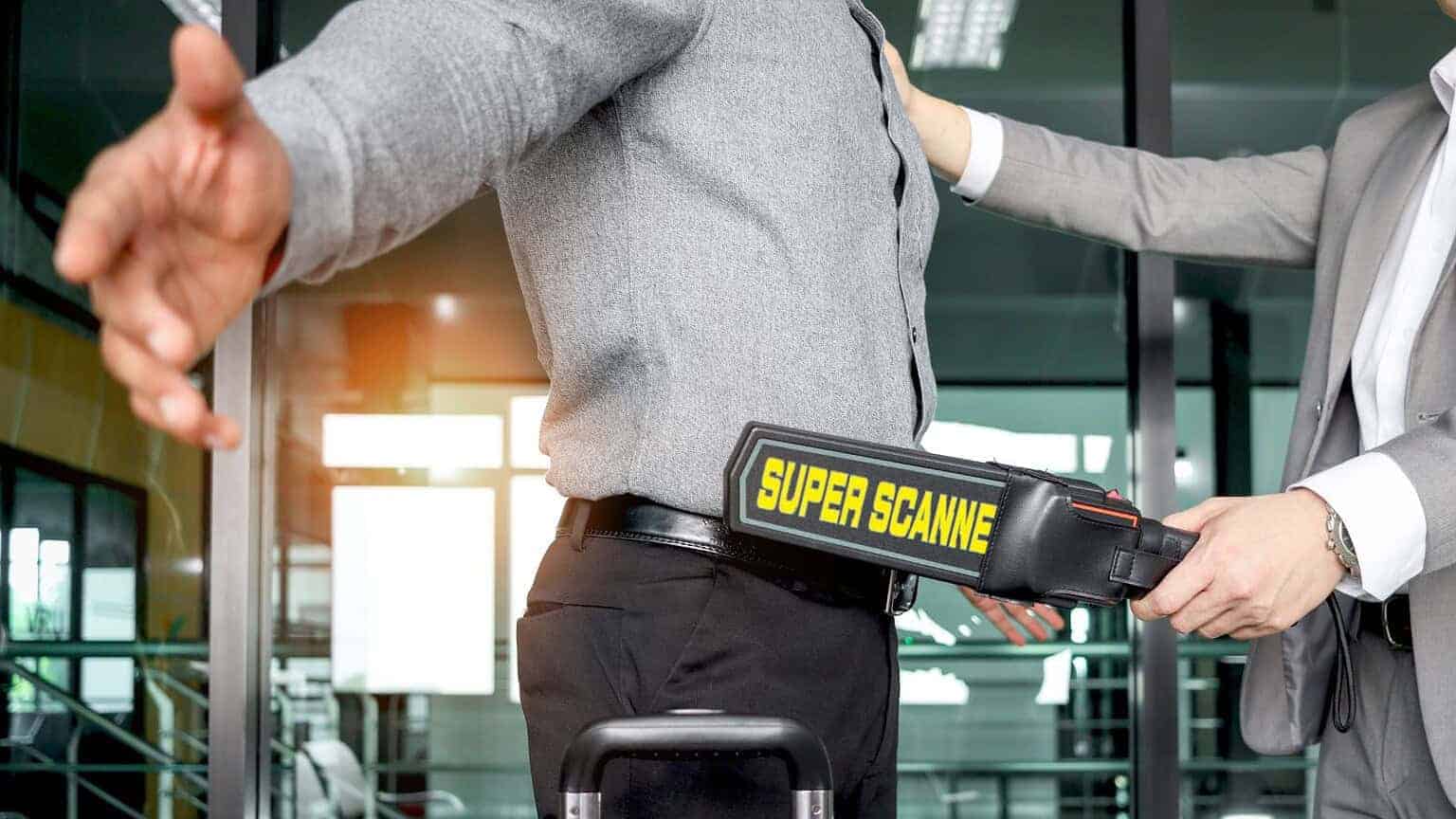
Many travelers still dress for destination photos, not practicality, which makes security checks slower. Bulky jackets, metal accessories, and lace-up shoes all take extra time to remove and put back on. Choose layers that are easy to slip off, and shoes that come on and off quickly. Avoid belts with large buckles or heavy jewelry that may trigger alarms. Pack smaller items in your jacket pockets and remove them before reaching the scanner. Dressing smartly at the airport doesn’t mean giving up style—it means saving time and moving comfortably. You’ll breeze through checkpoints faster and start your trip with less hassle.
15 Flight Tips That'll Help Calm Your Travel Anxiety

Always feeling anxious when flying? Traveling by plane can be a source of anxiety for many people, but there are 15 flight tips that'll help calm your travel anxiety. Understanding how to manage stress during a flight can make the experience more pleasant and enjoyable. Simple strategies, from breathing techniques to choosing the right seat, can significantly reduce feelings of unease and help travelers feel more at ease.
Read More Here: 15 Flight Tips That'll Help Calm Your Travel Anxiety
15 Common Airport Mistakes You Might Be Making

Avoid making these mistakes at all costs! Navigating an airport can be a stressful experience, and many travelers unknowingly make mistakes along the way. There are 15 common airport mistakes you might be making that can lead to unnecessary delays and frustration. From packing the wrong items to misjudging security lines, these blunders can turn an exciting trip into a hassle.
Read More Here: 15 Common Airport Mistakes You Might Be Making




Leave a Reply