
Long flights can test anyone’s patience. Hours in the air often mean cramped seats, limited movement, and restless energy. But there are practical ways to make long-haul flights feel shorter without needing to splurge on upgrades. From smart packing and strategic seat choices to small habits that keep both body and mind occupied, these methods help turn lengthy journeys into manageable—and even comfortable—experiences. Traveling across continents doesn’t have to feel endless when you know how to prepare and pace yourself.
With these simple yet effective tips for long-haul flights, travelers can stay refreshed and arrive feeling less drained. Whether it’s optimizing rest, staying hydrated, or creating an in-flight routine that passes the time smoothly, there’s always a way to make the hours fly by. So, grab your travel essentials, settle in, and get ready to make your next long-haul journey feel far more effortless.

Pick Seats Strategically
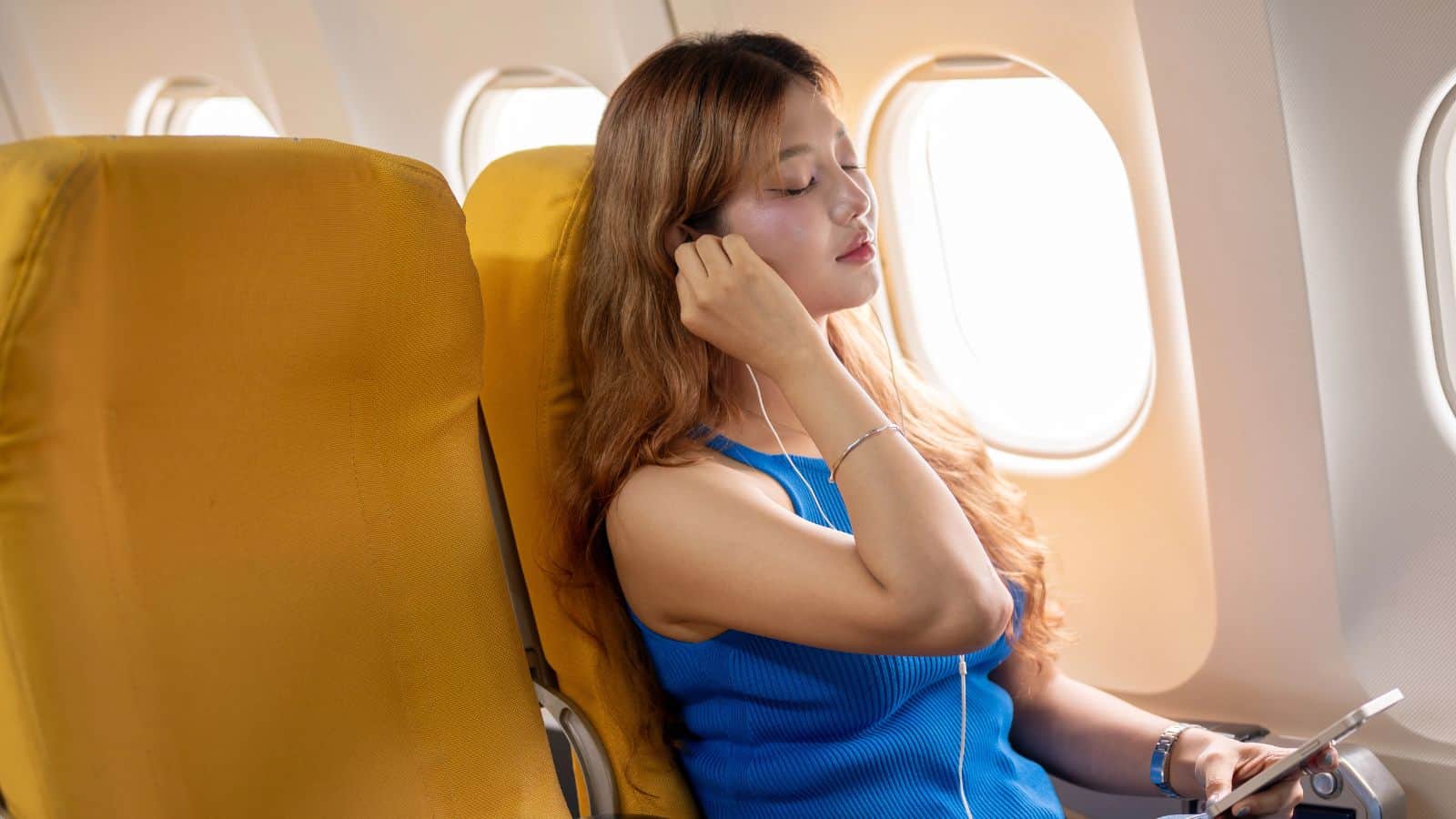
A smart seat choice makes a major difference on long flights. Window seats help sleepers and photographers, while aisles suit taller travelers or those who move often. Use SeatGuru or airline maps to avoid loud galley areas or limited-recline rows. Exit rows or bulkheads give extra legroom, but check if the armrests lift. Couples can book window and aisle seats to improve the odds of an empty middle. Recheck the seat map close to departure—small adjustments can mean better rest and fewer interruptions.
Build a Sleep Routine
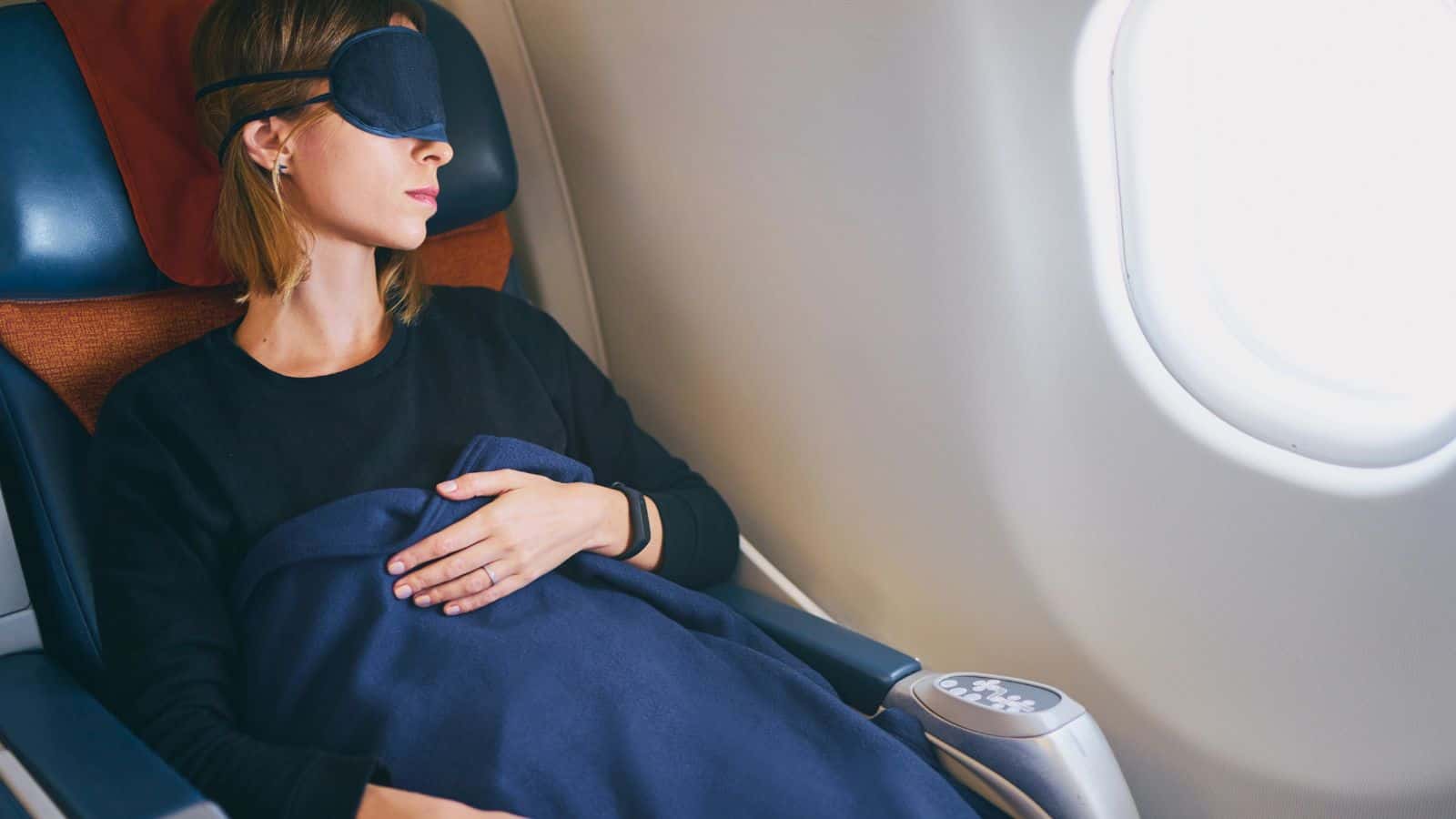
Recreate your bedtime cues to signal rest, even midair. Bring a supportive neck pillow, soft eye mask, and noise-canceling headphones. Change into comfortable layers and brush your teeth before trying to sleep. Dim your screen, lower caffeine, and play calm music or a short audiobook. Light stretches or deep breathing help the body settle. If using melatonin, keep doses small and consistent with your doctor’s advice. Creating familiar rituals tells your body it’s safe to relax—helping you drift off faster and stay asleep longer.
Time Your Meals
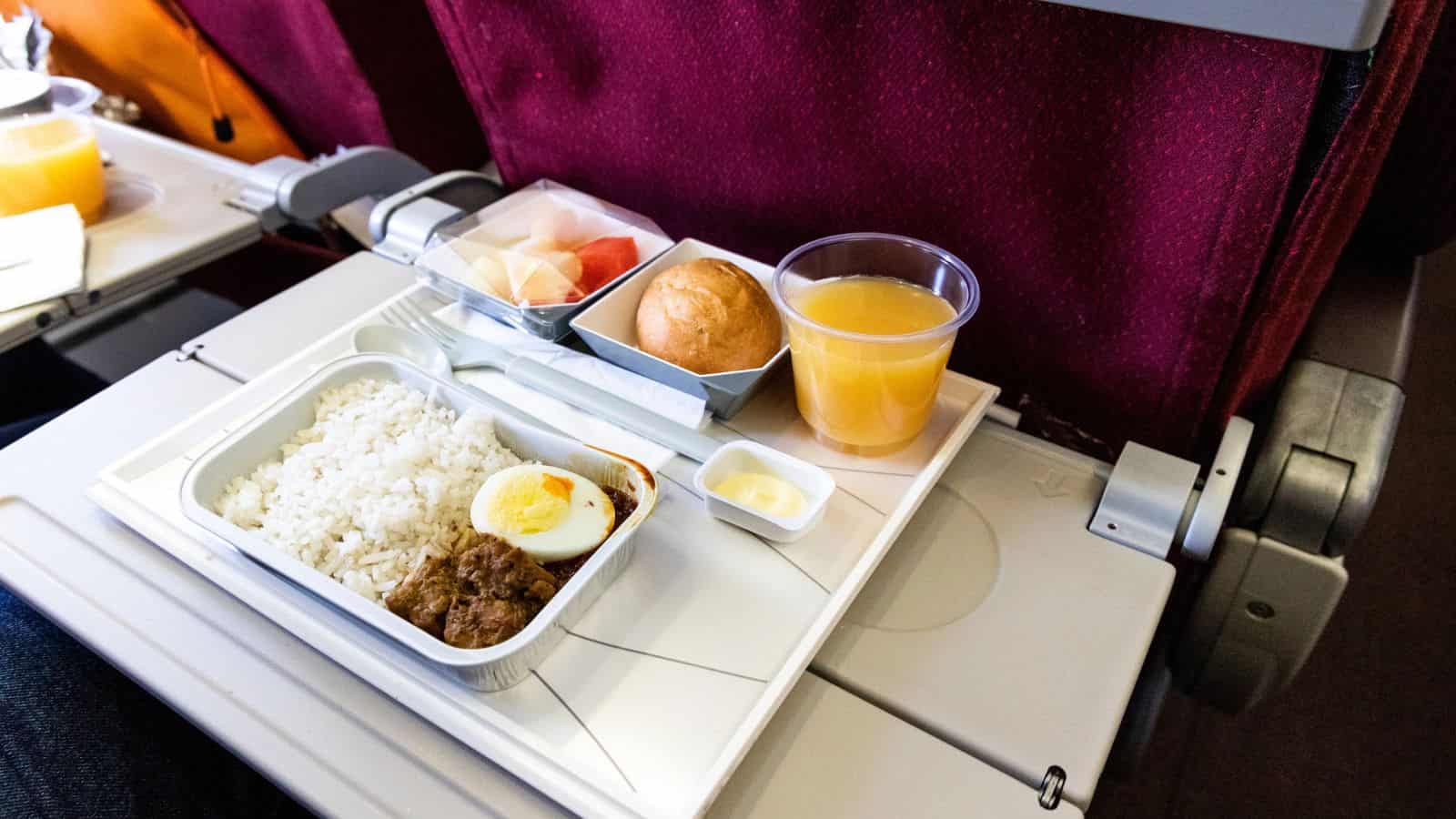
Meal timing affects both energy and jet lag. Eat in sync with your destination’s schedule rather than the airline’s. Have a light meal before boarding if the in-flight service is at an odd hour. Choose protein, vegetables, and whole grains to stay full without feeling heavy. Skip sugary or greasy foods that slow digestion. Bring small, packable snacks like nuts, fruit, or granola bars for flexibility. Aligning your meals early helps your body adjust faster, keeps energy steady, and reduces sluggishness midflight.
Hydrate On a Schedule

Airplane cabins are extremely dry, so hydration should be intentional. Fill a reusable bottle after security and sip consistently every 20–30 minutes. Add electrolytes once during the flight to balance minerals without excess sugar. Avoid too much coffee, soda, or alcohol since they cause dehydration and disrupt sleep. Herbal teas or plain water work best. Staying hydrated helps prevent fatigue, headaches, and dry skin. With consistent sipping, you’ll arrive feeling more alert, refreshed, and ready for the time zone shift.
Move Every 60–90 Minutes
Long hours of sitting can leave you stiff and tired, so plan regular movement. Do simple exercises in your seat—ankle rolls, calf raises, and shoulder circles—to keep circulation flowing. Every 60 to 90 minutes, stand to stretch or walk the aisle for a minute or two. Compression socks can help if swelling is common. Frequent small movements are more effective than one long stretch session. Regular motion keeps your body comfortable and your energy levels up, making the flight feel far less draining.
Curate Media in Advance

Download a mix of entertainment before your trip to stay engaged. Choose a few movies, short shows, podcasts, audiobooks, and calming playlists. Include one comfort favorite and one new story to balance familiarity and novelty. Make sure files play in airplane mode and organize them by length—quick options for short bursts of time, longer ones for deep focus. Bring good headphones or a splitter if sharing. Having your media ready prevents boredom, minimizes screen-hunting, and helps time pass naturally between meals and rest.
Use Micro-Blocks of Time
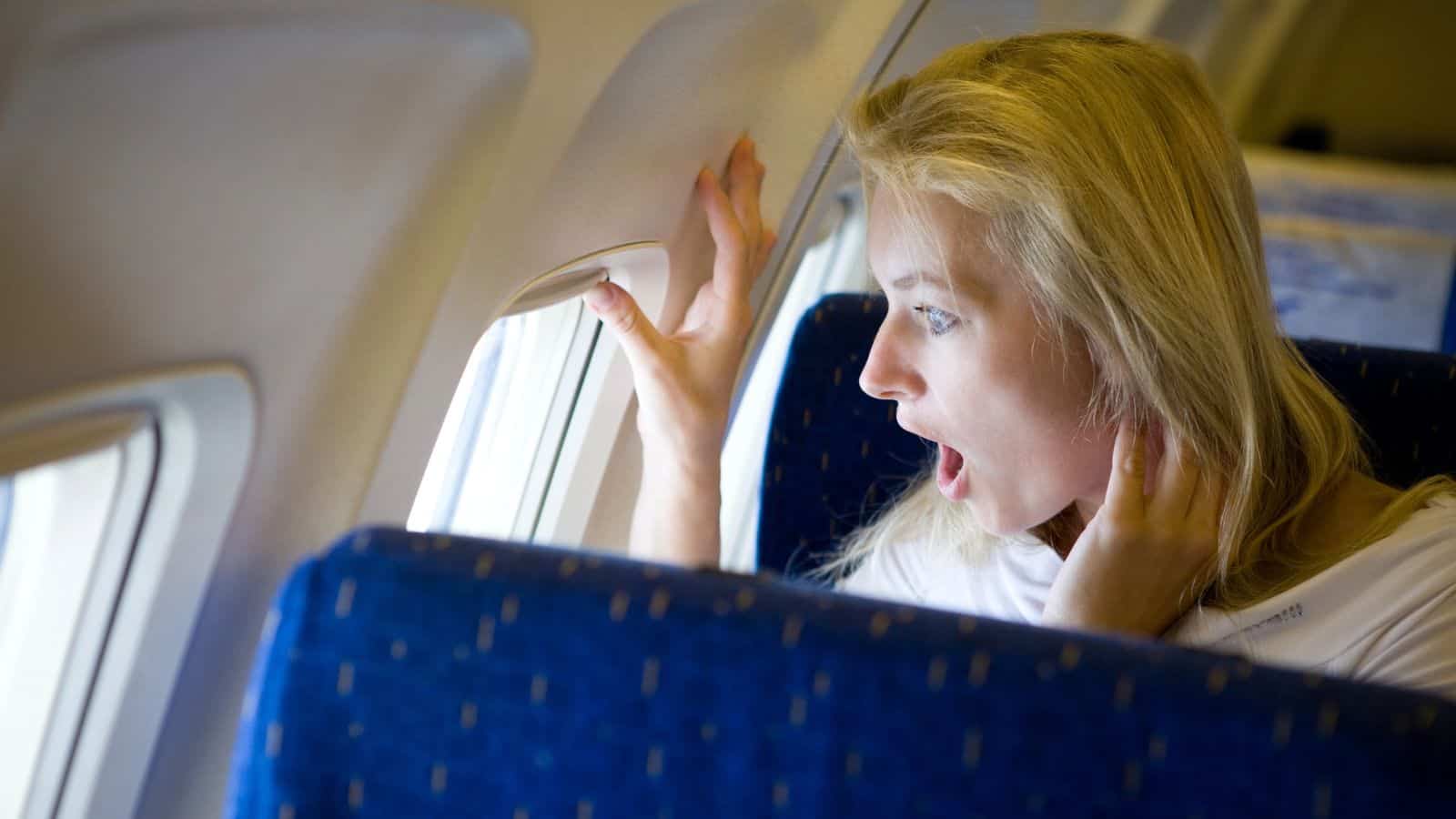
Breaking the flight into small “chapters” makes it feel shorter. Divide the trip into manageable sections: meal, a movie, a walk, a nap, a podcast, then a snack or journal entry. Setting mini milestones keeps momentum and provides variety. Track progress with the flight map or a simple timer. Instead of counting hours, you move from one pleasant task to the next. This mindset turns the journey into smaller, meaningful segments rather than one long, endless stretch of waiting.
Want to save this?
Optimize Your Carry-On

Keep essentials within easy reach to avoid rummaging mid-flight. Store items like your passport, pen, sanitizer, tissues, lip balm, pain reliever, and snacks in a small pouch under the seat. Include earplugs, an eye mask, and a lightweight scarf for comfort. Charging cables and devices should be neatly organized for quick access. Grouping items by use—health, comfort, or entertainment—saves time and frustration. A tidy, well-packed carry-on helps you settle quickly and stay focused on rest or relaxation instead of constant searching.
Master Temperature and Light

Plane cabins often swing between too hot and too cold. Wear breathable layers and warm socks so you can adjust easily. Keep a hoodie or scarf handy for drafts. If you plan to sleep, close your window shade and use an eye mask to block brightness. When adjusting to a new time zone, open the shade during daylight hours at your destination time. Managing light and temperature cues helps your body stay balanced, improves comfort, and supports your internal clock during long travel.
Leverage the Airline App

The airline’s mobile app can make your flight smoother and more efficient. Use it to check seat maps, monitor gate changes, and track luggage. Many apps offer free messaging, movie streaming, or real-time flight updates. Some even allow in-seat food orders or upgraded Wi-Fi access. Load your boarding pass and travel documents into the app for quick scanning. Fewer paper items mean less clutter and less stress at every checkpoint. Staying informed through the app helps you feel in control, making the trip flow naturally.
Adjust to Destination Time Early
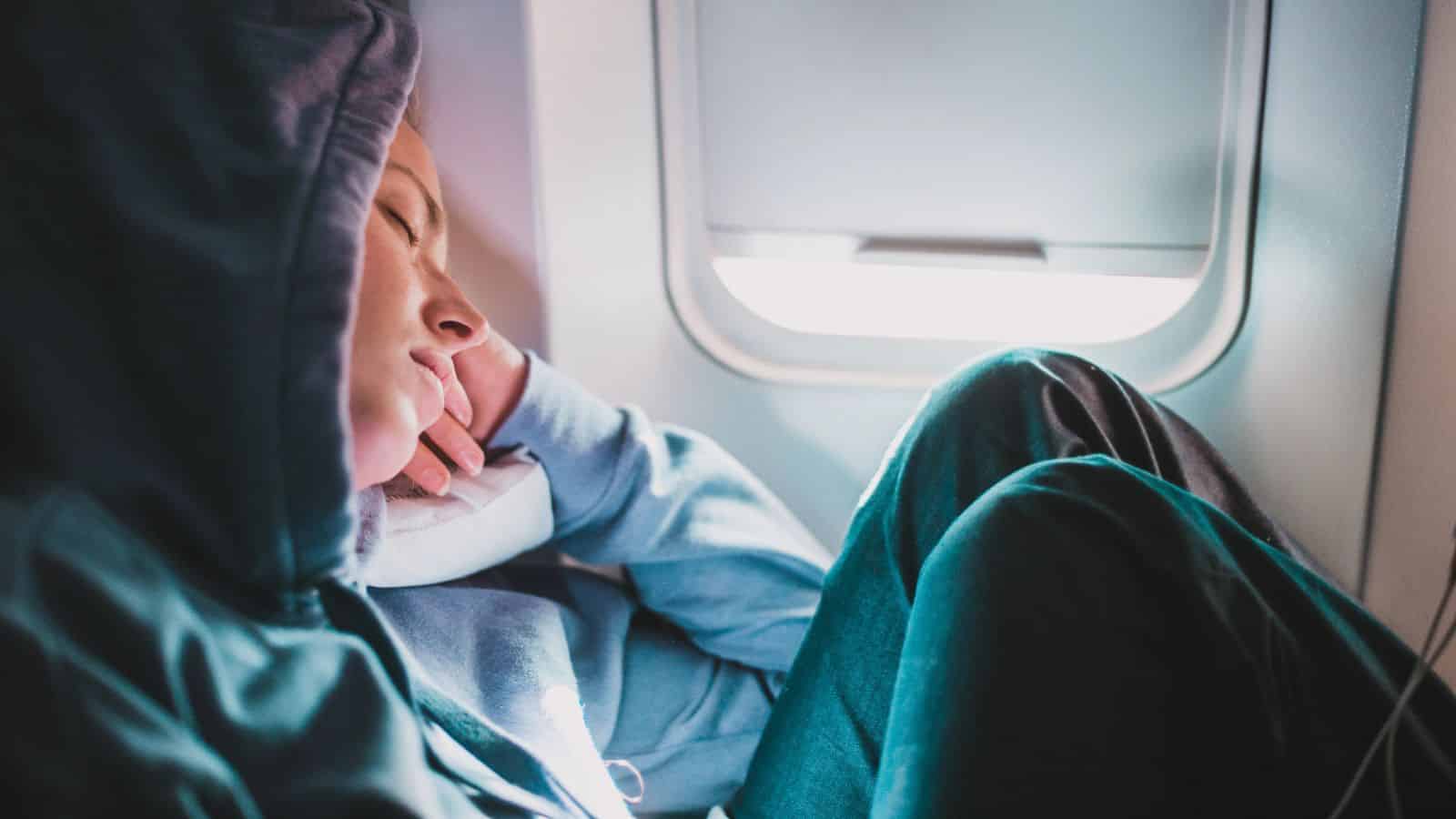
Start syncing your internal clock before you land. As soon as you board, set your watch to the destination’s time and plan meals and naps accordingly. Stay awake if it’s daytime there, or dim screens and rest if it’s night. Light exposure is key—open the shade when it’s morning in your new location. Even partial adjustment shortens jet lag and makes arrival smoother. Aligning your routine early helps your body adapt faster, making the journey feel shorter and recovery time much easier.
Create a Calm Mindset
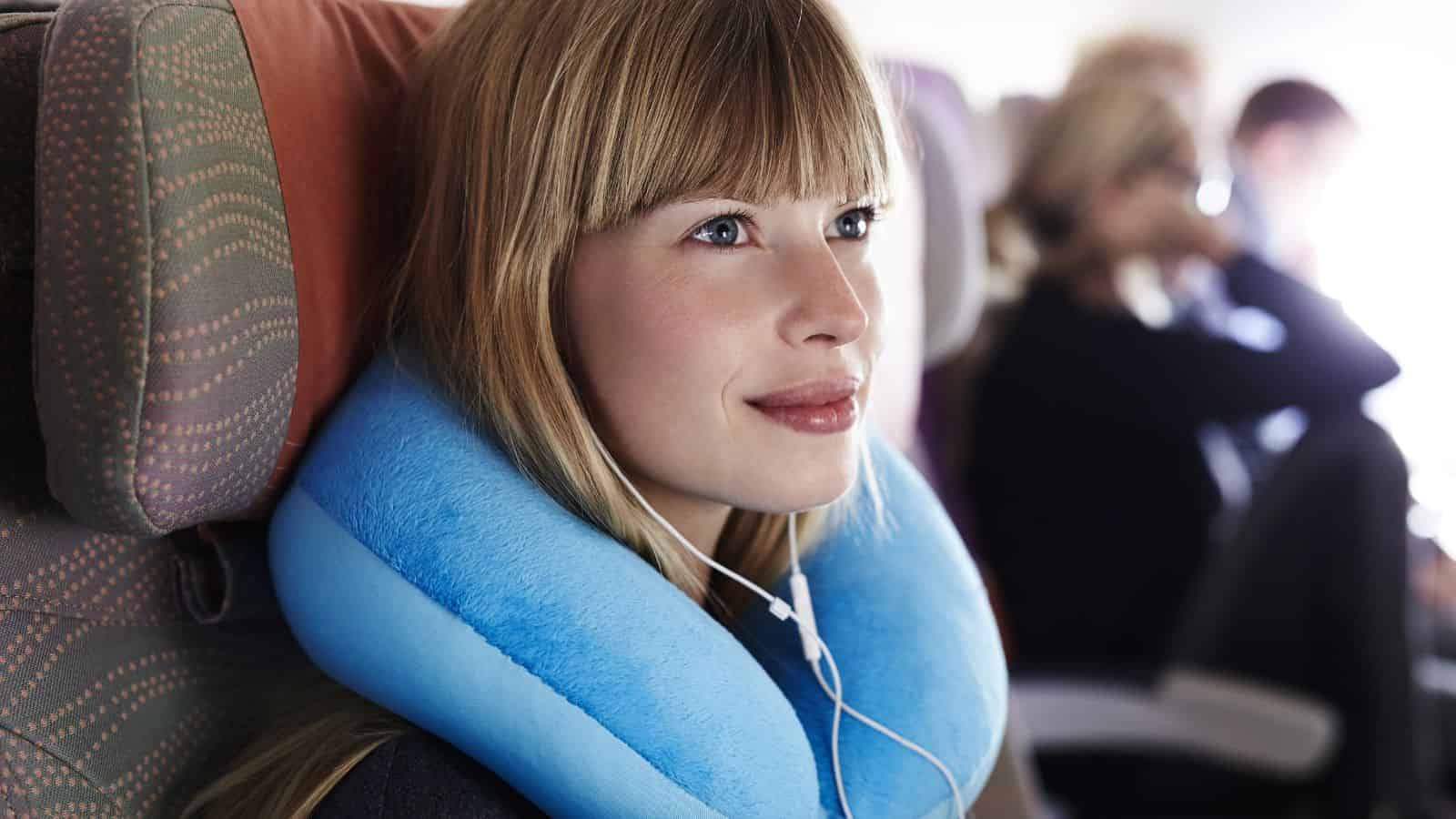
Mental rest can make hours in the air pass peacefully. Practice slow breathing, mindfulness, or journaling between movies or naps. Create a short relaxation ritual—stretch, sip water, listen to calm music, then close your eyes for a few minutes. Gratitude notes or quiet reflection help replace frustration with perspective. If anxiety rises, focus on steady breathing and sensory grounding. A calm, centered mindset turns the cabin from a place of waiting into a neutral, manageable space. The quieter your thoughts, the quicker the flight feels.
9 Airport Gate Etiquette Mistakes That Make Everyone Hate You

Be aware of these things! Navigating the airport can be stressful, and certain behaviors at the gate can make the experience even worse for everyone around. There are nine airport gate etiquette mistakes that make everyone hate you, and recognizing these actions can help create a more pleasant environment for all travelers. Whether it’s taking up too much space with luggage or engaging in loud conversations, these habits can quickly irritate fellow passengers.
Read More Here: 9 Airport Gate Etiquette Mistakes That Make Everyone Hate You
15 Flight Tips That'll Help Calm Your Travel Anxiety

Feeling anxious when flying? Traveling by plane can be a source of anxiety for many people, but there are 15 flight tips that'll help calm your travel anxiety. Understanding how to manage stress during a flight can make the experience more pleasant and enjoyable. Simple strategies, from breathing techniques to choosing the right seat, can significantly reduce feelings of unease and help travelers feel more at ease.
Read More Here: 15 Flight Tips That'll Help Calm Your Travel Anxiety




Leave a Reply