
Family vacations are exciting, but let’s be real: they can also burn through your budget faster than you’d like. When you’re traveling with a big group, the costs stack up quickly. It’s easy to feel like you have to choose between saving money and having a great time, but that doesn’t have to be the case. But, don't worry! There are 13 money-saving secrets for large family vacations.
The truth is, kids don’t care how much you spend; they care about the time you spend together. Parents want a break too, and that’s easier when money stress isn’t hanging over the trip. The perfect vacation for a large family doesn’t mean spending more: it means spending wisely. That’s where these money-saving secrets come in.

Travel Off-Peak

Traveling during off-peak seasons can make a huge difference in your vacation budget. Airlines, hotels, and attractions often lower their prices when demand is not at its highest. For large families, this can translate into hundreds or even thousands of dollars saved. Beyond cost, traveling during shoulder seasons means fewer crowds, shorter lines, and more relaxed experiences. Kids can explore without long waits, and parents can enjoy a calmer atmosphere. The weather is often still pleasant in many destinations, making it a smart choice. Planning around school breaks may require creativity, but the savings are worth it.
Book Vacation Rentals Instead of Hotels
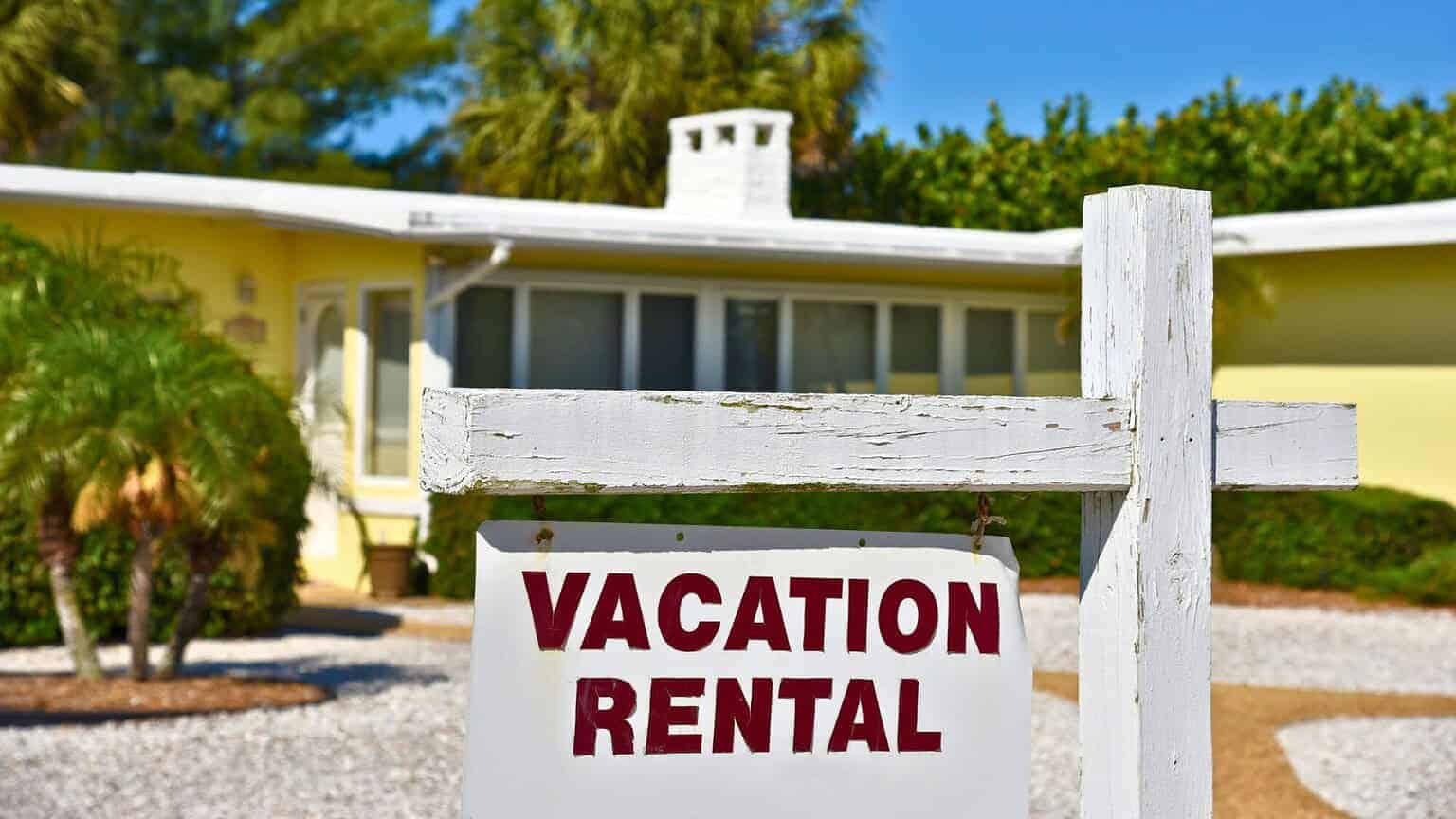
For big families, renting a house or condo can be far more economical than booking multiple hotel rooms. A rental space often includes several bedrooms, common areas, and a kitchen, which helps everyone stay together comfortably. The cost per person usually comes out lower, and the convenience of having laundry machines and extra bathrooms can’t be overstated. Families can gather in living spaces to play games or share meals, which strengthens the vacation experience. Unlike hotels with rigid rules, rentals often allow more flexibility. This choice reduces expenses while giving your group the space and freedom it needs.
Cook Your Own Meals

Dining out for every meal quickly drains a travel budget, especially with many mouths to feed. Preparing your own meals, even just breakfast and dinner, can save a significant amount of money. Grocery shopping at your destination allows you to stock up on family favorites and plan simple, hearty dishes that keep everyone energized. Kids can help with meal prep, turning it into a fun activity. Eating together at a rental also creates more bonding time. By reducing the number of restaurant visits, you’ll have more funds left for special experiences, attractions, or memorable activities.
Look for Group Discounts

Many attractions, from amusement parks to museums, have special pricing for larger groups. When traveling with a big family, it’s smart to research these discounts in advance. Buying tickets together or online often reduces the cost per person. Some destinations even allow families to qualify as a “group” without needing unrelated participants. Beyond entry fees, group deals may extend to tours, transportation, or meal packages. Asking about discounts never hurts—sometimes they aren’t advertised. With a little planning, these savings can add up quickly, making it easier to fit more activities into your vacation without overspending.
Use Travel Rewards and Points

Travel rewards programs can be a powerful tool for families hoping to cut costs. Credit cards that accumulate points or miles often allow redemption for flights, hotels, or car rentals. By planning ahead and consolidating spending on one rewards card, families can build up significant balances before a trip. Some programs also include perks like free checked bags, priority boarding, or discounts on partner services. Redeeming points for larger expenses, such as airfare, can free up cash for meals and activities. With careful use, rewards programs turn everyday purchases into meaningful savings for your family vacation.
Pack Smart Snacks

Bringing your own snacks is one of the simplest ways to cut down on unnecessary spending while traveling with a large family. Airports, amusement parks, and rest stops often charge premium prices for small items like chips, fruit, or bottled drinks. Packing a backpack with granola bars, refillable water bottles, and easy-to-carry treats keeps everyone satisfied between meals without draining the budget. Parents also gain peace of mind knowing they have healthier options on hand for picky eaters. This small step prevents impulse purchases, reduces crankiness during long stretches, and helps maintain energy throughout the trip.
Consider Driving Instead of Flying

For families with several members, airfare costs add up quickly. Driving can be a more economical choice, especially if the destination is within a reasonable distance. Road trips allow flexibility—stopping at attractions along the way, packing extra luggage without fees, and avoiding the stress of airport security. Sharing driving duties among adults reduces fatigue, and children often enjoy the adventure of seeing new places en route. While fuel and lodging for long drives are expenses to consider, they are often far less than multiple plane tickets. Driving creates opportunities for bonding and spontaneous experiences that flights can’t match.
Want to save this?
Plan Free or Low-Cost Activities

Not every day of a vacation has to involve expensive attractions. Many destinations are rich in free or low-cost activities that create memorable experiences without straining the budget. Parks, beaches, hiking trails, and local festivals are excellent choices for families. Exploring farmers’ markets, historic districts, or scenic viewpoints can be just as exciting as paid tours. Parents can research community calendars to find events happening during their stay. These activities balance out pricier days, giving the family a mix of experiences. Kids often enjoy simple adventures like building sandcastles or spotting wildlife, which cost little but create lasting memories.
Buy Attraction Passes in Advance

Purchasing attraction passes ahead of time can lead to major savings. Many cities sell bundled passes that include entry to multiple landmarks, museums, or tours at a reduced rate compared to buying individual tickets. Families benefit from skipping long ticket lines and often gain access to special perks such as early entry or discounts at partner restaurants. Planning ahead also helps set a clear itinerary, reducing the risk of overspending on spontaneous activities. Online deals are frequently cheaper than walk-up prices, and some passes are valid for several days, allowing families to pace themselves while still saving money.
Share Costs with Another Family

Traveling with another family can significantly cut expenses while adding to the fun. By splitting the cost of a vacation rental, transportation, or even groceries, both groups spend less without sacrificing comfort. Large rental homes often cost less per person when shared, and cooking together can make meals more affordable and social. Kids gain built-in playmates, which keeps them entertained, while adults benefit from shared responsibilities like driving or supervising. Planning activities as a group also opens up possibilities for group discounts. This approach lightens the financial load and creates a sense of community throughout the vacation.
Set a Souvenir Budget

Souvenirs can quickly become a hidden expense on family trips. Setting a clear budget for each child ahead of time prevents overspending and teaches valuable lessons about money management. Parents can give each child a set amount in cash or a prepaid card, making it easier for kids to make thoughtful choices. This method helps avoid impulse buys and reduces arguments about what can or cannot be purchased. Families can also encourage children to look for meaningful keepsakes such as postcards, magnets, or small local crafts. A budget keeps spending under control while still allowing special mementos.
Use Grocery Delivery or Pickup at Your Destination

Grocery delivery or curbside pickup at your destination is a smart way to save money and time. Instead of heading straight to a restaurant after a long journey, families can have essentials like bread, fruit, and drinks ready upon arrival. This avoids expensive first-night meals and helps stock the kitchen for the week. Ordering online also prevents impulse buys at the store and allows parents to plan meals in advance. Having groceries waiting means kids can eat right away, reducing stress after travel. It’s a convenient strategy that keeps costs down while making the transition smoother.
Leverage Memberships and Subscriptions

Many families overlook the savings tied to memberships they already have. Programs such as AAA, warehouse clubs, or reciprocal museum and zoo memberships often include discounts on hotels, car rentals, and attractions. Even streaming services or mobile carriers sometimes feature travel perks. Before booking, parents should review all current memberships to uncover hidden benefits. These discounts can add up quickly, especially for larger groups. In some cases, free parking or reduced admission makes a big difference in daily expenses. By using resources already in place, families can stretch their vacation budget further without extra effort.
Stretch Dollars, Not Patience

Vacations with a big family don’t have to leave you stressed about money once you get home. The key is being intentional with your choices and knowing where it makes sense to cut costs. A little planning goes a long way, and the savings can free up cash for the moments that matter most. It’s not about skipping the fun; it’s about making sure your trip feels great without the heavy price tag.
At the end of the day, what your family remembers won’t be the receipts. They’ll remember the shared meals, the laughs in the car, and the adventures you had together. By keeping your budget under control, you’ll give yourself space to enjoy those moments instead of worrying about the next bill. That’s what makes a vacation feel perfect: time spent together, without the stress of overspending.




Leave a Reply