
Traveling with kids can feel like a big challenge, and it’s easy to fall into believing certain ideas about family trips. Parents often think trips have to be stressful, expensive, or filled with endless planning to work out. In fact, there are 13 family travel myths parents shouldn’t believe at all. The truth is, kids, can adjust to new places and routines faster than you might expect.
Family travel doesn’t mean giving up your own interests or sticking to “kid-only” destinations. Children can try new things, enjoy different experiences, and even sit through longer trips when the pace works for them. It’s really about keeping things simple, paying attention to energy levels, and embracing small moments along the way. With a practical approach and the right mindset, traveling together can be a great chance to connect and create lasting memories.

Traveling with Kids is Too Stressful to Enjoy

Parents often assume traveling with children is chaotic and exhausting, but trips can be manageable with preparation and flexibility. Children adapt quickly to new environments when guided with patience and encouragement. Breaks, simple activities, and consistent routines help maintain balance, reducing tension for both kids and adults. Embracing small moments of spontaneity, like discovering local parks or watching street performances, turns challenges into shared experiences. These moments strengthen family bonds and create lasting memories. With realistic expectations, a trip that might seem stressful can become an opportunity for connection, learning, and growth for the whole family.
Family Vacations Have to be Expensive

Traveling with a family doesn’t require a huge budget. Affordable accommodations, local transportation, and free or low-cost attractions make exploring destinations achievable. Planning trips during off-peak times, using family discounts, and preparing simple meals on the go can stretch funds further. Choosing destinations closer to home or prioritizing experiences that don’t require high fees allows families to travel more often. Thoughtful budgeting and creative planning demonstrate that memorable trips are possible without spending excessively. Cost-conscious strategies can turn travel into a sustainable habit rather than a rare splurge.
Kids Won’t Remember Family Trips Anyway

Parents sometimes worry that young children won’t retain memories of trips. While details might fade, feelings and shared moments often leave lasting impressions. Exposure to new environments, cultures, and people helps children develop curiosity, adaptability, and confidence. Photos, storytelling, and revisiting landmarks reinforce memories over time. Even brief trips can spark interests that influence learning and hobbies later in life. Shared experiences during travel strengthen family relationships. Memories may not be precise, but the emotional and developmental impact on children can be significant, making family trips meaningful and worth the effort.
You Need a Rigid Schedule to Keep Kids Happy

Strict timetables aren’t required for children to enjoy travel. Flexibility often works better than rigid planning. Children respond well to routines, but allowing unplanned pauses, changes in activities, or spontaneous adventures reduces stress. Overloading the day with back-to-back plans can cause fatigue and frustration, while pockets of free time let kids explore, play, or rest naturally. Observing energy levels and interests helps parents adjust activities in real time. A loose structure combined with flexibility encourages curiosity, engagement, and cooperation, creating calmer and more memorable travel experiences for everyone.
Flying with Young Children is Impossible
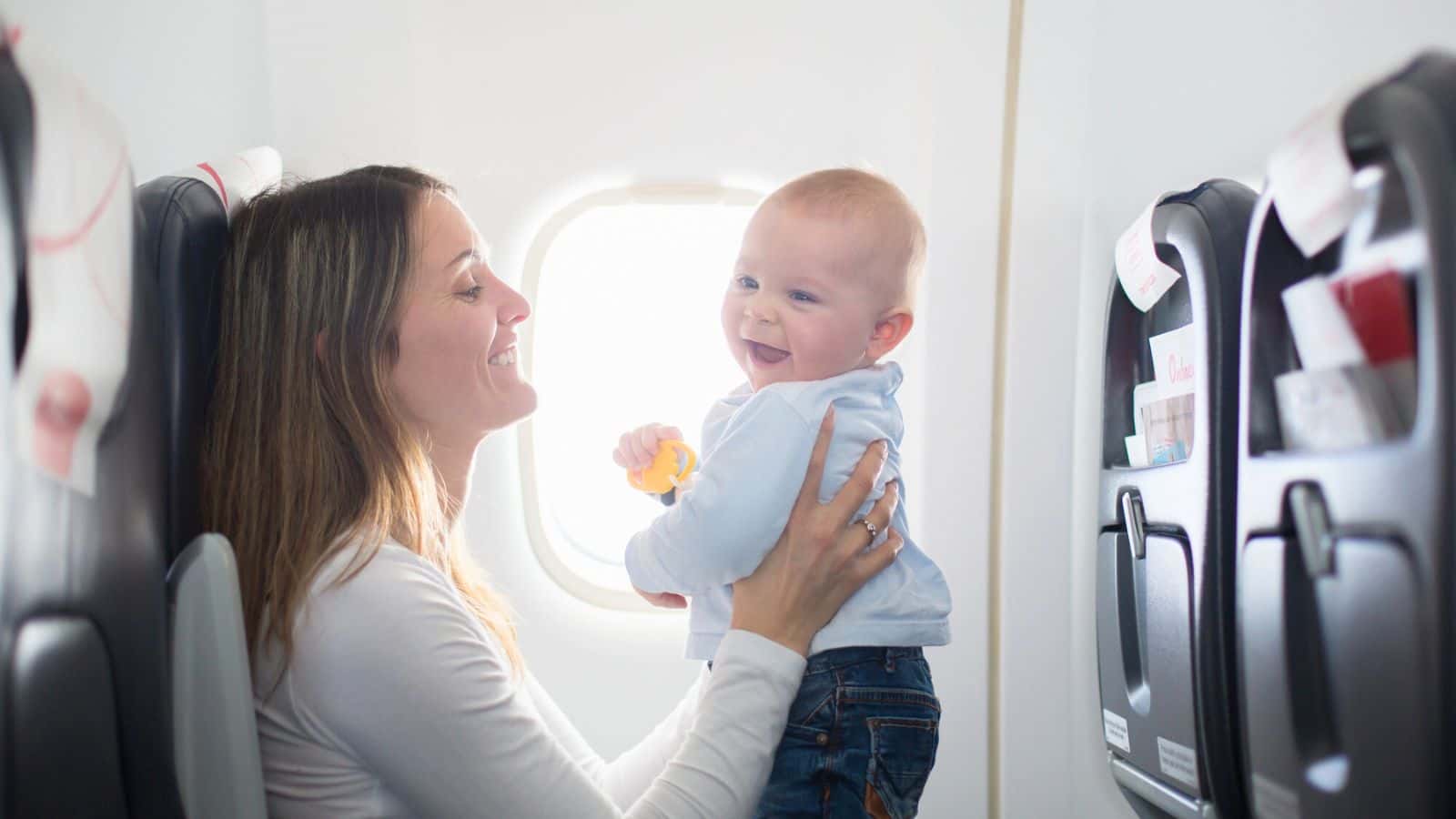
Air travel with young children can be manageable and smooth with preparation. Bringing familiar items such as blankets, toys, or snacks keeps children comfortable. Planning flights around nap times, allowing extra time at security checkpoints, and understanding airline policies reduces stress. Engaging children in simple games or activities keeps them occupied, while parents’ calm demeanor sets the tone for the experience. Families successfully travel long distances by plane without major issues. Organization, patience, and thoughtful planning show that flying with kids is entirely feasible, even for first-time travelers.
Only Theme Parks are “Kid-Friendly” Destinations

Children can enjoy a wide variety of destinations beyond theme parks. Beaches, nature reserves, museums, historical sites, and city parks offer interactive and educational experiences. Outdoor adventures, short hikes, and cultural activities can spark curiosity and creativity. Local festivals or community events give kids a chance to engage with people and traditions. Family-friendly does not mean restricted to one type of entertainment. Exploring diverse environments encourages learning and adaptability, while parents can discover new interests alongside their children. Planning trips around children’s needs rather than attractions labeled “kid-friendly” broadens possibilities and enriches the overall travel experience.
Traveling Abroad with Children is Unsafe

International travel with children can be safe with proper planning and precautions. Researching destinations, understanding health requirements, and having emergency contacts guarantees readiness. Travel insurance, vaccinations, and basic safety measures reduce risks. Teaching children safety routines, such as staying close in crowded areas and recognizing landmarks, improves security. Parents can maintain peace of mind while exploring new cultures and environments. Risks exist, but they can be managed through preparation and awareness. Traveling abroad often becomes an opportunity for children to develop independence and confidence, proving that overseas trips are feasible with foresight and care.
Want to save this?
Babies and Toddlers are Too Young to Travel

Infants and toddlers can travel successfully with planning and flexibility. Adjusting travel schedules to nap and feeding times, packing essential items, and choosing comfortable accommodations support a smooth experience. Short trips or slower itineraries reduce fatigue and stress for the whole family. Young children adapt quickly to new environments when parents provide attention and comfort. Early exposure to travel helps them build confidence, adaptability, and curiosity. Parents who plan around children’s rhythms find that trips can be enjoyable and manageable. Age is not a strict barrier, and even the youngest travelers can benefit from family adventures.
You Can’t Enjoy Adult Activities on a Family Trip

Traveling with children does not mean giving up personal interests. Parents can schedule time for cultural experiences, sightseeing, or leisure activities while coordinating childcare, shared activities, or moments when children are engaged. Many destinations provide options suitable for both adults and kids, such as guided tours, outdoor exploration, or interactive workshops. Balancing family experiences with short periods of adult-focused activities helps maintain energy and personal satisfaction. Creative planning makes sure that both children and parents have meaningful experiences. Family travel can include opportunities for everyone to pursue interests without sacrificing time spent together.
Traveling Requires Traveling Light—No Extras Allowed

Packing efficiently does not mean leaving essential items behind. Families can bring items that make travel easier, such as comfort items, snacks, entertainment, and versatile clothing. Thoughtful packing reduces stress during transitions and unexpected situations. Parents can choose multifunctional items to limit bulk while maintaining preparedness. Carrying a few extras, like a small first-aid kit or travel games, guarantees that children’s needs are met without overloading. Light travel is convenient, but strategic packing balances practicality with comfort. Being prepared for different scenarios prevents disruptions and allows the family to enjoy experiences more fully, regardless of luggage size.
Kids Won’t Try New Foods or Experiences
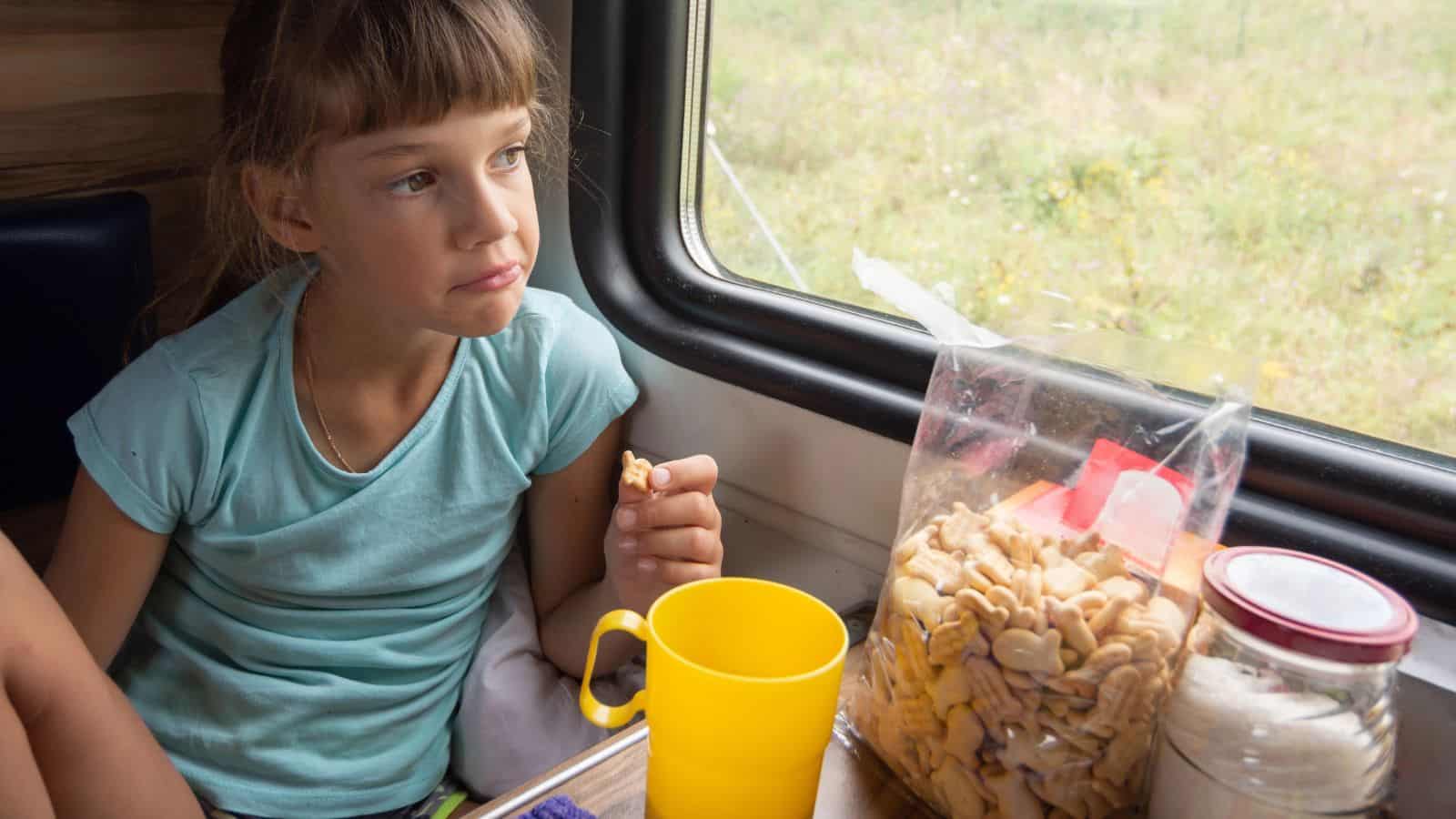
Children often surprise parents with their willingness to try new foods and experiences when approached positively. Offering choices without pressure, making meals fun, or presenting unfamiliar foods in familiar contexts encourages exploration. Visits to local markets, interactive workshops, or cultural performances allow children to engage safely and confidently with new activities. Parents can model curiosity and participation, which increases children’s openness. Exposure to a variety of experiences supports personal growth, flexibility, and appreciation for different cultures. Travel becomes a space for learning, experimentation, and discovery, helping children expand their horizons in ways that continue beyond the trip.
Long Road Trips are Unbearable for Children

Road trips can be enjoyable for children with careful planning and pacing. Frequent breaks for stretching, outdoor play, and sightseeing reduce fatigue and restlessness. Simple in-car entertainment, such as games, music, or audiobooks, keeps children engaged. Packing snacks, water, and comfort items guarantees basic needs are met without disruption. Planning routes to include interesting stops or attractions transforms travel time into part of the adventure. Parents who adjust schedules to accommodate energy levels and moods find trips run more smoothly. With preparation, road trips can be comfortable, fun, and even memorable for the entire family.
Travel Planning Has to Be Complicated and Stressful
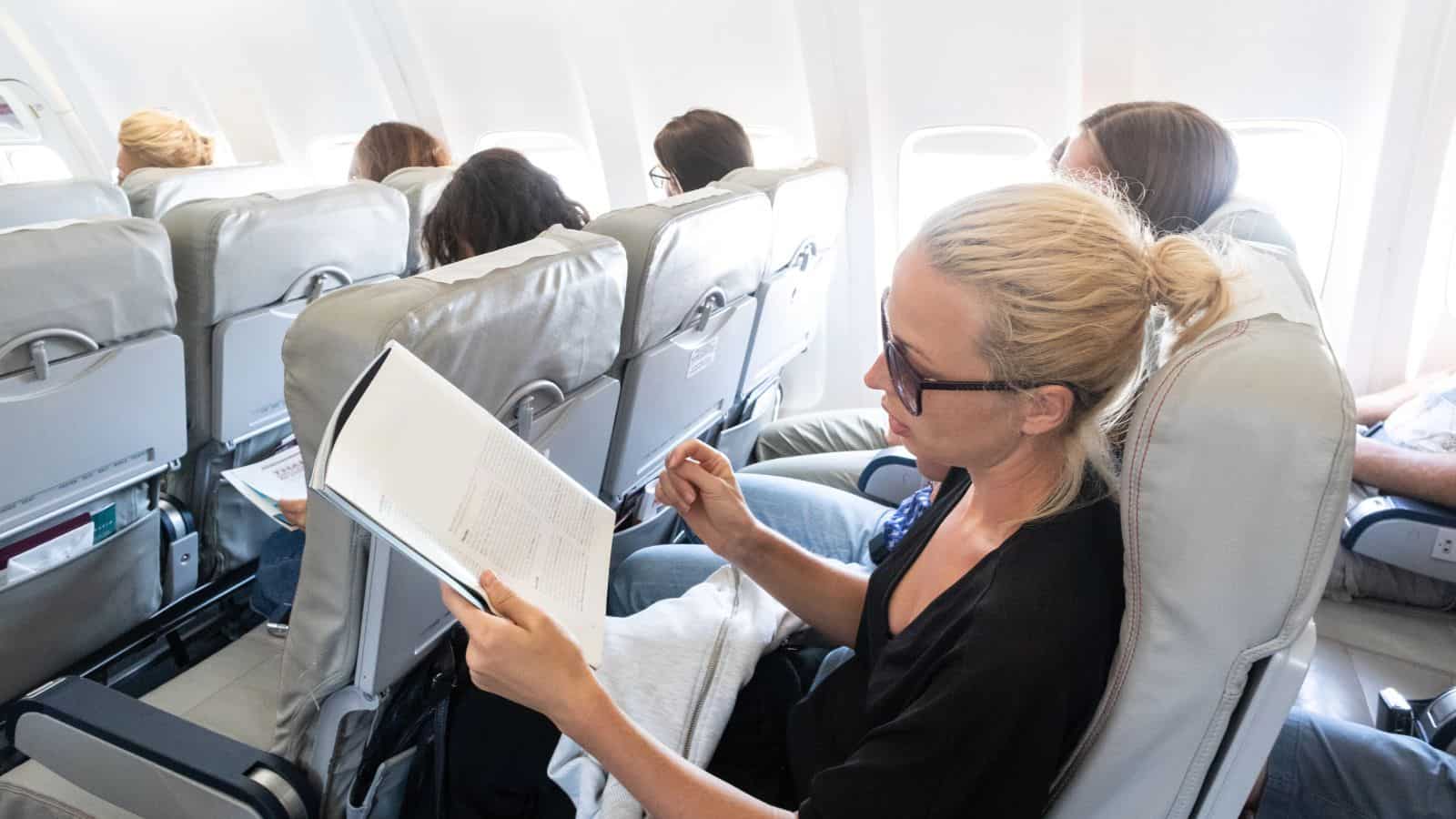
Planning a family trip doesn’t need to be overwhelming. Breaking tasks into small steps, prioritizing essentials, and setting realistic expectations simplifies the process. Choosing destinations, accommodations, and activities that align with the family’s energy, budget, and interests reduces stress. Flexibility allows adjustments for unexpected situations without creating tension. Involving children in simple decisions, like selecting attractions or packing, can make planning engaging rather than stressful. A clear but adaptable approach makes sure smooth experiences and reduces anxiety. Effective preparation, combined with realistic goals, makes family travel manageable, enjoyable, and rewarding, rather than a source of constant worry.
Chaos Optional, Memories Guaranteed

Family travel doesn’t have to be stressful or complicated. Letting go of strict rules and unrealistic expectations makes trips easier and more enjoyable for everyone. Kids can handle new experiences, and parents can still enjoy the things they like without feeling stuck or overwhelmed.
What really matters is keeping things flexible, paying attention to everyone’s needs, and taking small steps to make travel work for your family. With a little planning and the right mindset, trips become a chance to connect, share moments, and build memories that last long after the journey ends. Family adventures can be great, fun, and surprisingly simple when you leave the myths behind and focus on what works for your family.




Leave a Reply