
A passport is more than just a travel document—it’s the key to moving freely between countries and proving identity abroad. That’s why there are certain things you should never do with your passport abroad, as even a small mistake can cause huge setbacks. Losing track of it, mishandling it, or storing it carelessly could mean canceled flights, extra costs, or even time spent at an embassy instead of enjoying the trip. Being mindful of how it’s carried, where it’s kept, and when it’s shown is one of the simplest ways to avoid unnecessary travel stress.
With these reminders, staying one step ahead becomes easier, and peace of mind follows wherever the journey leads. Knowing the common mistakes to avoid ensures that this critical document remains safe, valid, and ready when needed. Before heading to the airport, take the time to learn these tips so that traveling abroad goes smoothly. Protecting a passport isn’t complicated, but it is essential—so make sure it’s treated with the care it deserves every time.

Carry it in your back pocket
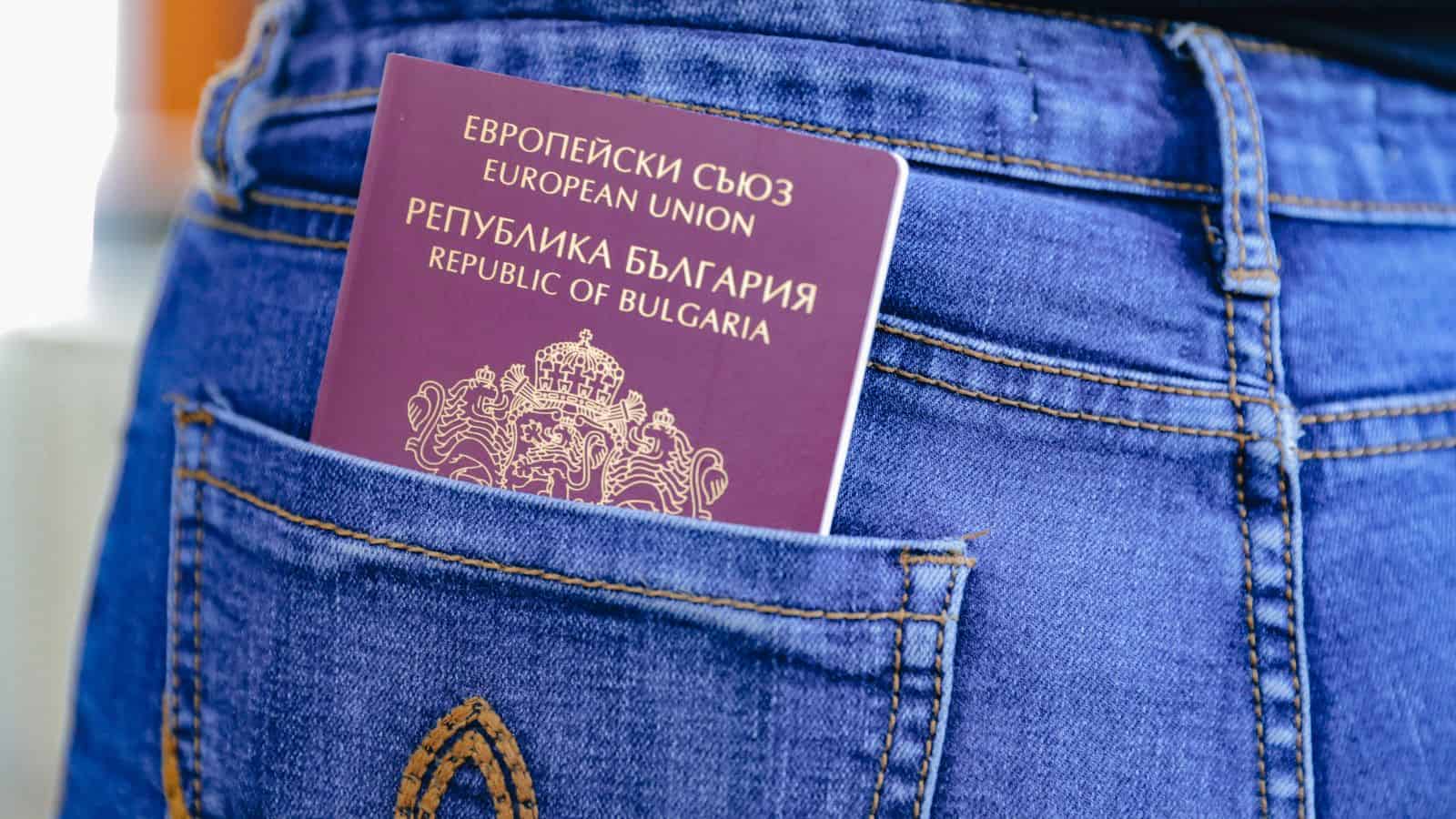
A passport is one of the most valuable documents you’ll carry abroad, and slipping it into your back pocket makes it an easy target. Pickpockets often work in crowded areas like subways, markets, or busy tourist attractions, and a back pocket is the first place they look. Beyond theft, sitting on your passport can bend or damage its pages, which may cause trouble at immigration. Always store it in a front pocket or a secured travel pouch.
Leave it in plain sight
Leaving your passport out in the open—whether on a hotel nightstand, hostel bunk, or rental car seat—invites unnecessary risk. Cleaning staff, roommates, or even opportunistic thieves may come across it. Unlike cash or cards, a stolen passport is far more complicated to replace and can derail your trip. Instead, lock it away in a hotel safe or keep it tucked discreetly in your bag. Treat it as you would a personal key to international travel.
Hand it over to strangers
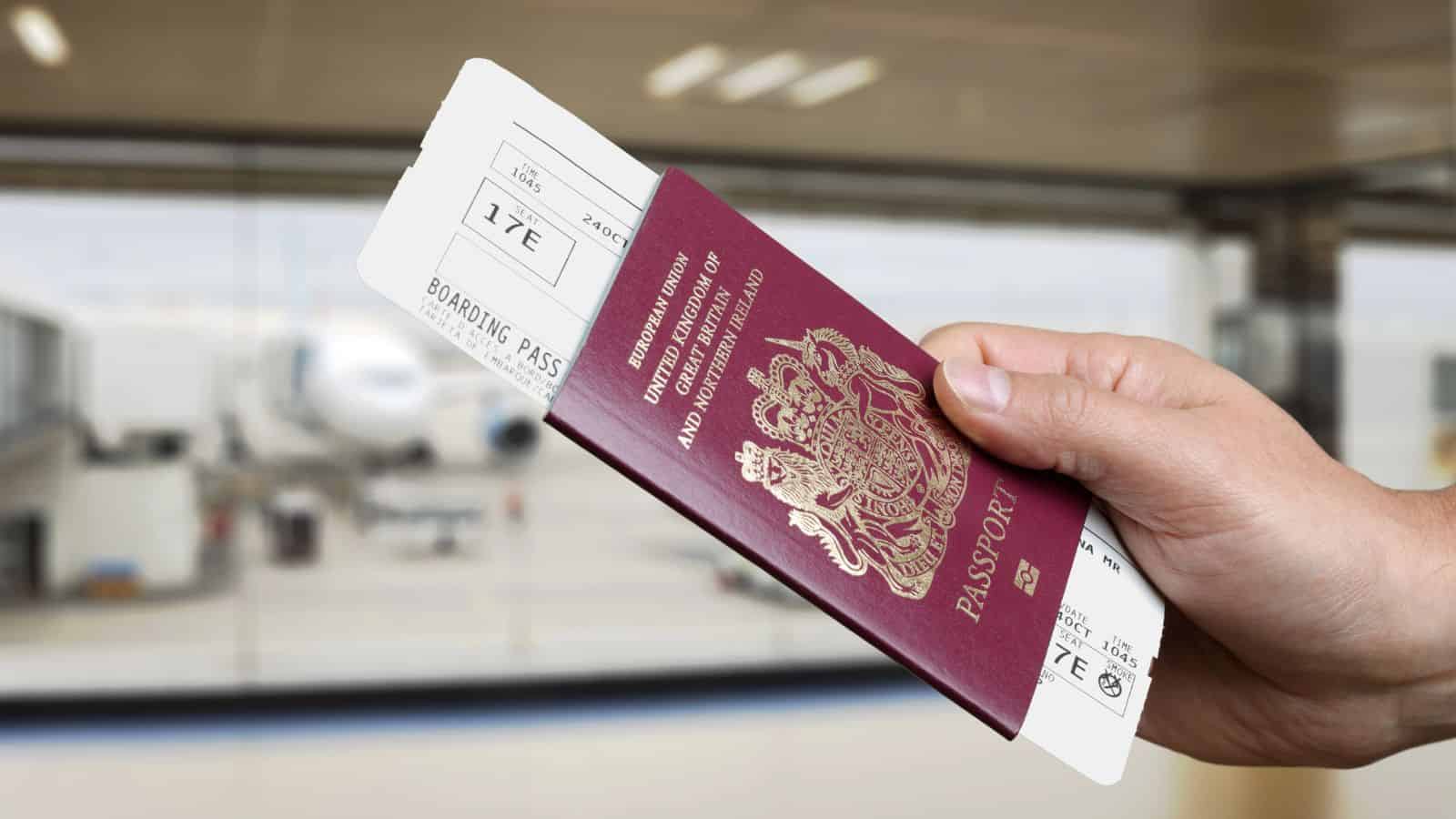
You should only present your passport to official authorities such as immigration officers, consulate staff, or hotel clerks when required by law. Handing it over to unverified individuals, tour guides, or people claiming to need it can result in theft or misuse. Once out of your possession, it can be copied, altered, or used fraudulently. Always ask why someone needs to see it and, if in doubt, refuse politely. Protect your passport like your personal identity.
Use it as collateral
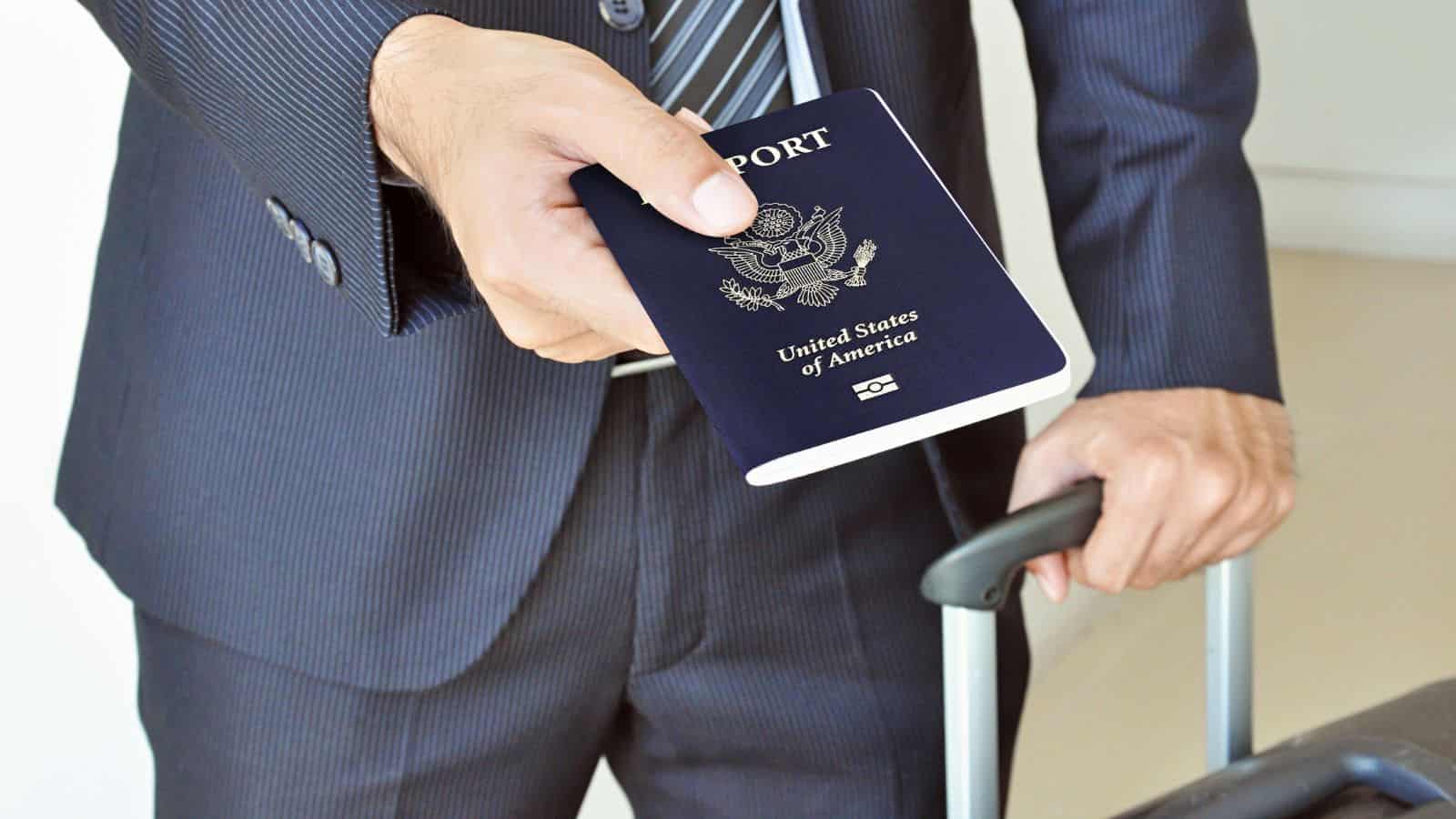
Some rental companies or hostels abroad may ask for your passport as security in exchange for keys, gear, or vehicles. Handing it over might seem harmless, but you risk losing control of your document for hours or days. If disputes arise, they could withhold it, leaving you stranded without valid identification. Instead, carry photocopies or leave a cash deposit. Your passport should never serve as a bargaining chip—it is too critical to risk.
Store it in checked luggage
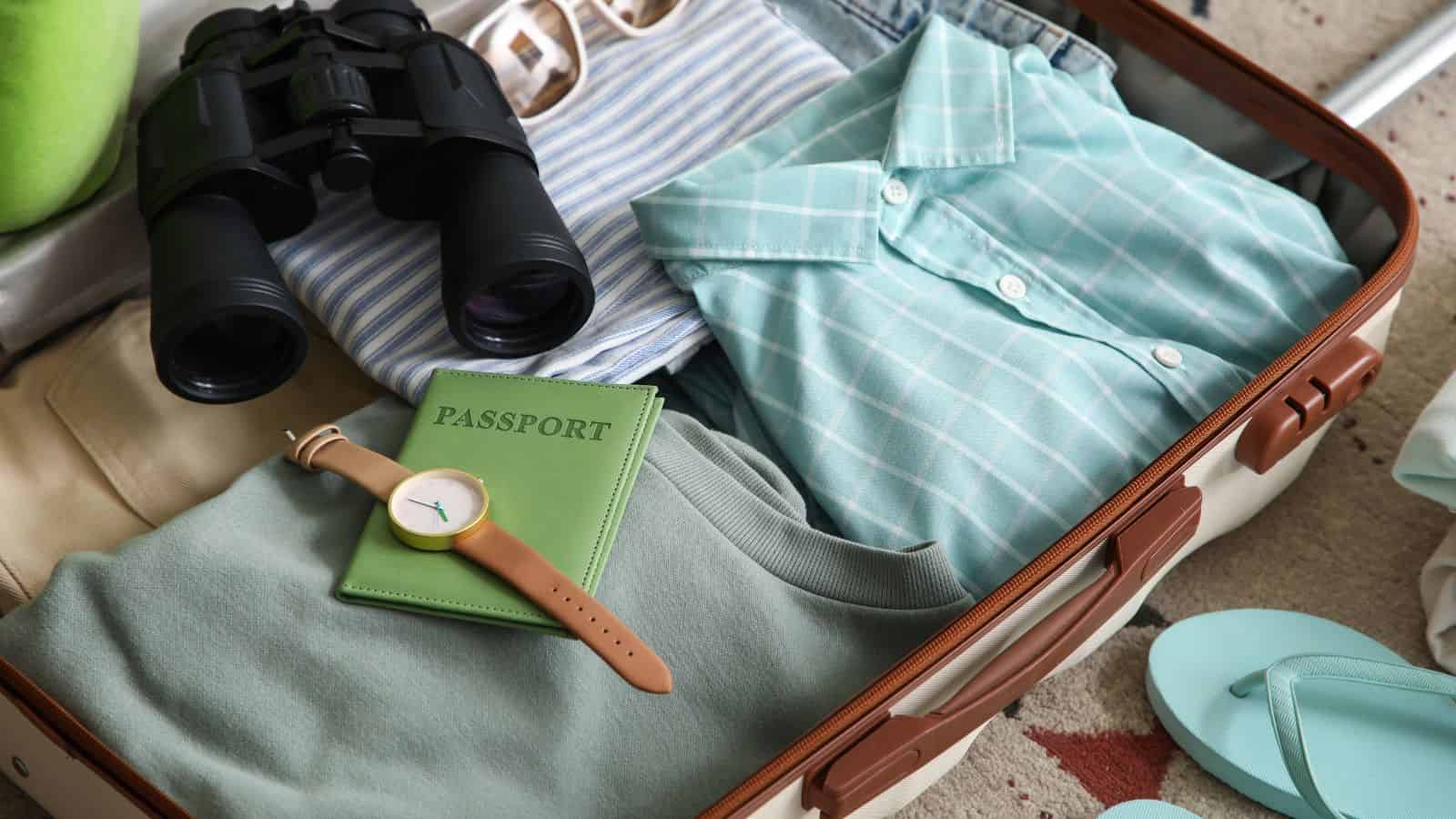
Checked luggage can be delayed, misplaced, or even stolen, and if your passport is inside, you could face serious travel disruptions. Airlines also rummage through lost-and-found bags slowly, meaning you may be stuck without identification for days. Always keep your passport on you in a personal bag, ideally in a secure inner pocket. That way, even if your luggage doesn’t arrive when you do, your travel documents remain safe and ready for border control.
Ignore expiration dates

One of the easiest mistakes travelers make is forgetting to check their passport’s validity. Many countries require that your passport be valid for at least six months beyond your planned return date. Airlines can even deny boarding if your document doesn’t meet the rule. Renewing abroad is stressful and expensive, so take care of this detail early. Before booking your trip, double-check the expiration date and renew if needed. A little preparation prevents a major disruption.
Forget photocopies or digital backups
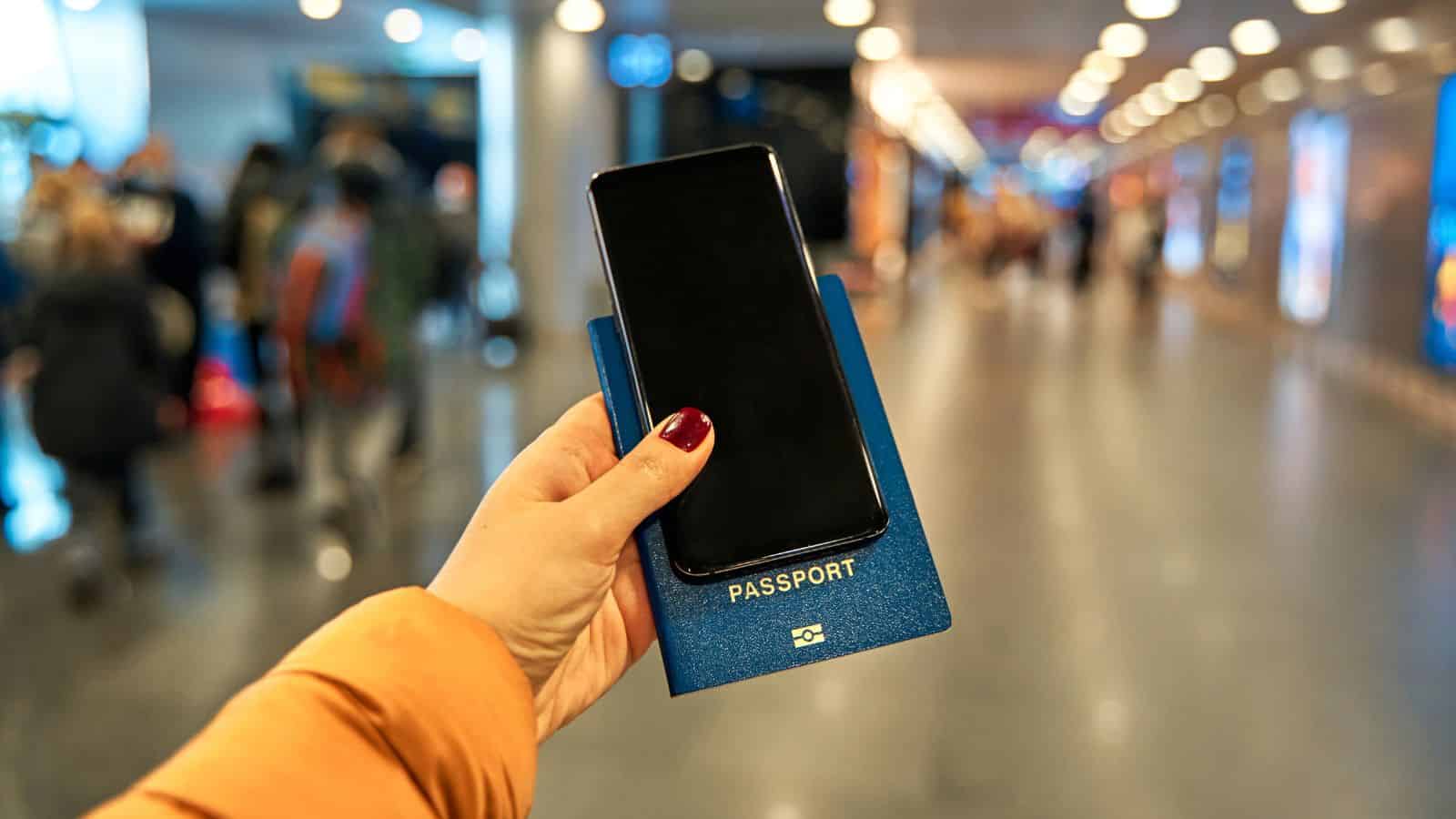
Losing your passport is stressful enough, but not having a backup makes recovery even harder. Before leaving home, photocopy the main page and keep one copy in your luggage, another with a trusted friend, and a digital scan in secure cloud storage. If you ever lose your passport, these copies can speed up the replacement process at your embassy or consulate. Having backups won’t replace the original, but they can make the situation much less complicated.
Want to save this?
Get it wet or damaged

Passports aren’t waterproof or particularly sturdy, and damage to the cover or inside pages can make them invalid. Spilled drinks, heavy rain, or storing it carelessly in a damp bag may cause smudging, warped pages, or an unreadable chip. Immigration officers can refuse entry if your document looks compromised. Use a waterproof sleeve, keep it away from liquids, and don’t shove it into overstuffed bags. Treat your passport carefully—it needs to remain in good condition.
Lend it to someone else
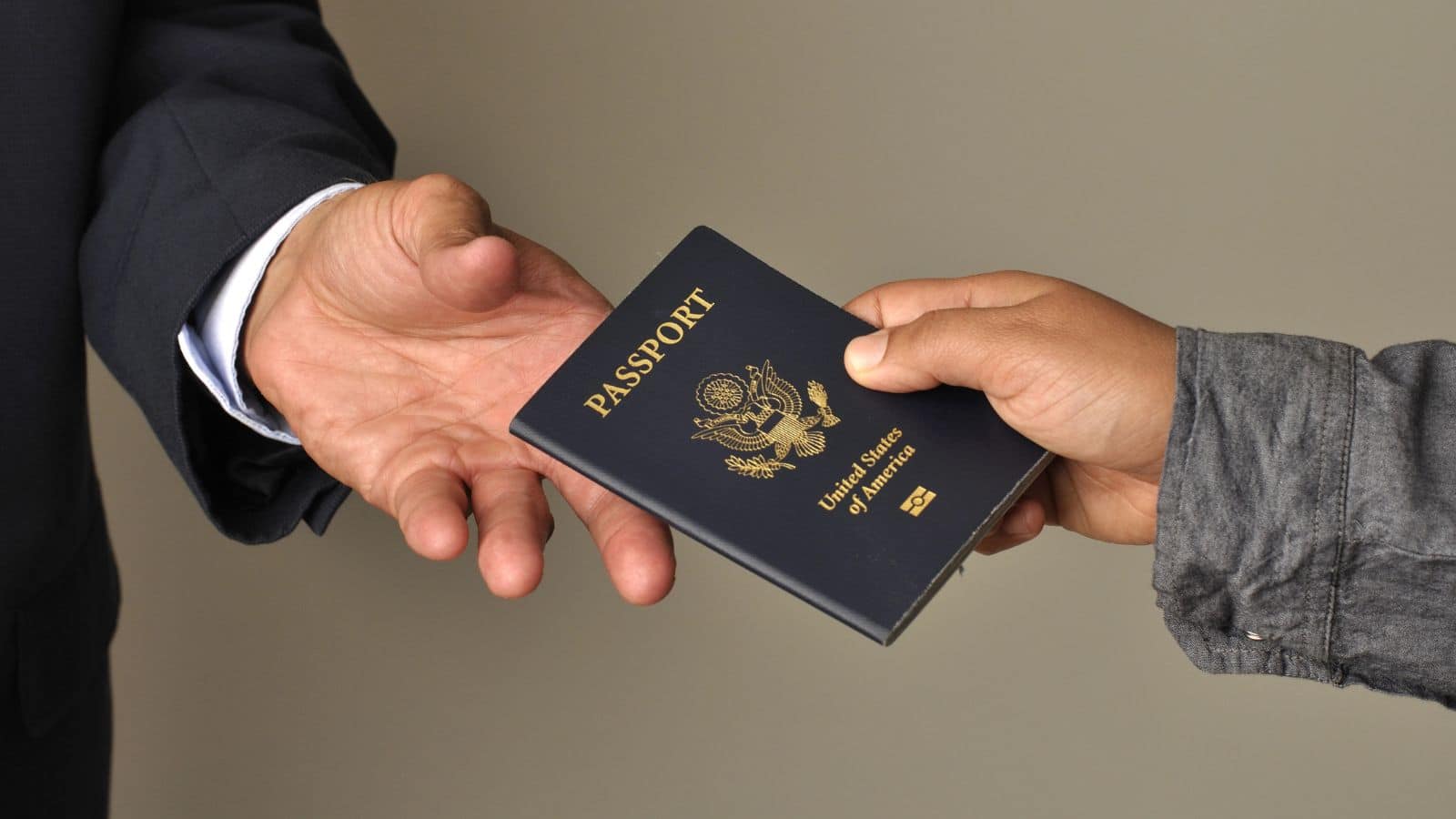
It might sound far-fetched, but lending your passport to a friend, family member, or stranger is both illegal and dangerous. Passports are government-issued documents tied to your identity, and misuse can lead to fines, detention, or bans on future travel. Even allowing someone to borrow it temporarily exposes you to the risk of fraud or damage. No matter how trustworthy the person, your passport is yours alone. Keep it in your possession at all times.
Forget to lock it up
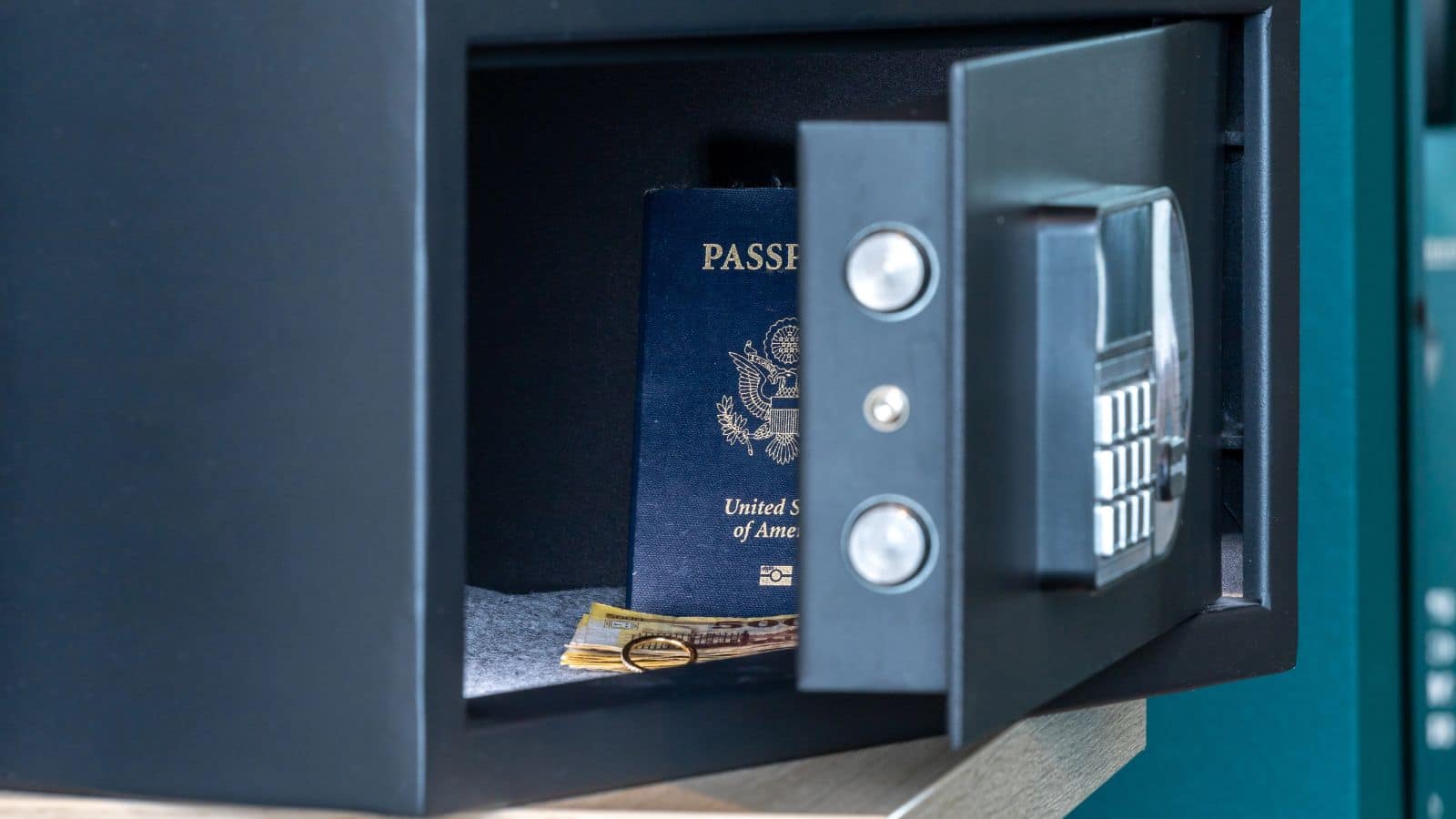
Even in reputable hotels, leaving your passport unsecured is risky. Staff, maintenance workers, or even fellow travelers might stumble upon it. Most hotels and hostels provide safes or lockers, and using them can prevent a crisis later. If a safe isn’t available, keep it hidden in your luggage using a lock or stash it in a money belt. The less visible your passport is, the less chance it will fall into the wrong hands.
Post it online
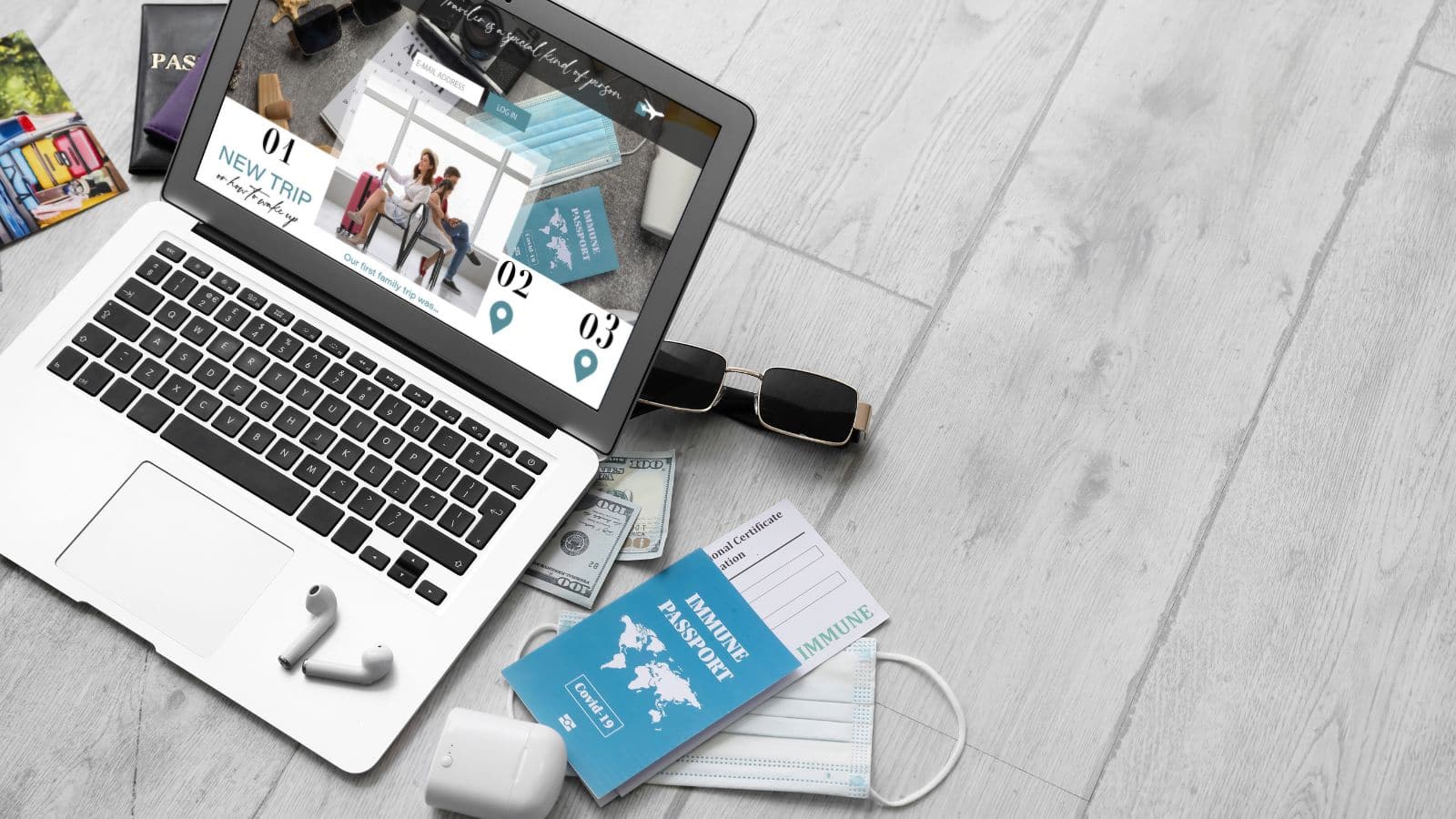
It can be tempting to share a picture of your new passport on social media, especially when excited about an upcoming trip. But those numbers and details are sensitive personal information that scammers can exploit. Identity theft, forged documents, or fake accounts could all stem from one photo. If you want to share travel excitement, post a shot of your packed bags or boarding pass barcode cropped out instead. Keep your passport information entirely private offline.
Carry it everywhere unnecessarily

While some countries require you to keep your passport with you at all times, in many places, carrying it constantly is unnecessary and risky. If you lose it during sightseeing or have it stolen in a crowded market, replacing it mid-trip is a hassle. When possible, lock it up securely and carry a photocopy or digital copy on your phone. Only bring the original when needed, like crossing borders, exchanging money, or checking into hotels.
Ignore local entry stamp requirements

After clearing border control, it’s easy to tuck your passport away without checking it. But an unstamped or incorrectly stamped passport can cause major trouble when you try to leave. Immigration officers may accuse you of overstaying or entering illegally. Always verify that the entry stamp is there, clearly dated, and placed on the correct page. If it’s missing, politely ask the officer to fix it before leaving the counter. That quick check avoids big complications.
10 Social Media Mistakes That Make You a Target While Traveling
In today’s digital age, social media is a great tool for sharing your travel experiences and staying connected with loved ones. However, it can also put travelers at risk if not used with caution. Posting too many details about your location or plans can inadvertently make you a target for theft, scams, or even worse. Security experts warn against revealing too much information online while traveling, as certain social media habits can expose you to unnecessary risks.
Read More Here: 10 Social Media Mistakes That Make You a Target While Traveling
13 Countries Where Good Manners Make or Break Your Trip

Planning to travel outside the country? Good manners can greatly impact travel experiences, and there are 13 countries where good manners make or break your trip. Understanding local customs and etiquette is essential for making a positive impression and ensuring a smooth visit. In some cultures, small gestures like saying "please" and "thank you" can go a long way, while in others, specific behaviors may be expected or even required.
Read More Here: 13 Countries Where Good Manners Make or Break Your Trip




Leave a Reply