
Japan is known for its temples, neon-lit streets, and traditions that captivate travelers from around the globe. Yet even in a place where beauty and history are everywhere, there are Japanese tourist traps that locals quietly warn their friends to avoid. These traps are not always scams in the obvious sense; some are overpriced attractions, underwhelming stops, or experiences dressed up to look authentic but designed mainly for visitors’ wallets. Knowing what to skip can save both money and time, allowing space for the experiences that make a trip to Japan unforgettable.
With these insights, travelers can better separate what’s truly worth the effort from what may disappoint. Avoiding the common pitfalls means spending more time soaking in hot springs, wandering quiet shrines, or enjoying authentic street food without the tourist markup. A little awareness goes a long way when navigating such a popular destination. So before booking tickets or stepping into a long line, take note of what locals say to skip—you’ll thank yourself later when the trip feels richer, more relaxed, and less predictable.
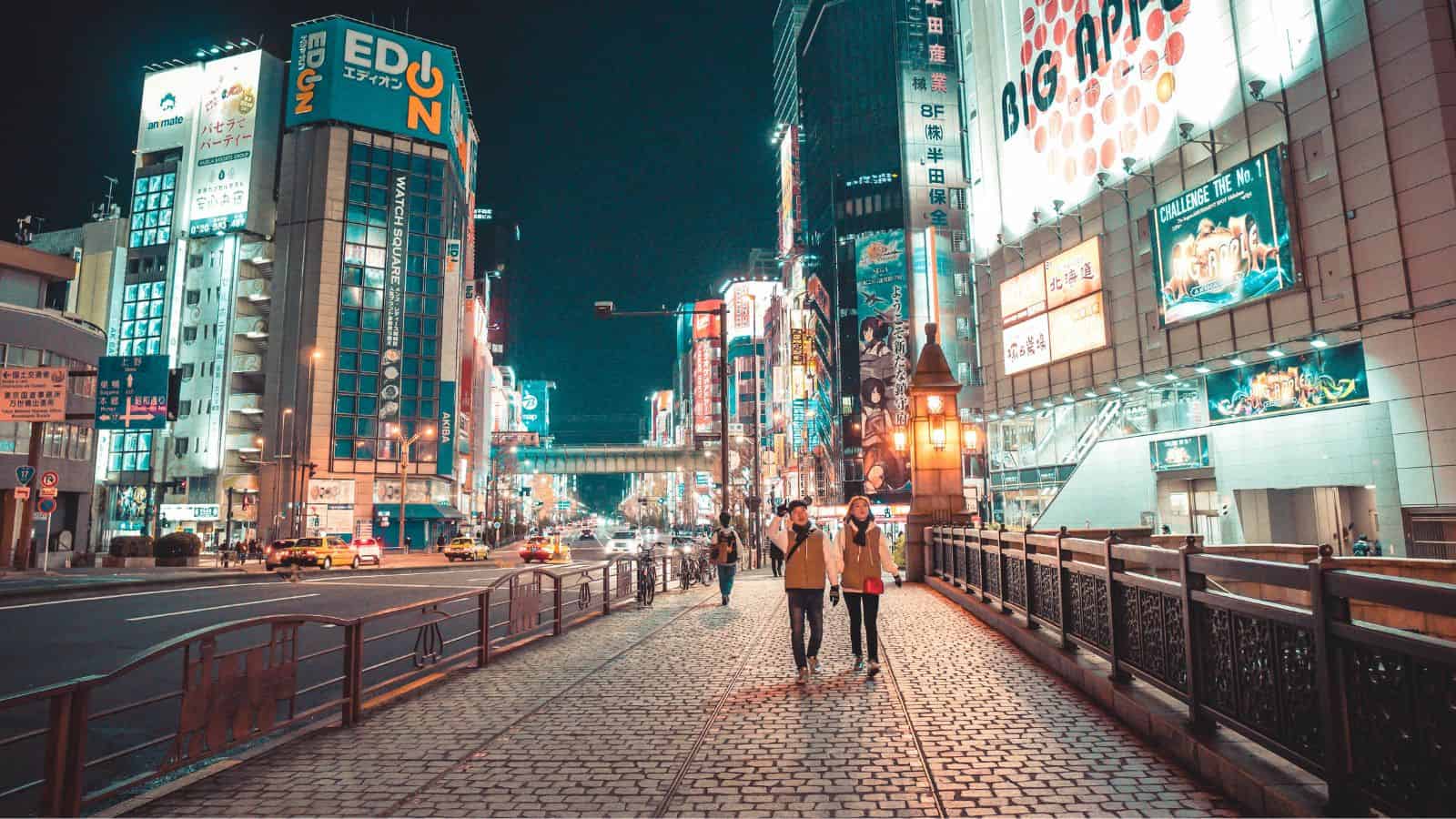
Robot Restaurants in Shinjuku
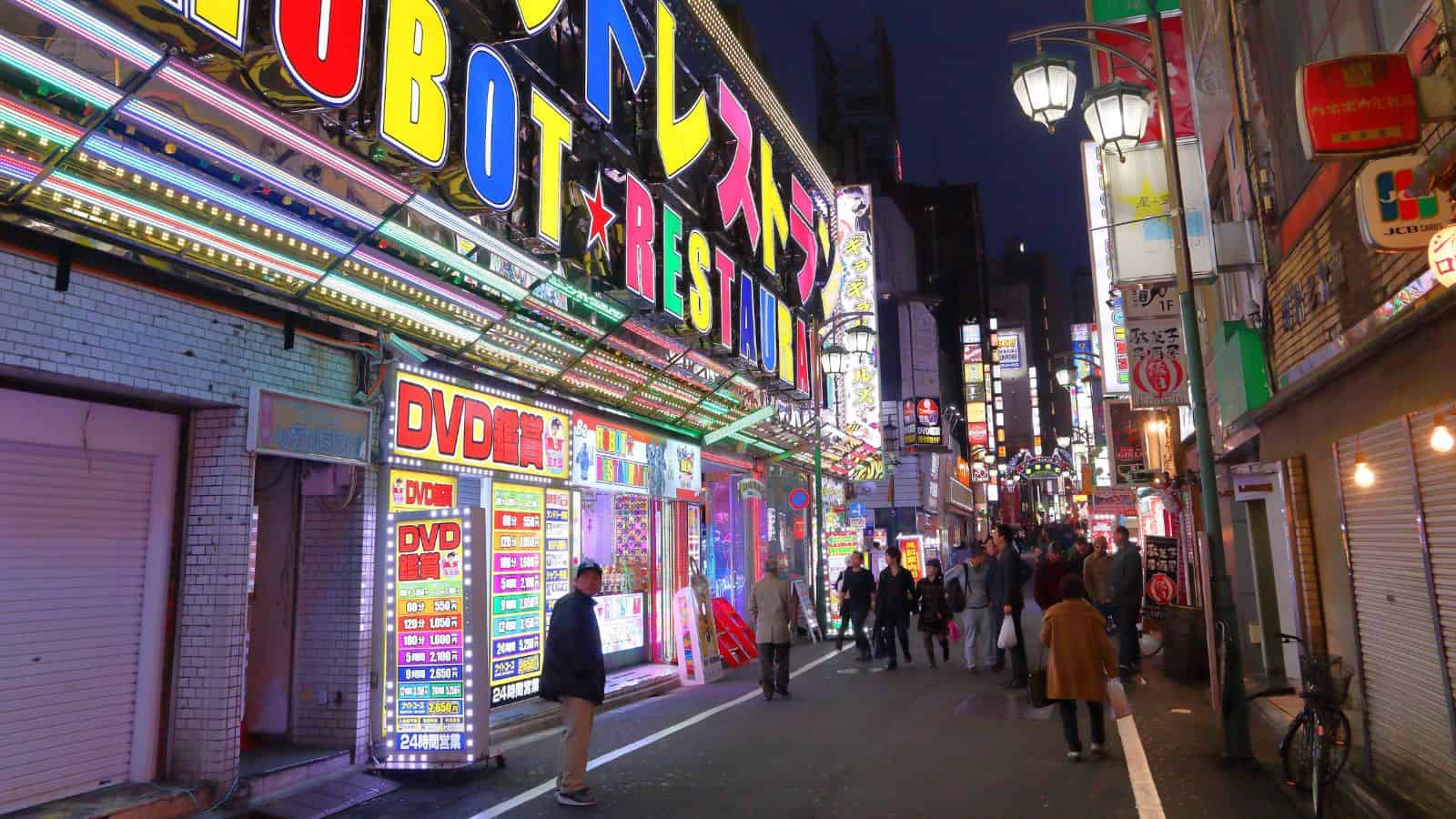
These high-energy shows are often marketed as must-see attractions, but many locals see them as overpriced tourist spectacles with little connection to Japanese culture. While the bright lights, loud music, and robot performances can be entertaining for a short while, the ticket prices are steep and the food quality is poor. Shows are sometimes repetitive, and the experience is mostly geared toward photos and novelty rather than substance. Visitors looking for a richer cultural night out might enjoy exploring live music venues, traditional theater performances, or themed bars that offer more authentic interaction.
Theme Parks With Outdated Attractions
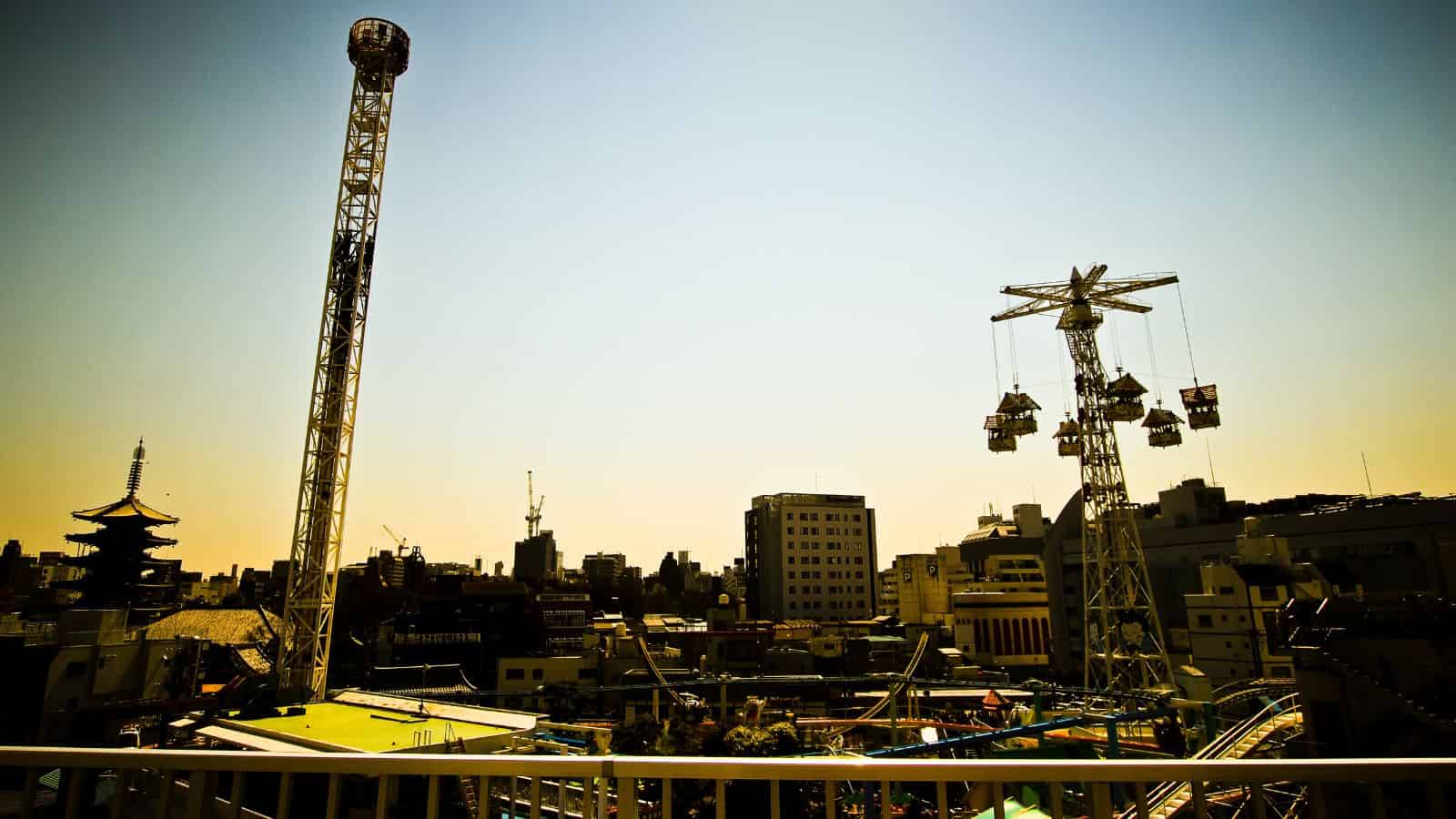
Some older theme parks, often promoted heavily to tourists, haven’t been updated in years and may feel underwhelming compared to their advertising. While entry prices can be high, the rides and shows sometimes rely on outdated technology, worn sets, or repetitive performances. Maintenance can be inconsistent, and food or merchandise inside is often overpriced. Locals suggest checking current reviews before committing to a visit, as many parks rely on nostalgia or their name recognition rather than improving the guest experience. For a more engaging day, consider newer attractions, seasonal events, or regional parks that invest in fresh exhibits and better upkeep.
Animal Cafes With Poor Conditions
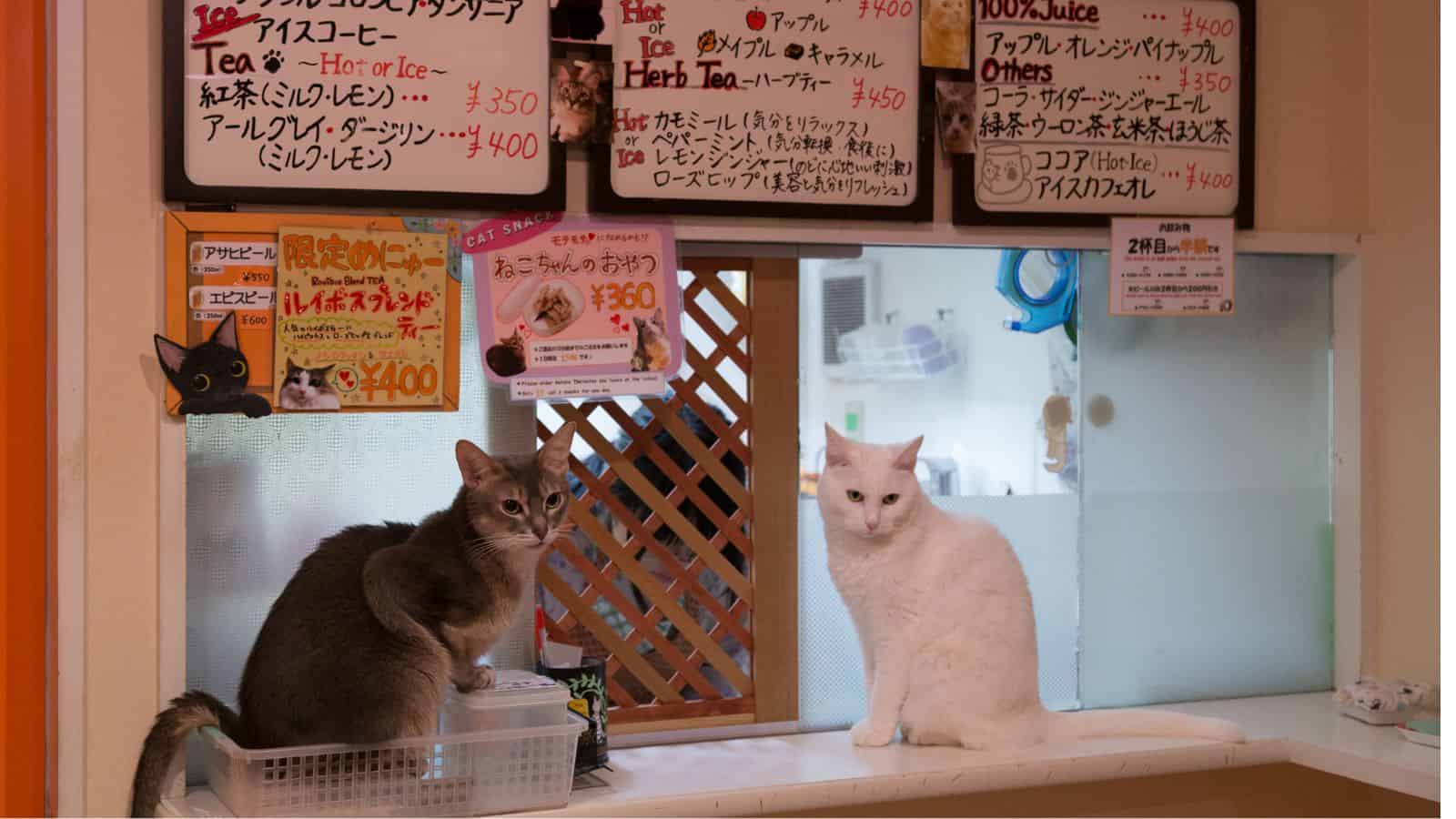
While animal cafes are popular for their novelty, some have been criticized for keeping animals in cramped or unnatural environments. Cats, owls, hedgehogs, and other creatures may be stressed from constant handling by visitors. The cleanliness of the space can vary, and some animals appear tired or disinterested. Entry fees can be high for limited interaction time, and the drinks served are often basic. Locals recommend researching the cafe’s treatment of animals and looking for places with a strong welfare reputation. Visiting animal sanctuaries or open-air farms can be a better option for ethical interactions.
Street Food Stalls in High-Traffic Areas
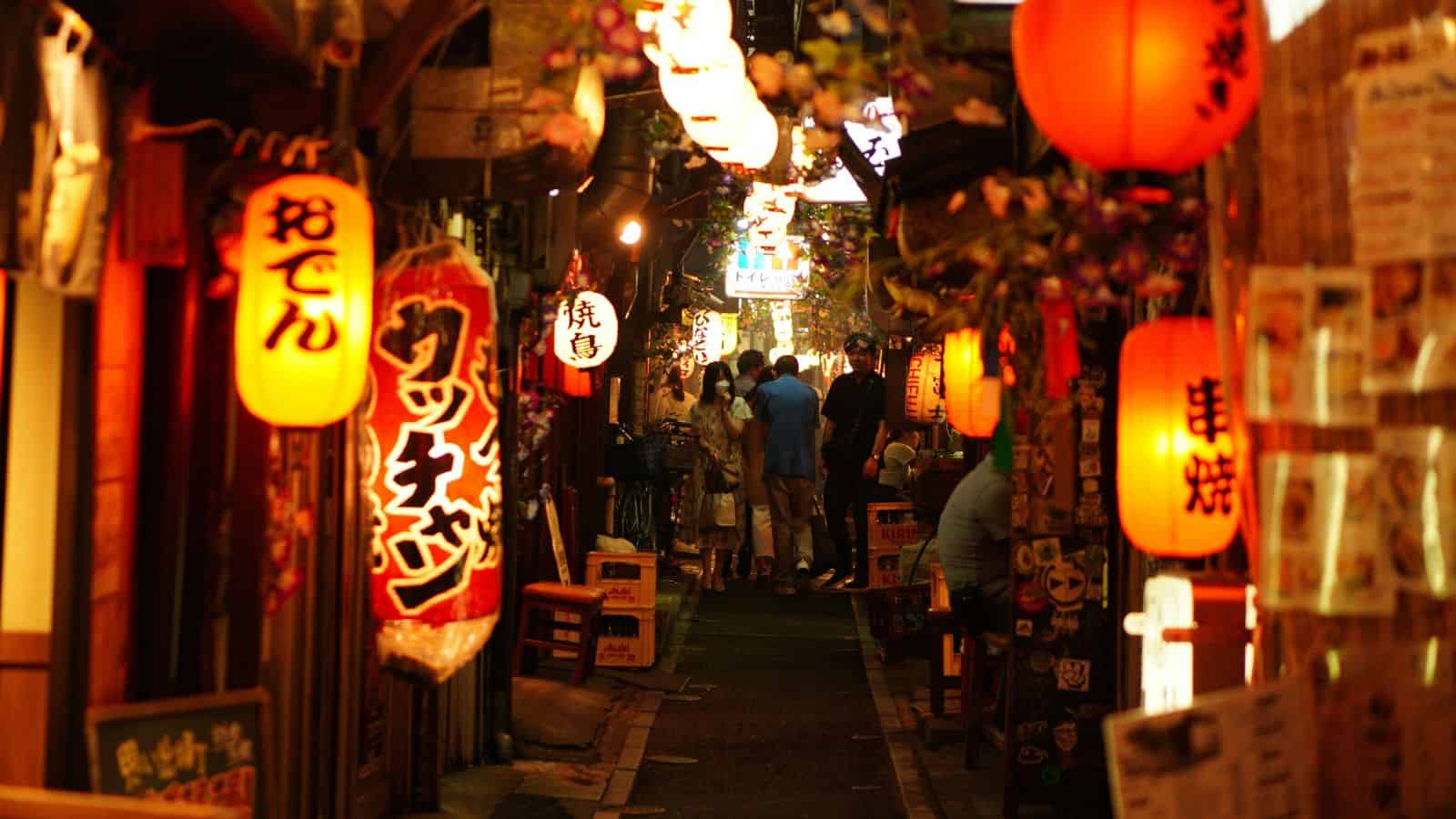
While Japan has amazing street food, vendors in high-tourism areas sometimes charge much higher prices for smaller portions. Locations near popular shrines, festivals, or train stations can take advantage of foot traffic, serving food that’s been sitting out for hours. Presentation may look appealing, but taste and freshness can be disappointing. Locals recommend exploring side streets or smaller markets where vendors prepare items to order and prices are more reasonable. These areas often have fewer lines, more variety, and dishes prepared with greater care. Checking for stalls with active cooking and a steady flow of local customers is a good sign.
Ninja or Samurai Shows for Tourists
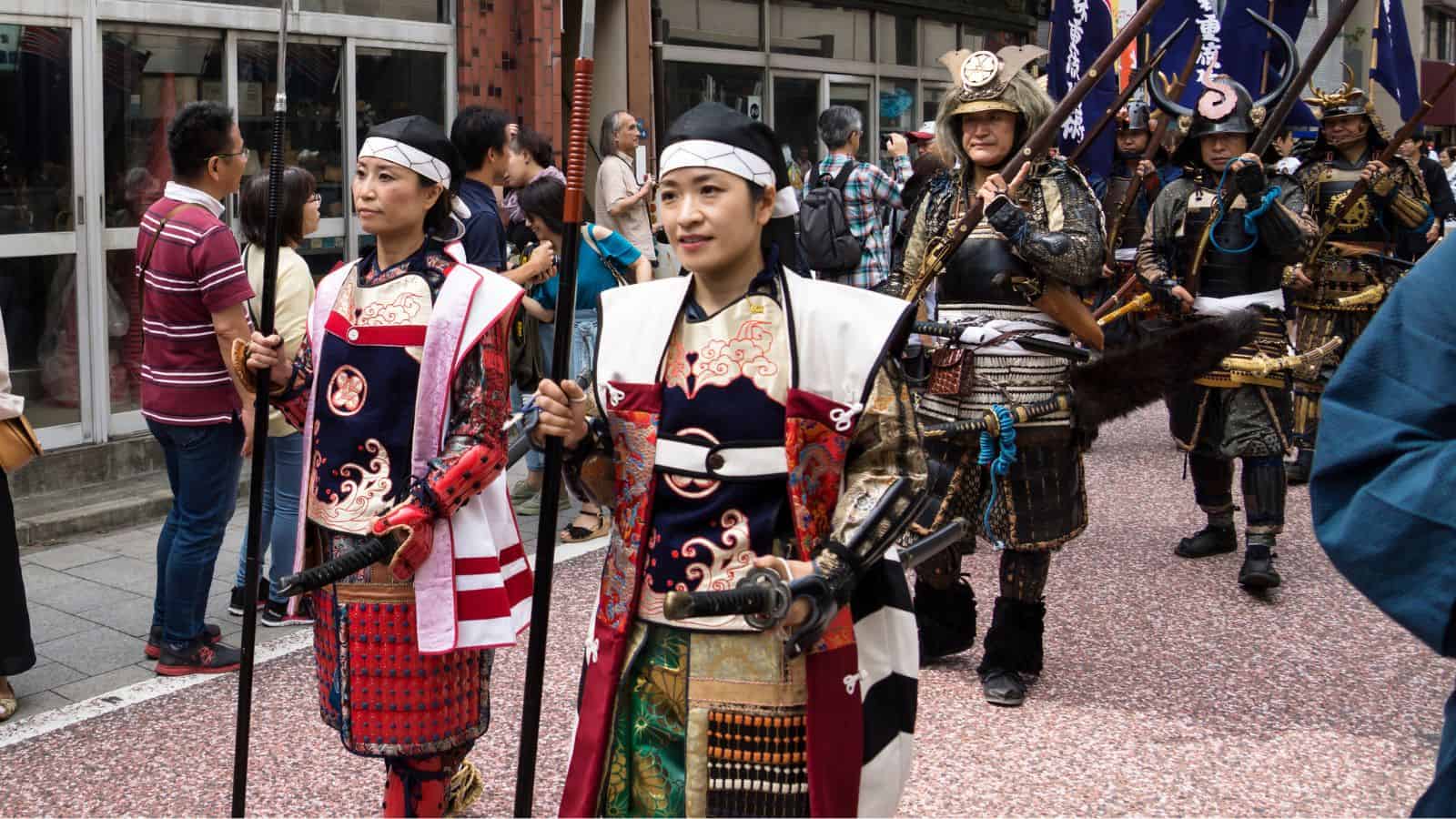
Many ninja or samurai-themed performances in tourist hubs are designed for entertainment rather than historical accuracy. While the costumes may look impressive, the shows can feel theatrical with exaggerated fight scenes and little context about actual history or culture. Ticket prices are sometimes high for a short performance, and souvenir shops on-site can be overpriced. For a more meaningful experience, locals suggest visiting a museum, joining a guided tour by a historian, or attending a cultural festival that features martial arts demonstrations rooted in real tradition.
Want to save this?
Overpriced Souvenir Shops
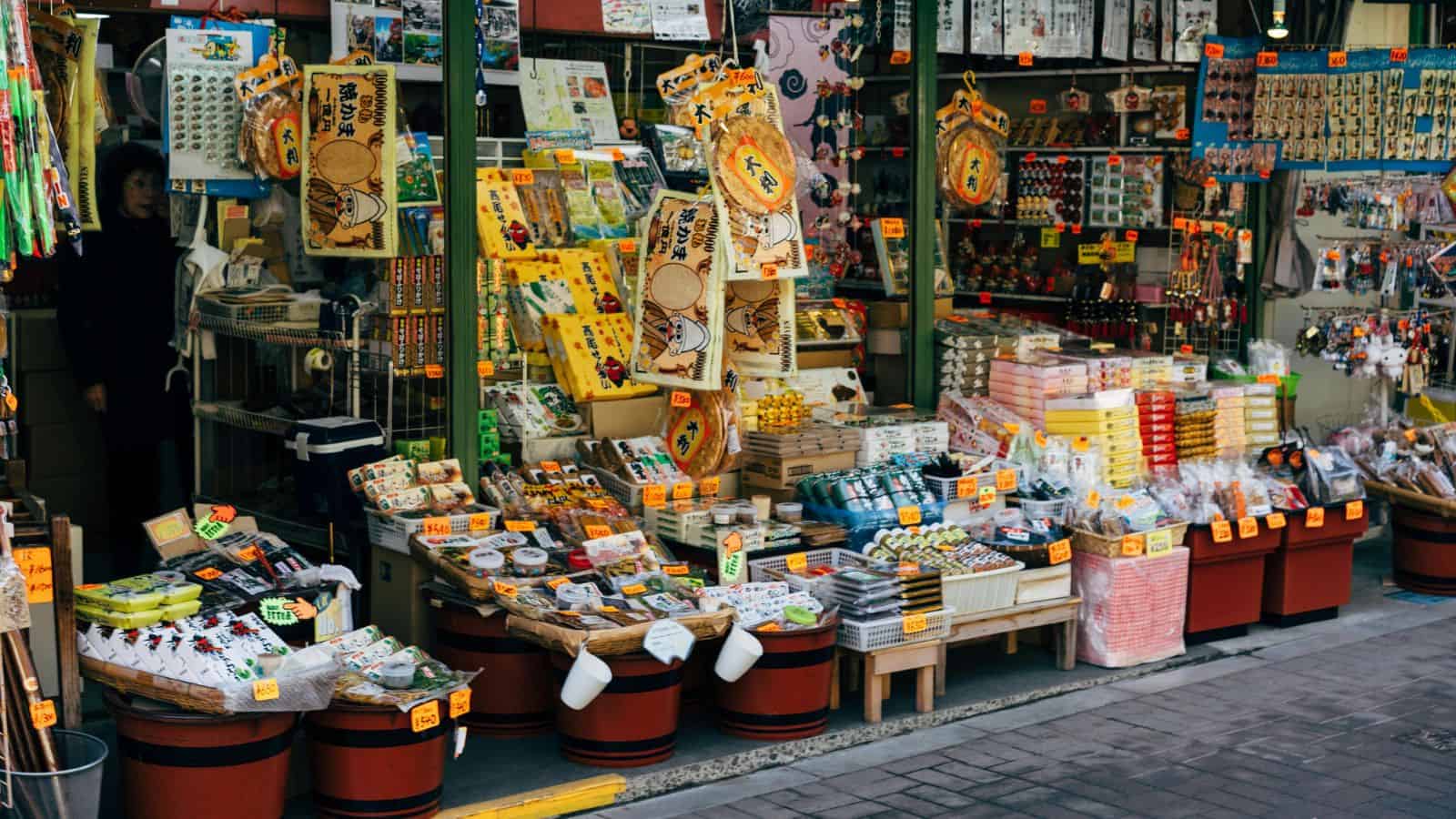
Shops located near famous landmarks or within popular tourist areas often sell souvenirs at inflated prices. Items like keychains, postcards, and snacks may be double what you’d pay elsewhere. Many products are mass-produced rather than made by local artisans, despite packaging that suggests otherwise. Locals recommend visiting smaller neighborhood stores, traditional markets, or specialty shops where you can find higher-quality goods at more reasonable prices. Exploring these spots can lead to discovering unique gifts that have a stronger connection to the region’s traditions and crafts.
Traditional Ryokan With Hidden Fees
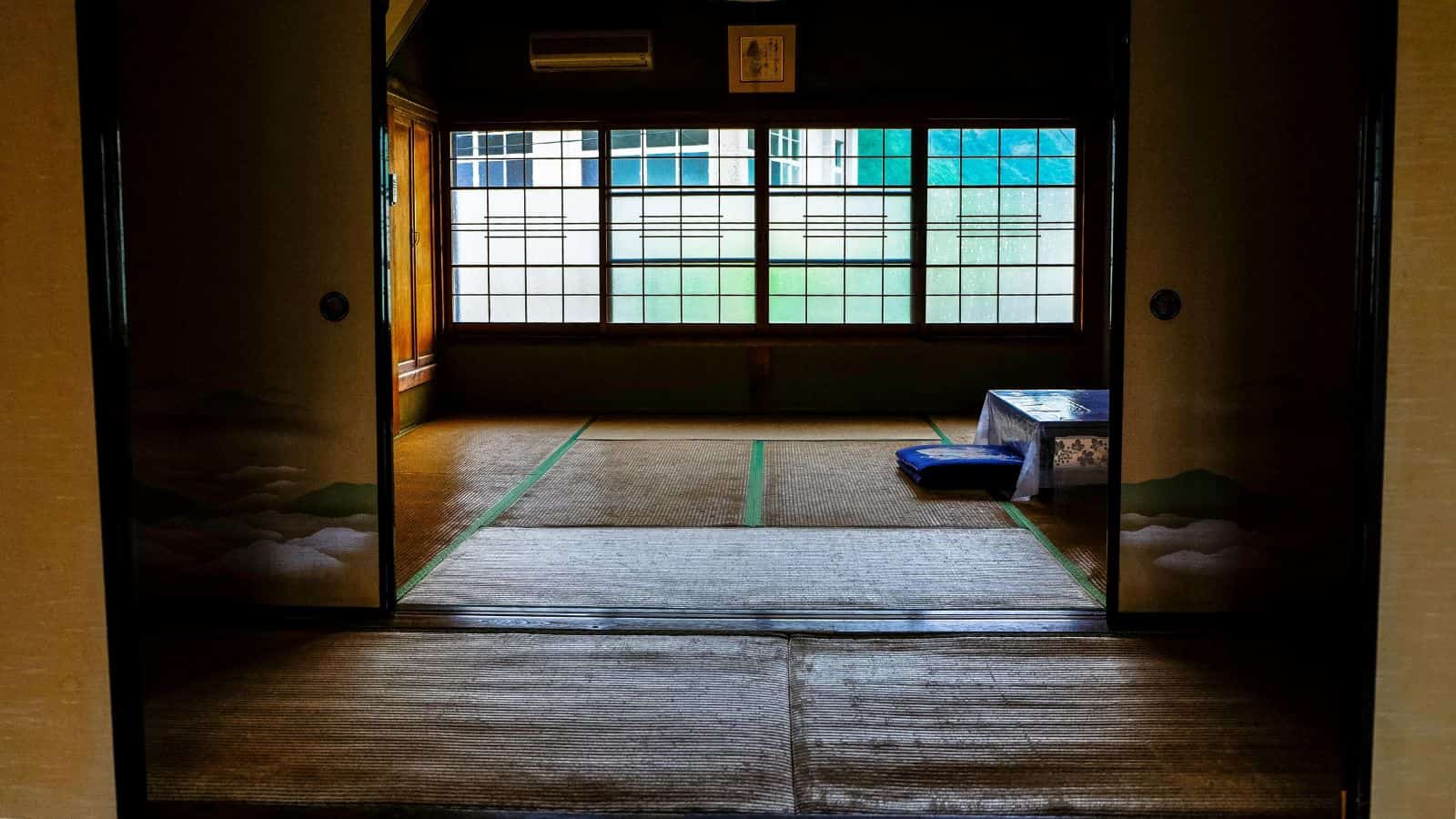
Staying at a ryokan, a traditional Japanese inn, can be an unforgettable cultural experience, but some establishments aimed at tourists charge steep prices while cutting back on service. You might find rooms that look dated or meals that feel less generous than advertised. Some ryokans also add unexpected fees for amenities like private baths, special meals, or seasonal events. Locals suggest reading booking details carefully, checking multiple reviews, and considering smaller, family-run inns outside major tourist towns for a more genuine experience. These often include meals and onsen access without unexpected add-ons, making your stay more transparent and comfortable.
Overhyped Cherry Blossom Viewing Spots
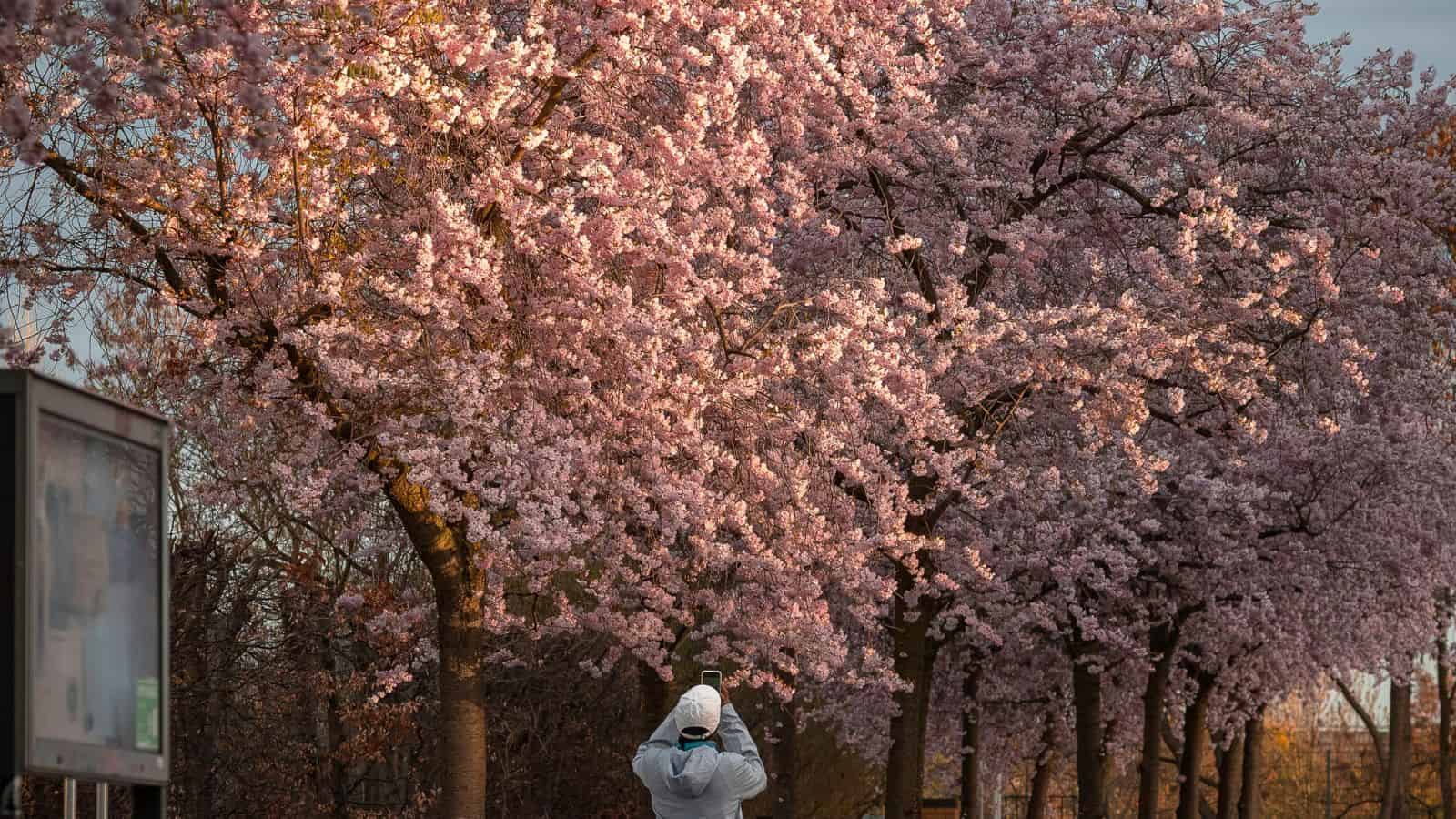
Famous cherry blossom spots in Tokyo and Kyoto can be incredibly crowded during peak bloom, making it hard to enjoy the scenery. Some locations even have limited seating or charge for entry, and the experience may feel rushed due to the volume of visitors. Food stalls and nearby restaurants may also raise prices during the season. Locals recommend exploring less-publicized parks or smaller towns for a calmer hanami experience. These areas often have beautiful blossoms without the overwhelming crowds, giving you space to relax and appreciate the seasonal beauty.
Fake “Local” Experiences
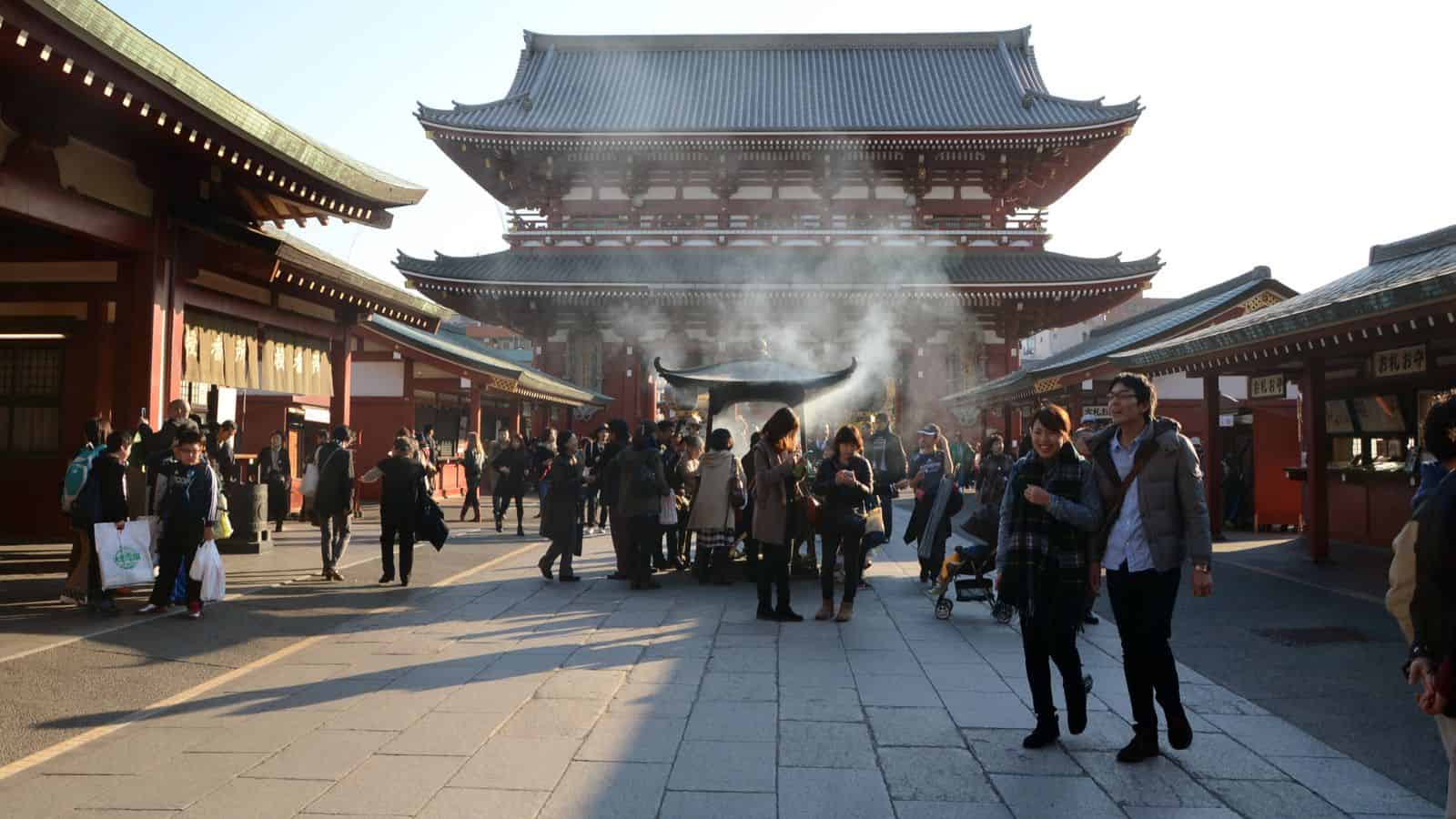
Many tours and workshops are advertised as “authentic” cultural encounters but are actually designed with quick turnover for tourists. These can include tea ceremonies without proper instruction, craft sessions where you assemble pre-made parts, or farm visits that don’t involve any real interaction with locals. While the price tag might be high, the depth of the experience can be shallow, leaving visitors disappointed. Locals recommend seeking out community centers, cultural preservation groups, or specialty schools, where you can learn directly from people passionate about their craft or tradition. This way, you leave with a deeper understanding rather than just a staged activity.
9 Shops in Japan That Tourists Can't Stop Talking About

Japanese stores are so underrated. Japan is renowned for its fascinating blend of tradition and innovation, and the shopping scene is no exception. From quirky boutiques to luxury department stores, nine shops in Japan that tourists can’t stop talking about have earned global recognition for their distinctive offerings. These stores aren't just places to shop—they’re destinations that provide a unique cultural experience, showcasing everything from rare collectibles to the latest trends.
Read More Here: 9 Shops in Japan That Tourists Can't Stop Talking About
13 Etiquette Mistakes Tourists Make on Japan’s Bullet Trains

Riding the bullet train soon? Japan’s bullet trains, or Shinkansen, are known for their efficiency, comfort, and punctuality. They are a top choice for travelers navigating the country and offer a smooth and fast ride between major cities. However, for tourists unfamiliar with Japanese customs, there are 13 etiquette mistakes that tourists make on Japan’s bullet trains that can cause discomfort or frustration for fellow passengers and staff.
Read More Here: 13 Etiquette Mistakes Tourists Make on Japan’s Bullet Trains



Leave a Reply