
Pickpockets are quick, skilled, and often go unnoticed until it’s too late. Crowded streets, busy train stations, and popular tourist attractions are prime areas where they operate, and knowing how to spot a pickpocket while traveling can make all the difference. Their tactics are subtle—whether it’s creating a distraction, working in groups, or using body language to get close, these methods can fool even seasoned travelers. By recognizing the small signs, it becomes much easier to stay one step ahead and keep belongings safe.
The key is to stay aware without becoming anxious. With these practical ways to recognize suspicious behavior, travelers can focus on enjoying their journey instead of worrying about theft. Being alert to common tricks helps prevent losses that could cut a trip short or cause unnecessary stress. So before heading out into busy squares or bustling markets, take a moment to learn what to watch for. A little attention now could mean carrying memories home instead of regret.
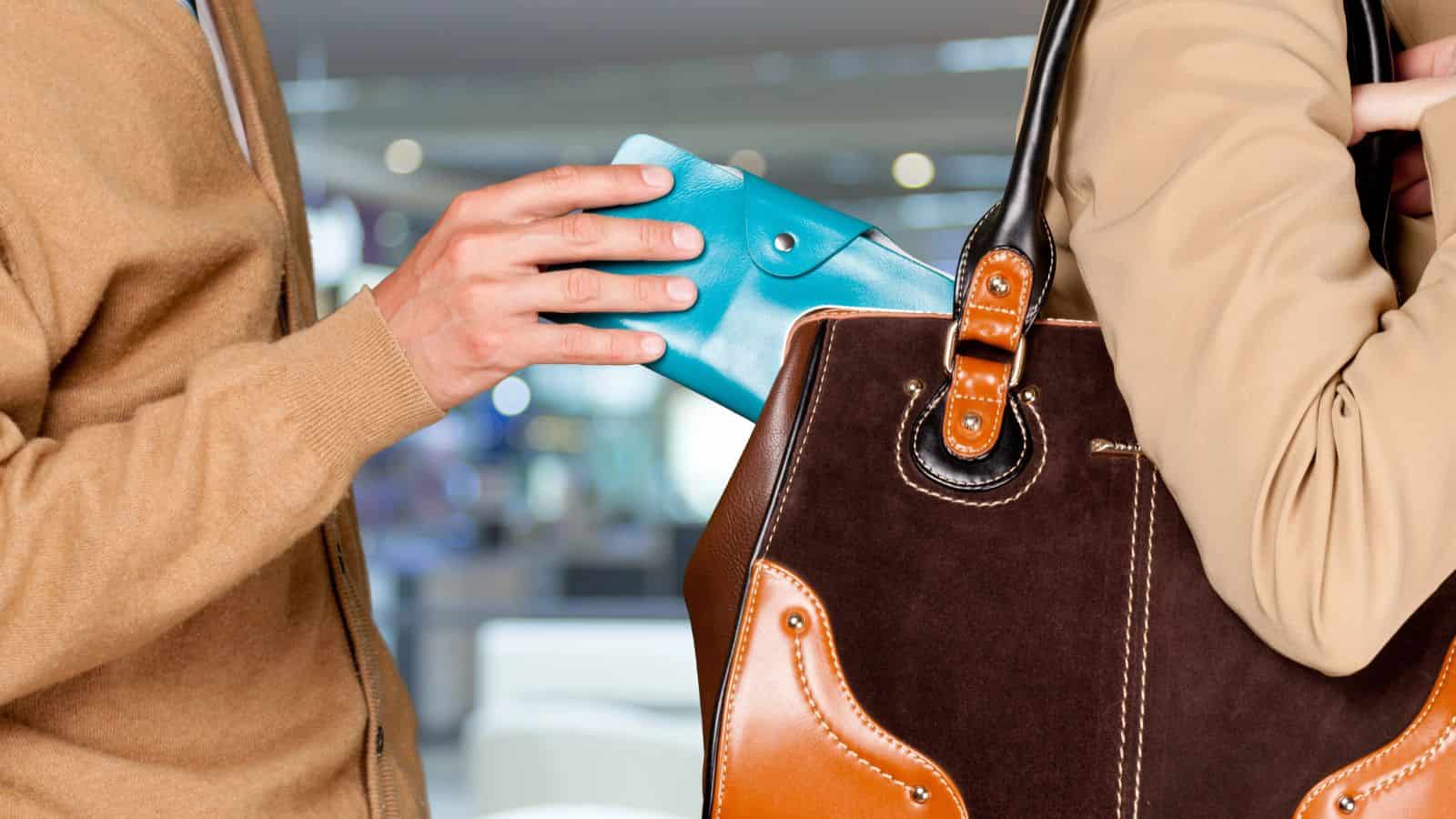
Unusual Crowding or Jostling
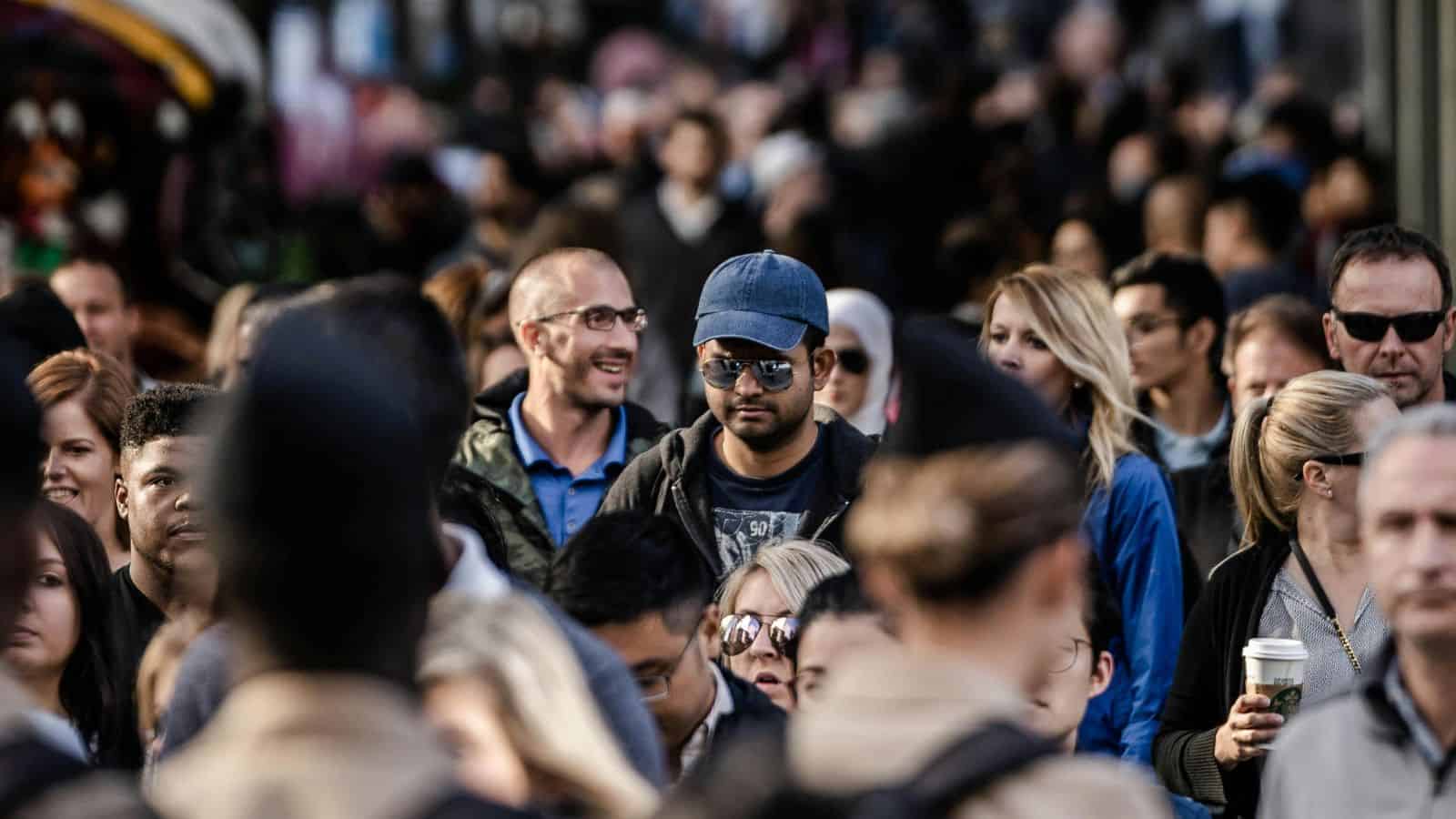
Pickpockets often create or take advantage of sudden crowding to mask their movements. You might feel an unexpected bump, someone brushing past you aggressively, or a group squeezing into your space when there’s no real need. This tactic is common in markets, tourist attractions, and transport hubs. The goal is to distract you long enough for them to reach into a bag or pocket unnoticed. If this happens, check your belongings immediately and reposition them to a safer spot. Trust your instincts—if someone’s proximity feels staged or unnecessary, create space and remain alert until they move away.
Distracting Questions or Gestures

Some thieves work by diverting your attention with conversation or strange behavior. They may approach holding a map and asking for directions, request help signing a petition, or show you an item while speaking quickly. The distraction keeps your eyes and hands busy while an accomplice targets your valuables. In some cases, they might even touch your arm or point to something nearby to shift your focus. If approached unexpectedly, keep a firm hold on your belongings and create a small distance before engaging. Being aware of this tactic can help you avoid falling for an intentional distraction.
Overly Close on Public Transport

Crowded buses, trains, and subways are prime hunting grounds for pickpockets, but some will stand much closer than necessary even when there’s space available. They may position themselves so their bag, jacket, or arm brushes against yours repeatedly. This contact allows them to slip a hand toward your pocket or unzip your bag without drawing attention. If you notice someone staying uncomfortably close for more than a few moments, shift position, change seats, or hold your bag in front of you. Staying aware of personal space is one of the easiest ways to spot suspicious behavior early.
Sudden Group Surrounding

Another common strategy involves several people closing in around a target, often near tourist attractions or busy shopping streets. While one person distracts you, others move in to block your view or restrict movement. The chaos makes it harder to notice a hand in your bag or pocket. These groups may appear to be tourists themselves, chatting or laughing to appear harmless. If you find yourself suddenly boxed in, step back, move toward an open area, and keep a hand on your belongings. Avoid letting strangers form a physical barrier between you and an exit route.
Covering Hands With Clothing or Bags
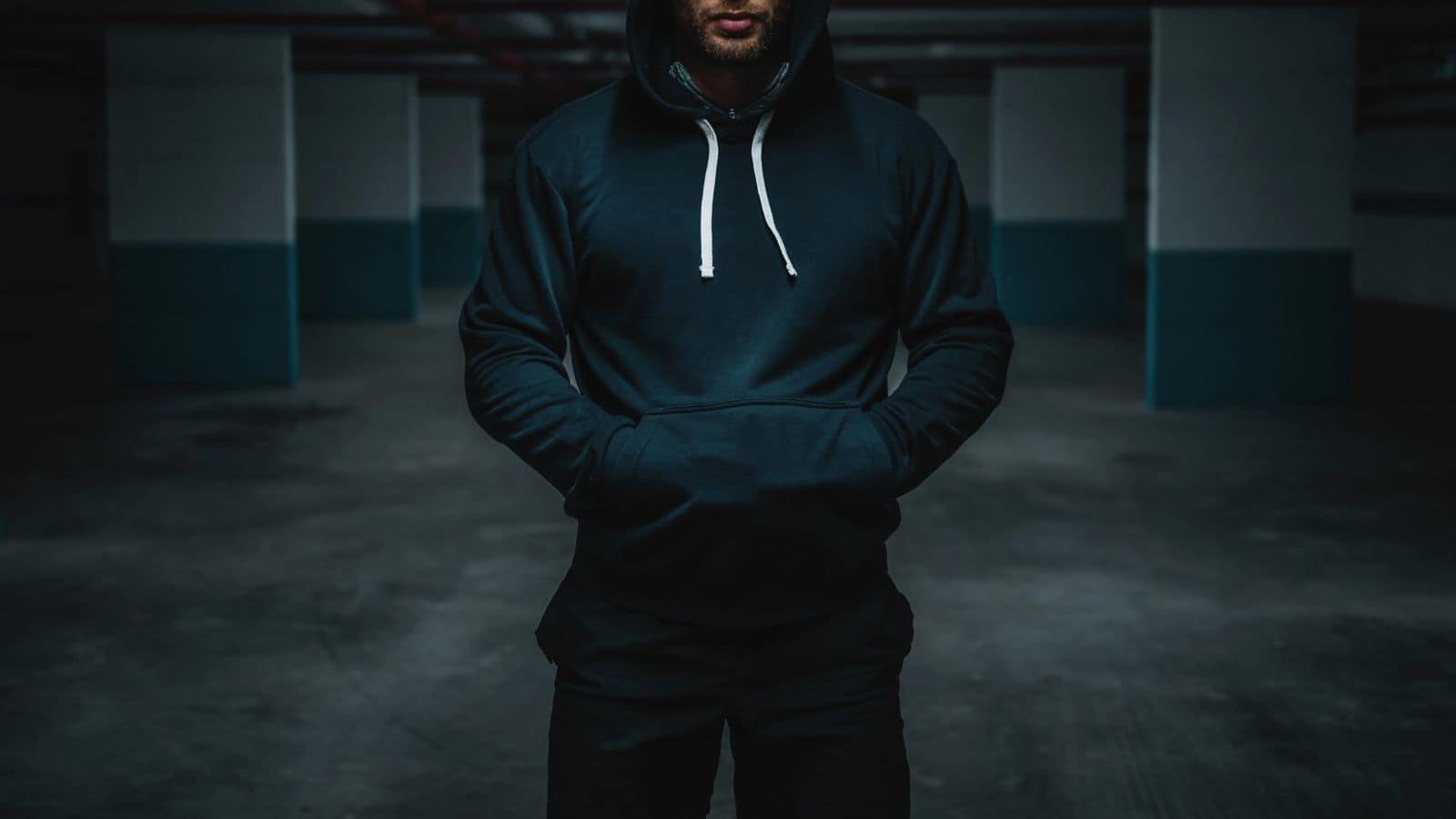
Pickpockets often hide their hands under jackets, scarves, newspapers, or shopping bags while standing near you. This concealment lets them get close to your pocket or bag zipper without you seeing the movement. You might notice their hand positioned awkwardly under an item, or the object itself resting directly against your belongings. This tactic is common in crowded lines or while boarding transport. If you see someone doing this, move your bag in front of you or shift away. Recognizing that the covering is meant to disguise hand movement can help you react before they attempt a theft.
Loitering Around ATMs or Ticket Machines
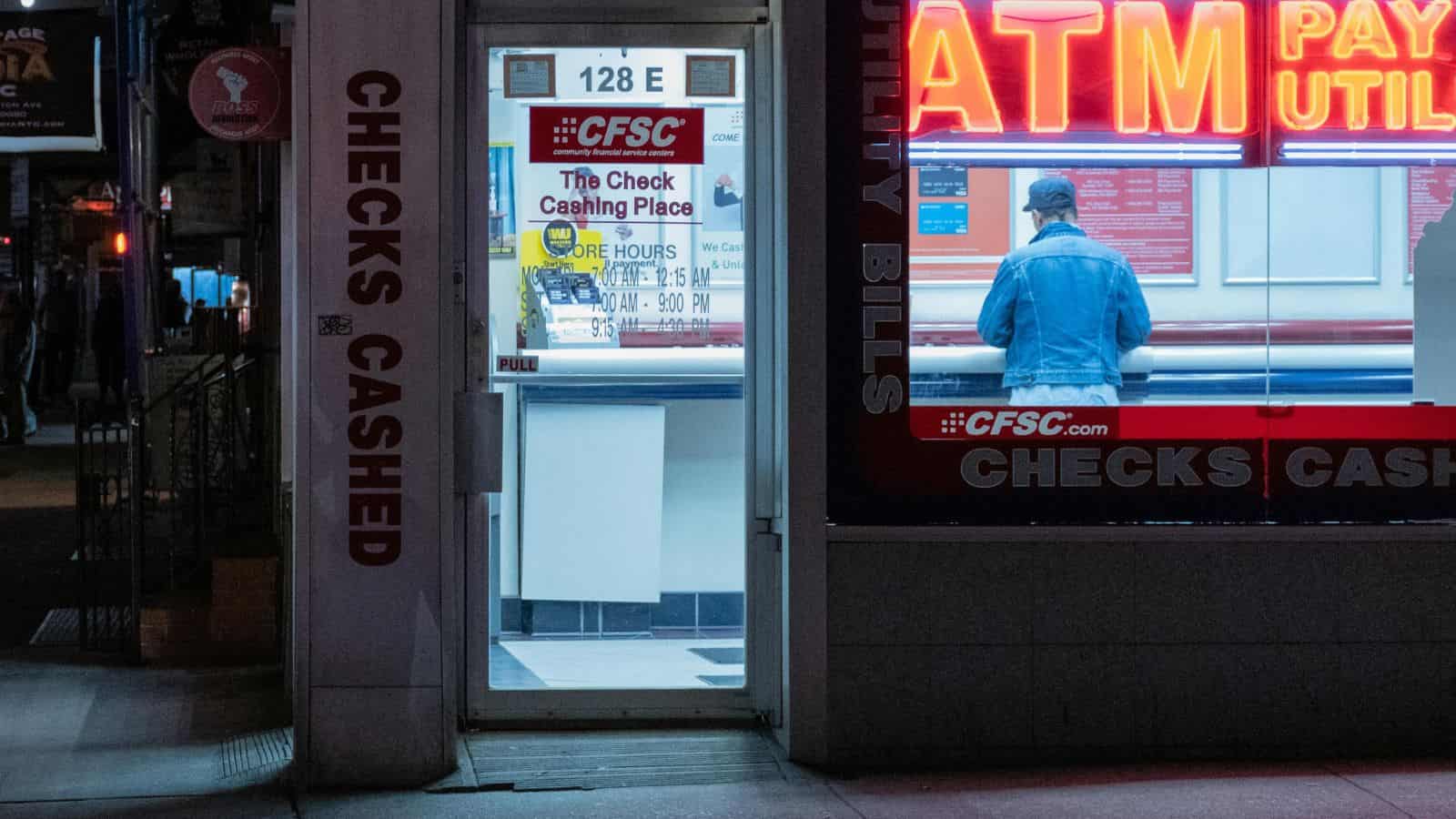
Pickpockets sometimes linger near ATMs, ticket kiosks, or payment counters to watch people handle cash or enter PIN codes. They may pretend to be waiting in line, using their phone, or looking at a timetable while actually observing transactions. Once they see where you keep your wallet or the code you entered, they might follow you for an opportunity to strike. If you notice someone standing unusually close or repeatedly glancing your way, pause your transaction or move to another machine. Shield your keypad with your hand and put away money securely before walking off.
Want to save this?
Excessive Eye Contact With Your Belongings

Thieves often scan people for visible valuables, and you may catch someone repeatedly glancing at your phone, bag, or pockets. They might look away quickly when noticed, then resume scanning when they think you’re distracted. This behavior is easier to spot when you’re standing still, such as waiting in line or sitting in a public place. If someone’s gaze keeps returning to the same spot on you, adjust your belongings so they’re less visible and consider moving to a different location. Being aware of where their attention is directed can give you an early warning.
Fake Accidents or Spills

Creating a mess is a classic distraction tactic. Someone might “accidentally” spill a drink on you, drop a bag of items, or bump into you so forcefully that you lose balance. While you focus on cleaning up or reacting, an accomplice could take your valuables. Often the person who caused the mess will act apologetic or try to help, giving them even more access to your personal space. If an unexpected accident happens, secure your belongings first before addressing the spill. Politely declining help from strangers in this situation can reduce your risk.
Constant Positioning Behind You
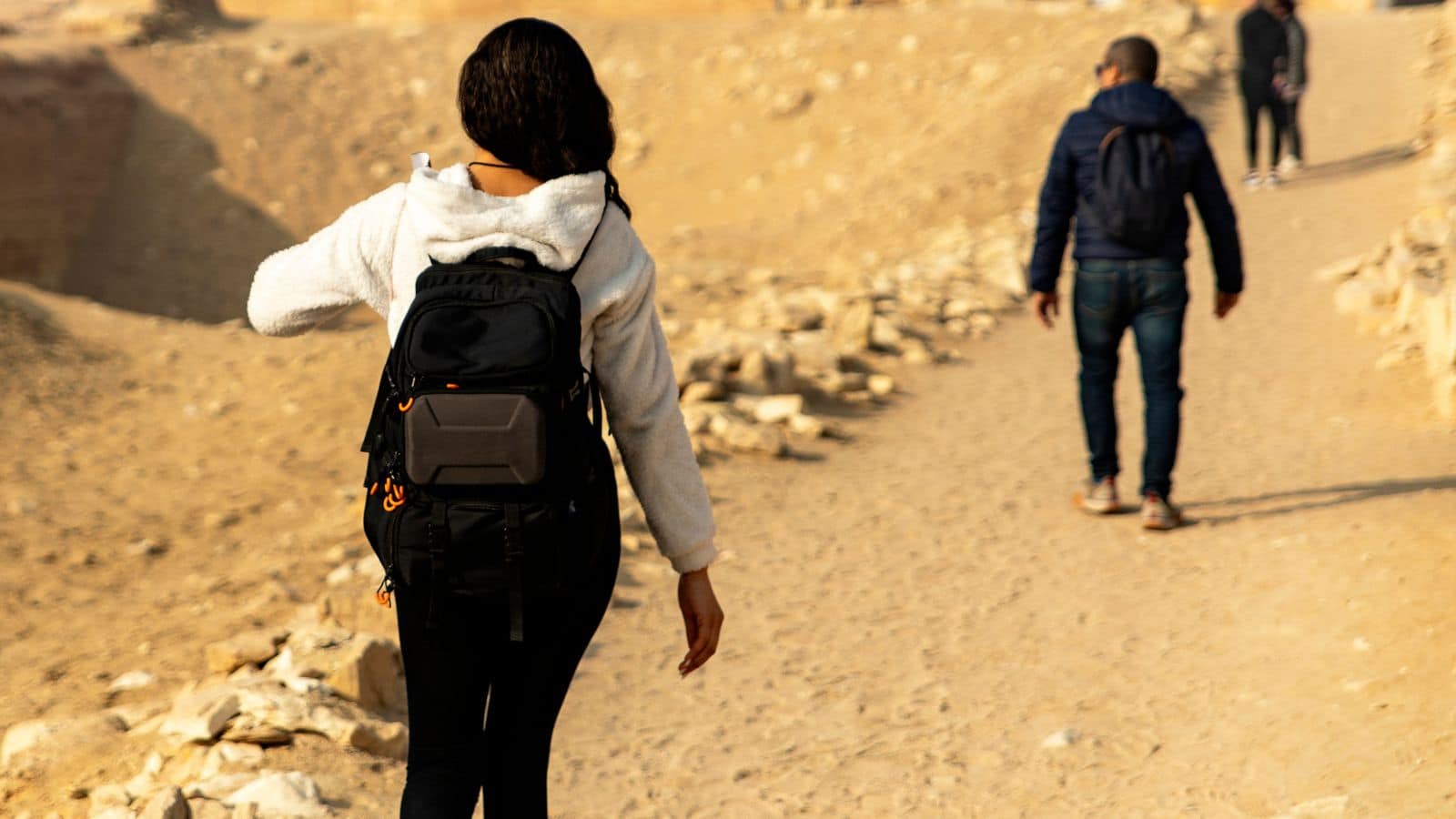
If you notice the same person staying directly behind you in a line, on an escalator, or while walking through a crowd, they may be positioning themselves to reach your pockets or bag. Pickpockets often use this approach in places where people are required to move slowly or stand still. They might adjust their pace to keep you in front of them or lean in closer when space tightens. To disrupt this, change your position, let them pass, or move to a spot where you can keep them in your line of sight.
Working in Pairs or Groups

Pickpockets often operate with at least one partner, using teamwork to distract and steal. One person might ask you a question, bump into you, or draw your attention to something, while another moves in to take your belongings. In busy areas, a group can quickly surround and confuse you, making it harder to notice missing items until later. Being aware of group dynamics—such as two or three people repeatedly appearing near you—can help you identify a setup before it happens. Keeping your belongings secured and staying alert when approached by groups reduces the risk.
10 Social Media Mistakes That Make You a Target While Traveling

In today’s digital age, social media is a great tool for sharing your travel experiences and staying connected with loved ones. However, it can also put travelers at risk if not used with caution. Posting too many details about your location or plans can inadvertently make you a target for theft, scams, or even worse. Security experts warn against revealing too much information online while traveling, as certain social media habits can expose you to unnecessary risks.
Read More Here: 10 Social Media Mistakes That Make You a Target While Traveling
13 Countries Where Good Manners Make or Break Your Trip

Planning to travel outside the country? Good manners can greatly impact travel experiences, and there are 13 countries where good manners make or break your trip. Understanding local customs and etiquette is essential for making a positive impression and ensuring a smooth visit. In some cultures, small gestures like saying "please" and "thank you" can go a long way, while in others, specific behaviors may be expected or even required.
Read More Here: 13 Countries Where Good Manners Make or Break Your Trip




Leave a Reply