
Some destinations shine at certain times of the year but become risky at others. There are tourist spots that could be dangerous in the wrong season, where conditions shift dramatically depending on weather and climate. From mountains prone to avalanches in winter to tropical regions facing hurricane season, timing can make the difference between a safe trip and one filled with hazards. Even popular landmarks and natural wonders may carry risks if visited when conditions aren’t favorable.
With these spots, awareness and planning are key. Knowing when to visit helps travelers avoid unnecessary dangers and experience the beauty of each destination at its best. Whether it’s researching seasonal closures, monitoring weather forecasts, or understanding local safety advice, preparation can turn a risky choice into a rewarding adventure. Explore the places where timing matters most and learn how to make the safest decisions before booking your next trip.
Mount Everest, Nepal
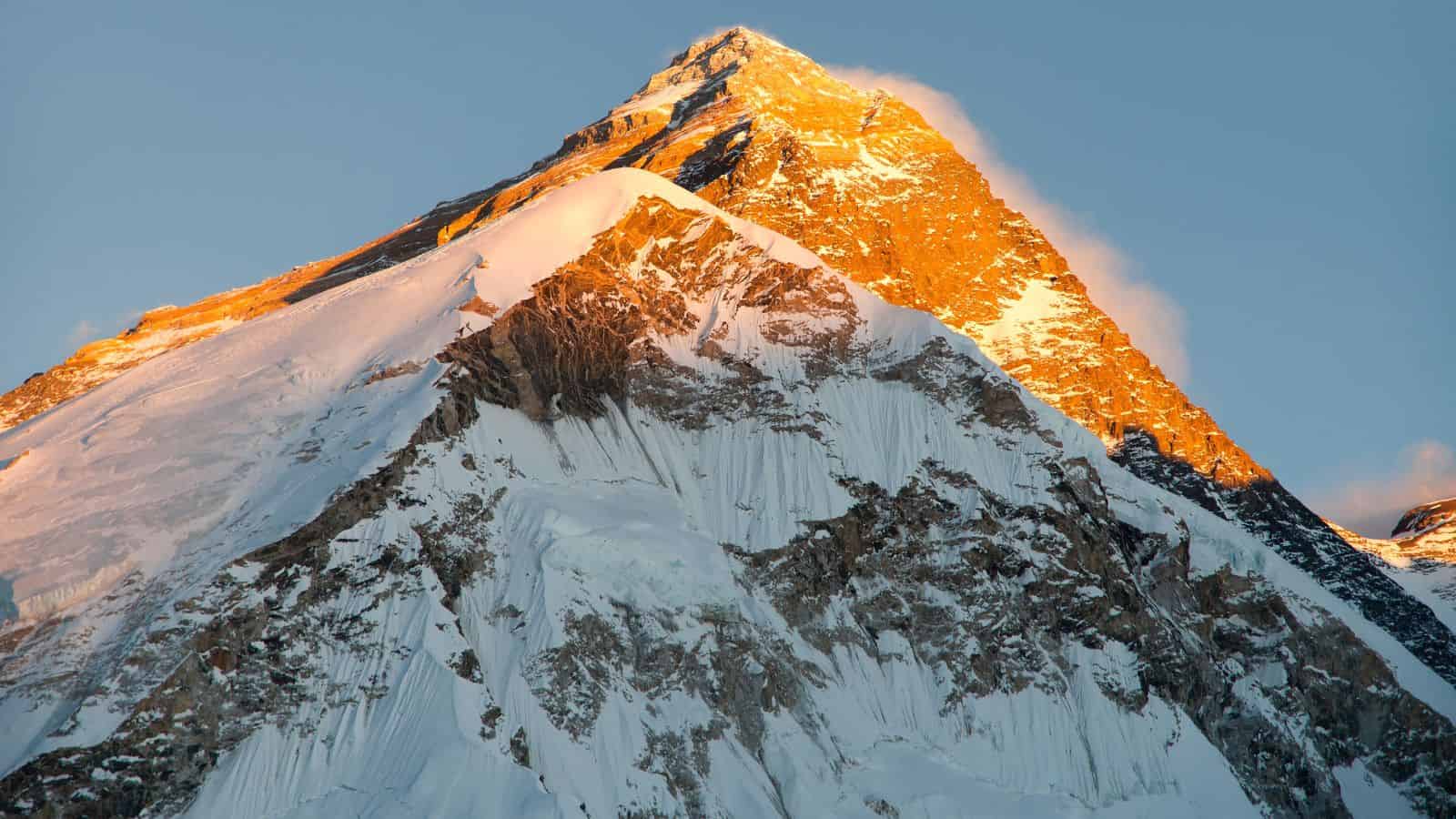
Mount Everest draws thousands of climbers each year, but its danger peaks outside the short climbing windows in spring and autumn. Harsh winter weather brings freezing winds, subzero temperatures, and avalanche risks. In summer, the monsoon season can trigger landslides and obscure trails with heavy snow. Even during prime seasons, altitude sickness, unpredictable storms, and overcrowding on routes make the climb dangerous. Only experienced climbers with careful preparation should attempt it, and even then, conditions can change rapidly.
Grand Canyon, USA

The Grand Canyon is awe-inspiring, but summer heat poses a serious hazard. Temperatures on the rim may feel manageable, but inside the canyon, heat can soar past 110°F (43°C). Hiking in these conditions without sufficient water can lead to heat exhaustion or heatstroke. Sudden monsoon storms between July and September can cause flash floods, making certain trails risky. Cooler months are safer, but visitors must still be cautious with steep terrain, changing weather, and long, strenuous hikes.
Sahara Desert, Africa
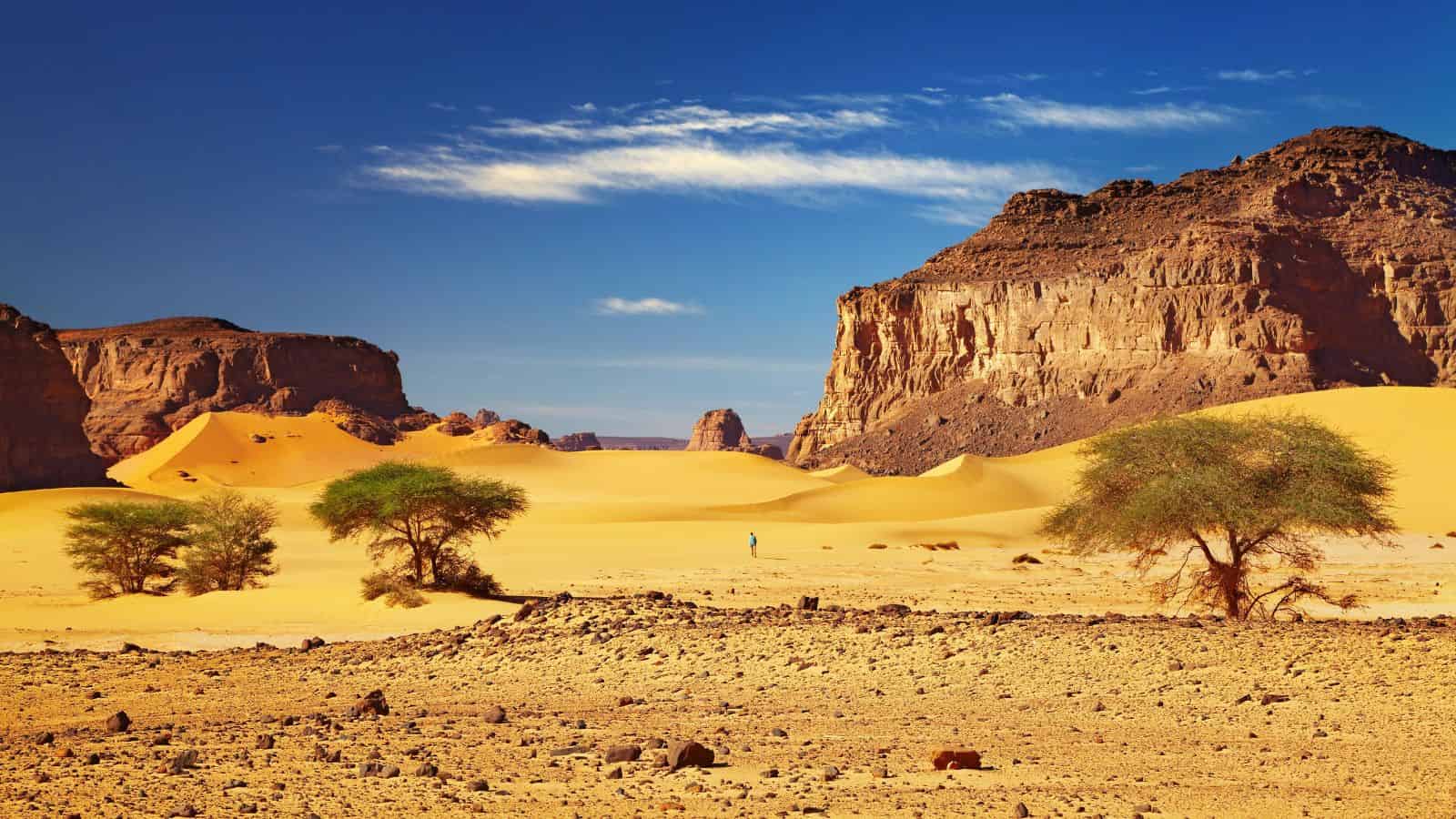
The Sahara’s vast expanse presents intense challenges for travelers. In summer, daytime heat can exceed 120°F (49°C), creating severe dehydration risks. Nights bring sharp temperature drops, and sandstorms can appear suddenly, reducing visibility to almost nothing. Remote locations make rescue difficult, and limited access to water adds to the danger. Winter months are more bearable, but preparation is critical year-round. Travelers should join guided tours, carry ample supplies, and plan for extreme and rapidly changing conditions.
Mount Washington, USA
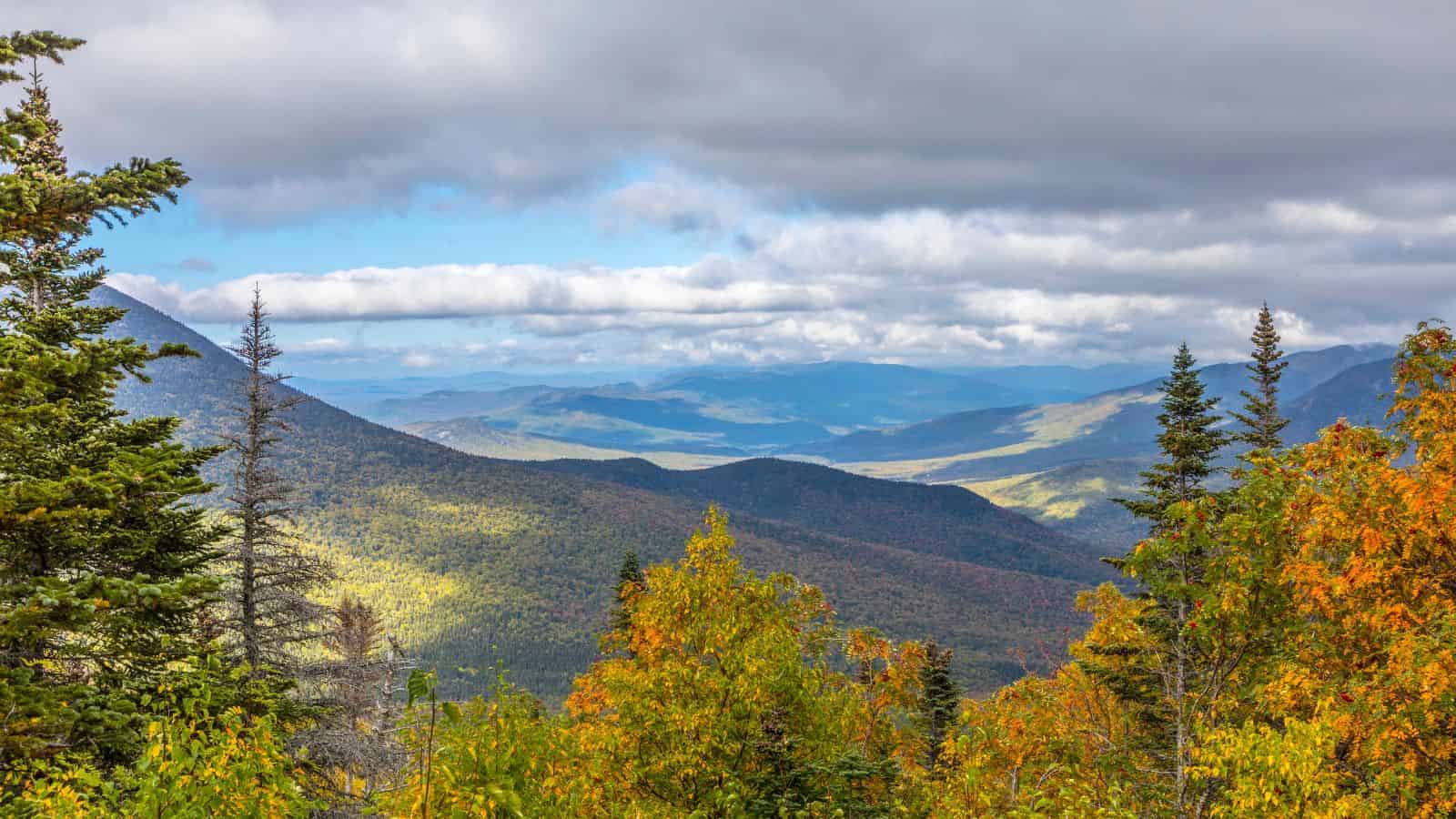
Mount Washington in New Hampshire has some of the most unpredictable weather on Earth. Strong winds, sudden temperature drops, and whiteout snowstorms can occur at any time of year. Even in summer, hikers may encounter hypothermia conditions near the summit. The mountain has claimed many lives due to unpreparedness and rapid weather changes. Winter ascents are especially dangerous, with icy slopes and hurricane-force winds being common. Proper gear and constant weather monitoring are essential for safety.
Patagonia, Argentina/Chile

Patagonia offers breathtaking natural scenery, but its weather can be harsh and unpredictable. High winds can knock hikers off balance, while sudden storms can drench trails and drop temperatures drastically. In winter, snow and ice make trekking routes treacherous, while summer can bring intense sun exposure and limited shelter. Remote locations mean help can be hours or days away. Travelers should be prepared for all weather conditions, carry layered clothing, and have contingency plans for delays.
Mount Kilimanjaro, Tanzania
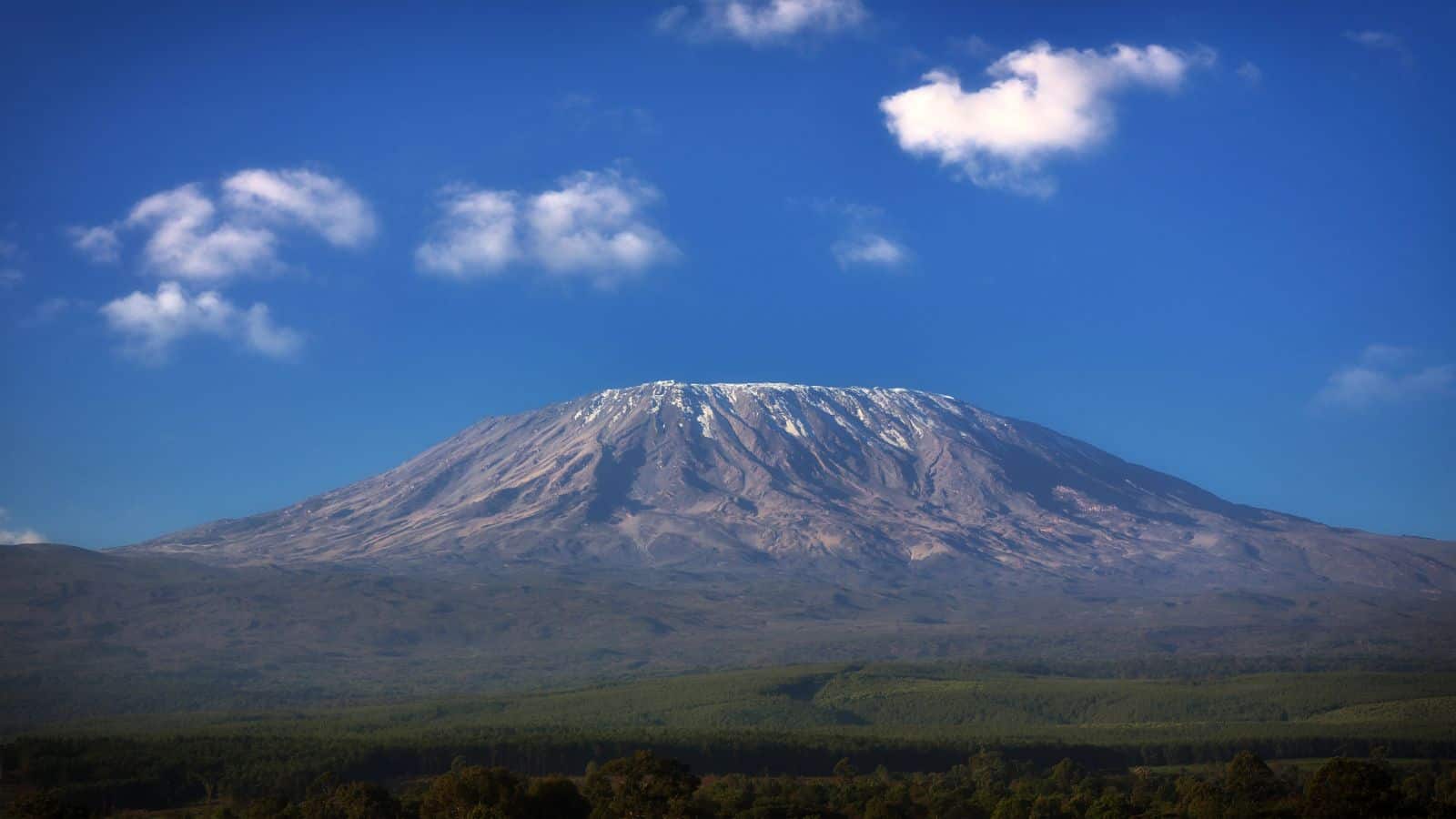
Mount Kilimanjaro draws climbers for its non-technical ascent, but its conditions vary by season. The rainy months from March to May and November make trails slippery and increase the risk of landslides. Poor visibility and muddy paths can slow progress, leading to longer exposure to high-altitude conditions and cold nights. Even during drier months, altitude sickness is a risk. Climbers should pace themselves, acclimatize properly, and prepare for temperatures ranging from hot at the base to freezing near the summit.
Yosemite National Park, USA
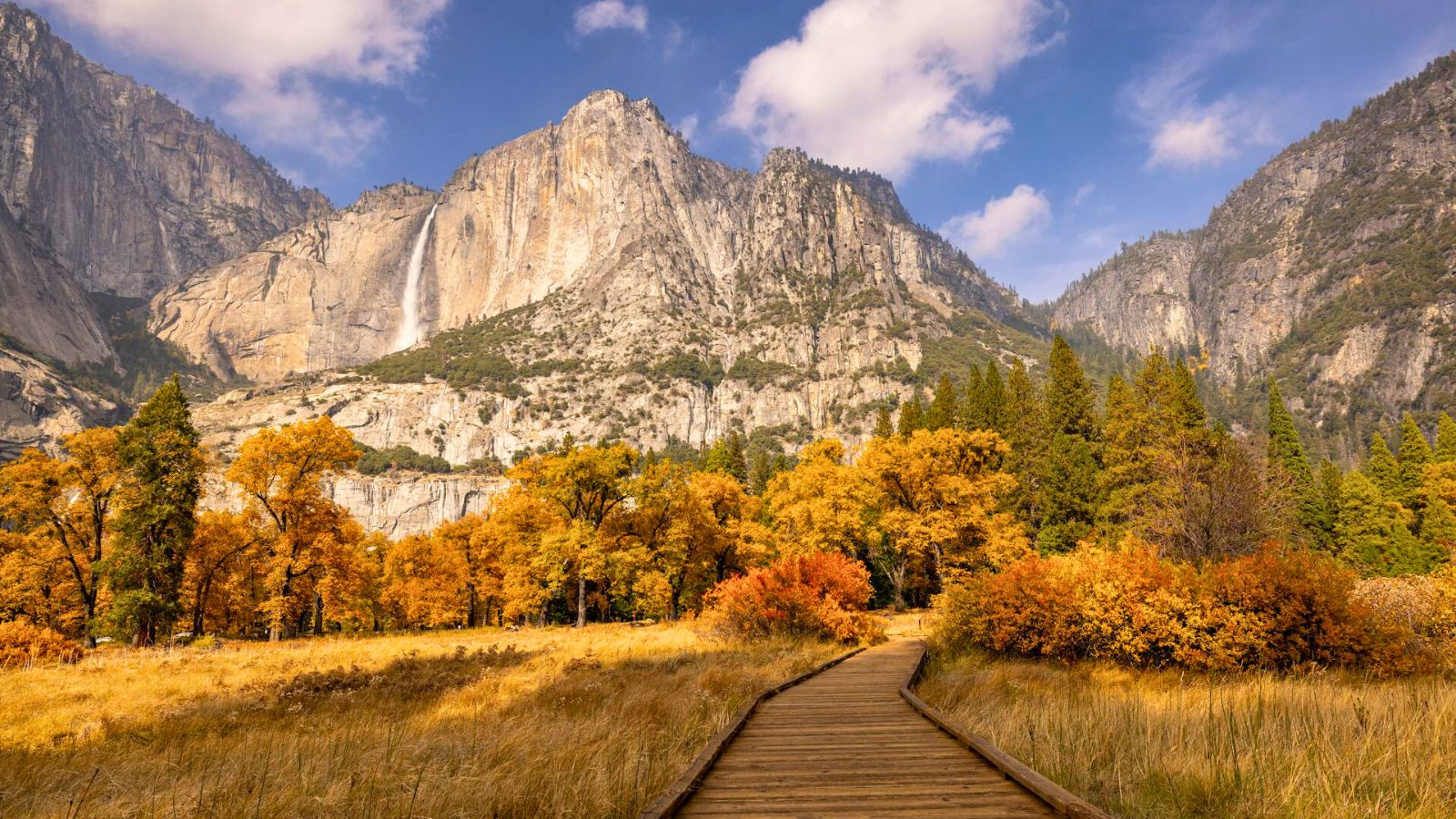
Yosemite’s beauty attracts millions, but seasonal conditions can turn hazardous. In spring, melting snow swells rivers and waterfalls, creating strong currents and slippery rocks. Summer brings high temperatures, making strenuous hikes more difficult, while wildfire season can fill the air with dangerous smoke. Winter covers trails in snow and ice, increasing the risk of falls. Visitors should check seasonal advisories, wear proper footwear, and avoid high-risk activities near swift water or unstable slopes.
Want to save this?
Swiss Alps, Switzerland

The Swiss Alps are a favorite for skiing and hiking, but both sports carry increased danger in certain seasons. Winter avalanches can occur without warning, burying slopes in seconds. In summer, rockfalls and sudden thunderstorms are common in higher elevations. Weather changes quickly, reducing visibility and dropping temperatures. Even experienced mountaineers take precautions, such as hiring guides, checking avalanche forecasts, and carrying safety gear. Preparedness and respect for the environment are essential year-round in the Alps.
Amazon Rainforest, South America

The Amazon Rainforest experiences heavy rainfall from December to May, turning paths into mud and flooding large areas. Wildlife encounters increase as animals move to avoid high waters, and biting insects such as mosquitoes thrive. River travel can be affected by strong currents and submerged hazards. The dry season from June to November is easier for exploration, but high heat and humidity remain challenging. Guided tours with experienced operators help manage the risks while exploring this vast ecosystem.
Mount Fuji, Japan

Mount Fuji attracts climbers from around the world, but the official climbing season is limited to July and August for good reason. Outside these months, snow, ice, and strong winds make trails treacherous. Temperatures can drop dramatically, and sudden storms are common. Many mountain huts close in the off-season, reducing shelter options. Even experienced climbers face serious risks without proper gear. For safety, most visitors stick to the summer months when conditions are more stable and support facilities are open.
Death Valley, USA
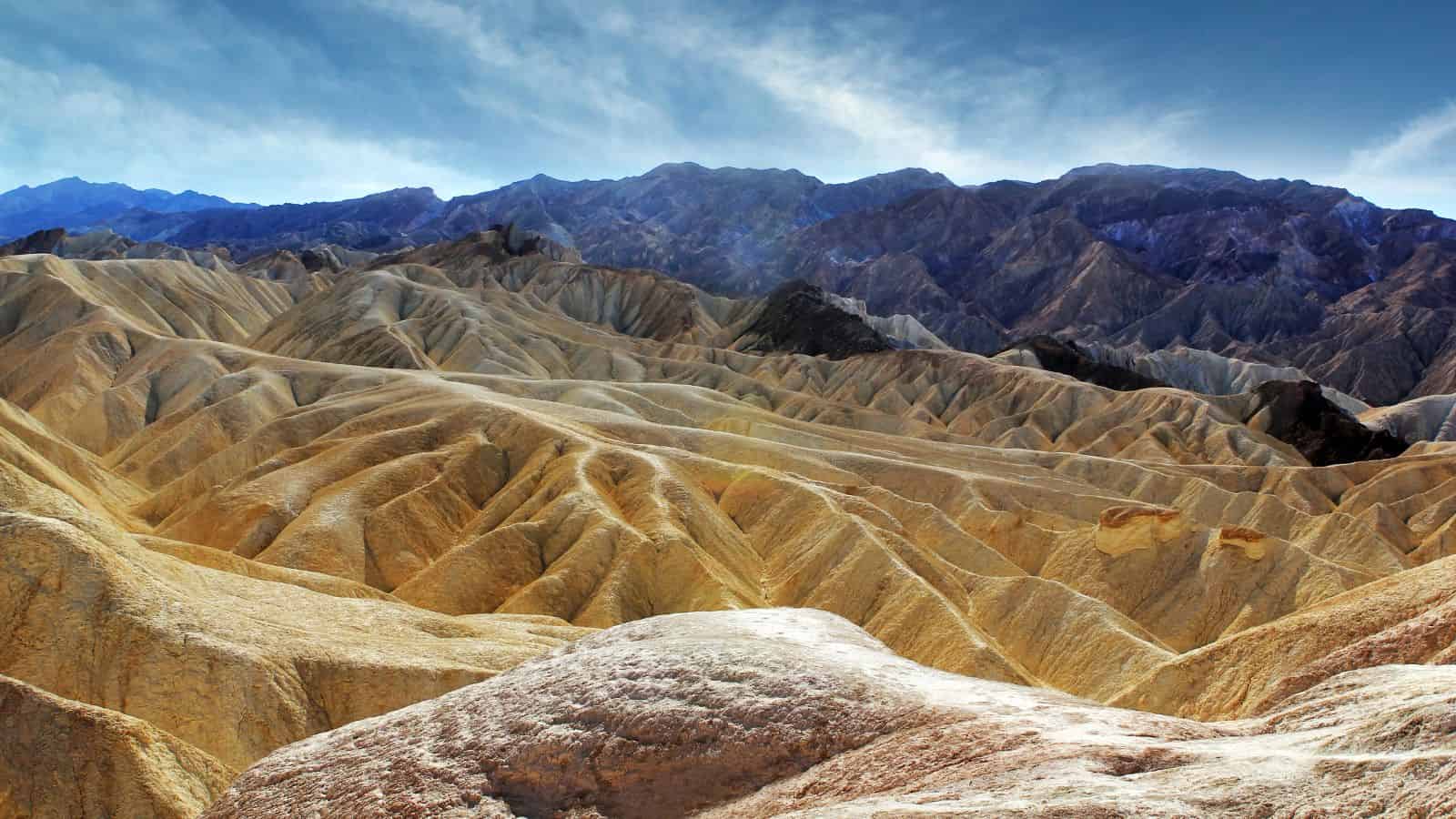
Death Valley is one of the hottest places on Earth, and visiting in summer can be life-threatening. Daytime temperatures frequently exceed 115°F (46°C), with extreme heat persisting even after sunset. Limited shade, scarce water sources, and long distances between services increase the danger of heatstroke and dehydration. Vehicle breakdowns in such conditions can become emergencies quickly. Winter and early spring bring milder temperatures, making exploration safer, though visitors should always carry extra water and prepare for remote travel conditions.
Everglades National Park, USA

The Everglades is a rich ecosystem, but visiting during the wet season from May to November brings challenges. Heavy rains flood trails and campgrounds, while mosquitoes and biting insects become overwhelming. This period also coincides with hurricane season, adding the potential for severe storms and flooding. Wildlife patterns change as animals adapt to the high water, sometimes making sightings less predictable. Cooler, drier months from December to April are preferred for easier access, clearer skies, and more comfortable exploration.
Great Barrier Reef, Australia

The Great Barrier Reef faces seasonal dangers, particularly during the Australian summer from November to May. This is stinger season, when dangerous box jellyfish and other marine stingers are present in coastal waters. Tropical cyclones can also occur, creating unsafe conditions for boat travel and diving. Strong currents and reduced water clarity may limit snorkeling and scuba opportunities. Many tour operators implement stinger nets and protective suits during these months, but the drier winter period is generally safer for water activities.
9 Breathtaking Shores Where Danger Lurks Beneath the Surface

Some beaches are postcard-perfect—crystal waters, soft sand, and skies that stretch forever. But looks can be deceiving. These nine breathtaking shores where danger lurks beneath the surface are proof that even the most beautiful coastlines can come with hidden risks. From powerful rip currents and razor-sharp reefs to unpredictable wildlife and unstable ground, each of these destinations demands a little more caution than most.
Read More Here: 9 Breathtaking Shores Where Danger Lurks Beneath the Surface
12 Stunning Lake Towns in the U.S. That Are Perfect for Year-Round Living

Lake towns have always been so mesmerizing. Living near the water can be a dream come true, and there are 12 stunning lake towns in the U.S. that are perfect for year-round living. These towns offer breathtaking views, a strong sense of community, and plenty of outdoor activities to enjoy throughout the seasons. From fishing and boating in the summer to cozying up by the fireplace in the winter, life by the lake provides a unique and fulfilling lifestyle.
Read More Here: 12 Stunning Lake Towns in the U.S. That Are Perfect for Year-Round Living



Leave a Reply