
Some destinations are breathtaking but come with a hefty price tag, and there are countries that are known for extremely high travel costs. In these places, everything from lodging to dining to basic transportation can take a bigger bite out of a budget than expected. The appeal is undeniable—iconic landmarks, pristine landscapes, and rich cultural experiences—but the expenses can add up quickly for even the most prepared travelers.
With these countries, smart planning becomes essential to make the most of the trip without overspending. Knowing where costs are highest can help travelers decide when to splurge, when to save, and how to stretch resources while still enjoying what makes these destinations special. Explore which places demand the most from a travel budget and see if they’re worth adding to your list. Sometimes the experience is priceless—but it never hurts to go in with your eyes open.
Switzerland

Switzerland is famous for its stunning mountain scenery and precision infrastructure, but it’s also one of the most expensive countries for travelers. Hotels, especially in alpine towns and major cities like Zurich and Geneva, often have high rates year-round. Dining, even in casual settings, can be costly, and transportation—whether by train, cable car, or boat—adds up quickly. Activities such as skiing, mountain excursions, and guided tours come with premium pricing. Careful planning is essential to keep expenses under control in this destination.
Norway

Norway’s breathtaking fjords and outdoor activities attract many visitors, but the cost of traveling here is high. Hotels and guesthouses often charge steep rates, and dining out is expensive, with alcohol prices being among the highest in Europe. Transportation, including ferries and trains, adds to the budget, as do excursions like glacier hikes or northern lights tours. While free hiking trails and scenic viewpoints help balance costs, a trip to Norway still demands a generous travel budget.
Iceland

Iceland’s popularity has surged in recent years, and so have its travel costs. Accommodations, especially in Reykjavik and near popular natural attractions, are pricey, and car rentals—almost essential for exploring—add significantly to expenses. Meals can be costly, and tours to see glaciers, volcanoes, or geothermal areas often come with high price tags. Even basic items like snacks and fuel are expensive due to import costs. While nature itself is free to explore, the services and logistics around it can strain budgets.
Denmark

Denmark, particularly Copenhagen, is known for high living costs, and travelers feel the impact too. Hotels in the city center and popular tourist areas charge premium rates, and dining, even at casual cafés, can be expensive. Attractions such as Tivoli Gardens, museums, and canal tours also contribute to higher daily spending. Public transport is efficient but not cheap, and bike rentals add to costs if used extensively. While walking through neighborhoods is free, most structured experiences come at a price.
Australia

Traveling in Australia often comes with significant expenses, especially when covering long distances between cities or attractions. Domestic flights, car rentals, and fuel can quickly add up. Accommodation in major cities like Sydney and Melbourne can be expensive, and dining out—whether in restaurants or cafes—often costs more than in many other countries. Guided tours, reef trips, and wildlife experiences also require a sizable budget. While beaches and national parks are often free, many iconic Australian experiences come with a price.
New Zealand
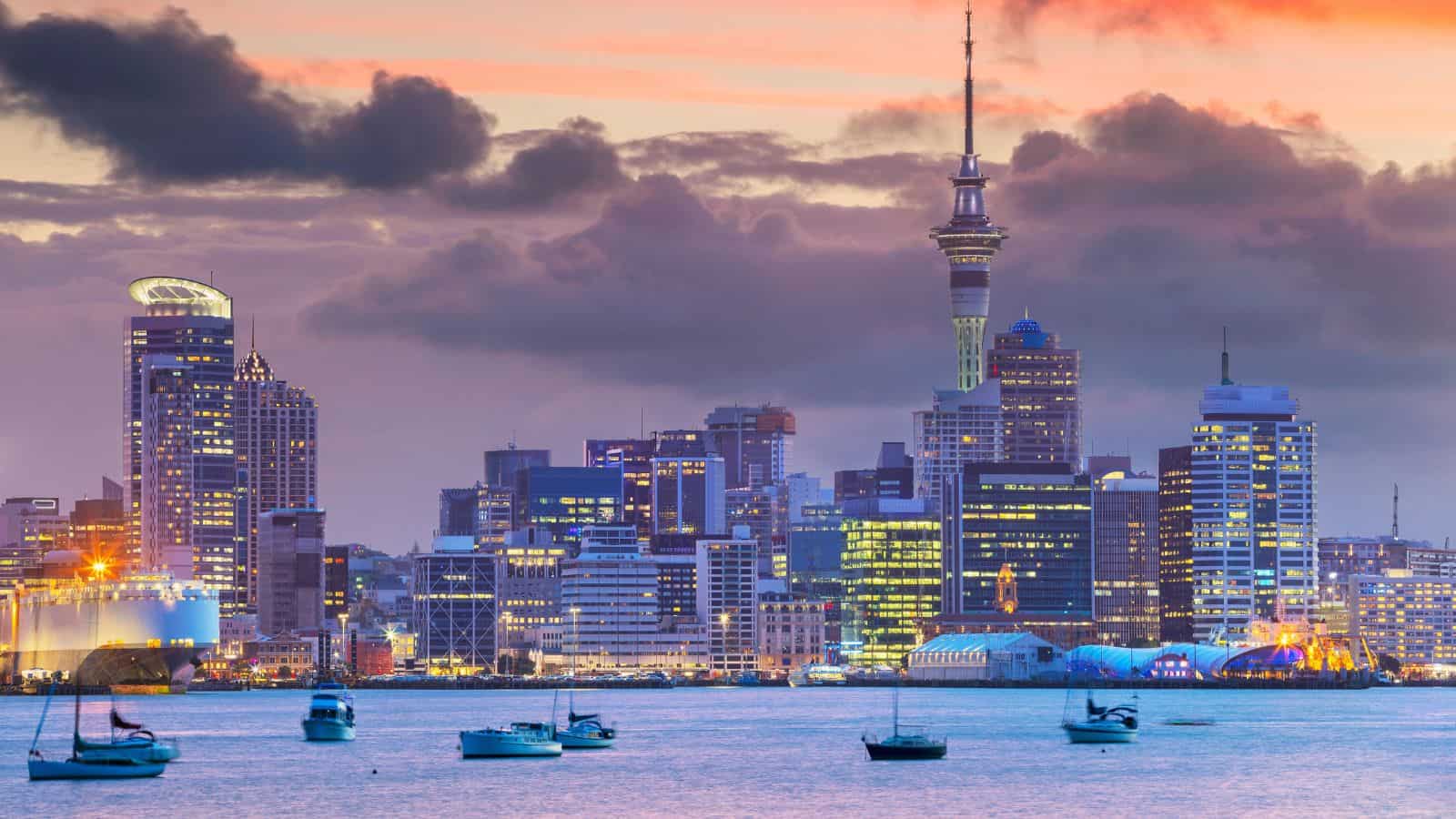
New Zealand draws travelers with its dramatic natural beauty, yet exploring it fully can be costly. Accommodation prices in key tourist areas such as Queenstown or Rotorua are high, especially during peak seasons. Dining, car rentals, and domestic flights quickly increase expenses. Adventure activities like bungee jumping, glacier tours, or scenic cruises also add to the budget. While hiking trails and viewpoints can be accessed for free, the travel infrastructure and memorable experiences here usually require considerable spending.
Singapore

Singapore is compact but expensive, with hotel prices among the highest in Southeast Asia. Food can range from affordable hawker stalls to high-priced fine dining, and attractions such as observation decks, gardens, and theme parks can quickly add to costs. Public transportation is efficient and reasonably priced, but activities like shopping, nightlife, and special exhibitions raise overall expenses. Staying on budget here means balancing free experiences—such as exploring neighborhoods or waterfronts—with paid attractions.
Want to save this?
Japan

Japan offers a fascinating mix of tradition and modernity, but travel expenses can climb quickly. Accommodation in major cities like Tokyo and Kyoto can be costly, especially in well-located hotels. Dining ranges widely, but mid-range and high-end restaurants increase budgets fast. Transportation, particularly shinkansen bullet trains, is efficient yet pricey without a rail pass. Popular attractions, cultural performances, and seasonal events can also add up. Careful planning can help balance experiences without excessive spending.
United Arab Emirates

The United Arab Emirates, especially Dubai and Abu Dhabi, is known for luxury experiences that come with high costs. Hotels range from upscale beachfront resorts to high-rise city stays, often with premium rates. Dining spans from affordable street food to some of the most expensive restaurants in the region. Attractions such as desert safaris, theme parks, and observation decks add to expenses. While some public spaces are free, most major experiences in the UAE come with significant price tags.
United Kingdom

Traveling through the United Kingdom can quickly become costly, especially in cities like London and Edinburgh. Hotel rates in central areas are steep, and dining out adds up fast, particularly in popular restaurants or pubs. Transportation, including trains and the London Underground, can also take a significant share of the budget. Attractions such as castles, museums with paid entry, and theater tickets contribute to expenses. While there are free activities, a comfortable trip still requires careful spending.
Monaco

Monaco, with its upscale harbor and glamorous atmosphere, is one of the most expensive destinations in Europe. Hotel rates are high year-round, and dining often comes with premium pricing, particularly at establishments overlooking the marina or near the casino. Luxury shopping, high-end events like the Grand Prix, and exclusive nightlife quickly increase daily costs. The small size makes it easy to explore on foot, but nearly every leisure activity in Monaco comes with a steep price tag.
Finland

Finland’s pristine natural settings and Nordic charm draw travelers, yet costs for accommodation, dining, and activities are on the higher side. Hotels and lodges in Helsinki or near Lapland’s ski resorts can be pricey, and eating out, especially in fine dining restaurants, adds up. Train and domestic flight fares can also increase travel expenses. Popular experiences like Northern Lights tours, ice hotels, and husky safaris are memorable but expensive. Many travelers mix paid excursions with free outdoor exploration to manage budgets.
Sweden

Sweden’s cities and countryside are admired by travelers, but expenses here are significant. Hotels in Stockholm, Gothenburg, and Malmö often come at a premium, and meals—whether casual or high-end—can be costly. Public transport is efficient, though fares add up over longer stays. Attractions such as museums, boat tours, and guided nature experiences contribute to higher daily spending. While the country’s parks and walking trails are free, many visitors still find their overall budget stretched when exploring Sweden in comfort.
13 Tourist Behaviors That Create Real Problems in European Countries

Tourists play a vital role in the economy and culture of European countries, offering much-needed revenue and a chance for cultural exchange. However, certain tourist behaviors can cause significant issues for locals, from overcrowding at popular landmarks to disrespect for local customs and environments. Understanding and respecting local rules is crucial to creating a harmonious travel experience, both for visitors and residents alike.
Read More Here: 13 Tourist Behaviors That Create Real Problems in European Countries
15 Most Chaotic Cities That Tourists Should Think Twice About

Which chaotic cities do you know about? Traveling to vibrant cities can be exciting, but there are 15 most chaotic cities that tourists should think twice about. These destinations are known for their overwhelming crowds, intense traffic, and a pace of life that can be disorienting for visitors. While they may offer unique experiences and attractions, the chaos can also lead to stress and frustration, making them less appealing for some travelers.
Read More Here: 15 Most Chaotic Cities That Tourists Should Think Twice About



Leave a Reply