
Flying can be stressful, and even the most seasoned travelers often make mistakes that can add to the hassle. Whether it's overlooking flight details or packing incorrectly, there are plenty of small errors that can negatively impact the travel experience. Travel experts have identified common flying mistakes that happen frequently, and many could be avoided with a little preparation.
From not managing time well at the airport to packing too many liquids in carry-on bags, these mistakes can lead to wasted time, unexpected fees, and unnecessary stress. Fortunately, with a few simple changes to your routine, you can fly smarter and more efficiently. Here are 13 flying mistakes that travelers often make and expert advice on how to avoid them, ensuring your next flight goes as smoothly as possible.

Booking flights too late

Waiting until the last moment to purchase a ticket almost always results in spending more and settling for less. Prices climb steadily as the departure date nears, and the best seats vanish quickly. Instead of choosing where to sit, you might end up in a cramped middle spot or on an inconvenient flight. Planning ahead by even a few weeks can mean lower fares, better schedules, and a smoother start to your trip.
Forgetting to check visa and entry requirements

Some travelers assume their passport is all they need, only to discover at the airport that entry rules are stricter than expected. Many countries require a visa, proof of onward travel, or documents like vaccination records. Being turned away at check-in or border control can ruin a trip before it begins. Taking time to confirm requirements for each destination saves stress, money, and the heartbreak of missed flights or vacations cut short.
Not comparing different airports nearby
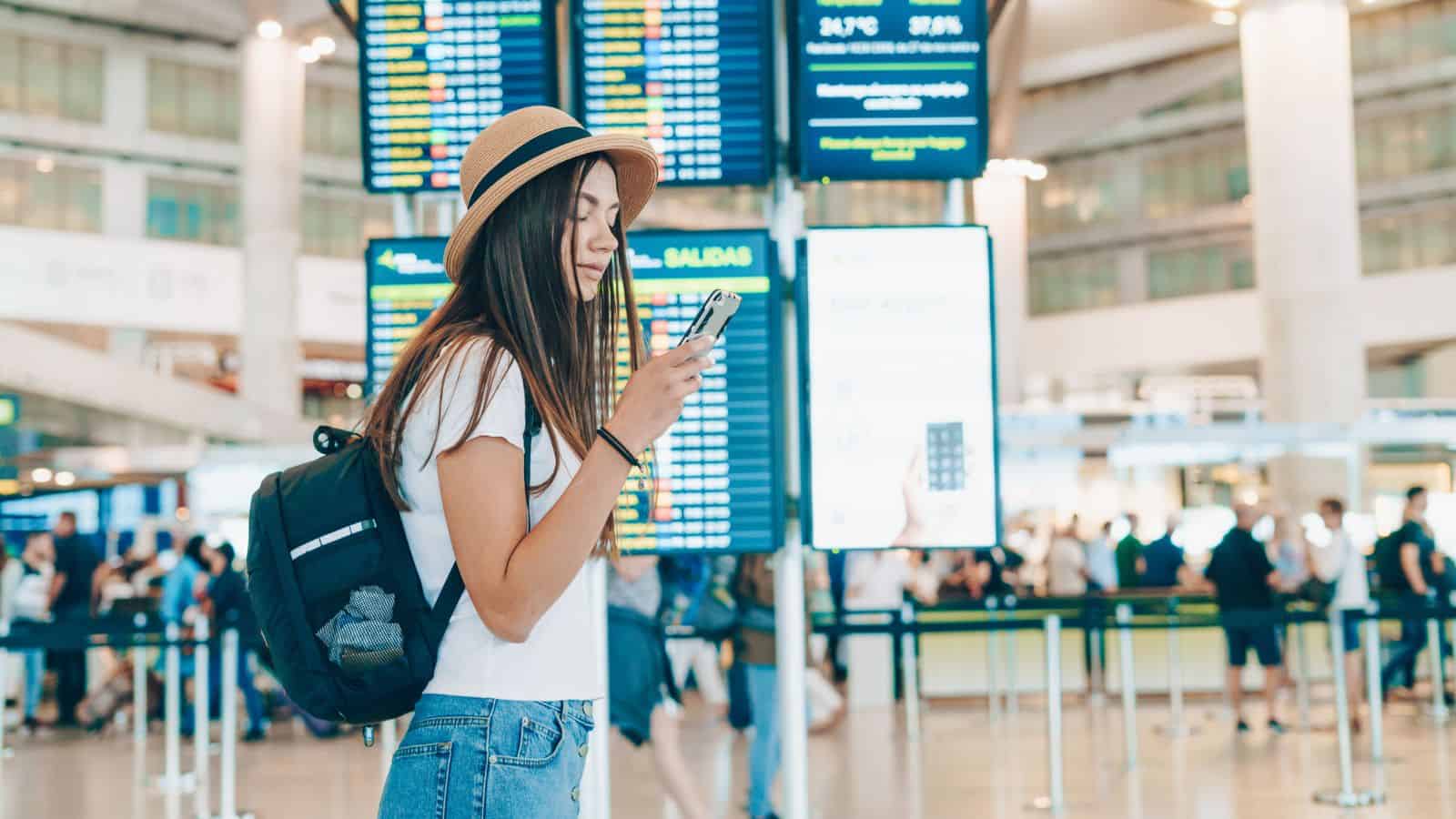
Many cities have more than one airport, but travelers often stick to the most obvious one. That can mean missing out on cheaper flights, shorter lines, or better flight times from a secondary airport. Nearby options may be just as convenient or even closer to your final destination. Taking the time to compare routes and prices across all local airports can uncover better travel choices and potentially save money and hours in transit.
Ignoring baggage rules

Airlines have strict baggage policies, and not paying attention to them can cost more than the ticket itself. Overweight suitcases, extra bags, or items larger than allowed racks up fees at check-in. Worse, you may have to repack at the counter or leave belongings behind. Reviewing weight limits and size guidelines before packing, and weighing bags at home, prevents airport headaches and unnecessary charges that could easily have been avoided with a little preparation.
Skipping travel insurance

Unexpected events happen, but many travelers gamble by flying without insurance. A canceled flight, lost suitcase, or sudden illness can lead to expensive consequences that would have been easier to handle with coverage. Travel insurance isn’t only for dramatic emergencies—it can refund hotel stays, cover rebooked flights, and ease the sting of disruptions. Taking a few minutes to arrange a policy before you leave protects both your plans and your budget.
Packing restricted items in carry-ons

Many travelers don’t double-check what’s allowed in their carry-on, leading to security delays or even losing items. Liquids over the limit, sharp objects, or prohibited gadgets are often tossed out at checkpoints. It’s frustrating to watch belongings disappear into a bin or have your bag inspected in front of a long line. Reviewing TSA or local security rules before packing helps avoid hold-ups and saves you from replacing things you didn’t mean to lose.
Not checking flight times carefully

One small mistake, mixing up AM and PM or misreading a 24-hour format, can mean missing a flight entirely. Travelers rushing to the airport at the wrong time often find their plane long gone. This error is surprisingly common, especially when crossing time zones or booking red-eye flights. Taking a careful look at departure times, double-checking dates, and even setting reminders can prevent an unnecessary and costly travel disaster.
Want to save this?
Overpacking personal items

Bringing too many personal items might feel practical but quickly turns into a burden. Multiple bags weigh you down, slow you through security, and make every airport stop more complicated. Juggling backpacks, purses, and totes can leave you stressed before you even reach your gate. A thoughtful packing plan, paring down to what you’ll really use, keeps your load light and your trip easier to manage from check-in to arrival.
Failing to sign up for airline alerts

Airlines send important updates by email, text, or app, but travelers who skip alerts risk missing key changes. Gate switches, boarding time adjustments, or even cancellations can go unnoticed until it’s too late. Without updates, you might sit at the wrong terminal or arrive to find your flight already gone. Signing up for notifications takes seconds and keeps you informed, making every stage of the trip less stressful and more predictable.
Forgetting to hydrate before and during the flight

Air travel can dehydrate you faster than you think. Dry cabin air, caffeine, and even salty snacks all drain moisture from your body. Many travelers forget to drink enough water, leading to headaches, fatigue, and worse jet lag after landing. Bringing a refillable water bottle and sipping regularly throughout the flight keeps you feeling clearer and more comfortable. Staying hydrated may seem small, but it has a big effect on how you feel when you arrive.
Not accounting for layover time

Booking flights with short layovers can backfire when delays or long security lines eat into your connection time. Missing a connection means scrambling for new flights, extra costs, and hours of waiting. Many travelers underestimate how much time they’ll need to get from one gate to the next, especially in large or unfamiliar airports. Leaving a safe buffer, even an extra hour or two, can turn a stressful dash into an easy transfer.
Using an unreliable email for bookings

All your flight information—tickets, confirmations, schedule changes—goes to the email you used to book. If that inbox is cluttered, rarely checked, or unreliable, you might miss critical updates. Travelers sometimes discover they’ve been left in the dark about gate changes or cancellations simply because they weren’t checking the right account. Using a trusted email that you access daily keeps all your travel details organized and easy to find when you need them.
Skipping seat selection

Not picking a seat might save a few dollars upfront, but it often means getting stuck in the worst spots. You could end up in the middle of a row on a long flight or separated from friends or family. On crowded planes, you might not even have overhead space near your seat. Taking the time to select where you’ll sit helps make the trip more comfortable and avoids unwelcome surprises at boarding.
13 Hacks for Comfortable Long-Haul Flights in Economy

Have a more comfortable flight with these tips! Long-haul flights in economy class can often feel cramped and uncomfortable, leaving travelers dreading the journey ahead. However, with the right strategies, it is possible to make these long trips more bearable. Here are 13 hacks for comfortable long-haul flights in economy that can help transform the flying experience into a more pleasant one.
Read More Here: 13 Hacks for Comfortable Long-Haul Flights in Economy
13 Travel Snacks That Won't Get Tossed at TSA Checkpoints

Bring at least two of these! Finding the right snacks for travel can be a challenge, especially at TSA checkpoints. There are 13 travel snacks that won't get tossed at TSA checkpoints, making it easier to stay fueled during journeys. Choosing the right snacks not only keeps hunger at bay but also ensures a smoother experience when passing through security.
Read More Here: 13 Travel Snacks That Won't Get Tossed at TSA Checkpoints




Leave a Reply