
Train journeys offer a chance to see landscapes unfold, but certain actions can turn a smooth ride into a hassle. Keeping in mind 10 things you should never do on a train ride helps everyone onboard stay comfortable and safe. From blocking aisles with luggage to playing audio without headphones, these guidelines cover common missteps that lead to annoyed seatmates or security holds.
Following simple etiquette makes a big difference. Clear your space, respect shared areas, and follow crew instructions to keep the journey running on time. Ready to breeze through your next trip by rail? Review these rules and pack smarter for a more pleasant experience.
Play loud music or videos without headphones
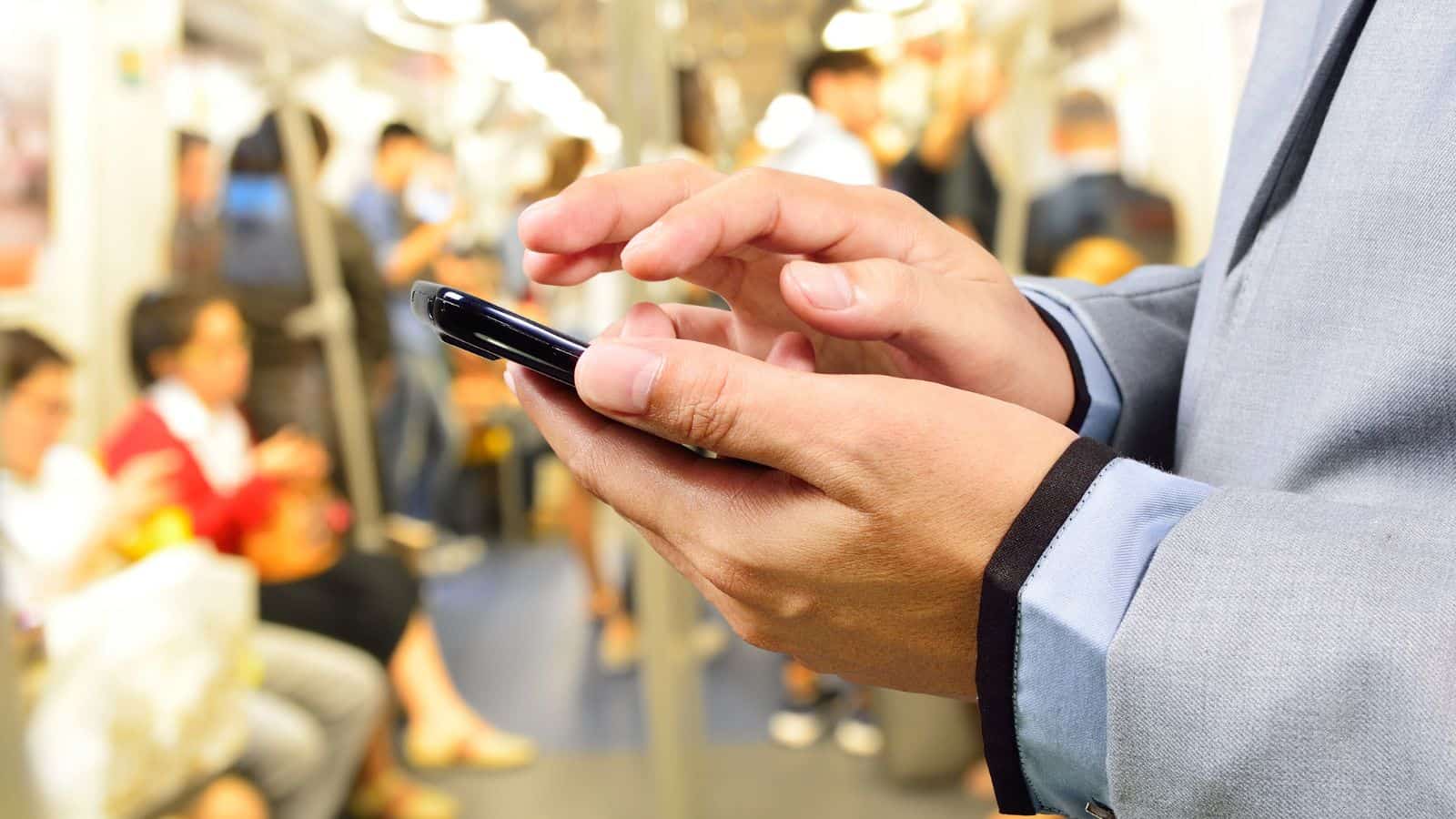
When you blast music or scroll through videos without headphones, everyone around you is forced into your entertainment. Even short clips or message tones can be jarring in a shared space where people might be reading, sleeping, or trying to relax. Trains aren’t private rooms, and sound carries easily. It only takes one person’s noise to disrupt a quiet ride for everyone else. Whether it’s music, gaming, or voice messages, always use headphones, and keep the volume low enough that it doesn’t bleed into others’ space. If you need to play something out loud, wait until you’re alone.
Block seats with your bags
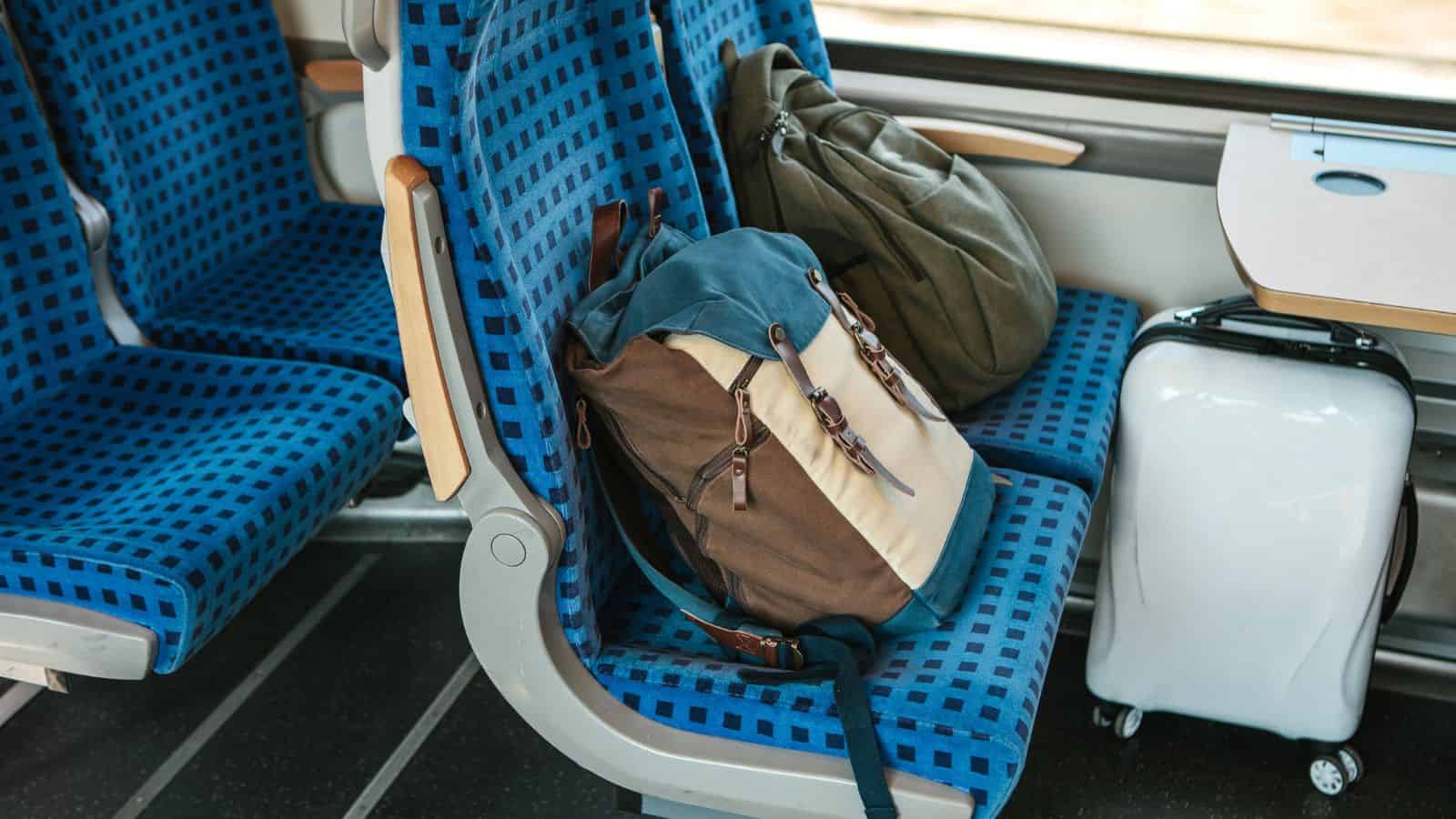
Using the seat next to you as a storage bin might feel convenient, but it sends the message that your luggage is more important than other passengers. On crowded trains, this behavior is especially frustrating for those left standing. Even if the train seems empty at first, new passengers board at every stop, and seating fills up quickly. Putting your bag on an open seat creates unnecessary tension and can result in confrontations. Be proactive — place bags on your lap, under the seat, or in overhead storage. It shows awareness of your surroundings and basic respect for shared space.
Eat strong-smelling food
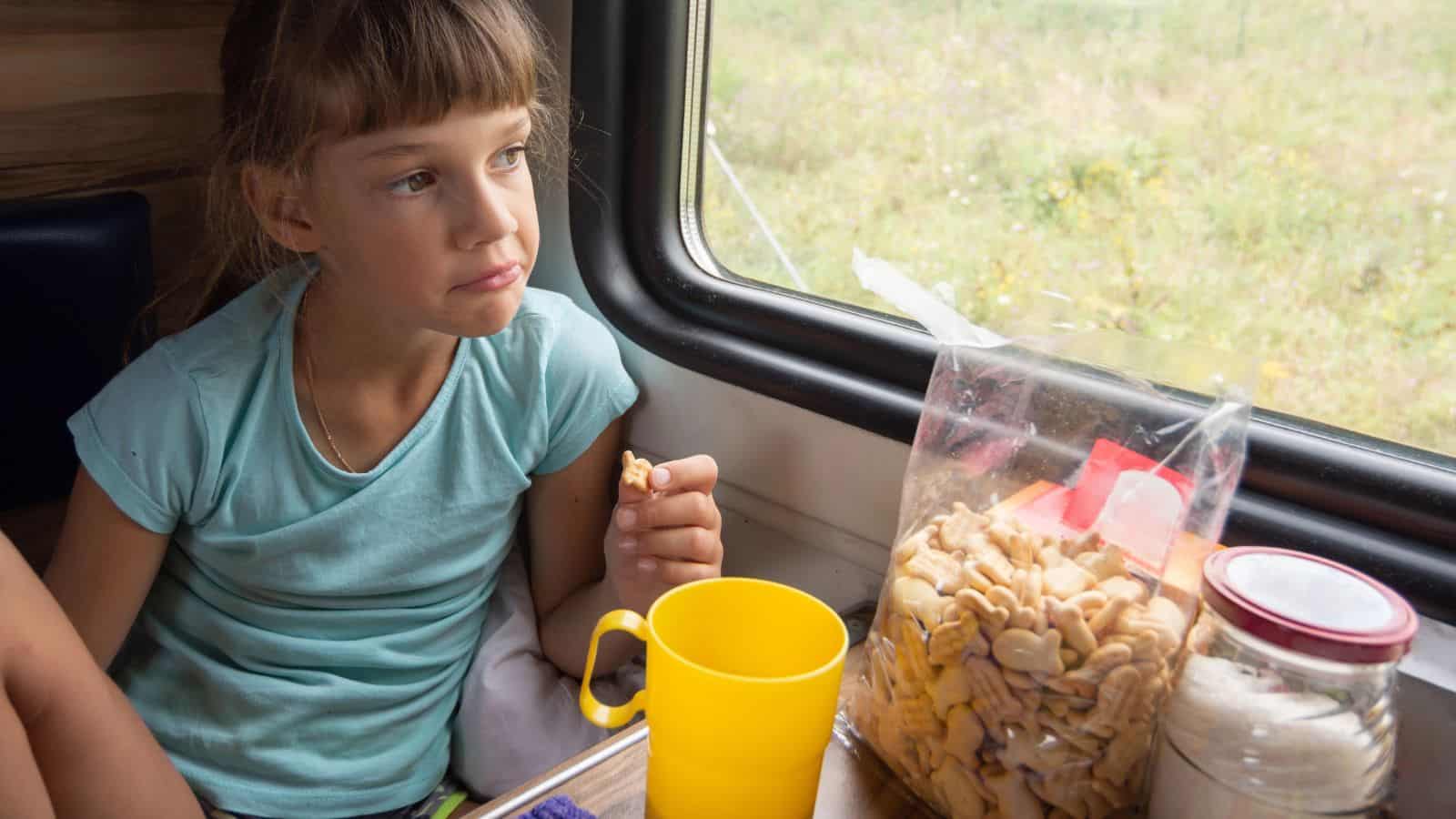
Bringing food onto a train isn’t a problem by itself, but strong odors can overwhelm an enclosed cabin. Items like tuna sandwiches, greasy fast food, or heavily spiced meals linger long after you’re done eating. Not everyone shares the same food preferences or tolerance for strong smells, and some passengers may be sensitive or feel unwell as a result. If you’re hungry, stick to low-odor snacks and seal them tightly when not in use. Eat quickly, clean up after yourself, and avoid unpacking a full meal on your lap. Respect the fact that you’re in a shared, confined environment.
Talk loudly on phone calls
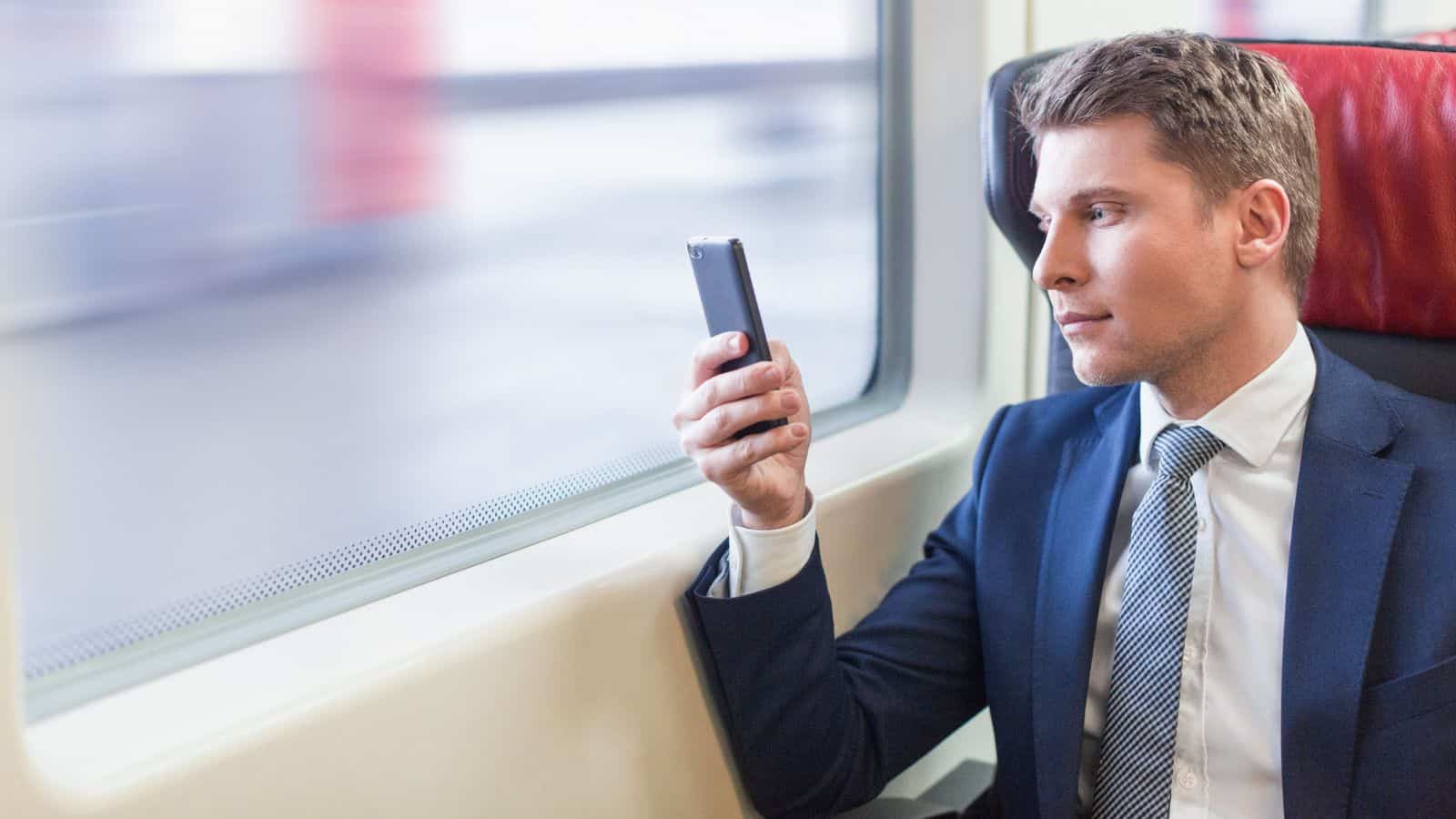
Phone conversations on trains should be kept short and quiet. Speaking loudly, especially on speakerphone, draws attention and disrupts the atmosphere for everyone nearby. Public spaces aren’t the place for personal drama, business negotiations, or casual catch-ups that can wait. Others don’t need to hear your call, and many are trying to rest, think, or focus. If a call is important, use earbuds with a microphone, speak softly, and keep it brief. Better yet, move to a vestibule or designated phone area if the train has one. A bit of discretion makes the space more bearable for everyone.
Ignore personal space
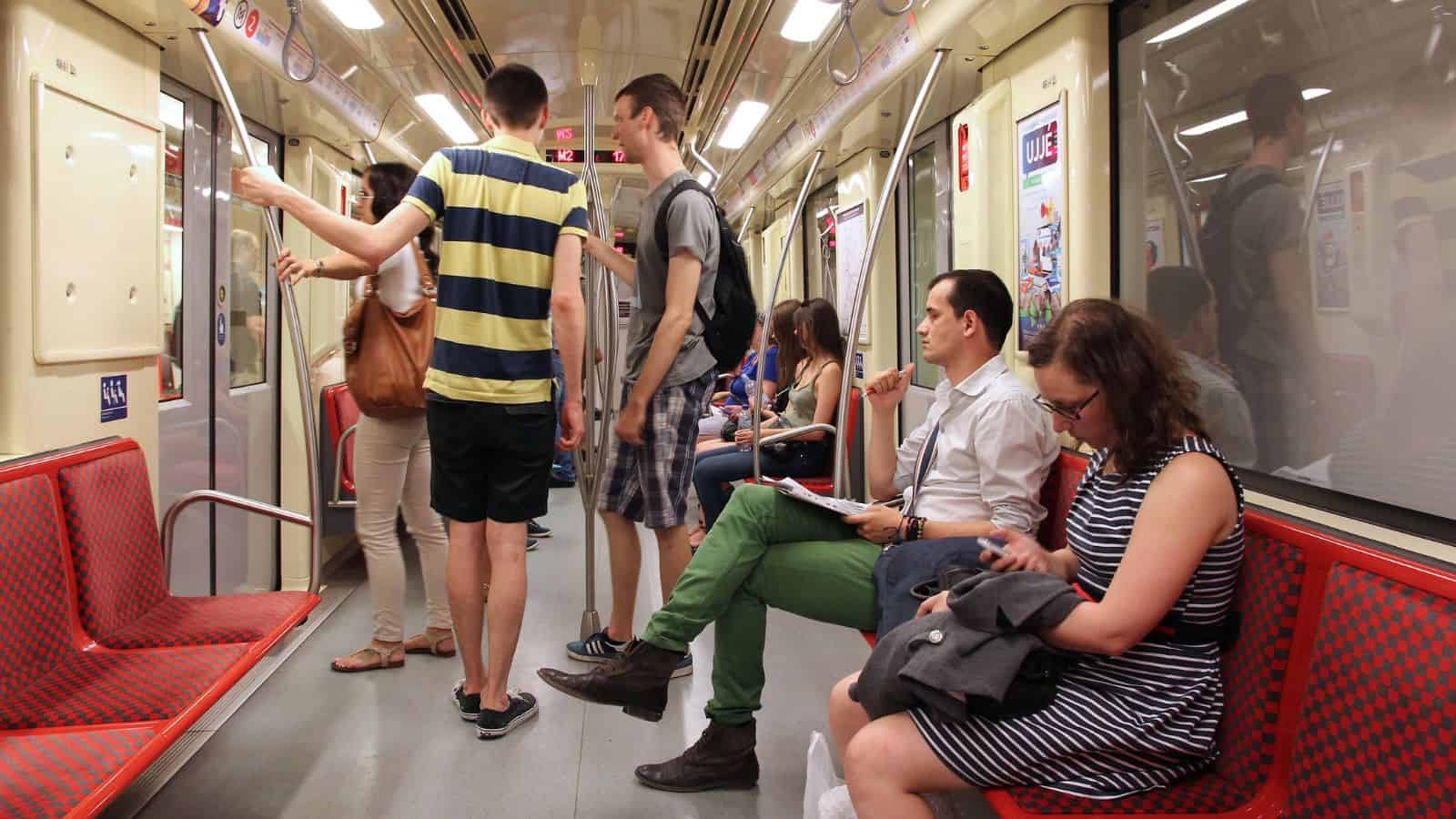
On a train, space is already limited, so respecting boundaries is essential. Sprawling out across multiple seats, placing your feet where someone else might sit, or leaning into a neighbor’s space makes others uncomfortable. Common complaints include “manspreading,” resting elbows past the armrest, or falling asleep on a stranger’s shoulder. In a crowded cabin, this can escalate tensions quickly. Be aware of your posture and keep your belongings close. Even small adjustments, like crossing your legs or using headphones instead of a speaker, can show respect for others. Personal space might be tight, but it’s not optional.
Leave trash behind
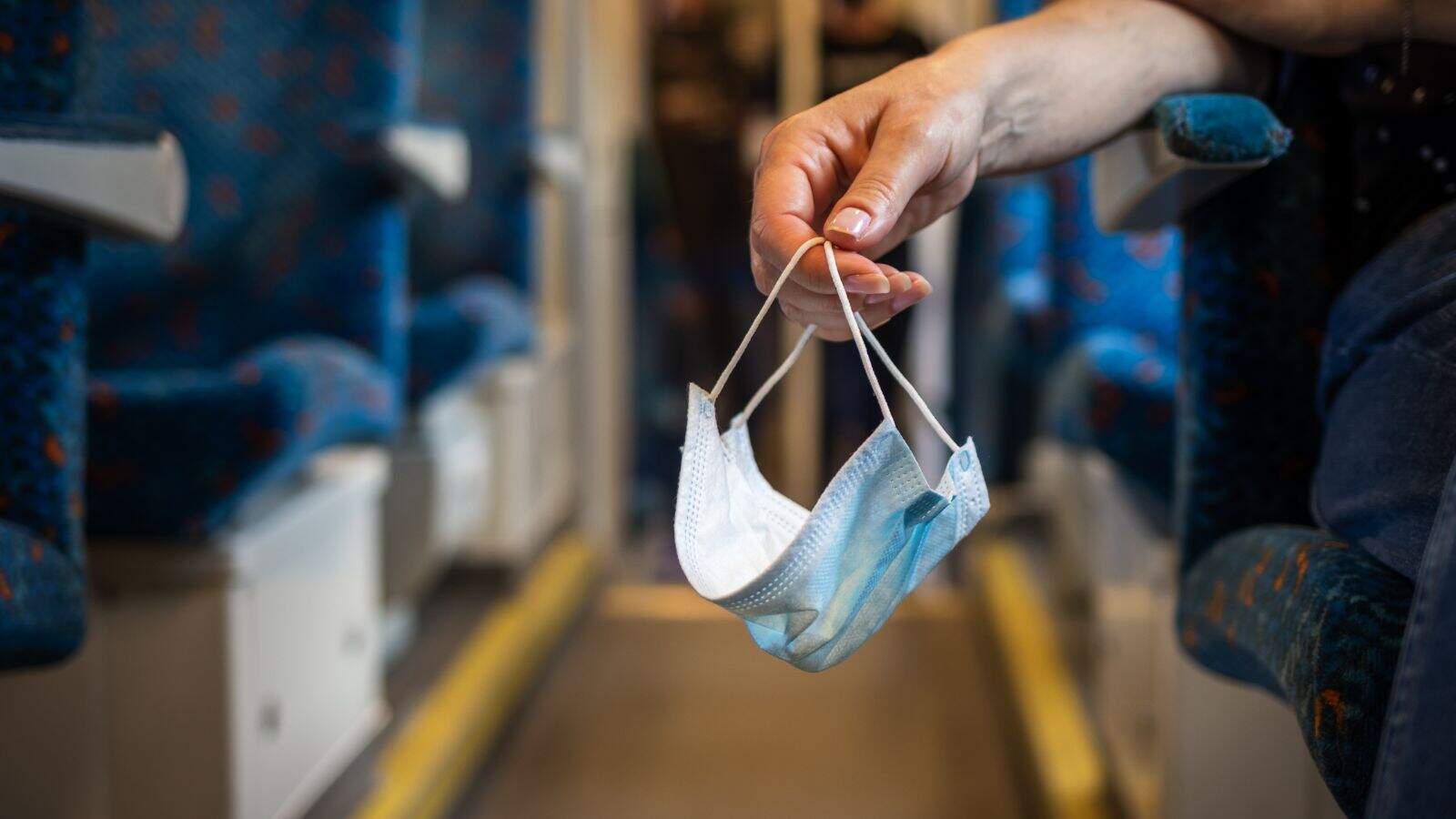
When you leave behind snack wrappers, drink containers, or used napkins, you’re not just making a mess; you’re creating more work for cleaning staff and sending a clear message of disregard for shared space. Train cars are used by hundreds of people each day, and one person’s carelessness quickly leads to a buildup of garbage. Trash attracts pests, causes bad smells, and makes the ride worse for the next group of passengers. Use the small trash bins often available between cars or pack your waste until you reach a station. Cleaning up after yourself is basic travel etiquette.
Want to save this?
Bring oversized luggage into crowded cabins
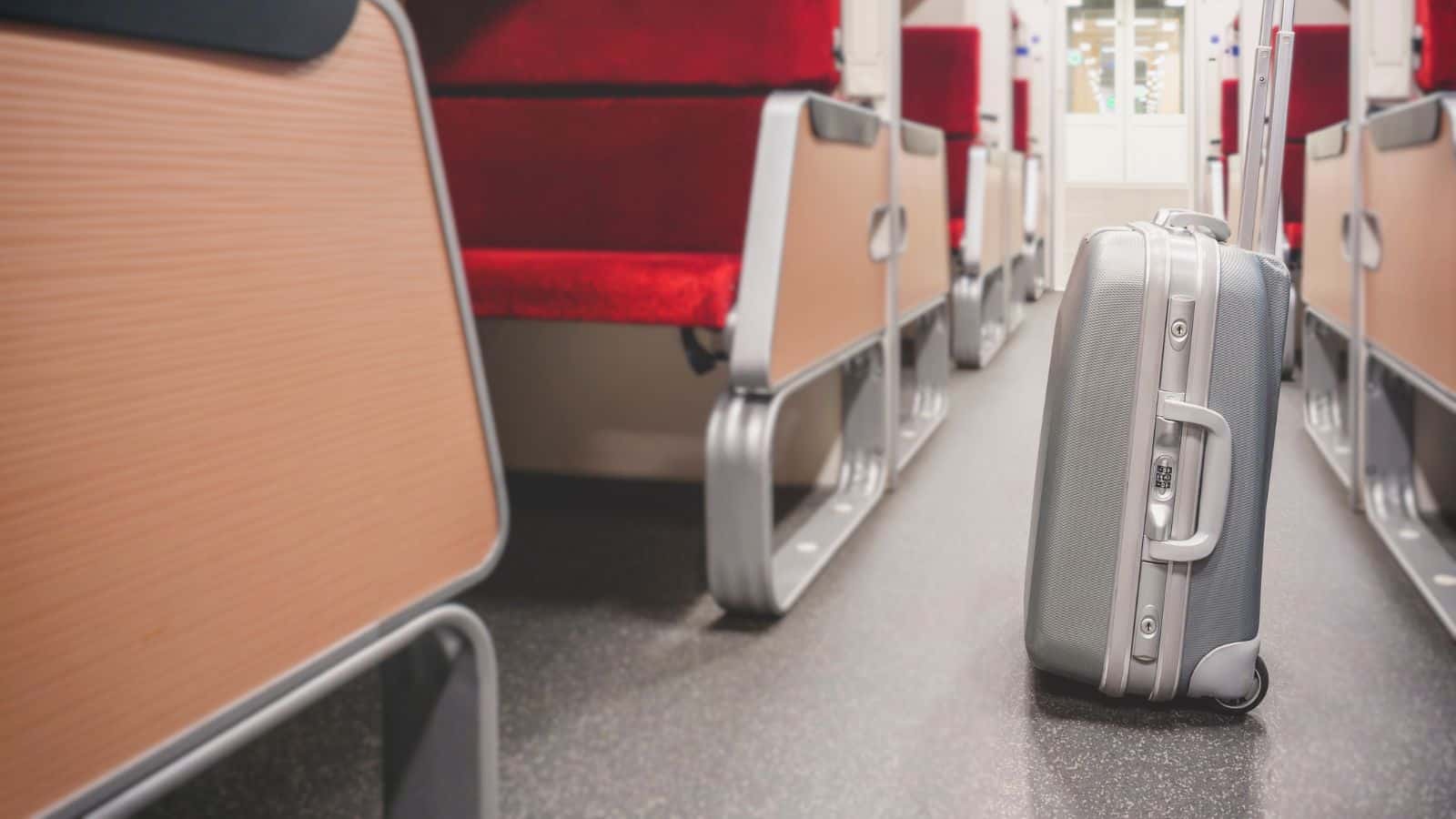
Oversized suitcases can cause chaos during boarding, especially when aisles are narrow and storage space is limited. Dragging a large bag onto a packed train slows everyone down and blocks access to seats, exits, and walkways. Some travelers try to cram their luggage between rows or under seats where it doesn’t fit, creating tripping hazards and tension. When possible, use designated storage areas near train doors or travel with compact bags. If large luggage is necessary, arrive early and load it efficiently. Think about how your packing choices affect not just you, but the people sharing the space with you.
Argue with train staff
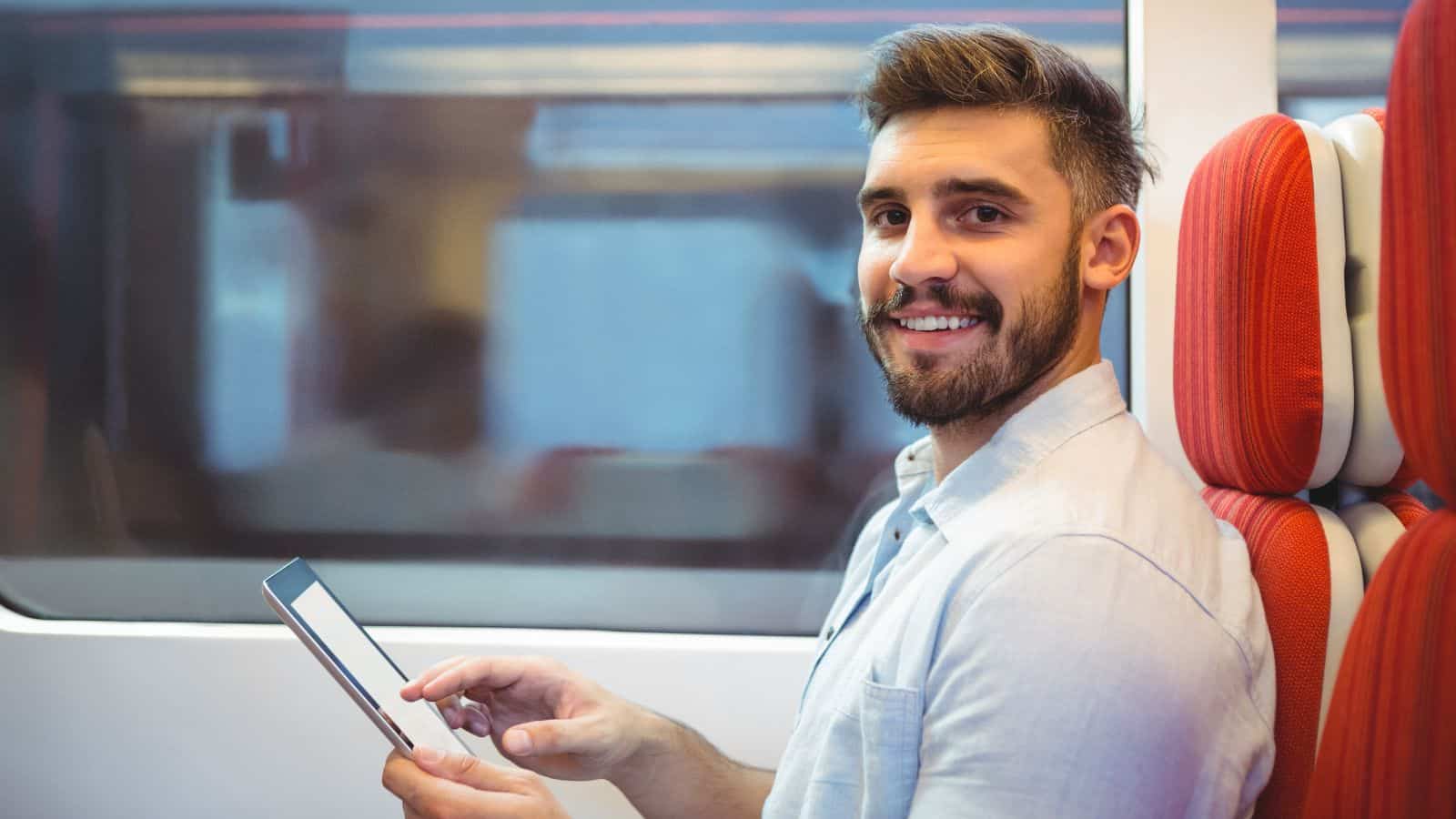
Train conductors and crew have a difficult job, keeping passengers safe, checking tickets, and handling delays or disruptions. Arguing with them over policies, seating, or schedules doesn’t fix problems. It slows down service and creates tension for everyone nearby. Even if you feel frustrated, yelling or refusing to cooperate won’t get you anywhere. Other passengers may step in, and in some cases, law enforcement may be called. If something isn’t going your way, speak calmly, ask questions politely, or follow up with the train company after your ride. Courtesy can go a long way, even during stressful situations.
Take off your shoes
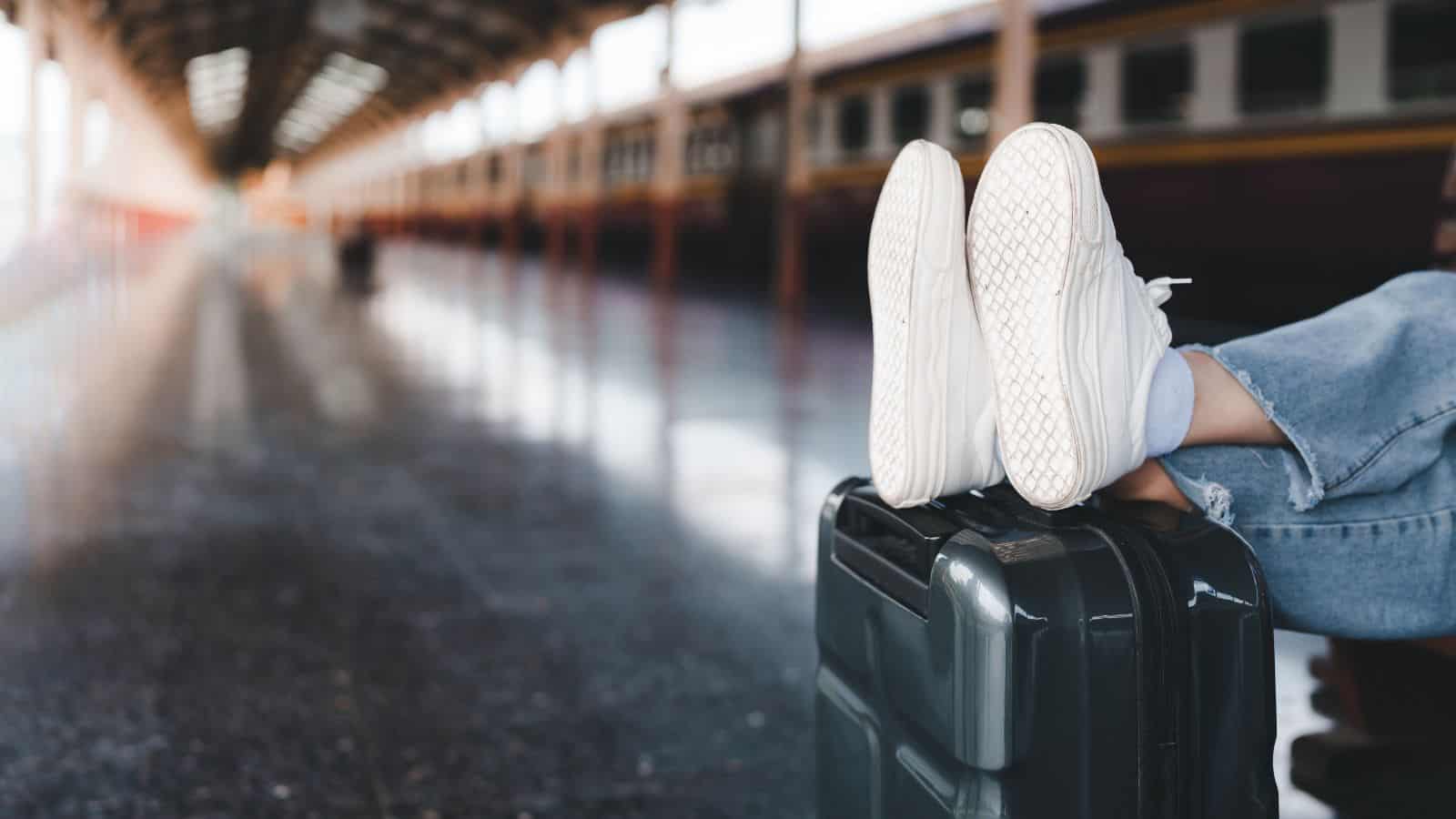
Taking off your shoes might feel like a way to relax, but on public transportation, it crosses a line for many people. Not everyone wants to see, or smell, someone else’s bare feet, especially in tight quarters where space is limited. Even if your feet are clean and odor-free, the act itself can make fellow passengers uncomfortable or feel like their personal space has been violated. Keep your shoes on throughout the ride. If you must adjust your footwear, do it discreetly and don’t prop your feet on seats or walls. Trains are not your personal living room.
Forget to silence your phone
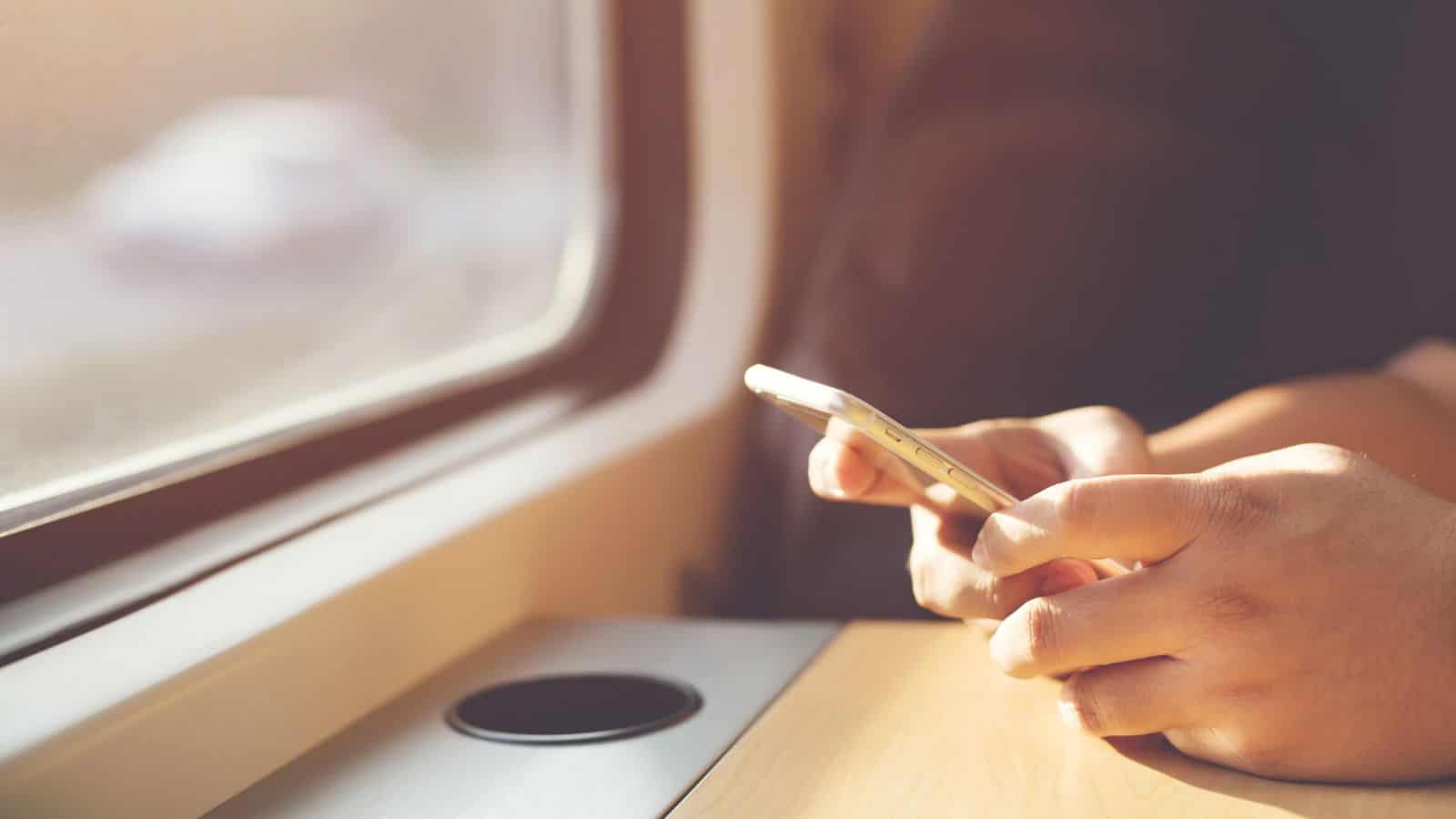
A constantly buzzing or ringing phone can turn a peaceful train ride into a series of interruptions. Whether it’s message alerts, loud ringtones, or app notifications, your phone’s sound affects everyone nearby. In quiet cars or early morning routes, even small noises are noticeable. Most phones have quick settings to switch to vibrate or silent mode — use them as soon as you board. If you need to keep an alarm or alert on for a specific reason, keep the volume low and the tone short. A little awareness helps keep the environment calmer for those around you.
11 Cruise Ship 'Issues' Veterans Know Are Actually No Big Deal

Cruise ships are known for offering unforgettable vacations, but they aren’t always smooth sailing. There are 11 cruise ship 'issues' that veterans know are actually no big deal, despite how much they can worry first-time cruisers. From long lines at embarkation to occasionally choppy seas, many travelers worry about things seasoned cruisers know are part of the experience.
Read More Here: 11 Cruise Ship 'Issues' Veterans Know Are Actually No Big Deal
9 Extravagant Cruise Experiences That'll Make You Swear Off Airports

Have you heard about these cruises? Cruising has become a popular alternative to traditional travel, and there are 9 extravagant cruise experiences that'll make you swear off airports. These remarkable trips offer a blend of luxury, adventure, and relaxation that can transform the way travelers think about vacations. From lavish accommodations to unique onboard activities, cruises provide an all-inclusive experience that often surpasses the hustle and bustle of flying.
Read More Here: 9 Extravagant Cruise Experiences That'll Make You Swear Off Airports




Leave a Reply