
When it comes to islands, most people think of tropical paradises, but some countries are home to vast numbers of islands, often hidden from the common traveler's radar. While well-known island nations like the Philippines and Greece grab the attention, there are other countries with surprising island counts that might just surprise you. From frozen northern lands to scattered archipelagos, these countries boast islands in ways that are hard to imagine.
Here are nine countries that surprisingly hold the most islands on Earth. With many of these islands untouched by mass tourism, they offer pristine, unspoiled landscapes for the adventurous traveler to explore. If you love island hopping or dream of finding a secret escape, these countries should definitely be on your radar. Explore their hidden gems, unique cultures, and landscapes that offer a whole new perspective on island life.
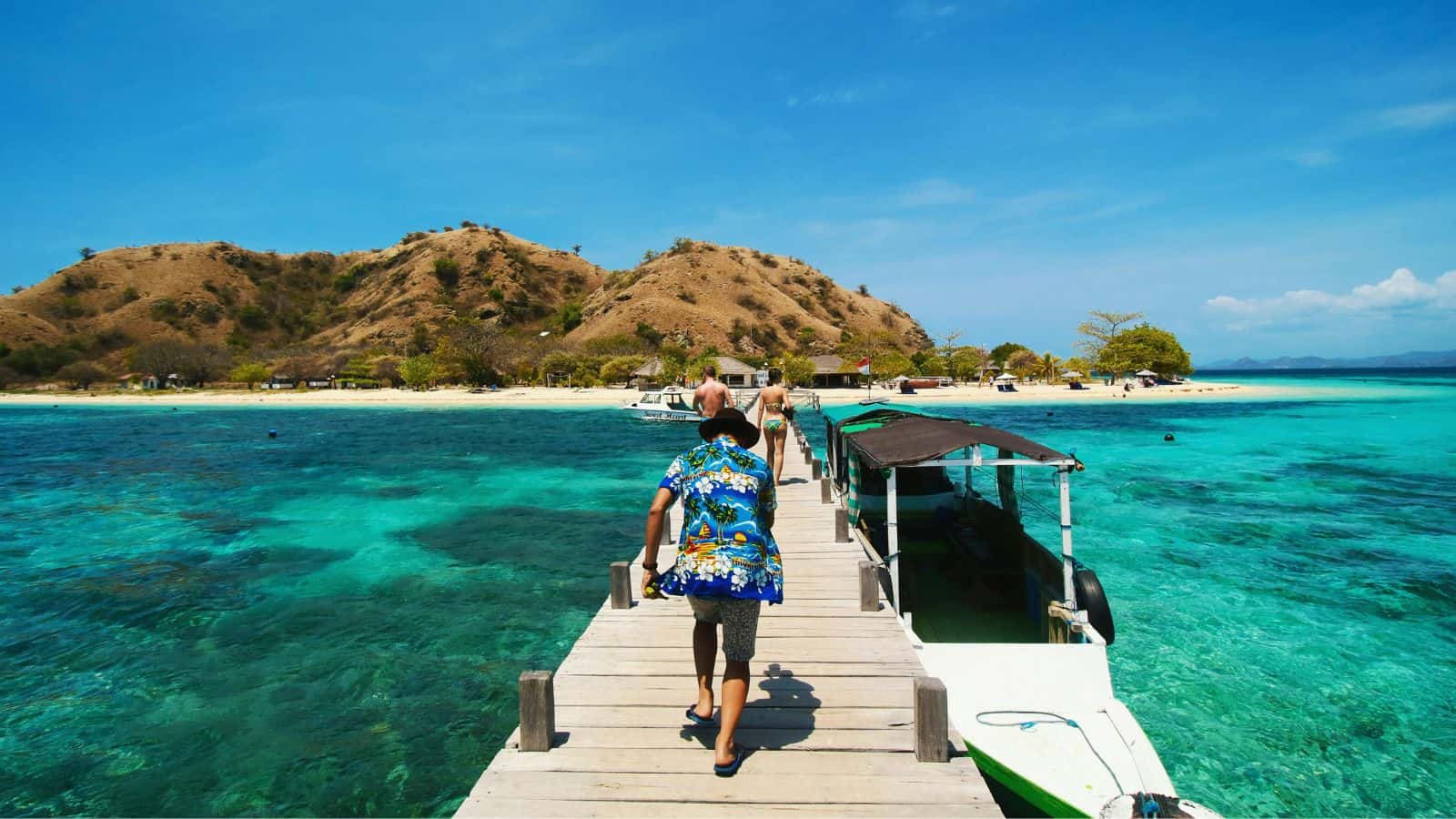
Sweden

Sweden has the highest number of islands in the world—over 267,000 according to its national land survey. Most are uninhabited, and many are located in remote parts of the country or scattered through vast lake systems. Others stretch across the Baltic Sea and form part of Sweden’s rugged eastern coastline. Stockholm, the capital, is built across 14 islands, connected by over 50 bridges. In summer, island-hopping and kayaking are common activities, while in winter, many freeze over completely. Some islands house cabins or nature reserves; others are rocky outposts with no buildings at all. Despite the high number, fewer than 1,000 islands are permanently inhabited, making Sweden’s count more about geography than population density.
Norway

Norway’s geography includes more than 239,000 islands, shaped by glacial erosion, fjords, and Arctic coastlines. These range from small, rocky outcrops to larger inhabited areas connected by bridges or ferries. The Lofoten Islands, for example, are known for fishing villages and dramatic peaks, while others are so remote they remain unnamed. Northern Norway holds many of the country’s islands, where the terrain becomes more rugged and remote. Some are only accessible by boat or helicopter. The sheer number comes from Norway’s long, irregular coastline, which includes fjords that carve deeply into the land and fragment it. Many islands are nature reserves or used seasonally for cabins, fishing, or grazing livestock rather than year-round living.
Finland

Finland is home to approximately 188,000 islands, scattered throughout lakes, rivers, and coastal waters. The country has a dense concentration of both islands and freshwater lakes, earning it the nickname “Land of a Thousand Lakes,” though that number dramatically underrepresents the real total. Most islands are located inland, often as tiny wooded dots in lake clusters, while others form part of coastal archipelagos like Åland. Many islands remain untouched, used occasionally for summer cabins or berry-picking, while others support small communities connected by ferries. The Finnish government tracks island counts carefully, even considering seasonal changes in water levels. For outdoor lovers, these islands shape the country’s landscapes, creating tranquil spots for canoeing, hiking, and staying close to nature.
Canada

Canada has more than 52,000 officially recognized islands, including several of the world’s largest. Baffin Island, Ellesmere Island, and Victoria Island stretch across the Arctic and remain largely undeveloped due to extreme conditions. Coastal British Columbia contains thousands of forested islands, many of which are popular for kayaking, whale-watching, or coastal travel. The St. Lawrence River and Great Lakes also contribute to the count. In the north, Canada’s islands are often frozen much of the year, home to wildlife but few permanent residents. The country’s vast landmass and extensive freshwater systems mean its islands vary greatly in climate, size, and accessibility. Some support Indigenous communities or are designated as nature preserves and scientific research sites.
Indonesia

Indonesia consists of about 17,000 islands, spread across a huge swath of Southeast Asia, straddling both the Indian and Pacific Oceans. Around 6,000 of these islands are inhabited, while others remain undeveloped or used for agriculture, fishing, or forestry. Major islands include Java (the world’s most populous), Sumatra, Sulawesi, and parts of Borneo and New Guinea. The country’s island geography contributes to its rich biodiversity and cultural diversity, with hundreds of ethnic groups and languages spoken. Volcanic activity has shaped many of Indonesia’s islands, forming dramatic coastlines, mountains, and crater lakes. Ferry travel and air routes connect the islands, though many smaller ones can be reached only by boat. Seasonal storms and sea conditions affect travel across regions.
Want to save this?
Australia

Australia is home to over 8,000 islands, many of which lie off its massive mainland coast. These include well-known destinations like Tasmania, which functions as a state, and others such as Kangaroo Island, Fraser Island (K’gari), and the Whitsundays. The islands vary in size and use—some are inhabited and developed, while others are protected national parks. In the north, the Torres Strait Islands are culturally distinct and closer to Papua New Guinea than to mainland Australia. Many islands are important to Indigenous communities and hold cultural, environmental, or historical significance. Coral islands within the Great Barrier Reef support marine ecosystems and are popular for snorkeling and diving. Some islands are only accessible by boat, seaplane, or charter flights.
Philippines

The Philippines is made up of 7,641 islands, according to its national mapping authority. These are spread across the western Pacific Ocean and grouped into three main island clusters: Luzon, Visayas, and Mindanao. While some islands are densely populated and urbanized, many remain rural or uninhabited. Travel between islands is common and often done by ferry, banca (outrigger boat), or small plane. The country’s geography has led to cultural and linguistic diversity, with more than 170 languages spoken. Volcanic origins shape much of the terrain, resulting in a mix of mountains, rainforests, and coastal plains. Many islands are known for white sand beaches and coral reefs, while others are used for agriculture, fishing, or small-scale industries.
Japan

Japan’s island count was updated in 2023 to around 14,125 islands—nearly double previous estimates—following improved digital mapping. Despite the high number, only a small portion is inhabited. The four largest islands—Honshu, Hokkaido, Kyushu, and Shikoku—contain the vast majority of the population and development. The remaining islands include volcanic outposts, subtropical zones like Okinawa, and remote islets with limited access. Many of Japan’s islands are mountainous, prone to earthquakes, and shaped by centuries of tectonic activity. Sea routes, high-speed ferries, and bridges connect various islands, especially in more populated regions. Smaller islands often have their own dialects, cuisines, and traditions, reflecting the country’s regional variation and deep connection to its maritime geography.
Greece

Greece has more than 6,000 islands and islets scattered across the Aegean and Ionian Seas. Of these, about 200 are inhabited. The islands are grouped into several clusters: the Cyclades, Dodecanese, Ionian, Sporades, and North Aegean islands, each with distinct histories and characteristics. Some islands, like Crete and Rhodes, are large with busy cities and airports. Others are quiet, with small fishing villages and historic ruins. Many islands are known for beaches, whitewashed homes, and Byzantine architecture. Due to their locations, Greek islands have been central to trade, migration, and conflict for thousands of years. Ferries connect most major islands, while smaller ones may only be accessible a few times a week, depending on the season.
11 Countries With Smart Economies That Might Surprise You

Countries that are doing it better than others. Smart economies are often associated with global powerhouses like the United States, Germany, or Japan, but there are other countries with surprisingly strong economies that may not be as well known. These 11 countries with smart economies, which might surprise you, have employed innovative policies, strategic investments, and forward-thinking leadership to build thriving markets. They’ve found creative solutions to global challenges and leveraged their unique strengths to establish themselves as economic leaders in unexpected ways.
Read More Here: 11 Countries With Smart Economies That Might Surprise You
Top 10 Most Expensive Places to Live in the World

A trip to the most expensive places. Some places in the world come with a very high price tag, and knowing the top 10 most expensive places to live can help us understand why. These locations often have sky-high real estate prices and costly living expenses, making them popular spots for wealthy residents and visitors alike. By exploring these cities, we can see not just how much they cost, but also the unique lifestyles and opportunities they offer to those who call them home.
Read More Here: Top 10 Most Expensive Places to Live in the World



Leave a Reply