
Europe is a continent full of diverse cultures, languages, and travel experiences, making it an attractive destination for many. However, not all travelers will find their experience easy or enjoyable, depending on their travel style, expectations, and needs. From cultural differences to travel logistics, certain types of travelers may face challenges that could affect their overall experience.
Here are 11 types of travelers who might struggle in Europe, from those who prefer fast food over local delicacies to travelers unaccustomed to navigating busy public transport systems. Understanding these potential pitfalls in advance can help prepare for a more successful trip. By acknowledging these challenges, tourists can adjust their approach to ensure they make the most of their European adventure.
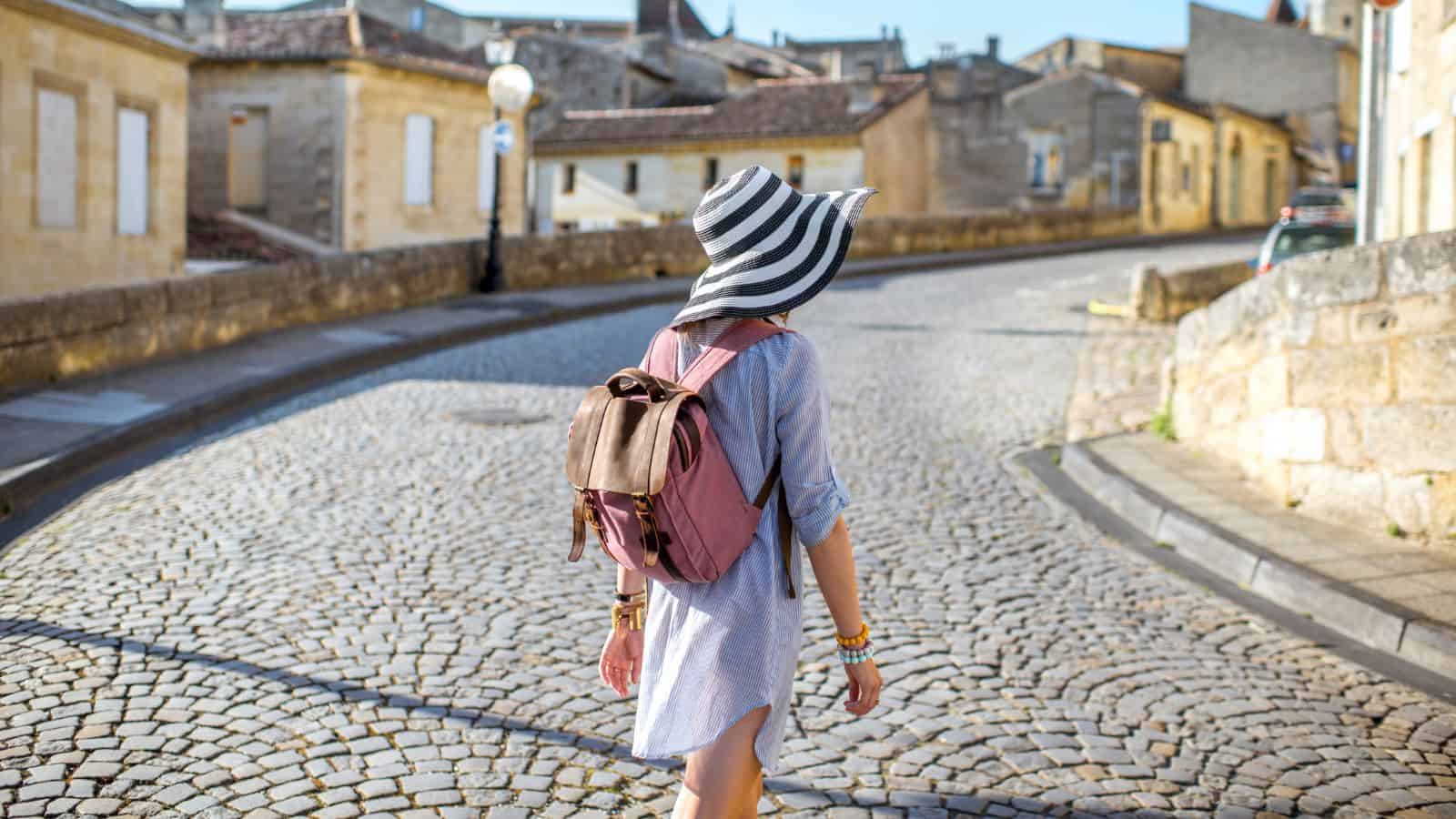
Travelers Who Expect Air Conditioning Everywhere

Many older buildings in Europe, especially in historic city centers, weren’t built with air conditioning in mind. Hotels, trains, and restaurants may not have it, or if they do, it may be limited or weaker than what North American travelers are used to. Summer temperatures can reach uncomfortable highs, especially during heat waves, and opening windows doesn’t always help due to noise or bugs. Travelers expecting consistently cool indoor environments may find themselves sweating more than they’d like. Bringing a portable fan or booking accommodations with confirmed climate control can make a big difference.
Fast Food Loyalists
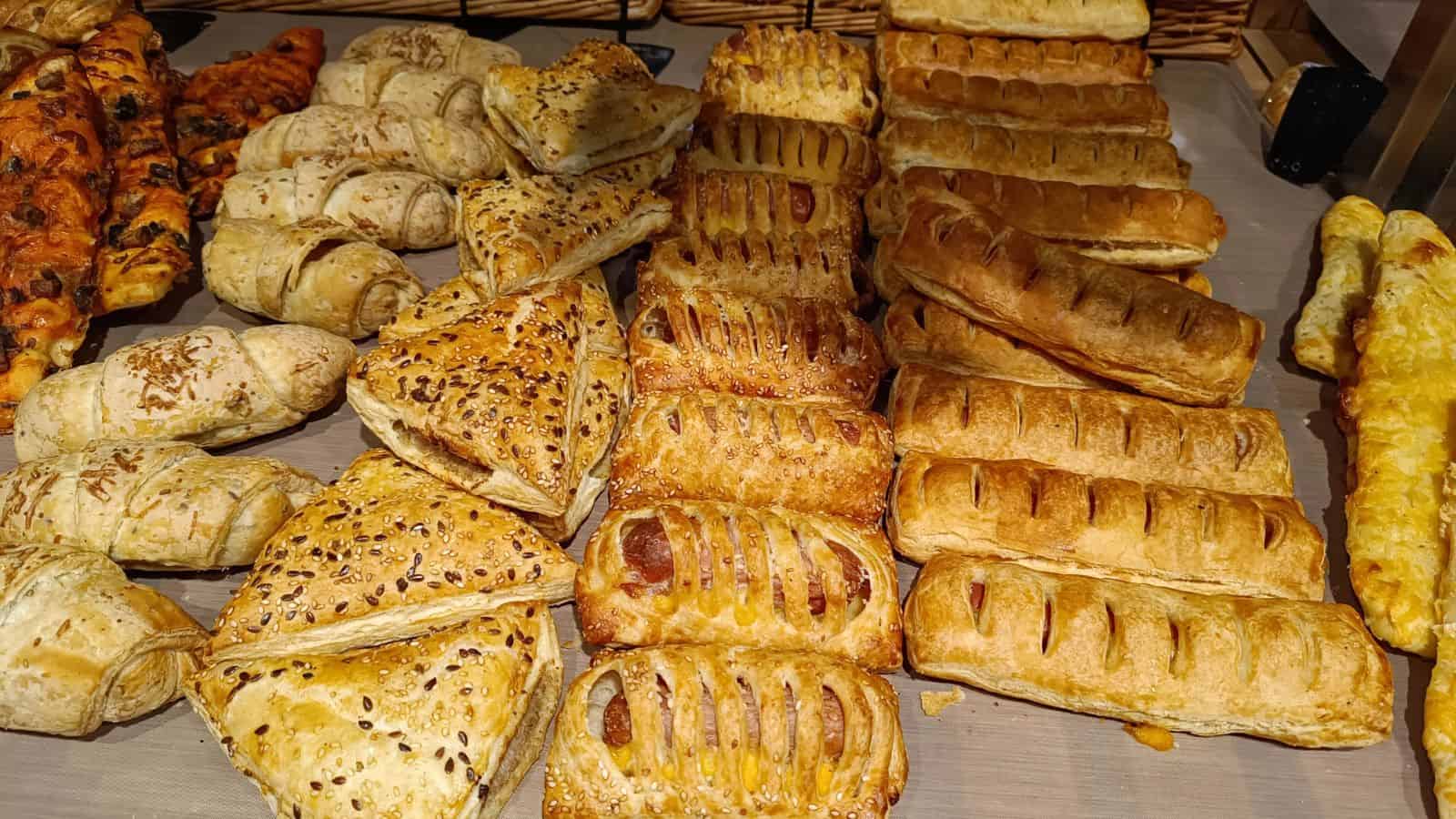
In many parts of Europe, quick meals don’t always mean chains like McDonald’s or Burger King. Outside major cities, fast food isn’t open around the clock, and you may not find a drive-thru for miles. Even “grab-and-go” places might still require waiting or sitting down. Local eateries often prioritize slower service and longer mealtimes. If you're used to late-night snacks or quick meals between activities, this shift can be frustrating. Planning ahead—by checking closing times or grabbing snacks earlier in the day—can help avoid hunger during off-hours.
Shoppers Expecting Big-Box Convenience
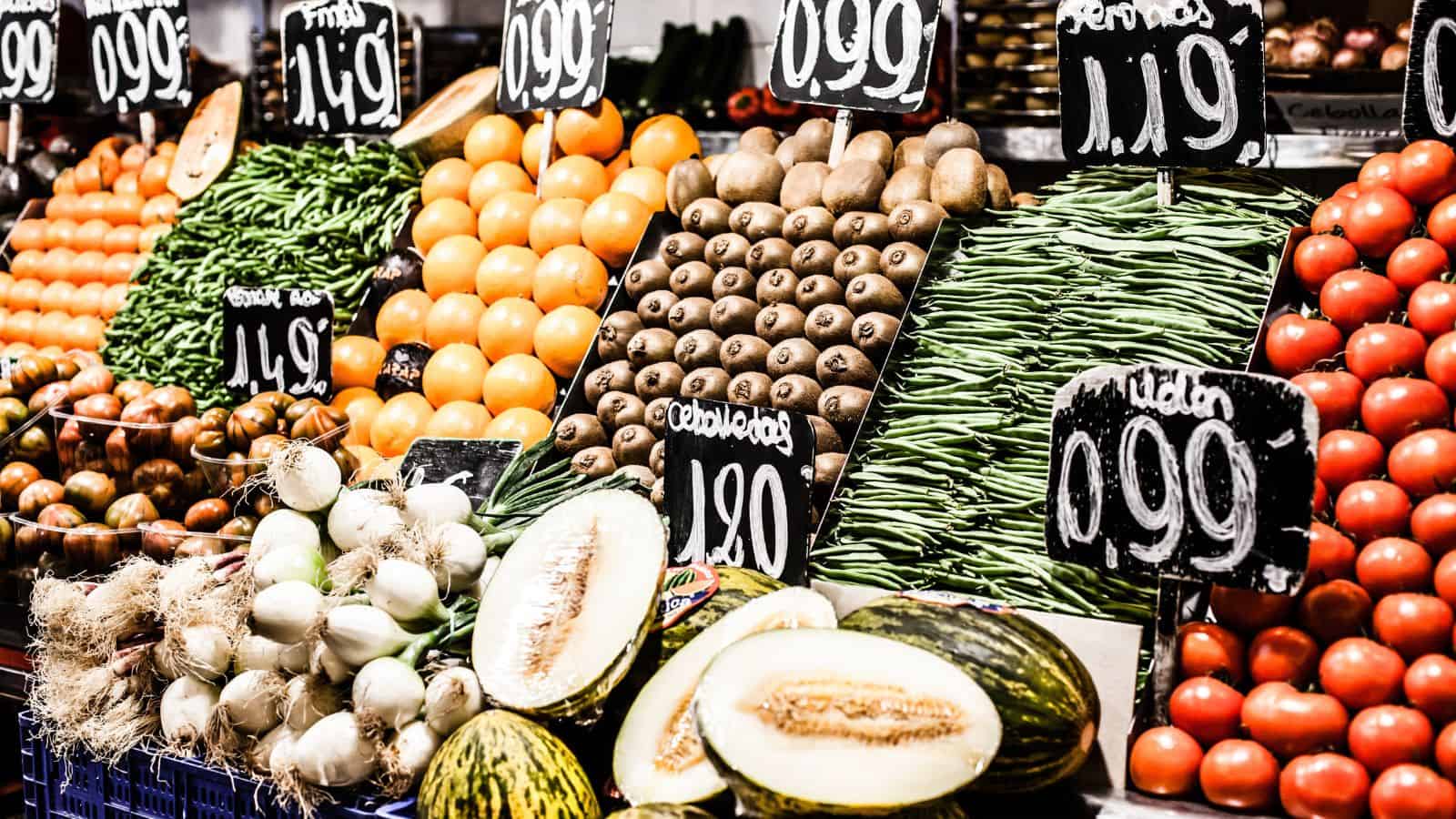
Grocery shopping in Europe is often a daily or every-other-day routine, not a once-a-week stock-up. Large supermarkets on city outskirts exist but are rarely walkable from central areas. In cities, people shop at bakeries, butchers, greengrocers, and small markets instead of giant stores. Many shops close early, especially on Sundays, which can be surprising to those used to 24/7 access. Even pharmacies and convenience stores may close by dinnertime. Tourists who don’t adjust to these rhythms may find themselves walking extra distances or missing essentials at the wrong time.
People Who Struggle With Walking
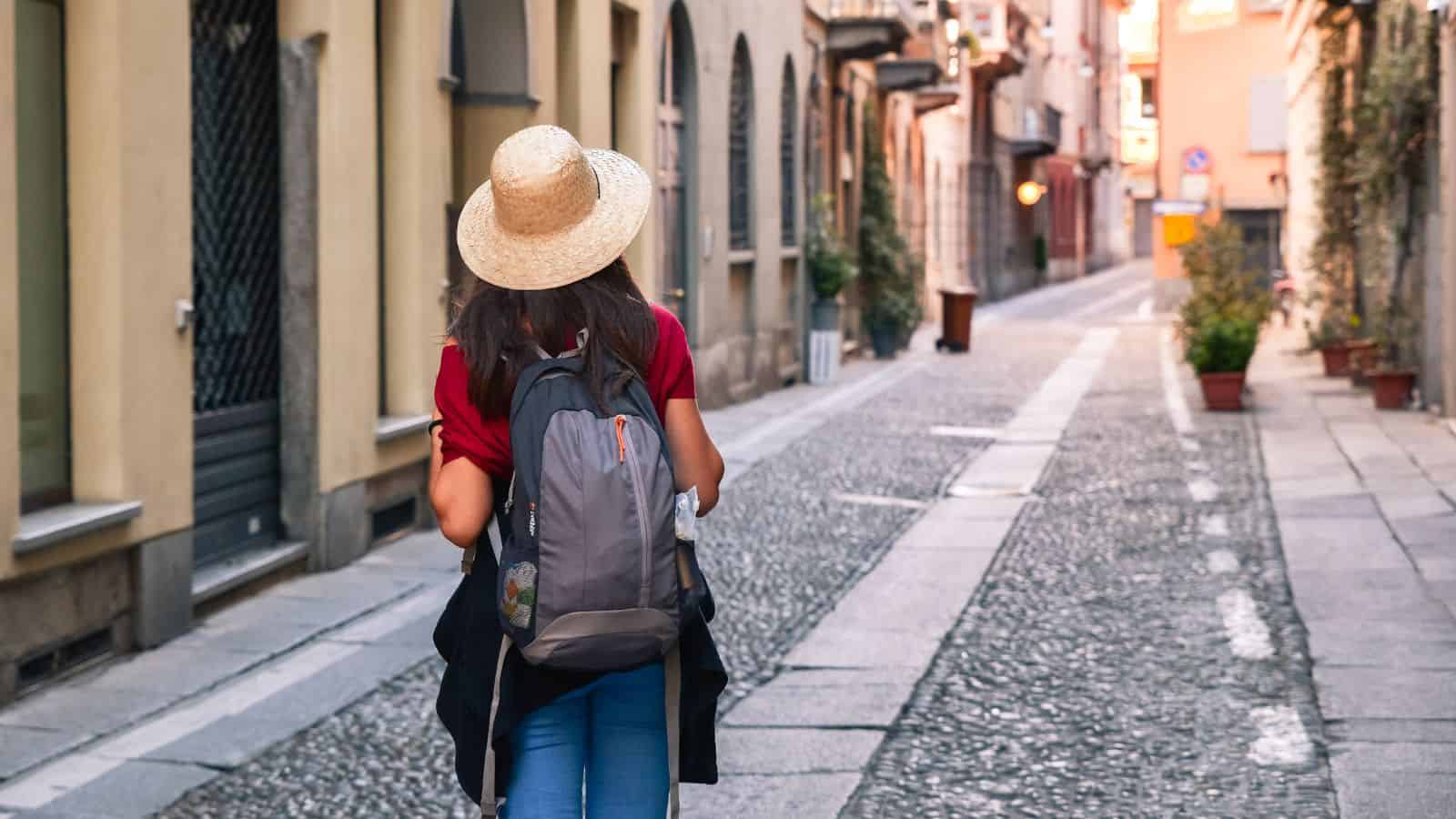
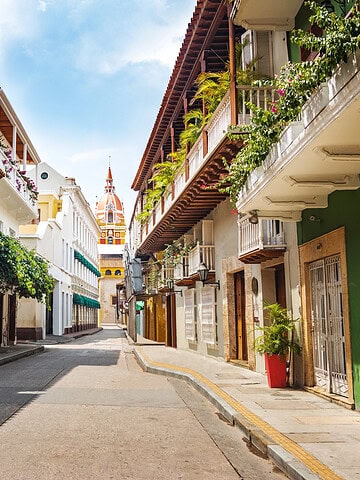
European cities were built long before cars and accessibility standards. Streets are often narrow, paved with uneven cobblestones, and filled with stairs. Elevators in hotels and train stations can be small or nonexistent. Tourists with mobility issues, heavy luggage, or knee trouble may face real challenges getting around. Renting a car might not solve the problem either, as many city centers restrict vehicle access. Planning routes, bringing walking aids if needed, and choosing centrally located lodging can help reduce strain, but there’s no avoiding a lot of time on your feet.
Those Who Dislike Public Transport
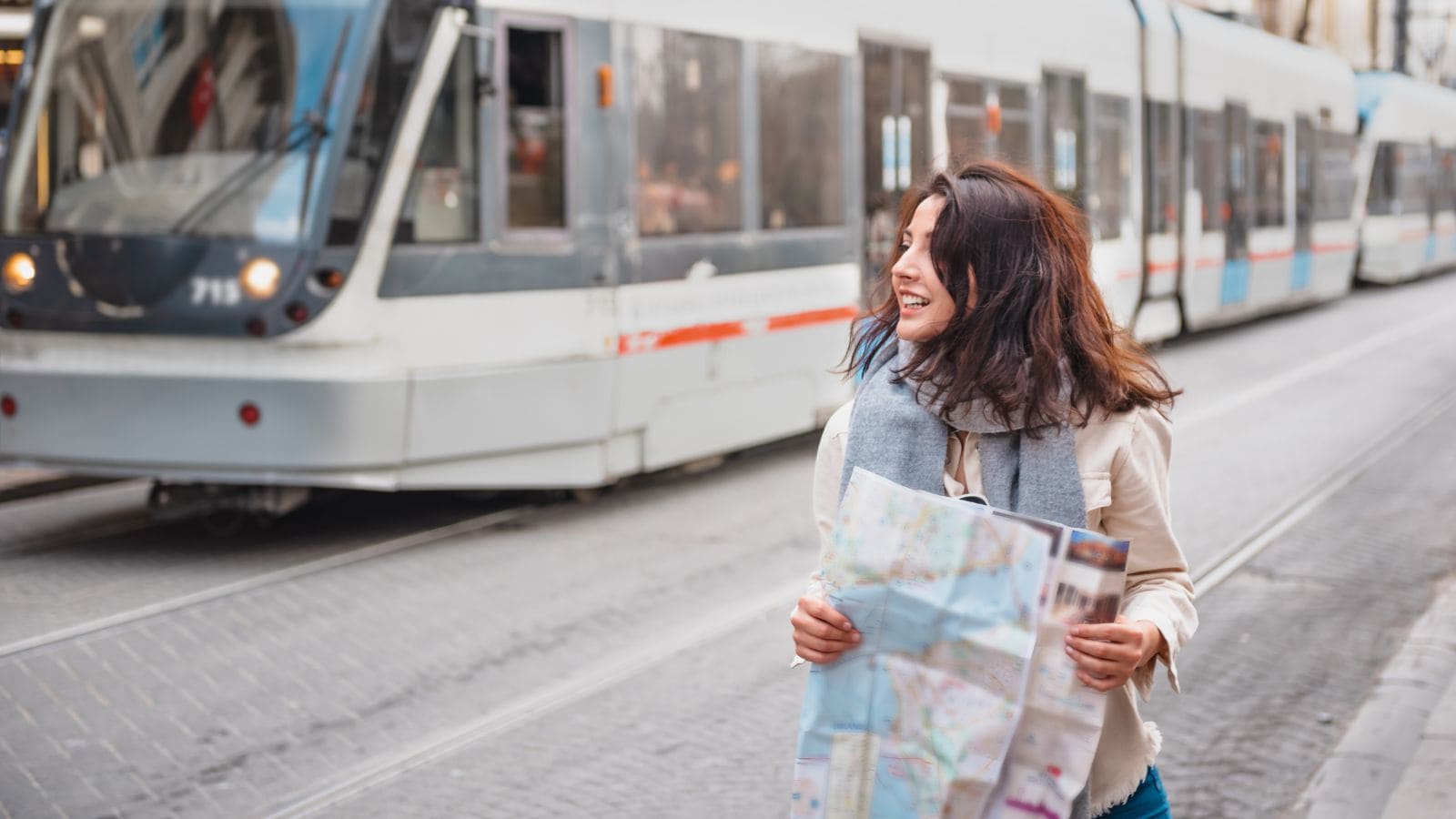
In many European cities, public transportation is the main way to get around. Trains, subways, trams, and buses are widely used and often preferred over driving. However, for travelers unfamiliar with schedules, ticket machines, or how zones work, it can be confusing. Not all stations have signs in English, and delays or strikes do happen. Taxis are expensive, and rideshare services aren’t always available in rural areas. Those who prefer personal vehicles or door-to-door service may feel frustrated. Taking time to learn the system in advance can reduce stress and make navigating cities more manageable.
Tourists Who Expect Personal Space
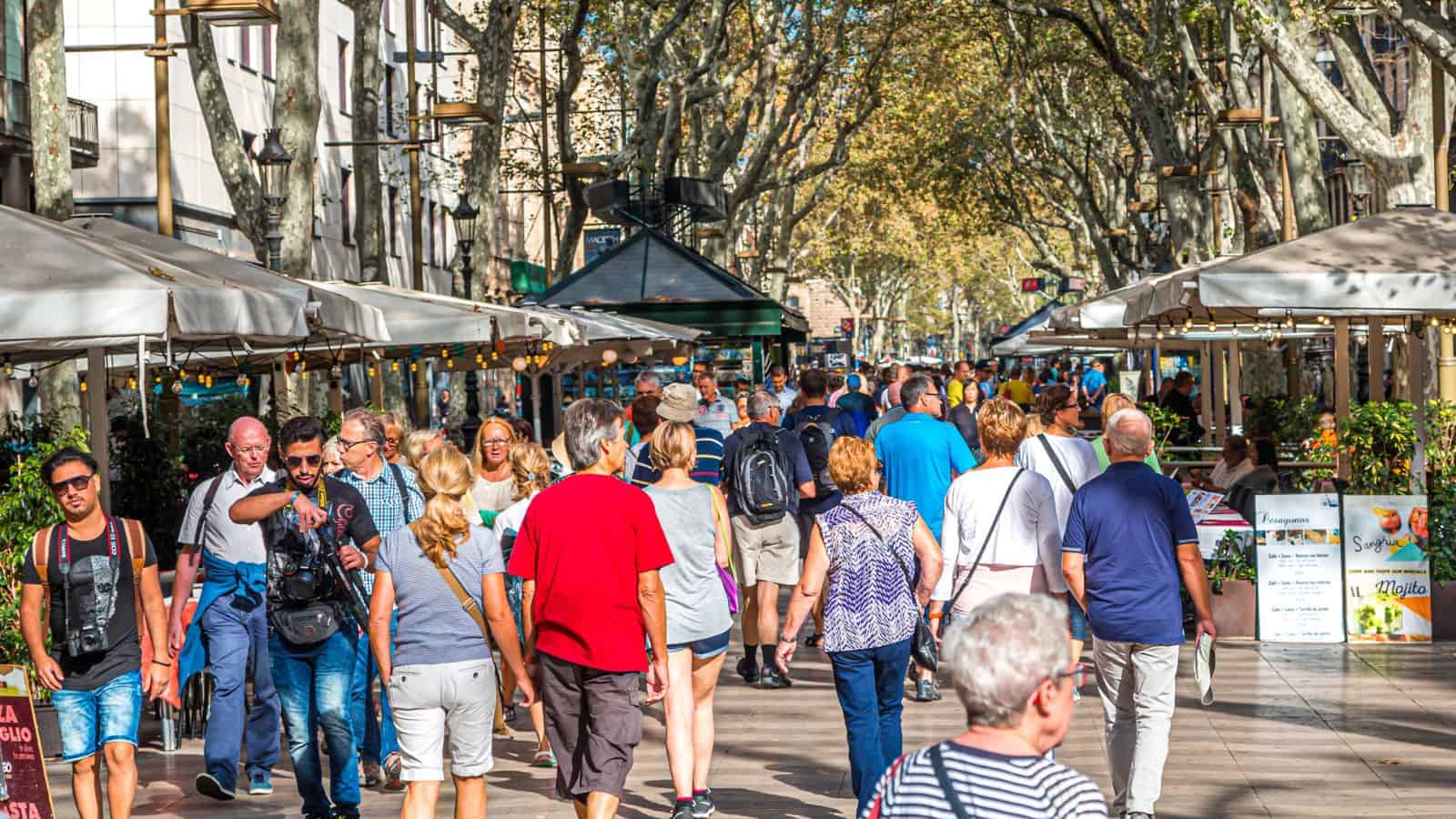
European cities are often dense and compact, with narrow sidewalks, small elevators, and tightly packed restaurants. Public transport during rush hour can feel cramped, with people standing shoulder to shoulder. At cafes or outdoor seating areas, tables may be placed close together. This setup can feel intrusive to travelers used to more space between individuals. It's not considered rude—it’s just how space is used more efficiently. Visitors who value quiet surroundings and wide buffers between people may feel uncomfortable, especially in big cities like Paris, Rome, or Barcelona.
Want to save this?
People Who Rely on Tipping to Show Gratitude
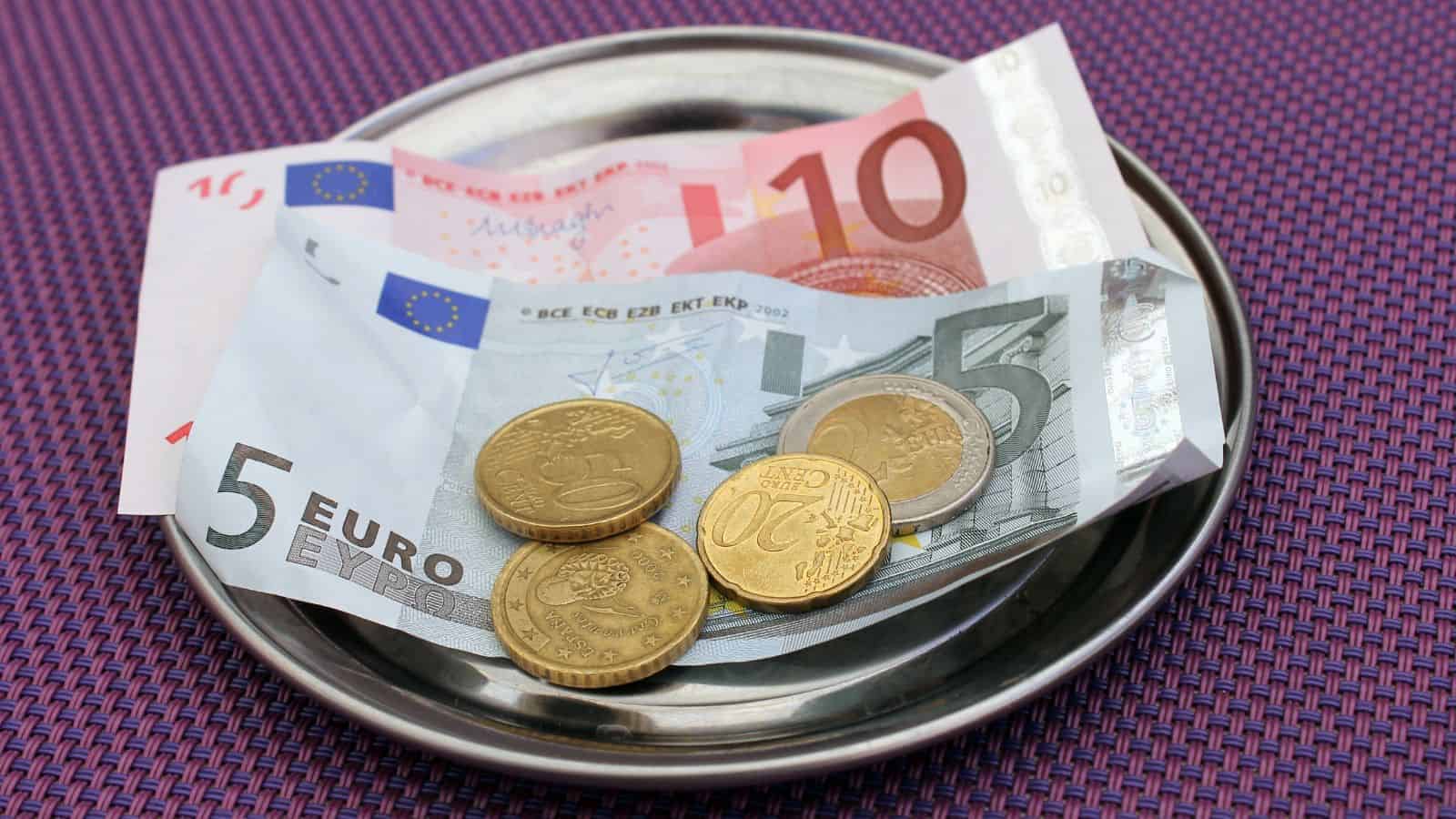
In Europe, tipping practices vary and are often far more restrained than in the U.S. or Canada. In many places, a small service charge is already included in the bill. Rounding up or leaving a euro or two is often enough. Generous tips may confuse staff or even be refused. This can be disorienting for travelers who equate tipping with appreciation. Instead, good service is acknowledged with a smile, a thank you, or a simple compliment. It helps to learn what’s customary in each country to avoid awkward moments or unnecessary spending.
Travelers Who Avoid Cash

While contactless payments are common in many urban areas, there are still plenty of situations where only cash is accepted. Small cafés, street vendors, public restrooms, or farmers’ markets may not take cards at all. ATMs are widely available, but relying only on cards can backfire in smaller towns or transit stations. Not having coins for parking meters or local buses can cause delays. It's smart to carry some local currency—especially smaller notes and coins—so you're not caught off guard in a place where digital payment isn’t yet the norm.
Those Expecting Big Hotel Rooms
Hotels in Europe, especially those in historic areas, often have compact layouts. Rooms may have twin beds pushed together instead of a king, and bathrooms might be small with limited counter space. Closet space can be minimal, and power outlets might be scarce. Elevators, if available, can be too small for more than two people with luggage. This can come as a surprise to travelers used to North American chain hotels. If space and amenities are a top priority, researching room dimensions or booking higher-tier rooms may help avoid surprises.
People Who Rush Through Meals

Dining in Europe often means sitting down and staying a while. Restaurants don’t aim for rapid turnover; staff typically wait until you're ready to leave before bringing the bill. Meals can stretch for hours, especially dinners. This can frustrate travelers who expect fast service or want to eat quickly between attractions. In some cultures, eating slowly and talking at the table is an important part of the day. If you're in a hurry, look for places labeled “express” or grab takeaway from a bakery or café instead.
Visitors Who Don’t Learn Basic Local Phrases

In major cities, English is often spoken, especially in tourist areas. But in smaller towns or more rural regions, basic local language skills can make a big difference. Knowing how to say hello, thank you, and ask simple questions helps ease interactions in shops, restaurants, and stations. Locals appreciate the effort, even if your pronunciation isn’t perfect. Relying solely on English may lead to miscommunication or missed opportunities. A phrasebook, app, or note card can help bridge the gap and show respect for the culture you’re visiting.
13 Tourist Behaviors That Create Real Problems in European Countries

Tourists play a vital role in the economy and culture of European countries, offering much-needed revenue and a chance for cultural exchange. However, certain tourist behaviors can cause significant issues for locals, from overcrowding at popular landmarks to disrespect for local customs and environments. Understanding and respecting local rules is crucial to creating a harmonious travel experience, both for visitors and residents alike.
Read More Here: 13 Tourist Behaviors That Create Real Problems in European Countries
15 Most Chaotic Cities That Tourists Should Think Twice About

Which chaotic cities do you know about? Traveling to vibrant cities can be exciting, but there are 15 most chaotic cities that tourists should think twice about. These destinations are known for their overwhelming crowds, intense traffic, and a pace of life that can be disorienting for visitors. While they may offer unique experiences and attractions, the chaos can also lead to stress and frustration, making them less appealing for some travelers.
Read More Here: 15 Most Chaotic Cities That Tourists Should Think Twice About

Leave a Reply