
While traveling offers a chance to explore new cultures and experiences, there are certain destinations where violence against tourists has become a growing concern. Despite their appeal as popular vacation spots, travelers must be aware of the potential safety risks they face when visiting certain countries or regions. These destinations, though rich in history and natural beauty, have seen a rise in violent incidents targeting visitors, whether through petty theft or more serious crimes.
It's important to stay informed and take necessary precautions when considering travel to these places. Knowing the risks can help make decisions about where and how to travel, ensuring a safer journey. Here are nine destinations where violence against tourists has escalated, and why it's crucial to understand the local security situation before visiting.

Acapulco, Mexico
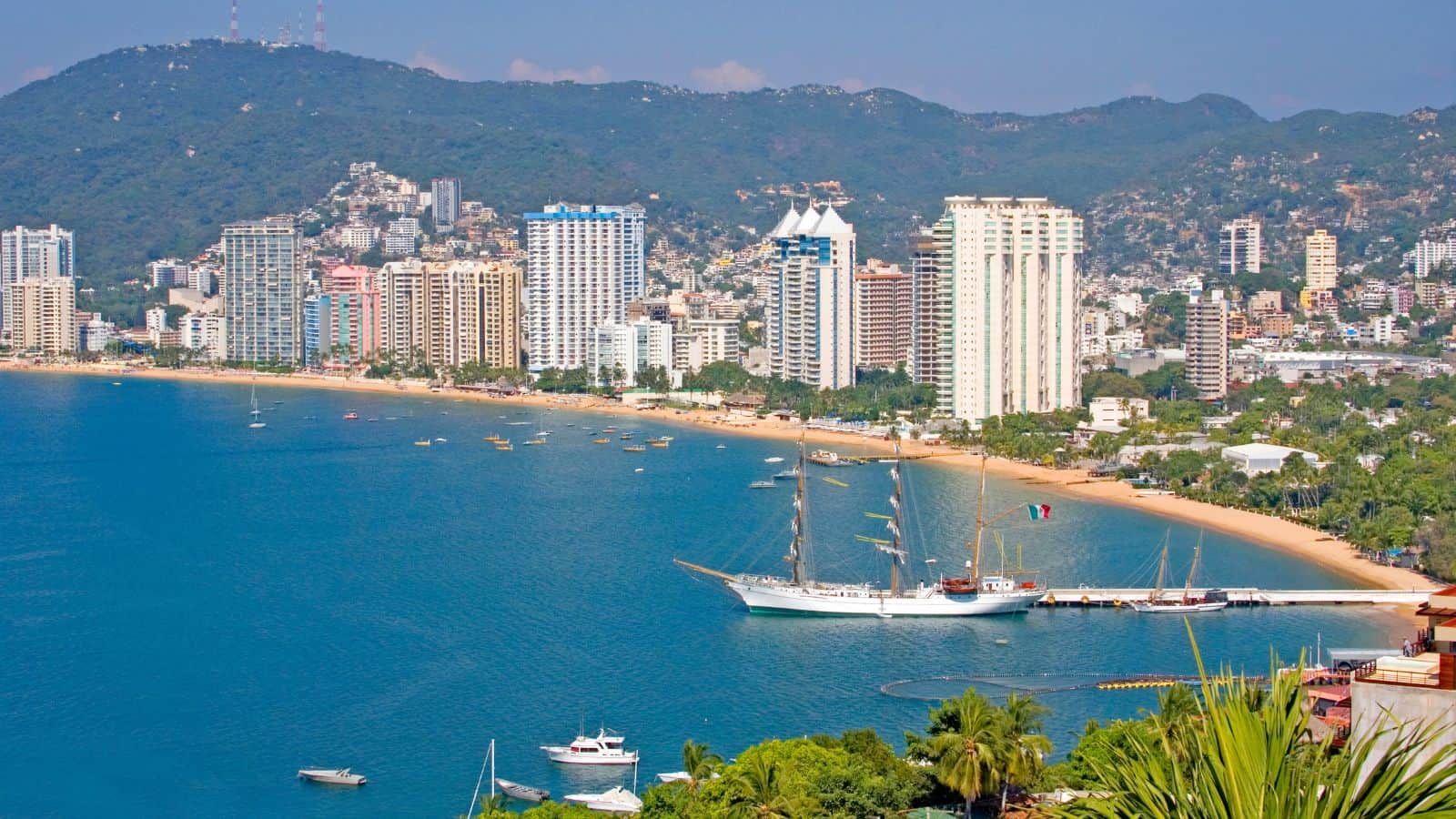
Acapulco was once a premier tourist destination known for its beaches and nightlife, but in recent years, it has experienced a surge in violent crime, much of it linked to gang activity and drug trafficking. Tourists have become unintended victims of this violence, with incidents ranging from robberies to shootings reported in some areas. While parts of the city remain popular, travelers are advised to exercise extreme caution, avoid certain neighborhoods, and stay informed about local safety conditions. The increase in violence has significantly impacted Acapulco’s reputation and the overall tourist experience.
Caracas, Venezuela

Caracas has one of the highest crime rates globally, with violent acts such as armed robberies, kidnappings, and assaults frequently occurring. Economic challenges and political instability have contributed to a law enforcement environment struggling to maintain order. Visitors to Caracas face heightened risks, particularly when traveling outside well-secured areas or at night. The combination of street crime and targeted attacks on foreigners has made many travelers wary. Those who choose to visit must take rigorous safety measures, including using trusted guides and avoiding isolated places, to reduce exposure to potential threats.
Cape Town, South Africa

Cape Town’s scenic beauty and cultural attractions draw tourists, but the city also faces challenges with violent crime. Certain neighborhoods experience issues with muggings, carjackings, and home invasions. While many popular tourist areas are patrolled and considered safer, visitors venturing into less frequented districts may encounter risks. Crime rates have prompted local authorities to increase security measures, but the threat remains real. Travelers are advised to remain vigilant, avoid walking alone at night, and use reliable transportation. Being informed and cautious is essential to minimizing danger in Cape Town’s urban environment.
Rio de Janeiro, Brazil

Rio de Janeiro is famous worldwide for its festivals, beaches, and vibrant culture. However, the city struggles with gang-related violence and high rates of street crime, including theft and robbery. Tourists are sometimes targeted, especially in crowded public spaces or less monitored areas. While security forces have increased patrols in tourist districts, risks persist. Visitors are recommended to stay in well-populated areas, avoid displaying valuables, and seek local advice on safer routes. Despite the allure of Rio’s attractions, the presence of violent crime requires travelers to remain alert and cautious during their visit.
San Pedro Sula, Honduras
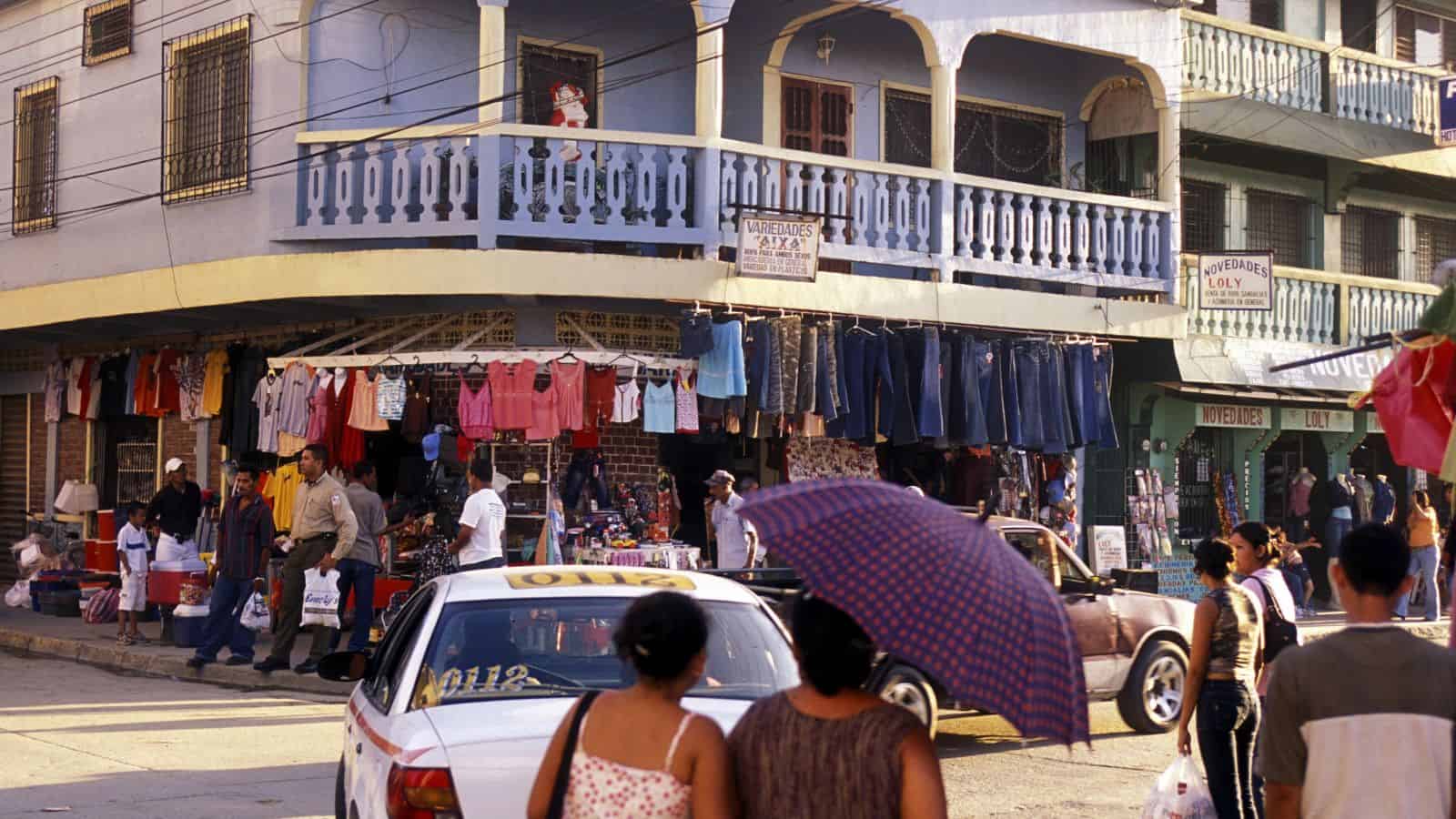
San Pedro Sula is often cited as one of the most dangerous cities worldwide due to extremely high rates of violent crime, including homicide, armed robbery, and gang violence. The city’s crime levels pose serious risks to residents and visitors alike. Tourists in San Pedro Sula must exercise heightened caution, avoid traveling alone, and refrain from visiting areas known for violence. Local authorities recommend using trusted transportation and staying within secured zones. The prevalence of violent crime has severely affected the city’s appeal as a travel destination, making safety a top concern for anyone visiting.
Port-au-Prince, Haiti

Port-au-Prince has experienced escalating political instability and social unrest in recent years, which have contributed to a rise in violent crime. Reports of kidnappings, armed robberies, and assaults against both locals and foreigners have become more frequent. The city’s limited law enforcement resources struggle to maintain safety, and visitors are advised to avoid certain neighborhoods altogether. Traveling outside of secured areas requires extreme caution, and many recommend guided transportation to reduce risks. The combination of political turmoil and crime makes Port-au-Prince a challenging destination for tourists seeking a secure environment.
Want to save this?
Kingston, Jamaica
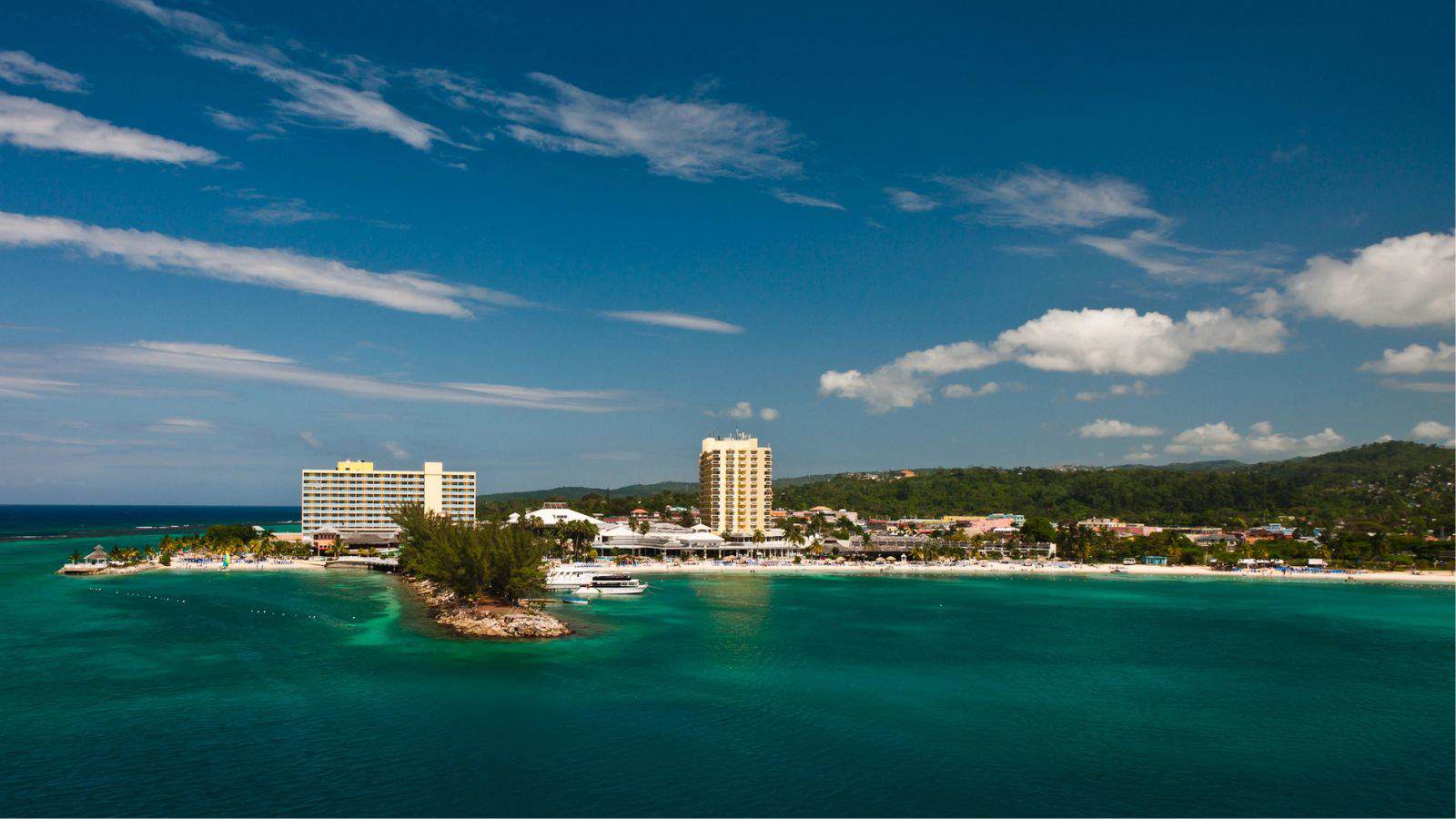
Kingston faces ongoing challenges with gang-related violence and crime, which have occasionally spilled into areas frequented by tourists. Incidents such as armed robberies and assaults have been reported, creating safety concerns for visitors unfamiliar with the city’s dynamics. While popular tourist sites and resorts typically maintain heightened security, venturing into less controlled neighborhoods can be dangerous. Travelers are urged to remain vigilant, avoid traveling alone at night, and use reputable transportation services. Kingston’s crime issues have prompted authorities to increase patrols, but the risk of violent crime remains a significant concern.
Tijuana, Mexico
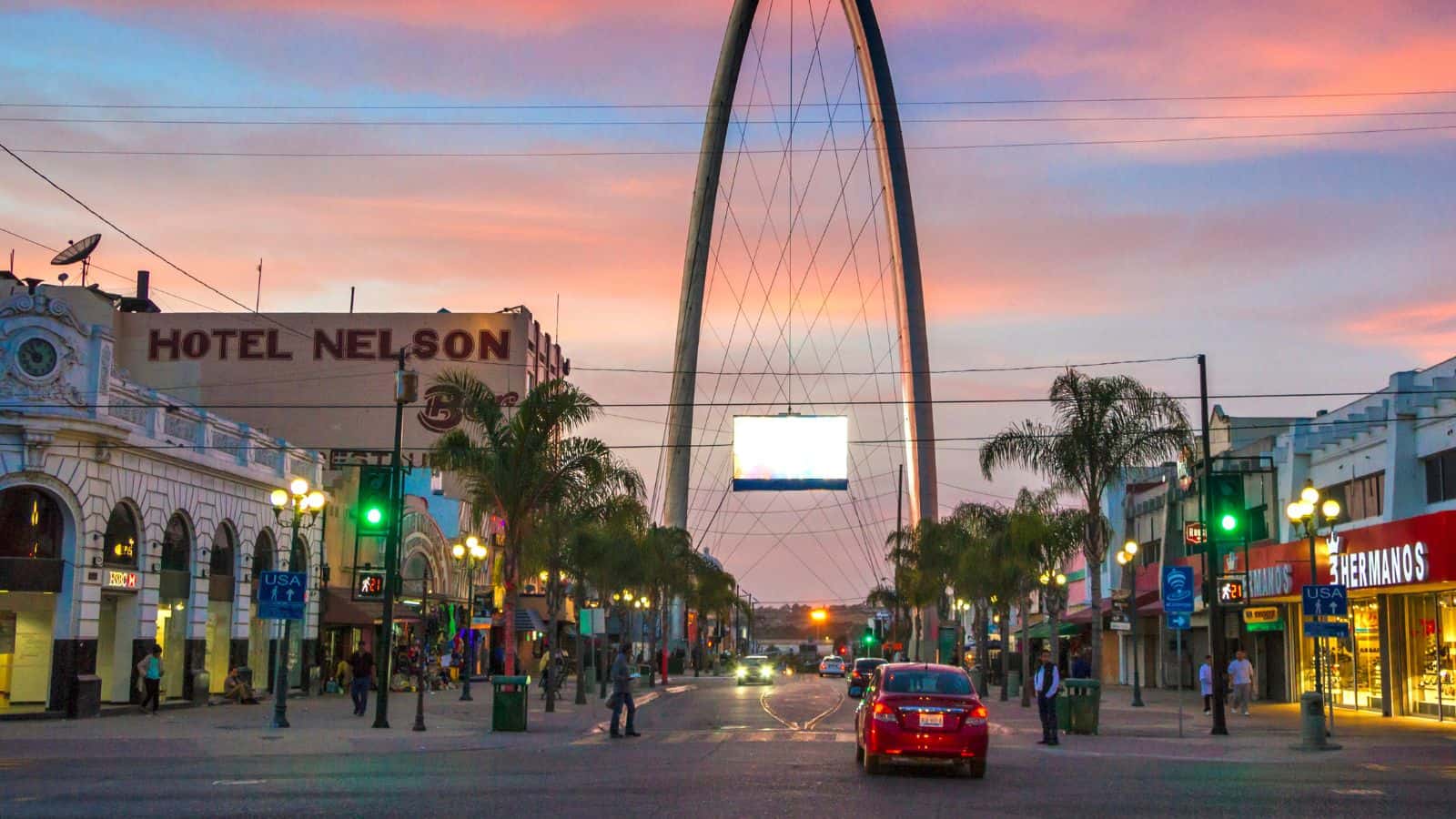
Tijuana, despite its proximity to the U.S. border, struggles with drug-related violence and organized crime activity that can affect visitors. Areas outside of the main tourist zones have seen increased incidents of violence, including robberies and assaults. While many travelers cross the border safely for day trips or business, caution is necessary, especially when venturing beyond well-populated areas. Increased law enforcement efforts have aimed to reduce crime, but risks persist. Visitors are advised to stay within known safe zones, avoid traveling after dark, and remain aware of their surroundings to minimize exposure to dangerous situations.
Detroit, Michigan, USA

Detroit has long battled high violent crime rates compared to other U.S. cities, including incidents of armed robbery and assault. Though many neighborhoods have undergone revitalization, certain areas remain unsafe, particularly after dark. Visitors unfamiliar with the city’s layout may inadvertently enter high-risk zones. The city has increased police presence in recent years, but crime continues to be a concern for travelers. Staying informed, using reliable transportation, and avoiding isolated locations are essential safety practices. While Detroit offers cultural and historic attractions, visitors must exercise caution to protect themselves from potential violent encounters.
Stay Informed, Travel Smart, Stay Safe

Traveling to high-risk destinations doesn’t mean you have to avoid them altogether, but it does require extra awareness. These cities may be grappling with serious safety issues, yet many still draw tourists for their culture, scenery, and history. Being informed about the realities on the ground, taking proper precautions, and respecting local advice can help reduce the likelihood of danger. It’s essential to research current conditions, stick to secure areas, and travel with caution. With the right mindset and preparation, travelers can still explore these places responsibly while prioritizing their safety every step of the way.
17 Nations with a Reputation for Rude Tourists

While traveling can be an enriching experience, it’s not always smooth sailing for locals dealing with rude tourists. In fact, there are 17 nations with a reputation for rude tourists, where disrespectful behavior, cultural misunderstandings, and poor manners have led to strained relationships between visitors and residents. Whether it’s ignoring local customs, tipping poorly, or being generally inconsiderate, some tourists inadvertently tarnish the reputation of travelers everywhere.
Read More Here: 17 Nations with a Reputation for Rude Tourists
13 Countries Where Good Manners Make or Break Your Trip

Planning to travel outside the country? Good manners can greatly impact travel experiences, and there are 13 countries where good manners make or break your trip. Understanding local customs and etiquette is essential for making a positive impression and ensuring a smooth visit. In some cultures, small gestures like saying "please" and "thank you" can go a long way, while in others, specific behaviors may be expected or even required.
Read More Here: 13 Countries Where Good Manners Make or Break Your Trip



Leave a Reply