
Travel can be a dream until things go wrong. Whether it’s a misplaced passport, lost luggage, or an unexpected travel disruption, these situations can throw a wrench into your plans. While it’s easy to panic, staying calm and knowing the right steps to take can save your trip. Travel experts recommend having a few key strategies in place to deal with these emergencies, ensuring that your vacation remains stress-free.
Here are ten emergency tips that can help you handle any travel mishap and keep your journey on track. From getting your passport replaced quickly to finding temporary essentials when luggage goes missing, these tips will ensure you can tackle any unexpected hiccup. With the right preparation and mindset, you can recover quickly and still make the most of your trip.

Contact your embassy immediately

If your passport is lost or stolen, your country’s embassy or consulate should be your first stop. They can help replace your passport, issue temporary travel documents, and connect you with emergency services. Embassies also assist with legal problems, medical emergencies, or if you’re a victim of a crime. Bring whatever ID you still have—photocopies, travel itineraries, or anything that proves your identity. Many embassies operate hotlines and have dedicated staff to assist travelers in distress. The sooner you report your situation, the faster they can help prevent fraud, track your status, and get you back on your feet.
File a police report
If your belongings are stolen or lost under suspicious circumstances, file a report with the local police. This document is often required for insurance claims or embassy procedures, and it creates an official record of the incident. Be prepared to describe each item clearly and note the time and place you believe it went missing. While not every case leads to recovery, having a report on file may increase your chances of assistance from local authorities. It also signals to others—like hotels or transportation officials—that you’ve taken the proper steps.
Use travel insurance benefits

Travel insurance isn’t just for flight cancellations—it can cover lost luggage, stolen items, emergency medical care, or even last-minute accommodations. If everything goes missing, file a claim immediately. Most providers require documentation like a police report, receipts, or proof of purchase. Some also cover passport replacement costs or emergency cash advances. If you’ve bought your policy through a credit card, check with your bank. The sooner you begin the process, the faster you can access funds, reimbursements, or assistance that help minimize disruption and expense.
Cancel lost cards and freeze accounts

If your wallet is missing, act fast to protect your finances. Contact your bank and credit card companies to report the loss. Most allow you to freeze your account temporarily through their apps or websites, preventing unauthorized use. You can also request replacements and ask for express delivery to your current location. For added security, enable transaction alerts and check for suspicious activity. Some banks have global hotlines or local branches abroad. Acting quickly minimizes financial damage and gives you time to regroup with a backup card or emergency funds.
Use cloud backups to access ID and documents

Losing your physical documents doesn’t mean losing everything if you’ve stored digital copies. Services like Google Drive, Dropbox, or iCloud allow access from any device with internet. Keep scanned versions of your passport, visa, insurance, itinerary, and emergency contacts in a secure folder. These can help with embassy visits, police reports, or proving your identity at hotels and airports. If your phone is missing too, use a friend’s device or a hotel computer. Just be sure to log out of all accounts afterward and avoid saving your credentials on public machines.
Use emergency cash services

If your wallet is gone and you’re stranded without money, reach out to someone back home who can wire funds through services like Western Union or MoneyGram. Many banks also allow emergency cash transfers directly to international branches or ATMs. Some travel insurance providers and embassies coordinate with financial institutions to help travelers access emergency cash. Make sure you bring a valid ID (even a photocopy), and double-check the local pickup location and requirements. While not always instant, these services can get you access to money within hours, just enough to cover food, transport, or a temporary stay.
Want to save this?
Track lost devices with GPS tools

Phones, tablets, and laptops often have built-in location tracking tools like Find My iPhone, Find My Device (Android), or third-party apps like Prey. If your device is missing, log in from another phone or computer and try to locate it on the map. If it’s still online, you might be able to lock it, display a custom message on the screen, or even wipe its data remotely. While recovery isn’t always guaranteed, knowing its last known location can help you retrace your steps or report to the police with more precision.
Notify your accommodation immediately

Whether you’re staying at a hotel, hostel, or short-term rental, let the staff or host know about your lost items as soon as possible. They might already have them in their lost-and-found, or can review security footage if theft is suspected. Some accommodations have local contacts who can help with transport, translation, or navigating emergency services. If a replacement key, ID, or contact number is needed, they may be able to assist. Staff are often experienced in helping travelers and may point you toward trusted services like drivers, clinics, or even consular support.
Use offline maps and transit apps
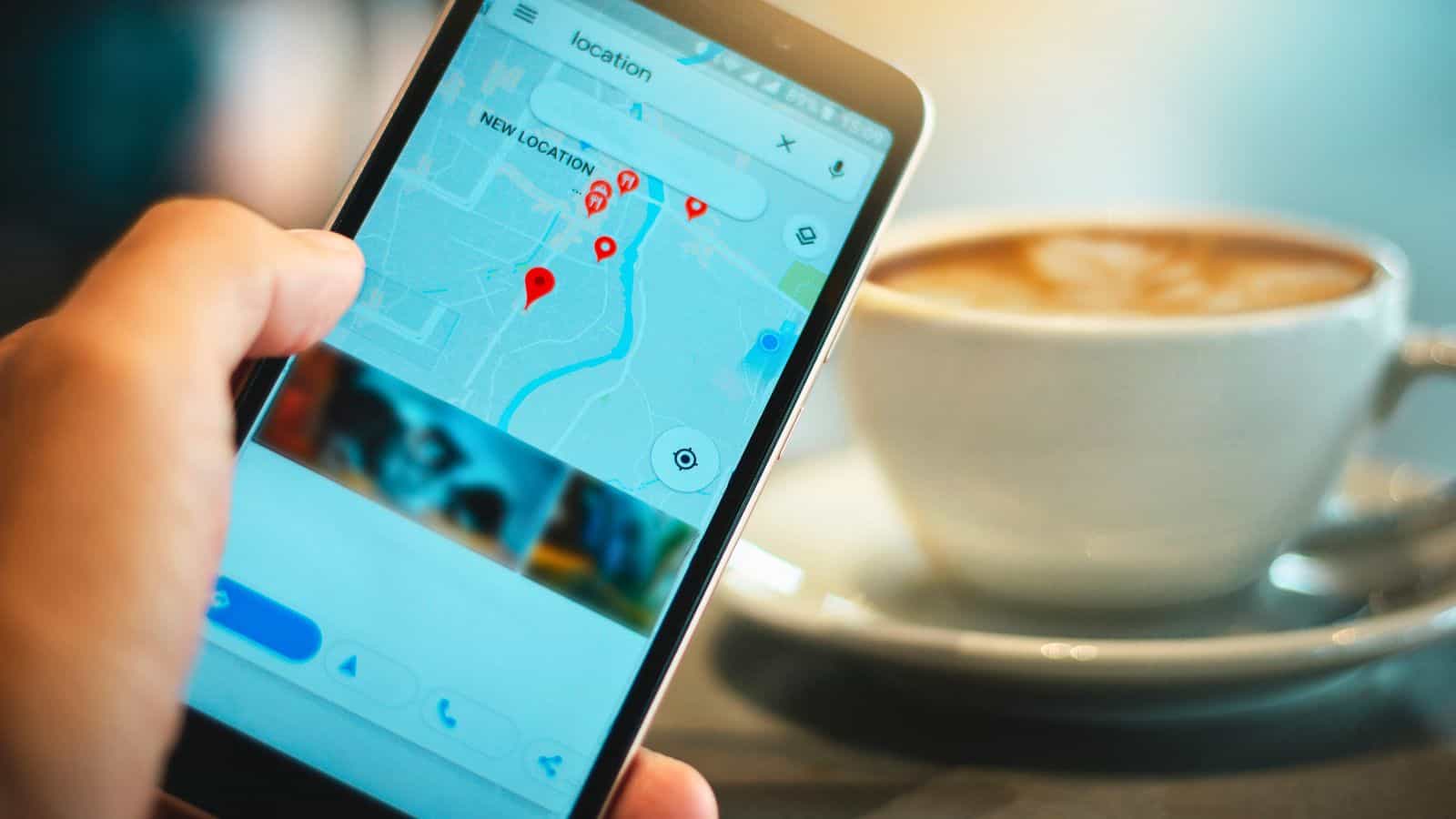
If your phone is lost or your data is cut off, pre-downloaded offline maps can be a lifesaver. Apps like Maps.me or Google Maps allow you to save regions in advance, helping you navigate without internet. Offline public transit apps or PDF schedules can also help you find your way back to your accommodation or a nearby embassy. Keep paper copies of key routes or write down directions before heading out. These backups reduce stress when tech fails and are especially useful in areas with poor signal or when you’ve lost your device.
Borrow or rent a temporary phone
When you lose your phone abroad, ask your hotel, hostel, or Airbnb host if they have a spare phone for guest use or emergency contacts. Some mobile shops rent basic smartphones or SIM-ready devices by the day. Others offer pay-as-you-go SIMs you can insert into a borrowed phone. If you’re traveling with a group, someone may be able to lend you their backup device. This temporary solution allows you to make important calls, access maps, or receive verification texts until you can replace your original phone or reconnect to Wi-Fi.
Lost and Still Standing

Losing your bags, documents, or cash doesn’t have to mean losing your trip. With these ten practical tips, you’ll stay grounded, resourceful, and back on track faster than you think. From digital backups and embassy contacts to smart use of apps and local help, these strategies turn panic into a plan. Travel is unpredictable, but that doesn’t mean you have to be unprepared. A little forethought—and a calm mindset—can make all the difference. So even when everything goes missing, you won’t lose what matters most: your ability to keep going.
15 Common Airport Mistakes You Might Be Making

Do you make any of these mistakes? Navigating an airport can be a stressful experience, and many travelers unknowingly make mistakes along the way. You might be making 15 common airport mistakes that can lead to unnecessary delays and frustration. From packing the wrong items to misjudging security lines, these blunders can turn an exciting trip into a hassle.
Read More Here: 15 Common Airport Mistakes You Might Be Making
15 Flight Tips That'll Help Calm Your Travel Anxiety

Feeling anxious on board? Traveling by plane can be a source of anxiety for many people, but there are 15 flight tips that'll help calm your travel anxiety. Understanding how to manage stress during a flight can make the experience more pleasant and enjoyable. Simple strategies, from breathing techniques to choosing the right seat, can significantly reduce feelings of unease and help travelers feel more at ease.
Read More Here: 15 Flight Tips That'll Help Calm Your Travel Anxiety




Leave a Reply