
Nonstop flights have become increasingly popular, offering the convenience of getting to your destination without a layover. For those who prefer to skip the hassle of multiple stops and enjoy a smooth, direct journey, long-haul nonstop flights are a game-changer. These flights span vast distances, connecting passengers to faraway destinations with nothing but the open sky in between.
Here are 11 of the longest nonstop flights that never touch down until reaching their final destination. From New York to Singapore to Auckland to Doha, these flights push the boundaries of air travel, offering passengers the chance to experience some of the world’s most remote or high-demand destinations. Whether for business, leisure, or just the thrill of the journey, these marathon flights showcase the latest in aviation technology, making it possible to travel across continents in one uninterrupted go.

Singapore (SIN) to New York (JFK)
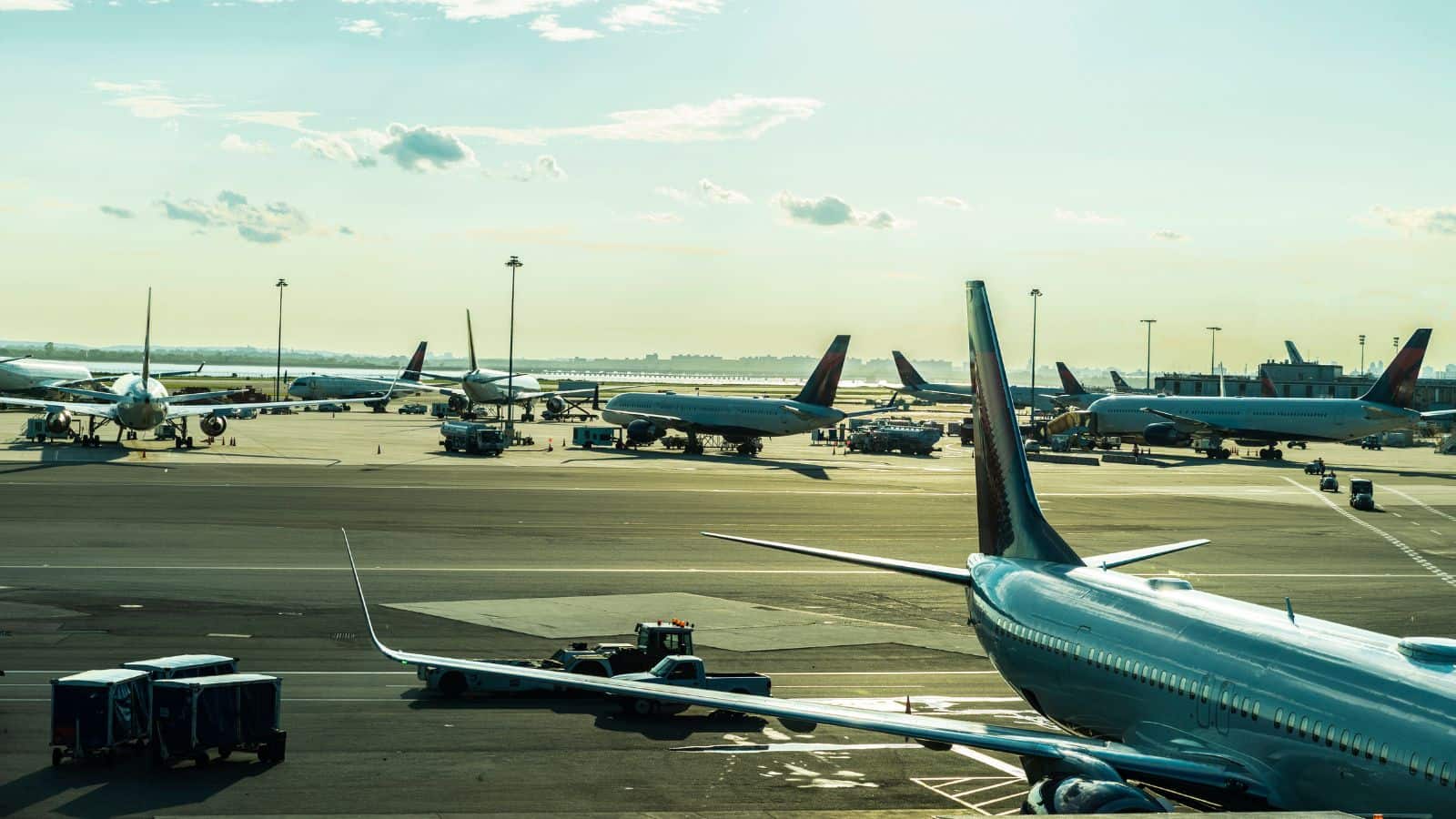
Singapore Airlines operates this flight with the Airbus A350-900ULR, covering around 9,537 miles in roughly 18 hours and 40 minutes. It holds the title as the world's longest nonstop commercial flight. The aircraft is configured for comfort with no economy seats, only premium economy and business class. The route connects two major financial centers and avoids layovers in Europe or the Middle East. Passengers experience significant changes in time zones, climate, and scenery. This ultra-long-haul flight reflects growing demand for direct routes between Asia and North America without sacrificing space and onboard comfort.
New York (JFK) to Auckland (AKL)
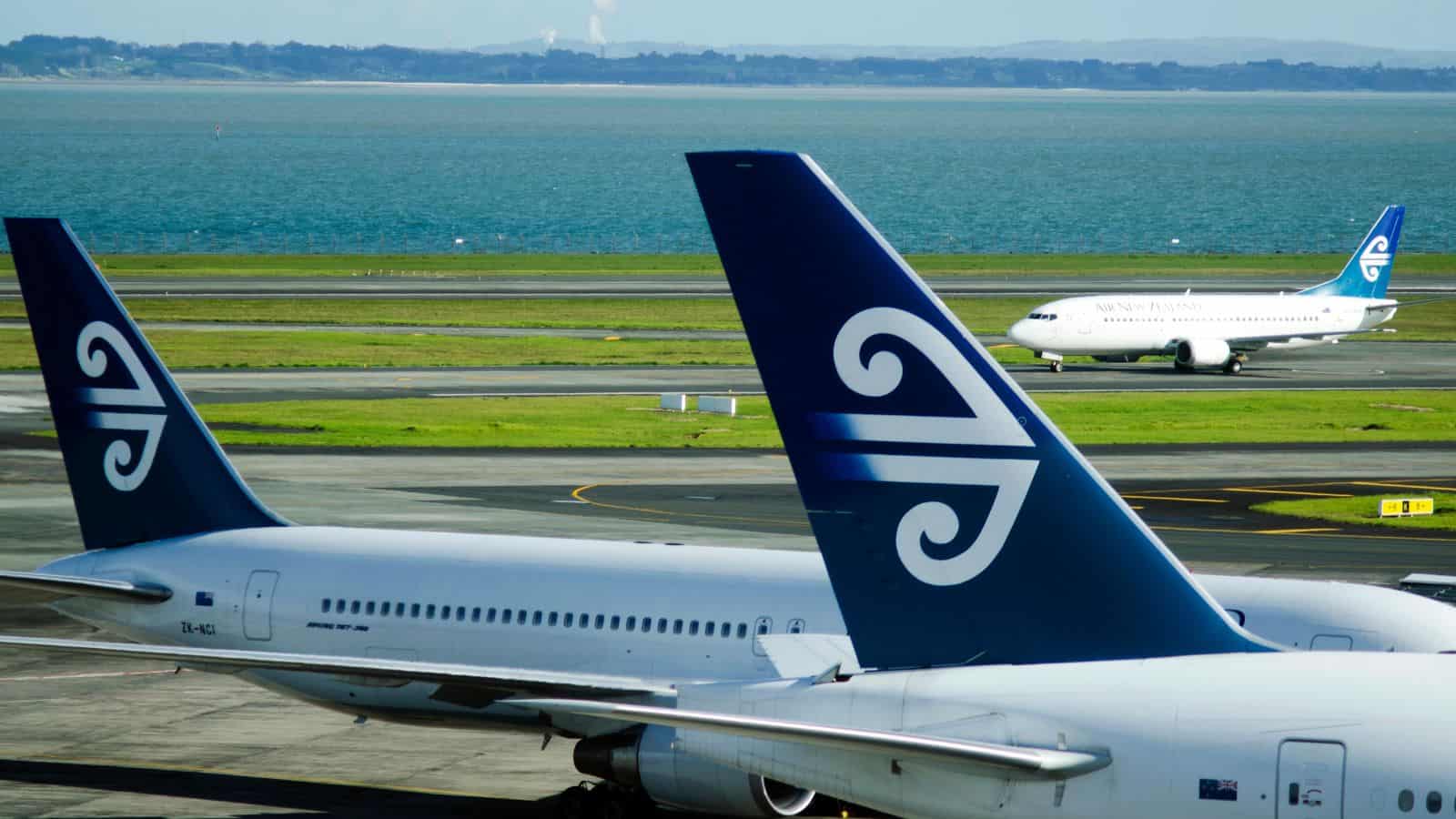
Operated by Air New Zealand, this flight covers roughly 8,800 miles in 17 hours and 35 minutes. It connects North America’s East Coast with New Zealand’s North Island, serving both leisure travelers and business professionals. The Boeing 787-9 is used for its fuel efficiency and range. The flight helps New Zealanders skip traditional stopovers in Asia or the West Coast and gives East Coast passengers easier access to Oceania. Travelers go from city skyscrapers to volcanic landscapes and harbor towns, traversing the Pacific Ocean without any intermediate landing.
Perth (PER) to London (LHR)

Qantas made history with this nonstop link between Australia and the UK. The Boeing 787 Dreamliner completes the 9,000-mile journey in just over 17 hours. Before this flight, passengers had to stop in Asia or the Middle East. The route reflects the growing capabilities of modern aircraft and strengthens Australia-Europe ties. The flight path crosses the Indian Ocean, parts of Asia, and Europe, connecting two continents that once felt much further apart. Qantas adjusted menus, lighting, and scheduling to support passenger well-being on this long-haul route, which begins in sunny Western Australia and ends in England’s capital.
Dallas/Fort Worth (DFW) to Sydney (SYD)

This long-distance flight spans over 8,500 miles and is operated by Qantas using a Boeing 787 Dreamliner. With a flight time of around 17 hours, it connects the American South with Australia’s most populous city. Dallas serves as a major hub, making it easier for passengers from across North America to reach Australia with fewer connections. The route supports tourism, education, and business ties, especially in sectors like tech and energy. Skipping traditional connections in Los Angeles or San Francisco, this direct link represents the modern trend toward efficient transpacific travel.
San Francisco (SFO) to Singapore (SIN)

United Airlines and Singapore Airlines both operate this trans-Pacific route, covering approximately 8,446 miles in 17 hours. The flight eliminates the need for layovers in Tokyo or Hong Kong, making it a preferred choice for tech professionals traveling between Silicon Valley and Southeast Asia. The route uses long-haul aircraft like the Boeing 787 and Airbus A350. It has become crucial for connecting the U.S. West Coast with Asia’s growing markets. Passengers fly across the Pacific and time zones, arriving in Singapore—a hub known for finance, technology, and efficient transport links to the broader region.
Los Angeles (LAX) to Singapore (SIN)

Spanning approximately 8,770 miles, this flight connects Southern California to Southeast Asia without a stop. Operated by Singapore Airlines using the Airbus A350-900ULR, the journey lasts about 17.5 hours and crosses the Pacific Ocean and the International Date Line. It’s one of the longest routes out of the U.S. and enables business and leisure travelers to bypass hubs in Japan, Taiwan, or Hong Kong. The aircraft’s modern design includes improved cabin pressure and lighting to reduce jet lag, and passengers typically experience dramatic changes in culture, climate, and time zones over a single continuous ride.
Want to save this?
Newark (EWR) to Singapore (SIN)

This route briefly held the title for the world's longest flight. Operated by Singapore Airlines with the Airbus A350-900ULR, it covers over 9,500 miles in around 18 hours and 45 minutes. Given the extended duration, the aircraft is fitted with only Premium Economy and Business Class to prioritize comfort over capacity. The flight bridges two global financial centers and eliminates the need for long layovers in Asian or European hubs. Passengers cross multiple continents and the North Pole en route, experiencing a day’s worth of air travel that’s both physically demanding and logistically streamlined thanks to ultra-long-range technology.
Doha (DOH) to Auckland (AKL)

Qatar Airways operates this extensive intercontinental route using the Boeing 777-200LR, linking the Middle East with the South Pacific. The flight covers over 9,000 miles and typically lasts 17 to 18 hours. It connects the modern metropolis of Doha with Auckland, a major gateway to New Zealand. Along the way, travelers pass over the Indian Ocean, Southeast Asia, and parts of Australia. The route plays a key role in expanding Qatar Airways’ reach and gives New Zealanders access to destinations in Africa and Europe via Doha’s Hamad International Airport, all while avoiding the need for connecting flights in Asia.
San Francisco (SFO) to Bangalore (BLR)
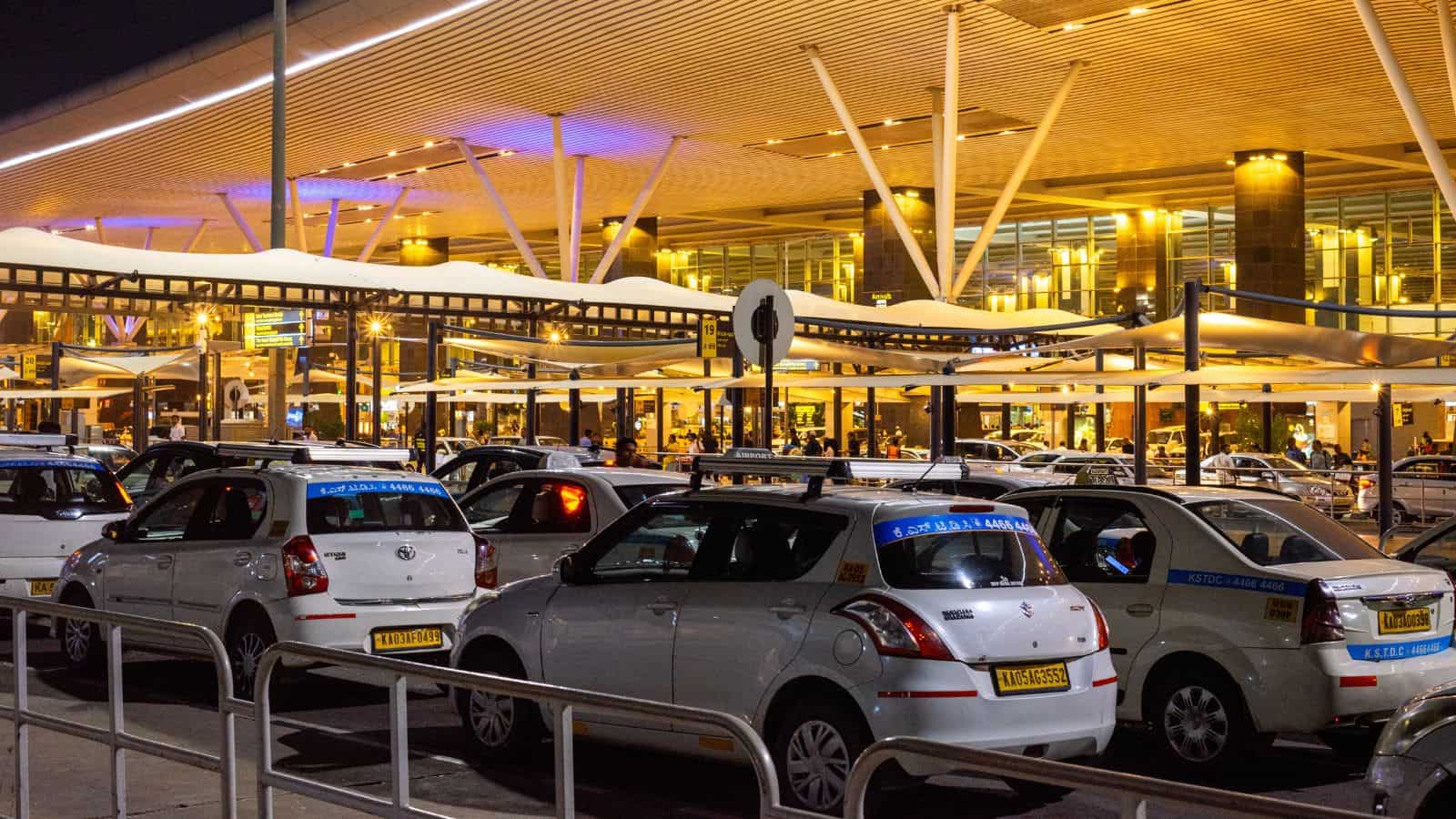
United Airlines launched this nonstop flight to cater to the growing tech industry ties between Silicon Valley and India’s tech capital. Covering around 8,700 miles, the Boeing 787 Dreamliner completes the journey in roughly 17 hours. The route supports both corporate travel and family visits, as Bangalore is a major business hub with a large diaspora in the U.S. Skipping the usual layovers in Singapore or the Middle East, this flight represents the growing demand for direct connectivity between U.S. and Indian innovation centers. The long-haul capability of the Dreamliner also helps reduce fuel usage and jet lag.
Dubai (DXB) to Los Angeles (LAX)

Emirates flies this major intercontinental route connecting the West Coast of the U.S. with the Gulf region in just over 16 hours. Spanning more than 8,300 miles, the Airbus A380 is often used, giving passengers access to spacious cabins, private suites in First Class, and an onboard lounge. This route serves tourists, business travelers, and those connecting to Africa or Asia via Dubai’s large network. It’s a notable example of how major hubs like LAX and DXB link regions that once required two or more flights, reflecting how long-range aircraft have redefined how we move across continents.
Houston (IAH) to Sydney (SYD)
United Airlines connects Texas with Australia through this direct flight spanning approximately 8,500 miles. Clocking in at about 17.5 hours, the Boeing 787 Dreamliner handles the long stretch with improved cabin pressure and lighting to reduce travel fatigue. The route supports both tourism and growing economic ties, especially in the energy and education sectors. Passengers bypass the usual Los Angeles or San Francisco stopovers, making the journey more direct. It’s a vital link for travelers looking to move between central North America and Australia without backtracking across the U.S., adding to Houston’s importance as a global transit point.
11 Airports So Enormous They Make Terminal Maps Look Like City Plans
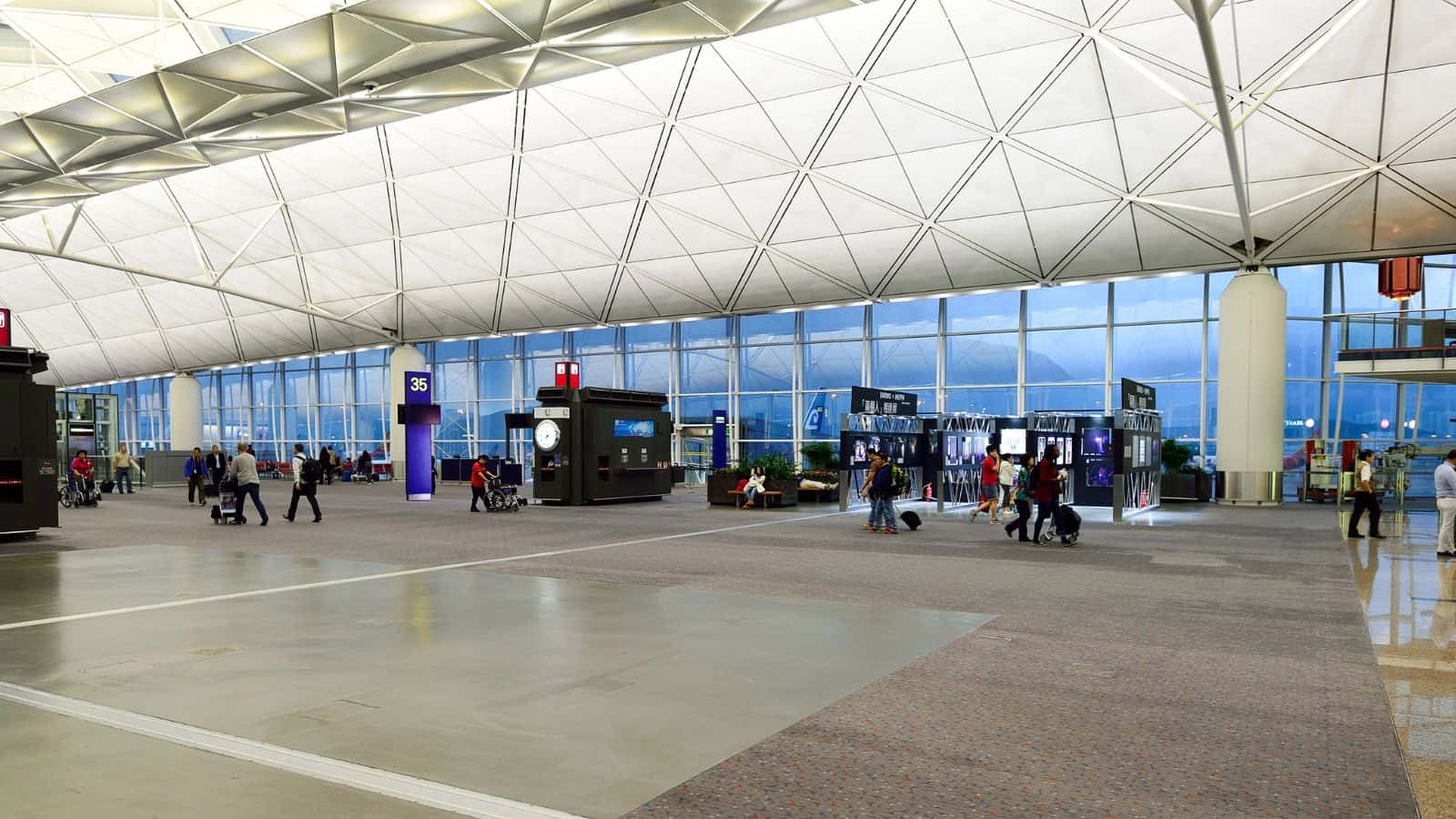
Some airports are so massive that navigating their terminals can feel more like exploring a city than catching a flight. These airports boast sprawling terminals, multiple concourses, and an overwhelming number of gates, shops, and services. The sheer scale of these transportation hubs often requires travelers to plan their time carefully, sometimes leaving hours before check-in just to reach their gate. With vast facilities designed to accommodate thousands of passengers, it’s no surprise that terminal maps can look more like city blueprints than simple guides.
Read More Here: 11 Airports So Enormous They Make Terminal Maps Look Like City Plans
11 Tips for Navigating Crowded Airports Like a Pro

Tips for you! Crowded airports can be stressful and overwhelming, especially during peak travel seasons. With these 11 tips for navigating crowded airports like a pro, travelers can make their journey smoother and more efficient. From packing smart to using technology, these strategies can help reduce stress and save time.
Read More Here: 11 Tips for Navigating Crowded Airports Like a Pro




Leave a Reply