Flying can test anyone’s patience, but nothing does it quite like being stuck in the middle seat. It’s the least coveted spot on the plane, wedged between two strangers with little room to move and no window or aisle to lean on. For many travelers, it feels like the short straw of air travel. Yet there are ways to make the experience more bearable, not just for the one sitting there, but for everyone sharing the row.
These are 9 unspoken etiquette rules for middle seats on planes, and they cover everything from who gets the armrests to how to respect personal space when there isn’t much to begin with. Understanding these little courtesies can turn a cramped ride into something less tense and even a bit more manageable. Whether you’re the one in the middle or the lucky passenger beside it, these guidelines help everyone feel more comfortable. Keep them in mind before your next flight, and you might just make those few hours in the air a lot smoother for everyone involved.
Both Armrests Belong to You
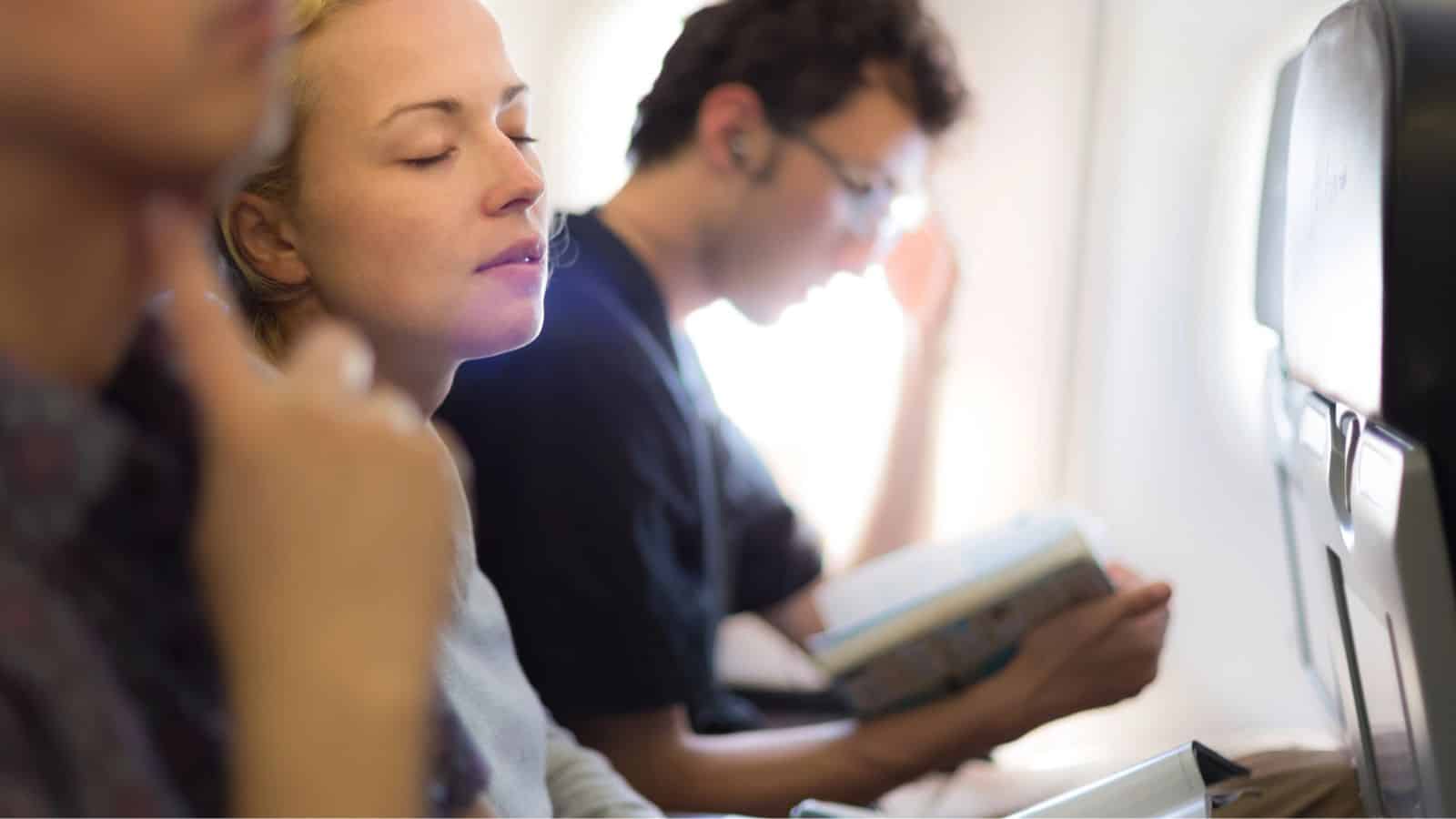
The middle seat isn’t anyone’s favorite, so one unspoken rule helps balance the discomfort: both armrests belong to the middle passenger. The aisle passenger has extra room to lean toward the aisle, and the window passenger has the wall to rest against. The person stuck in the middle has neither, so etiquette gives them those slim spaces to claim. It avoids awkward arm battles and helps everyone stay comfortable. If you’re in the aisle or window, slide your arm slightly off the shared rest—it’s a small gesture that acknowledges the middle seat’s lack of perks and makes for a smoother flight for everyone.
Stand Up When Your Row-Mates Need Out
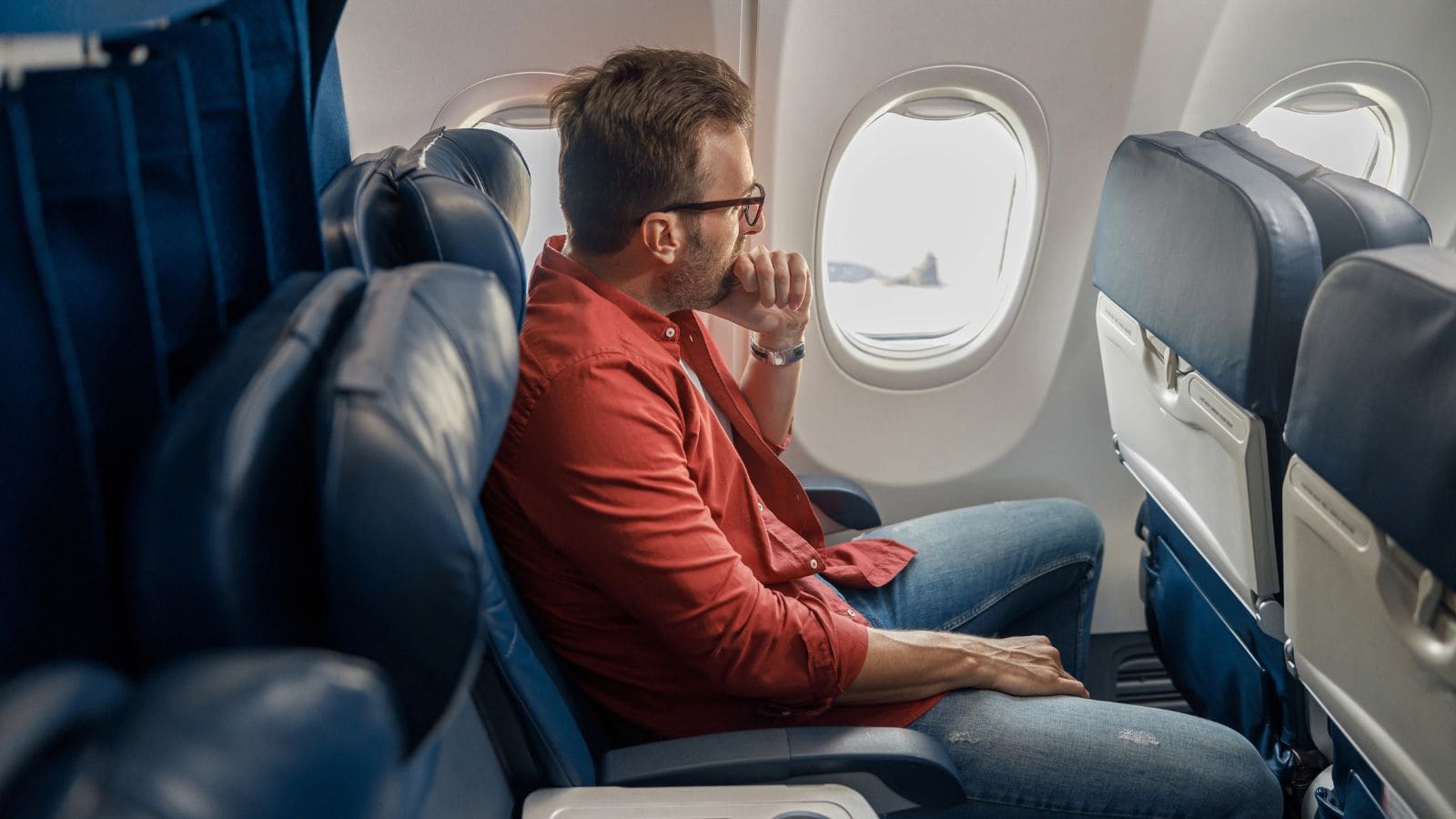
When the person next to you needs to get up, don’t just shuffle your legs slightly or force them to awkwardly climb over you. The polite move is to unbuckle, stand fully, and step into the aisle. It takes only a moment and spares your row-mate the awkward squeeze past knees, elbows, and bags. Staying seated often leads to bumped drinks or a clumsy stumble, which no one enjoys. Whether it’s for the restroom, stretching, or grabbing something from the overhead, standing up completely shows awareness and makes your shared row more comfortable for everyone.
Avoid Excessive Reclining
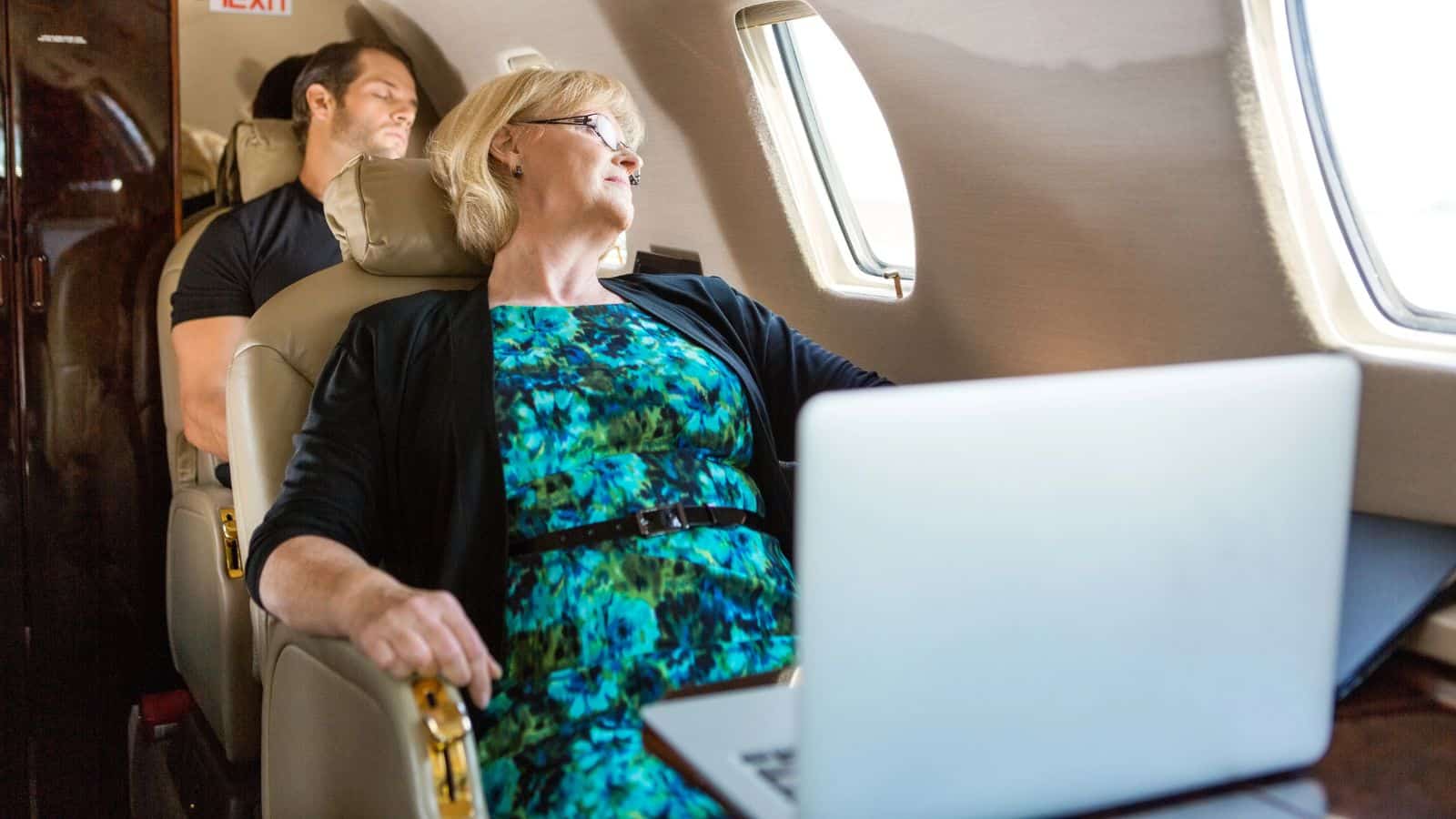
Reclining on a plane is always a touchy topic, and it’s even trickier for the middle seat. Yes, the recline button is there, but leaning back too far steals precious space from the person behind you, who is already feeling cramped. A light recline is fine, but slamming the seat all the way back for hours can spark frustration. Think about meal times too—don’t recline when the food trays are out. If you want to recline, do it slowly, so the person behind has a chance to adjust. A little thoughtfulness with that small tilt can prevent tension in an already tight cabin.
Keep Your Bag and Belongings Out of the Way

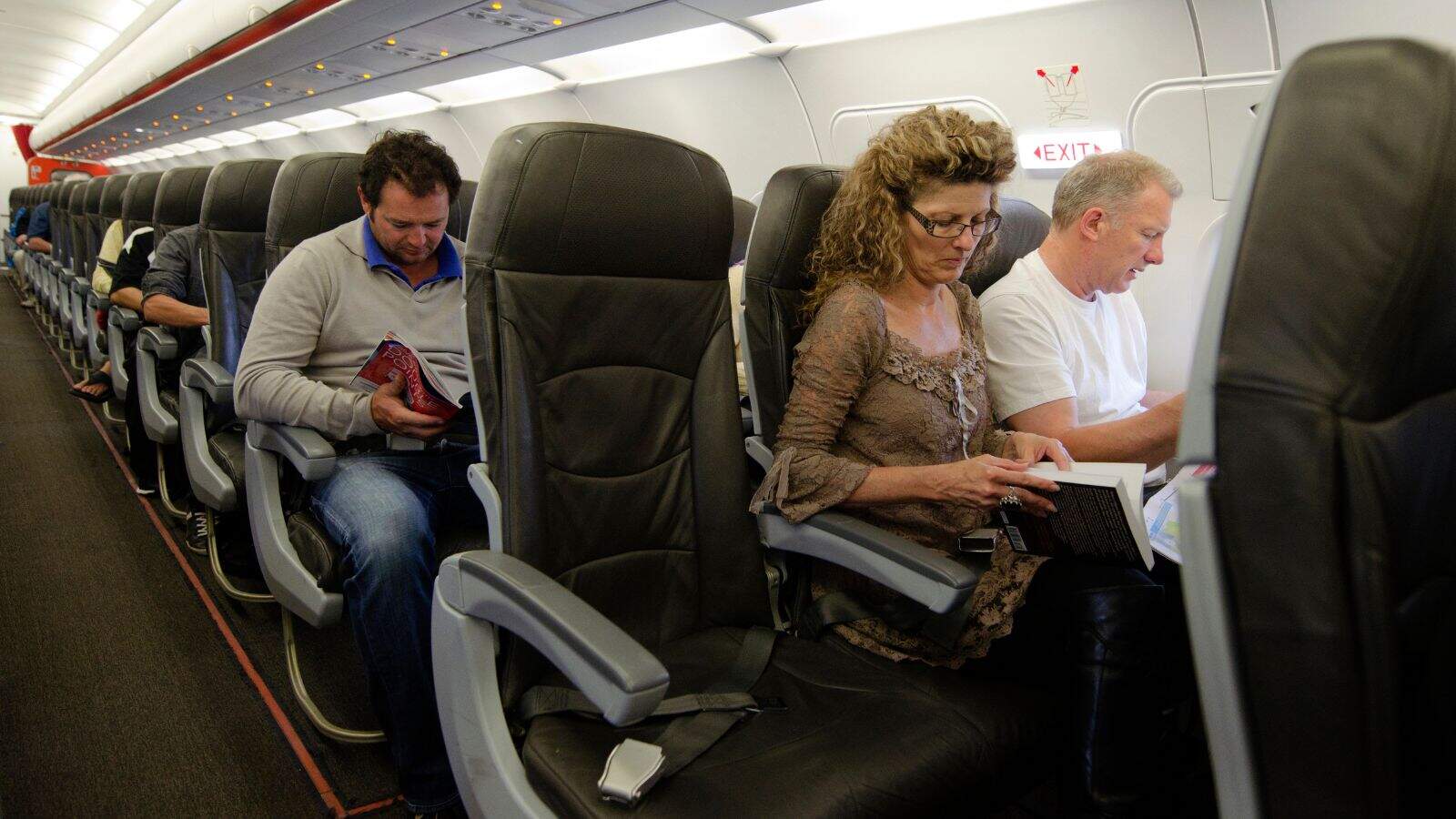
The middle seat already feels cramped, so don’t make it worse by letting your belongings spill everywhere. Bags should go in the overhead bin or fit neatly under the seat in front of you. Avoid letting straps, jackets, or shopping bags spread into the aisle or your neighbor’s foot space. The same goes for coats and personal items—stow them neatly rather than draping them over everything. It’s a small act of organization that keeps the row from feeling like a cluttered closet. Everyone appreciates a cleaner, less chaotic space, especially when legroom is already at a minimum.
Control Your Elbows and Knees
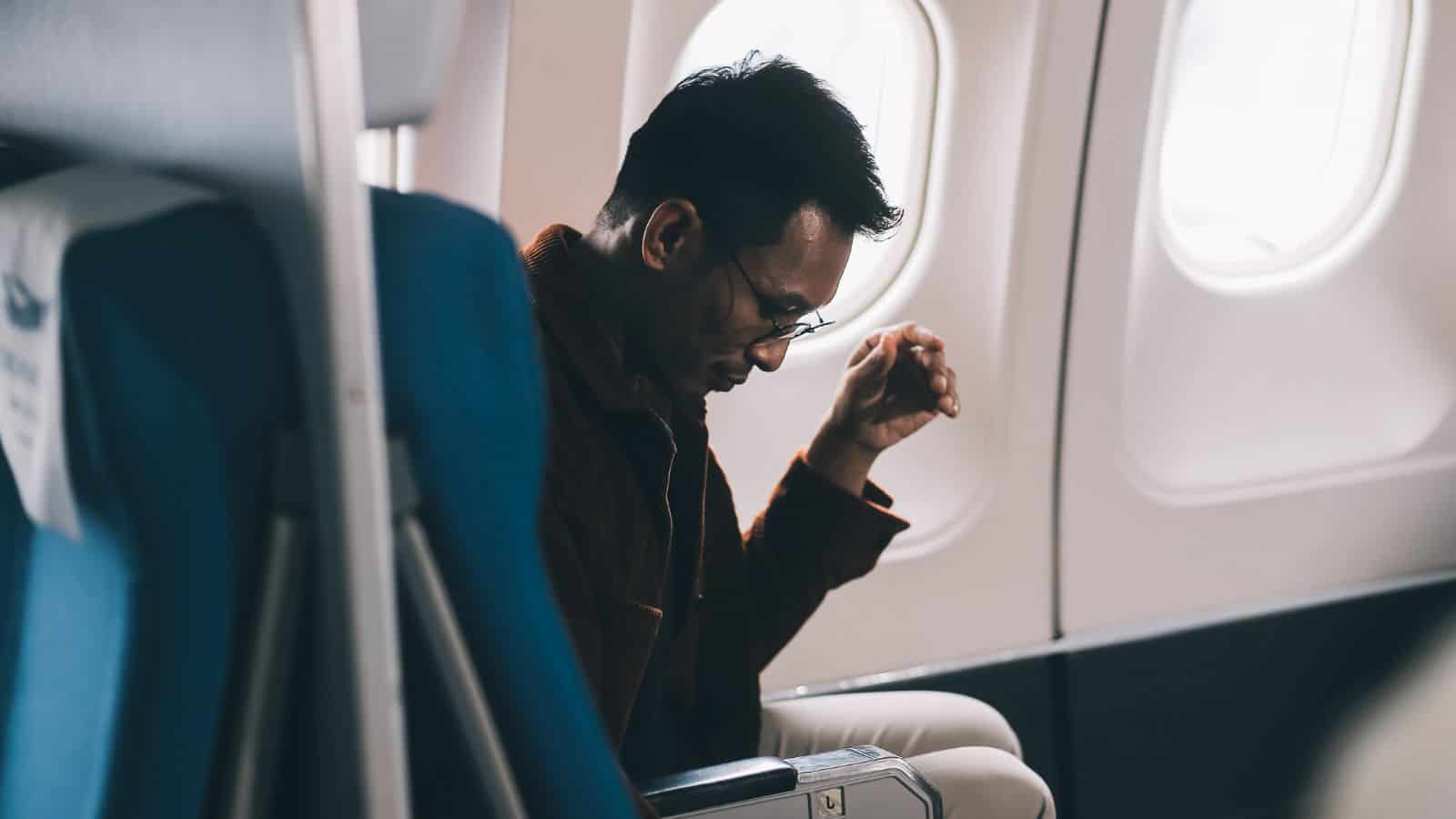
Space is tight in coach, but that doesn’t mean you can sprawl like you’re at home. The middle seat already earns both armrests, but that doesn’t mean claiming extra elbow territory beyond them. Keep your arms tucked within your space and be aware of where your knees are pointing, too. Spreading out too far can bump neighbors or block the aisle. It’s not about sitting stiffly—it’s about being mindful of movements so you’re not constantly brushing against others. Staying compact where you can helps everyone feel like they have just a little more room to breathe.
Want to save this?
Use Headphones for All Audio
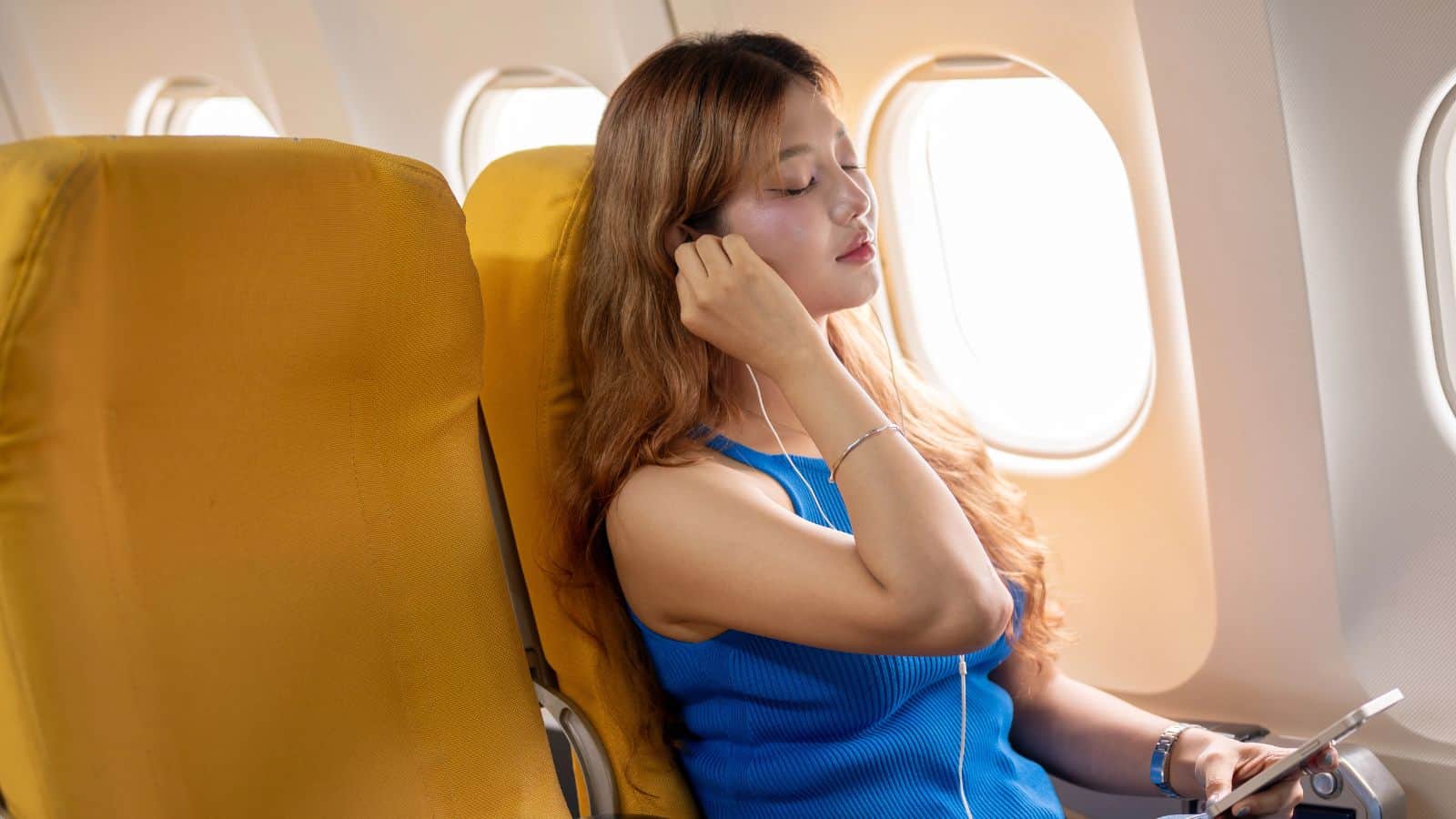
Planes are shared spaces, and sound travels easily in the tight cabin. Playing a movie, music, or even a quick video without headphones can irritate everyone around you. Even low volume can be distracting when dozens of people are sitting close together for hours. Using headphones—or earbuds—keeps the noise contained and respects the people in your row who might want to read, nap, or work. If you don’t have headphones, mute your device rather than letting audio spill into the air. It’s a simple step that makes the flight experience smoother for everyone, especially in an already crowded, enclosed environment.
Don’t Hog the Overhead Bin
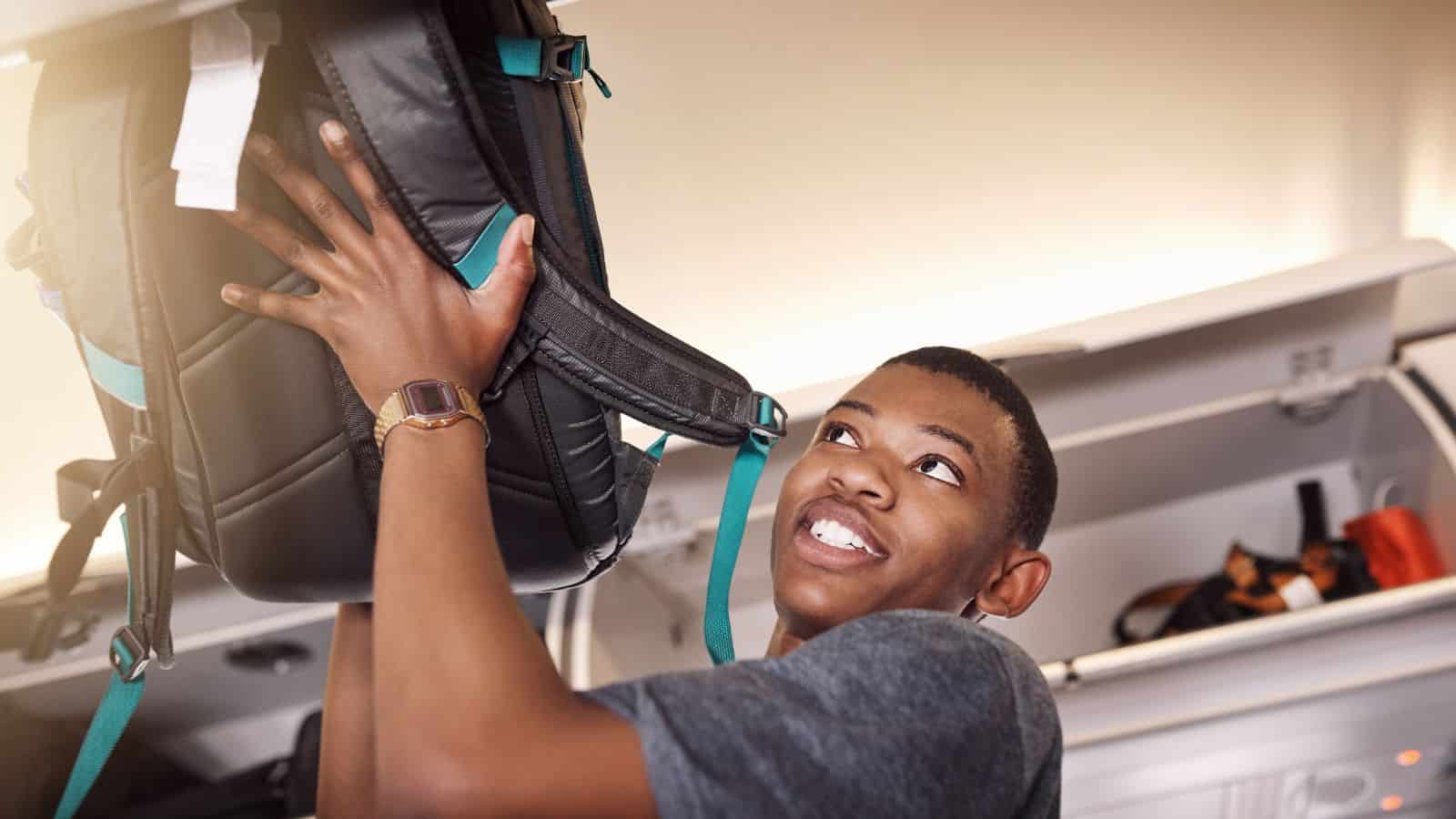
Overhead bin space is limited, and nothing annoys fellow passengers faster than one person using more than their fair share. Keep the big suitcase up there, but tuck coats, purses, or smaller items under the seat in front of you if possible. Shoving three bags into the bin leaves less room for others, leading to tense moments during boarding. Think about how your items are arranged, don’t place them sideways or spread out unnecessarily. Being mindful helps the boarding process go faster and keeps everyone’s belongings accessible, which is crucial when the plane fills up and bins get tight.
Stay Fresh and Neutral
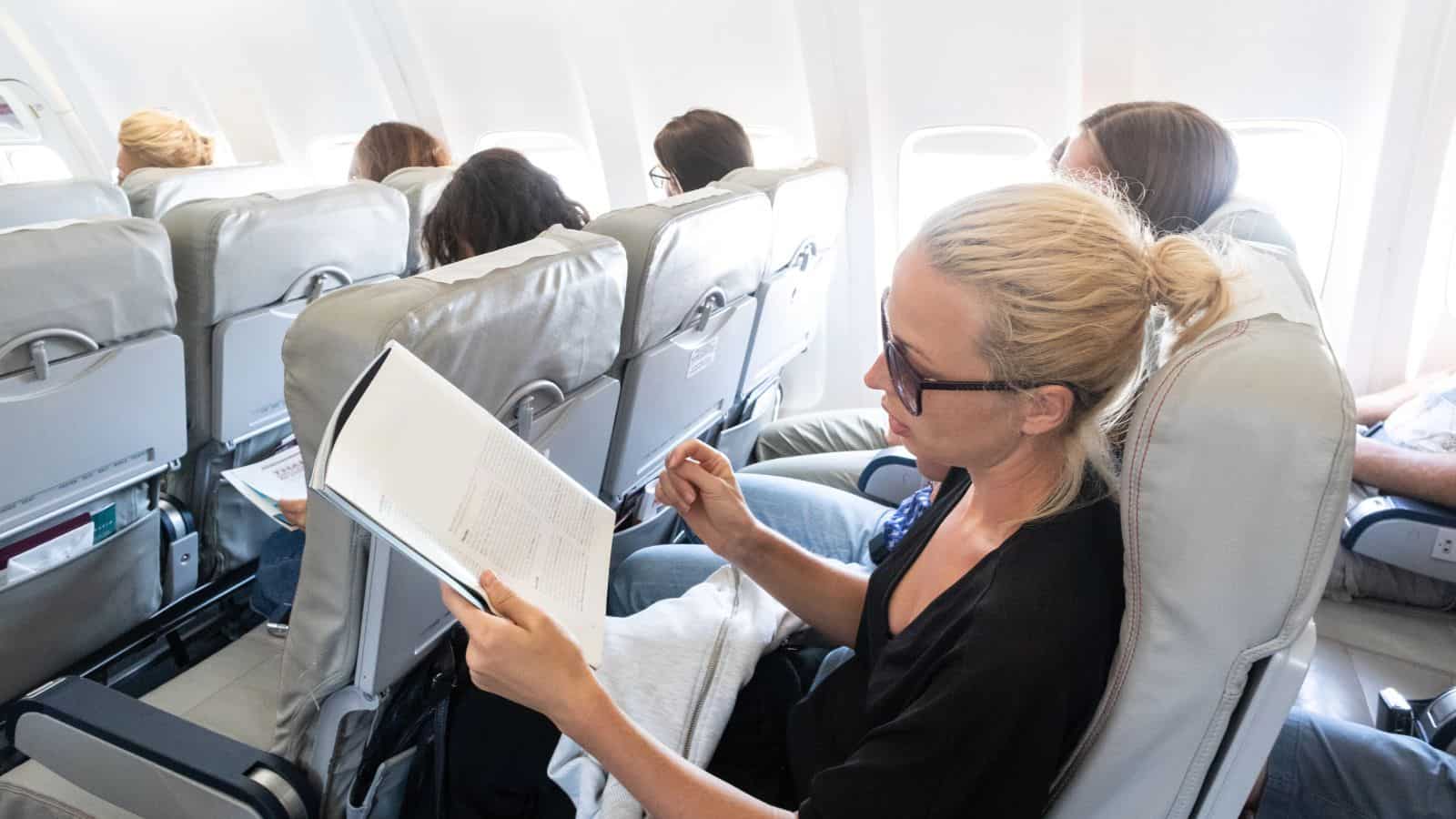
On a plane, there’s nowhere to escape strong scents, good or bad. Heavy perfume, leftover food smells, or skipping basic hygiene can make hours in close quarters uncomfortable for everyone around you. A light, neutral deodorant, a fresh shirt, and subtle grooming are all anyone really needs. Avoid overpowering lotions or snacks with intense odors that linger. When everyone is sharing recycled air in a small space, staying neutral helps keep the cabin more comfortable. It’s not about looking perfect, it’s about being considerate of the senses of the people who have no choice but to sit inches away.
Be Polite About Conversations
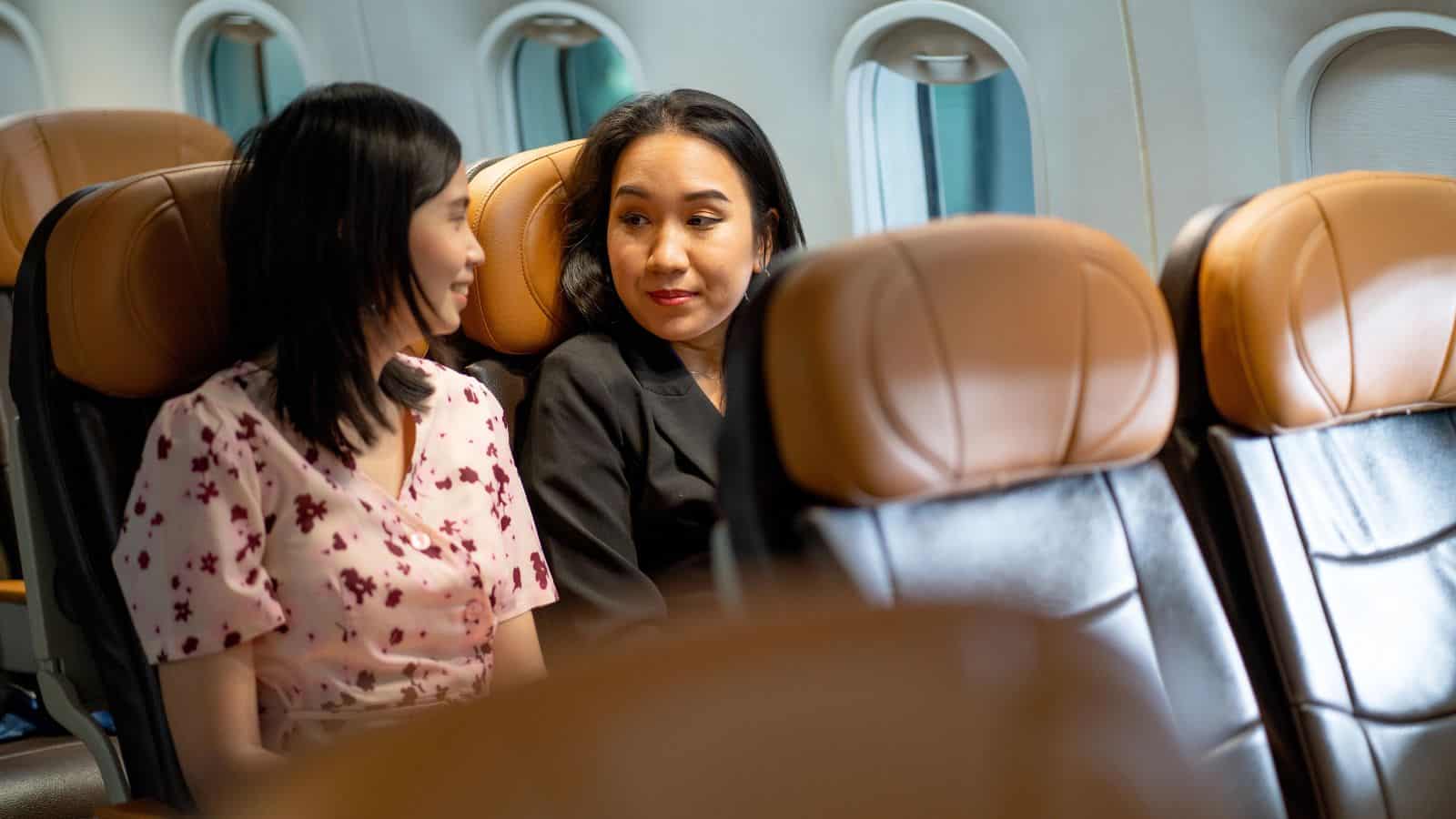
It’s fine to chat with your row-mates, but read the room, or in this case, the row. Some people like a friendly exchange; others clearly want to nap, read, or wear noise-canceling headphones. Starting a brief, friendly conversation is fine, but don’t launch into hours-long chatter if the other person isn’t engaging. Respect boundaries, and don’t ask overly personal questions or force small talk when someone is giving clear signals they’d rather be left alone. Airplanes are close quarters, and politeness means striking the right balance between friendliness and letting others enjoy their own quiet time.
13 Countries Where Good Manners Make or Break Your Trip

Planning to travel outside the country? Good manners can greatly impact travel experiences, and there are 13 countries where good manners make or break your trip. Understanding local customs and etiquette is essential for making a positive impression and ensuring a smooth visit. In some cultures, small gestures like saying "please" and "thank you" can go a long way, while in others, specific behaviors may be expected or even required.
Read More Here: 13 Countries Where Good Manners Make or Break Your Trip
10 Reasons Americans Are Trading US Life for Better Deals Abroad

Will these give you insight as you plan your life ahead? Many Americans are trading US life for better deals abroad, and there are 10 reasons driving this trend. Rising costs of living, healthcare expenses, and the desire for a better work-life balance are compelling individuals to seek opportunities in other countries. As living conditions and financial situations evolve, more people are exploring options that offer greater value for their money.
Read More Here: 10 Reasons Americans Are Trading US Life for Better Deals Abroad