Traveling across a large country can take effort, especially when distances are long, and planning takes time. Some trips across Canada stand out because the journey itself feels meaningful, not rushed or wasted. These routes often balance scenery, stops along the way, and a pace that makes the time spent feel worthwhile. Instead of focusing only on the destination, the experience unfolds gradually and stays memorable.
Choosing the right trip can shape how travel time is spent. When the route fits the goal, long drives, train rides, or flights feel more purposeful. Take a closer look at the trips travelers say are worth the time, think about personal travel preferences, and use the list to plan a Canadian journey that feels balanced from start to finish.
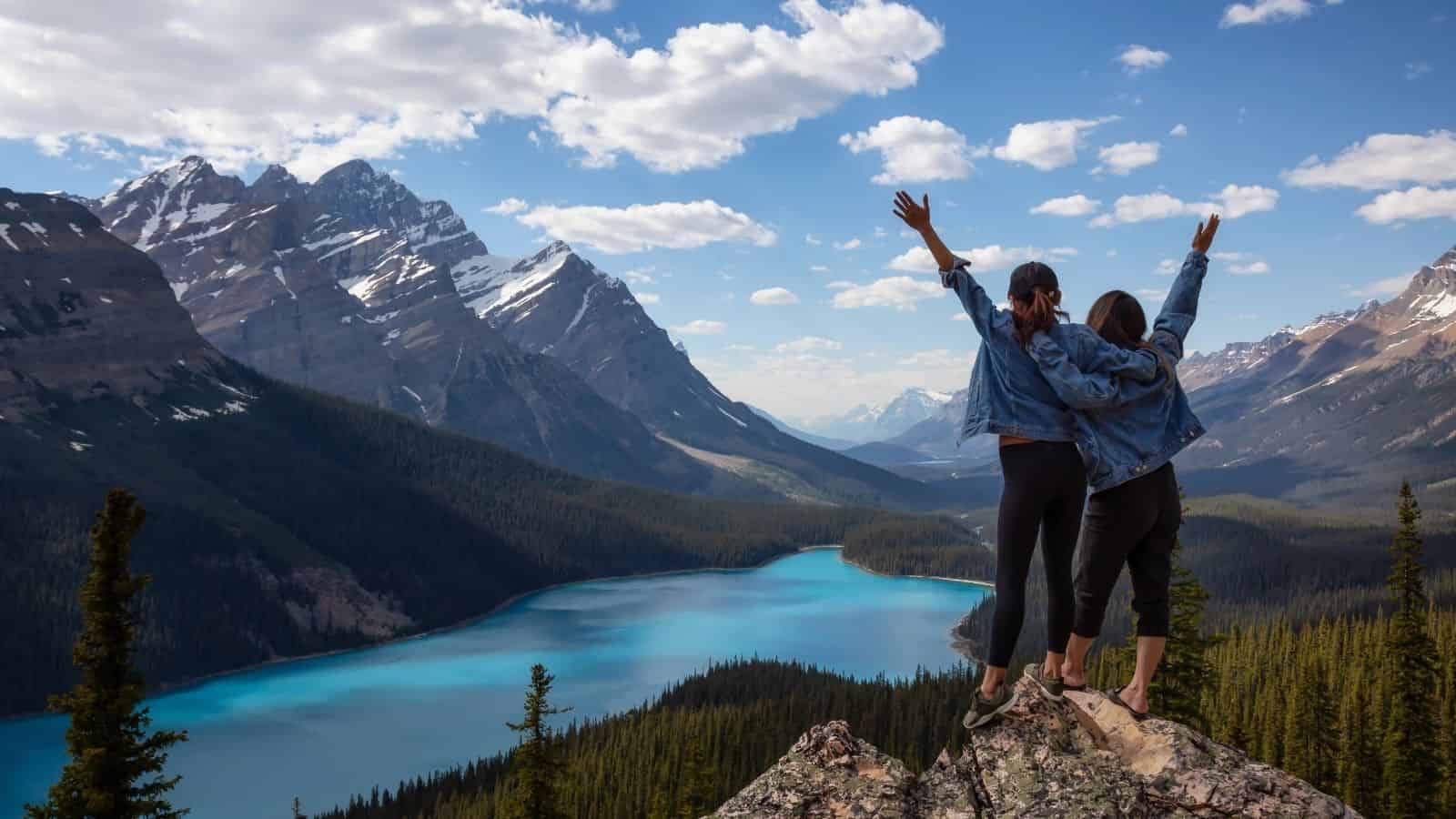
Vancouver to Banff (via the Rockies)

This journey feels rewarding because the transition happens gradually rather than all at once. Leaving the coast, travelers move through forests, river valleys, and mountain passes that steadily change in scale. Each day introduces a new visual rhythm without requiring excessive driving. Towns along the route create natural stopping points, which helps pacing stay realistic. The Rockies arrive as a culmination rather than a shock, making Banff feel earned rather than rushed. This trip works well for travelers who value progression, where distance reinforces appreciation instead of creating fatigue.
Cabot Trail, Nova Scotia

The Cabot Trail feels worth the time because it encourages steady movement rather than speed. Driving days remain compact, allowing frequent pauses without pressure. Coastal cliffs, highland sections, and fishing villages appear in close succession, keeping attention engaged throughout the loop. Changes in weather and light alter the landscape hour by hour, giving the same stretch multiple moods. Because the route circles back on itself, travelers can adjust pacing easily. The experience rewards patience and presence, making it well suited for those who want distance to feel intentional rather than demanding.
Quebec City to Charlevoix

This trip succeeds because of balance. The distance is short enough to avoid fatigue, yet varied enough to feel distinct from start to finish. Leaving Quebec City, the St. Lawrence River remains a constant reference point while terrain opens into quieter towns and countryside. Each stop feels connected but not repetitive. Driving times allow space for walking, local stops, and unplanned pauses. The route supports a slower pace without feeling limited. It’s a strong option for travelers who want a clear shift in setting without committing to a long-haul journey.
Toronto to Prince Edward County

This route feels worthwhile because the contrast arrives quickly but clearly. Urban density gives way to open roads, farmland, and shoreline without requiring a long drive. The shift in pace is immediate, helping travelers feel removed from city patterns in a short time. Distances within the county stay manageable, allowing days to unfold without rushing. The trip works well for shorter travel windows while still providing a sense of transition. It’s especially effective for travelers who want time to feel spacious without covering major ground.
Icefields Parkway (Banff to Jasper)

The Icefields Parkway earns its reputation because stopping often feels necessary rather than optional. The drive itself is the focus, with glaciers, lakes, and mountain faces appearing at regular intervals. Short distances between pullouts make it easy to stay engaged without exhaustion. Even slow progress feels productive, as each section offers something distinct. The route supports flexible timing, allowing travelers to adjust based on weather or energy. This trip works best for those who value immersion, where the time spent moving deepens connection rather than competing with it.
Want to save this?
Montreal to the Eastern Townships
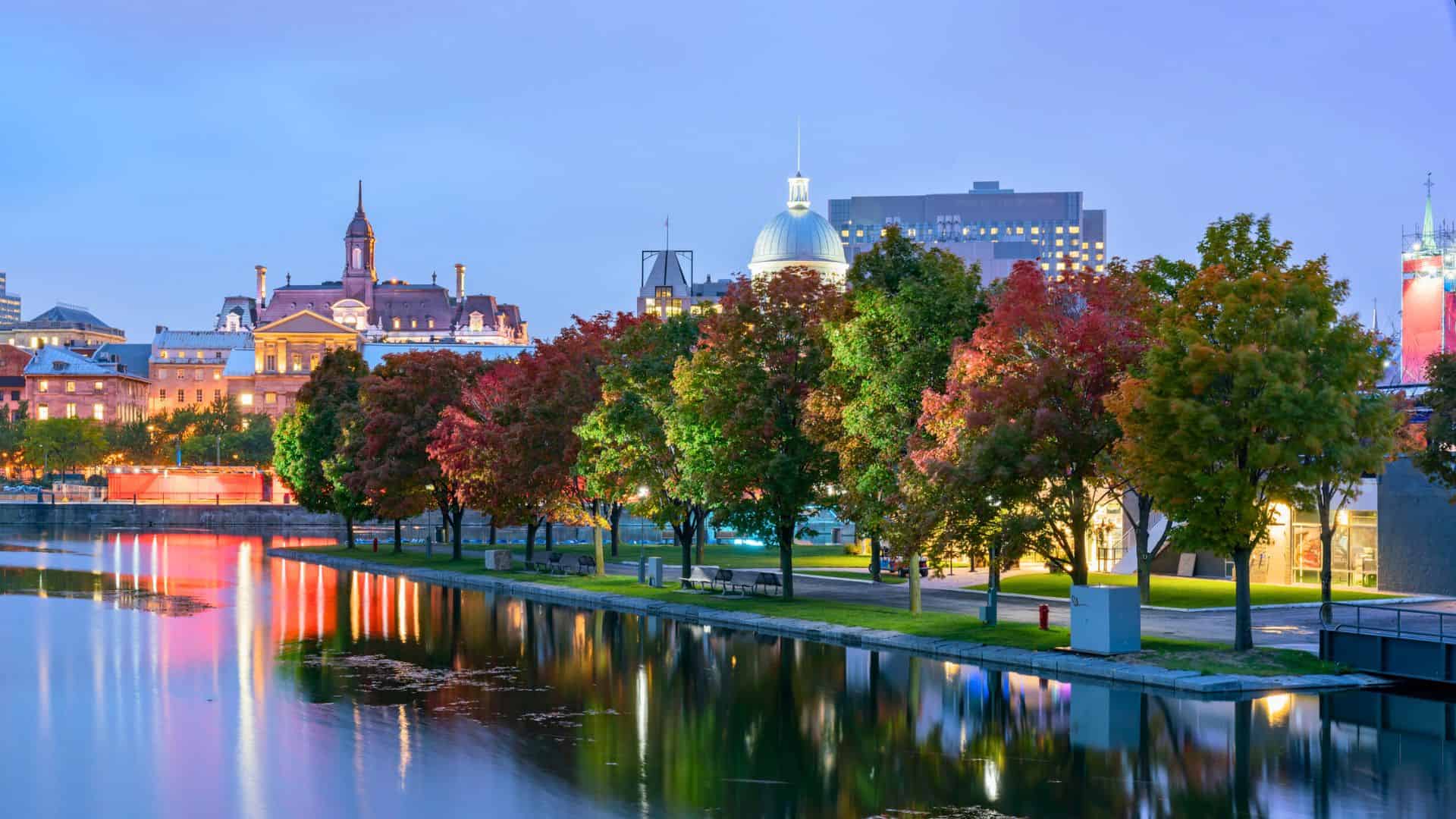
This trip feels worth the time because the transition unfolds gently rather than abruptly. Leaving Montreal, urban density gives way to rolling hills, smaller town centers, and quieter roads. Distances remain short, which keeps driving from dominating the day. Travelers can stop frequently without feeling behind schedule, allowing time for walking and exploring along the way. Seasonal changes shape the experience clearly, from autumn color to spring greenery. The route supports a relaxed pace that still feels purposeful, making it a strong option for travelers who want movement without constant motion.
St. John’s to the Bonavista Peninsula
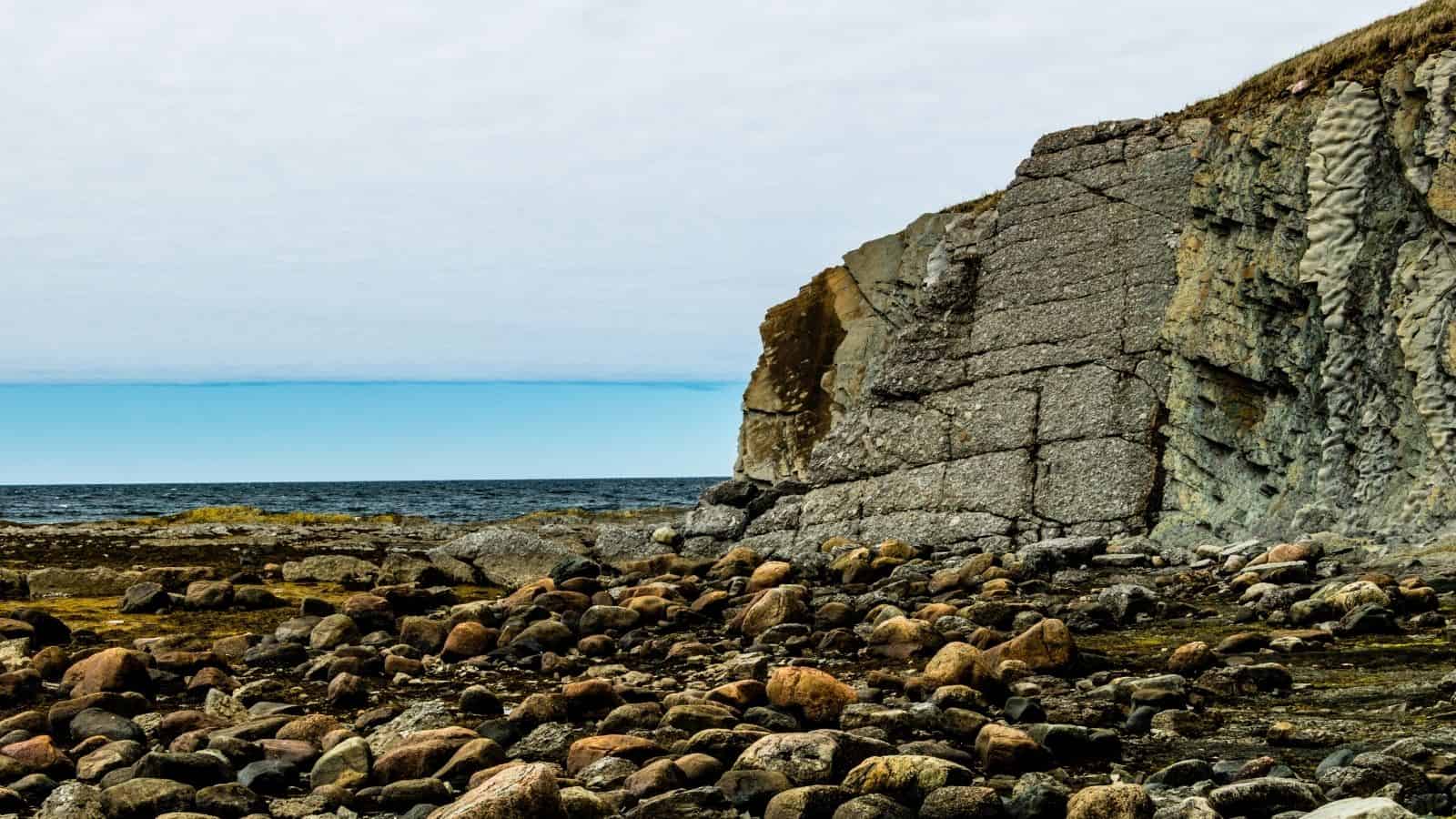
This journey rewards patience and attention. The drive includes long, open stretches that build anticipation rather than fatigue. Small coastal communities appear intermittently, each with its own rhythm and character. The sense of distance reinforces place, making arrival feel meaningful. Travelers often find the slower pace clarifying rather than draining. Roads encourage focus, and stops feel intentional instead of rushed. The trip works well for those comfortable with quieter stretches, where time spent traveling strengthens connection rather than competing with it.
Winnipeg to Riding Mountain National Park
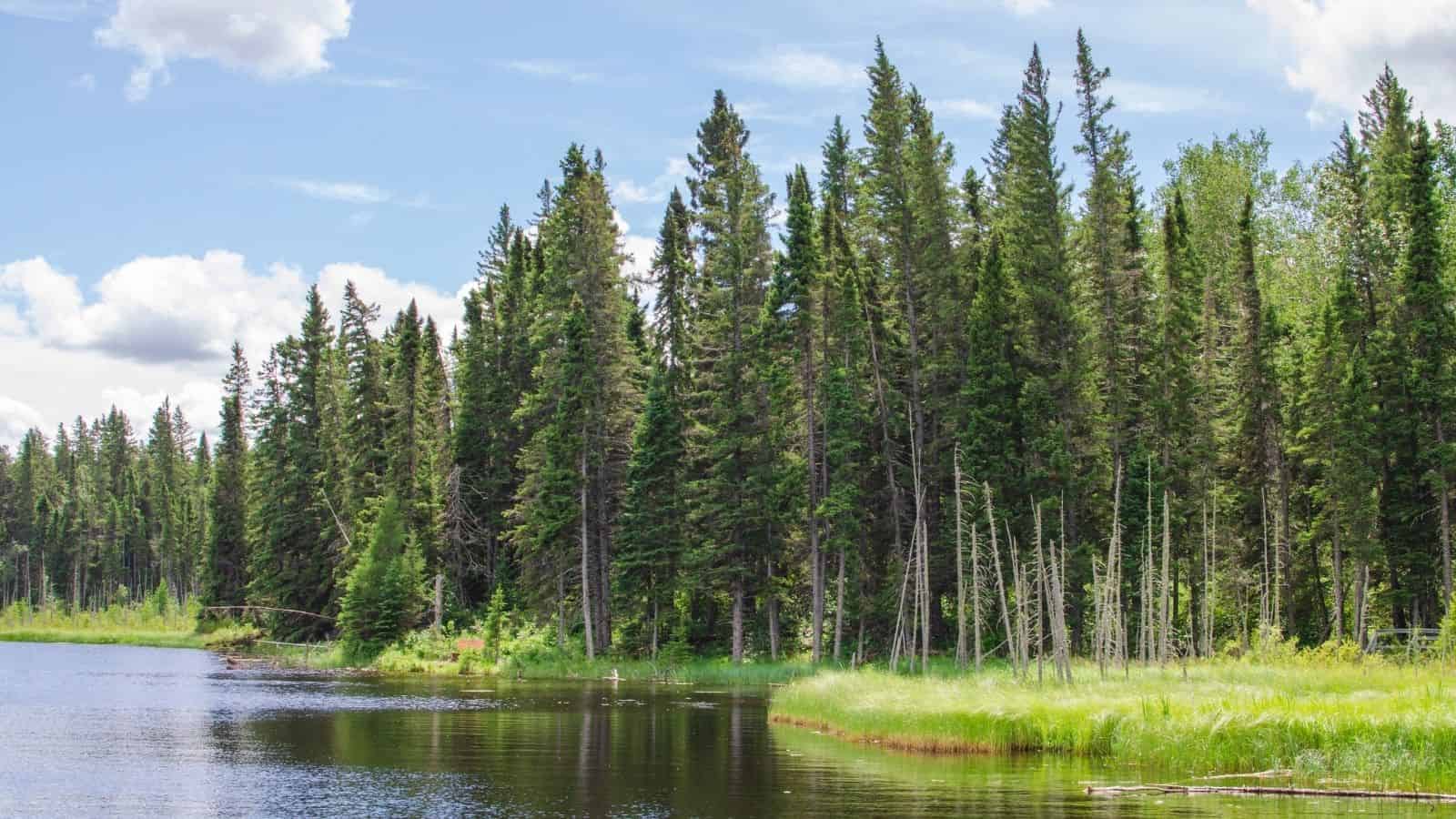
This route feels worthwhile because the change in landscape is clear and direct. Prairie roads stretch outward before giving way to forested terrain and higher ground. The shift happens gradually enough to notice but quickly enough to avoid monotony. Driving times remain manageable, leaving room for exploration once inside the park. The contrast between open plains and wooded areas creates a strong sense of arrival. This trip suits travelers who value visible transition and appreciate journeys where distance reinforces the feeling of moving into a different environment.
Whitehorse to Kluane National Park

This trip feels earned through scale and openness. Roads are long and lightly traveled, encouraging focus and steady pacing. The landscape grows more expansive with each mile, reinforcing the sense of moving deeper into a distinct environment. Stops are fewer but feel meaningful, shaped by views rather than services. Travelers comfortable with distance often find the experience grounding rather than taxing. The journey works best when time is treated as part of the experience, allowing the drive itself to shape understanding of place rather than serving only as a means to an end.
13 Things Tourists Should Never Do in Canada

Canada, known for its friendly people and stunning landscapes, is a popular destination for travelers. However, even the most seasoned visitors can sometimes unknowingly break local customs or make mistakes that could lead to awkward situations. The country's laid-back nature and open-door policy shouldn't fool anyone into thinking that anything goes. There are a few behaviors and actions that can leave a bad impression or even be considered disrespectful by Canadians. From cultural misunderstandings to basic etiquette blunders, tourists need to be aware of these common missteps to fully enjoy their trip.
Read More Here: 13 Things Tourists Should Never Do in Canada
10 Reasons Americans Are Trading US Life for Better Deals Abroad

Will these give you insight? Many Americans are trading US life for better deals abroad, and there are 10 reasons driving this trend. Rising costs of living, healthcare expenses, and the desire for a better work-life balance are compelling individuals to seek opportunities in other countries. As living conditions and financial situations evolve, more people are exploring options that offer greater value for their money.
Read More Here: 10 Reasons Americans Are Trading US Life for Better Deals Abroad