Travel planning has become more detail-focused than it used to be, especially as small oversights can lead to bigger problems later. Many travelers have learned, often the hard way, that certain details need a second look before a trip begins. From booking rules to entry requirements and timing, these checks help avoid stress that can derail plans. Over time, repeat travelers develop habits that protect their time and money.
Paying attention to these details can make trips run more smoothly from start to finish. When the right things are double-checked early, there’s more room to adjust if plans change. Take a closer look at what travelers now make a habit of reviewing, compare them to current routines, and use the insights to travel with fewer surprises and more confidence.

Cancellation terms

Travelers now treat cancellation terms as required reading rather than optional fine print. Experience has shown how often plans shift due to schedule changes, health issues, or transportation disruptions. People check whether refunds go back to the original payment method, turn into credits, or disappear entirely. They also look at deadlines, partial refund rules, and exceptions tied to specific circumstances. What once felt like a formality now shapes booking decisions directly. Travelers understand that flexibility has real value, and they prefer clarity before committing rather than discovering limits only when a change becomes necessary.
Exact location on a map

An address alone no longer feels sufficient. Travelers now open maps to study walking distances, transit stops, elevation changes, and nearby services. They check whether the location sits on a busy road, far from essentials, or isolated from daily activity. What looks close on a listing can feel very different on foot. This habit comes from arriving late, tired, or unfamiliar with the area and realizing the setting doesn’t support easy movement. Verifying location helps travelers choose places that fit how they actually move, not how listings describe proximity.
Total price after fees

Base prices rarely tell the full story. Travelers now scroll carefully to find cleaning charges, service fees, local taxes, or mandatory add-ons that appear late in the process. They compare final totals rather than headline numbers, knowing that small differences add up quickly. Many have learned this lesson after booking what seemed affordable, only to see the price jump at checkout. Confirming the real total helps avoid regret and keeps budgeting realistic. Travelers value transparency and prefer knowing the full cost upfront rather than discovering it after committing time and attention.
Check-in and check-out times

Arrival and departure times now receive closer attention than before. Early landings or late flights can create long gaps without access to rooms or luggage storage. Travelers check whether flexibility exists, what happens if arrival runs late, and whether fees apply for timing changes. This habit often comes from standing outside accommodations exhausted after overnight travel. Knowing timing details helps travelers plan first and last days more comfortably. It also shapes flight and train choices, aligning schedules with realistic access rather than ideal assumptions about immediate entry or extended stays.
Layover length and airport layout

Travelers no longer trust connection times at face value. They check whether a layover requires changing terminals, passing through security again, or covering long walking distances. Airport size, signage clarity, and past delay patterns all factor into the decision. A connection that looks acceptable on paper can feel impossible in practice. Many travelers adopt longer buffers after missing flights due to tight scheduling. Understanding airport layout helps reduce stress and lowers the risk of cascading delays that disrupt entire trips rather than just a single flight segment.
Want to save this?
Seasonal hours and closures
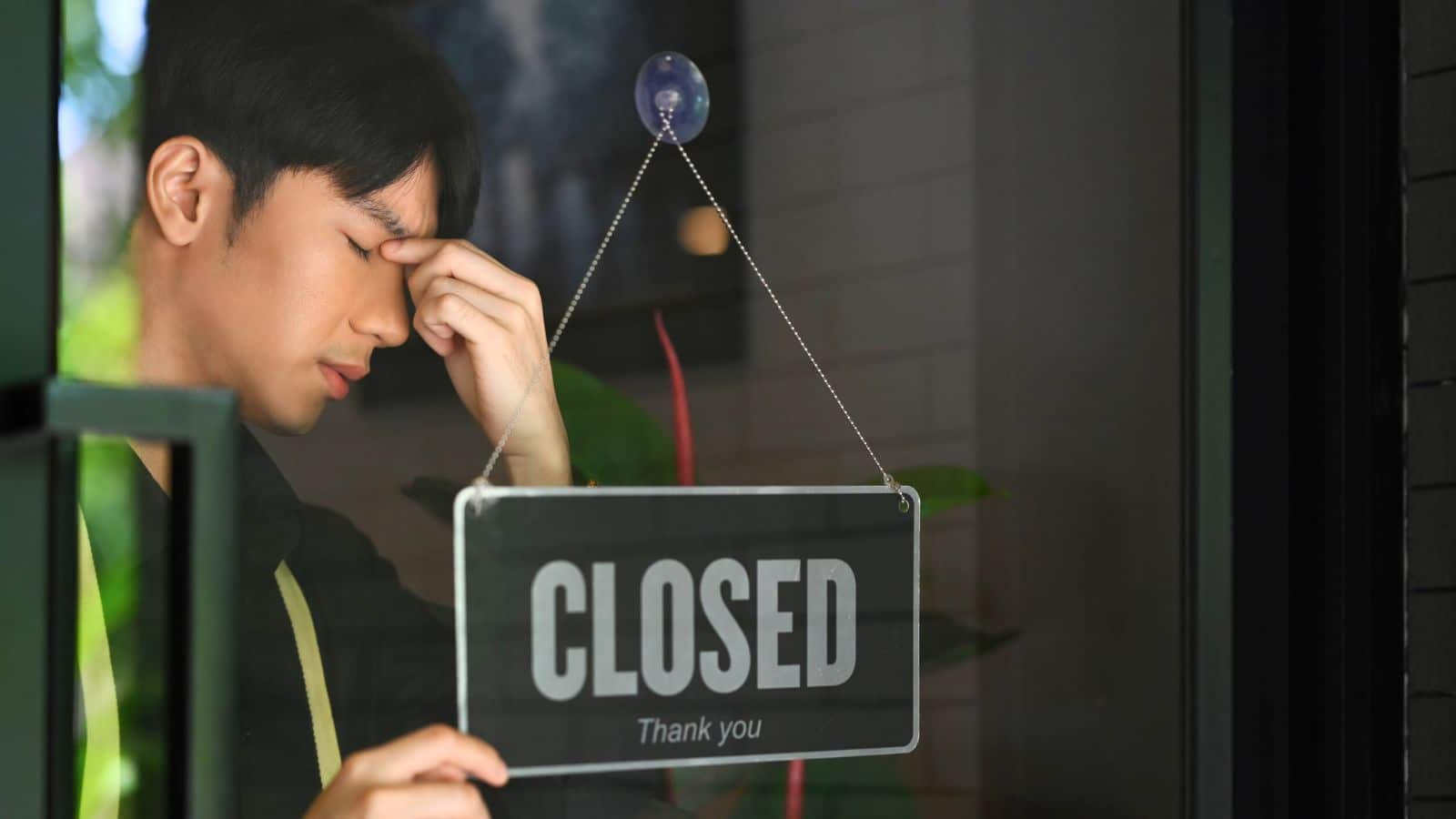
Travelers now check operating schedules tied to seasons rather than assuming year-round access. Museums, ferries, hiking routes, and even restaurants may reduce hours or close entirely outside peak periods. Many people have arrived expecting normal access only to find limited options available. This habit comes from learning that timing shapes function just as much as location. Travelers verify whether places operate daily, require reservations, or shut down on specific days. Understanding seasonal patterns helps avoid wasted travel time and reshapes daily plans before arrival rather than forcing last-minute adjustments.
Room type or bed configuration

Photos and listing titles often hide important details. Travelers now confirm exactly what room type they’re booking, including bed size, number of beds, and whether spaces are shared or private. This habit comes from arriving to unexpected layouts that affect comfort or sleep. Families, couples, and solo travelers all have different needs that aren’t always clear in summaries. Verifying room details helps align expectations with reality. Travelers have learned that assumptions based on images lead to disappointment, while careful review avoids small mismatches that affect the entire stay.
Recent reviews across multiple months

Travelers now read reviews across a wider time range instead of focusing only on the newest or highest-rated ones. Patterns become visible when feedback is viewed over months rather than days. Issues like noise, cleanliness, or management changes often repeat quietly over time. This habit develops after realizing that short-term spikes in ratings can mask ongoing problems. Travelers look for consistency rather than perfection. Reading varied reviews builds a clearer picture of what to expect and helps avoid surprises that others have already documented.
Local transit availability

Access doesn’t always equal frequency. Travelers now check how early, late, and often buses, trains, or ferries actually run. A nearby stop means little if service ends early or runs infrequently. This habit comes from being stranded late at night or forced into expensive alternatives. Travelers verify schedules for weekends, holidays, and off-peak hours. Understanding transit patterns helps shape accommodation choice and daily movement. Reliable access reduces stress and keeps plans flexible, especially in unfamiliar places where walking long distances isn’t always practical.
9 Airport Gate Etiquette Mistakes That Make Everyone Hate You

Take note of these things! Navigating the airport can be stressful, and certain behaviors at the gate can make the experience even worse for everyone around. There are nine airport gate etiquette mistakes that make everyone hate you, and recognizing these actions can help create a more pleasant environment for all travelers. Whether it’s taking up too much space with luggage or engaging in loud conversations, these habits can quickly irritate fellow passengers.
Read More Here: 9 Airport Gate Etiquette Mistakes That Make Everyone Hate You
15 Common Airport Mistakes You Might Be Making

Avoid making these mistakes at all costs! Navigating an airport can be a stressful experience, and many travelers unknowingly make mistakes along the way. There are 15 common airport mistakes you might be making that can lead to unnecessary delays and frustration. From packing the wrong items to misjudging security lines, these blunders can turn an exciting trip into a hassle.
Read More Here: 15 Common Airport Mistakes You Might Be Making