Traveling frequently can bring peace of mind only when things at home feel secure. That’s why home security hacks for people who travel often are more important than ever. Simple habits like setting timers for lights, securing entry points, and creating the impression that someone is home can go a long way toward protecting belongings and easing stress while away. It’s not about high-tech gadgets alone—sometimes, small changes and thoughtful planning make the biggest difference in keeping a home safe.
With these smart hacks, travelers can focus more on enjoying the road ahead instead of worrying about what’s left behind. From practical steps to clever tricks, each method is designed to reduce risks and strengthen peace of mind. Whether heading out for a weekend getaway or a month-long adventure, knowing the house is protected makes travel feel more carefree. So before the next trip, take a few minutes to put these strategies into place and travel with confidence.
Install smart locks
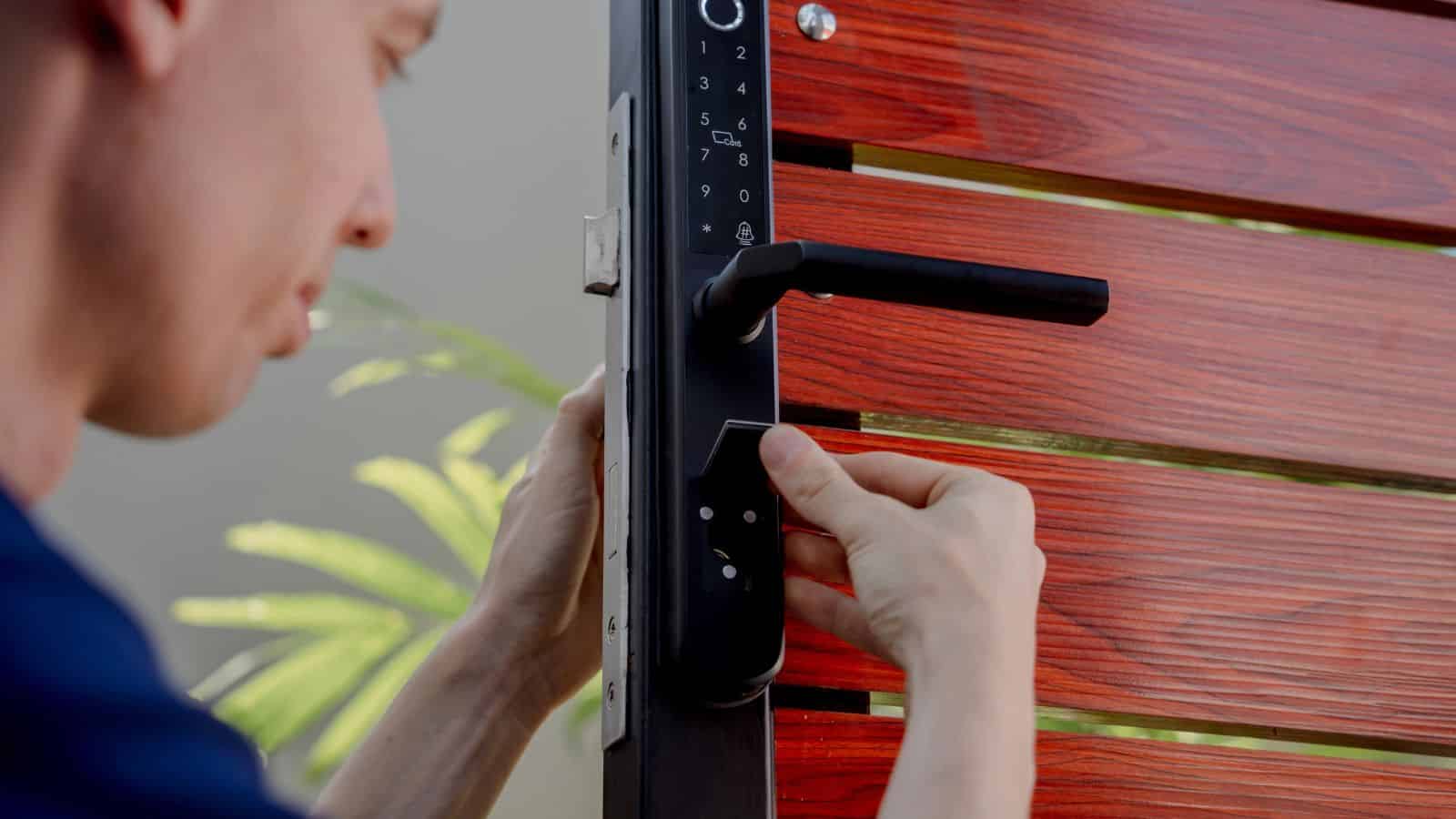
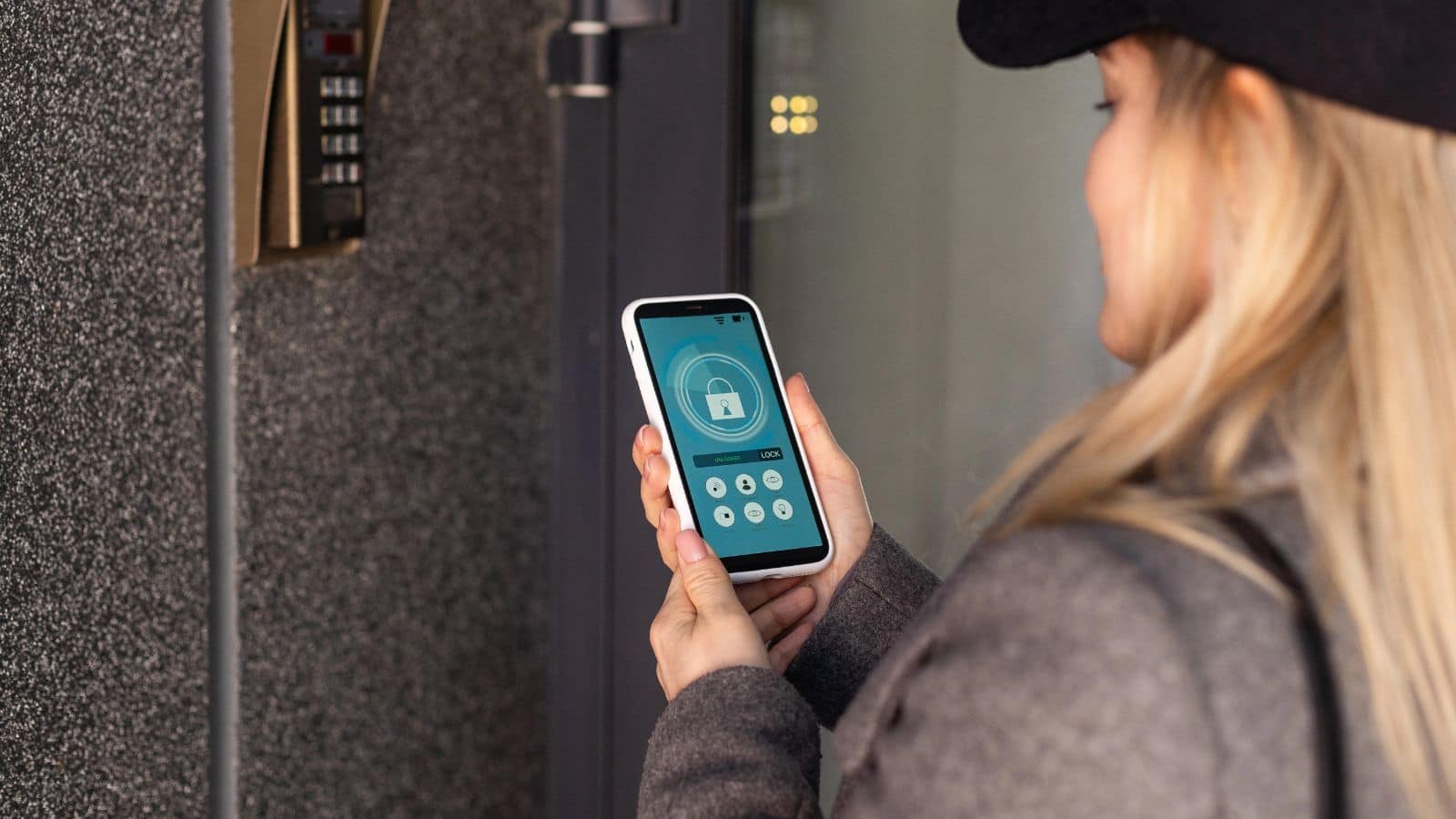
Smart locks allow you to control and monitor your doors remotely through a smartphone app, which is particularly useful when traveling frequently. They can be programmed to lock automatically after a set period and give you the ability to grant or revoke access without handing over physical keys. Temporary digital codes can be shared with house sitters, cleaners, or maintenance workers, then deactivated once they’ve done their job. Many smart locks integrate with home security systems and send alerts if someone attempts unauthorized entry. With strong encryption and tamper alerts, they reduce the risk of traditional lock-picking. This added control can help you feel more confident about your home’s security while away.
Set timers for lights and electronics
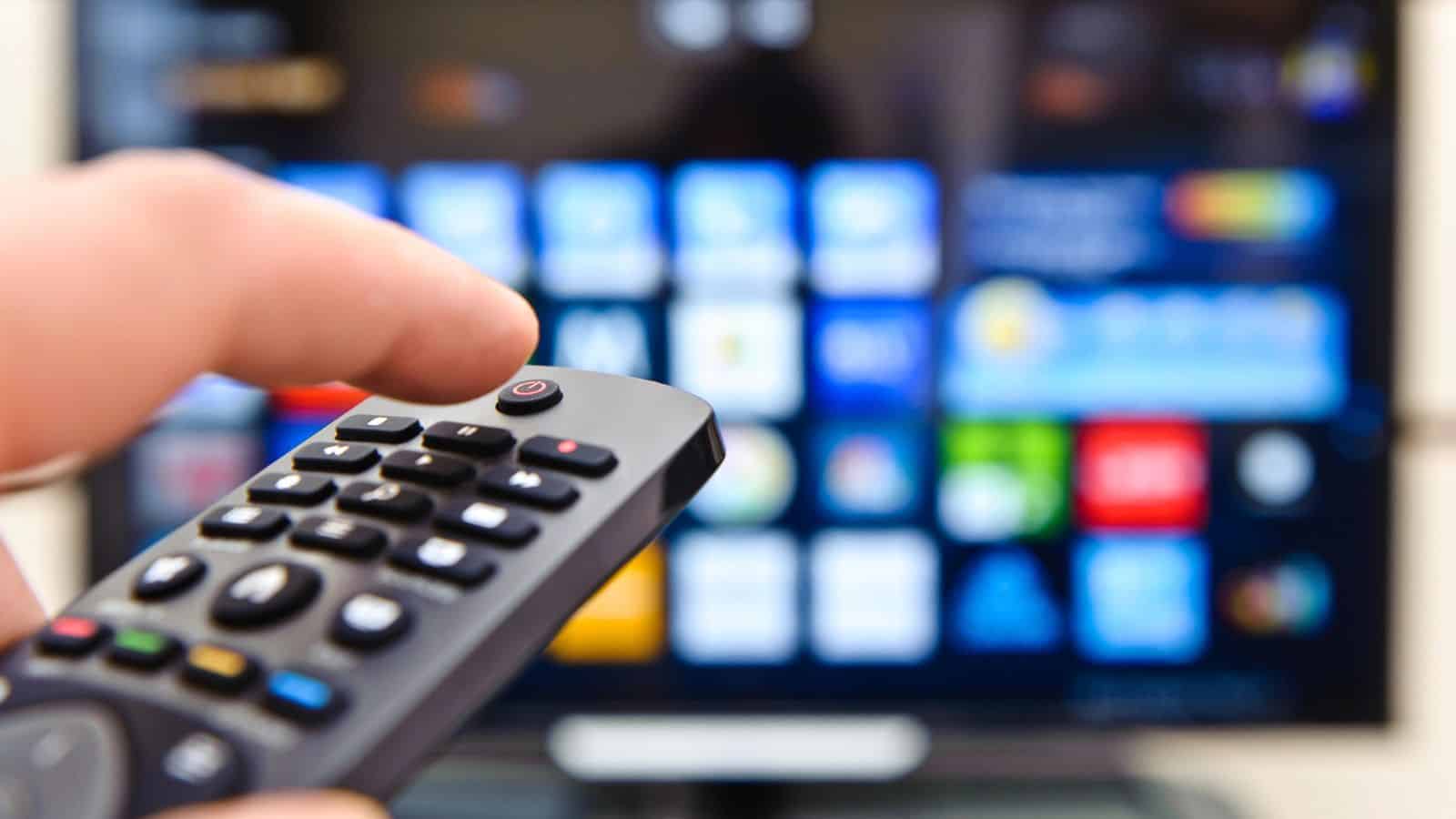
Using timers for lights, radios, or televisions can create the impression that someone is home, even when you’re traveling. Choose timers that can be programmed for varied on/off times to avoid patterns that could be noticed by someone watching your property. Smart plugs and home automation systems make it even easier to control these devices remotely. Placing lights in living rooms, bedrooms, and entryways on timers can simulate normal activity. Switching on a TV or radio occasionally can add to the effect, masking the silence that often comes with an empty home. This approach is low-cost yet effective for discouraging unwanted attention.
Ask a trusted neighbor for help

Having a trusted neighbor keep an eye on your property is a simple yet highly effective safety step. They can collect mail and packages, which prevents visible signs that you’re away. Neighbors can also check for flyers or newspapers left on your doorstep and watch for unfamiliar vehicles near your home. Giving them a spare key means they can respond to minor issues like a tripped breaker or a weather-related problem. In return, offer to do the same for them when they travel. A good neighbor can be an extra layer of surveillance, noticing details you might otherwise miss.
Stop mail and deliveries
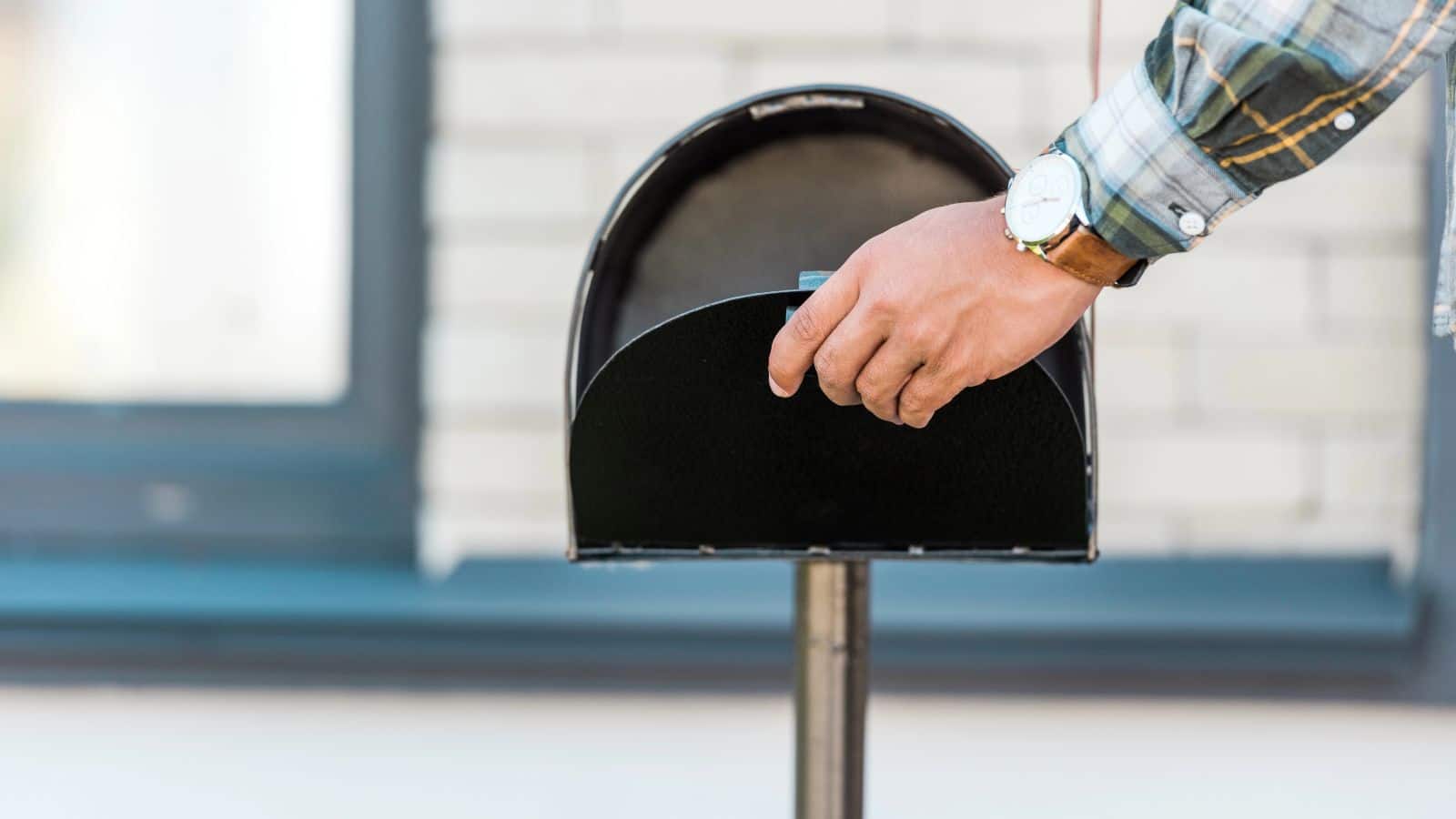
A full mailbox or packages left at your door can signal that no one is home. Before leaving for a trip, request a temporary hold from your local post office and reschedule any package deliveries. Most shipping companies offer options to redirect or delay shipments until you return. For longer trips, this prevents your items from being stolen or damaged by weather. If you can’t reschedule, arrange for a neighbor or friend to collect items promptly. Taking this step keeps your property looking lived-in and reduces the chance of attracting attention from potential thieves.
Use a monitored security system
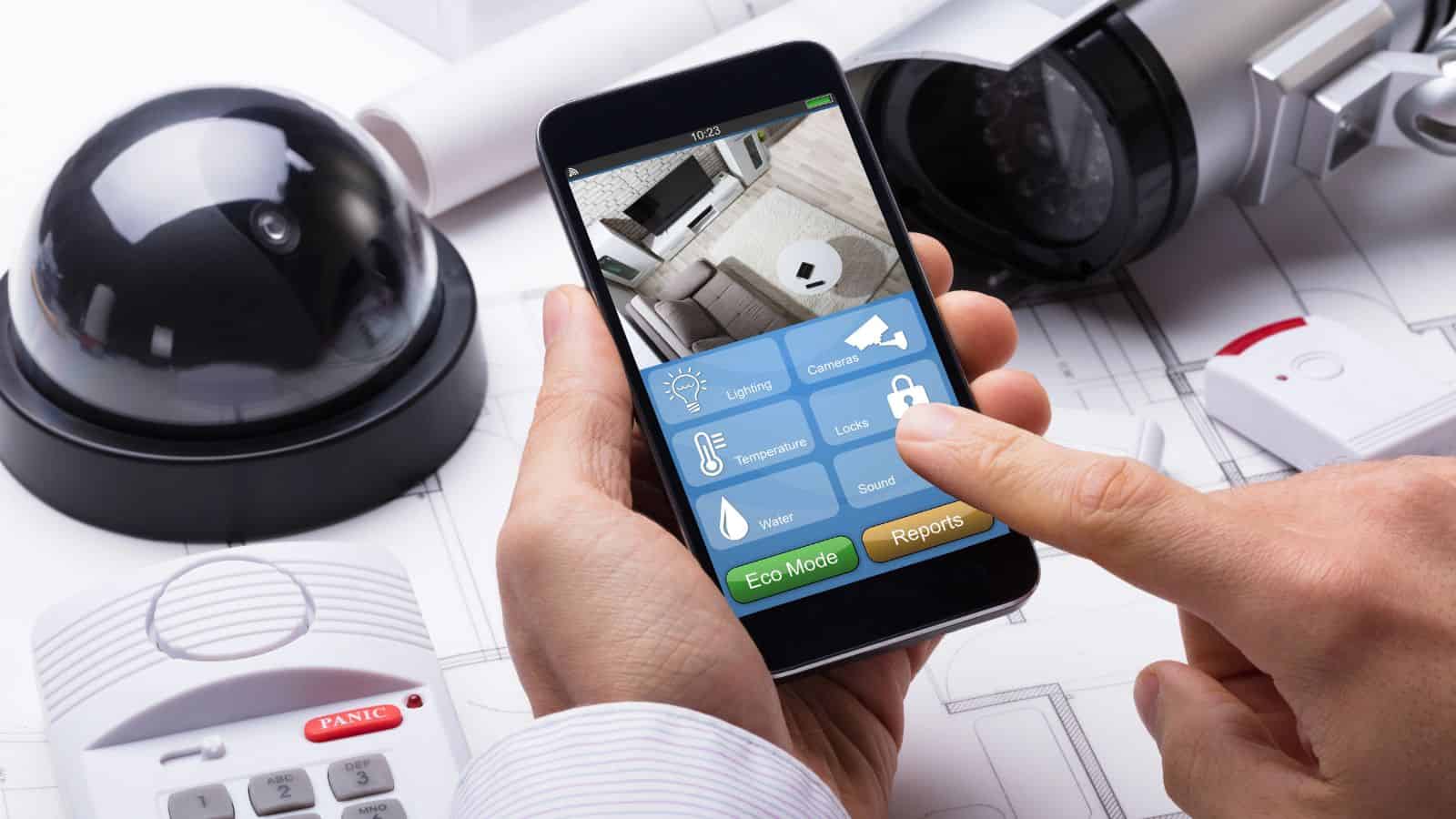
A monitored security system connects your home to a professional service that can alert authorities if an alarm is triggered. These systems often include door and window sensors, motion detectors, and glass-break sensors to cover various entry points. Some offer integration with cameras and smart devices for real-time updates. Signs or stickers from the security company can also discourage break-ins before they happen. If an intrusion occurs, the monitoring center can verify the alert and dispatch police quickly. The added backup of human monitoring can make your security setup far more effective than stand-alone devices.
Want to save this?
Secure sliding doors with a rod or security bar
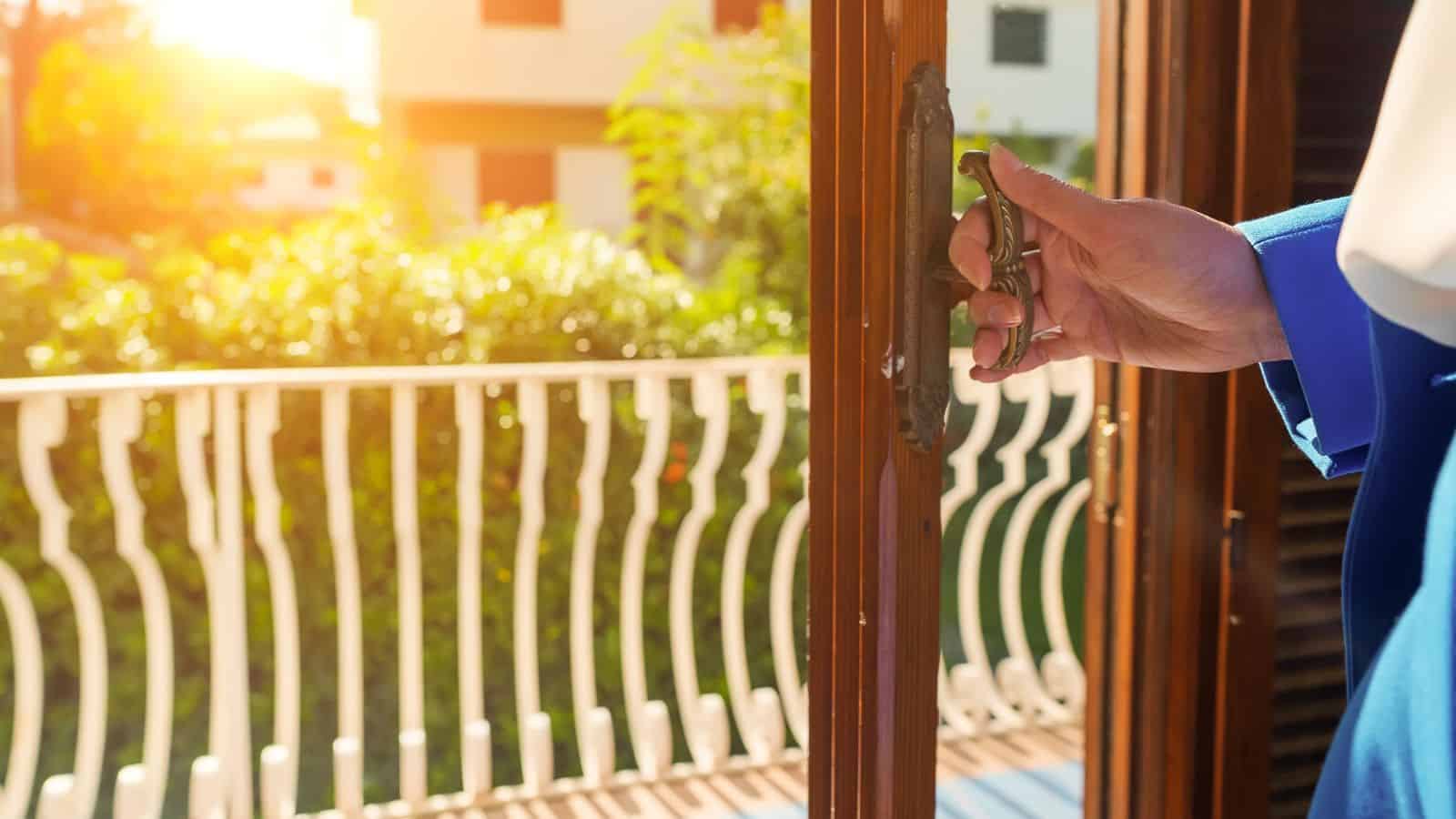
Sliding glass doors can be an easy target if left unsecured. Placing a sturdy rod, wooden dowel, or adjustable security bar in the track prevents the door from being forced open, even if the lock is compromised. For added strength, consider secondary locks that secure the sliding panel to the frame. Anti-lift devices stop burglars from lifting the door off its track. Glass panels can also be reinforced with shatter-resistant film, making them more difficult to break quietly. Keeping curtains or blinds closed adds privacy, reducing the chance that someone can see valuables inside. These small, inexpensive upgrades greatly increase the difficulty of entry, giving you extra peace of mind while you’re away.
Use motion-activated outdoor lights
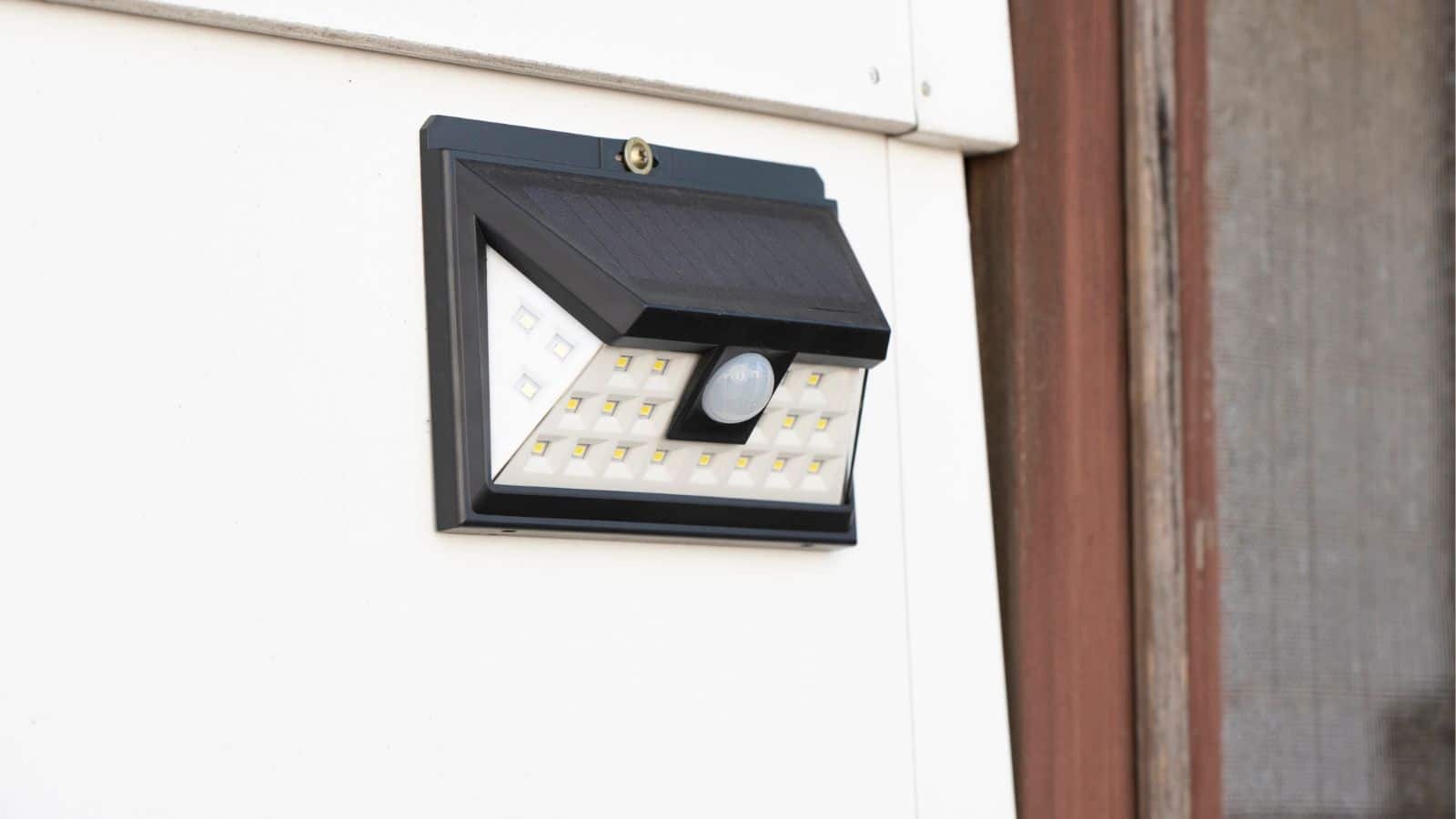
Motion-activated lights are an effective deterrent against unwanted visitors. When someone approaches your property, the sudden illumination can startle them and draw attention to their presence. Install lights around entryways, driveways, and side yards for full coverage. LED models use minimal energy and can be set to stay on for a chosen amount of time after activation. Many modern units feature adjustable sensitivity, so they won’t trigger unnecessarily for passing animals. Solar-powered options work well for areas without wiring, while integrated cameras add another layer of awareness. Keeping these lights well-positioned and maintained ensures they activate when needed, making it more difficult for intruders to approach without being noticed.
Install a smart doorbell camera
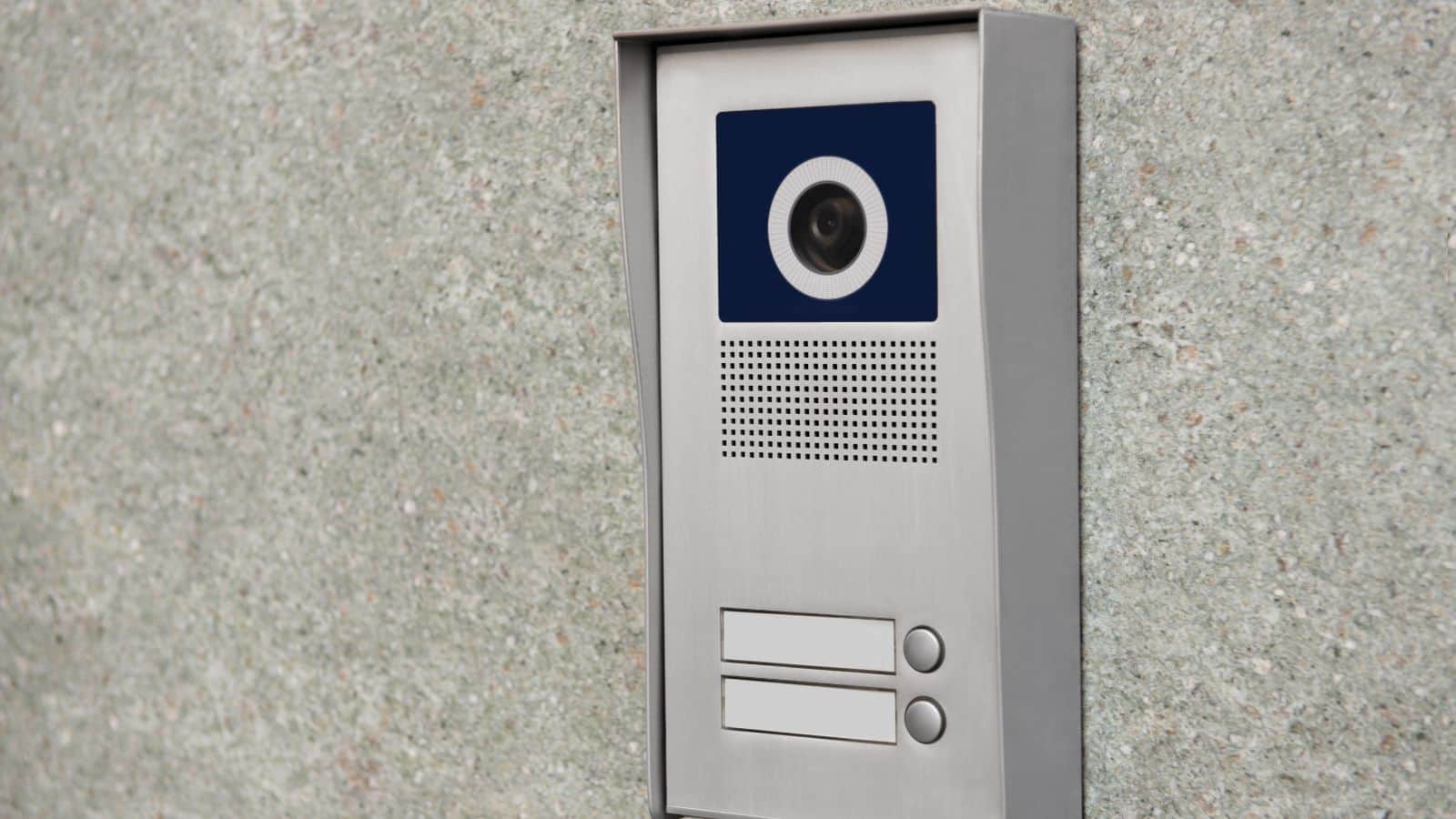
A smart doorbell camera lets you see and speak to anyone at your door, even when you’re hundreds of miles away. These devices stream live video to your smartphone and can record motion events, giving you a clear record of visitors. Two-way audio allows you to interact in real time, which can make it appear as though you’re home. Some models also have package detection, alerting you when deliveries arrive. Night vision ensures visibility in low-light conditions, and integration with other security devices can enhance protection. Visible placement of the doorbell camera can deter opportunists before they approach, while giving you full control over who you interact with remotely.
Hide valuables in unexpected places
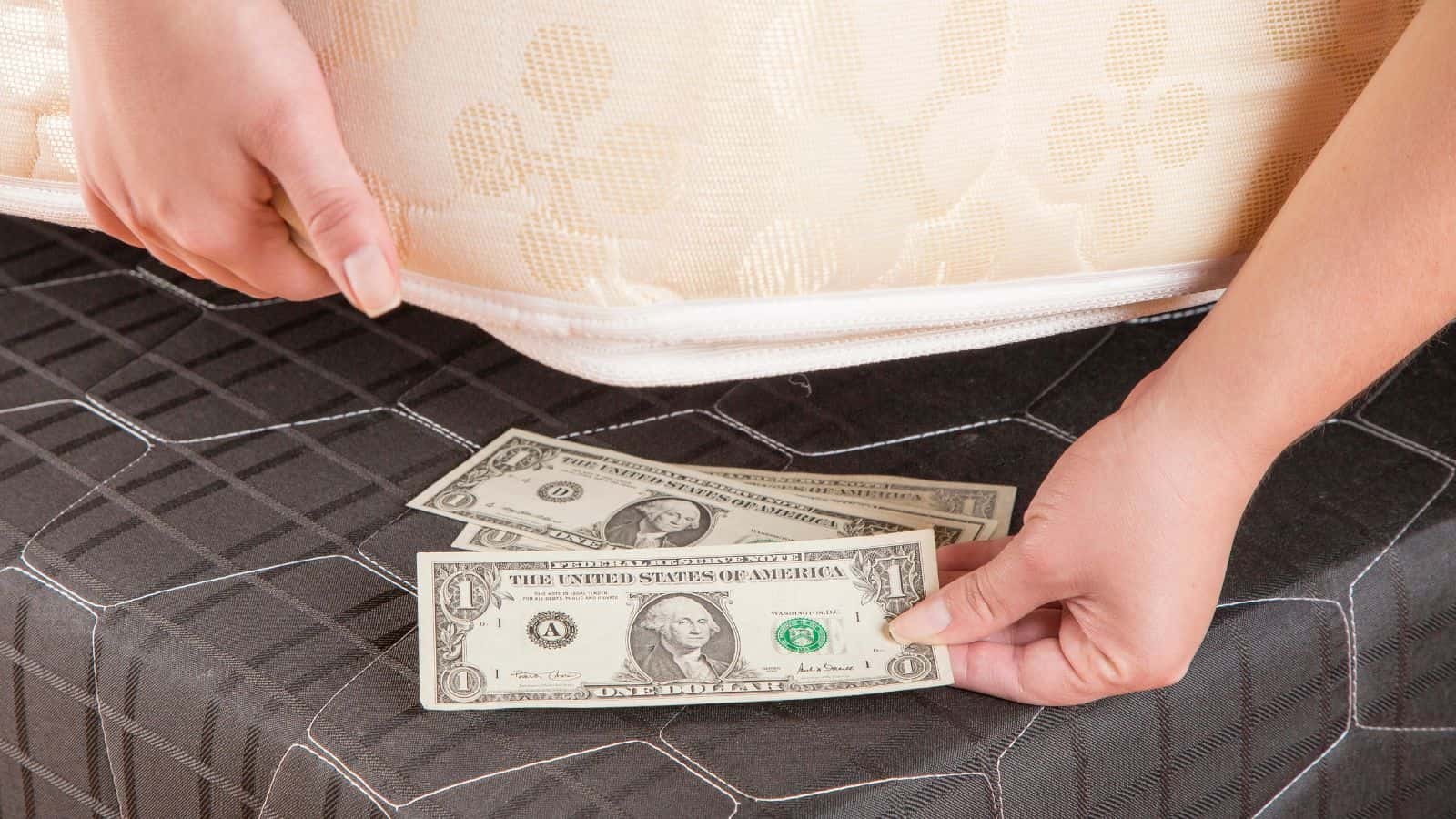
Even with strong security measures, it’s wise to limit what could be taken if a break-in occurs. Avoid leaving jewelry, electronics, or cash in plain sight. Instead, hide valuables in areas an intruder is less likely to check, such as false-bottom containers, concealed compartments in furniture, or disguised household items. Small safes can be bolted to the floor or wall for added security, making them harder to remove. For documents like passports or financial records, consider a fireproof safe. Storing valuables discreetly means even if someone gains entry, they’re less likely to find your most important possessions before they leave.
15 Ways to Protect Yourself From Hidden Cameras While Traveling

Stay alert! Traveling can be a thrilling experience, but it also comes with risks that might not be immediately obvious. One such risk is the possibility of hidden cameras. These devices can be placed in hotel rooms, rental properties, or even public spaces, capturing footage without your knowledge or consent. For travelers, it is essential to take precautions and remain aware of their surroundings.
Read More Here: 15 Ways to Protect Yourself From Hidden Cameras While Traveling
10 Social Media Mistakes That Make You a Target While Traveling
In today’s digital age, social media is a great tool for sharing your travel experiences and staying connected with loved ones. However, it can also put travelers at risk if not used with caution. Posting too many details about your location or plans can inadvertently make you a target for theft, scams, or even worse. Security experts warn against revealing too much information online while traveling, as certain social media habits can expose you to unnecessary risks.
Read More Here: 10 Social Media Mistakes That Make You a Target While Traveling