Public squares are where a city shows its real self. This is where people cross paths, pause, argue, laugh, and watch the day move by. You don’t need a plan here; you just show up and let the place do its thing. These 15 public squares tell stories through sound, movement, and how people share the space. Some of them feel loud and busy, while others feel calm and slow.
This article looks at public squares that stop you in your tracks. Not because they try hard, but because they simply work. They are great places to sit, stand, or walk with no rush. History sits next to daily life, and both feel real. These spaces shape how cities breathe and how people connect. If you care about travel, culture, or good places to be, you’re in the perfect spot. Let’s keep it simple and enjoy the view.
St. Peter’s Square, Vatican City
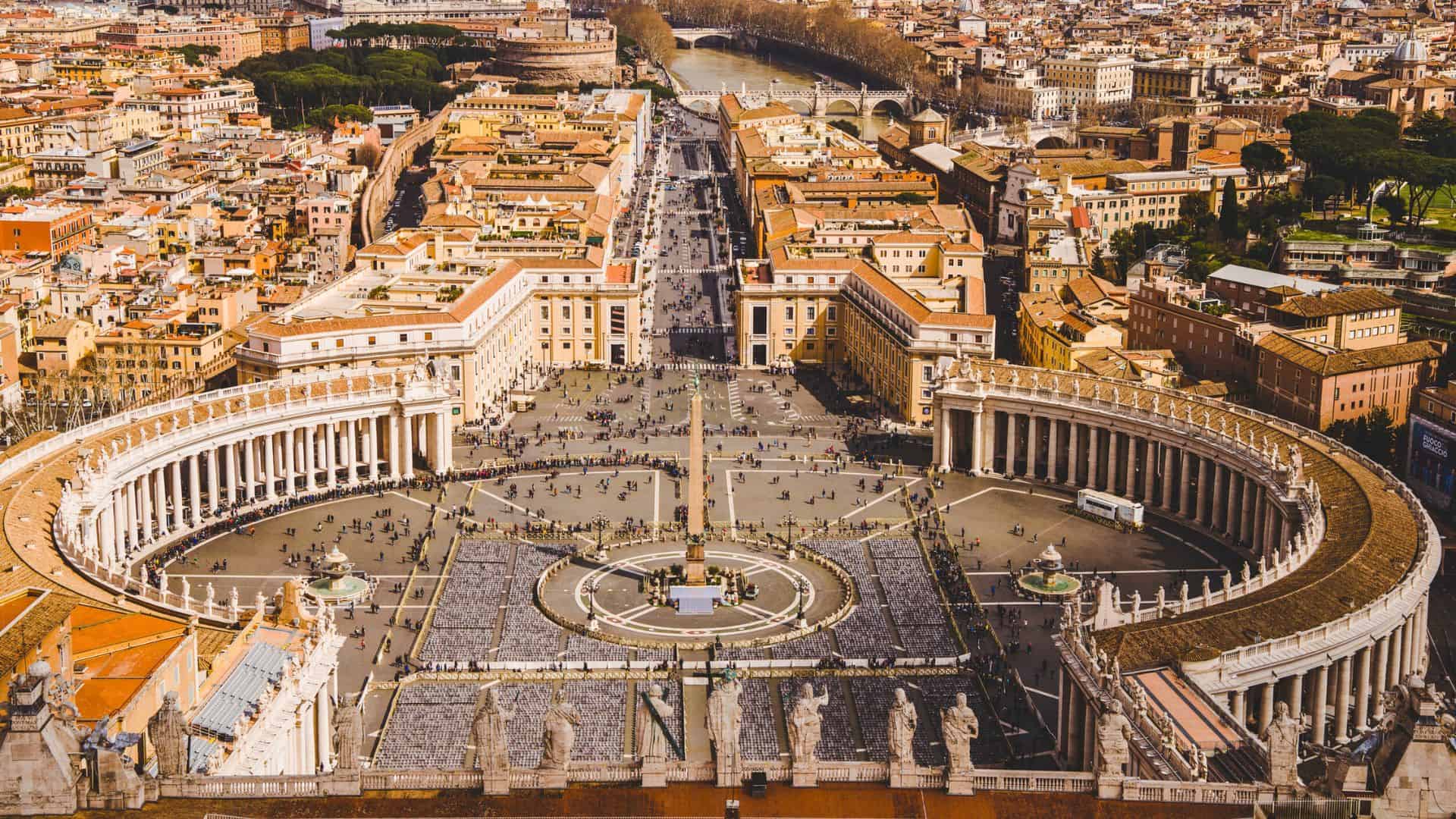
Positioned at the threshold of the Vatican, this immense elliptical space was designed by Gian Lorenzo Bernini during the 17th century. Two massive four-row colonnades enclose the area, creating a sense of containment and focus toward the facade of St. Peter’s Basilica. At the geometric center stands an Egyptian obelisk, flanked by two identical granite fountains that maintain the symmetry of the design. The scale of the plaza allows hundreds of thousands of people to gather for papal blessings and religious rites. The architecture utilizes heavy travertine stone to convey a sense of permanence and authority within the heart of the Catholic world.
Red Square, Moscow
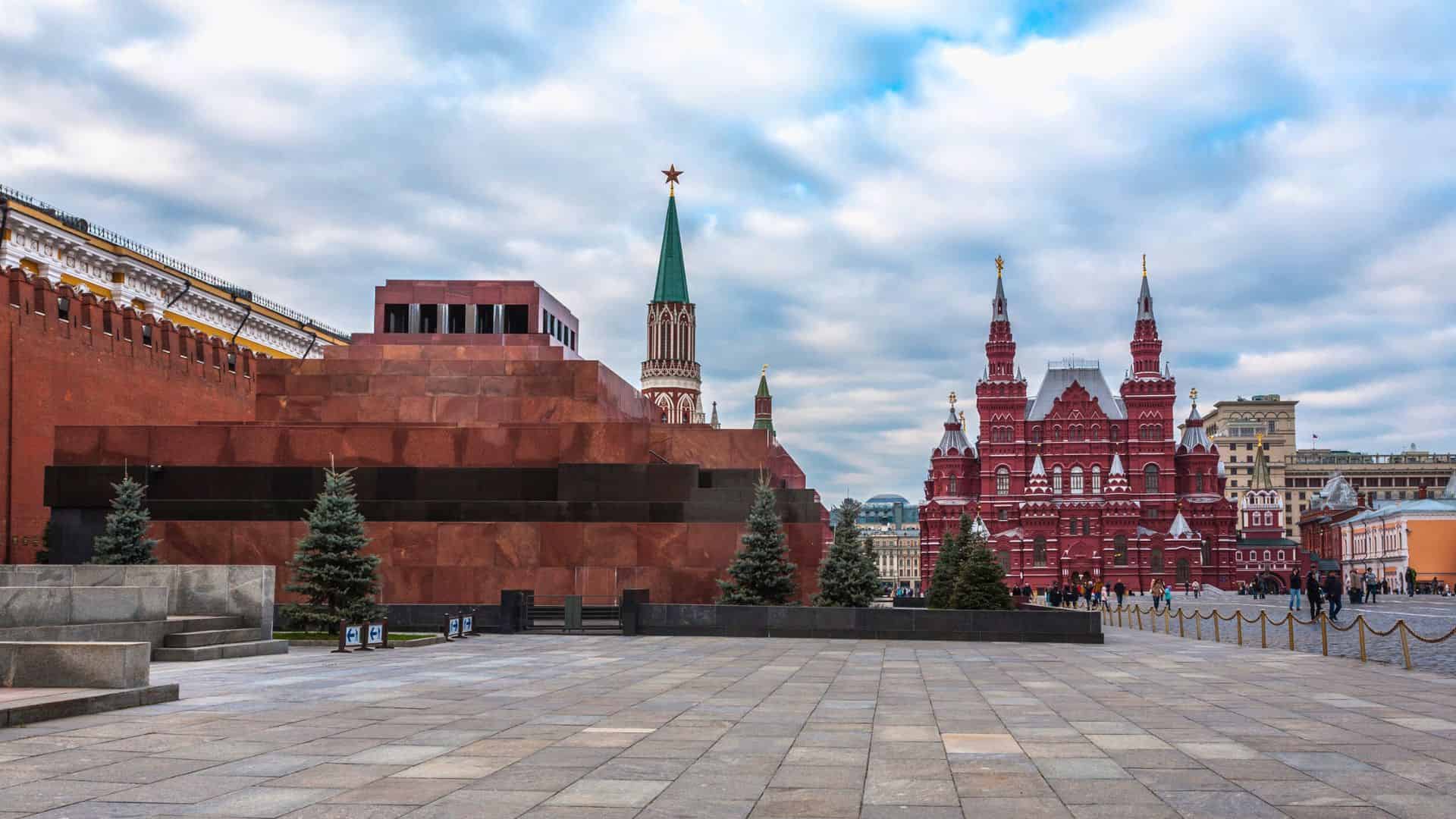
This massive brick-paved expanse separates the fortified Kremlin from the historic merchant quarter of Kitay-gorod. To the south, the kaleidoscopic onion domes of Saint Basil’s Cathedral create a vivid silhouette against the sky. The square contains the Lenin Mausoleum and the State Historical Museum, with its deep red walls echoing the color of the Kremlin itself. Historically used for coronations, military parades, and public proclamations, the square functions as the symbolic epicenter of Russian power. Its sheer scale and the stark contrast between medieval religious art and Soviet-era structures create an atmosphere of profound historical gravity.
Naqsh-e Jahan Square, Isfahan
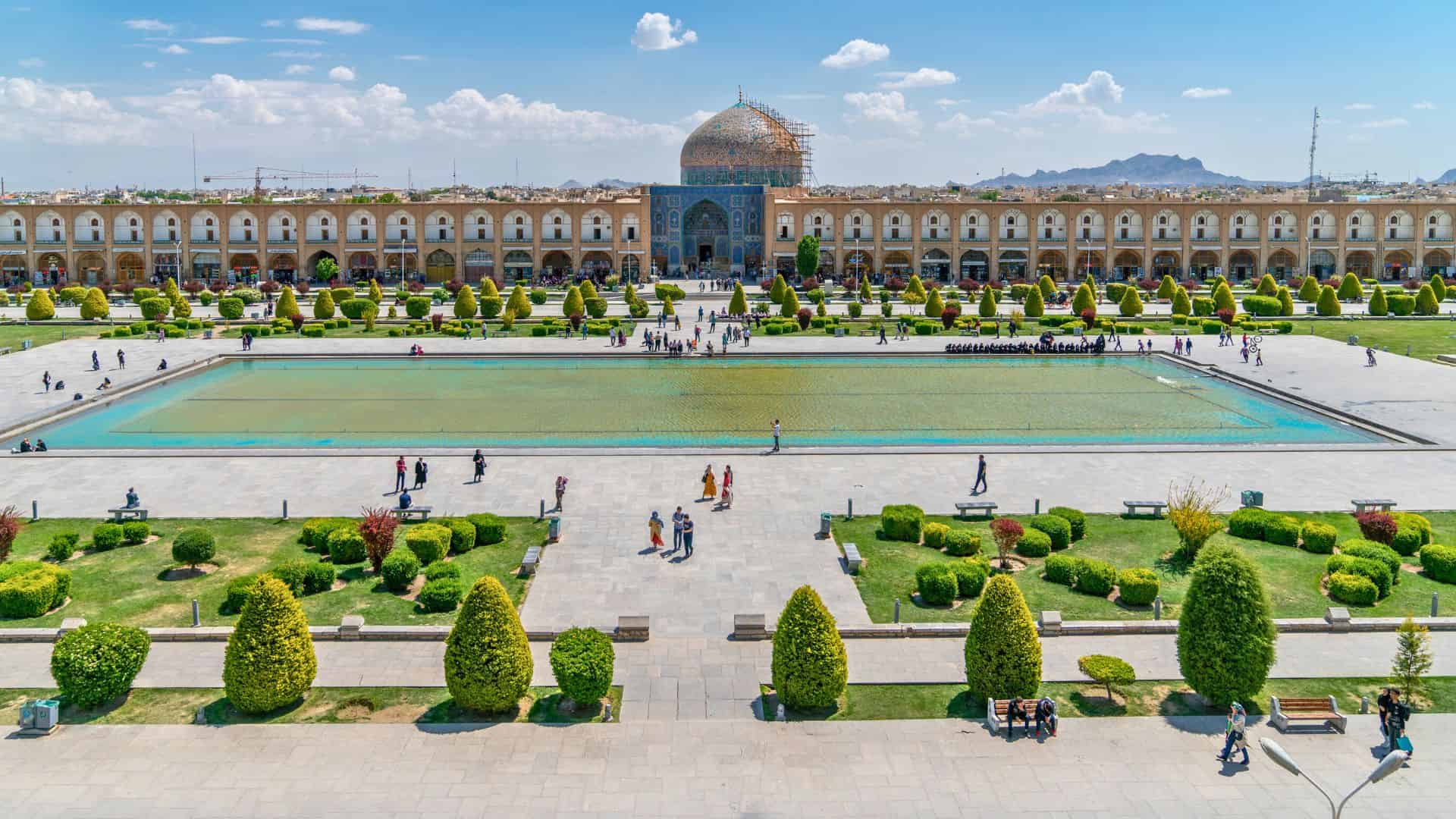
Constructed during the early 17th century under Shah Abbas I, this Persian jewel ranks among the most expansive urban spaces globally. It is enclosed by two-story arched arcades that connect four monumental structures: the Shah Mosque, the Lotfollah Mosque, the Ali Qapu Palace, and the entrance to the Grand Bazaar. The central area features fountains and manicured lawns where residents gather at sunset. The brilliant blue tilework of the mosques reflects the desert sun, creating a luminous environment. Originally used for polo matches and royal ceremonies, it represents the pinnacle of Safavid urban planning and Islamic artistic achievement.
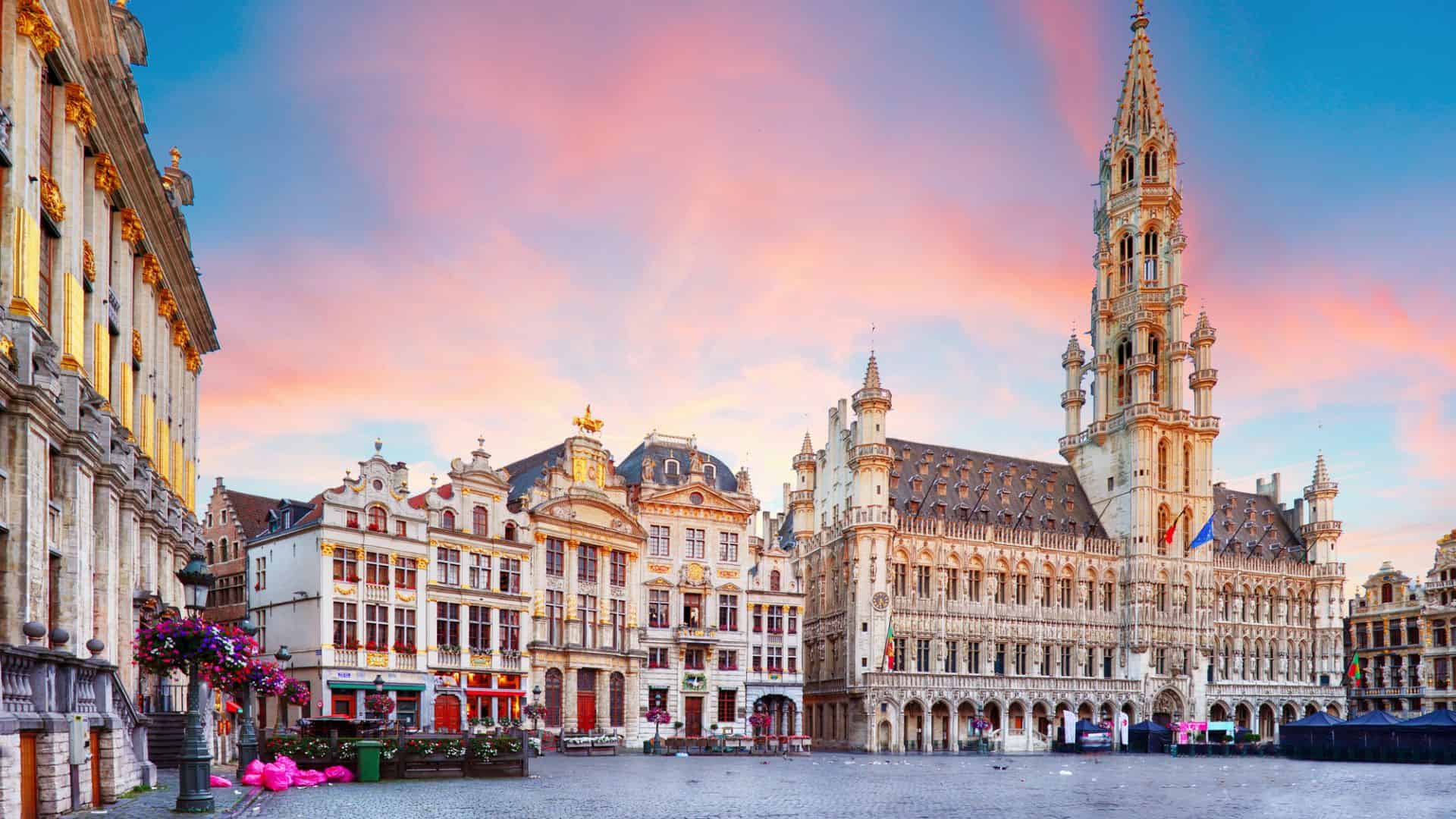
Grand Place, Brussels
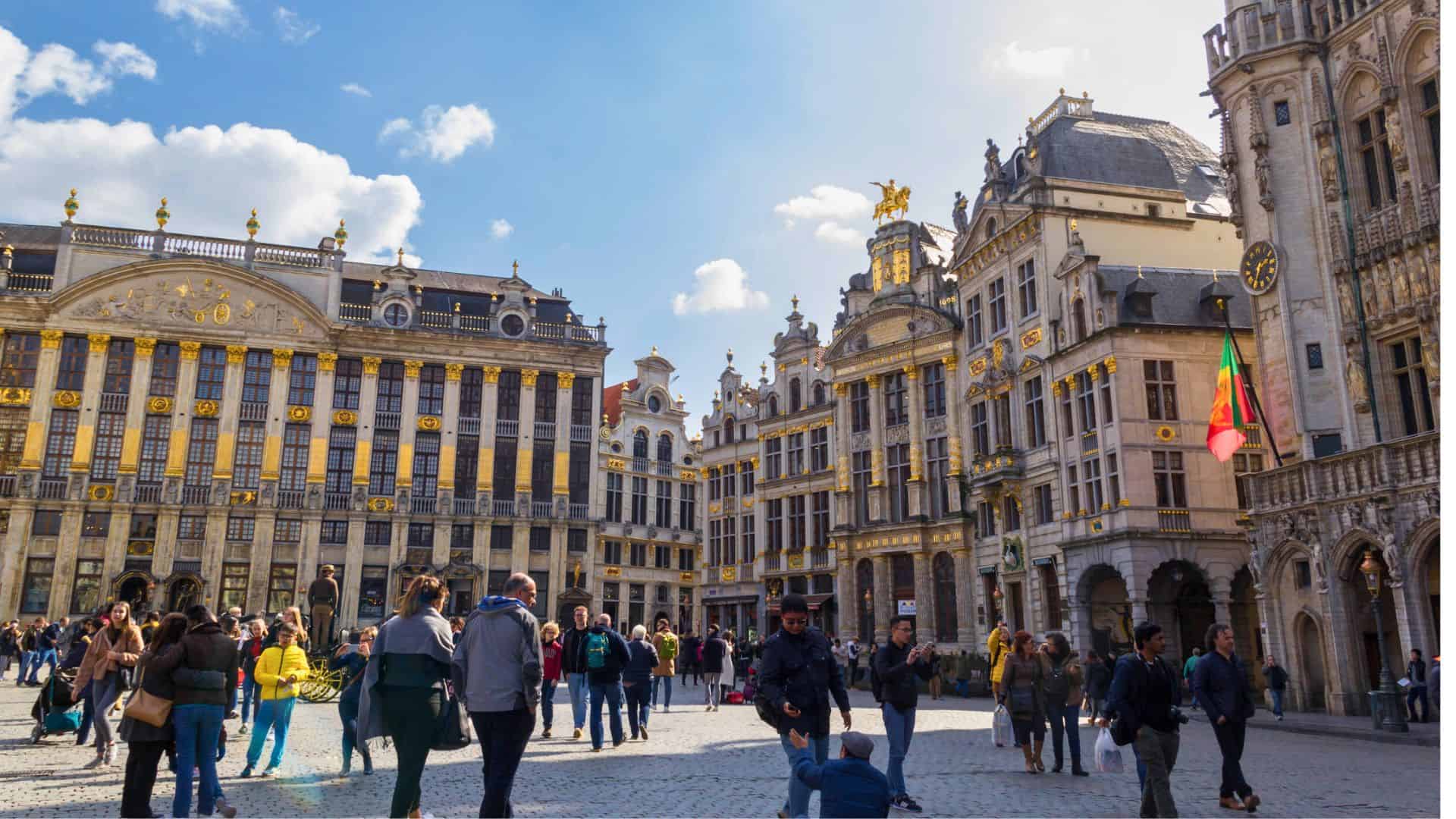
The central square of Brussels stands as a masterpiece of late 17th-century secular architecture. Dominated by the soaring spire of the Gothic Town Hall and the intricate facade of the King’s House, the space displays a wealth of gold-leaf detailing and ornamental gables. These structures served as the headquarters for powerful merchant guilds, each competing to display more wealth than the last. Every two years, the cobblestones disappear beneath a massive floral carpet composed of begonias. This UNESCO World Heritage site remains the primary destination for civic ceremonies and festive gatherings within the heart of Belgium’s capital.
Place Stanislas, Nancy
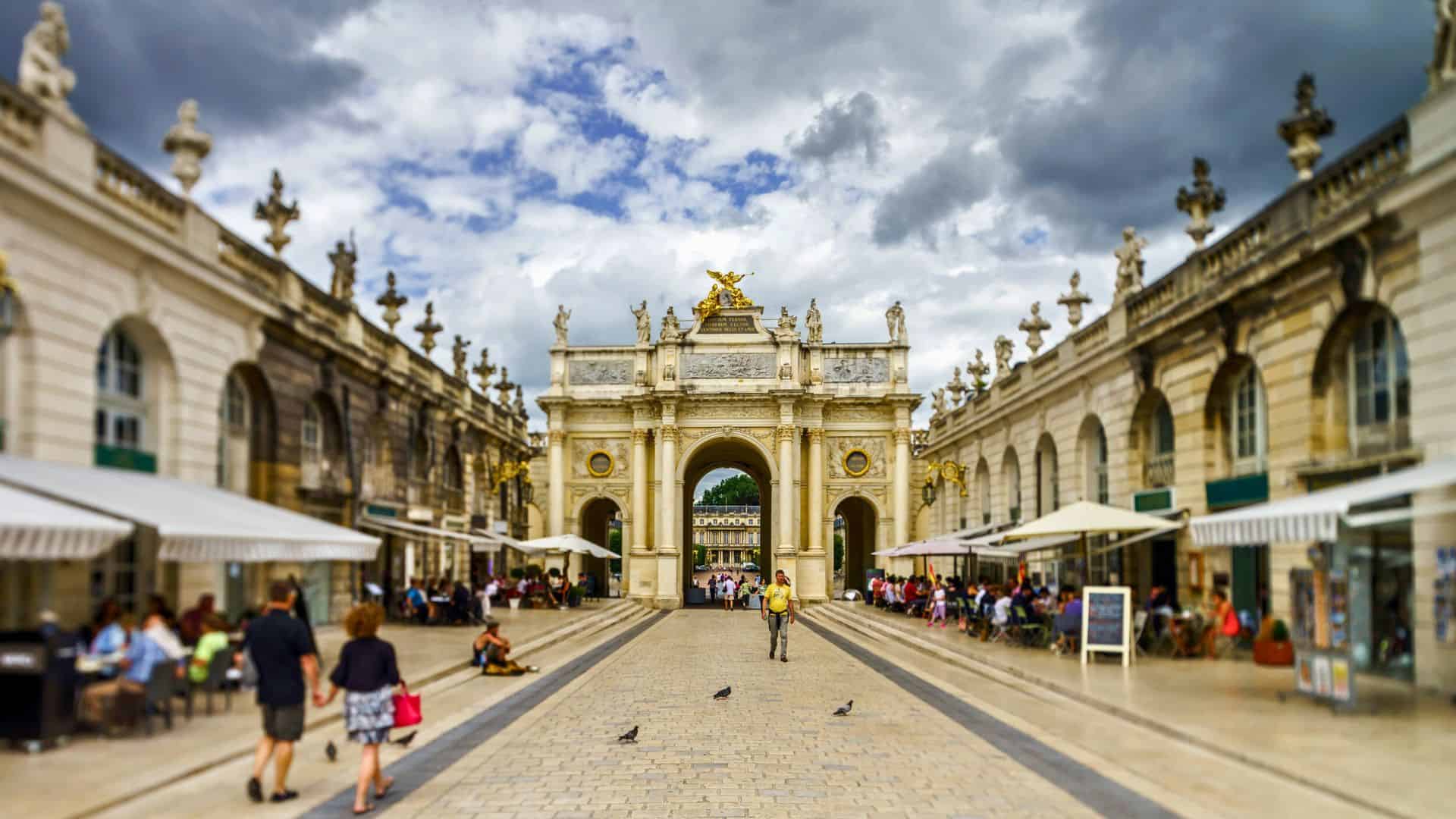
Situated in Nancy, this French neoclassical monument connects the medieval old town with the newer urban expansions of the 18th century. The architect Emmanuel Héré designed the plaza to honor King Louis XV, surrounding it with grand administrative buildings and the Opera House. Magnificent gilded wrought-iron gates, crafted by Jean Lamour, occupy the corners and frame the ornate fountains of Amphitrite and Neptune. The light-colored stone facades reflect the sunlight, creating a bright and regal environment. This pedestrian zone serves as a primary example of enlightened urban design, balancing vast open space with the meticulous detail of gold-leafed ironwork.
Zócalo, Mexico City
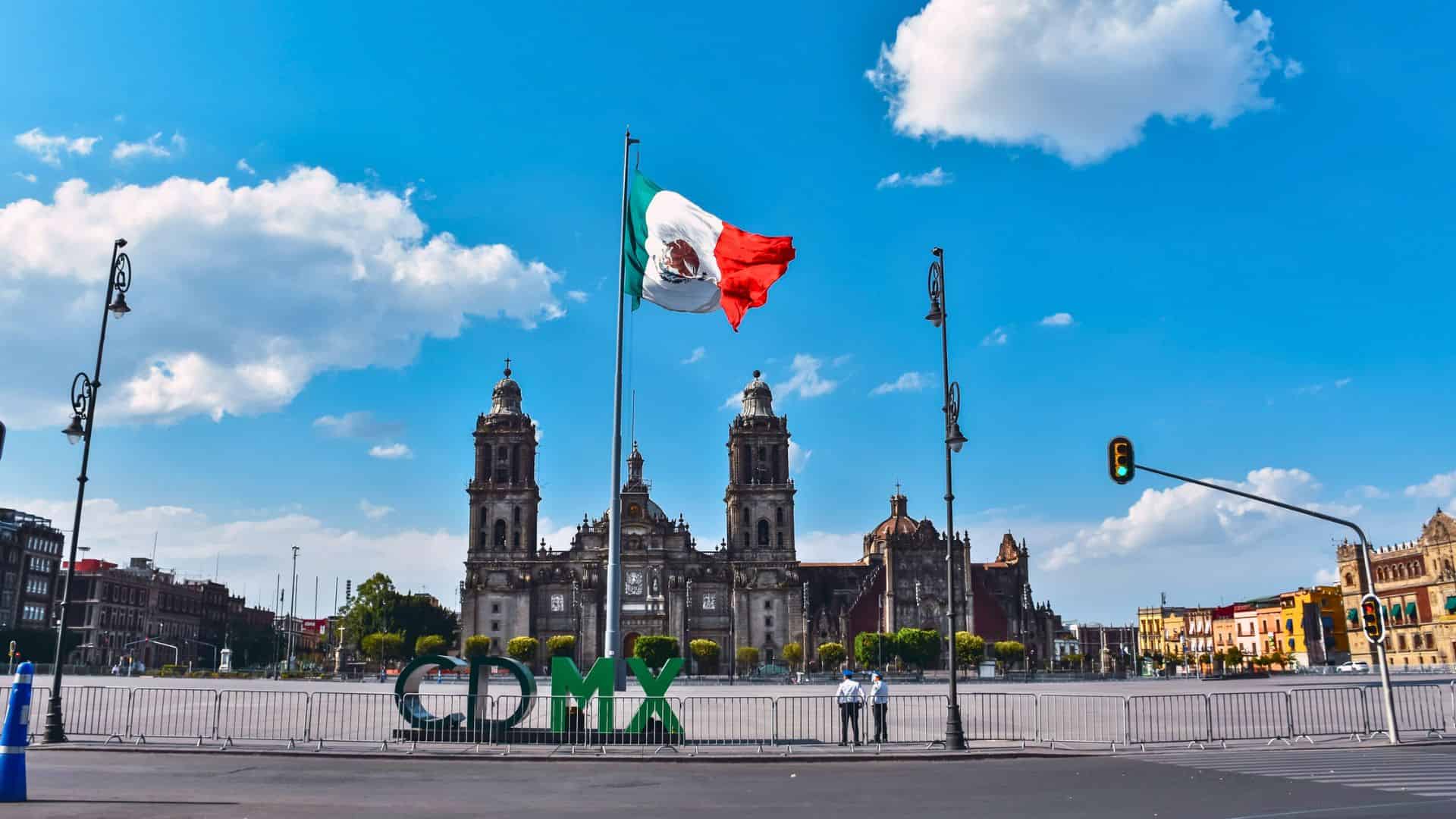
Located in the heart of Mexico City, this square occupies the site where the Great Temple of the Aztecs once stood. The Metropolitan Cathedral, a massive structure built over several centuries, sits on the northern side, while the National Palace borders the east. The plaza is one of the largest in the world, often featuring a massive national flag at its center that is raised and lowered daily by military guards. The paving covers layers of colonial and indigenous history, acting as a stage for protests, concerts, and cultural festivals. Its monumental scale and surrounding colonial architecture represent the complex fusion of Spanish and Indigenous identities.
Plaza Mayor, Salamanca
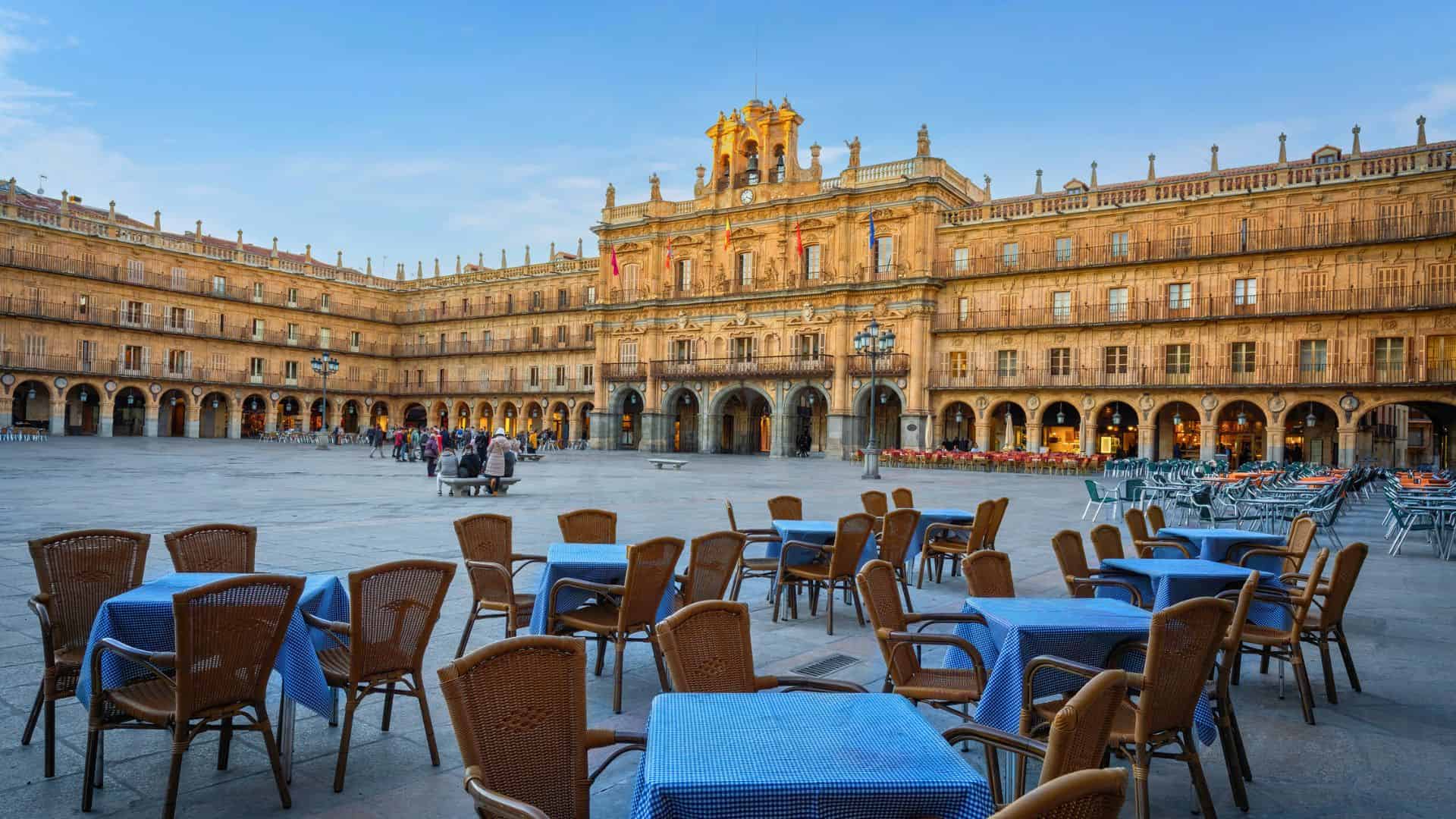
Plaza Mayor is a Baroque masterpiece in Salamanca constructed entirely from golden-hued Villamayor sandstone, which glows intensely under evening illumination. The four-story buildings surrounding the square feature eighty-eight arches and medallions depicting famous Spanish figures, including kings and explorers. Alberto de Churriguera designed the space to be perfectly symmetrical, though subtle irregularities arise from the pre-existing street layout. The Royal Pavilion stands as the most ornate section, topped by a decorative pediment. Historically a site for bullfights and markets, it now serves as a central meeting point where students and locals gather beneath the sheltered arcades and ornate stone balconies.
Old Town Square, Prague
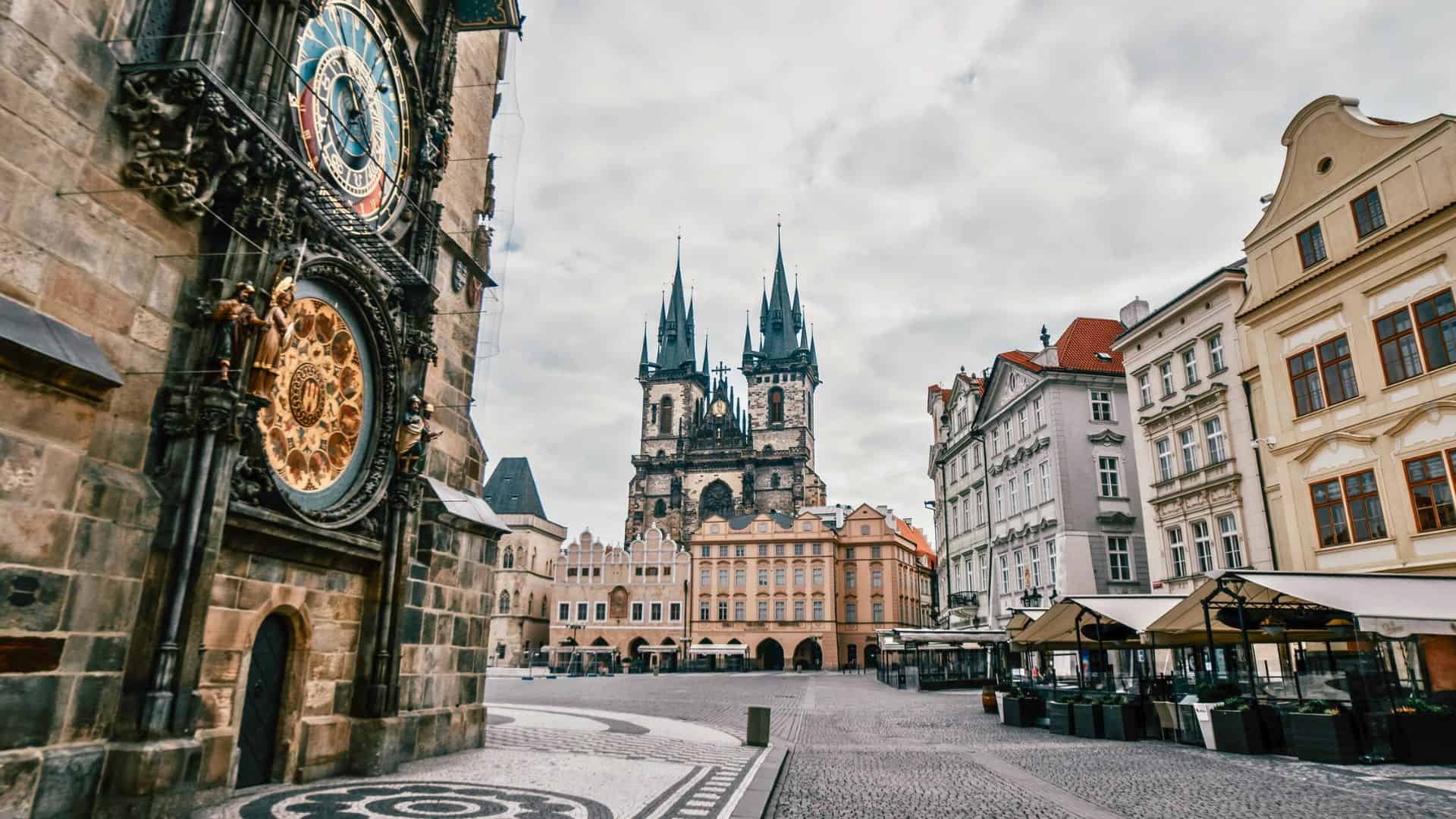
Located between Wenceslas Square and Charles Bridge, this historic hub showcases a timeline of European design styles. The Gothic Týn Church, with its black spires, looms over the square, while the Baroque Saint Nicholas Church adds a lighter aesthetic. The southern wall of the Old Town Hall holds the world’s oldest functioning astronomical clock, which draws crowds every hour for its mechanical procession. Traditional markets and seasonal festivals frequently occupy the space, keeping the medieval spirit alive. The surrounding buildings, painted in soft pastel hues, create a striking backdrop for the statues and cobblestones that define the city's character.
Rynek Główny, Kraków
Want to save this?
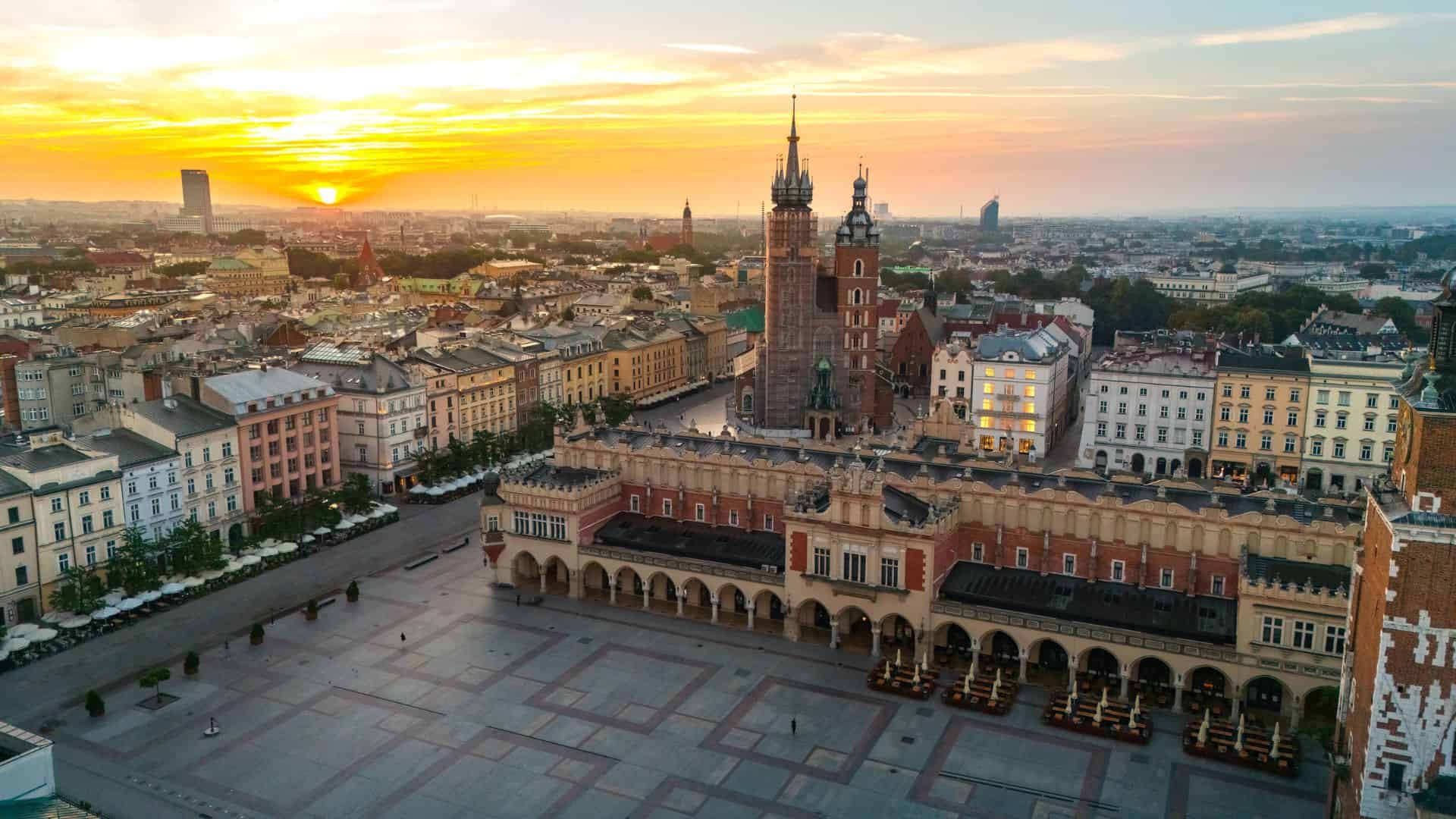
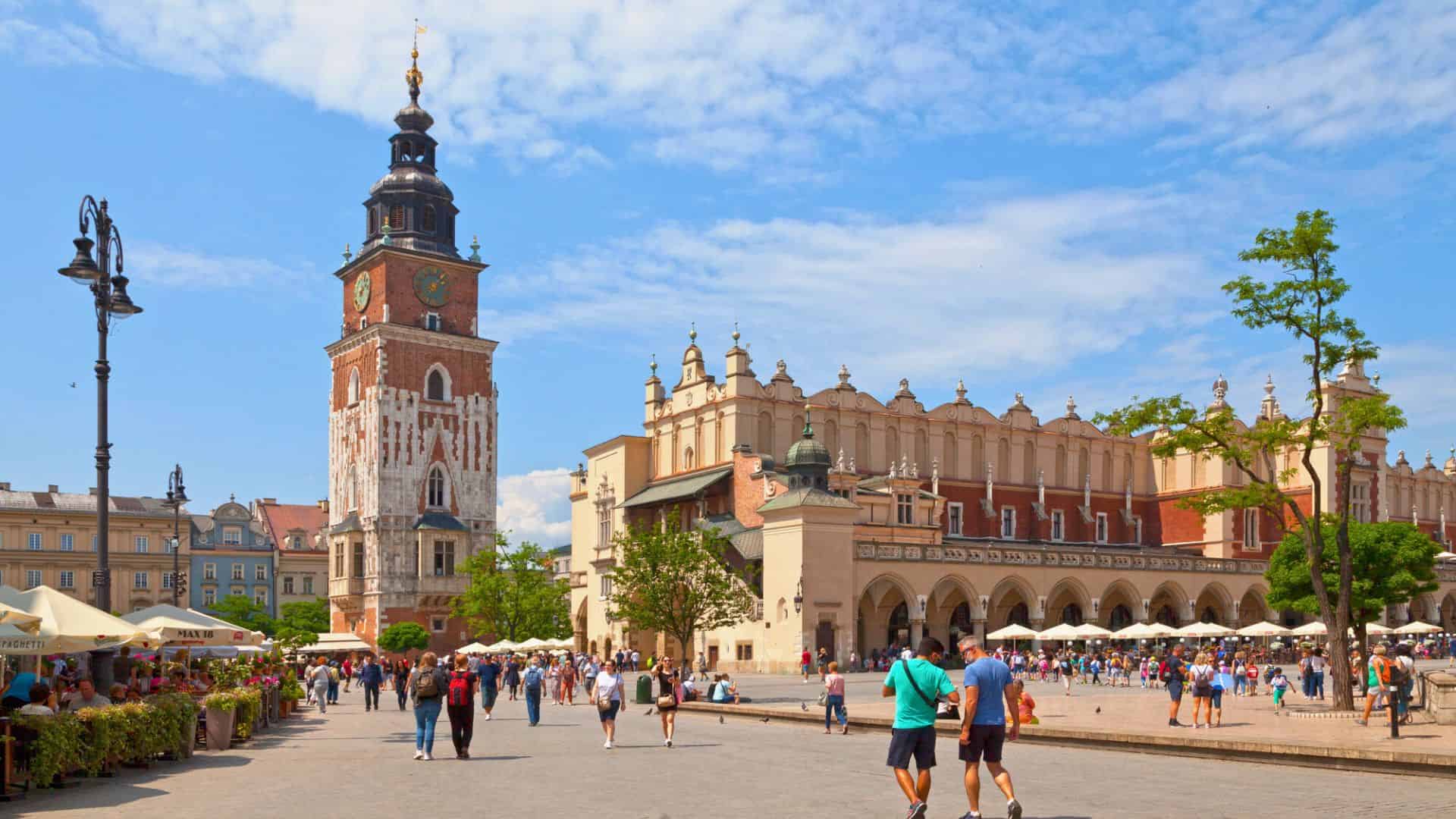
Dating back to the 13th century, this expansive marketplace remains the heart of Kraków's social life. The center of the square is occupied by the Cloth Hall, a long Renaissance structure that once served as an international trade hub. Nearby, the brick Gothic towers of Saint Mary’s Basilica rise above the stone pavement; from the tallest tower, a trumpeter plays a signal every hour. Beneath the surface, a high-tech archaeological museum reveals the original medieval stalls and roads. Horse-drawn carriages and pigeon-filled plazas contribute to a scene that feels largely unchanged by the passage of modern centuries.
Djemaa el-Fna, Marrakech
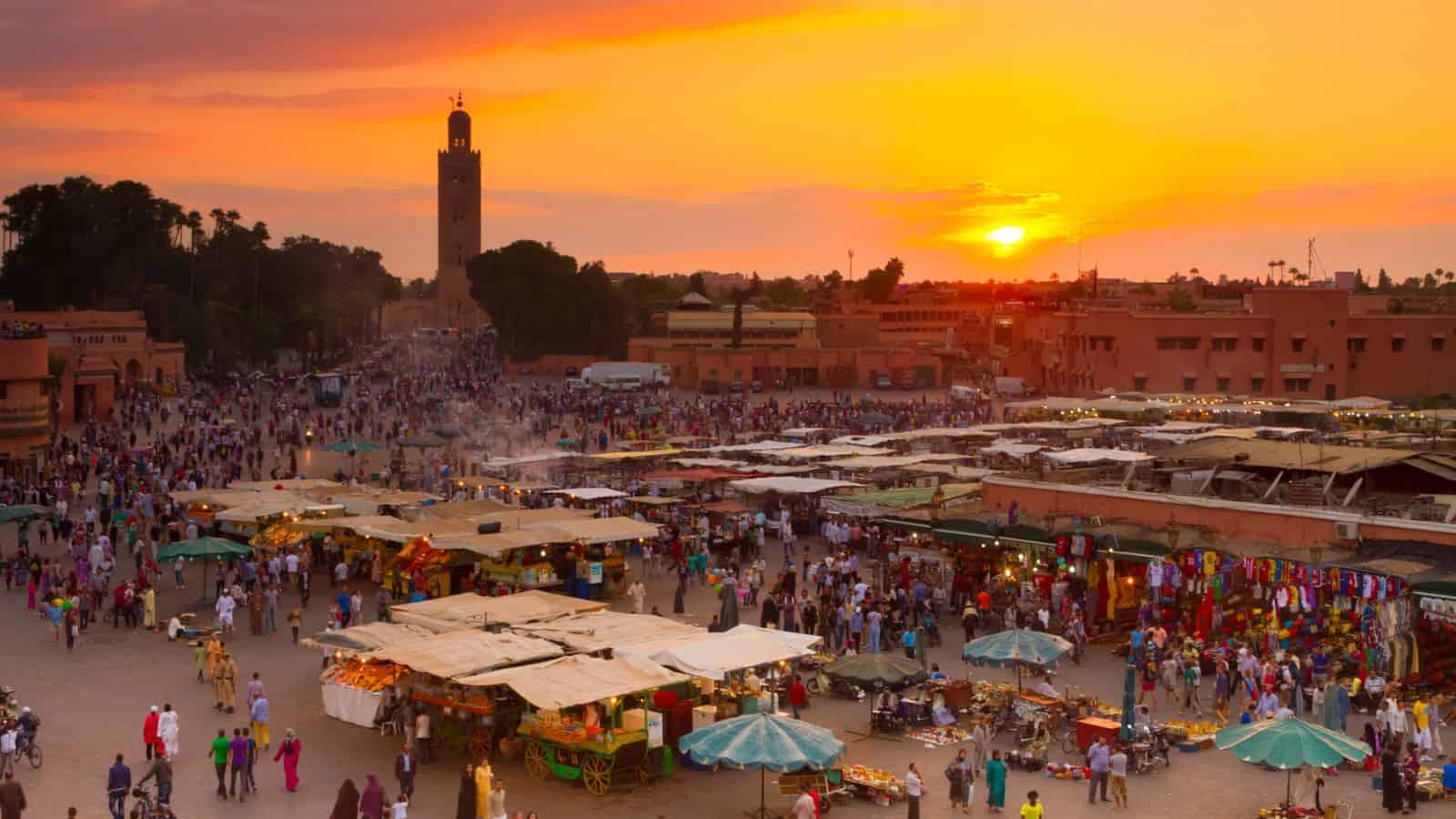
The Djemaa el-Fna in the Marrakesh medina is a square that functions as a vibrant center of Moroccan folk traditions and oral history. During the daylight hours, the vast paved area hosts traditional healers and snake charmers who occupy the space near the Koutoubia Mosque. As dusk approaches, hundreds of temporary stalls emerge, creating a massive outdoor kitchen lit by hanging lamps. Musicians, acrobats, and Berber storytellers perform for crowds, maintaining a cultural continuity that has existed for over a thousand years. The lack of permanent structures within the central space allows for a constantly shifting landscape of activity that defines the kinetic energy of the city.
Registan, Samarkand
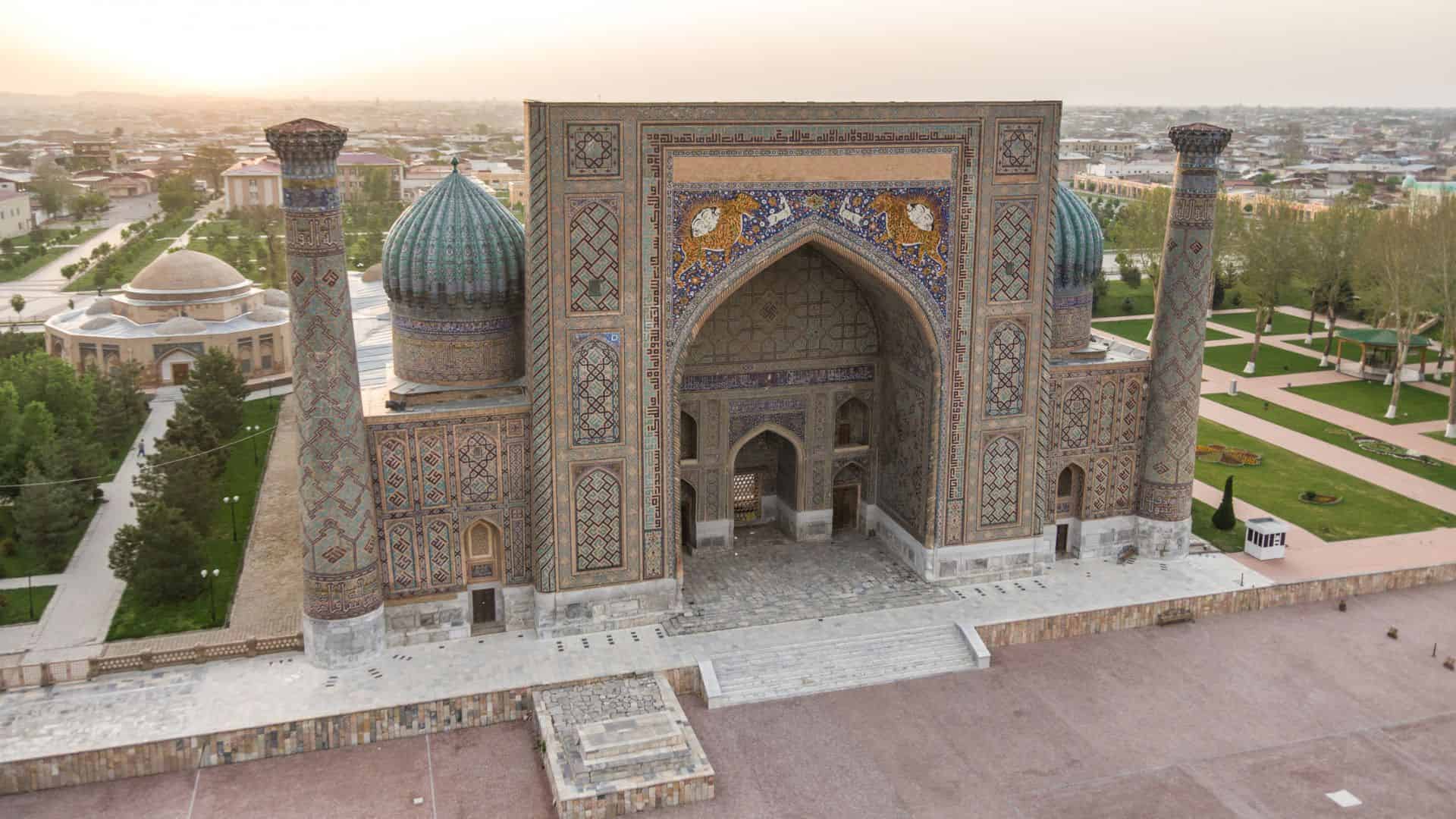
Dominating the Silk Road city of Samarkand, this complex consists of three massive madrasahs that frame a central courtyard. The Ulugh Beg, Sher-Dor, and Tilla-Kari edifices feature towering portals decorated with intricate azure mosaics, geometric brickwork, and calligraphic inscriptions. Massive turquoise domes rise above the classroom wings, creating a stark contrast against the tan desert landscape. Historically, this space functioned as a public square where people gathered to hear royal decrees and watch celebrations. The preservation of the 15th and 17th-century structures allows visitors to see the peak of Timurid architecture, characterized by its vibrant blue tiles and massive proportions.
Piazza del Campo, Siena
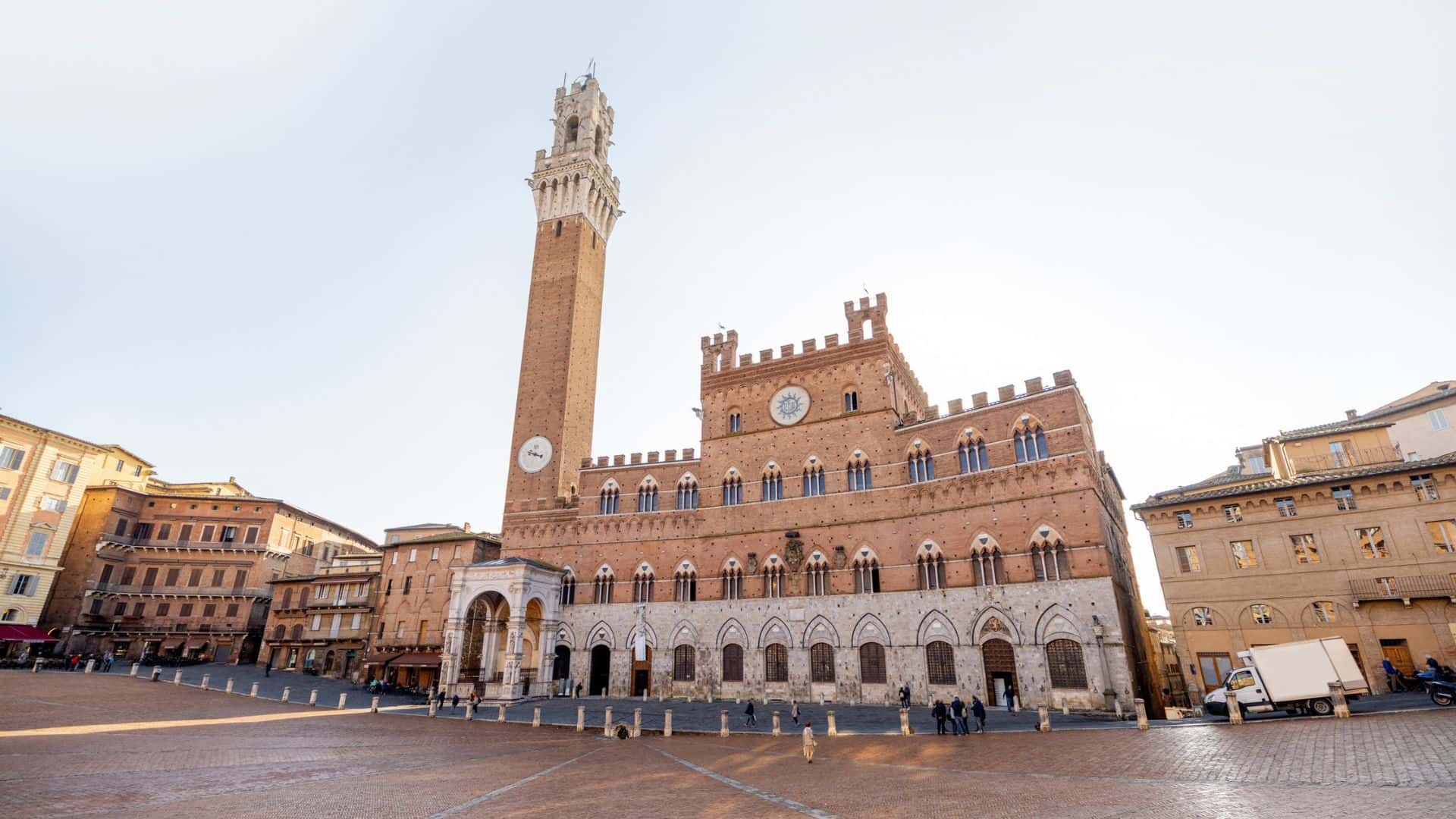
Located in the center of Siena, this shell-shaped space is recognized for its unusual concave slope and red-brick paving divided into nine distinct segments. These sections honor the Council of Nine, the medieval government that commissioned the construction. The Palazzo Pubblico and its slender Torre del Mangia dominate the lower edge, casting long shadows across the stones. Twice each summer, the perimeter is layered with thick dirt to host the Palio, a historic horse race where riders represent different city wards. The surrounding ring of sandstone buildings creates a unified, medieval atmosphere that remains strictly preserved against modern alterations.
Tiananmen Square, Beijing
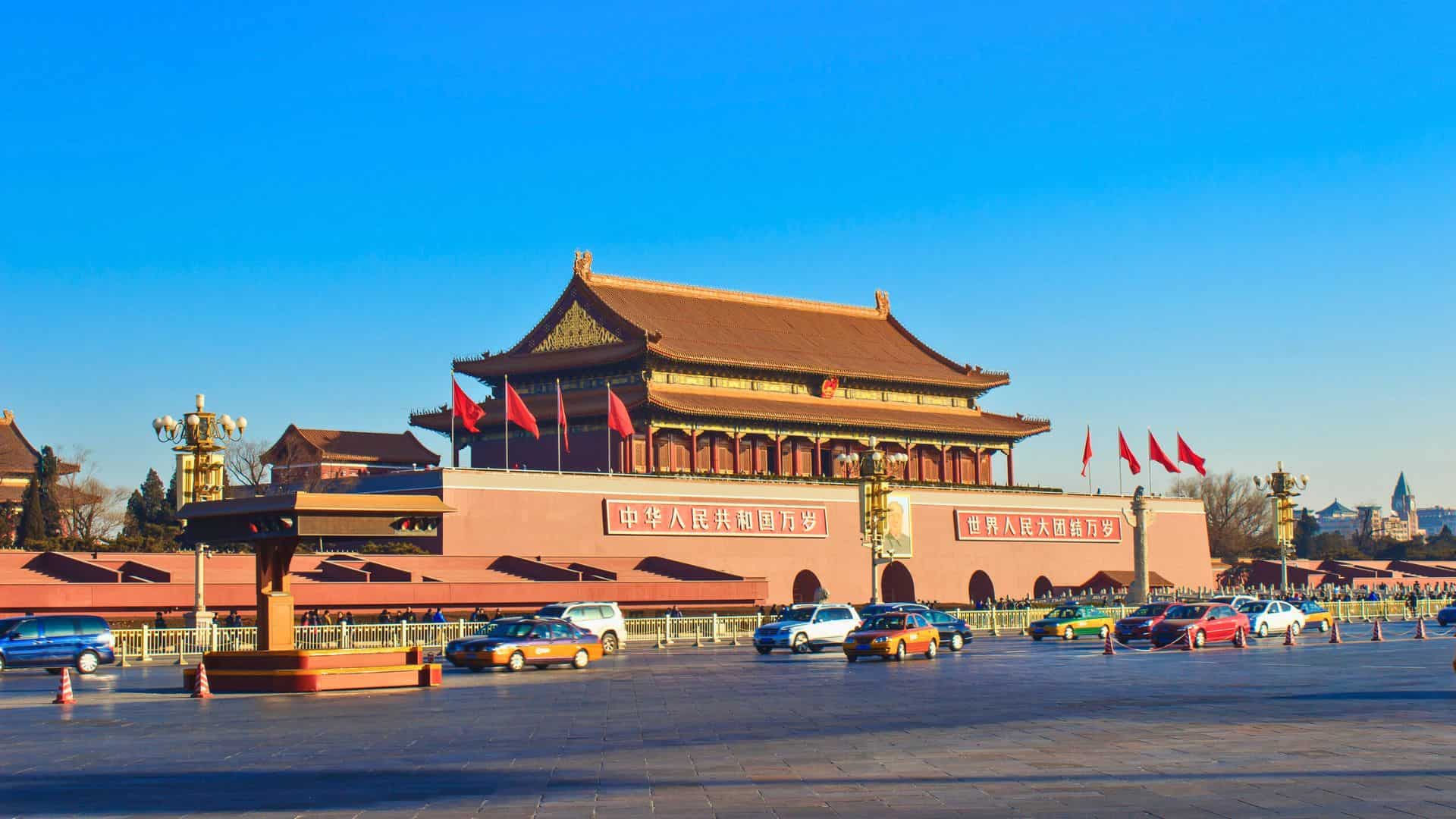
Tiananmen Square is a massive granite-paved expanse that represents the political core of modern China. It is bounded to the north by the Gate of Heavenly Peace, which leads into the Forbidden City, and to the south by the Qianmen Gate. The Monument to the People's Heroes and the Great Hall of the People define the edges, reflecting a monumental style of architecture. The square is designed for large-scale national events and displays of state power, emphasizing broad vistas and heavy stone materials. Its vast size and historical role make it a significant site for understanding the intersection of imperial history and contemporary governance.
Piazza San Marco, Venice
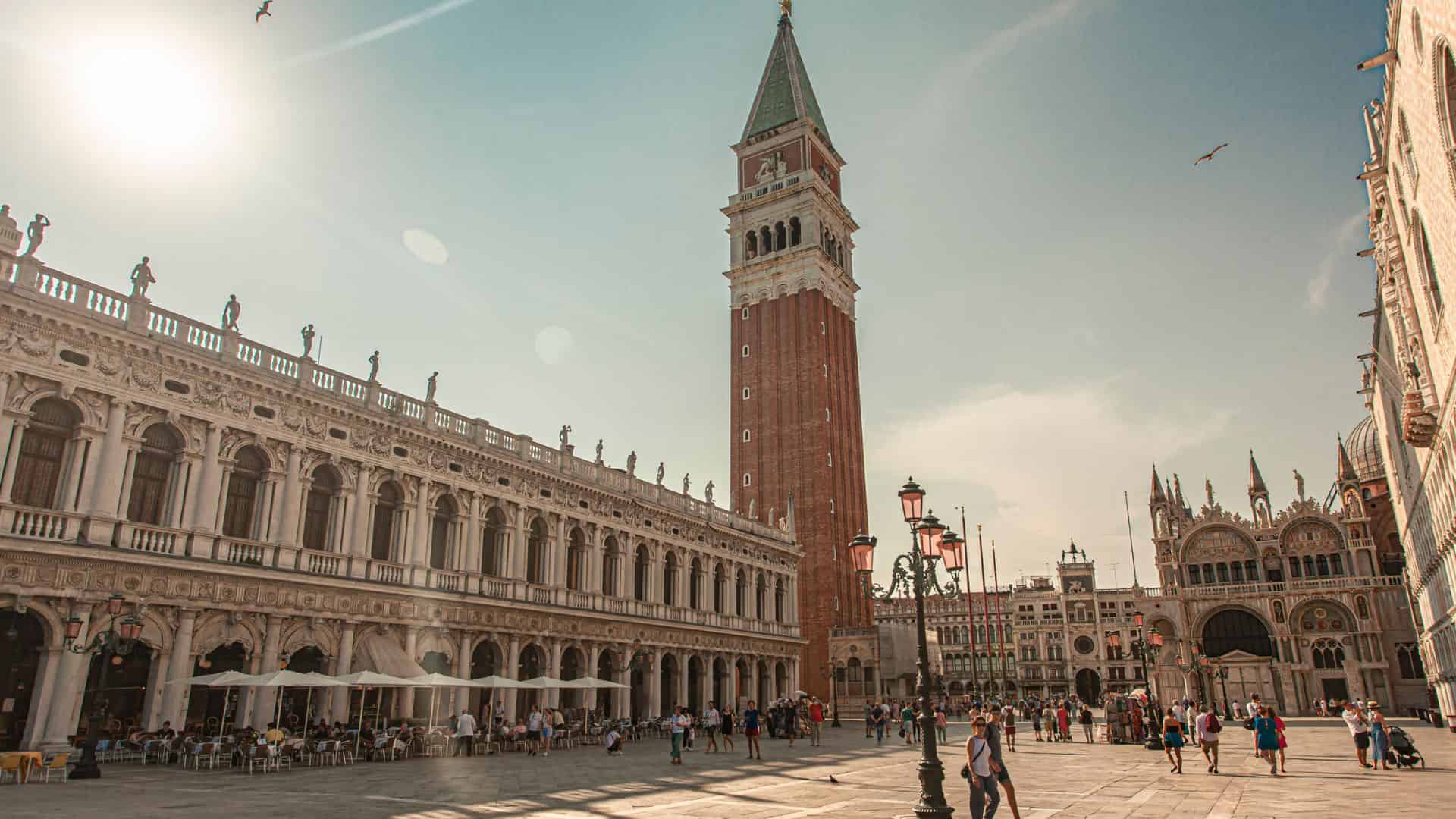
Often described as the primary gathering hall of Europe, this vast space serves as the spiritual and political center of Venice. It is bordered by the Procuratie buildings, whose long arcades house historic cafes and boutiques. The eastern end features the Byzantine splendor of Saint Mark’s Basilica, characterized by its golden mosaics and marble pillars. Adjacent stands the pink-hued Doge’s Palace, representing the power of the former Venetian Republic. During high tide, the stone paving becomes a shallow mirror for the surrounding monuments, creating a visual spectacle that has captivated travelers and artists for centuries.
Plaza de España, Seville
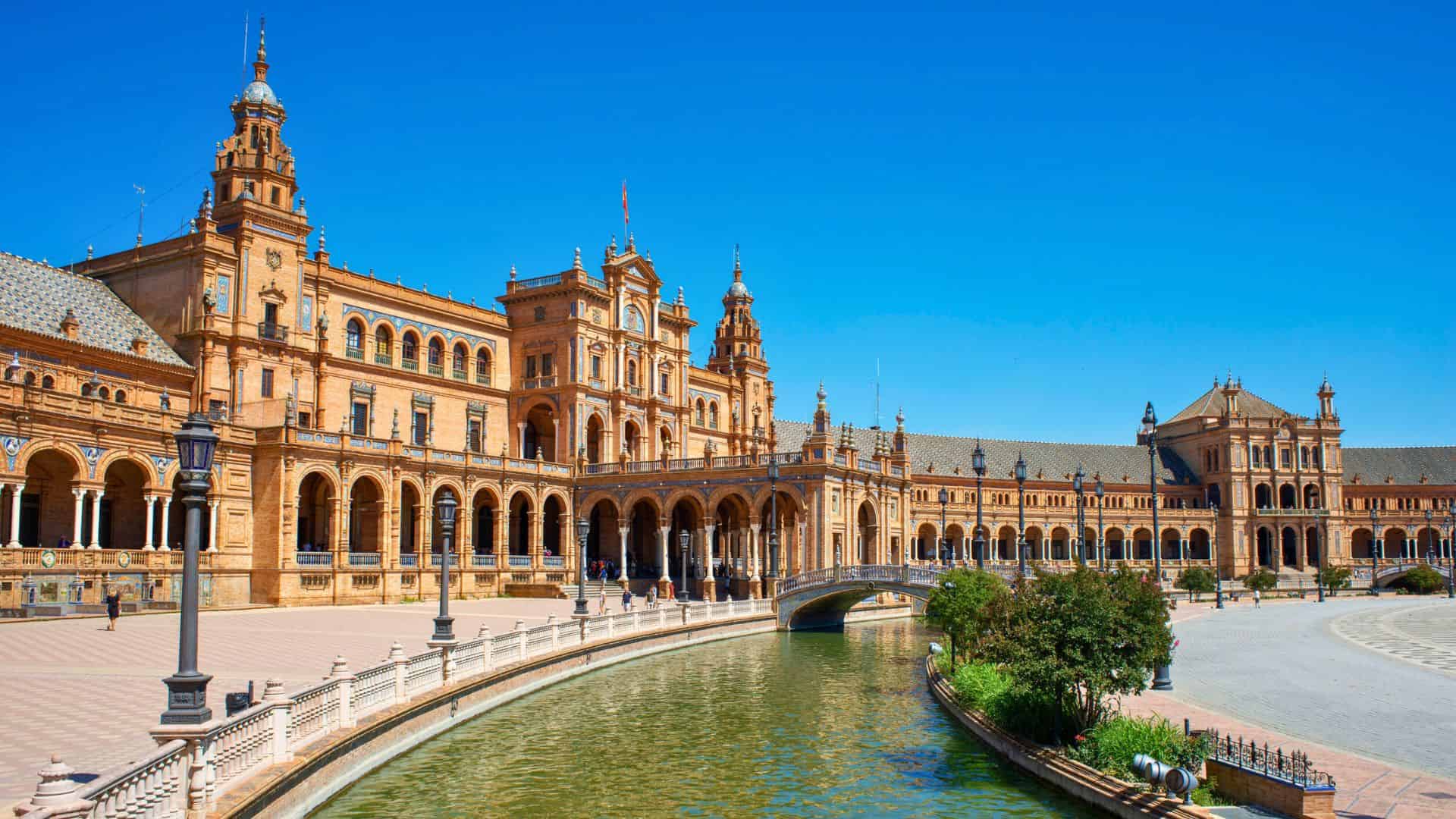
This semicircular complex inside Maria Luisa Park was built to showcase Spain’s industrial and craft heritage during the 1920s. A tiled canal follows the curve of the main building, allowing visitors to navigate the space by boat. Four bridges, representing the ancient kingdoms of Spain, span the water. Along the base of the palace, fifty-two tiled alcoves depict maps and historical scenes from various Spanish provinces. The structure features tall towers at either end and a central fountain that anchors the symmetry. The extensive use of ceramic tiles and exposed brickwork creates a vivid representation of the Regionalist architectural style.
Bring Your Best Walking Shoes
By the end of this, one thing should be clear. Public squares matter more than we sometimes admit. They shape how a city feels without saying a word. You can learn a lot by watching who shows up, how long they stay, and what happens when nothing is planned. These places don’t rush you. They let life unfold at its own pace.
As you wrap up, think about the last square that made you stop walking. Not for a photo, but just to stand there. The great ones don’t ask for attention. They earn it over time. If a place feels real, people return to it again and again. That’s the sign of something done right. Keep these spaces in mind the next time you travel, or even when you’re close to home. They stay with you longer than expected.
12 Countries Where Public Transport Makes Travel Easy

Navigating through a new country can be a challenge, especially when dealing with unfamiliar public transport systems. However, some countries have perfected the art of making travel easy and accessible for visitors. Efficient, reliable, and often affordable, these countries offer seamless transportation options that allow travelers to explore cities and beyond without stress. From buses and subways to trams and trains, these transport systems are designed to help both locals and tourists get around with ease.
Read More Here: 12 Countries Where Public Transport Makes Travel Easy
15 of the Most Beautiful National Public Gardens Across the US
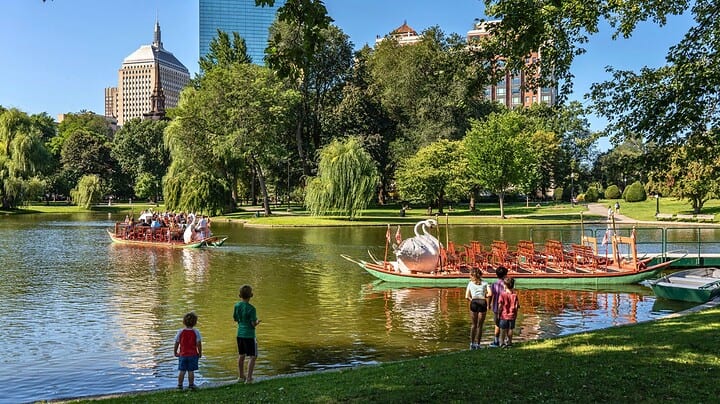
National public gardens are some of the best places to escape the hustle and bustle without leaving the city. They bring together a wide variety of plants, trees, and flowers, all carefully arranged to create peaceful, colorful spaces. Whether you want to take a relaxing stroll, learn about different kinds of plants, or just find a quiet spot to clear your head, these 15 prettiest national public gardens across the U.S. are perfect.
Read More Here: 15 of the Most Beautiful National Public Gardens Across the US