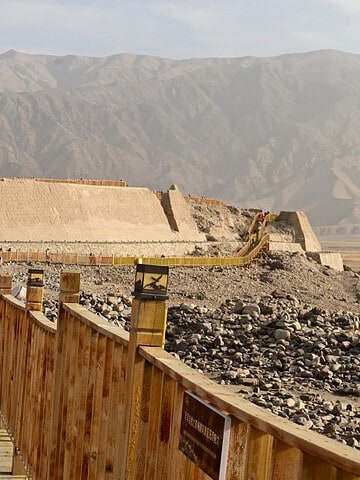
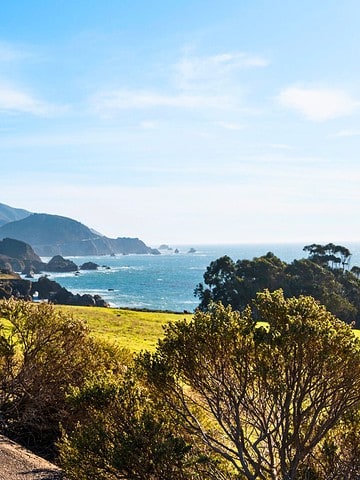
People talk about the pyramids like nothing else compares. They are great, sure, but history is crowded with bold places that still hold up. Long before modern tools, people planned cities, carved stone, and shaped land with patience and nerve. These 14 ancient ruins that are more impressive than the pyramids show how real people lived, ruled, argued, and adapted.
This article steps away from the usual hype and talks straight. It focuses on places that hit hard when you see them, even on a screen. Some sit high, some stay hidden, and some sprawl across open ground. Each one proves that great ideas have shown up all over the world. If you like history told without lectures or fluff, keep reading. This is about curiosity, surprise, and respect for people who built things that refused to disappear over long stretches now.
Angkor Wat (Cambodia)

Angkor Wat forms the heart of a vast urban landscape constructed by the Khmer Empire between the 9th and 15th centuries. Designed as a symbolic representation of Mount Meru, the temple complex combines monumental scale with intricate artistry. Miles of bas‑reliefs depict battles, religious myths, and royal processions in extraordinary detail. Advanced hydraulic systems controlled seasonal flooding, supporting a population larger than many medieval European cities. The stone towers, moats, and causeways reflect both Hindu cosmology and later Buddhist devotion, revealing how architecture, religion, and state power became deeply intertwined in Southeast Asia.
Mesa Verde Cliff Dwellings (USA)
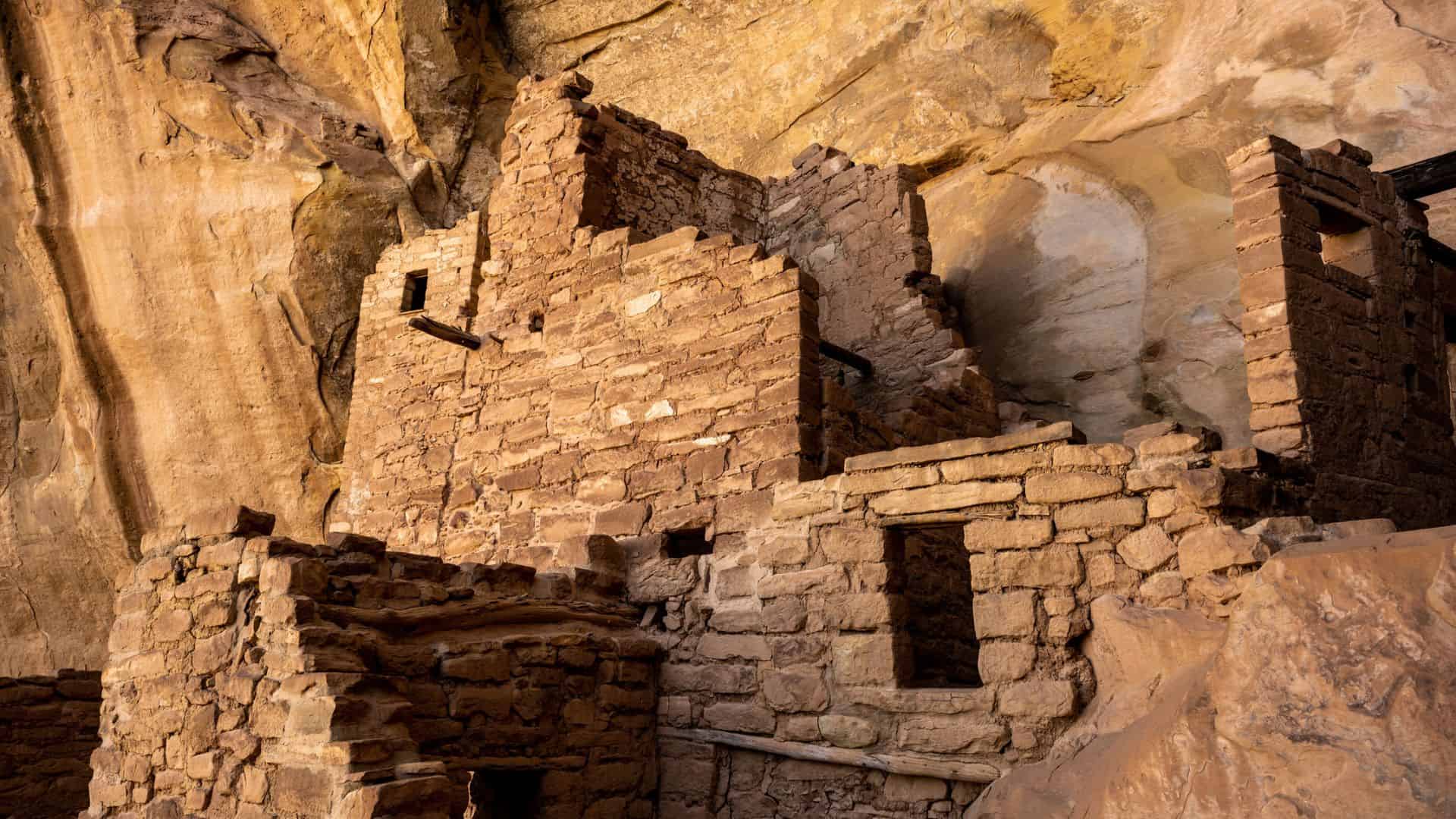
Carved into sandstone alcoves of the American Southwest, stone villages testify to Ancestral Puebloan ingenuity. Constructed between the 6th and 13th centuries, residences, kivas, and storage rooms formed dense communities sheltered by cliffs. Access relied on ladders and handholds, enhancing defense and climate control. Farming on mesa tops supported populations through careful water use. Social life centered on circular ceremonial chambers tied to cosmology. Gradual depopulation followed prolonged droughts, yet masonry skill, spatial organization, and cultural continuity remain visible across canyons today, demonstrating resilience, cooperation, migration choices, and enduring ties to place among descendant communities in the region today.
Machu Picchu (Peru)

Machu Picchu stands high above the Urubamba River, surrounded by steep peaks and shifting clouds. Built in the 15th century, the Inca city displays astonishing precision, with stones cut so tightly that blades cannot pass between them. Terraces cascade down the mountainside, preventing erosion while supporting agriculture at extreme altitude. Temples, residences, and ceremonial spaces reflect deep astronomical knowledge, aligning with solstices and sacred peaks. Abandoned shortly after Spanish contact, the city remained hidden for centuries, preserving a rare snapshot of Inca political power, engineering skill, and spiritual worldview within a dramatic Andean setting.
Sigiriya (Sri Lanka)
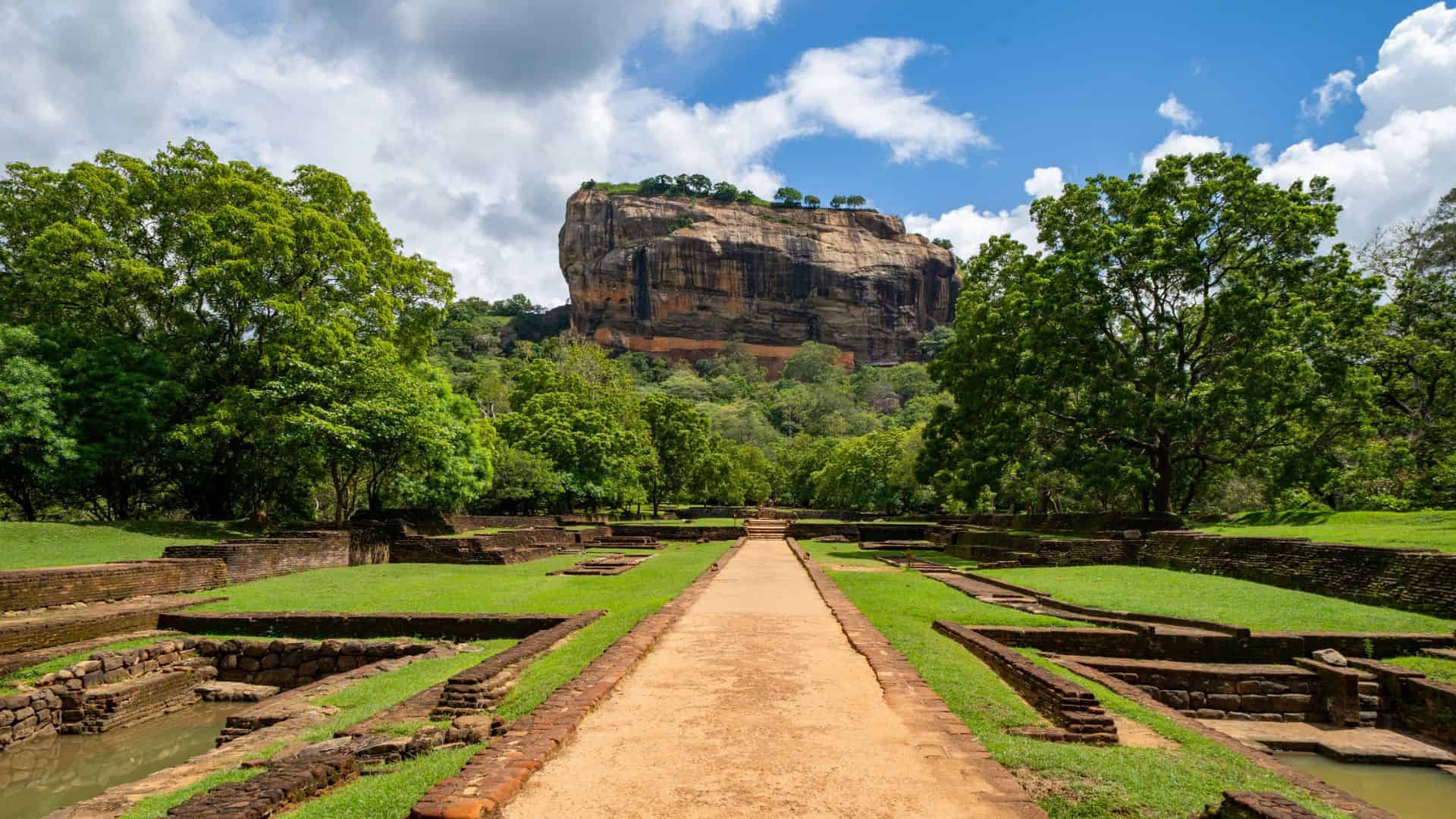
Atop a towering granite monolith in Sri Lanka, a fifth‑century royal stronghold transformed landscape into theater. Ascents passed painted galleries, mirror‑polished walls, and water gardens engineered with fountains and channels. The summit held palaces and pools arranged with axial symmetry and commanding views. Built by King Kashyapa, the site blended political security with symbolic authority. After his fall, monastic use altered functions yet preserved infrastructure. Sophisticated hydraulics, artistic programs, and dramatic siting demonstrate advanced planning that harmonized engineering, ritual, and control within a compact, vertical city, reflecting royal ideology, climatic adaptation, surveillance, and ceremonial movement across seasons and audiences alike.
Chichén Itzá (Mexico)
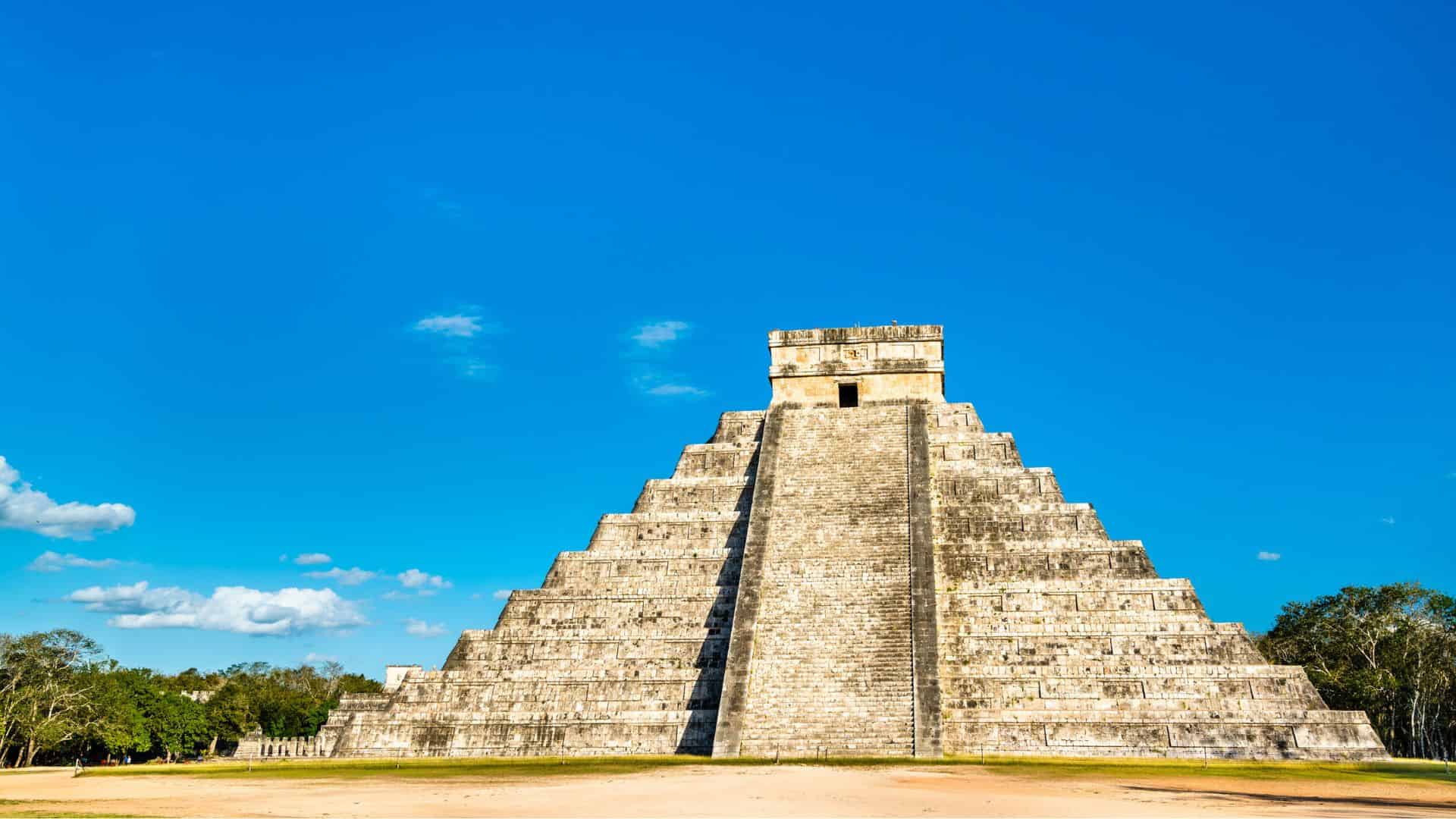
Developed as a major Maya center in northern Yucatán, this city blends architectural styles from different regions and eras. Its most famous pyramid demonstrates precise astronomical planning, with equinox shadows forming a serpent shape along the stairway. Ball courts, temples, and observatories indicate ritual, political, and scientific activity intertwined within urban life. Cenotes supplied water and served ceremonial roles in a landscape lacking rivers. Influence from central Mexico suggests migration or alliance, making the city a crossroads of ideas that reshaped Maya culture during the Postclassic period.
Hattusa (Turkey)
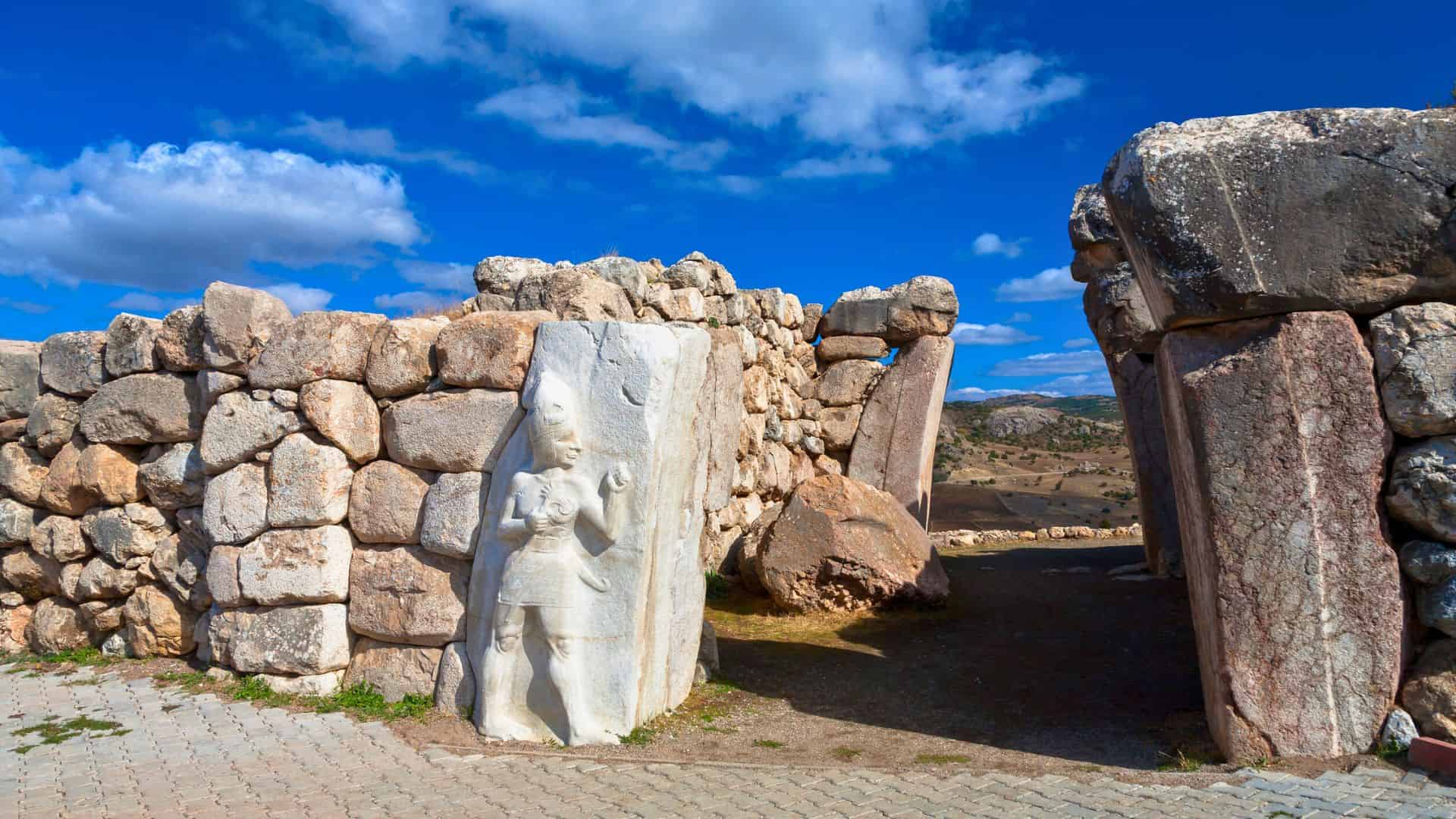
Across central Anatolia, a fortified capital commanded the Hittite Empire during the Late Bronze Age. Cyclopean walls, gateways adorned with lions and sphinxes, and sprawling temples defined a city built for power. Royal archives yielded thousands of cuneiform tablets, illuminating law, diplomacy, and religion. Among them appears the earliest recorded peace treaty, concluded with Egypt after Kadesh. Sacred rock sanctuaries nearby link urban space to divine authority. Abandoned after imperial collapse, the site preserves urban planning, defensive strategy, and written administration from a civilization long overshadowed by neighbors whose influence shaped regional politics, trade networks, and military innovation for centuries.
Baalbek (Lebanon)
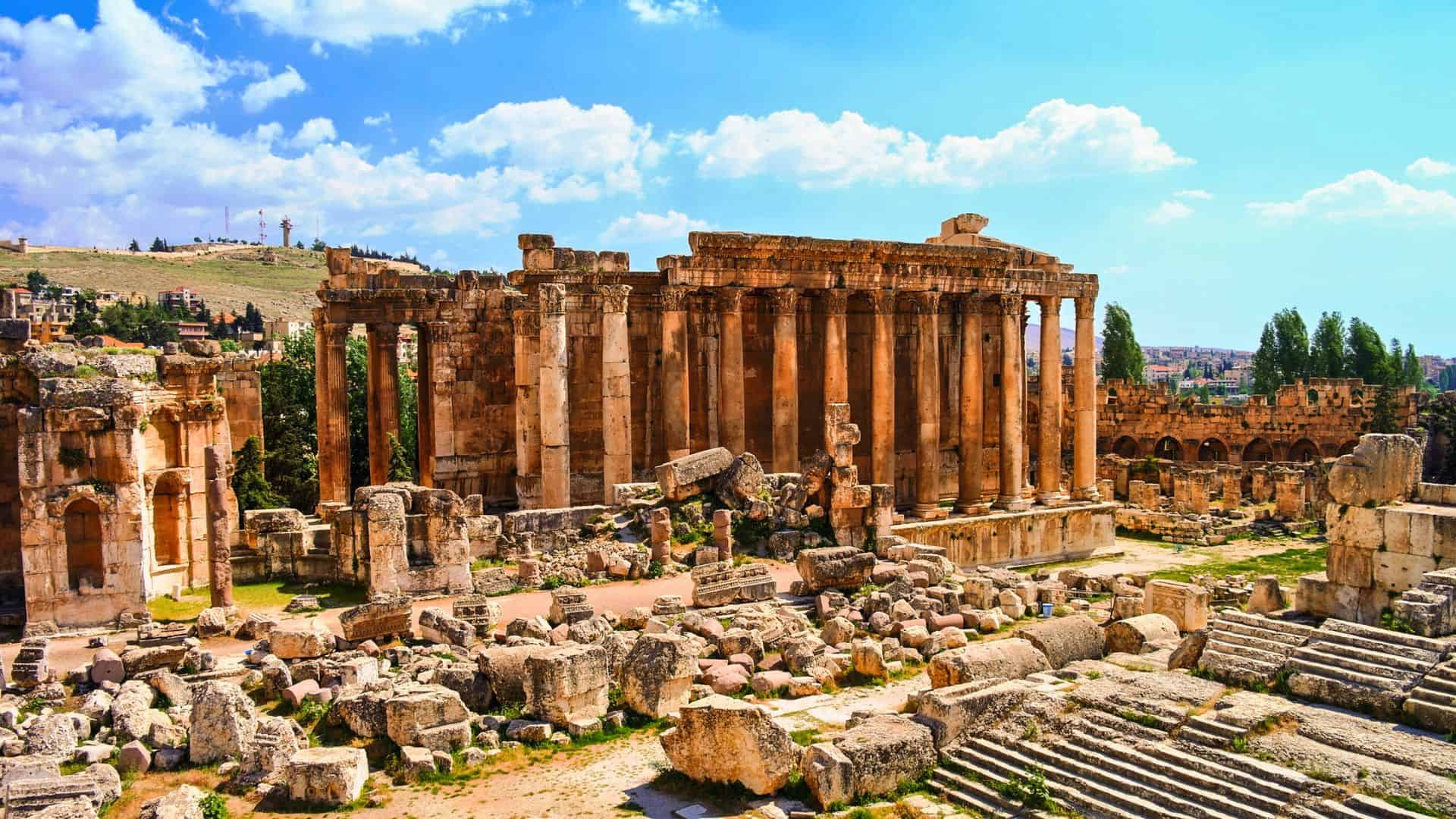
Rising in Lebanon’s Beqaa Valley, colossal Roman temples dominate an ancient sacred precinct. Construction began during the first century CE, incorporating foundations from earlier Phoenician worship. The Temple of Jupiter once stood among the largest religious buildings ever attempted, supported by columns nearly seventy feet tall. Beneath the platform lie the Trilithon stones, weighing hundreds of tons, moved with methods still debated. Precision masonry, seismic resilience, and monumental ambition reveal imperial confidence at its height. Later Byzantine and Islamic phases reshaped the complex, layering history while leaving unanswered questions about logistics, labor organization, and ancient engineering limits and scale mysteries.
Persepolis (Iran)
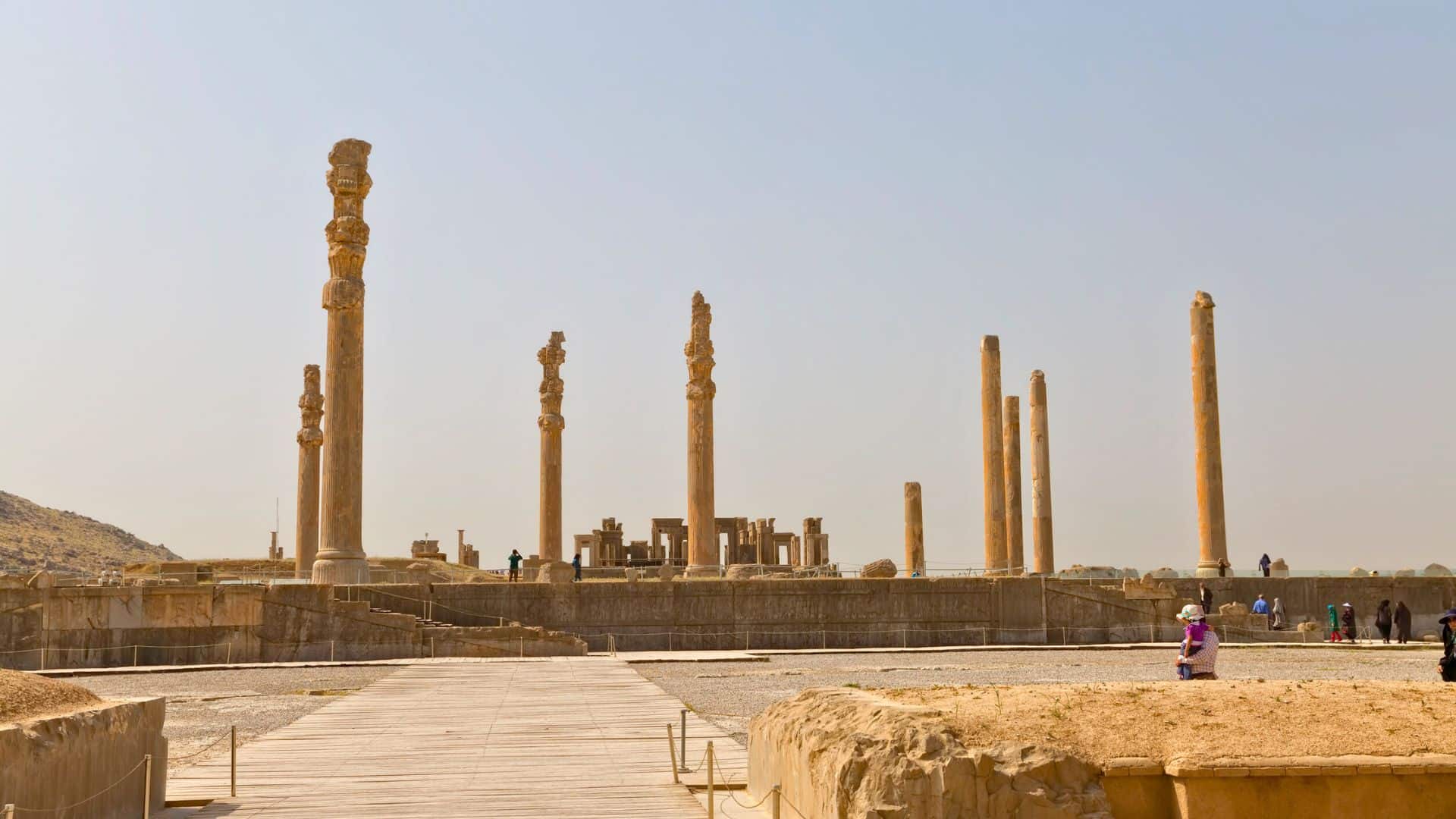
Rising from the plains of southern Iran, this ceremonial capital embodied the power of the Achaemenid Empire. Constructed under Darius I and his successors, the complex featured grand staircases, audience halls, and columned palaces built on a massive stone terrace. Reliefs carved into the walls depict delegations from across the empire bringing tribute, emphasizing unity under imperial rule. Rather than serving as a permanent residence, the site functioned as a symbolic stage for royal ceremonies. Its partial destruction by Alexander the Great marked the dramatic end of a dominant political era.
Want to save this?
Göbekli Tepe (Turkey)

Located on a windswept hill in southeastern Anatolia, this prehistoric sanctuary dates back more than 11,000 years. Massive T‑shaped stone pillars, some weighing over 15 tons, stand arranged in circular enclosures. Carvings of animals such as foxes, snakes, and birds suggest symbolic or ritual meaning rather than domestic use. Remarkably, the site predates pottery, metal tools, and farming, challenging long‑held theories about how complex societies emerged. Its construction implies large-scale coordination among hunter‑gatherers, pointing to shared belief systems that may have driven social organization before permanent settlements existed.
Teotihuacan (Mexico)
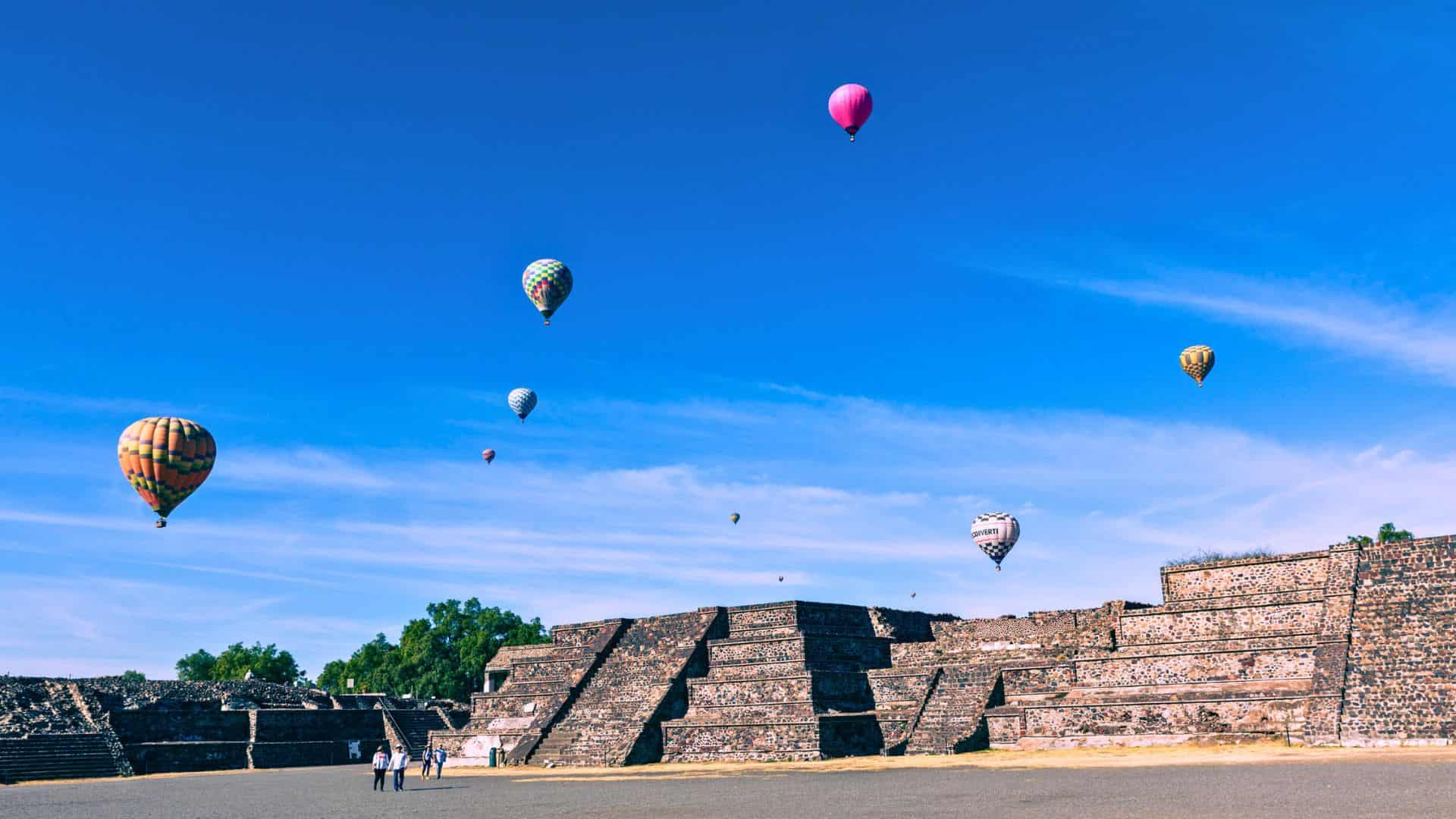
Teotihuacan grew into one of the largest cities of the ancient world long before the Aztecs. Laid out on a precise grid, it centers on the Avenue of the Dead, flanked by monumental structures including the Pyramid of the Sun and Pyramid of the Moon. Apartment compounds housed diverse communities, suggesting a multiethnic population. Murals filled with symbolic imagery reveal shared religious beliefs rather than individual rulers. Despite its scale and influence across Mesoamerica, the city’s founders remain unidentified, leaving scholars to piece together its political system, religious practices, and eventual decline from archaeology alone.
Moai of Easter Island (Rapa Nui)
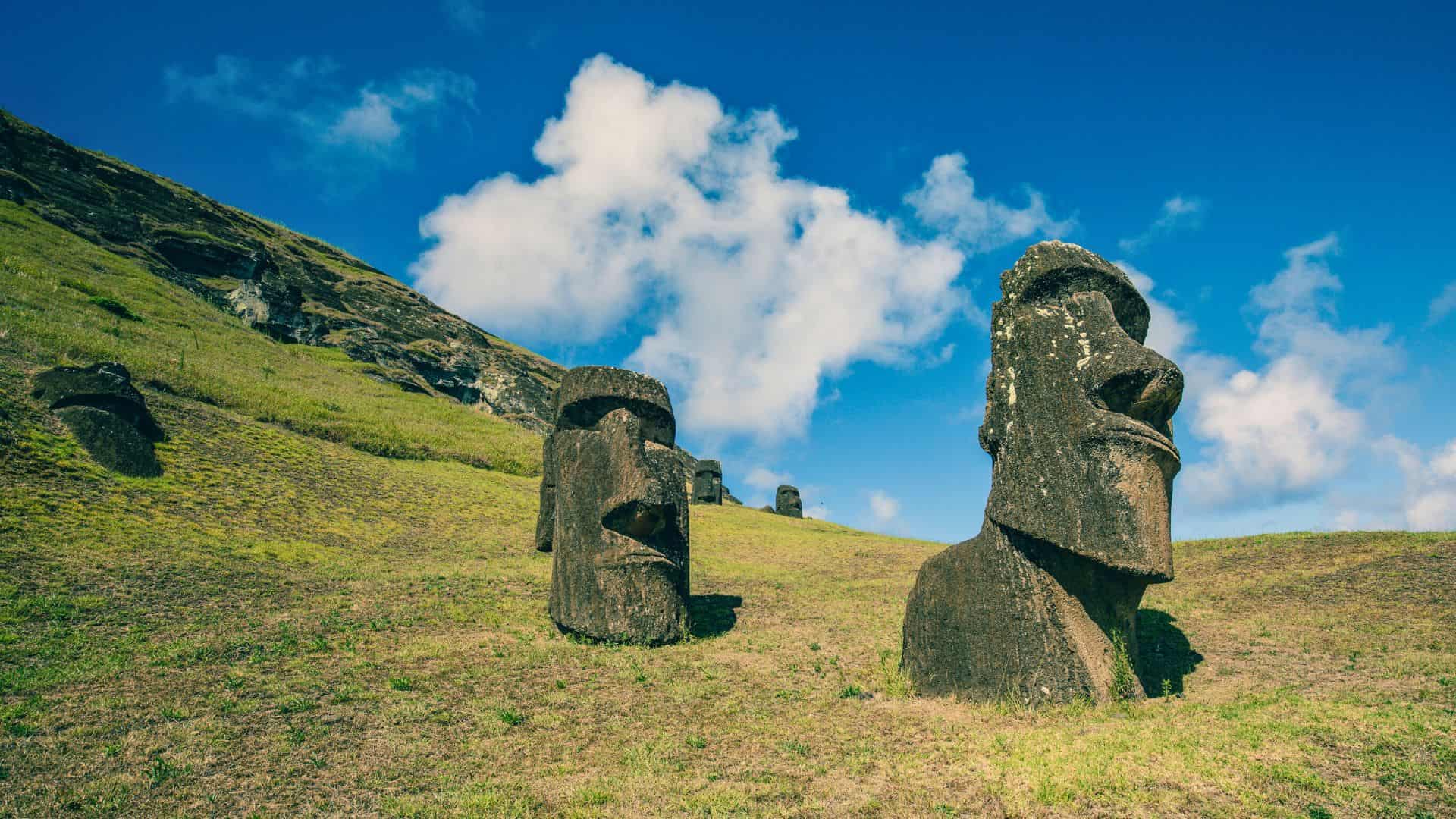
Scattered across a remote Pacific island, hundreds of towering stone figures gaze inland from ceremonial platforms. Carved between the 13th and 16th centuries, these statues represent ancestral figures tied to lineage, authority, and spiritual protection. Some reach over 30 feet in height and weigh many tons, yet were transported across rugged terrain without wheels or draft animals. Quarries, unfinished statues, and oral traditions reveal both technical knowledge and social strain. The moai stand as silent witnesses to cultural achievement, environmental limits, and dramatic shifts within an isolated Polynesian society.
Tikal (Guatemala)
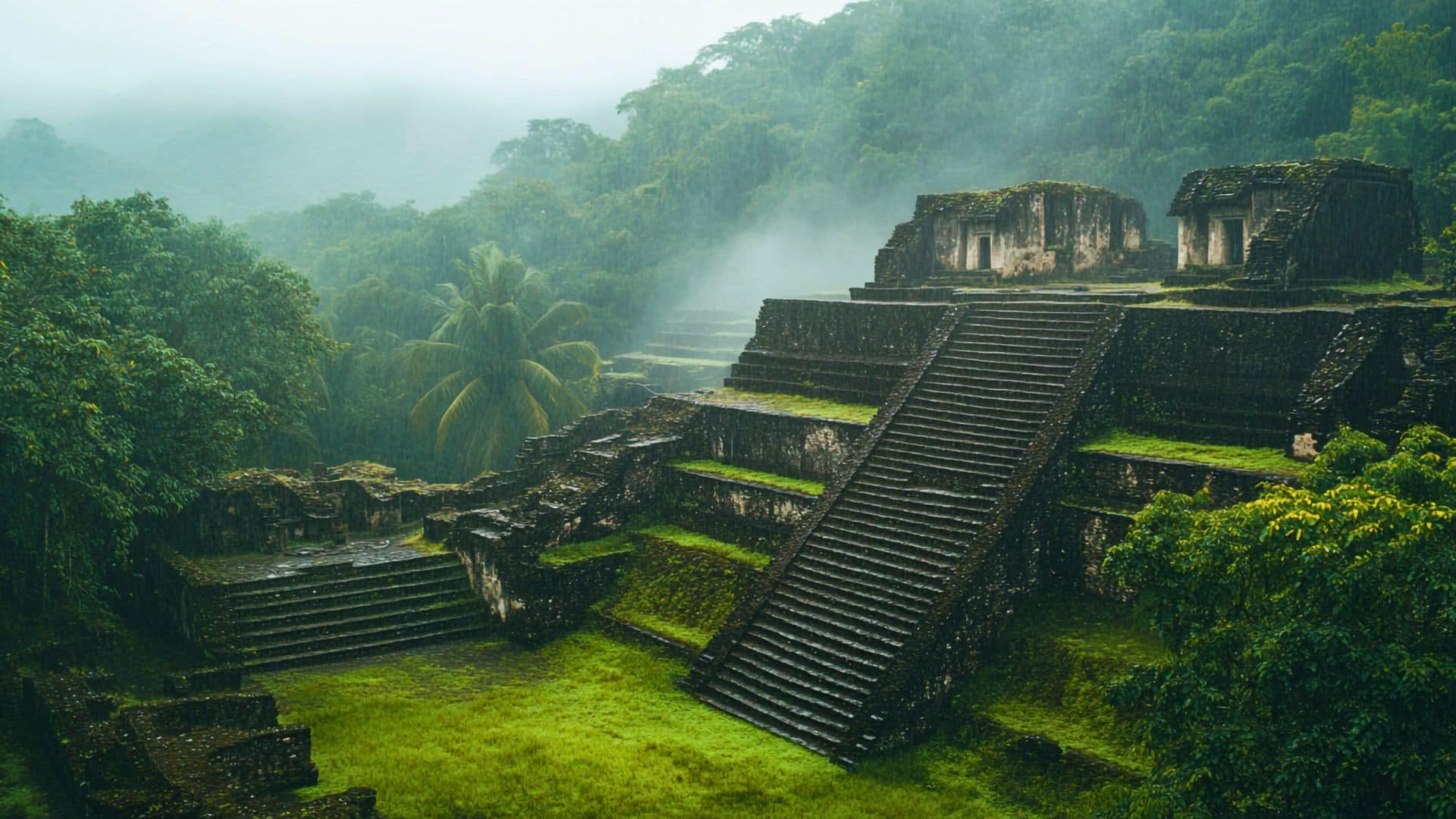
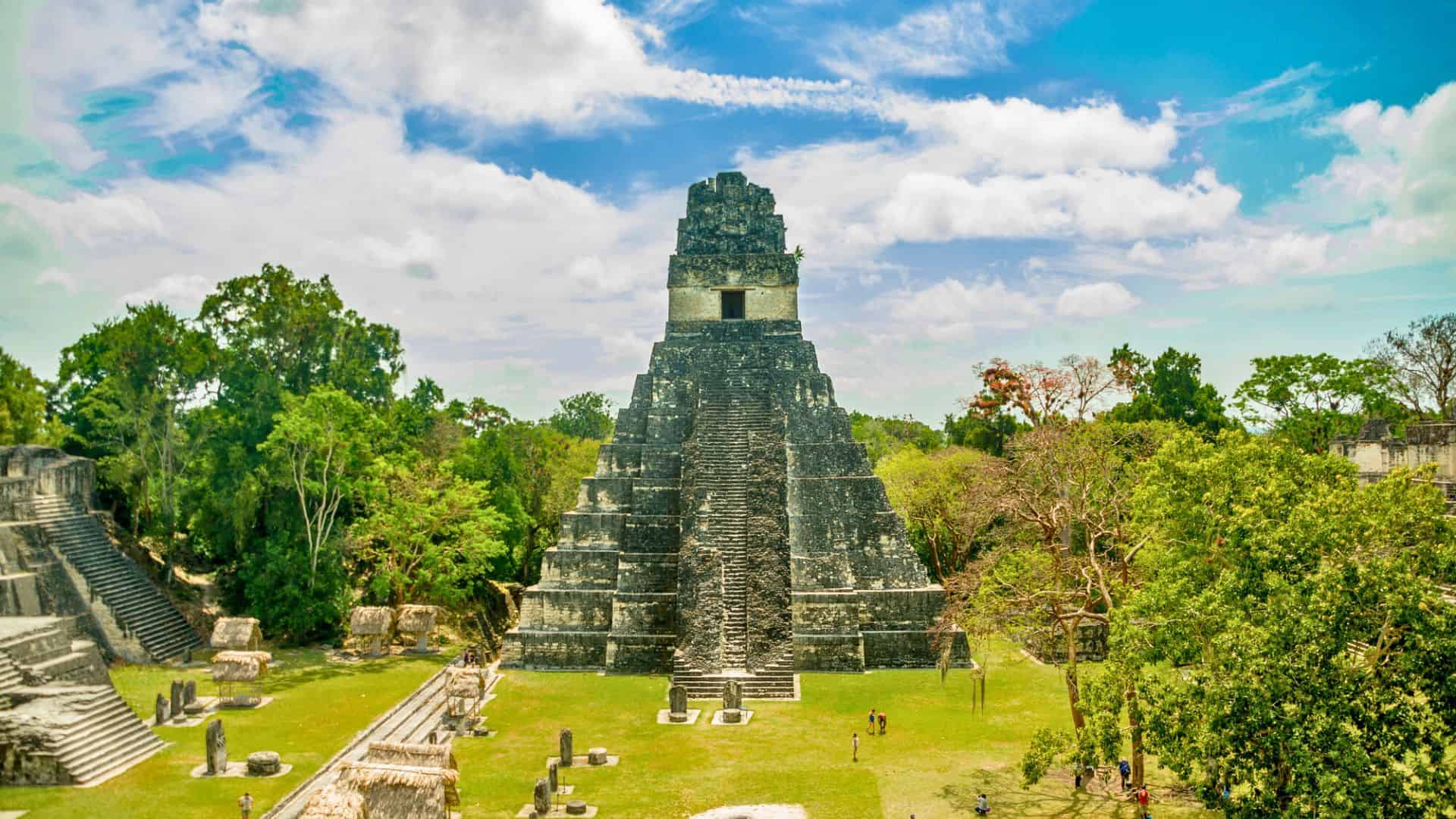
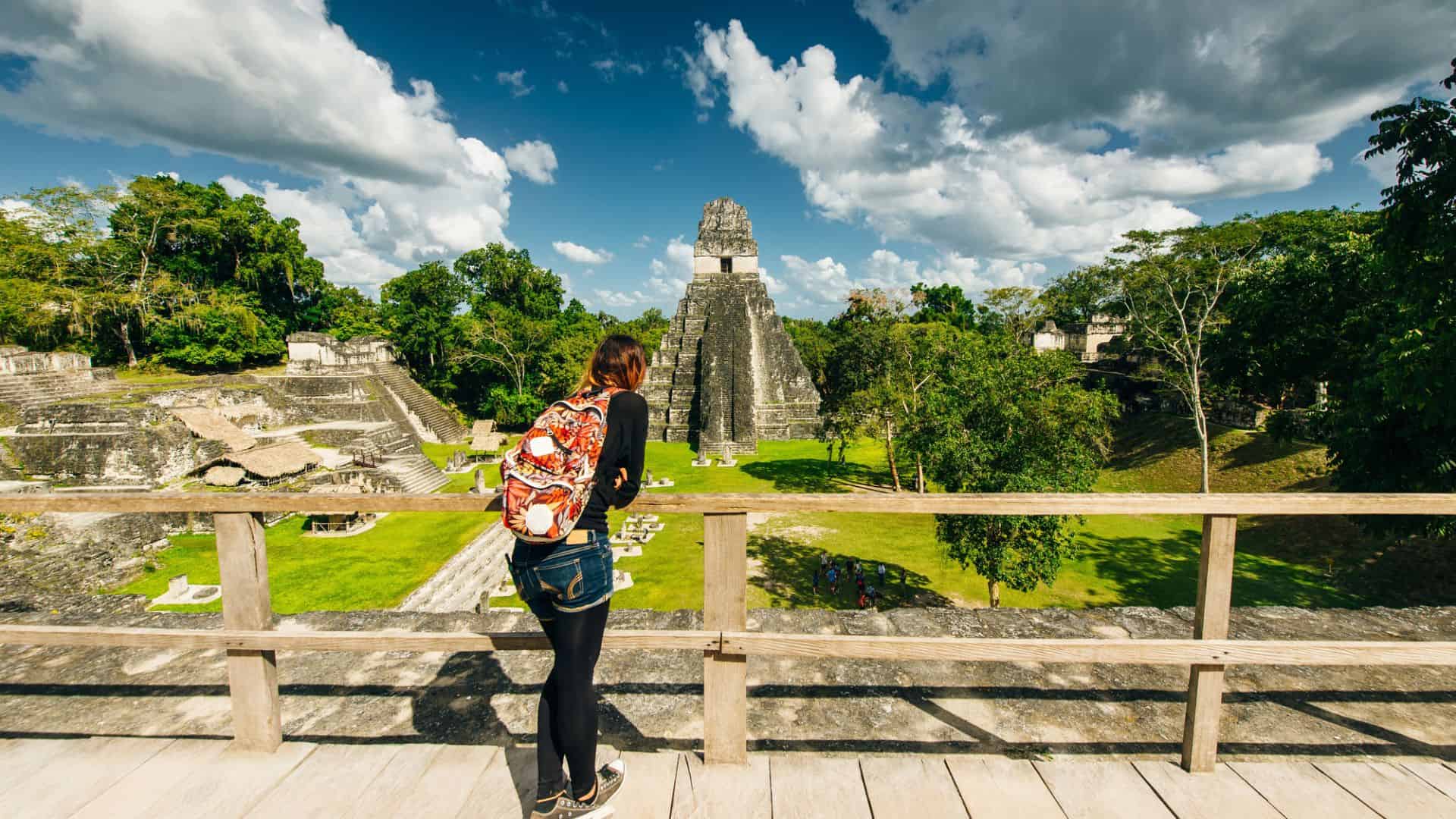
Tikal once dominated the Maya lowlands, rising from dense rainforest as a powerful political and religious center. Its steep limestone pyramids soar above the canopy, marking temples dedicated to kings and deities. Causeways connected plazas, palaces, and ceremonial complexes across a carefully planned urban environment. Inscriptions carved on stelae record dynastic histories, wars, and alliances spanning centuries. Astronomical alignments guided ritual calendars and state ceremonies. At its height, Tikal supported tens of thousands of inhabitants, demonstrating the organizational complexity and environmental adaptation of Classic Maya civilization.
Great Zimbabwe (Zimbabwe)
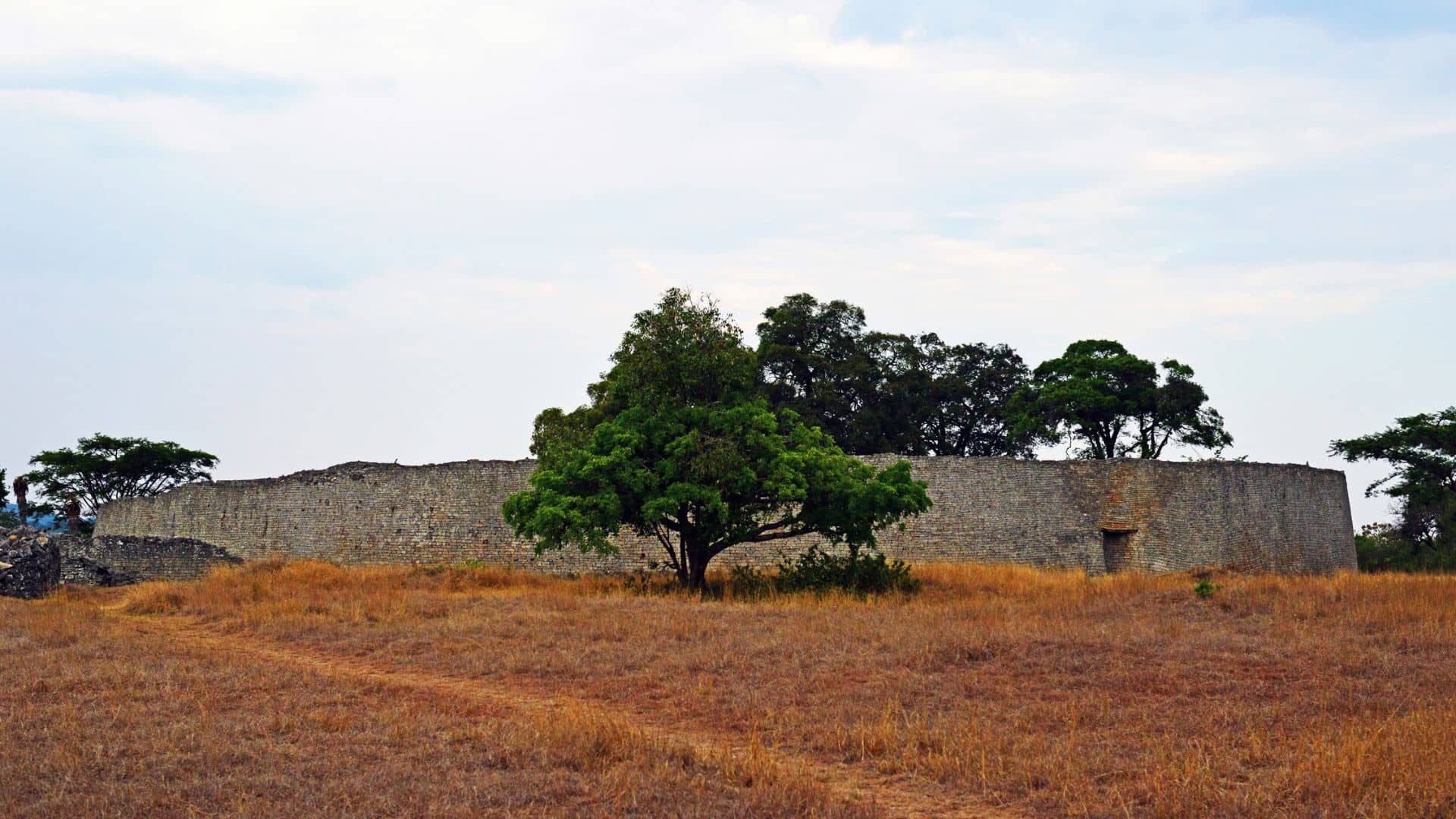
Massive stone walls curve across the landscape of southeastern Africa, forming enclosures without the use of mortar. Built between the 11th and 15th centuries, the settlement functioned as a political and commercial center linked to Indian Ocean trade networks. Artifacts such as glass beads and Chinese porcelain reveal long-distance connections. The Great Enclosure, with walls reaching over 30 feet high, reflects centralized authority and skilled construction techniques. Long misattributed to foreign builders, the site now stands as clear evidence of indigenous African state formation and architectural mastery.
Petra (Jordan)

Petra emerges from narrow desert canyons as a city sculpted directly into sandstone cliffs. Established by the Nabataeans around the 4th century BCE, it thrived as a trade hub linking Arabia, Egypt, and the Mediterranean. Monumental façades such as the Treasury conceal tombs, temples, and civic spaces carved with astonishing accuracy. An advanced water‑management network captured flash floods and channeled water across the arid landscape, sustaining large populations. After trade routes shifted, Petra faded from prominence, leaving behind a dramatic fusion of natural geology and human craftsmanship rarely matched elsewhere.
Before Cranes, Still Crushing It
After seeing what people built long ago, it’s hard to say progress only moves one way. Stone, earth, and time still carry stories that feel clear today. These places remind us that skill and ambition did not start recently. They came from people working with limits and making bold calls anyway. Standing near ruins like these shifts how history feels. It stops being distant and starts feeling close, real, and grounded.
The pyramids earn their fame, but they don’t stand alone. When you look wider, you see a long record of problem-solving, belief, and vision spread across the world. That bigger view adds context and respect. It also sparks curiosity, which is a great reason to keep learning. If these stories stick with you, that’s the point. The past still speaks, and it has plenty to say. Take a moment and let that thought settle before moving on quietly.
11 Places Around the World Where Ancient Traditions Still Thrive
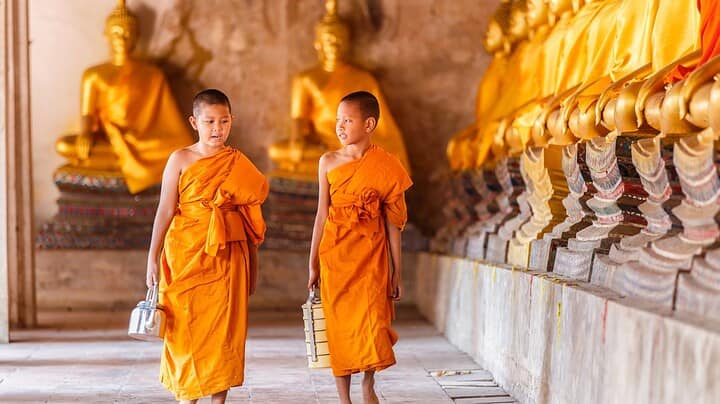
Some places in the world hold onto traditions that have been practiced for hundreds, sometimes thousands, of years. These aren’t just stories from the past—they are ways of life that people still follow every day. In particular, there are 11 places where ancient traditions are still practiced today. Seeing these customs in action can give you a fresh perspective on how culture shapes identity and keeps communities strong.
Read More Here: 11 Places Around the World Where Ancient Traditions Still Thrive
10 Beautiful Places That Feel Like the Old Europe You Remember
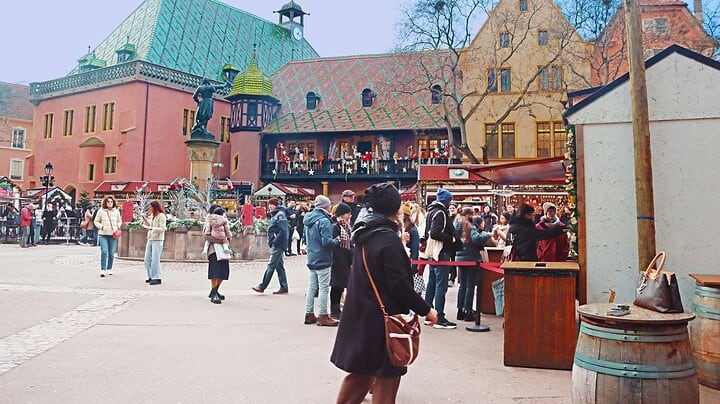
For those seeking the charm and history of old Europe, there are still destinations that capture its timeless essence. While many cities have modernized, certain places remain a window into a slower-paced world filled with cobblestone streets, medieval architecture, and traditional cafés. These spots invite travelers to step back in time while still offering all the conveniences of the present. Whether it's strolling along quiet canals or enjoying local delicacies in a centuries-old town square, these cities hold the spirit of Europe's past.
Read More Here: 10 Beautiful Places That Feel Like the Old Europe You Remember