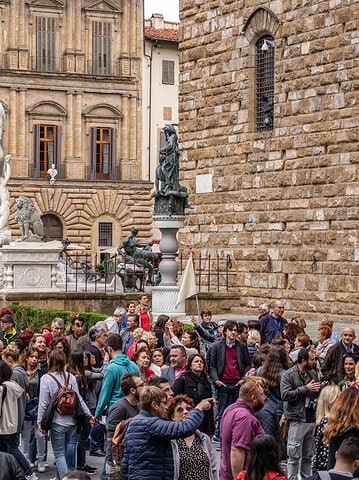
Tourist spots don’t always stay as charming as they once were. A place that used to feel relaxed and welcoming can slowly turn into a crowded maze of tour groups, souvenir stalls, and inflated prices. Locals who grew up enjoying those streets, beaches, or landmarks often find themselves avoiding them altogether. In fact, there are 13 tourist spots that locals avoid now.
Still, it’s easy to understand why travelers keep coming. These places are famous for a reason: they’re beautiful, historic, and packed with stories. But for locals, the experience has shifted from everyday joy to constant chaos. What used to be a great place for a weekend stroll or quiet coffee now feels like a theme park. Sometimes, the perfect way to appreciate a destination is by knowing when to step back.
Bali (Indonesia)
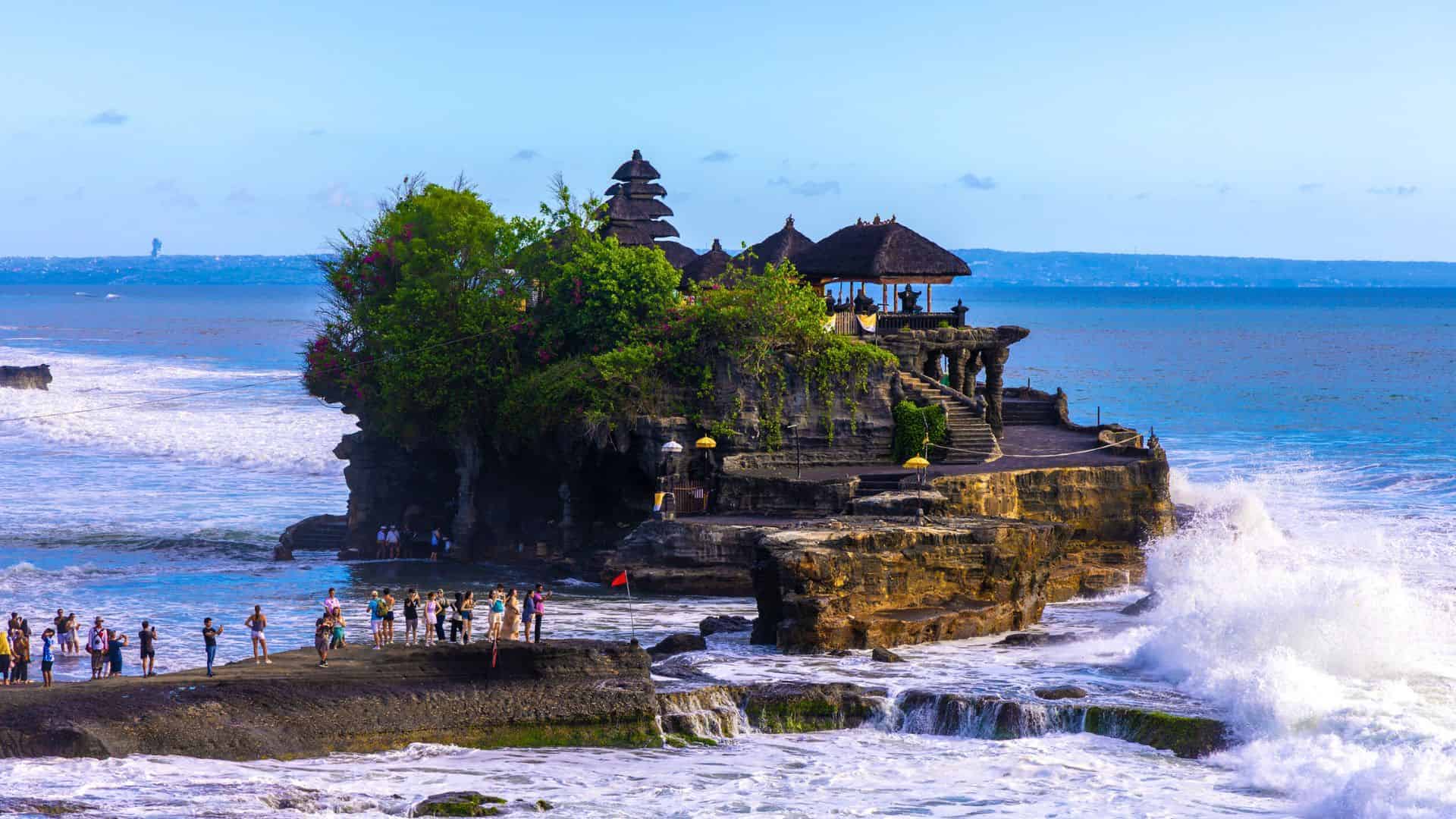
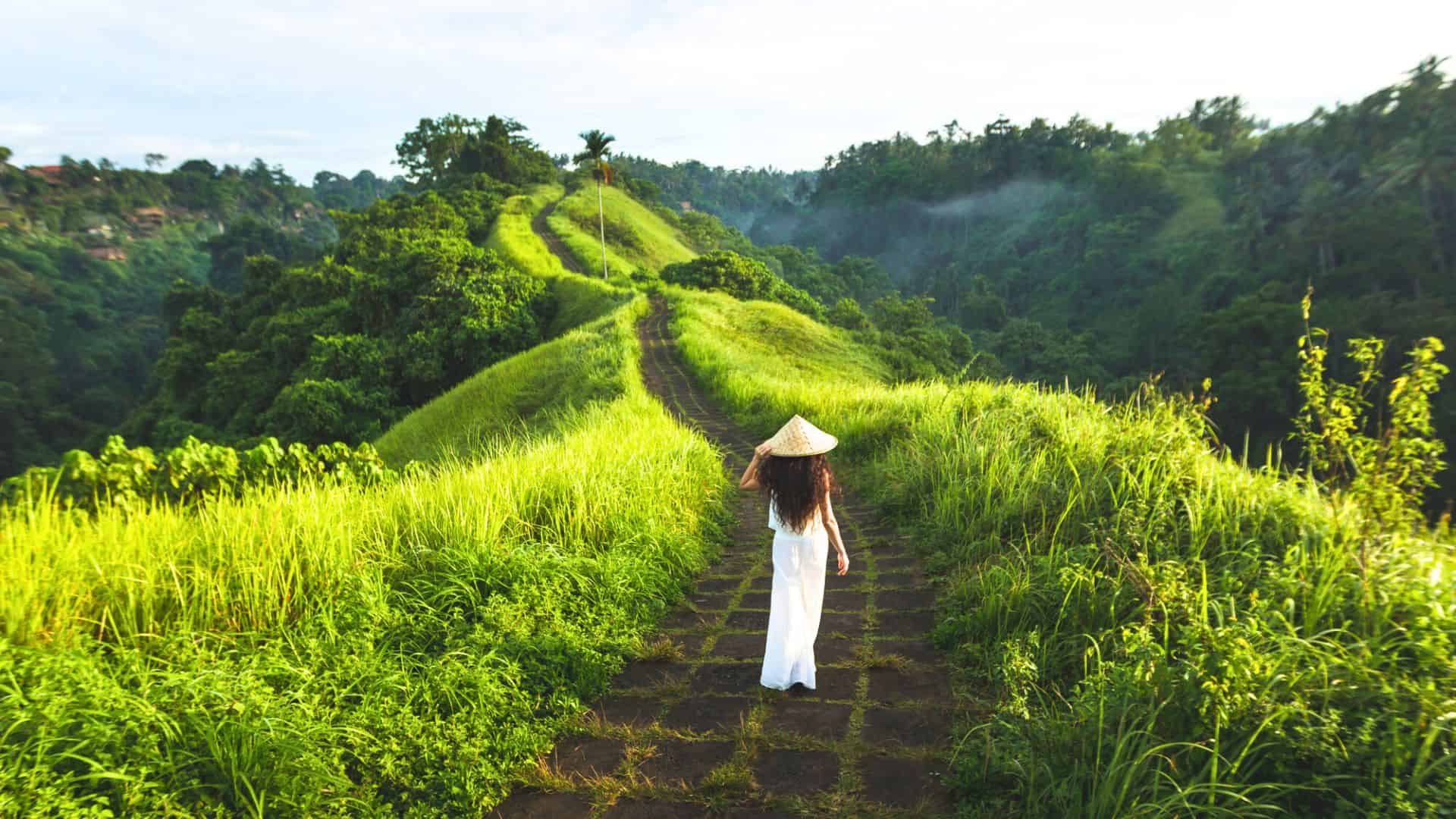
Once a tranquil island known for its spirituality and natural beauty, Bali has transformed into a hotspot for mass tourism. Traffic congestion, littered beaches, and unchecked development have changed the island’s rhythm. Locals often express frustration with visitors who disregard cultural customs or treat sacred spaces as photo backdrops. Rising prices and overreliance on tourism have made life more difficult for many Balinese families. While visitors still flock to resorts and beach clubs, residents prefer quieter inland villages or lesser-known coastal areas where traditions remain stronger and the pace of life is calmer.
Bondi Beach (Sydney, Australia)
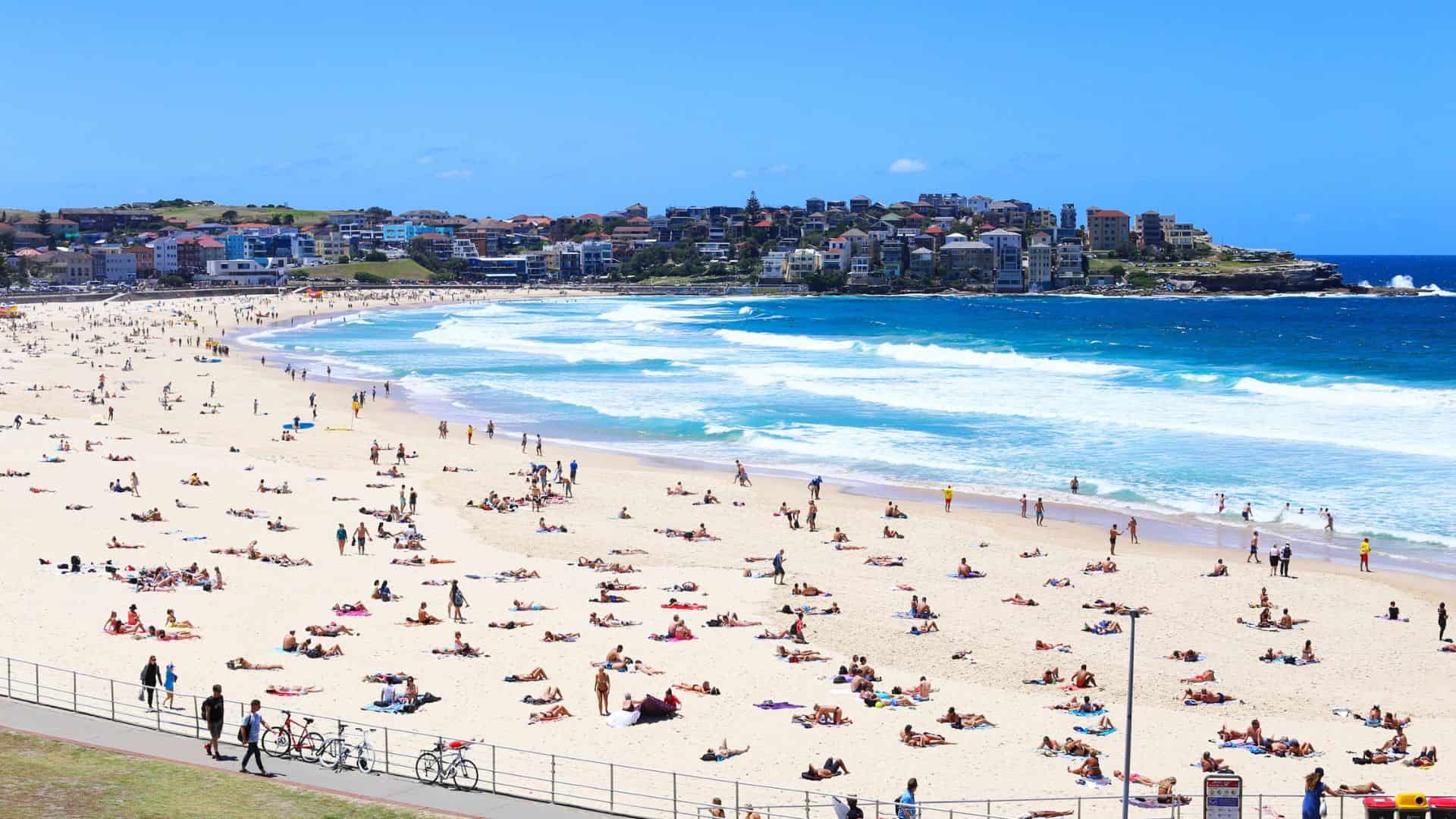
Once a relaxed coastal hangout for local surfers and families, this beach has become a global icon, attracting thousands daily. The shoreline is now lined with trendy cafés, fitness influencers, and constant activity that leaves little room for peaceful moments. Parking is nearly impossible, and the sand is often packed from sunrise to sunset. Many Sydney residents now skip Bondi altogether, heading instead to quieter beaches like Bronte or Tamarama. While it remains a symbol of Australia’s beach culture, the area’s commercial atmosphere and constant crowds have driven locals to seek serenity elsewhere along the coast.
Reykjavik’s Blue Lagoon (Iceland)
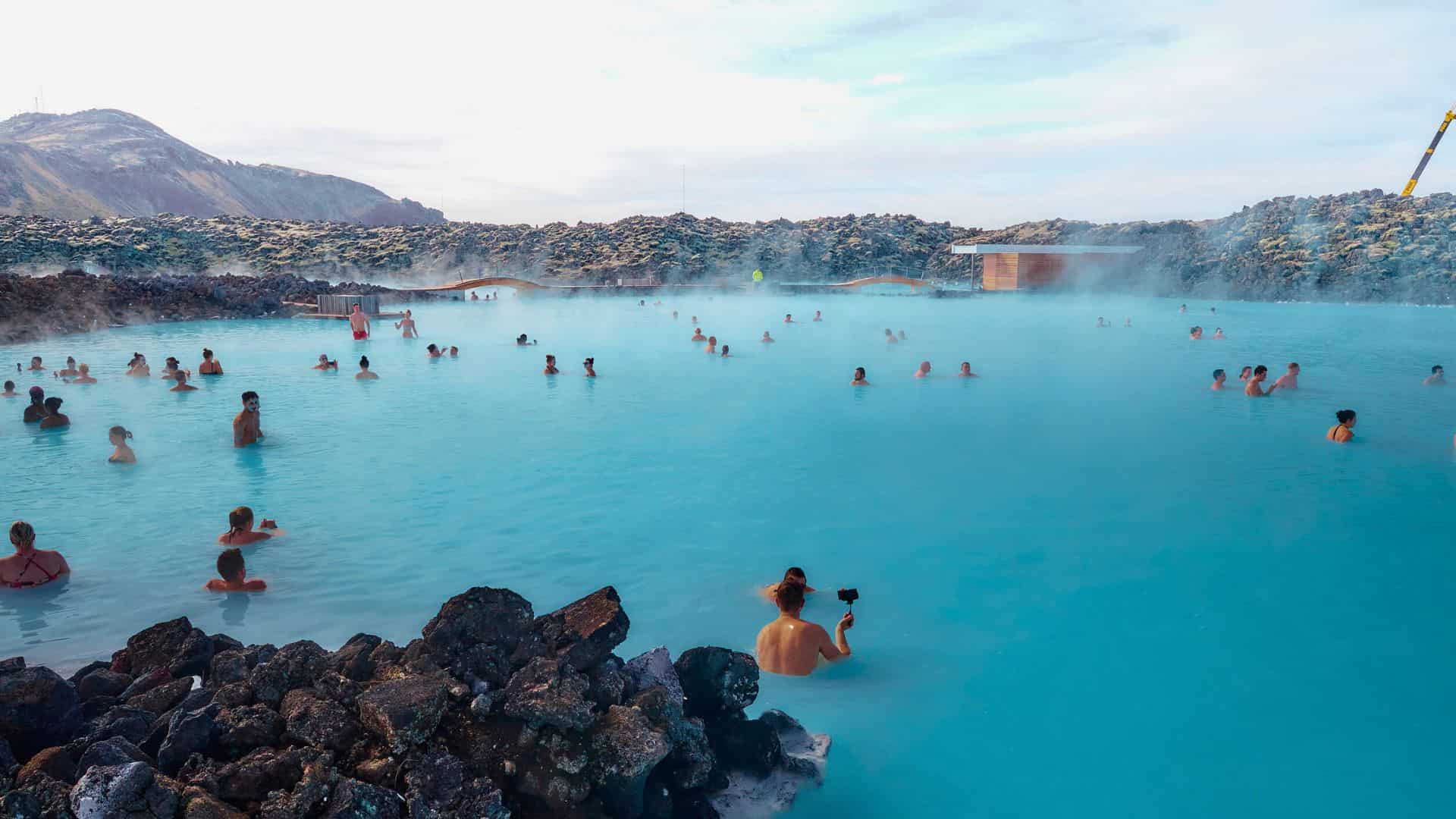
Initially a geothermal pool cherished by locals seeking relaxation, this attraction has transformed into a luxury destination with high entry fees and long lines. The mineral-rich waters are still striking, but the sense of community and calm that once defined the spot has faded. Tour buses arrive hourly, and the surrounding area has been heavily commercialized with hotels and spas. Many Icelanders now prefer smaller, less-known hot springs scattered across the countryside, where the experience feels more personal and connected to nature. The Blue Lagoon remains stunning, but no longer reflects the quiet simplicity locals once cherished.
Dubrovnik’s Old Town (Croatia)
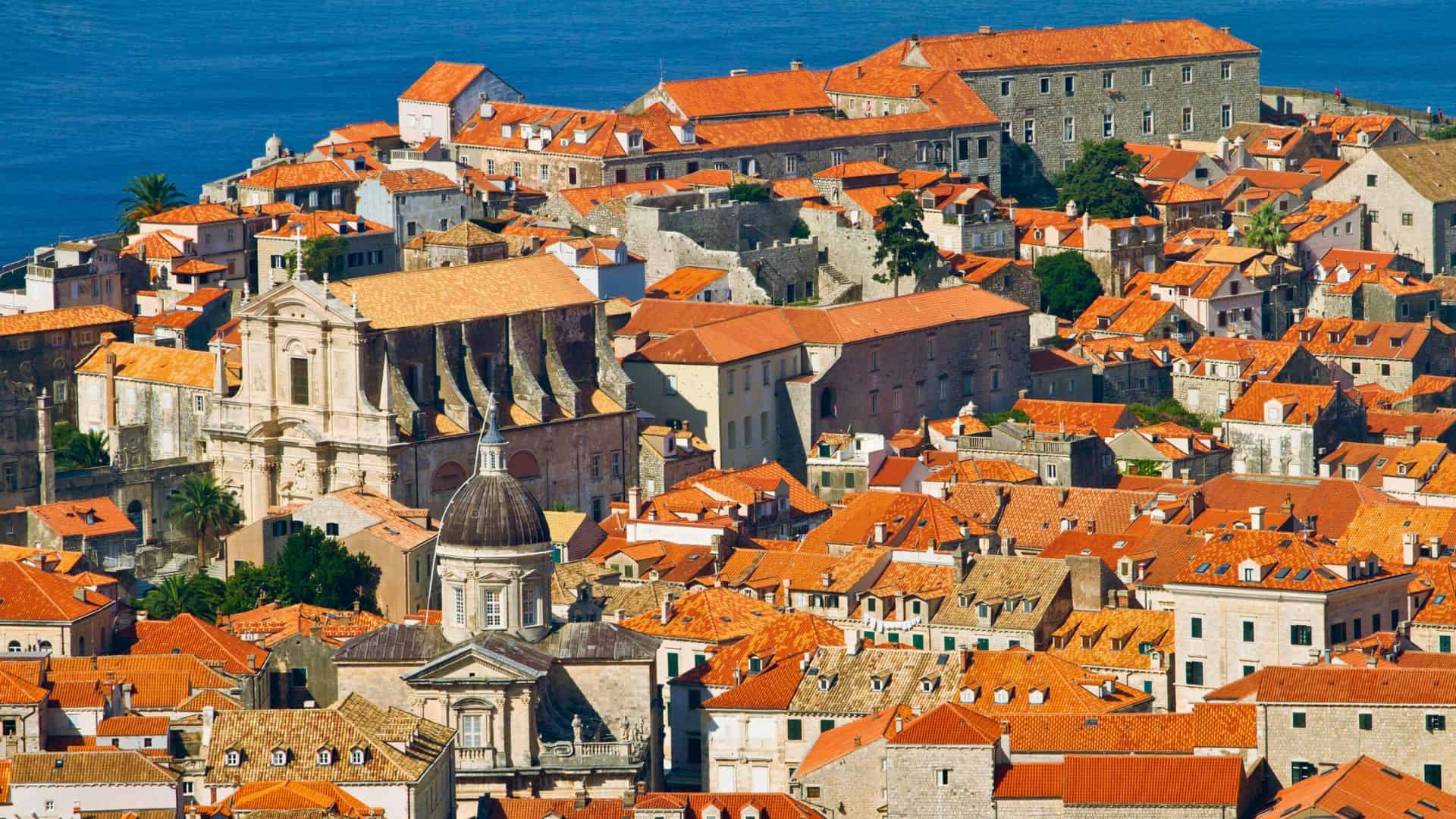
Framed by ancient stone walls and overlooking the Adriatic, this historic district was once a peaceful coastal gem. After gaining fame as a filming location, the city saw an explosion of tourism that transformed its narrow streets into a constant stream of visitors. Rising property values have forced many locals to move out, leaving the old town filled mostly with rental apartments and souvenir shops. The atmosphere that once reflected everyday Croatian life has been replaced by a commercial buzz. Residents now spend time in nearby coastal villages that retain a slower, more authentic rhythm.
Venice (Italy)

Venice was once a serene city of canals, art, and quiet charm. Now, it’s often flooded not just by water but by tourists arriving on massive cruise ships. The narrow streets and bridges are packed year-round, making daily life difficult for residents. Many locals have moved away as housing costs rise and traditional businesses disappear. The city’s fragile ecosystem is also under pressure from pollution and erosion. While still breathtaking for first-time visitors, Venetians increasingly feel disconnected from their own city, retreating to less crowded islands and mainland towns for peace and authenticity.
Santorini (Greece)

Santorini’s whitewashed buildings and blue-domed churches once drew travelers seeking peace and romance. Today, the island struggles with overcrowding, especially when cruise ships unload thousands of passengers daily. Narrow streets become gridlocked, and prices have soared beyond what many locals can afford. The pressure on infrastructure and limited resources has made daily living difficult for residents. Many have shifted to smaller islands or rural areas to escape the constant influx of visitors. Despite its postcard beauty, Santorini has become more of a stage for tourism than a place locals can comfortably call home.
Barcelona’s Las Ramblas (Spain)
Want to save this?
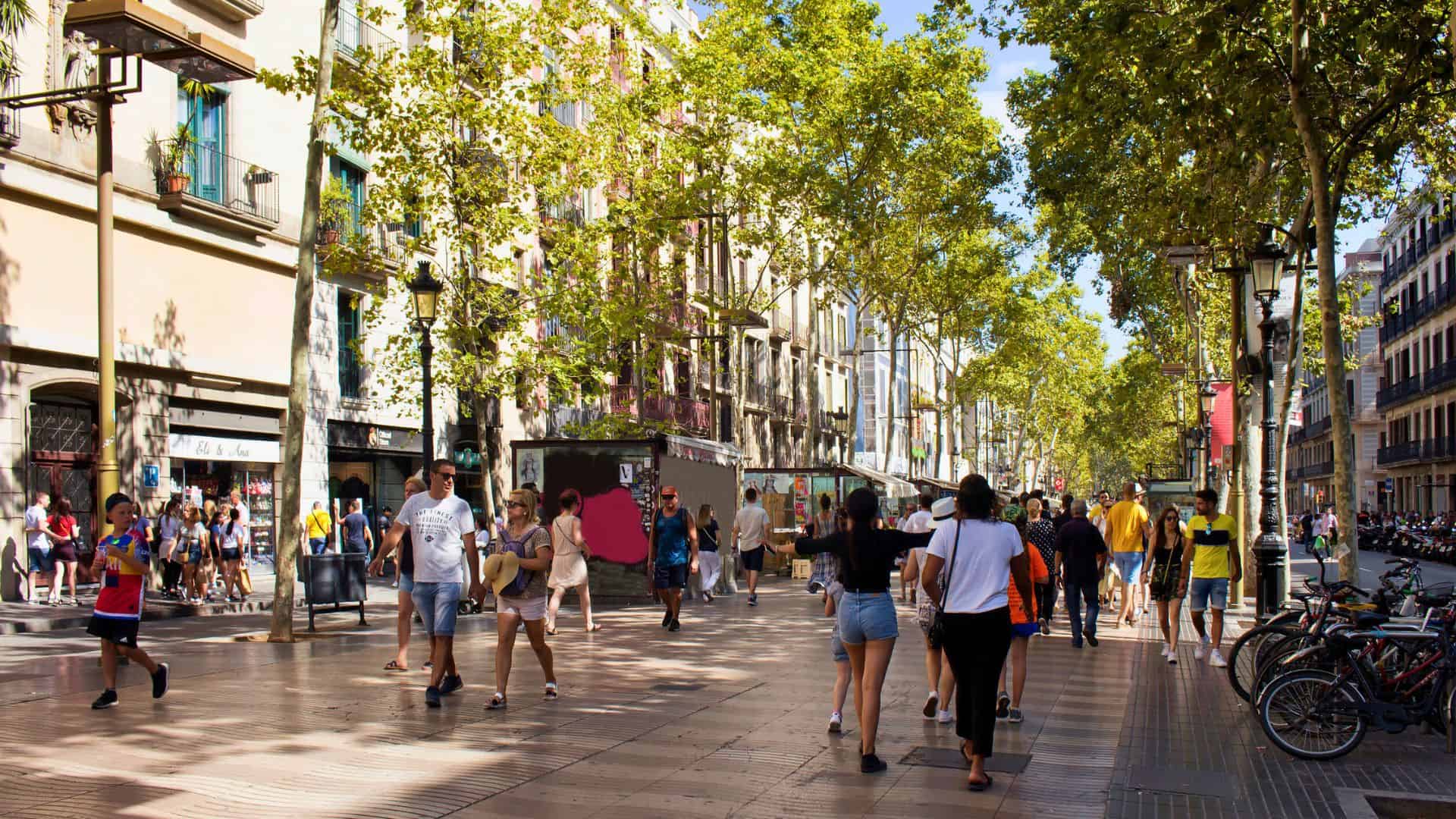
Once a beloved promenade for evening strolls and casual gatherings, this central street in Barcelona has transformed into a crowded stretch dominated by souvenir stalls and street vendors. Locals lament how authentic cafés and small shops have been replaced by tourist-oriented businesses. Pickpocketing and inflated prices have also discouraged residents from visiting. The charm that once drew artists and writers has faded beneath the constant flow of foot traffic. Many Barcelonans now prefer quieter neighborhoods like Gràcia or Poble-sec, where they can still enjoy a sense of community and genuine Catalan culture away from the chaos.
Phuket (Thailand)

Known for its turquoise waters and golden beaches, this island has shifted from a quiet retreat into a busy hub of nightlife and mass tourism. The once-pristine coastline now faces pollution, traffic congestion, and overdevelopment. Many long-term residents have grown weary of the constant noise and inflated prices. Traditional fishing communities have been overshadowed by luxury resorts and entertainment venues catering to short-term visitors. Locals seeking a calmer environment often head to nearby provinces or smaller islands where the natural beauty and cultural traditions remain more intact, far from the crowded beaches and neon-lit streets.
Kyoto’s Gion District (Japan)
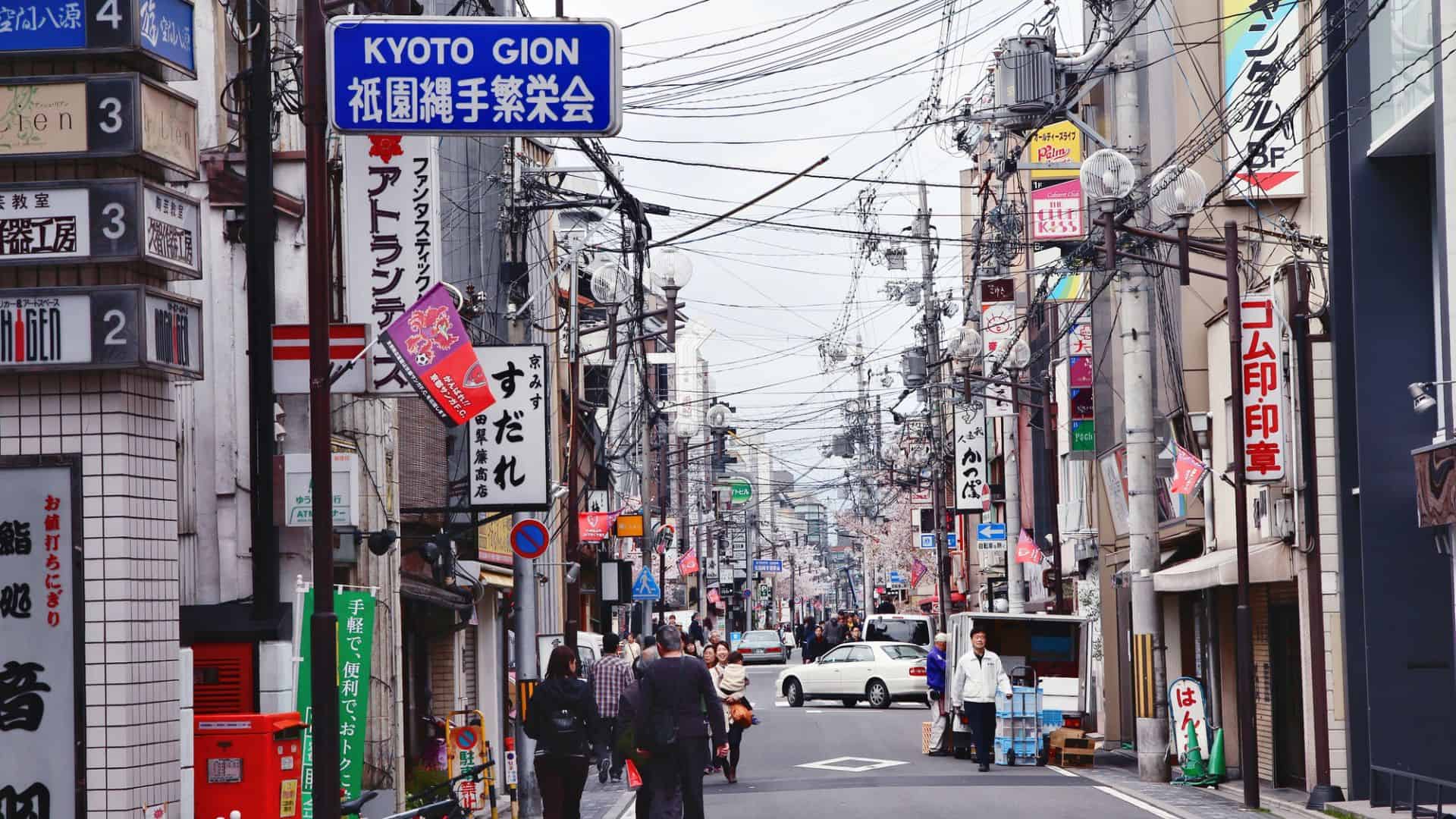
Famous for its historic wooden houses and geisha culture, this district has become a magnet for international visitors. The narrow lanes that once echoed with quiet footsteps are now filled with tourists eager to take photos, often disregarding local etiquette. Residents have grown frustrated with disruptions to their daily routines and the loss of privacy. Many traditional teahouses have turned into tourist attractions, altering the area’s original charm. Locals now frequent less crowded neighborhoods where cultural heritage is still respected, preserving the spirit of Kyoto away from the constant flash of cameras and bustling crowds.
Machu Picchu (Peru)

Machu Picchu, the legendary Incan citadel high in the Andes, was once a site of quiet wonder. Now, it faces the strain of heavy tourism, with thousands of visitors climbing its paths each day. The Peruvian government has introduced ticket limits and timed entry to protect the site, but the sense of solitude that once defined it is largely gone. For locals, the surrounding town of Aguas Calientes has turned into a commercial hub focused almost entirely on tourism. Many Peruvians now prefer visiting lesser-known archaeological sites that still hold a sense of mystery and calm.
Marrakech’s Jemaa el-Fnaa (Morocco)
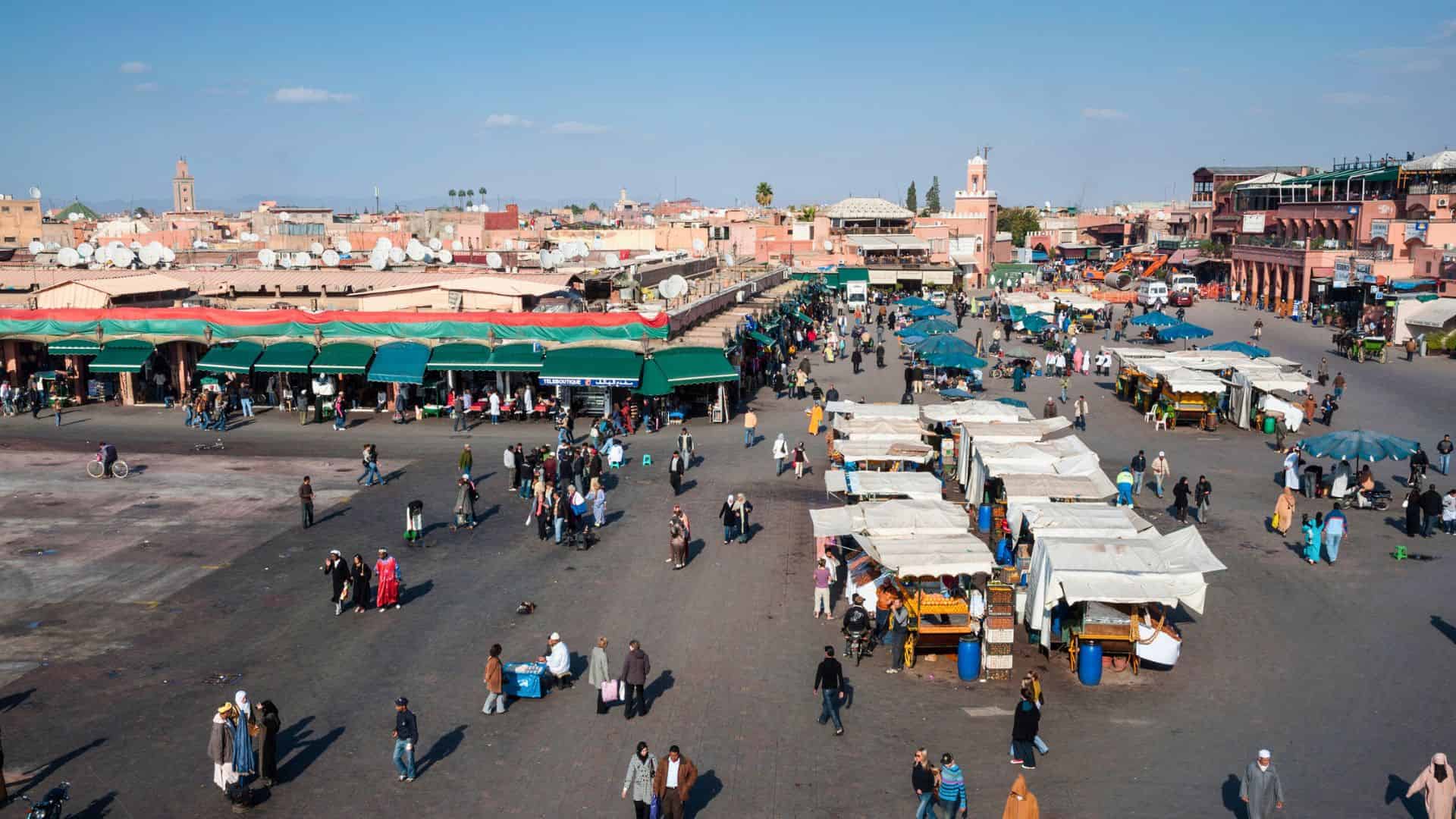
The city’s central square still bursts with energy—snake charmers, storytellers, and market stalls—but the atmosphere has shifted over time. What was once a local gathering place has become a spectacle tailored to visitors. Crowds fill the space from morning until late at night, making it difficult for residents to move freely or enjoy the market as they once did. Aggressive sales tactics and inflated prices have also discouraged locals. Many now shop in smaller souks tucked away from the main square, where traditional Moroccan life continues at a slower, more genuine pace.
Angkor Wat (Cambodia)

Deep in the Cambodian jungle, this ancient temple complex was once a quiet site of spiritual reflection. In recent decades, it has become one of the world’s busiest heritage destinations, drawing millions each year. The heavy foot traffic has worn down stone pathways and disrupted the tranquil atmosphere. Locals who once visited for religious or cultural reasons now avoid the area due to congestion and commercialization. Many Cambodians instead visit lesser-known temples nearby, where the connection to history and spirituality feels stronger. Despite its grandeur, Angkor Wat has lost much of its former sense of solitude.
Times Square (New York City, USA)
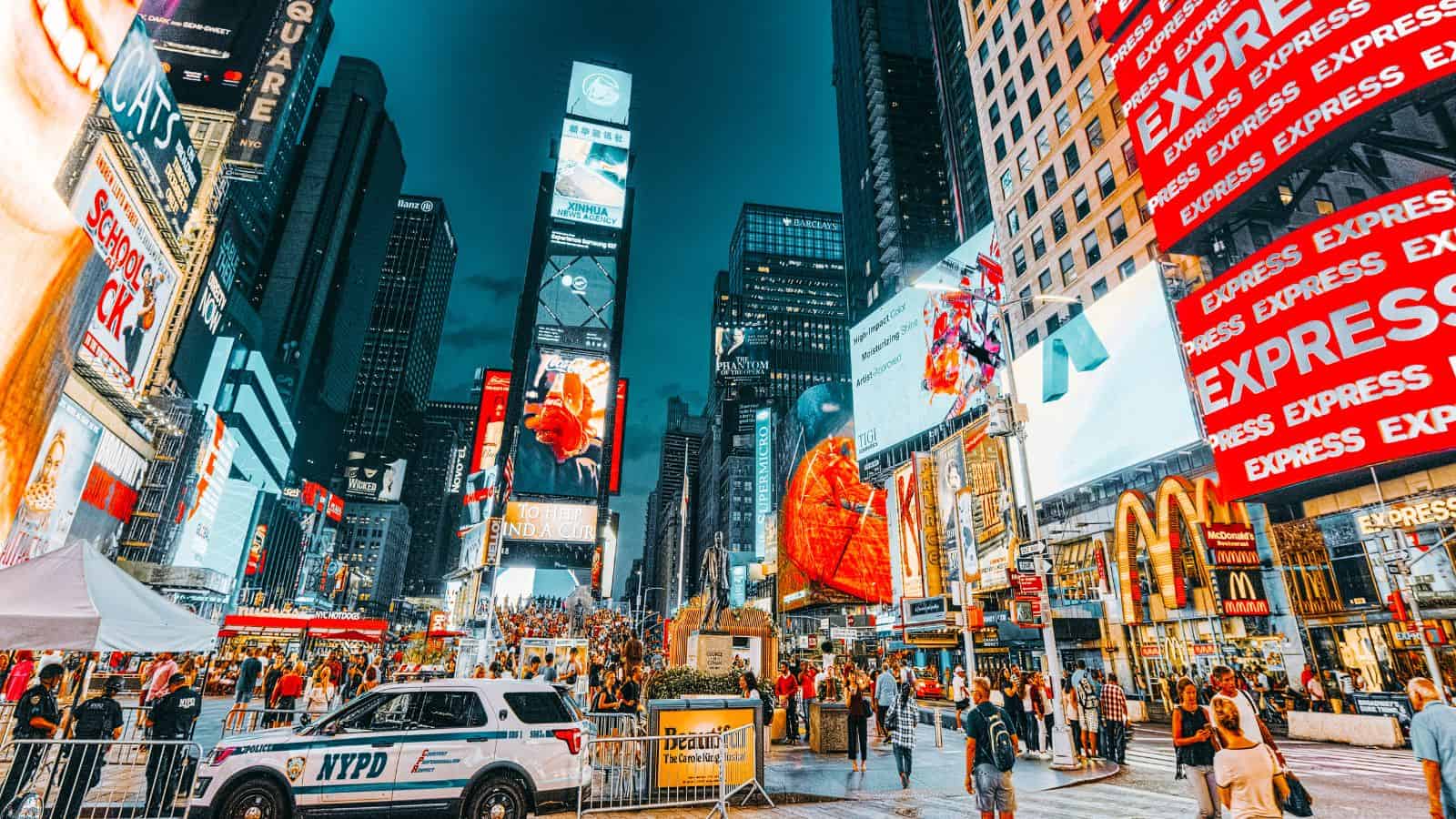
Once the beating heart of Manhattan’s entertainment scene, Times Square dazzled visitors with its neon lights, Broadway theaters, and electric energy. Today, locals mostly avoid it due to the overwhelming crowds, constant noise, and aggressive street performers. The area has become dominated by souvenir shops, fast-food chains, and tourist traps that have replaced much of its old character. For many New Yorkers, navigating through the dense throngs of visitors and flashing advertisements has become more of a chore than a thrill, so they prefer quieter neighborhoods for entertainment and nightlife.
Travel Hot Spots Turned Local Not Spots

Tourism can breathe life into a city, but it can also change its rhythm. When a destination becomes too busy, locals often lose the connection they once had with it. The streets that held memories of quiet mornings or friendly faces start to feel more like a business than a community. It’s a reminder that even great places can lose their charm when balance disappears.
That doesn’t mean we should stop traveling; it just means we can do it smarter. Visiting with respect, exploring beyond the obvious spots, and supporting local life can make a big difference. The perfect trip isn’t always about ticking off famous landmarks; sometimes it’s about finding the smaller corners that still feel real. If we travel thoughtfully, we can enjoy the world’s beauty without pushing away the people who call these places home.