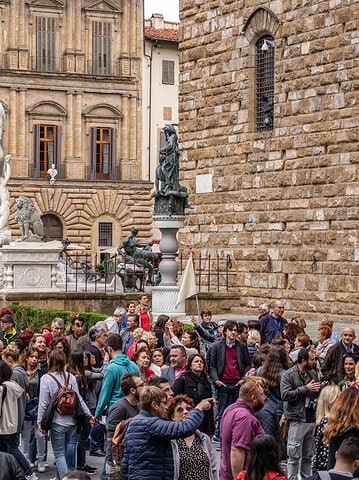
Traveling with grandparents and kids at the same time can sound like a juggling act, but it doesn’t have to be stressful. Sightseeing with multiple generations is actually a great chance to connect, share stories, and create memories that last. This is why I came up with 13 tips for sightseeing with grandparents and kids. The key is to keep things simple and flexible.
Sure, there are challenges: different energy levels, different needs, and sometimes different opinions on what sounds fun. But with a little thought and some simple adjustments, you can keep everyone happy without turning the trip into a marathon. You don’t need to pack the schedule or try to see everything at once. Instead, focus on making the time together smooth and enjoyable for all ages. With the right approach, sightseeing becomes less about stress and more about fun.

Plan Shorter Days
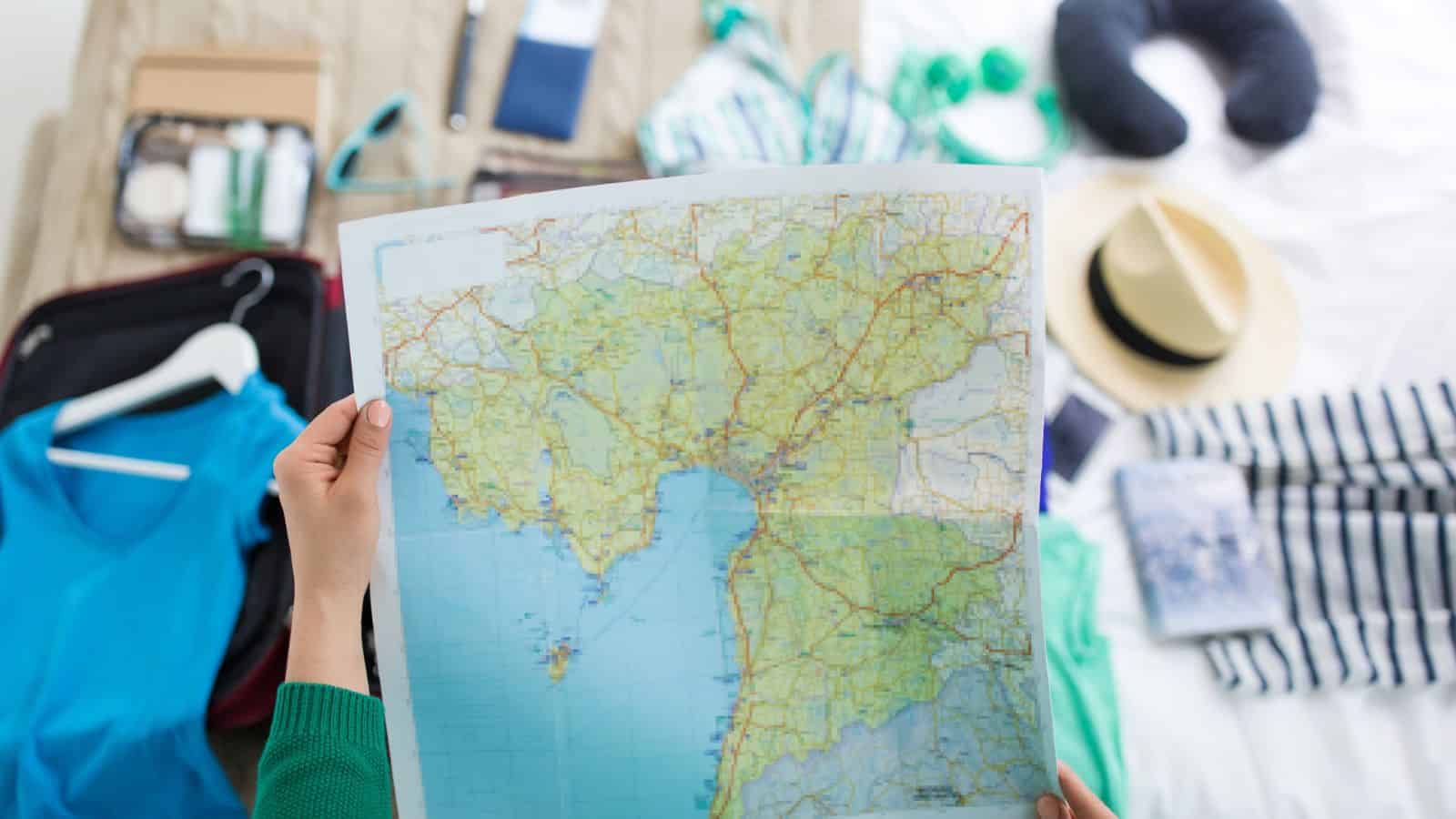
When traveling with both grandparents and children, long days packed with back-to-back activities can quickly drain everyone’s energy. Instead of trying to see everything at once, focus on a few highlights each day. This approach helps avoid crankiness, sore feet, or frustration. Shorter outings also leave room for spontaneous moments, like stopping for ice cream or sitting in a park to people-watch. By balancing exploration with downtime, you create a pace that feels manageable for all ages. Everyone returns to the hotel or rental feeling refreshed, not worn out, and ready for the next day.
Choose Accessible Attractions

Accessibility makes a huge difference when traveling with multiple generations. Look for attractions with elevators, ramps, and plenty of seating areas so grandparents can rest when needed. Wide paths also make it easier to navigate with strollers or wheelchairs. Attractions that accommodate both mobility needs and children’s curiosity—such as interactive museums, aquariums, or botanical gardens—help keep everyone engaged. Doing a bit of research ahead of time saves stress on the day of the visit. When everyone can move comfortably and safely, the focus shifts from logistics to enjoying the experience together without unnecessary strain.
Book Skip-the-Line Tickets

Waiting in long lines can test the patience of both kids and grandparents. Purchasing skip-the-line tickets in advance helps avoid standing for extended periods in crowded spaces. Many popular attractions now have timed entry or fast-track passes, which allow you to walk in at your reserved time. This not only conserves energy but also reduces the risk of children getting restless or grandparents becoming uncomfortable. The extra planning pays off by giving you more time to explore exhibits, take photos, or relax with a snack. It’s a simple step that creates a smoother sightseeing experience.
Use Public Transport or Hop-On Hop-Off Buses

Navigating a city on foot may be tiring for grandparents and overwhelming for kids. Public transport or hop-on hop-off buses are excellent alternatives. They cut down on walking distances while still allowing you to see major landmarks. These buses often include commentary, which can be entertaining and educational for the whole family. Plus, the option to hop off at interesting stops and rejoin later adds flexibility. Trains, trams, or ferries can also be part of the adventure, keeping travel time fun instead of exhausting. This approach keeps energy levels steady and spirits high throughout the day.
Pack Snacks & Water
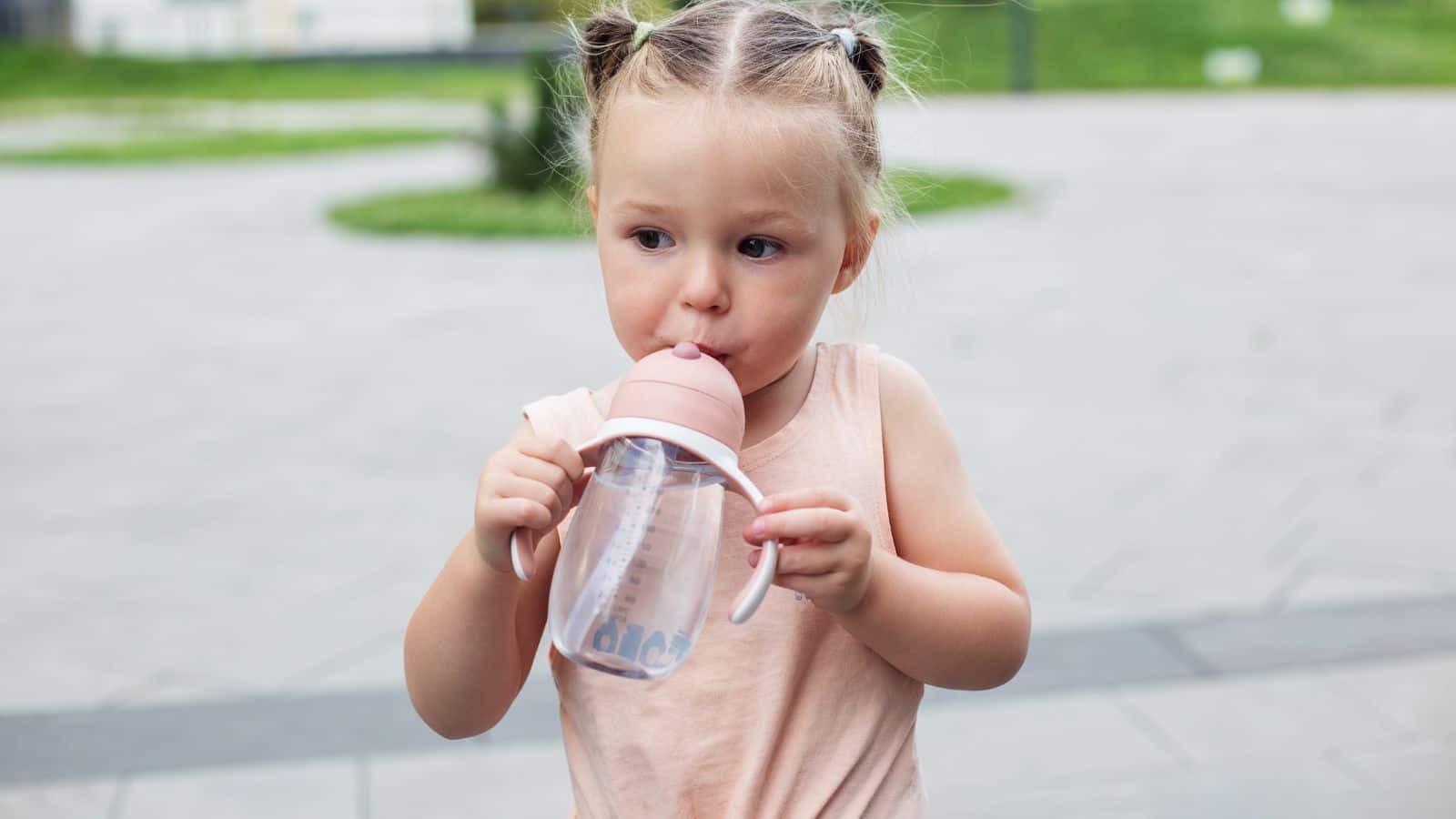
Hunger and thirst can quickly ruin a sightseeing trip, especially when traveling with children and older adults. Carrying lightweight, healthy snacks such as fruit, crackers, or granola bars helps prevent cranky moods between meals. Refillable water bottles are equally important, particularly in warm weather or during long walks. Having these essentials on hand avoids the stress of searching for food at inconvenient times or paying high prices at tourist spots. A quick snack break can also double as a chance to rest and regroup. Keeping everyone fueled and hydrated makes the day run far more smoothly.
Schedule Regular Breaks

Sightseeing can be exciting, but it’s also physically demanding, especially for grandparents and kids. Building in breaks throughout the day prevents exhaustion and keeps moods positive. A café stop, a shaded bench in a park, or even a quiet corner in a museum gives everyone a chance to recharge. These pauses also create opportunities for conversation, storytelling, or simply enjoying the surroundings without rushing. By pacing the day thoughtfully, you reduce the risk of burnout and make the experience more pleasant for all generations. Rest stops become part of the adventure, not just downtime.
Bring Lightweight Gear
Want to save this?
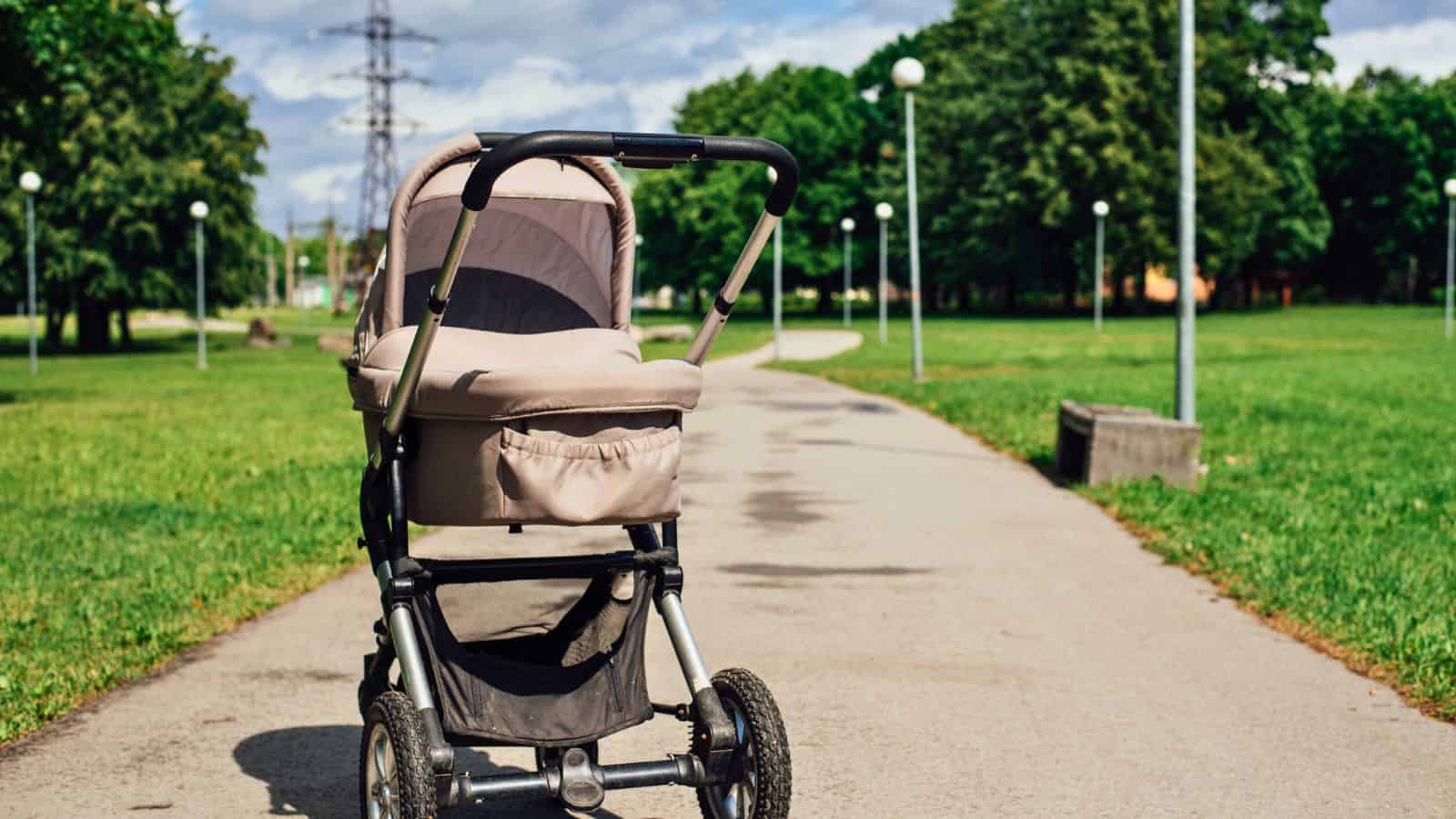
The right gear can make a big difference when exploring new places. A compact stroller helps younger children travel longer distances without getting overtired, while a lightweight walking stick or small foldable seat can support grandparents who may need extra stability or rest. Choosing items that are easy to carry and quick to fold makes transitions smoother when switching between transport, attractions, and walking. This preparation helps avoid unnecessary discomfort and keeps everyone moving comfortably. With thoughtful gear choices, the group can focus on enjoying the sights instead of worrying about fatigue or mobility challenges.
Assign “Buddies”

Traveling with multiple generations can feel hectic, especially in busy tourist areas. Assigning “buddies” creates a sense of security and connection. Pairing children with grandparents, or mixing adults and kids, makes sure no one feels left out or overwhelmed. It also helps prevent anyone from wandering off in crowded spots. Buddies can share stories, point out interesting sights, or simply keep each other company. This system adds structure and strengthens family bonds, turning sightseeing into a shared experience rather than a logistical challenge. Everyone feels more confident knowing they have someone looking out for them.
Pick Flexible Activities
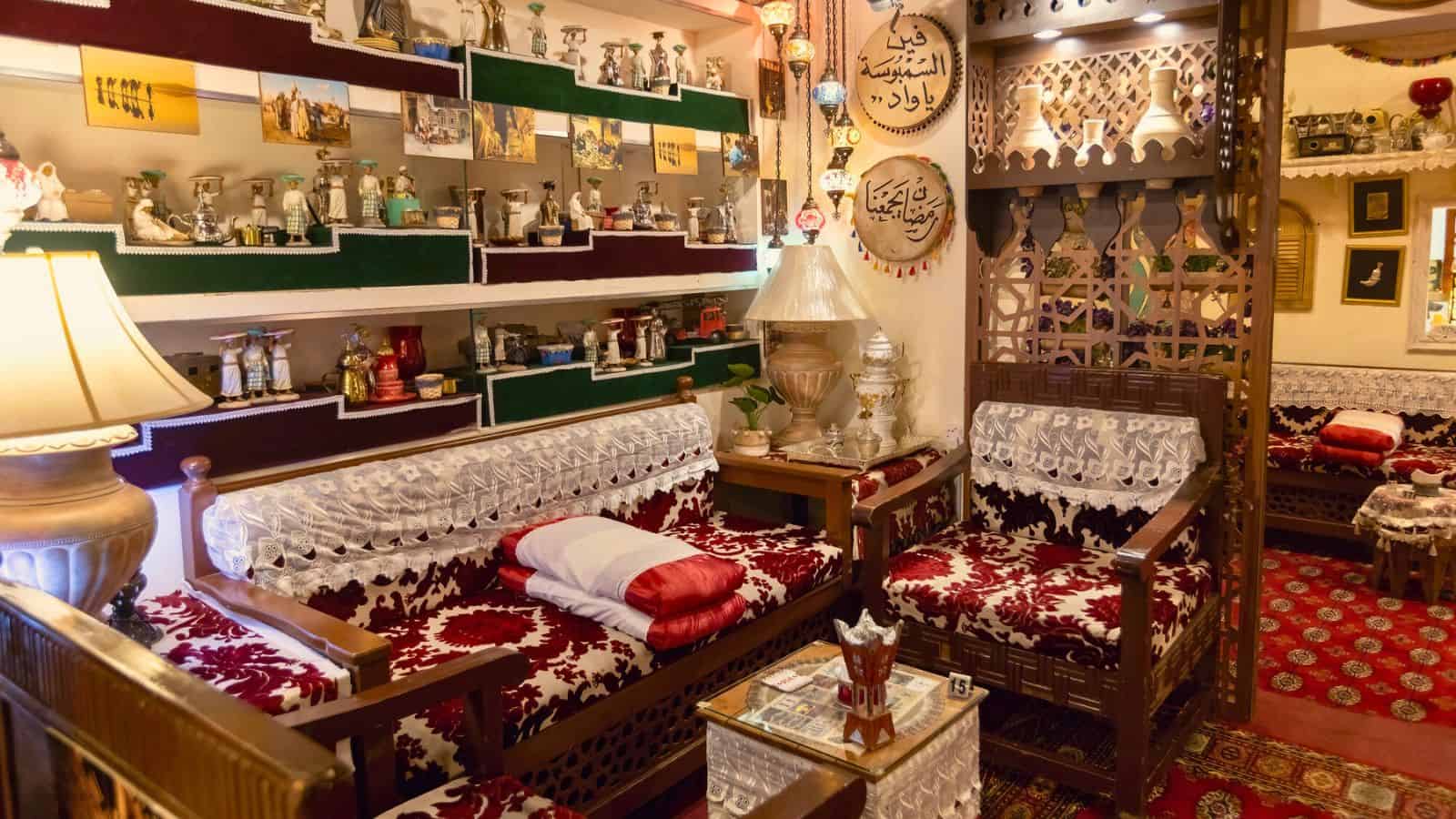
Not every attraction suits all ages, so choosing flexible activities helps accommodate different needs. For example, a museum with a café allows grandparents to rest while kids explore exhibits with another adult. Parks, gardens, or open-air markets give space for both quiet relaxation and active play. Flexibility also means being open to splitting up temporarily so each group can enjoy what interests them most. This approach reduces tension and makes the trip more enjoyable for everyone. With adaptable plans, the day feels less rigid and more inclusive, creating space for both adventure and relaxation.
Travel Early or Late
Visiting popular attractions during peak hours often means long lines, heavy crowds, and more stress for everyone. By planning outings early in the morning or later in the afternoon, you avoid the busiest times and create a calmer experience. Cooler temperatures during these hours also help grandparents and kids feel more comfortable. Early starts often give you the chance to see landmarks in softer light, which makes for better photos. Meanwhile, late afternoon visits can be paired with a relaxed dinner afterward. Adjusting your schedule this way keeps the day smoother and less overwhelming.
Keep Entertainment Handy

Long waits, transport rides, or downtime between activities can quickly lead to restlessness. Having small forms of entertainment ready—such as coloring books, puzzles, audiobooks, or travel-friendly games—helps keep kids occupied. Grandparents may also enjoy crosswords, reading, or listening to music during these pauses. Compact items that fit easily in a bag are best, so they don’t add extra weight. Entertainment not only prevents boredom but also creates moments of calm during transitions. By planning for these in-between times, you reduce stress and keep the group happy even when sightseeing slows down.
Use Restroom Opportunities

When traveling with kids and grandparents, waiting until the last moment to find a restroom can cause unnecessary stress. A smart habit is to make use of facilities whenever they’re available, even if no one feels an urgent need. This prevents uncomfortable situations later, especially in areas where restrooms may be scarce or have long lines. Public attractions, cafés, and transportation hubs are good places to pause. Planning ahead this way keeps the group more relaxed and avoids interruptions during sightseeing. It’s a small step that makes a big difference in keeping the day running smoothly.
Capture Memories Together
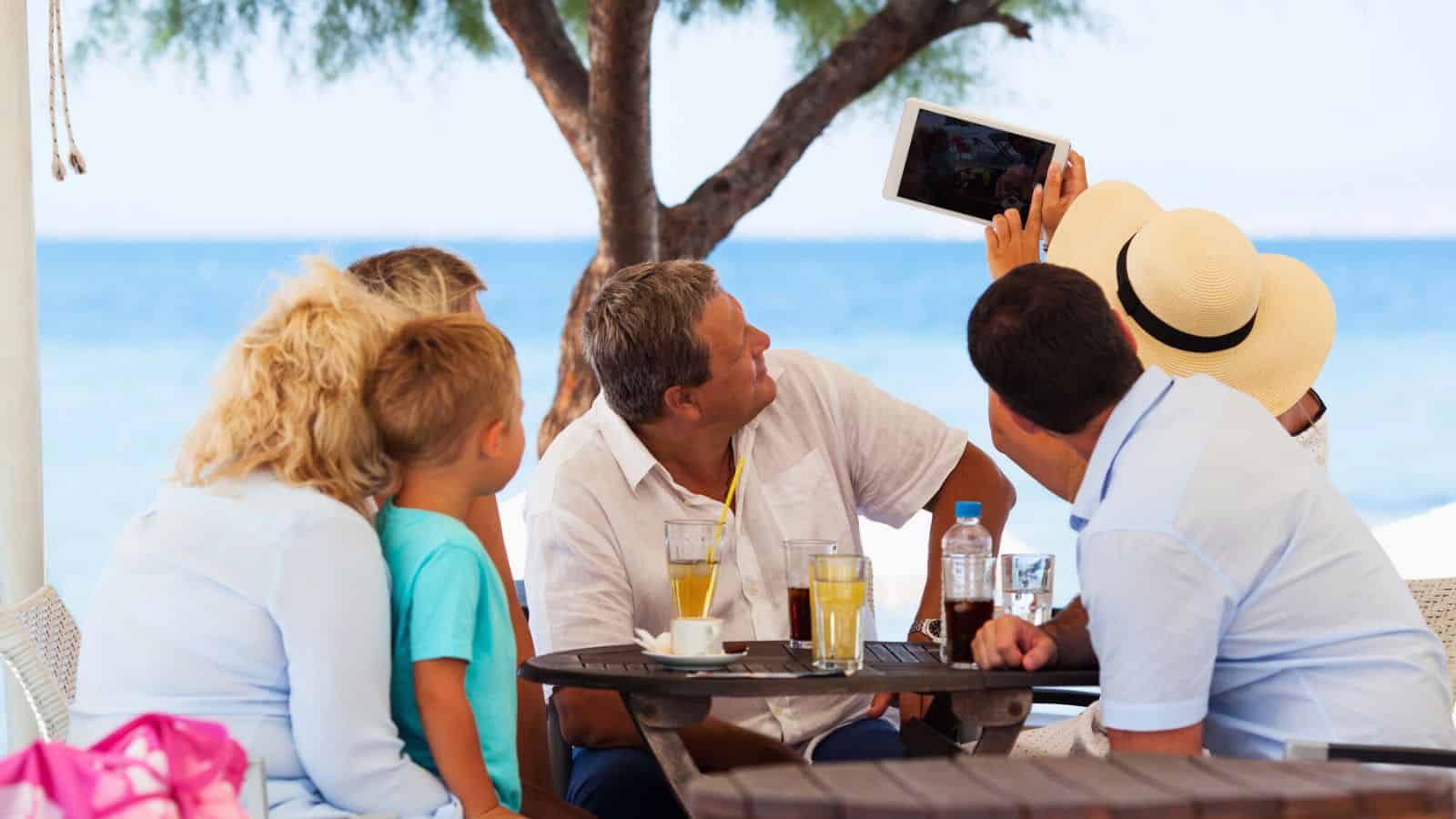
Sightseeing isn’t only about the places you visit—it’s also about the shared memories you create. Encouraging both kids and grandparents to take photos, sketch what they see, or share stories about the day adds depth to the experience. A simple family journal can become a treasured keepsake, with each person contributing their perspective. These shared activities strengthen bonds across generations and help everyone feel included. Later, looking back at the photos or notes becomes a way to relive the trip together. Making memory-keeping part of the journey turns sightseeing into a richer, more personal adventure.
Smiles Beat Sore Feet

Sightseeing with grandparents and kids doesn’t have to feel like a challenge you’re just trying to get through. When you focus on keeping things simple and flexible, the whole experience becomes a lot easier to enjoy. Trips like these are a great reminder that travel isn’t only about the places you see but also about the people you’re with. Those small moments—sharing a story, laughing over a snack, or taking a photo together—can end up being the highlights.
The perfect trip isn’t about checking every landmark off a list. It’s about creating space for everyone to feel comfortable, connected, and part of the adventure. With a little planning and the right mindset, you can make sightseeing feel relaxed instead of rushed. In the end, it’s those stress-free days that turn into the memories you’ll all look back on with a smile.