Airport screenings are always evolving, and in 2025, passengers can expect even stricter rules about what makes it through checkpoints. There are certain things that will get you stopped at airport security in 2025, from the usual liquids and electronics to new items that raise red flags due to changing regulations. Security teams are paying closer attention to everyday products, high-tech gadgets, and even food items that might have slipped through in the past. Knowing what could trigger a secondary inspection helps travelers avoid delays and stress.
These are not just routine inconveniences, they can disrupt schedules and create unnecessary headaches if overlooked. With travel already filled with long lines and tight connections, preparation is key. By learning what’s on the radar this year, passengers can move through airports with more confidence and fewer surprises. So, before heading out on your next trip, take a closer look at what’s changing. Stay ahead of the rules, pack smart, and breeze through security without a hitch.
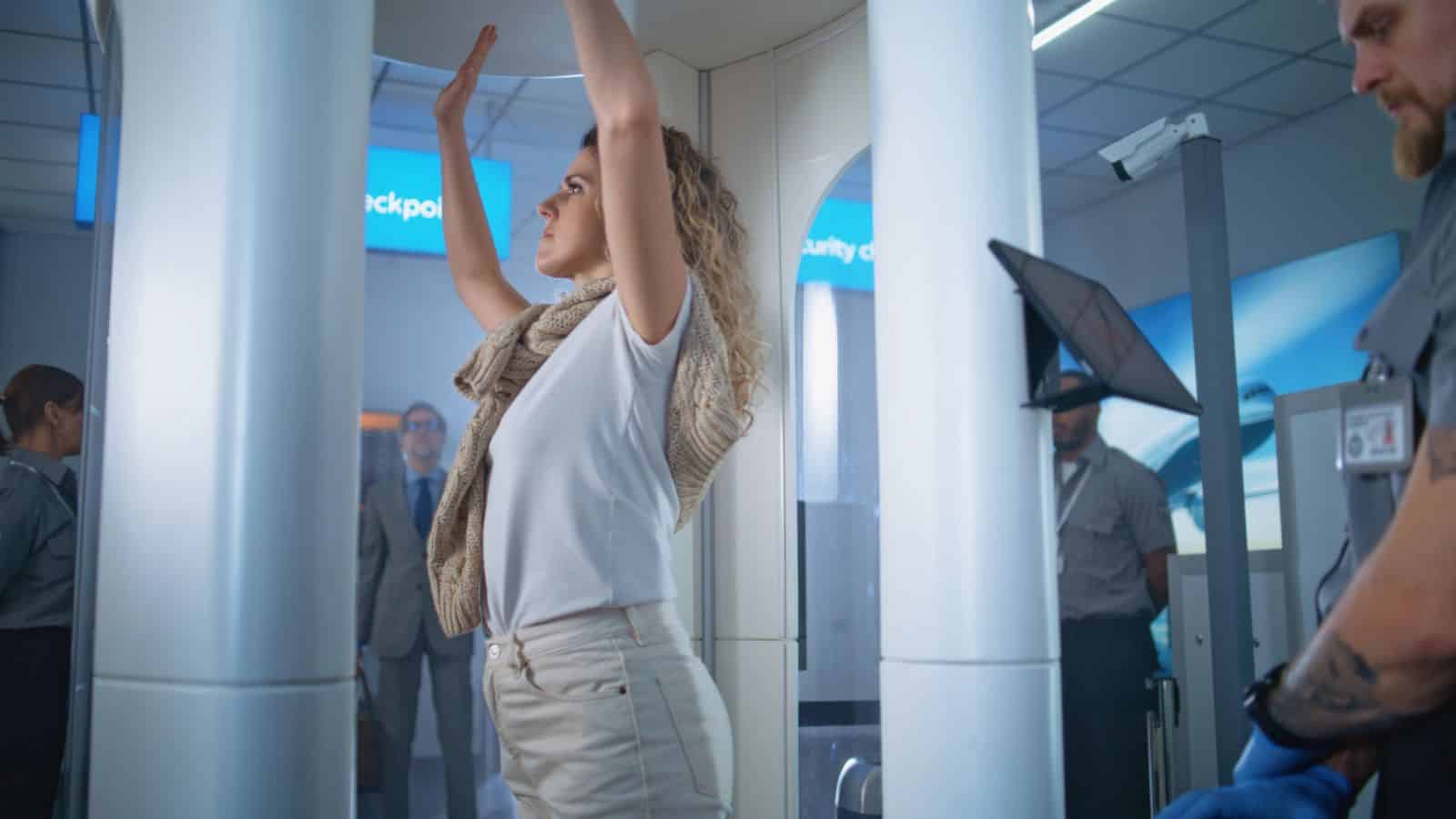
Liquids Over 100ml Without Proper Bagging

Despite advances in screening technology, most airports still enforce the 100ml liquid rule in 2025. Bottled drinks, large tubes of toothpaste, or oversized toiletries that exceed the limit will be flagged. Even if you think you’ll get by, security staff are quick to pull aside anything that looks questionable. To avoid delays, pack liquids in travel-size containers and place them in a clear plastic bag. It keeps the line moving and spares you from having items confiscated.
Unlabeled Powders

Powders often raise alarms during security checks, especially when carried in large amounts. Protein mixes, baby formula, or even ground coffee can appear suspicious if not clearly labeled or sealed. Screeners may test them to confirm they’re harmless, which adds time to your process. Carry powders in original packaging when possible, or divide them into smaller, labeled bags. This small step can prevent confusion and keep you from being singled out for extra inspection at the checkpoint.
Oversized Electronics

Laptops have long needed to be screened separately, and in 2025, that same rule often applies to drones, VR headsets, and gaming consoles. Anything bulky with batteries and wires may trigger additional checks. Security agents want to see these items clearly on scanners, so packing them in an accessible spot helps. Place them in their own tray when asked to avoid holding up the line. It saves time and keeps your equipment from being handled roughly by rushed screeners.
Smart Luggage With Non-Removable Batteries
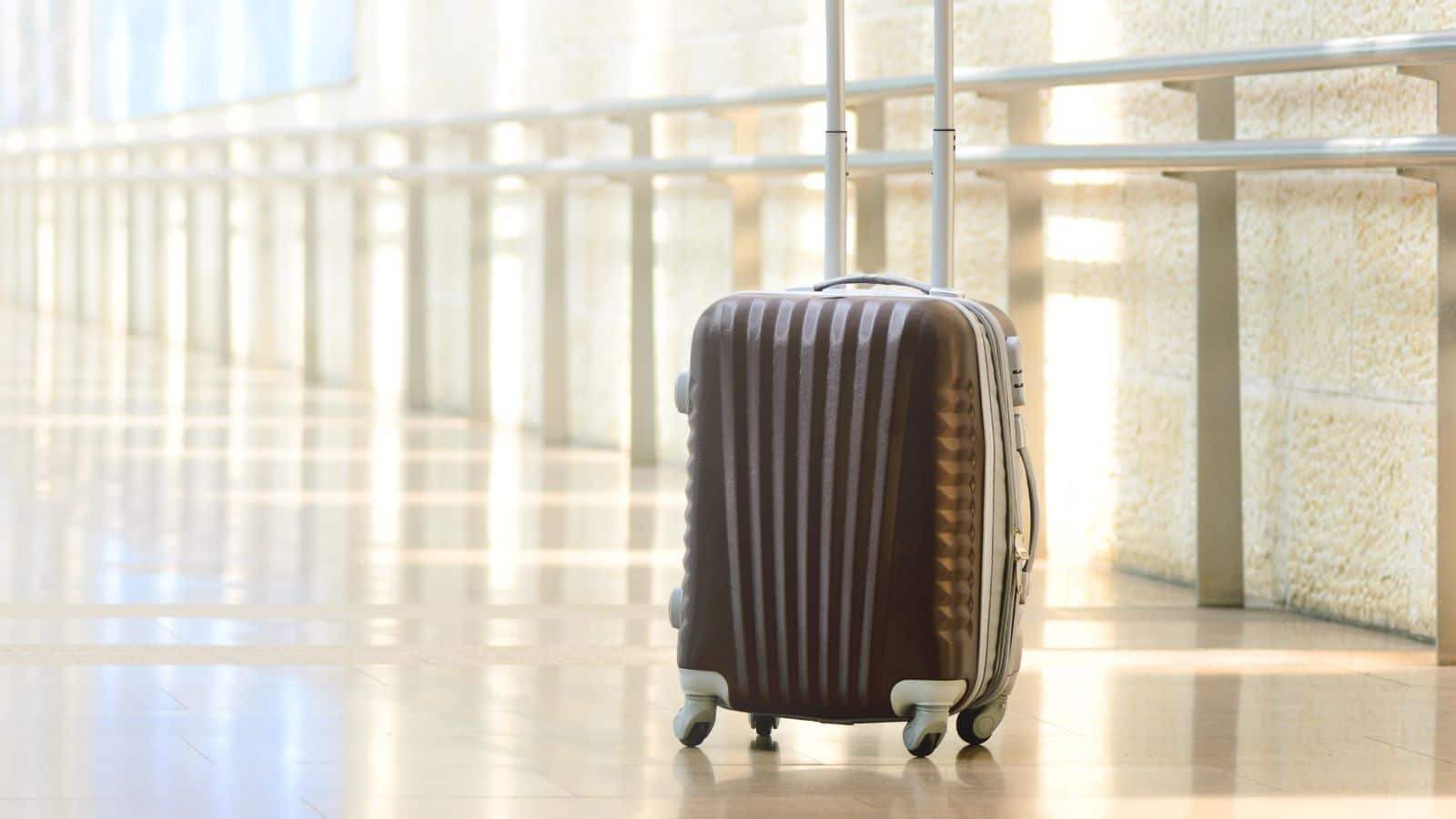
Smart luggage became popular for its charging ports and tracking features, but the lithium batteries inside remain a concern. If the battery can’t be removed, security is likely to flag your bag. Airlines worry about fire risks, especially in cargo holds, which has led to strict policies. Before traveling, check that your smart luggage has a detachable power pack. If not, expect delays and the possibility of checking it in separately without the battery attached.
Self-Defense Items
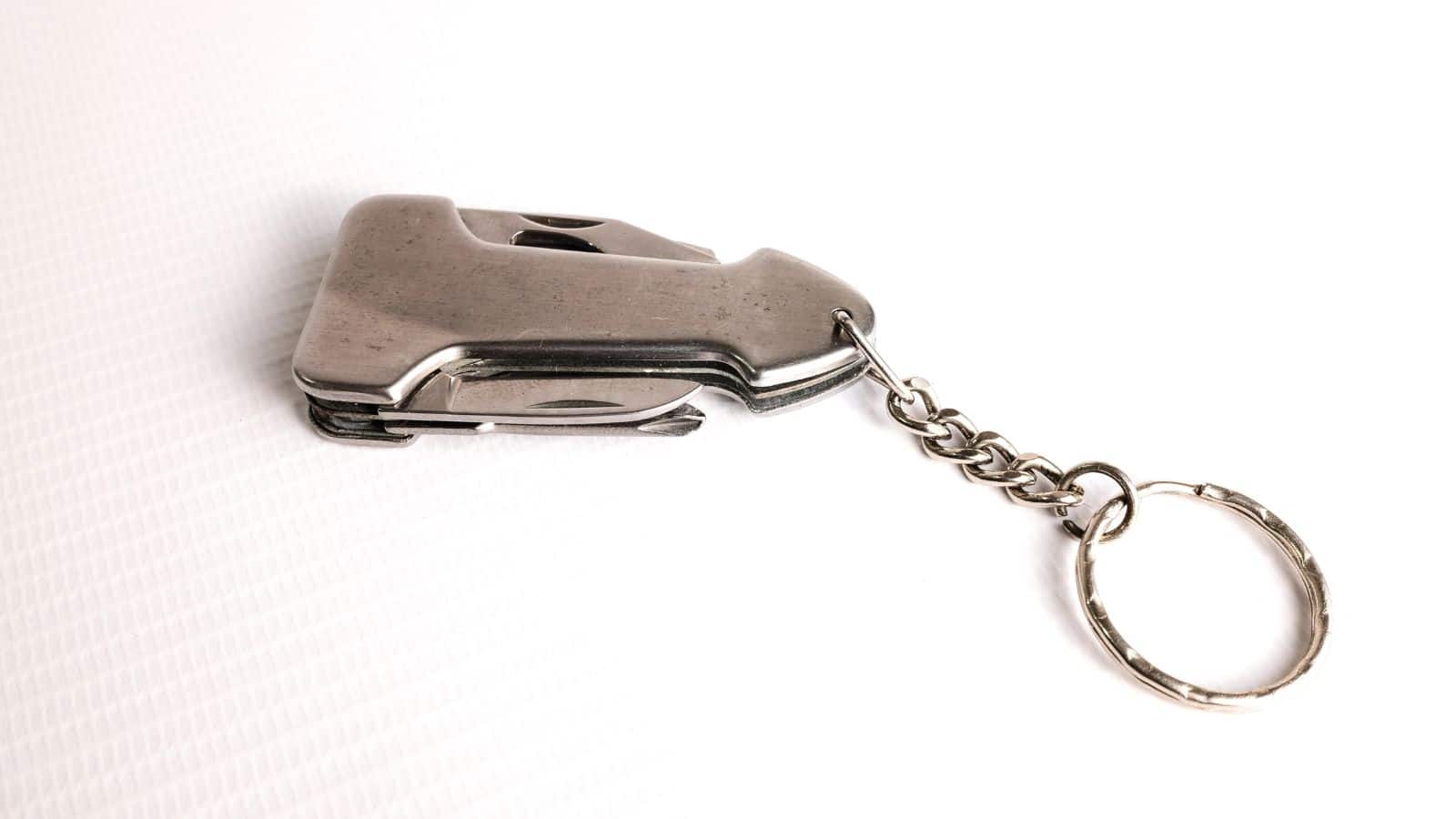
Items meant for protection, like pepper spray, stun guns, or tactical pens, are prohibited at airport checkpoints. Even small keychain-sized tools can lead to delays if screeners view them as potential weapons. Carrying them will almost always result in confiscation, and in some cases, questioning. If you feel safer traveling with something for defense, research what’s allowed in your destination and pack alternatives in checked luggage. Keeping such items out of your carry-on saves time and avoids unnecessary problems at security.
Flammable Beauty Products

Certain beauty products can raise concerns at security checkpoints, especially those labeled as flammable. Nail polish remover, aerosol hair sprays, or perfumes with high alcohol content often fall into this category. While small travel sizes may pass, larger containers are more likely to be pulled aside. To avoid delays, check product labels and keep anything questionable in checked luggage. Security officers look for items that could pose risks in-flight, and flammable products are among the most common to be flagged.
Large Quantities of Cash

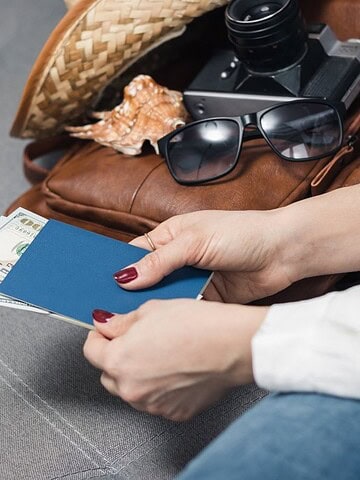
Carrying a wallet full of bills won’t get you in trouble, but transporting large stacks of cash may. Security agents may ask questions if they see wads of currency during screening. They’re trained to look out for unusual amounts of money since it can raise concerns about undeclared funds. If you need to carry more than a small amount, keep it organized and declare it when necessary. Doing so avoids suspicion and prevents time-consuming conversations at the checkpoint.
Want to save this?
Unusual Food Items

Food is allowed through security in most cases, but unusual or strongly scented items can get you stopped. Soft cheeses, sauces, cured meats, or liquids disguised as condiments may raise questions. Packaging matters—if it leaks or looks unclear, agents are more likely to inspect it. While packaged snacks usually pass without issue, bringing unfamiliar food in bulk often triggers closer inspection. Packing smaller quantities and sealing items properly can reduce the chance of being pulled aside.
Tools and Sharp Objects
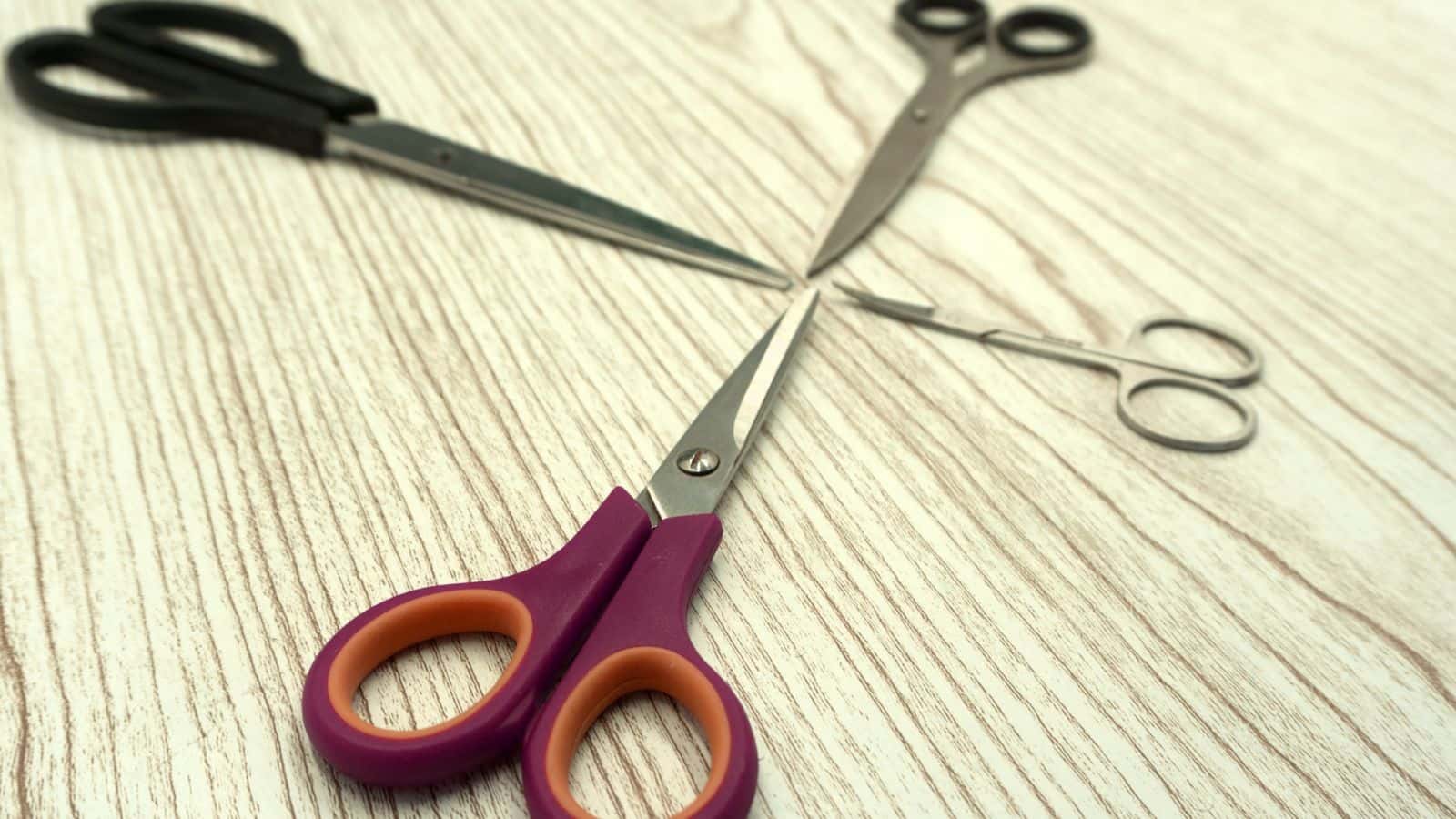
Even small tools can create delays at security checkpoints. Multi-tools, screwdrivers, scissors, or anything with a blade may be considered dangerous. Many travelers forget these items are in backpacks or laptop bags, only to be stopped and questioned. If screeners see anything resembling a sharp object, they’ll remove it for closer inspection and often confiscate it. To avoid losing gear, double-check your carry-on before heading to the airport and move anything questionable into checked luggage.
Hoverboards or E-Scooters
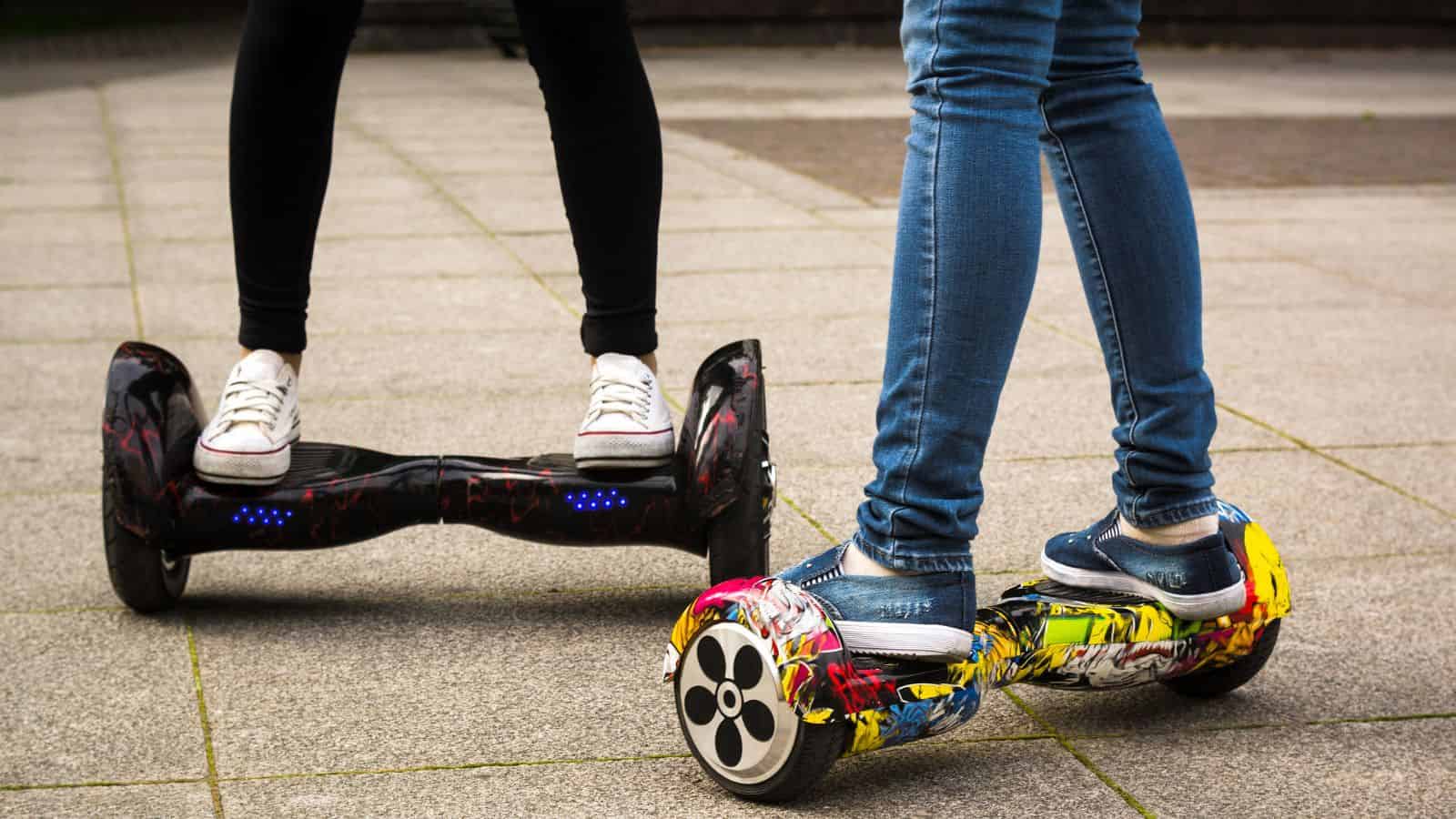
These gadgets are popular for short-distance travel, but most airlines ban them because of their lithium batteries. Security agents will often stop you if they see a hoverboard or e-scooter during screening, as they’re flagged as fire hazards. Even if the battery is small, rules are strict, and carrying them into the cabin or checking them in rarely works. If you want one at your destination, it’s safer to rent locally rather than attempt to bring your own.
Replica Weapons or Toys

Toy guns, realistic swords, or detailed cosplay props may look harmless to you, but security views them as potential threats. Anything that resembles a weapon can cause delays, confiscation, or even questioning by airport staff. This applies even if the item is clearly plastic or intended for costume use. To avoid problems, pack props in checked luggage or ship them ahead separately. Keeping anything that looks like a weapon out of your carry-on is the easiest way to avoid delays.
Medical Devices Without Documentation
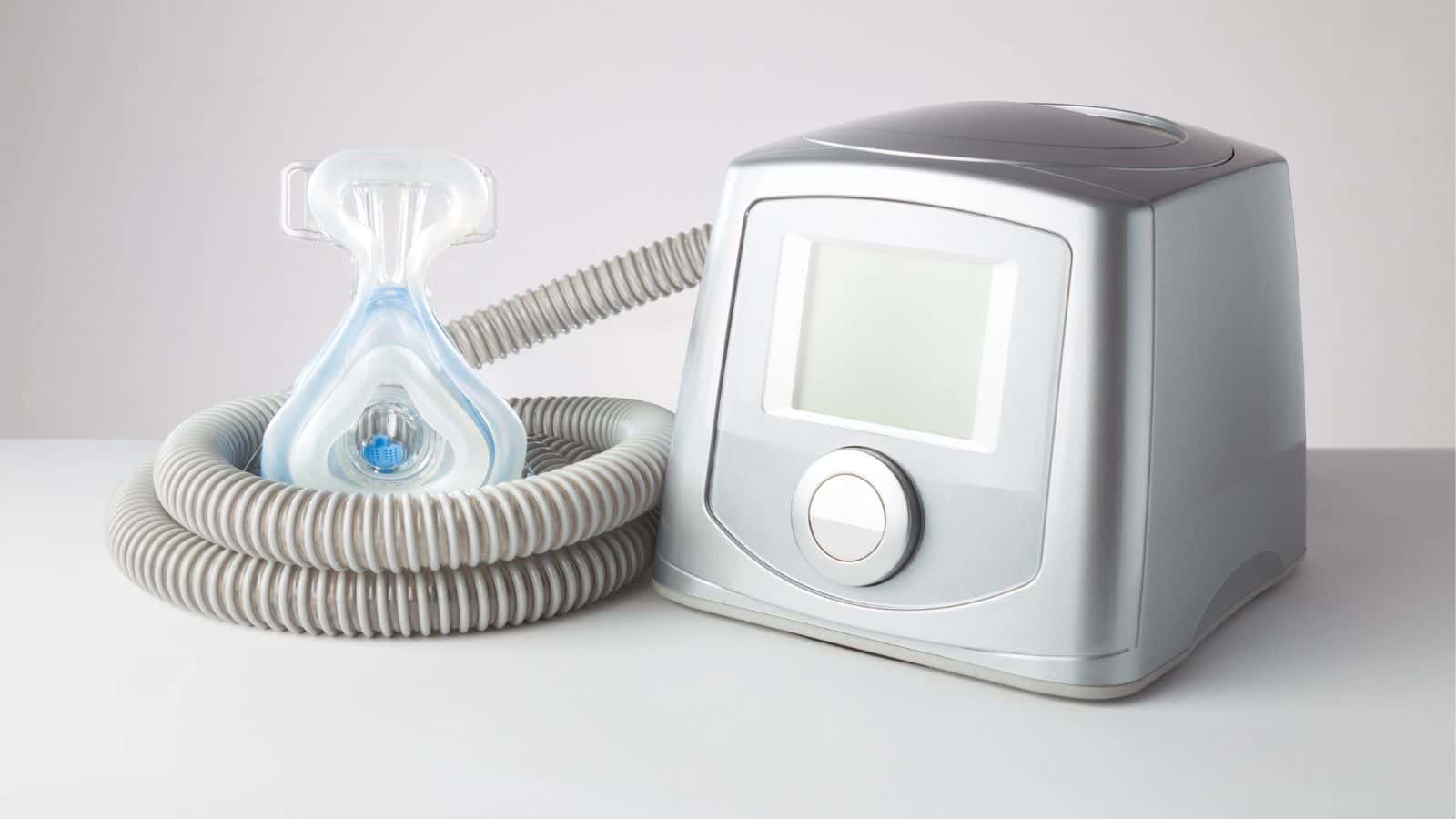
Devices such as CPAP machines, oxygen tanks, or injectable medications are permitted but require paperwork. Security agents may stop you if you carry them without proper documentation, as they need confirmation that the equipment is medically necessary. Carry a doctor’s note or prescription and keep everything in its original packaging. This makes screening smoother and reduces the likelihood of questions. Having documents ready not only speeds up the process but also helps protect you from losing essential medical supplies.
Mystery Electronics
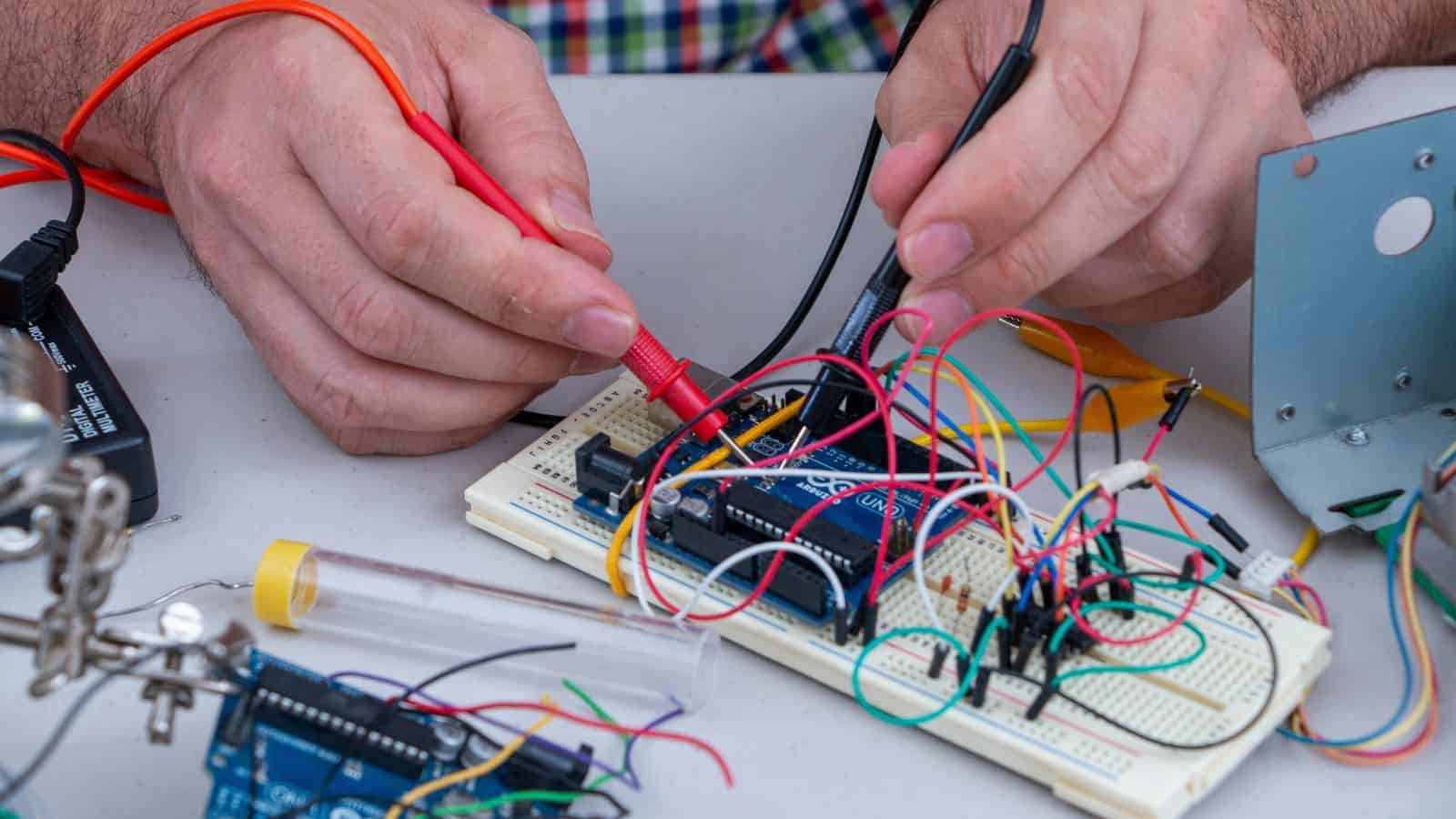
Homemade electronics, loose wires, or unusual batteries often alarm security agents. Items that don’t resemble standard consumer gadgets are difficult to identify on scanners, which means they will almost always require further inspection. Even science projects or custom devices can cause delays if they aren’t clearly explained. If you must carry such equipment, keep it well-labeled and bring documentation to explain its purpose. Otherwise, it’s best to leave anything experimental or oddly wired at home to avoid long stops at security.
11 TSA-Friendly Snacks That'll Save You From Overpriced Airport Food

How about TSA-friendly snacks? Finding travel-friendly and TSA-approved snacks can make a big difference in your journey. Security restrictions mean some foods won’t make it past the checkpoint, so knowing what to pack helps avoid unnecessary delays. The right snacks keep hunger in check, saving you from overpriced airport food and making travel more enjoyable.
Read More Here: 11 TSA-Friendly Snacks That'll Save You From Overpriced Airport Food
15 Common Airport Mistakes You Might Be Making

Avoid making these mistakes at all costs! Navigating an airport can be a stressful experience, and many travelers unknowingly make mistakes along the way. There are 15 common airport mistakes you might be making that can lead to unnecessary delays and frustration. From packing the wrong items to misjudging security lines, these blunders can turn an exciting trip into a hassle.
Read More Here: 15 Common Airport Mistakes You Might Be Making