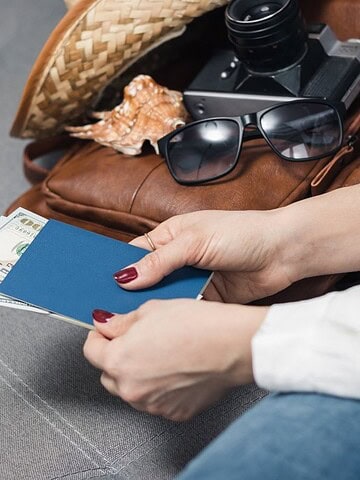
Customs checkpoints are designed to protect borders, but there are things that will get you flagged at customs even if intentions are harmless. Travelers may not realize that certain items, behaviors, or even paperwork issues can raise red flags. Food products, large amounts of cash, or undeclared goods are obvious triggers, but sometimes something as simple as inconsistent answers or unusual travel patterns can lead to extra questions. For many, the experience can feel intimidating even when nothing is being done wrong.
With these examples in mind, knowing what draws attention helps avoid unnecessary stress during international travel. Understanding the rules, preparing documents properly, and being aware of common mistakes make crossing borders much smoother. Travelers who take the time to learn what customs officers look for often find themselves moving through with less hassle. So before heading abroad, review what could draw unwanted attention, pack smart, and stay mindful of what you declare. Preparation is the key to passing through smoothly and focusing on the journey ahead.

Carrying Large Amounts of Cash

Travelers carrying more than $10,000 (or the equivalent in another currency) must declare it at customs. Even if the money is legitimate, failing to report it or splitting it among family members can lead to questioning, delays, or confiscation. Large sums raise concerns about money laundering or criminal activity. To avoid problems, always declare the amount honestly and keep paperwork proving the source, such as bank withdrawal slips or business documents, to explain why you’re traveling with so much cash.
Unlabeled Prescription Medications

Medications without proper labels or prescription bottles often trigger extra scrutiny at customs. Loose pills in plastic bags or unmarked containers may be mistaken for illegal substances. Even everyday medicines like antibiotics or painkillers can create problems if they look suspicious. Always travel with medications in their original pharmacy packaging, complete with your name and dosage information. Carrying a doctor’s note is smart if you need controlled substances. Customs officials want clear proof that the medications are personal and legally obtained.
Excess Alcohol or Tobacco
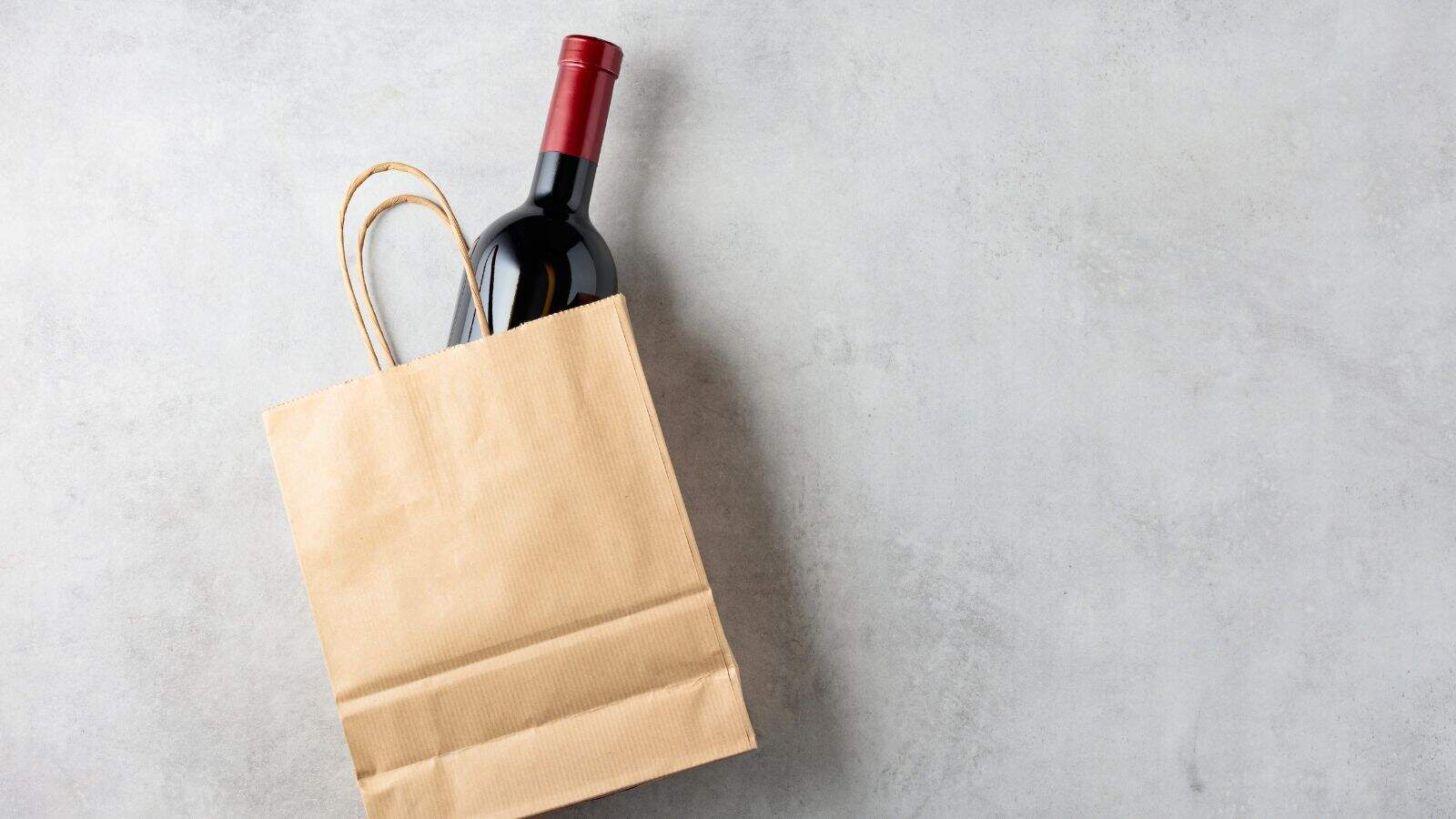
Duty-free allowances vary by country, but bringing in more alcohol or tobacco than permitted almost guarantees extra screening. Customs officers may suspect smuggling or resale if you’re carrying multiple bottles or cartons. Even if your purchases are souvenirs, exceeding the allowance means you’ll owe hefty duties or risk confiscation. To avoid hassle, check the specific import rules of your destination before you shop at duty-free stores. Keeping receipts handy also helps prove that your purchases are legitimate and within regulations.
Agricultural Products

Fruits, vegetables, seeds, and meats can carry pests or diseases that harm local ecosystems. For this reason, customs officers are strict about agricultural imports. Many travelers get flagged for trying to bring home snacks, sandwiches, or local delicacies that are prohibited. Even something as simple as an apple in your carry-on can lead to fines or confiscation. Always check the banned food list for your destination country, and declare anything questionable. It’s safer to leave agricultural products behind rather than risk problems at the border.
Souvenirs Made from Animal Parts

Items like coral jewelry, ivory trinkets, tortoiseshell accessories, or exotic leathers may seem like harmless souvenirs but often violate international wildlife trade laws. Customs officers are trained to spot these products, and carrying them—even unknowingly—can result in confiscation, fines, or legal trouble. Travelers are often surprised to learn that certain shells or animal bones fall under restrictions. If you want to bring back souvenirs, stick to items clearly marked as legal and ethical. Otherwise, your memento could end up causing more stress than joy.
Over-the-Counter Medicines

Many travelers assume that common cold or allergy medications are harmless, but some countries ban ingredients that are sold freely elsewhere. For example, certain decongestants and pain relievers contain compounds restricted under local drug laws. Customs officers may seize these items, and in rare cases, travelers face fines. To avoid being flagged, research medication rules before you go and carry only what you need in labeled packaging. When in doubt, pack a doctor’s note to show the medicine’s purpose.
Electronics Packed Oddly

Customs agents notice when travelers carry multiple electronics or pack them in unusual ways. A bag with several new laptops, sealed phones, or multiple drones may raise suspicion of smuggling. Even carrying lots of charging cables without explanation can trigger further checks. Officials want to confirm the devices are for personal use, not resale. If you travel with multiple gadgets, keep them organized, declare new purchases, and hold onto receipts to show they’re personal items, not merchandise for profit.
Want to save this?
Inconsistent Travel Story
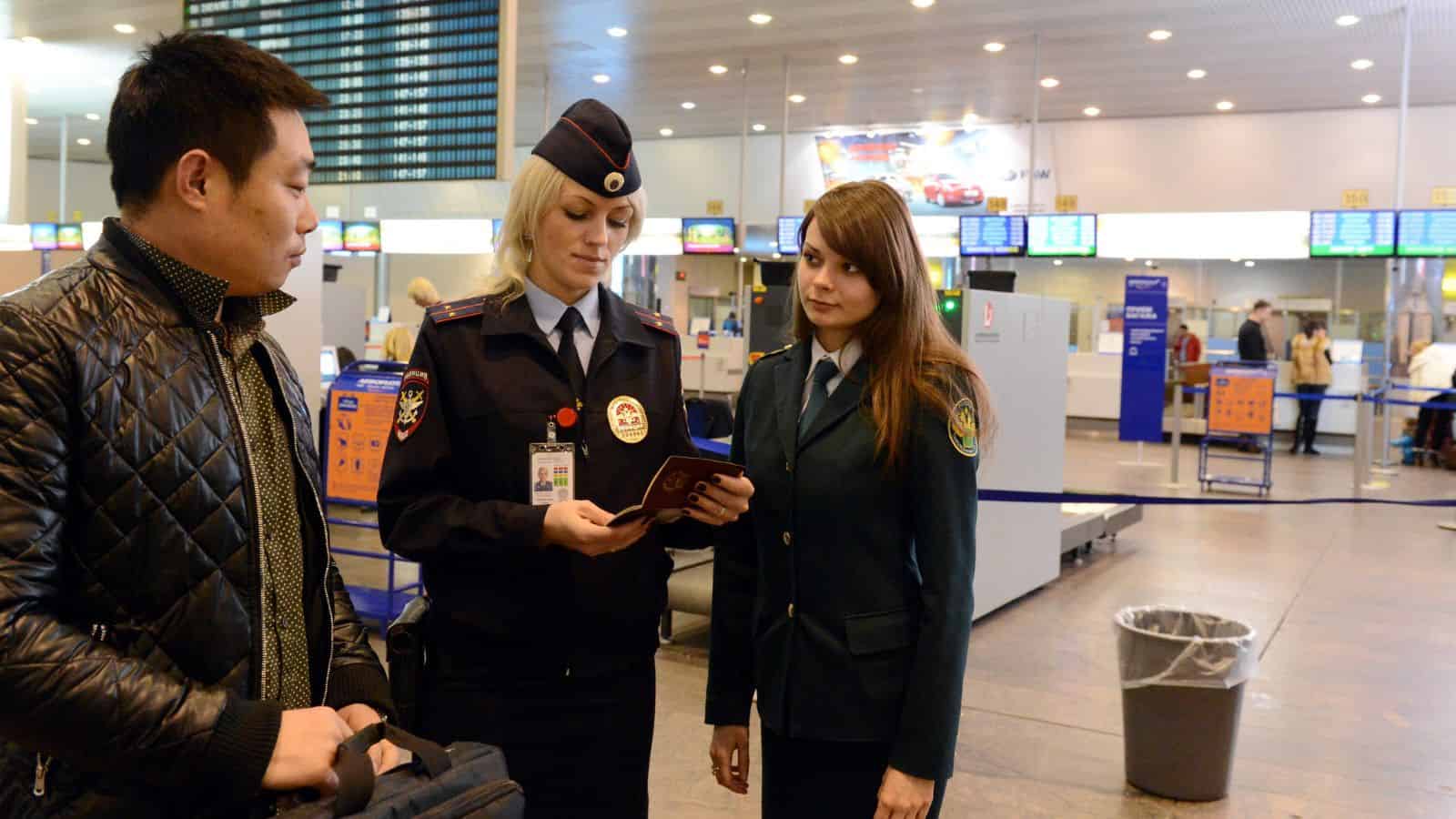
Customs officers often compare your answers to what’s written on your declaration forms or tickets. If you say one thing and your paperwork shows another, it can lead to lengthy questioning. Simple mistakes like mixing up dates, hotels, or the purpose of travel may seem harmless, but they raise doubts. To avoid problems, know your itinerary and keep confirmations easily accessible on your phone or in print. Being clear and consistent reduces the chance of being flagged for further inspection.
One-Way Ticket
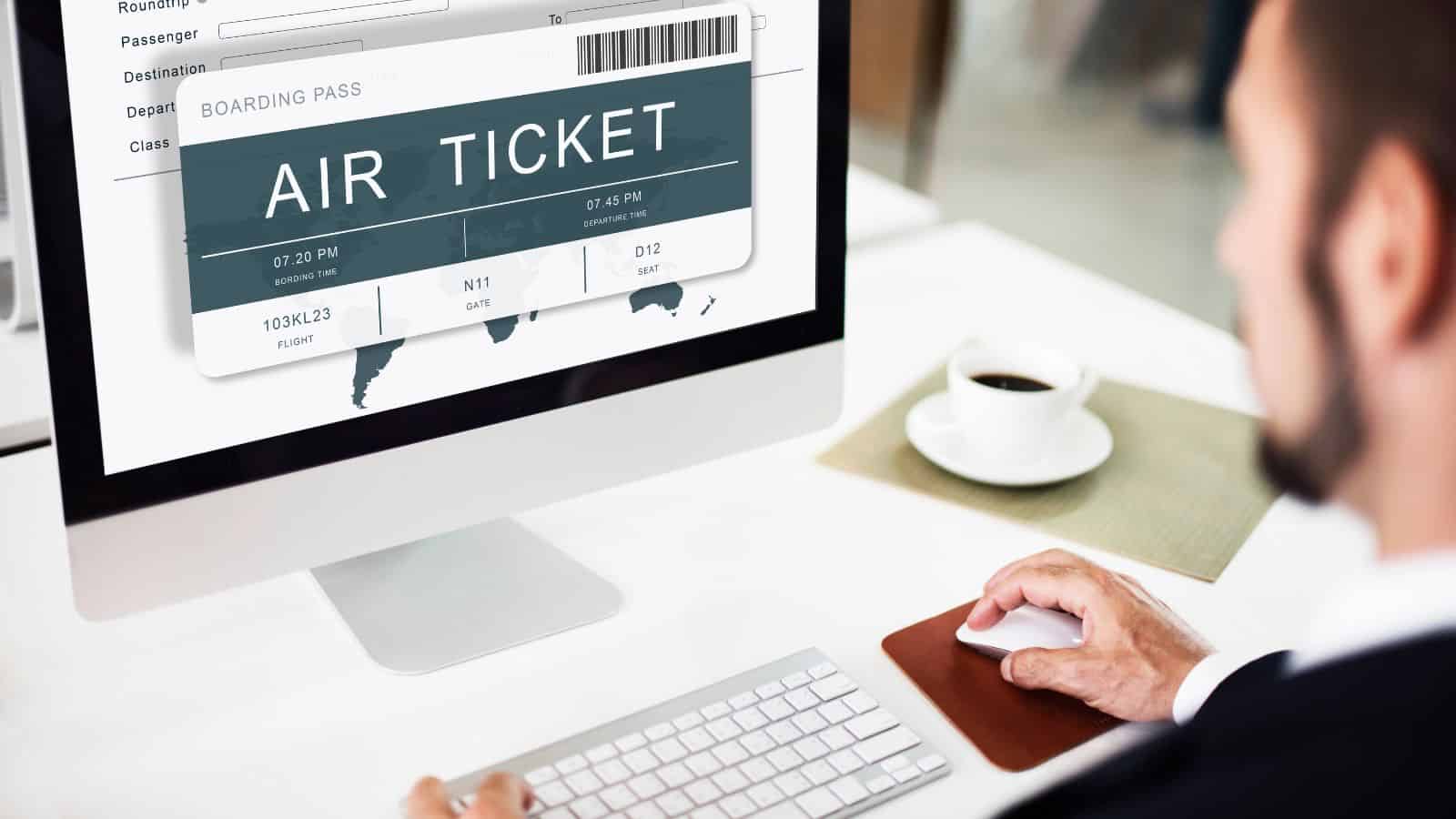
A one-way ticket can signal to customs agents that you may overstay your visit or attempt to work illegally. While there are valid reasons for one-way travel, such as flexible plans or open-ended trips, border officials may still see it as suspicious. You’re more likely to face questions about your intentions, finances, or return arrangements. If traveling one-way, bring proof of onward travel, such as a train, bus, or separate airline booking, to show that you do plan to leave the country.
Traveling from High-Risk Regions

Customs officers often flag passengers arriving from areas known for drug trafficking or contraband smuggling. Even if your trip was purely for tourism or visiting family, your flight’s origin can automatically put you under closer inspection. Officers may ask more detailed questions, search your bags, or run extra scans. To avoid unnecessary stress, be ready to explain your trip clearly and have supporting documents, like hotel bookings or return tickets, that demonstrate your visit was legitimate and transparent.
Lots of Luxury Goods

Bringing back multiple high-end items like designer handbags, watches, or electronics can raise suspicions of resale or undeclared imports. Customs officials are trained to spot bulk purchases and may stop you to check receipts or apply duties. Even gifts for relatives can look like merchandise if you’re carrying several of the same type of item. To minimize trouble, keep purchase receipts and declare valuable goods honestly. Carrying fewer luxury items makes it easier to demonstrate that your purchases are for personal use.
Past Customs Flags

Once you’ve been flagged by customs for suspicious activity, even if innocent, your name may remain on watch lists for future trips. This means you could face extra screenings, more questions, and baggage inspections every time you travel internationally. While there’s little you can do to erase past flags, being cooperative, organized, and transparent helps reduce complications. Always keep paperwork in order, from receipts to itineraries, to make your case clear if questioned. Consistency and calmness can help rebuild trust.
Nervous Behavior

Customs officials are trained to read body language, and visible nervousness can draw unwanted attention. Avoiding eye contact, fidgeting, sweating, or giving defensive answers may make agents think you’re hiding something. Even if you’re anxious by nature, it helps to stay calm, breathe steadily, and answer questions directly. Being overly talkative can also raise suspicion. Remember that customs officers expect honesty above all else, so carrying yourself with confidence and having your documents ready goes a long way in preventing unnecessary scrutiny.
15 Flight Tips That'll Help Calm Your Travel Anxiety

Always feeling anxious when flying? Traveling by plane can be a source of anxiety for many people, but there are 15 flight tips that'll help calm your travel anxiety. Understanding how to manage stress during a flight can make the experience more pleasant and enjoyable. Simple strategies, from breathing techniques to choosing the right seat, can significantly reduce feelings of unease and help travelers feel more at ease.
Read More Here: 15 Flight Tips That'll Help Calm Your Travel Anxiety
13 Hacks for Comfortable Long-Haul Flights in Economy

Make your trips so much comfier. Long-haul flights in economy class can often feel cramped and uncomfortable, leaving travelers dreading the journey ahead. However, with the right strategies, it is possible to make these long trips more bearable. Here are 13 hacks for comfortable long-haul flights in economy that can help transform the flying experience into a more pleasant one.
Read More Here: 13 Hacks for Comfortable Long-Haul Flights in Economy