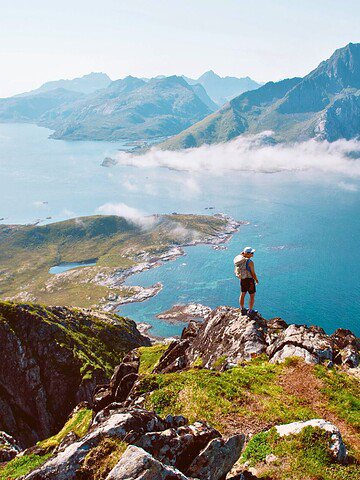
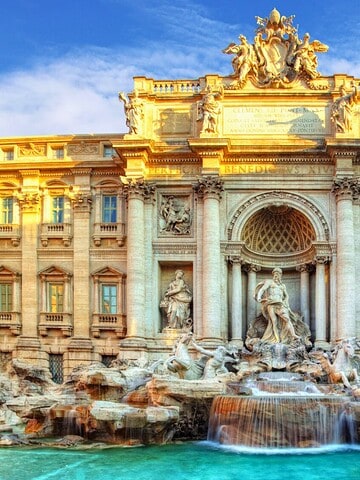
Scandinavia was made for road trips. Long stretches of road cut through open land, along water, and past small towns that feel lived in, not staged. Driving here feels calm but never dull. One turn brings mountains, the next brings sea, forests, or wide skies. Distances make sense, and the roads are easy to follow. These 13 regions for a road trip through Scandinavia are the best places to start.
This is a great part of the world for travelers who like freedom. You set the pace. Early starts, slow afternoons, or late drives under endless summer light all work. Even short drives feel meaningful. Nothing feels rushed, and nothing feels forced. If you want a trip that feels grounded, clear, and quietly impressive, this kind of journey fits. It’s a perfect way to see how land, water, and daily life connect. It stays simple and real the whole way.
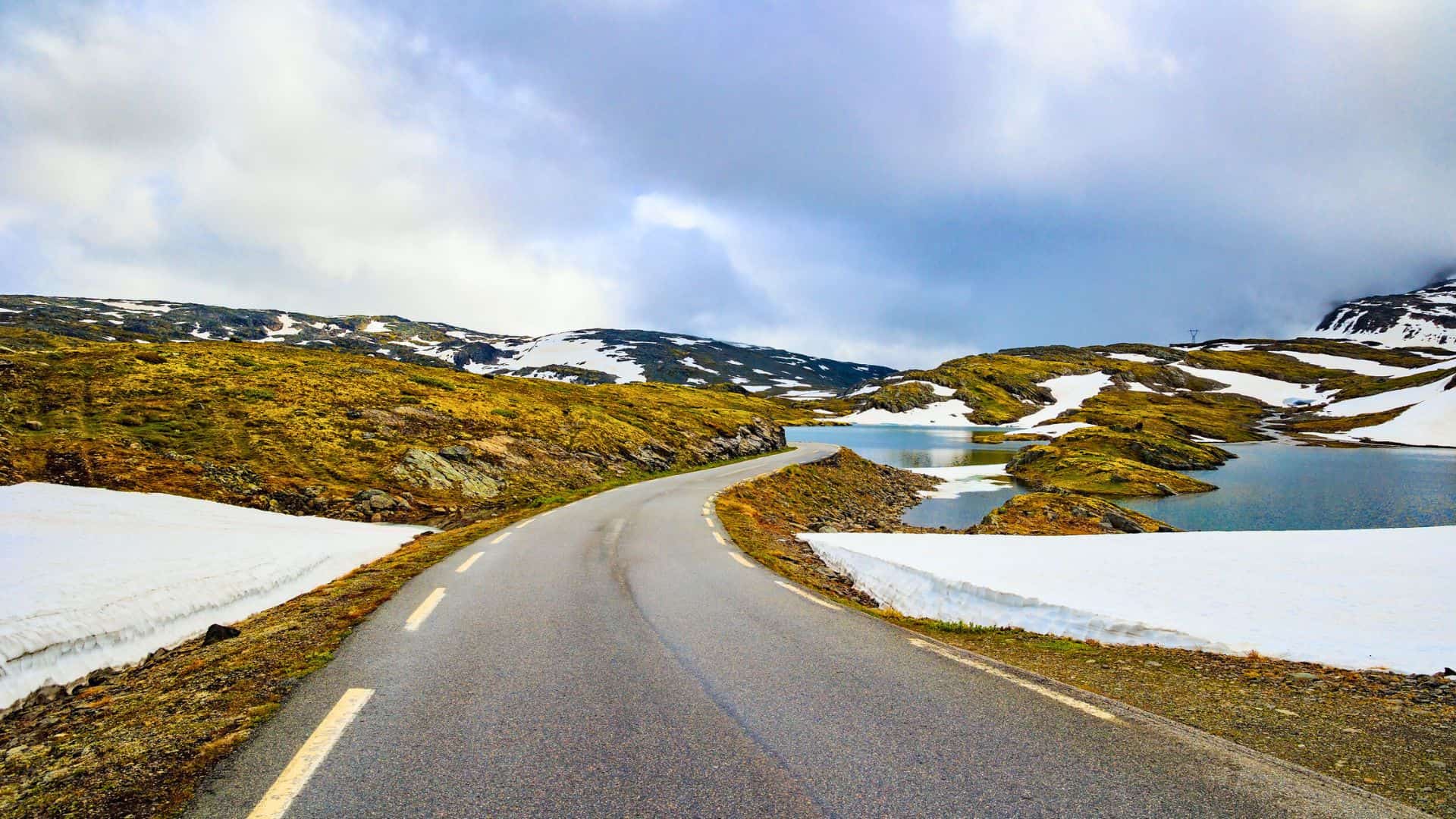
Norwegian Fjords (Western Norway)
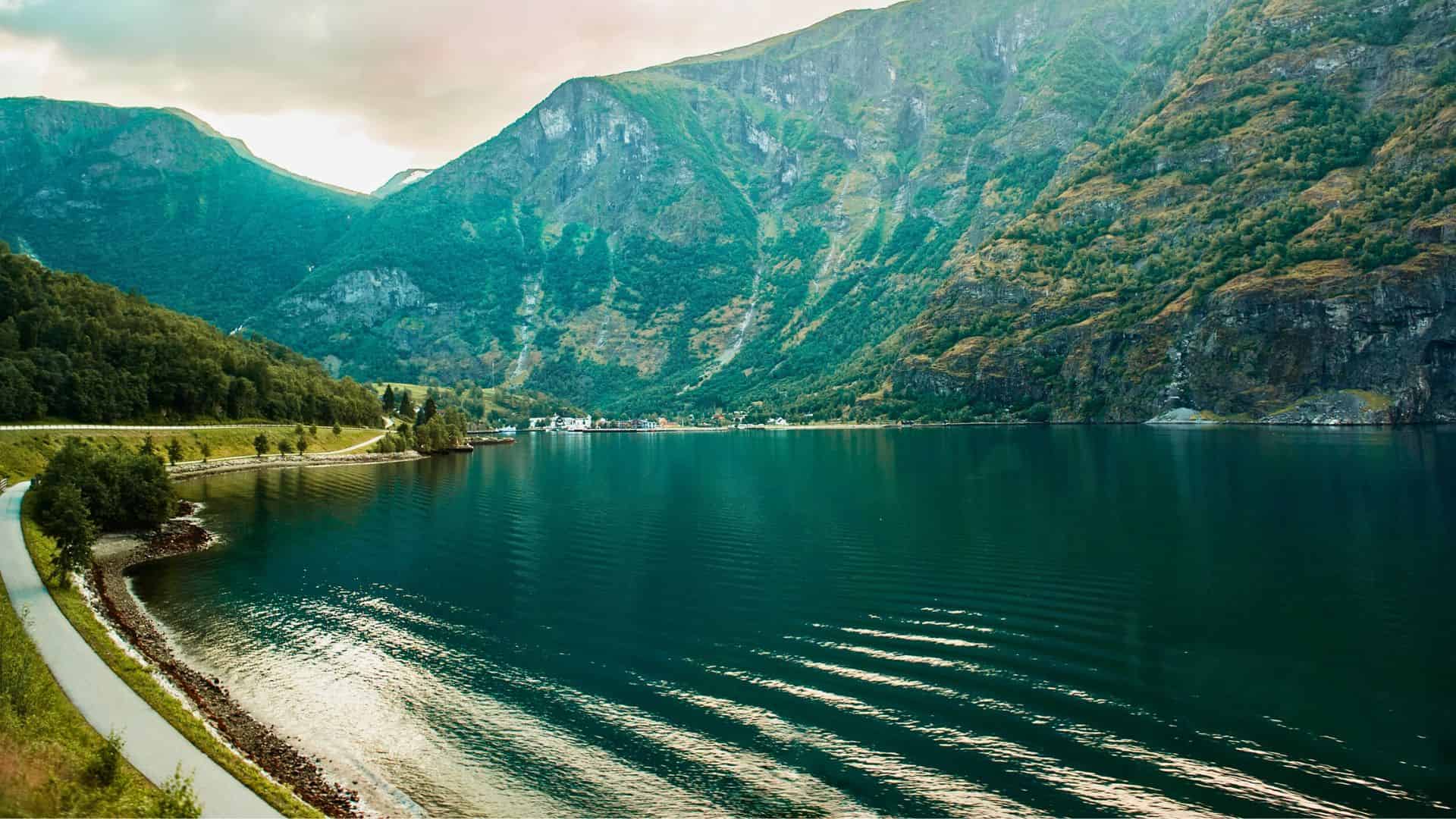
Western Norway’s fjord region delivers some of the most dramatic road travel in Europe. Steep mountains plunge directly into deep blue waterways, while narrow roads trace shorelines beneath cascading waterfalls. Routes such as those around Geirangerfjord and Nærøyfjord pass quiet farms, sheer cliffs, and viewpoints perched high above the water. Tunnels and ferries add variety to the drive, breaking long stretches of open scenery. Small villages along the fjords reveal traditional architecture and slow daily rhythms, making this region ideal for travelers drawn to nature, photography, and striking contrasts between land and sea.
Lofoten Islands
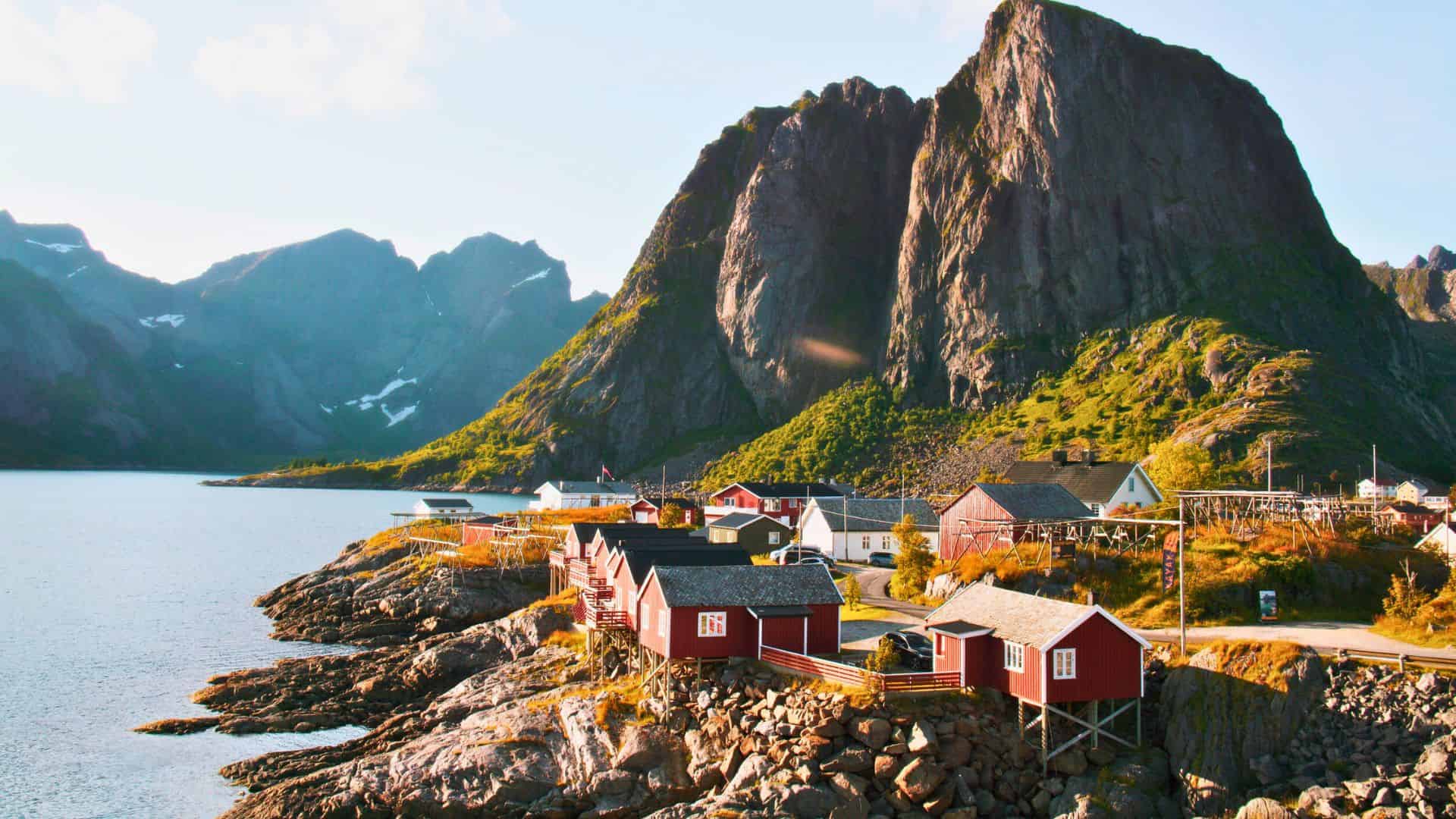
The Lofoten Islands stretch across northern waters with sharp peaks rising straight from the ocean. Coastal roads link fishing villages where red rorbuer cabins sit on stilts above the sea. Beaches with pale sand and clear water contrast sharply with jagged mountains behind them. Weather shifts quickly, changing light and colors throughout the day. Driving here feels remote yet accessible, with bridges connecting island to island. Wildlife sightings, quiet harbors, and dramatic skies shape every journey. This region suits travelers seeking strong visual impact, open horizons, and a deep connection to Arctic coastal landscapes.
Atlantic Ocean Road (Møre og Romsdal)
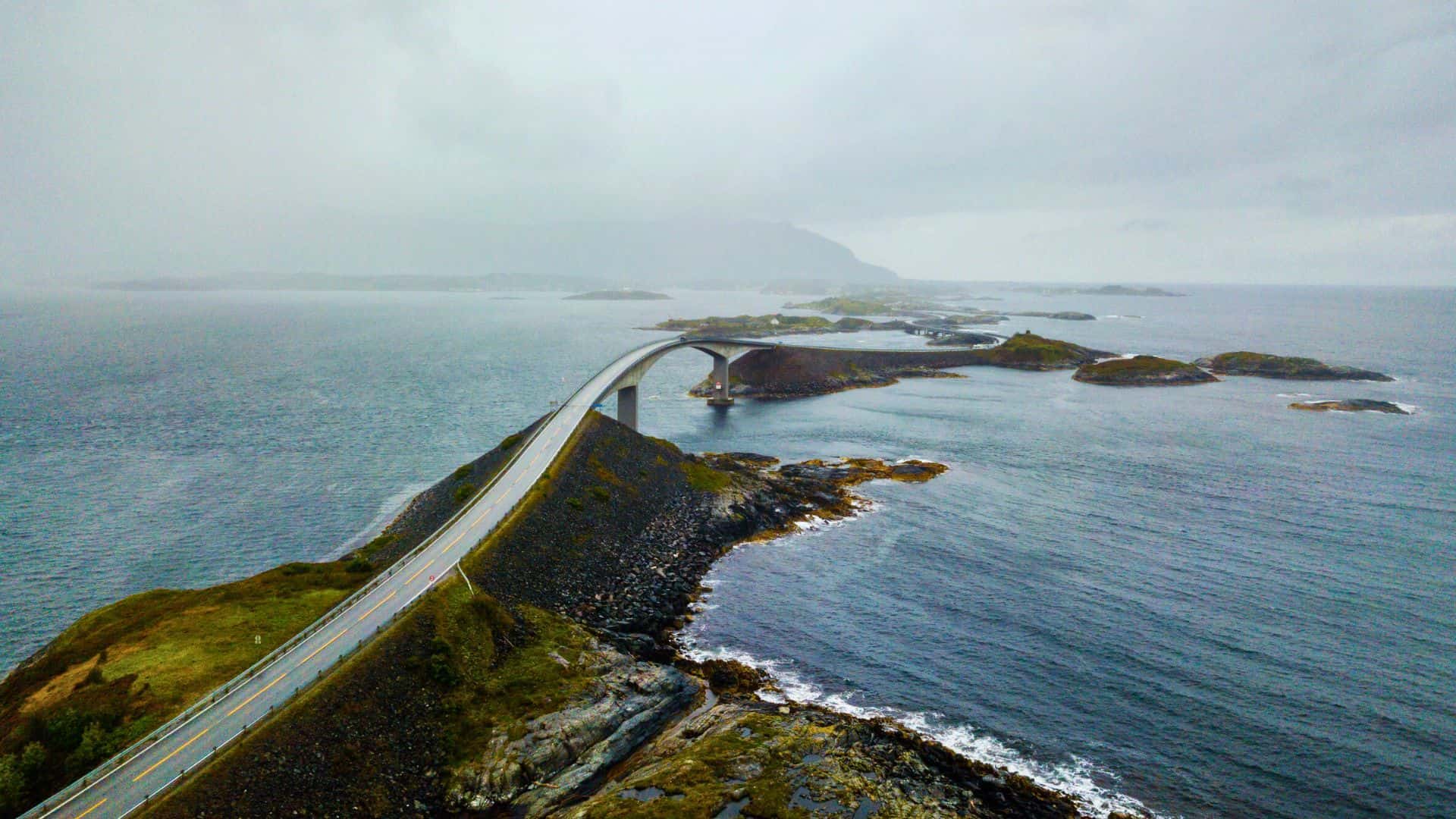
The Atlantic Ocean Road is a short drive with intense scenery, running across low islands and skerries along Norway’s coast. Graceful bridges rise and fall over open water, giving the sensation of floating above the sea. Waves crash close to the roadway during rough weather, while calmer days reveal fishing boats and seabirds. Pull-off points allow pauses for photographs and fresh air. The road connects small coastal communities and works well as part of a longer journey through Møre og Romsdal, adding drama and movement to a scenic coastal itinerary.
Trollstigen & Romsdalen
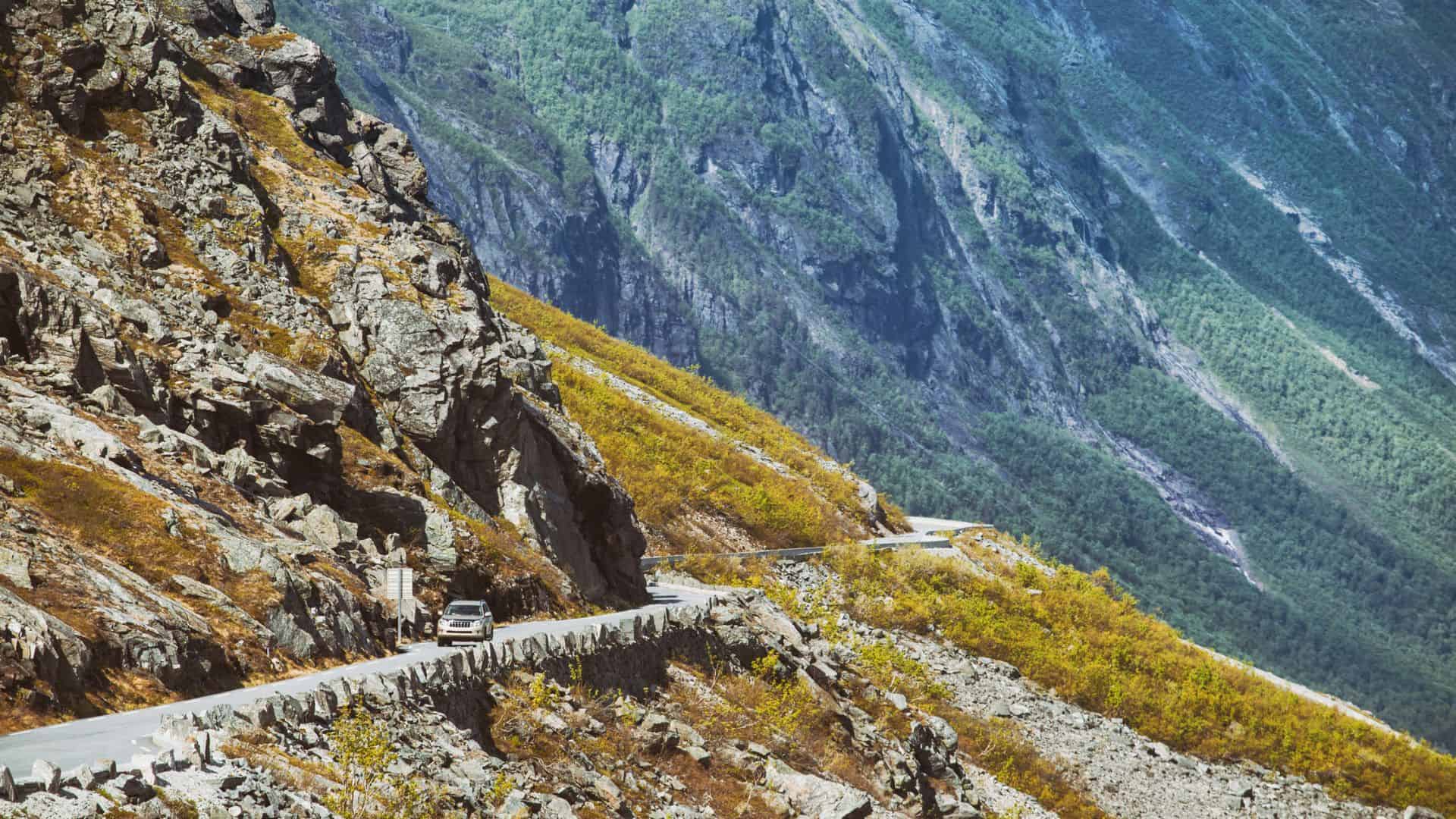
Trollstigen and the Romsdalen valley form one of Norway’s most famous mountain drives. The road climbs steeply through eleven tight hairpin bends, each revealing wider views of cliffs, peaks, and waterfalls. At the top, lookout platforms extend over the valley, highlighting the scale of the landscape below. Romsdalen itself stretches long and green, framed by towering rock faces popular with climbers. Driving here combines engineering skill with raw nature, creating a sense of adventure. Seasonal conditions shape the experience, making timing important for safe travel and clear views.
Hardangervidda & Hardangerfjord
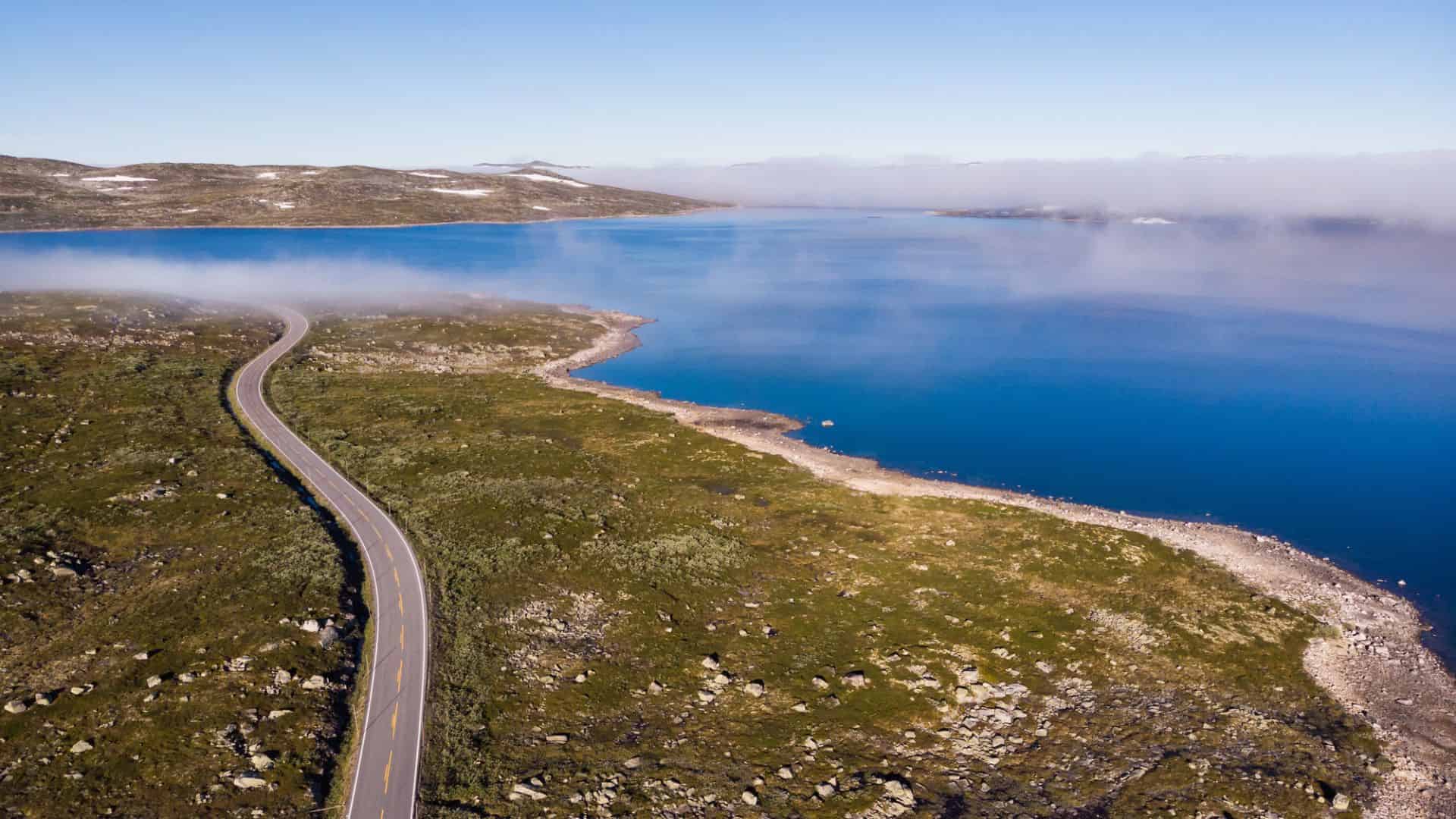
Hardangervidda and Hardangerfjord connect high mountain plateau with fertile fjord landscapes. The drive crosses one of Europe’s largest alpine plateaus, where open tundra, lakes, and distant peaks dominate the view. Descending toward Hardangerfjord, scenery shifts to steep slopes lined with orchards and powerful waterfalls. Roads pass glaciers, rural settlements, and quiet fjord arms reflecting surrounding mountains. The contrast between wide, exposed highlands and narrow, sheltered fjord roads creates constant visual change. This region suits travelers interested in long drives, varied terrain, and a strong sense of scale shaped by nature.
Swedish Lapland
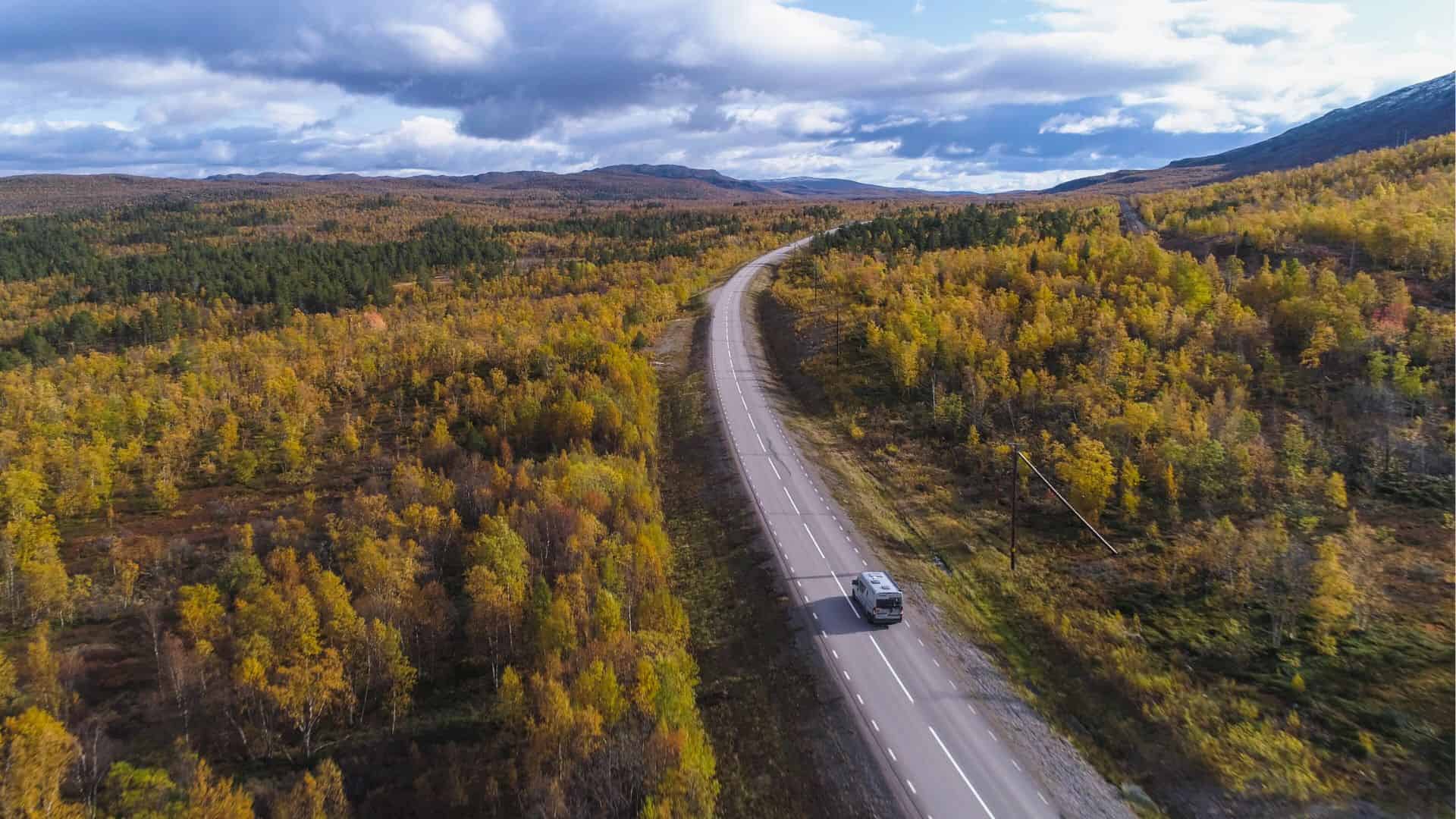
Vast distances and open skies define this northern region, where roads cut through forests, rivers, and tundra. Long stretches feel remote, with little traffic and frequent encounters with reindeer crossing the highway. Seasonal light shapes the journey: endless daylight in summer and deep twilight tones in winter. Small towns act as quiet pauses between wilderness sections, while national parks reveal untouched terrain. The sense of scale is striking, with horizons that seem endless. Driving here favors patience and curiosity, rewarding travelers with silence, space, and a powerful connection to northern landscapes shaped by climate and tradition.
High Coast (Höga Kusten)
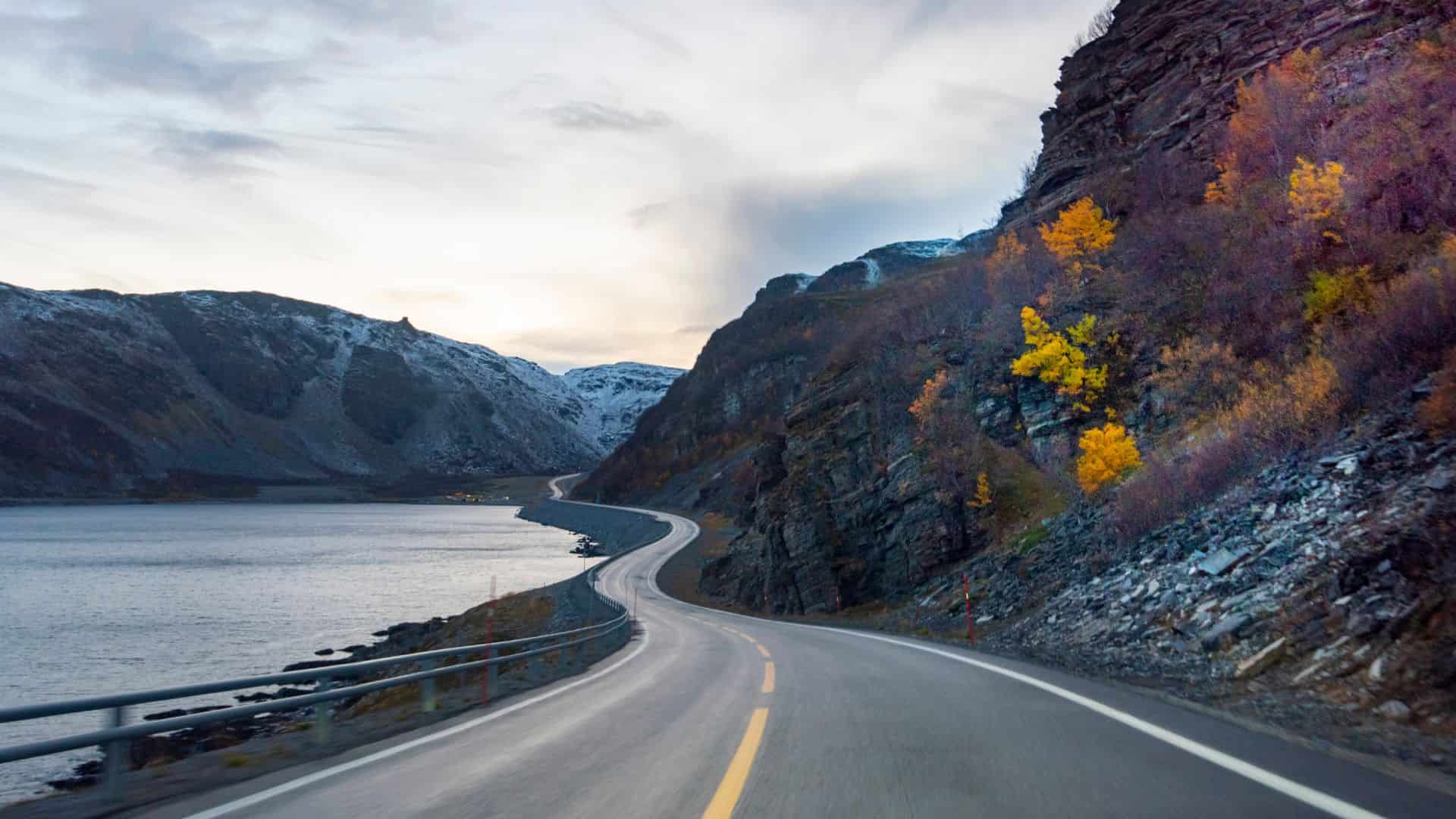
Along Sweden’s eastern shoreline, this UNESCO-listed area features steep cliffs rising sharply from the sea. Roads weave through forests before suddenly revealing sweeping coastal views. The land itself is still lifting after the last Ice Age, creating dramatic elevation changes unusual for this part of the country. Small villages, harbors, and hiking trailheads appear along the way, making frequent stops tempting. Bridges span narrow inlets, and viewpoints sit high above the water. This drive balances wooded calm with striking coastal drama, appealing to travelers drawn to geology, quiet beauty, and layered scenery.
Gotland
Want to save this?
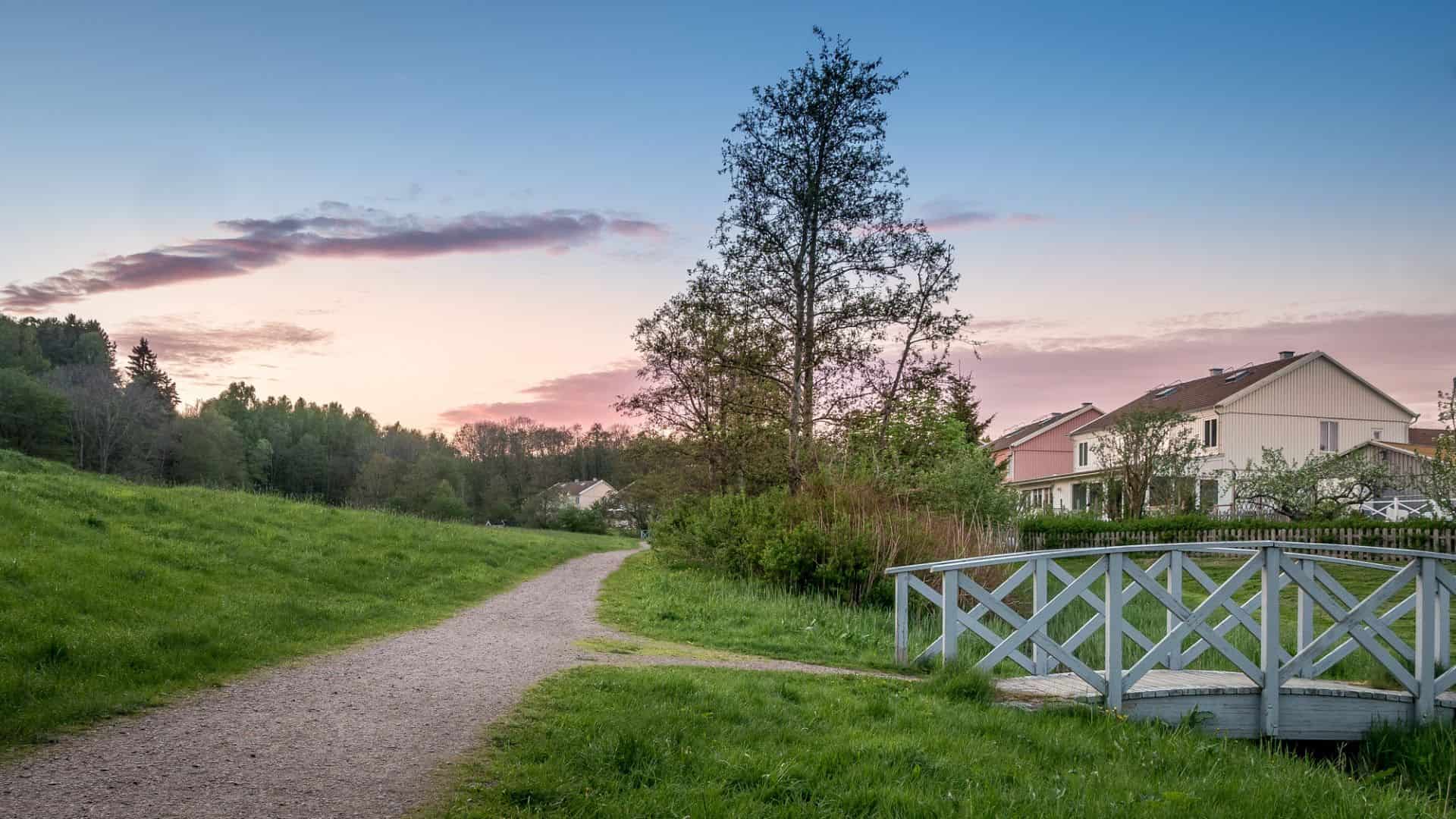
This Baltic island delivers a slower-paced road trip framed by sea views and open farmland. Narrow roads pass stone walls, windmills, and medieval churches scattered across the countryside. The coastline changes constantly, from rocky shores to sandy stretches shaped by wind and waves. Limestone sea stacks rise near the water’s edge, creating memorable landmarks. Visby, with its preserved walls and cobbled streets, adds historical depth without overwhelming the island’s calm character. Driving here feels intimate and relaxed, ideal for travelers interested in history, coastal scenery, and gentle transitions between land and sea.
Finnish Lakeland
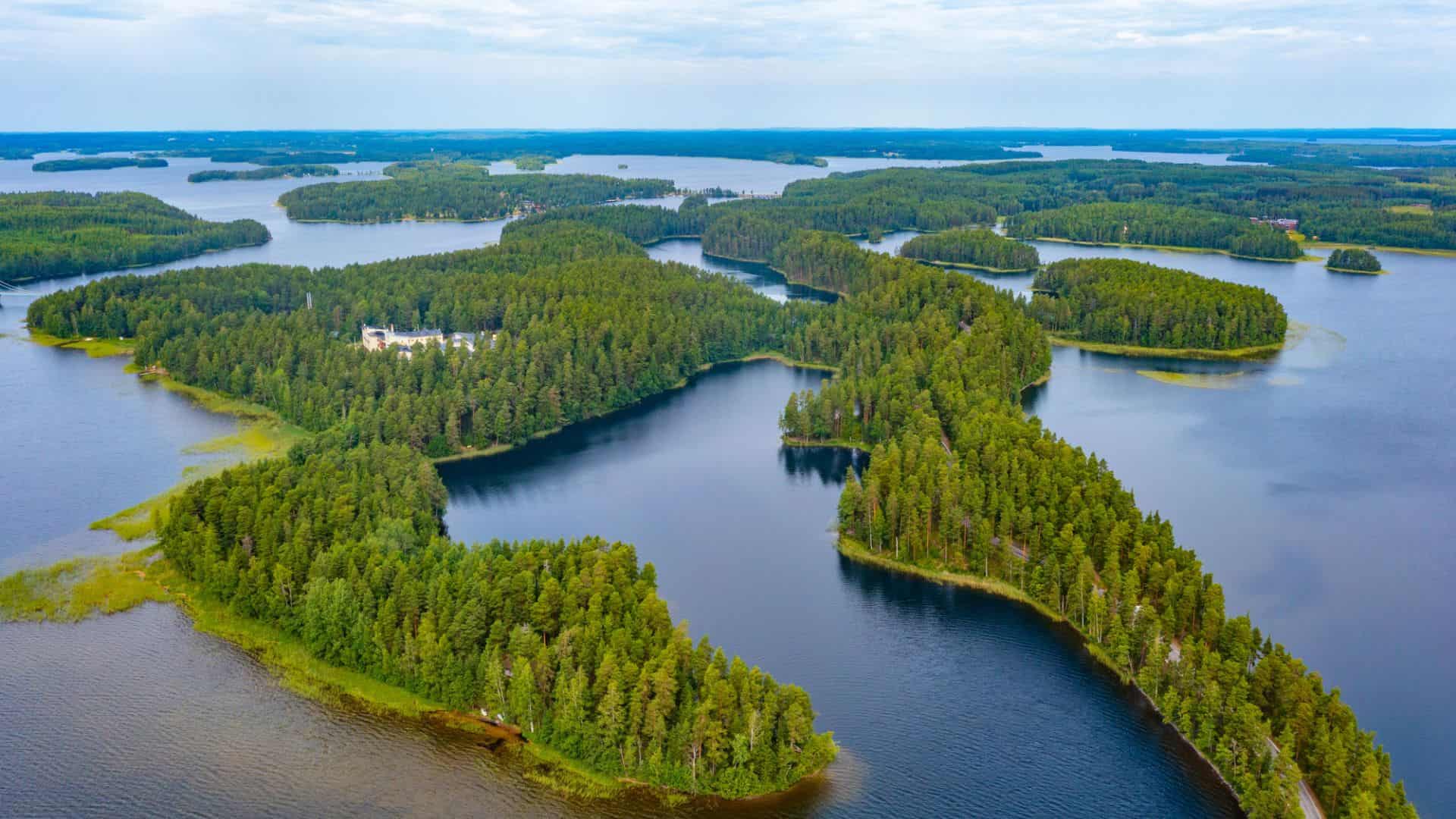
Thousands of lakes shape this region, with roads threading between water, forest, and small settlements. Bridges frequently cross narrow channels, while pine trees line long, quiet stretches. Reflections on still water change with light and weather, giving each drive a different mood. Towns appear at natural gathering points, often near harbors or river mouths. The pace is unhurried, encouraging frequent stops for short walks or scenic pauses. This landscape favors contemplation rather than spectacle, rewarding travelers who appreciate subtle shifts, layered greens and blues, and a close relationship between road and water.
Lapland (Finland)
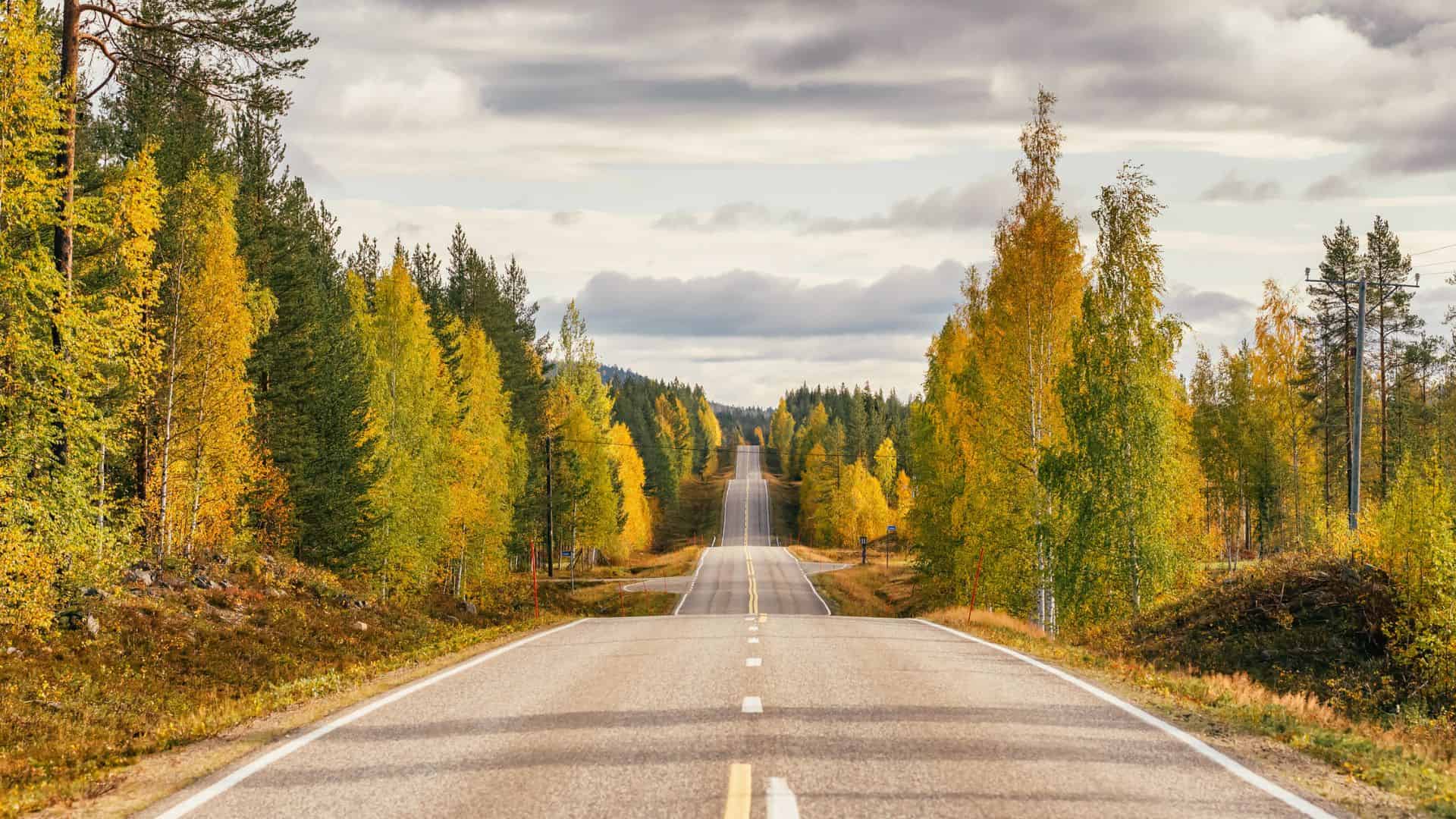
Far above the Arctic Circle, long roads stretch through fells, forests, and wide river valleys. Traffic is sparse, and distances between towns heighten the feeling of isolation. Reindeer often wander freely across highways, reinforcing the region’s strong ties to nature and Sámi culture. Seasonal contrast defines the drive: soft greens and endless daylight in summer, deep snow and low sun angles in winter. Small villages appear as calm interruptions in the wilderness. Traveling here emphasizes stillness and scale, rewarding careful drivers with vast views and a rare sense of northern remoteness.
Danish Riviera & North Zealand
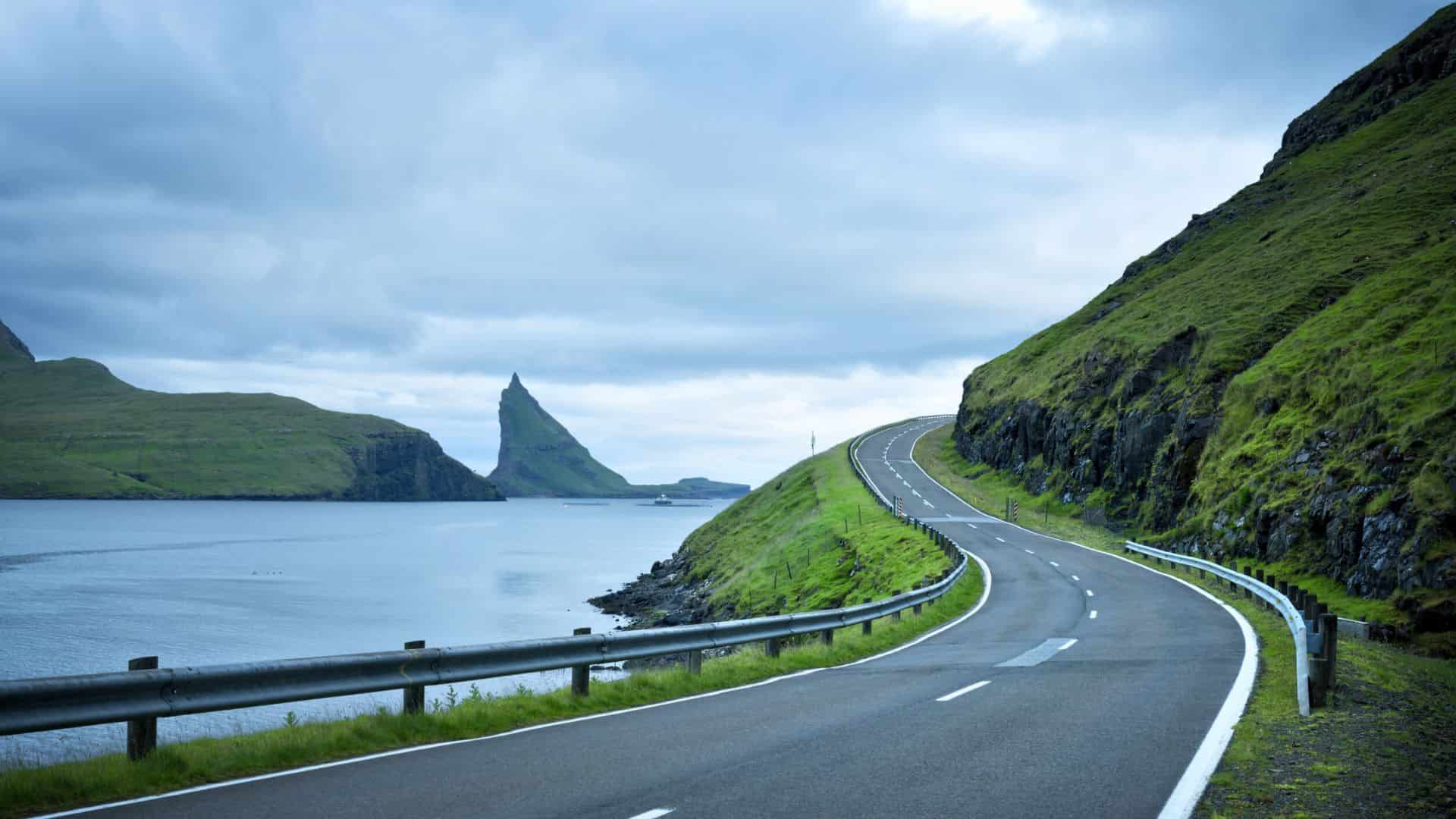
North of Copenhagen, coastal roads trace gentle shorelines and elegant seaside towns. Beaches, harbors, and forests appear in steady rotation, keeping the drive visually varied without feeling demanding. Historic castles rise near the water, adding cultural landmarks to the scenery. The terrain remains mostly flat, making the journey relaxed and accessible. Cyclists, sailboats, and local cafes contribute to a lived-in atmosphere rather than wilderness. This region works well for travelers who value scenery paired with history, refined towns, and calm coastal movement rather than dramatic elevation or remote conditions.
Jutland Peninsula
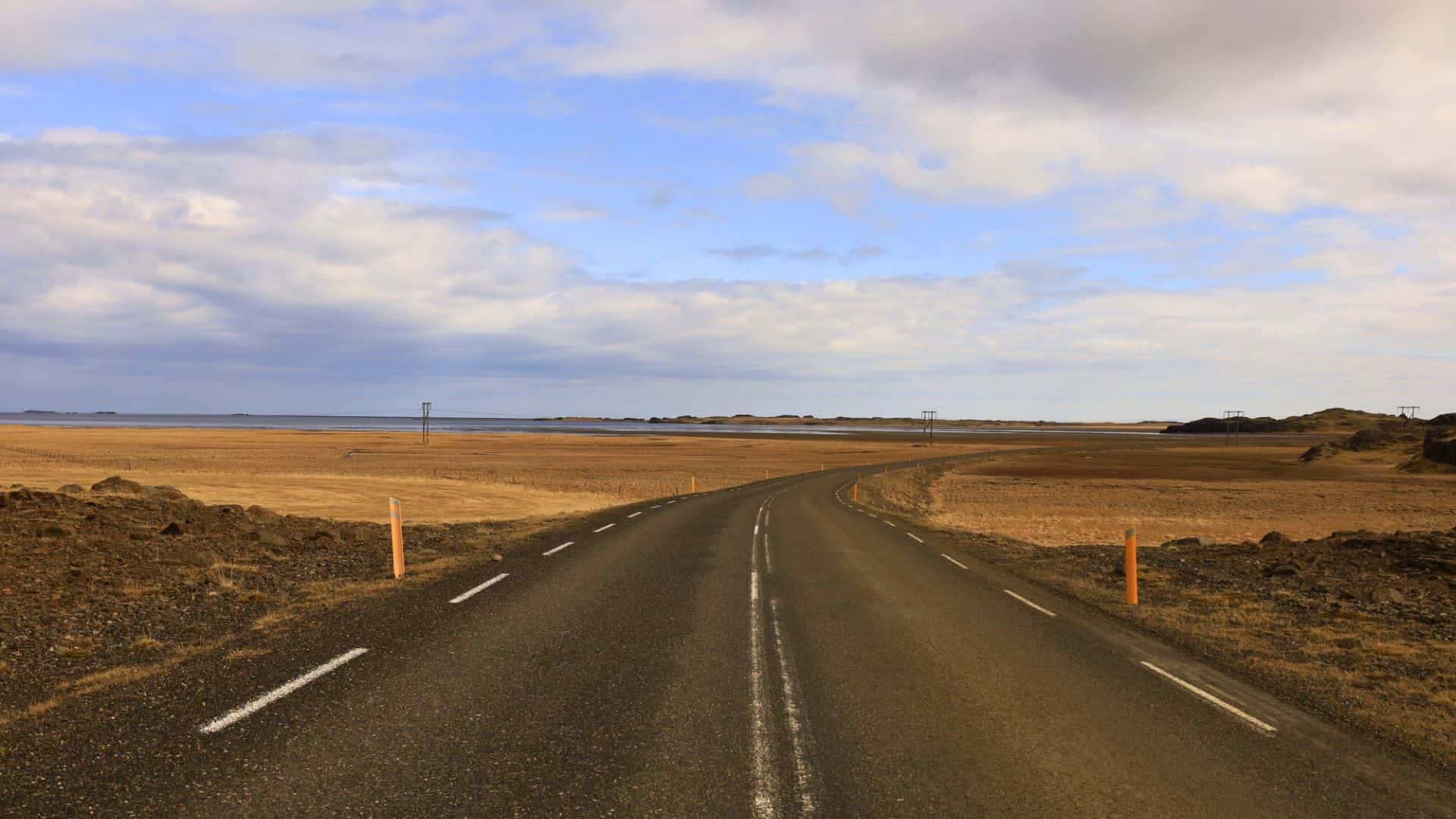
Stretching from Germany to Denmark’s northern tip, this peninsula presents wide horizons shaped by wind, sea, and open land. Western coastal routes pass dunes, beaches, and shifting light from the North Sea, while eastern roads feel calmer with fjords and farmland. National parks and small harbor towns create natural stopping points. The landscape feels expansive rather than dense, with skies playing a major role in the visual experience. Driving here highlights contrasts between rugged coast and settled countryside, making the journey about rhythm, distance, and the steady presence of water and weather.
Scandinavian Arctic Route (Norway–Sweden–Finland)
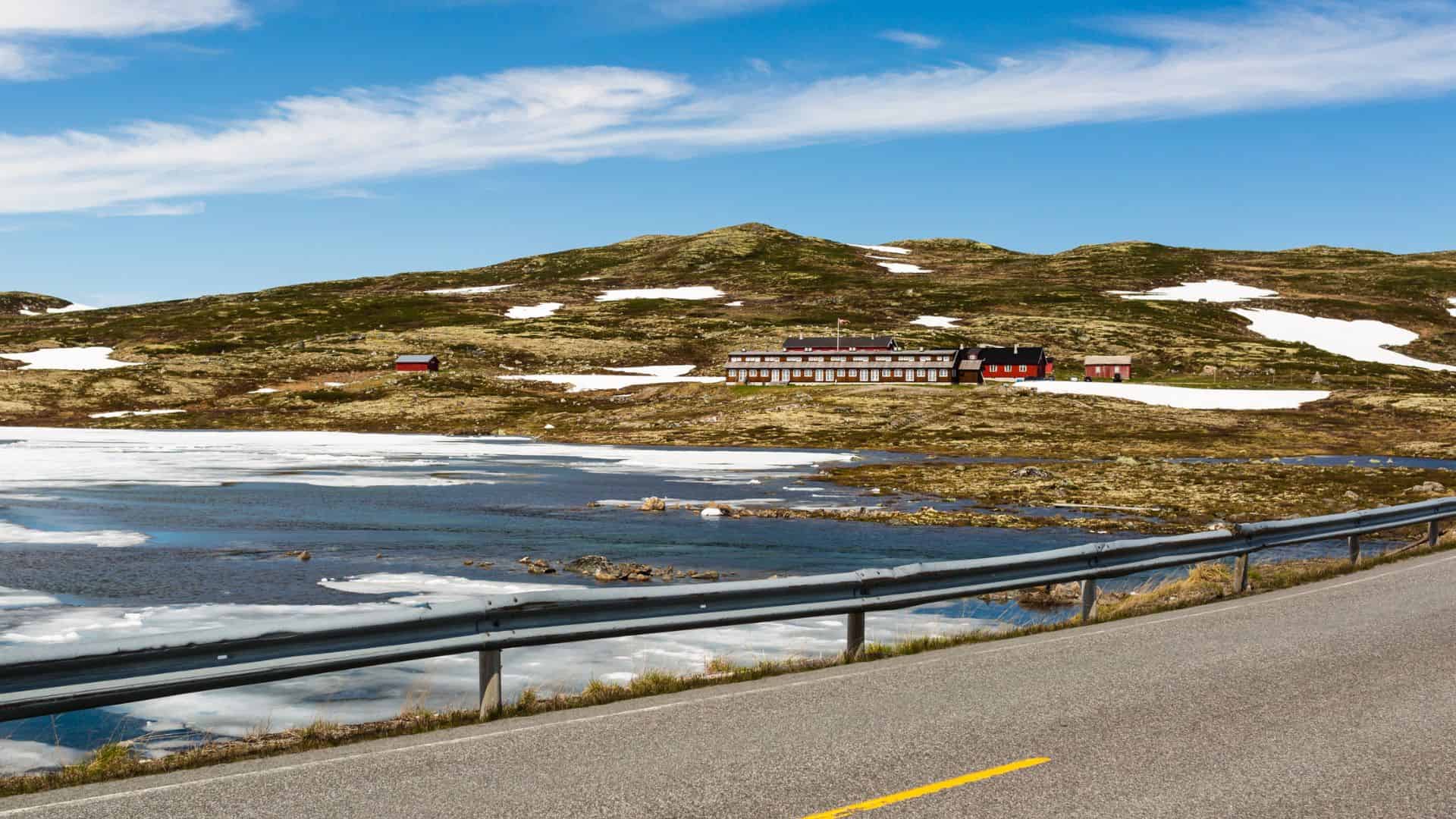
Crossing borders above the Arctic Circle, this long-distance route links mountains, tundra, forests, and wide river systems. Roads move seamlessly between three countries, with subtle shifts in landscape and architecture marking each transition. National parks, high plateaus, and remote valleys dominate much of the drive. Sámi culture remains a constant thread, visible through reindeer herding areas and local settlements. Distances are significant, demanding planning and patience. This route emphasizes endurance and immersion, rewarding travelers with continuous northern scenery and a strong sense of journey across connected Arctic regions.
Take the Long Way
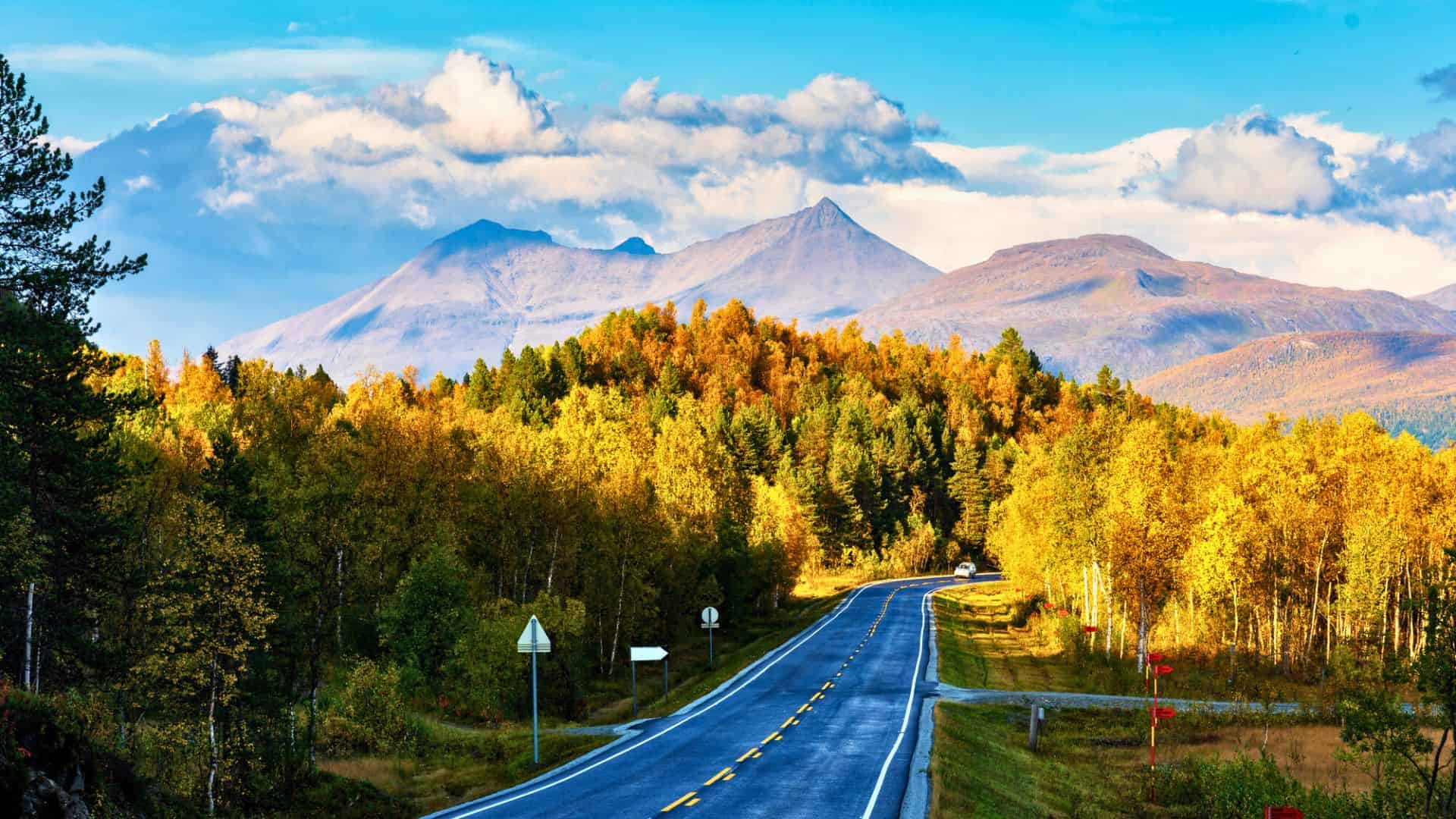
A road trip through Scandinavia sticks with you because it feels honest. The roads are clear, the scenery changes without warning, and the days tend to find their own rhythm. Some drives feel quiet and steady. Others feel wide open and a little wild. That balance keeps things interesting without feeling heavy or staged.
This kind of travel is great for people who like to stay flexible. You can follow a plan or ignore it when something catches your eye. Stops happen naturally. Detours don’t feel like mistakes. Over time, the drive becomes the point, not just the way to get somewhere else. By the end, it feels less like you rushed through a checklist and more like you spent real time in real places. That’s what makes a Scandinavian road trip perfect for slowing down and seeing what’s right in front of you.
13 Most Affordable European Cities for Solo Travelers in 2026
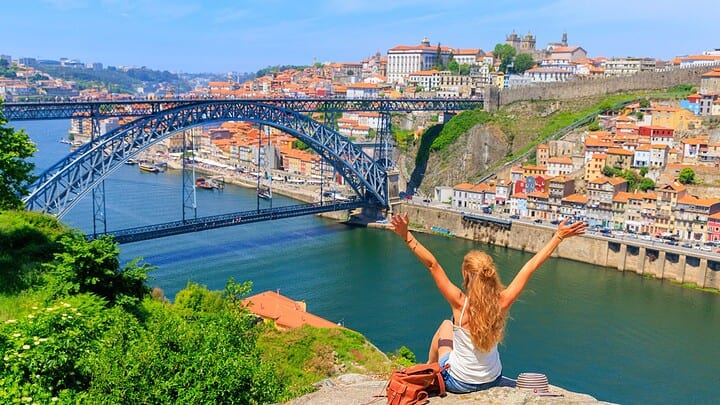
Solo travel in Europe doesn’t have to feel expensive or complicated. It's now easier than ever to move around on your own without watching every euro. Flights are more flexible, trains connect cities smoothly, and many places still keep daily costs low. That means less stress and more space to enjoy the trip your way. You can start with these 13 most affordable European countries for solo travelers in 2026.
Read More Here: 13 Most Affordable European Cities for Solo Travelers in 2026
11 Safe and Friendly Countries Perfect for First-Time Expats
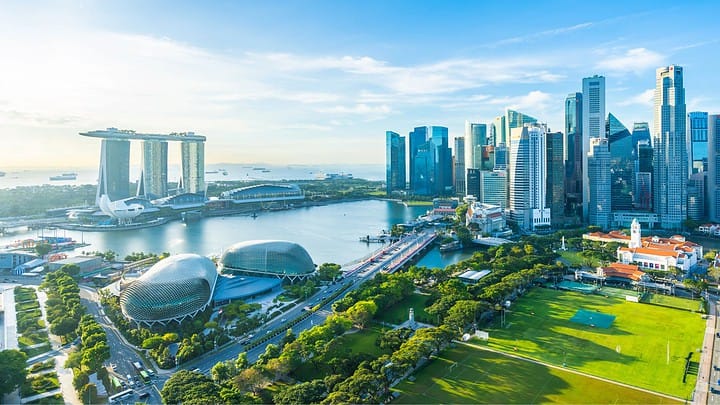
Moving abroad for the first time is a big step, and it’s normal to feel both excited and unsure. You’re not just picking a new address; you’re choosing a lifestyle, a community, and a daily rhythm that feels right. Safety, stability, and a sense of belonging matter just as much as scenery or job prospects. Don't worry, there are 11 countries for first-time expats where newcomers can settle in without feeling unsafe.
Read More Here: 11 Safe and Friendly Countries Perfect for First-Time Expats