Central Asia doesn’t get much attention, and that’s exactly why it stands out. The “Stans” sit at a crossroads of long roads, open land, and cultures shaped by movement and trade. Travel here feels grounded and real. You spend more time watching daily life and less time navigating crowds. Want to know more? There are 13 reasons the "stans" of Central Asia belong on your bucket list.
This is a region for travelers who want stories, not checklists. You talk with locals, adapt as plans change, and learn as you go. Each day feels a little different, even when nothing flashy happens. If your bucket list feels tired or predictable, this part of the world brings fresh energy without trying too hard. It’s confident, honest travel that stays with you long after the trip ends.
Silk Road Cities Frozen in Time
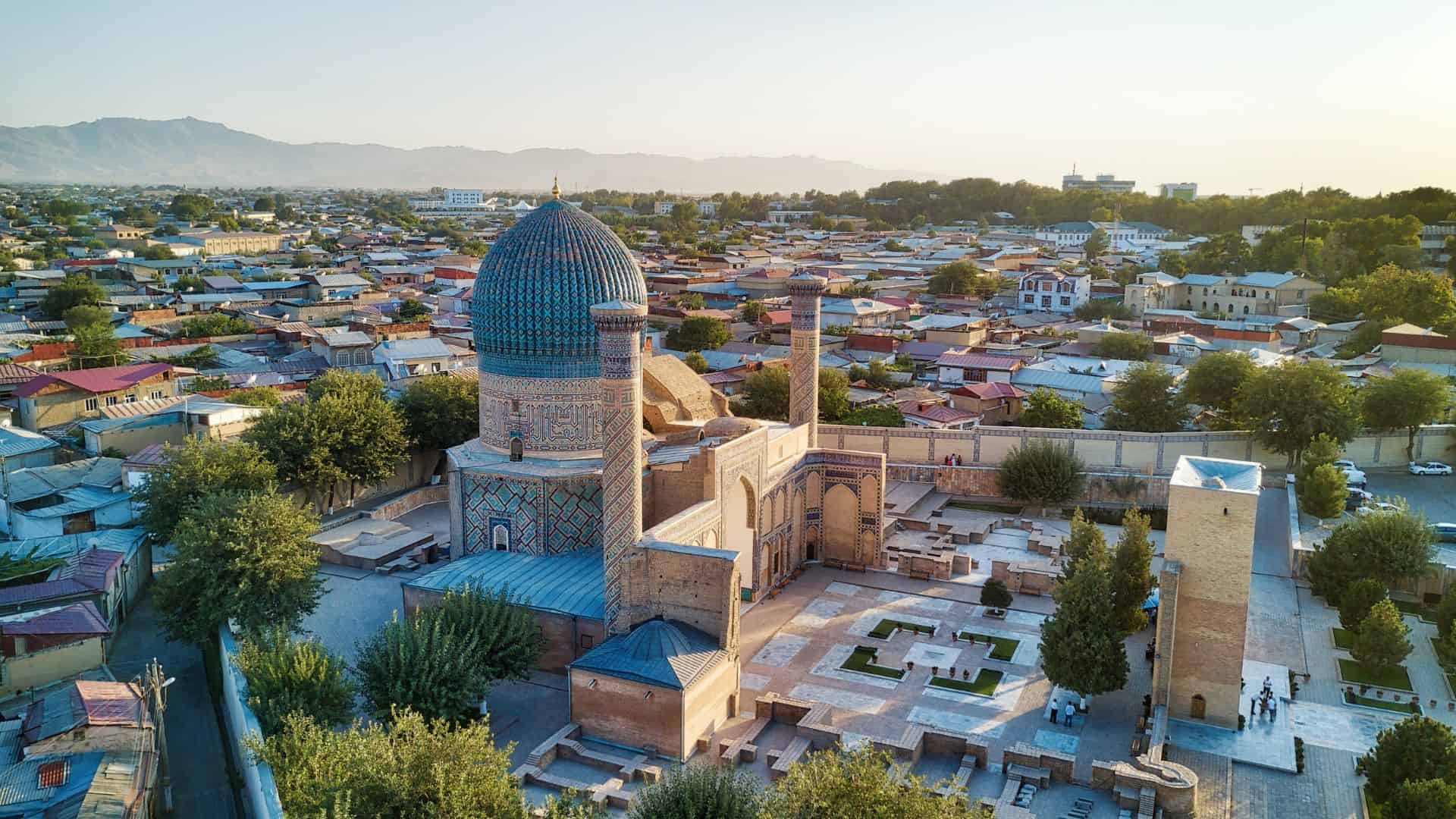
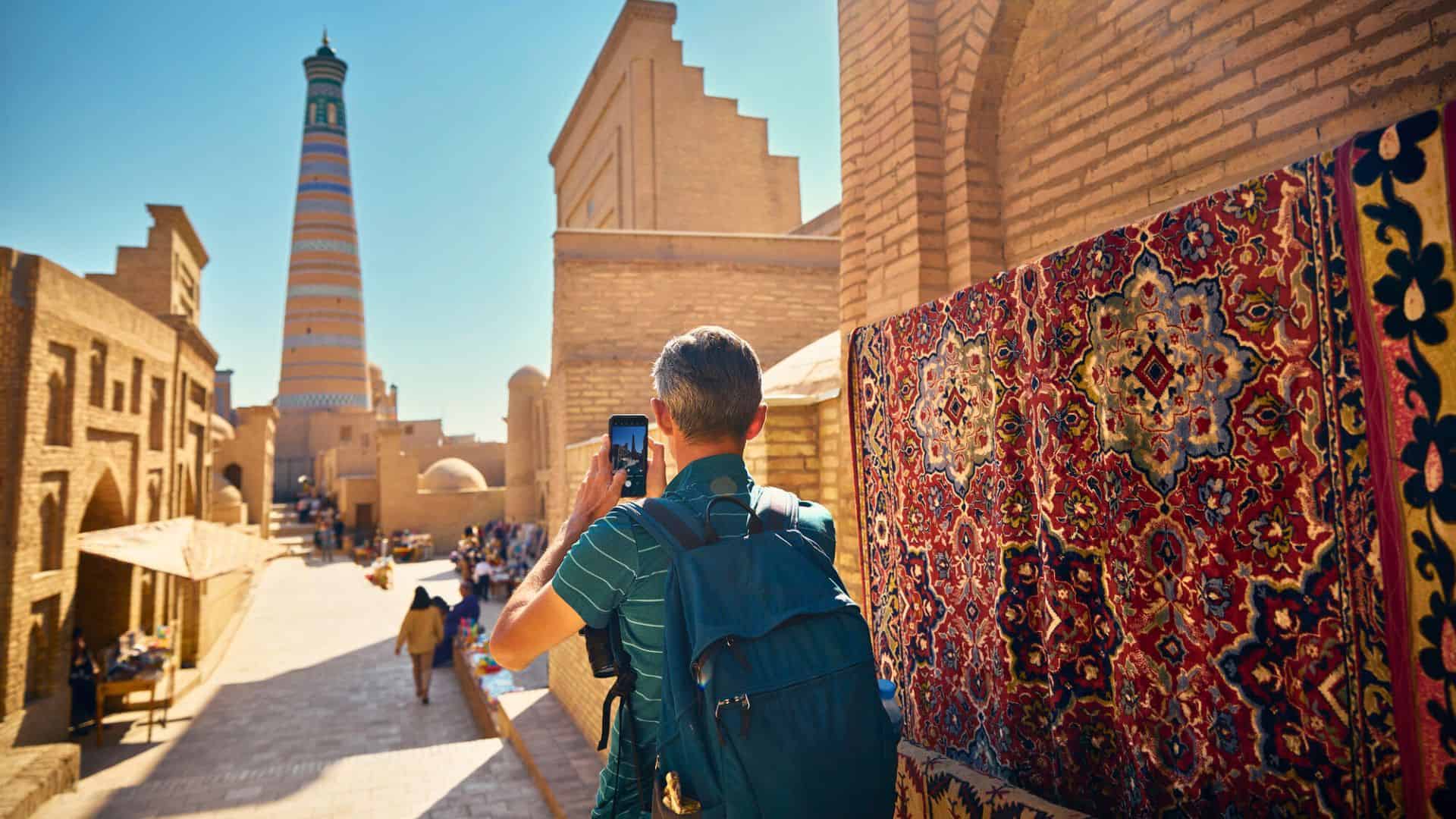
Walking through Samarkand, Bukhara, or Khiva feels like stepping into a living archive of global exchange. These cities once anchored the Silk Road, linking East Asia, the Middle East, and Europe through trade, scholarship, and faith. Towering madrasas, mosaic-covered mausoleums, and ancient city walls reveal centuries of ambition and artistry. Streets still follow medieval layouts, while bazaars echo with commerce much as they did hundreds of years ago. Rather than reconstructed replicas, many landmarks remain authentic, weathered, and active, allowing travelers to witness history as something continuous rather than distant or abstract.
Jaw-Dropping Mountain Scenery
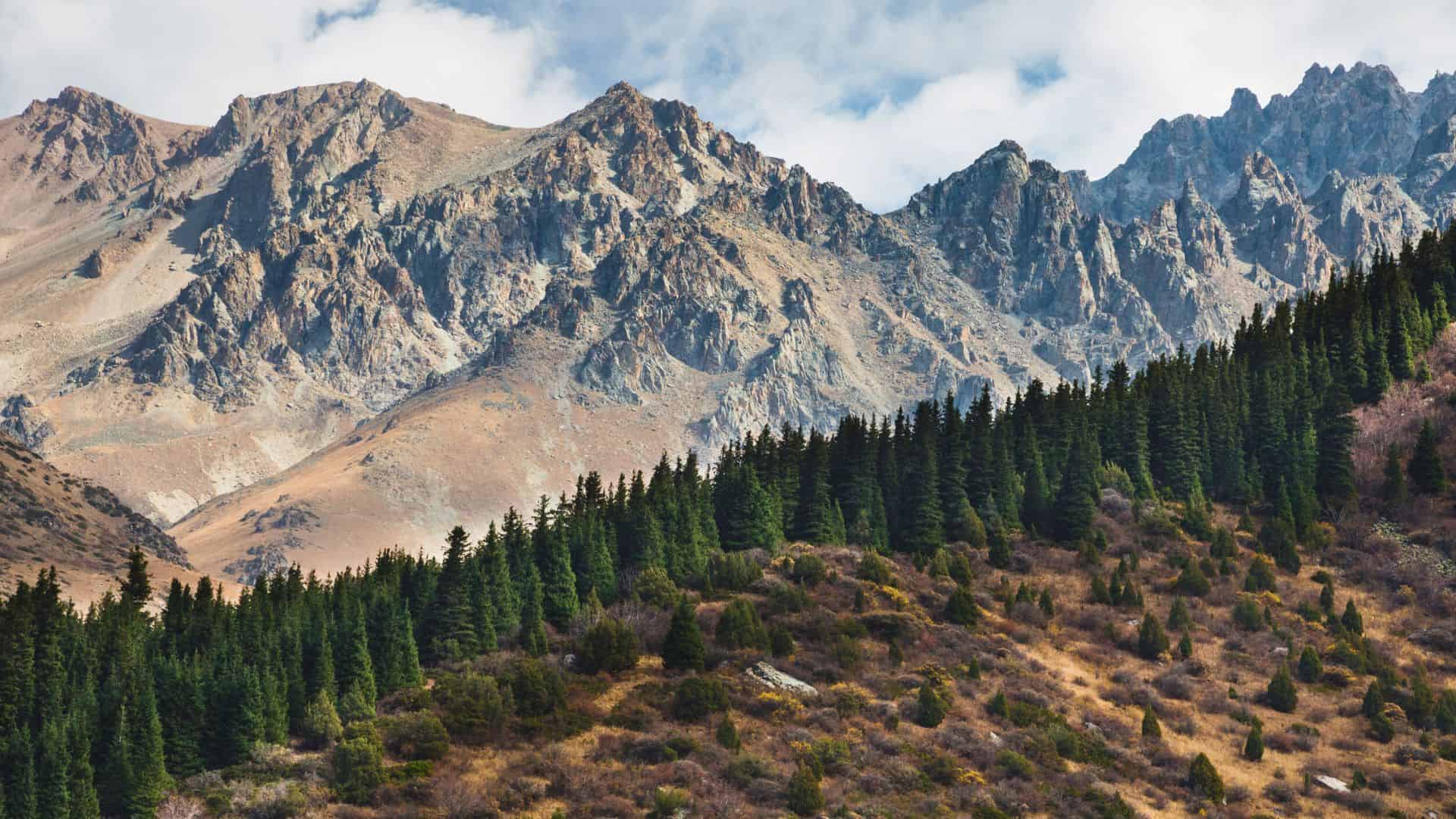
Central Asia’s mountains rank among the planet’s most dramatic yet least visited. The Tien Shan and Pamir ranges rise sharply from valleys into snow-covered summits, framing turquoise lakes and high-altitude pastures. Landscapes shift quickly: glaciers, red rock canyons, alpine meadows, and remote plateaus often appear within a single journey. Trails pass shepherd camps and isolated villages where daily life follows seasonal rhythms. Because development remains limited, views feel expansive and uninterrupted. Whether trekking, photographing, or simply crossing mountain passes by road, these regions leave a powerful impression shaped by scale, silence, and raw terrain.
Nomadic Traditions Still Alive
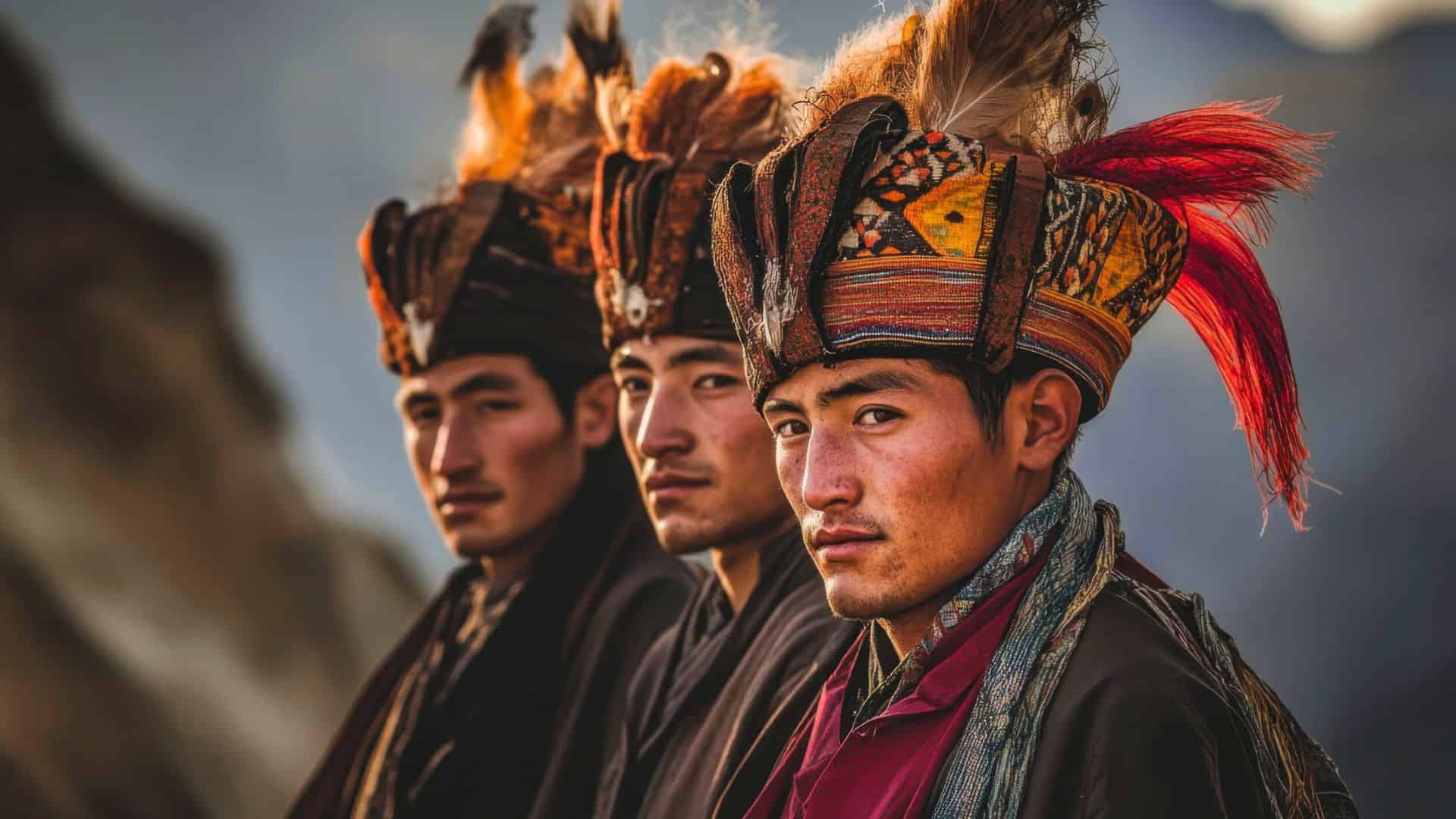
Nomadic heritage remains visible across Central Asia, particularly in Kyrgyzstan and parts of Kazakhstan. Families still move livestock between seasonal pastures, living in yurts crafted from felt and wood. Horse culture continues to shape identity, sport, and daily transport, while games like kok-boru reflect deep-rooted traditions. Skills such as felt-making, eagle hunting, and oral storytelling are passed through generations, not staged for visitors. Staying in rural areas allows travelers to observe these practices as living systems rather than museum displays, gaining insight into lifestyles shaped by mobility, resilience, and close relationships with land and animals.
Legendary Hospitality
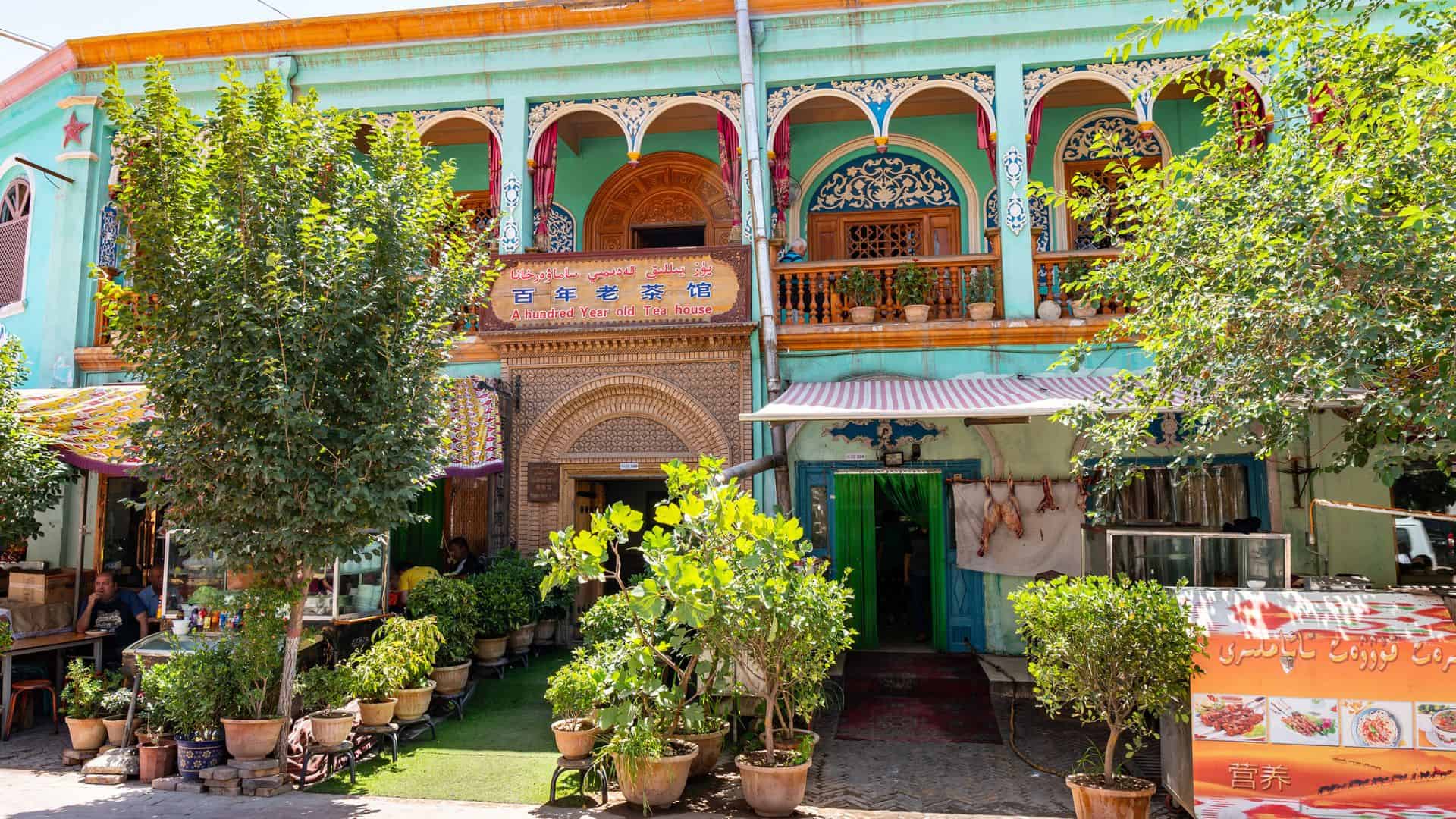
In Central Asia, guests hold a special status rooted in nomadic codes and cultural traditions. Visitors are frequently welcomed into homes for tea, bread, and conversation, sometimes without sharing a common language. This generosity reflects social values built around respect, reputation, and mutual care across vast landscapes. Meals often turn into storytelling sessions about family history, travel, and local customs. Refusing kindness can even be considered impolite. Rather than transactional tourism interactions, travelers encounter genuine human connections, where curiosity flows both ways and time slows enough to form meaningful exchanges that linger long after the journey ends.
Epic Road Trips
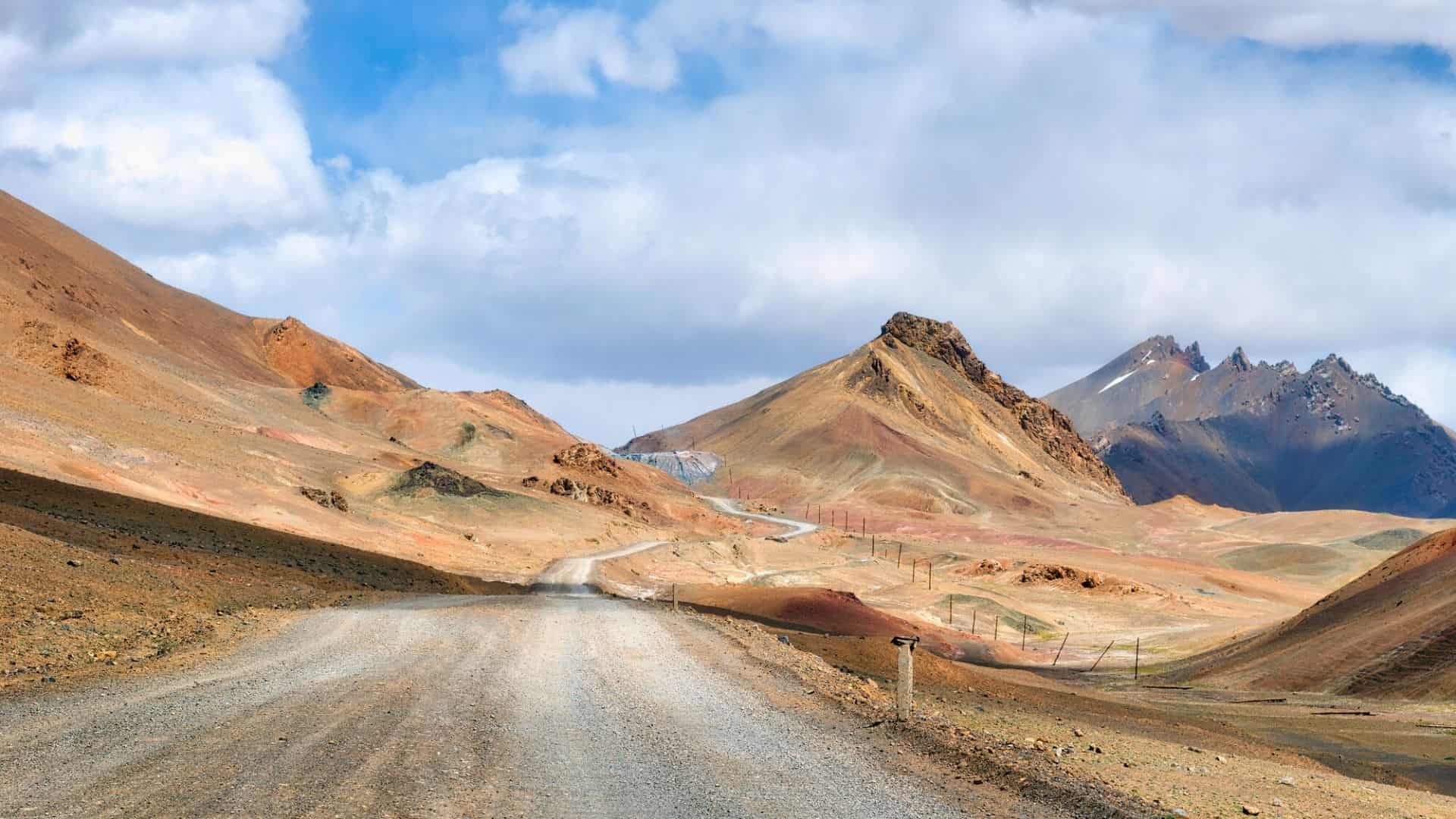
Road travel across Central Asia reveals a scale and variety rarely experienced elsewhere. Routes like the Pamir Highway wind through deserts, river gorges, and mountain passes exceeding 4,000 meters. Long stretches without towns heighten the sense of remoteness, while sudden villages feel significant and memorable. Changing scenery keeps journeys dynamic, from salt flats to green valleys within a single day. Infrastructure varies, adding challenge and unpredictability that many travelers seek. Each stop carries its own character, shaped by geography and history, turning the act of travel itself into a defining part of the adventure.
Ancient History Beyond the Silk Road
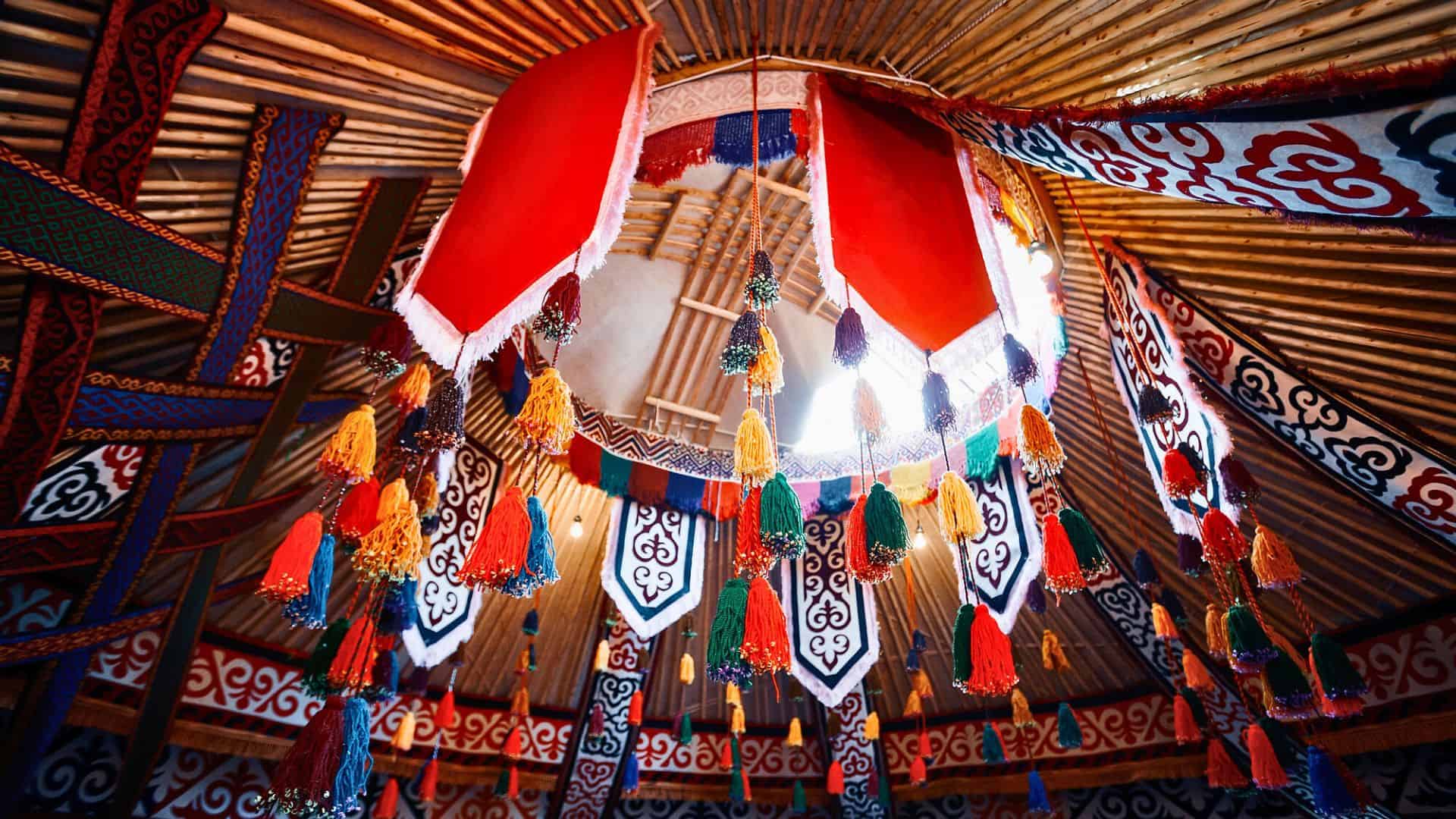
Central Asia’s story reaches far earlier than medieval trade routes. Archaeological sites reveal Bronze Age settlements, Scythian burial mounds, and rock carvings etched thousands of years ago. Zoroastrian fire temples, early Buddhist remains, and ancient fortresses speak to shifting beliefs and empires. Many locations sit far from major cities, accessible only by rough roads or guided travel. The lack of heavy visitation allows exploration without barriers or crowds. Standing among these ruins creates a direct link to civilizations that shaped regional identity long before modern borders emerged.
Food You’ve Probably Never Tried
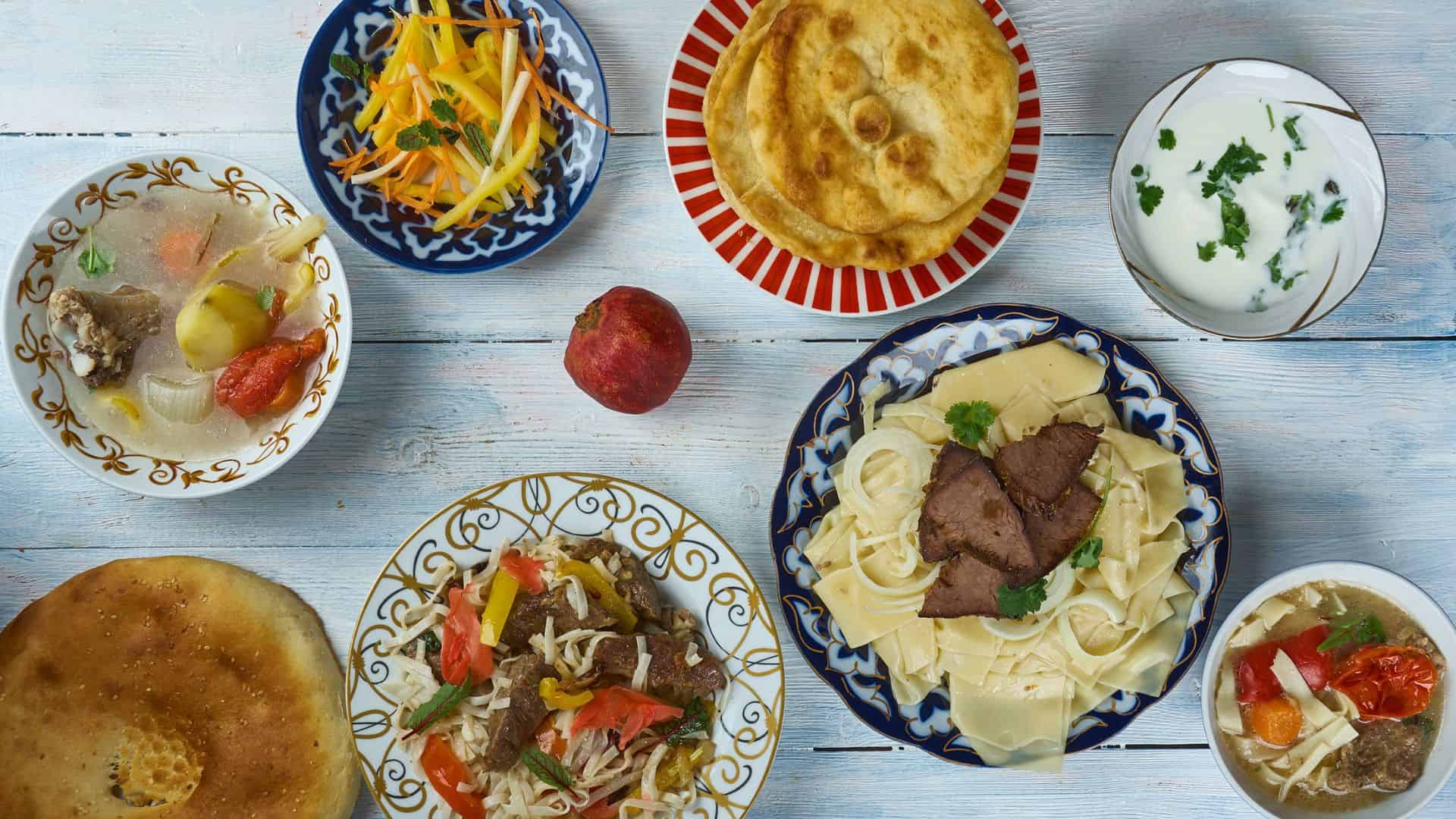
Daily meals across the region reveal how geography, climate, and history shape eating habits. Staple dishes often center on rice, noodles, bread, vegetables, and meat prepared for communal sharing. Recipes developed to sustain travelers, traders, and pastoral families over long distances and harsh seasons. Markets display stacks of round flatbreads, dried fruits, and spices tied to Silk Road trade routes. Eating frequently becomes a social ritual rather than a rushed activity. Through shared tables and local eateries, travelers gain insight into tradition, hospitality, and everyday life beyond guidebook highlights.
Stunning Islamic Architecture
Want to save this?
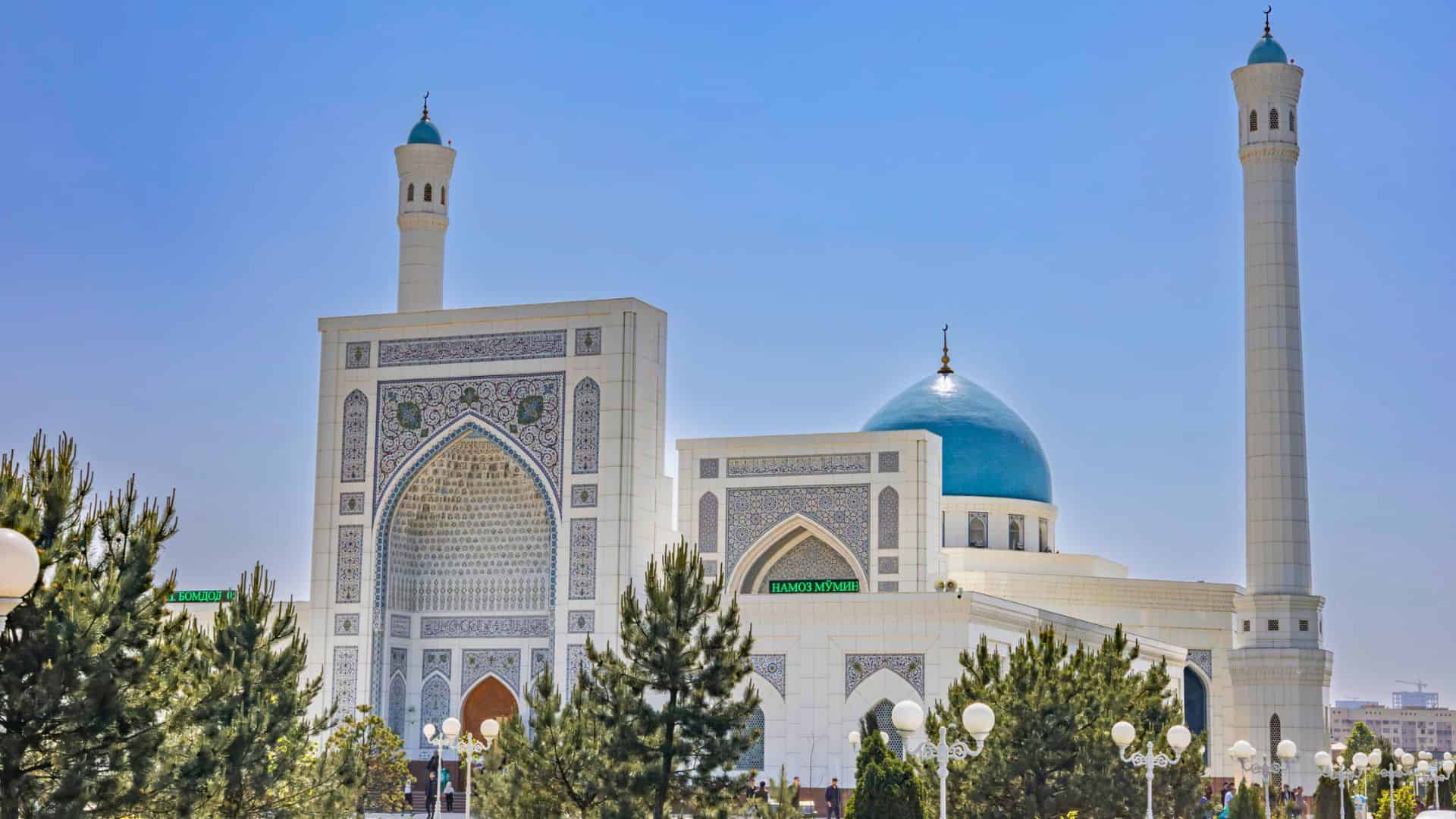
Islamic architecture across Central Asia reflects centuries of scholarship, power, and artistic ambition. Monumental mosques, madrasas, and mausoleums feature soaring portals, geometric patterns, and calligraphy crafted with remarkable precision. Blue and turquoise tiles dominate skylines, shifting color with changing light. These structures were not only places of worship but also centers of learning and civic life. Many remain actively used today, creating continuity between past and present. Unlike heavily restored monuments elsewhere, numerous sites retain signs of age and repair, reinforcing a sense of authenticity and historical depth that deepens every visit.
Wide-Open Spaces
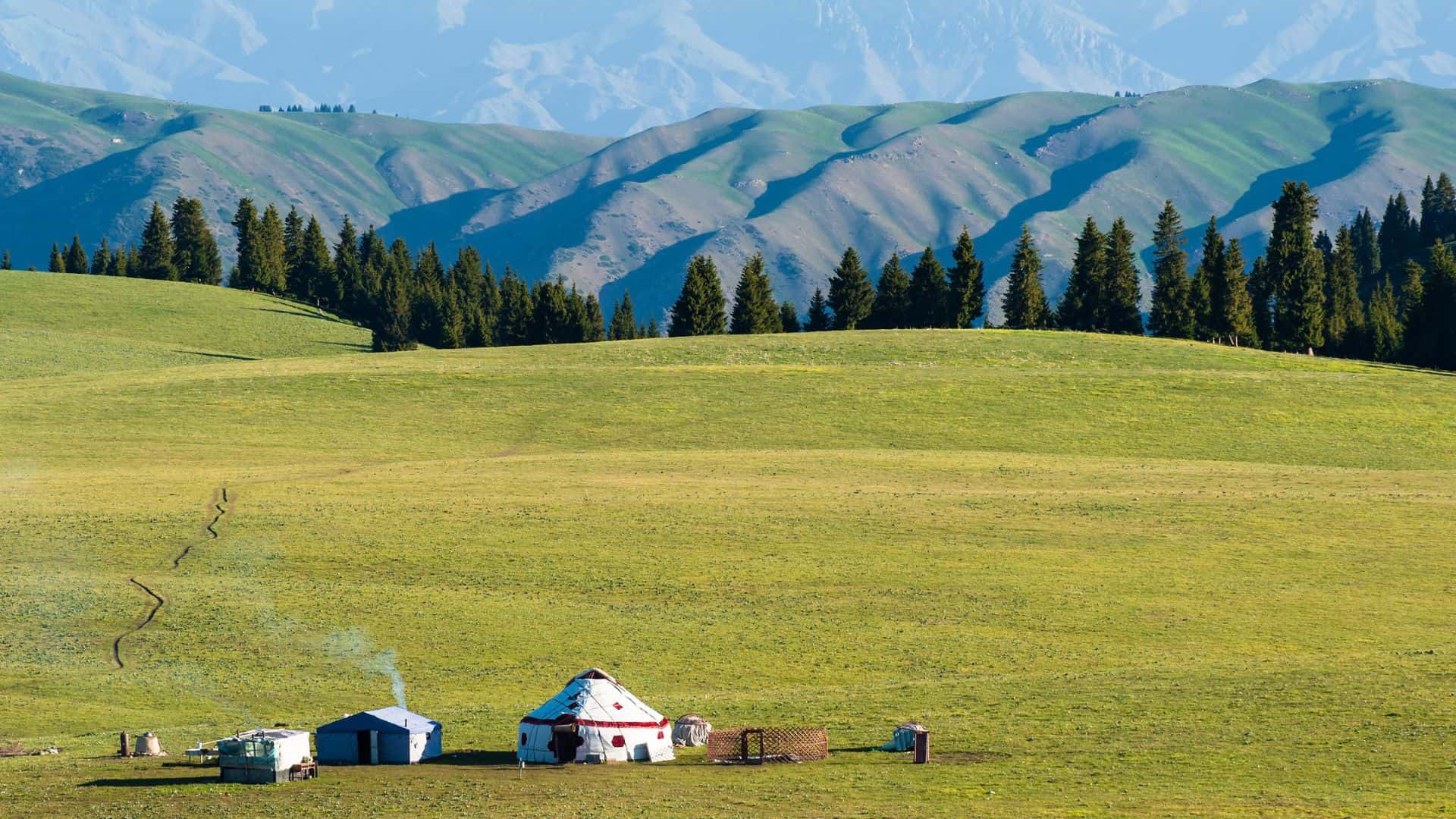
Central Asia is defined by space on a grand scale. Endless steppes, deserts, and high valleys stretch far beyond the horizon, creating a powerful sense of freedom. In many areas, modern development remains sparse, allowing landscapes to dominate daily life. Long distances between settlements highlight how people adapt to isolation and environmental extremes. Silence becomes part of the experience, broken only by wind, livestock, or distant vehicles. For travelers accustomed to crowded destinations, these environments encourage reflection and patience, reinforcing a deep awareness of nature’s presence and humanity’s small footprint within it.
Incredibly Affordable Travel
Traveling through Central Asia allows visitors to stretch budgets without cutting depth or comfort. Guesthouses, family-run hotels, and local transport remain reasonably priced, even in major cities. Long-distance trains and shared taxis connect regions at low cost, while meals at neighborhood cafes rarely strain finances. Entrance fees for historic sites and museums are modest, making extended exploration practical. Because daily expenses stay manageable, travelers can slow their pace, stay longer in one place, and reach remote areas that might feel financially out of reach elsewhere. This accessibility encourages deeper engagement rather than rushed sightseeing.
Unique Soviet-Era Aesthetics

Decades of Soviet influence left a striking visual legacy across Central Asia. Cities feature monumental squares, angular apartment blocks, mosaic murals, and statues reflecting past political ideals. These structures coexist with ancient architecture, creating dramatic contrasts within a single streetscape. Public buildings often display bold symmetry and scale, emphasizing authority and permanence. Even smaller towns reveal traces of this era through theaters, bus stations, and memorials. For travelers interested in design, history, or photography, these environments reveal how ideology shaped daily life and urban planning during the twentieth century.
Authentic, Crowd-Free Experiences
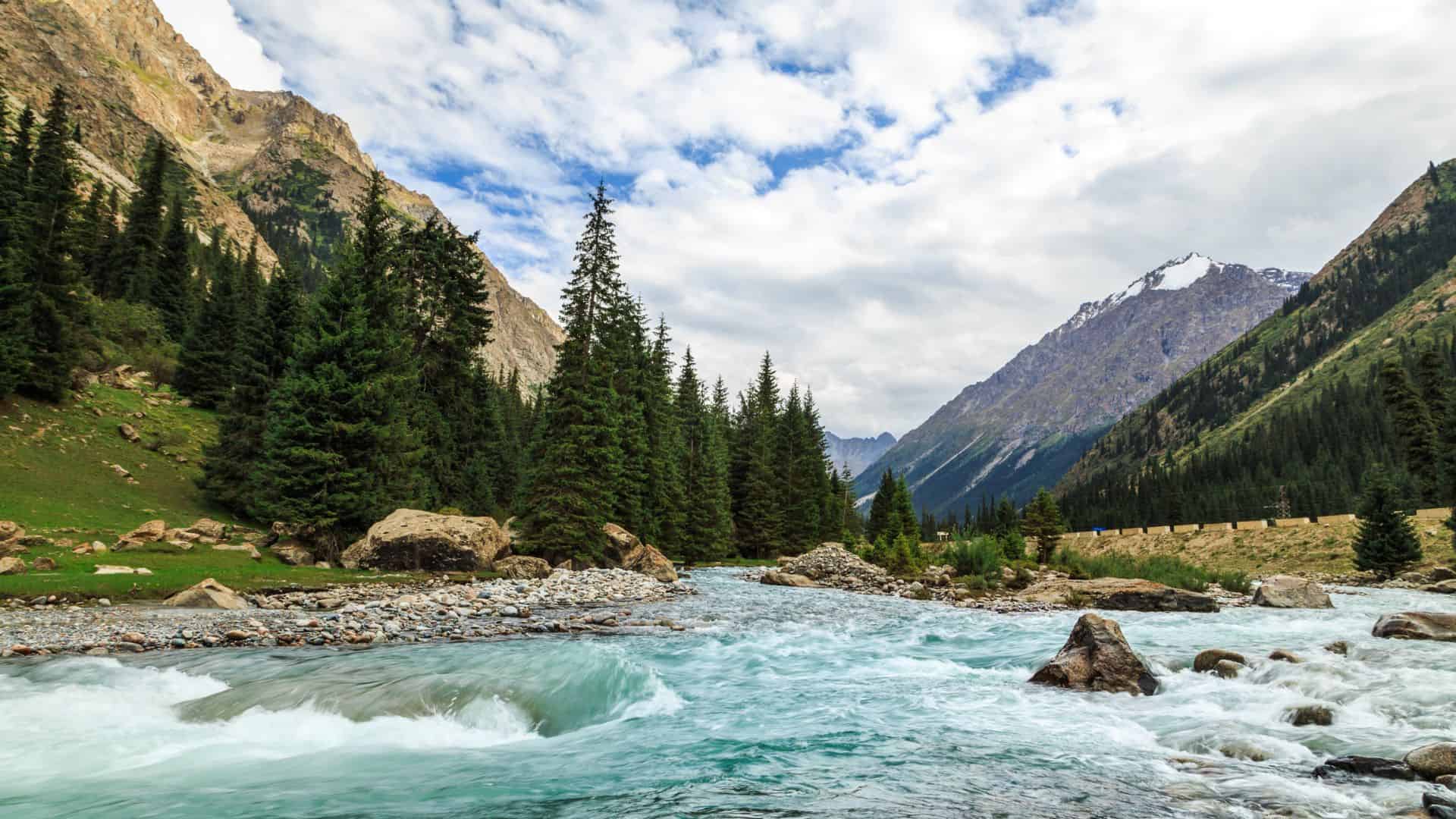
Many destinations across Central Asia remain lightly visited, allowing travelers to explore without congestion or strict schedules. Historic sites are often quiet enough for unhurried observation, conversation with caretakers, or moments of reflection. Markets, villages, and transport hubs function primarily for local life rather than tourism performance. This absence of mass visitation supports natural interactions and unscripted encounters. Travelers frequently find themselves as the only outsiders in a setting, heightening awareness and respect for local rhythms. Such conditions create space for learning, listening, and observing without distraction or pressure to move quickly.
A Sense of True Adventure
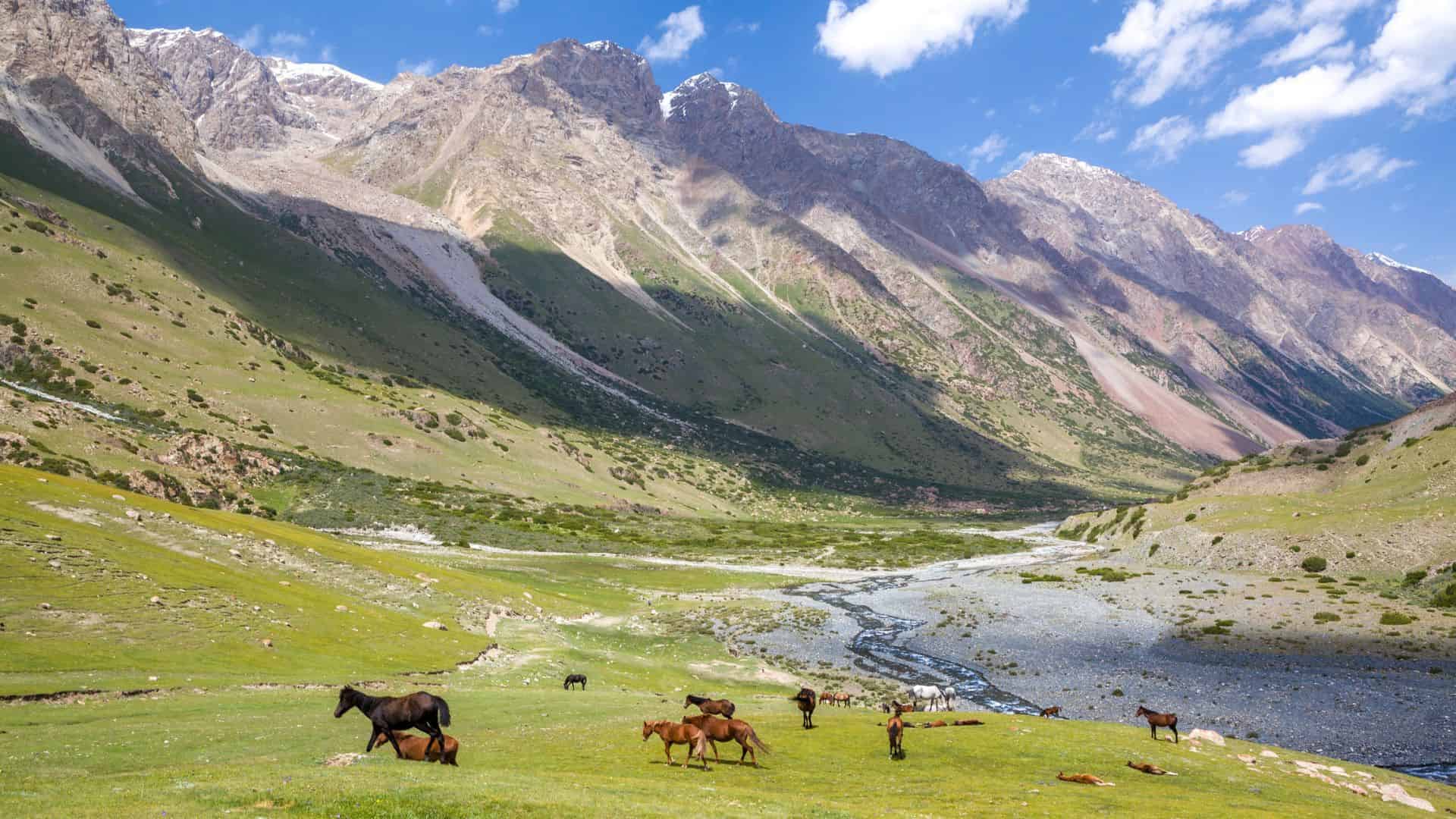
Journeys through Central Asia carry an element of unpredictability that many seasoned travelers seek. Weather shifts quickly in the mountains, roads vary in condition, and plans often adapt to local advice or circumstance. Communication barriers encourage problem-solving and patience. Remote landscapes and long travel days heighten awareness of distance and effort. Each successful crossing or arrival feels earned rather than routine. This region rewards curiosity, flexibility, and resilience, reminding travelers that exploration can still involve uncertainty, discovery, and personal growth rather than polished itineraries or controlled experiences.
Proof the Map Still Surprises
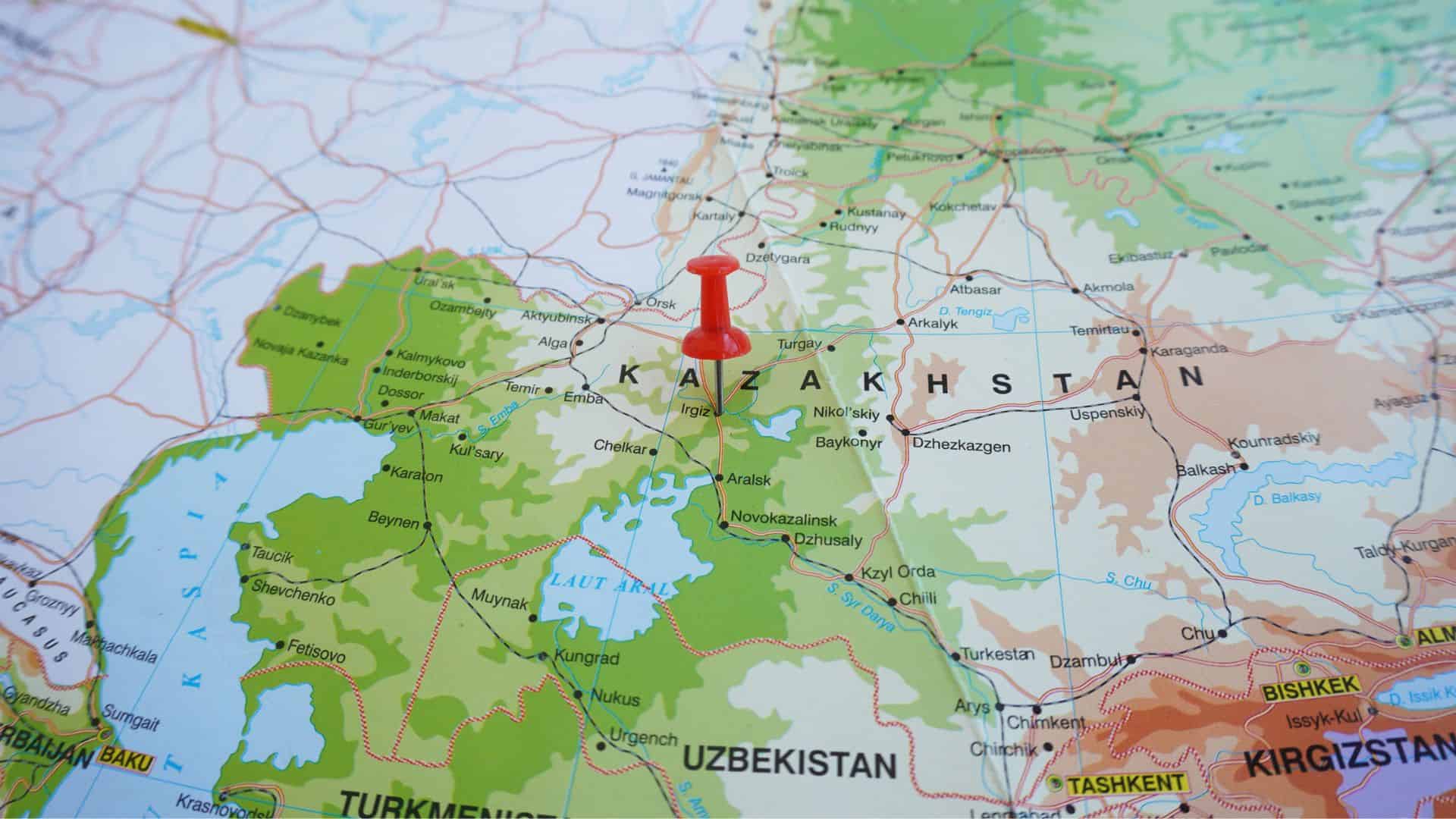
Central Asia stays with you because it doesn’t try to impress. It simply is what it is. The “Stans” reward curiosity, patience, and a willingness to slow down. You come back with stories that feel personal, not recycled. The memories aren’t built around big moments alone, but around small interactions, long days, and quiet scenes that stick. Travel here feels great for people who value depth over speed and presence over polish.
If your bucket list has started to feel predictable, this region shifts that mindset. It reminds you why travel mattered in the first place. You don’t need constant highlights to feel engaged. You just need places that feel real and people who meet you where you are. The “Stans” deliver that without trying too hard. When the trip ends, the sense of perspective doesn’t. That’s what makes Central Asia worth the journey.
13 Things Travelers Say They Learned the Hard Way in Asia
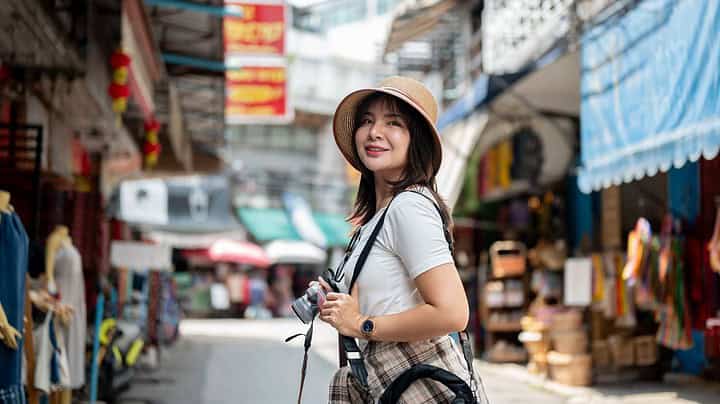
Traveling through Asia can be eye opening, but it also comes with moments that catch people off guard. This list brings together lessons visitors often mention after the trip is over. These are everyday situations, cultural differences, and travel habits that seem small at first but can lead to confusion or stress if misunderstood.
Read More Here: 13 Things Travelers Say They Learned the Hard Way in Asia
12 Asian Countries That Feel Better Suited to Longer, Slower Trips
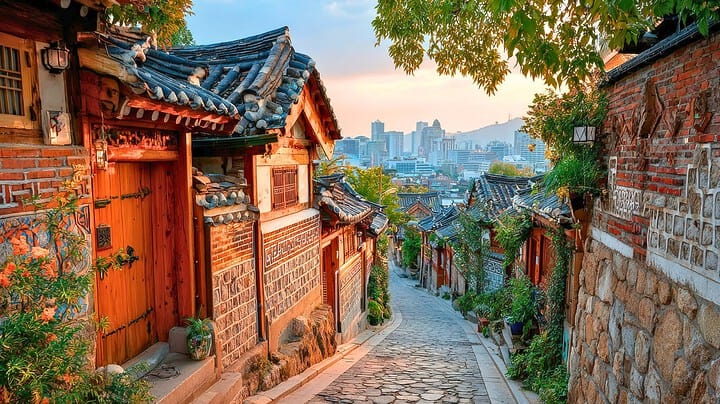
Some trips move fast by default. You land, rush around, take photos, then leave feeling like you barely caught your breath. Slower travel flips that script. It’s about staying long enough to learn the rhythm of a place, recognize familiar faces, and stop planning every hour. These 12 Asian countries that are better for slow trips are great for this style of travel.
Read More Here: 12 Asian Countries That Feel Better Suited to Longer, Slower Trips