All-inclusive vacations once promised hassle-free stays with meals, drinks, and entertainment included in one ticket. Yet some travelers are rethinking all-inclusive vacations as priorities shift toward transparency, genuine local experiences, and environmentally conscious choices. Hidden fees, crowded pools, and standard activities can leave guests feeling disconnected from the destination. In addition, shift toward local culture and small-scale tours reveals how resort schedules can clash with travelers’ growing desire for spontaneity and authentic connection.
Exploring why vacationers consider guesthouses, boutique lodgings, or customizing plans helps shape trips aligned with personal interests. Comparing resort packages to self-guided adventures, small-group excursions, or community-based stays highlights options that support local economies reduce environmental impact. Want a travel experience that feels intentional and tailored? Explore these 13 reasons, rethink packages, and find a getaway that matches your evolving travel style.

Hidden fees and extra charges

While “all-inclusive” sounds like everything is covered, many travelers are surprised by what’s not included. Premium drinks, off-site excursions, airport transfers, and certain restaurants often come with extra costs that aren’t clearly explained up front. Guests may also face unexpected charges for room service, bottled water, or spa access. These hidden fees can add up quickly and turn a seemingly budget-friendly trip into a much more expensive experience. What looked simple during booking becomes layered with small payments that chip away at convenience. For cost-conscious travelers, this lack of transparency makes planning and budgeting far more difficult.
Lack of authentic local experiences

Many all-inclusive resorts are self-contained, with entertainment, food, and activities all happening inside the property. While that can feel convenient, it also means travelers may never step foot into a local town or meet people who actually live in the region. Cultural exchange takes a back seat to predictability. Traditional music, local dishes, and community events are often replaced by generic resort programming. As a result, the experience can feel disconnected from the country itself. Travelers looking to understand their destination beyond resort walls often leave feeling like they visited a brand more than a place.
Repetitive or low-quality food options

Buffet-style dining is standard at many all-inclusive resorts, and while it may seem abundant at first, the repetition sets in fast. Items are often made in bulk to meet demand, which can impact freshness and texture. Menus rotate slowly, and many dishes feel safe or toned down to suit a broad audience. For those expecting regional flavors or variety, the meals can start to feel generic after a couple of days. Guests may end up skipping meals or looking for food elsewhere — which defeats the purpose of a prepaid experience. It’s convenience, but often at the cost of quality.
Overcrowded facilities

All-inclusive resorts are built to handle high volumes of guests, and during peak seasons, that can lead to long waits, limited lounge chairs, and packed swimming pools. Early risers may claim spots by the pool before sunrise, leaving others without shade or seating. Buffets become chaotic, and lines for drinks or snacks can stretch unexpectedly. For those expecting a relaxed environment, the crowding can feel more like a theme park than a retreat. Shared spaces lose their appeal when every corner is filled. This level of congestion makes it difficult to find peace or even move around comfortably.
Limited exploration opportunities

Many resorts encourage guests to stay on-site, offering everything from fitness classes to nightly shows. While that sounds convenient, it can discourage exploration beyond the property. In some cases, travelers are even warned not to leave for “safety reasons,” which reinforces the bubble. Local restaurants, nature spots, and cultural landmarks go unseen because everything is designed to keep guests entertained without venturing far. As a result, the experience can feel disconnected from the actual destination. For those who value freedom to explore on their own terms, the structure of all-inclusive vacations can feel limiting rather than relaxing.
Environmental concerns
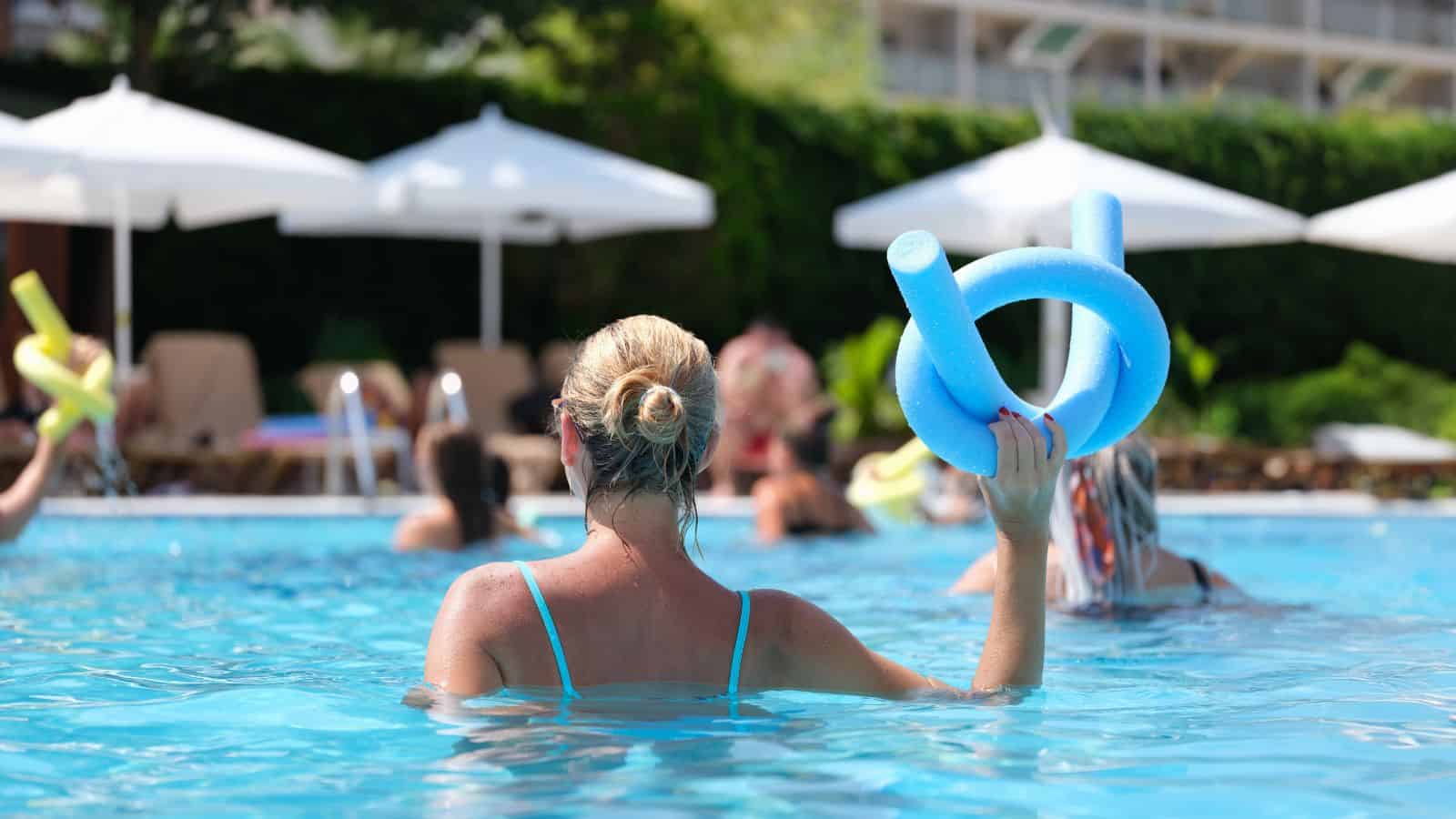
Large resorts often require massive amounts of water, energy, and imported goods to function at full capacity. Pools, constant air conditioning, golf courses, and buffet waste all place a heavy burden on the surrounding environment — especially in areas already facing resource scarcity. Water use in particular can impact nearby communities, leaving less for local agriculture or households. Many travelers are becoming more conscious of their footprint and questioning whether the convenience of resort life is worth the environmental cost. Without strong conservation efforts, these destinations can become strained, both ecologically and socially, as demand from tourism increases.
Generic experiences across locations

Whether you’re in the Dominican Republic or Cancun, many all-inclusive resorts feel surprisingly similar. The design, the daily schedule, and even the menus tend to follow a formula that prioritizes predictability. As a result, the destination itself can fade into the background, making each trip feel like a repeat. Travelers seeking something memorable or rooted in a specific place may find themselves disappointed by the sameness. The risk is that every vacation becomes interchangeable, no matter how far you’ve flown.
Want to save this?
Pushy upselling

Even after paying for an all-inclusive package, many travelers find themselves pressured into spending more. Resort staff may pitch spa treatments, premium dinners, room upgrades, or time-share presentations, often repeatedly. It can feel like you're being sold to at every turn, turning relaxation into a constant stream of decisions and polite refusals. Some guests report that certain amenities are restricted unless they pay extra, making the “all-inclusive” label feel misleading.
Inconsistent service

Not all resorts train or staff at the same level, which means service can vary widely — even within the same trip. One server may be attentive and thoughtful, while another seems rushed or disinterested. Tipping expectations may be unclear, leading to confusion or unequal treatment. During busy periods, delays and mistakes become more frequent, especially at understaffed bars or restaurants. When travelers are expecting a seamless experience but encounter missed reservations, room issues, or long waits, it can sour the mood quickly.
Safety concerns outside resort walls
Some all-inclusive resorts are located in areas where safety is a real concern. Travelers may be warned not to walk alone, avoid certain neighborhoods, or only take guided excursions. This can create a sense of restriction and anxiety, especially for those who like to explore freely. When guests feel like they can’t leave the property without risk, it limits the experience and creates dependence on the resort itself. While safety is a valid consideration, the constant reminders and boundaries can make a trip feel more guarded than adventurous, leading some to choose destinations with more open access.
Over-reliance on alcohol-centric activities

At many all-inclusives, free-flowing drinks are a main attraction, but not everyone is looking for a party. Daily events often center on poolside bars, boozy games, or happy hours, which can be alienating for families, solo travelers, or anyone not interested in drinking culture. Guests who prefer a quieter pace may find themselves dodging loud crowds or feeling like the programming doesn’t reflect their interests. Even worse, excessive drinking by others can lead to rowdy behavior or unsafe situations. When alcohol dominates the atmosphere, those seeking balance or rest may end up looking elsewhere for their next trip.
Lack of privacy

All-inclusive vacations often mean sharing every experience, from dining to recreation, with dozens or even hundreds of other people. Buffet lines, group tours, and packed pools can make it hard to find solitude or quiet. Even in your room, thin walls or crowded hallways may disrupt downtime. While some resorts offer upgraded sections with more seclusion, they usually come at a higher cost. For travelers looking to disconnect or enjoy time alone or with a partner, constant exposure to crowds and activity can feel draining. What’s meant to be relaxing can quickly feel more like being on a cruise.
Desire for more meaningful travel

More travelers today want their vacations to reflect their values — whether that means supporting local businesses, learning from new cultures, or spending time in nature. All-inclusives often focus on convenience and predictability, which can feel shallow for those seeking depth and personal growth. Instead of staying within one property, some now prefer guesthouses, walking tours, or cooking classes that connect them with the people and place. The shift isn’t about rejecting ease, but choosing experiences that feel memorable and grounded.
13 Amazing Places Where Your Passport Is All You Need

Tired of handling too much travel documents? Travel doesn’t always need to come with a long list of visa requirements and paperwork. These 13 amazing places where your passport is all you need make spontaneous getaways a lot easier. From tropical islands to culture-rich cities, these destinations welcome travelers without the extra red tape.
Read More Here: 13 Amazing Places Where Your Passport Is All You Need
12 Things People Need to Stop Complaining About on Cruises

You wouldn't want to sound annoying! Cruising is a popular vacation choice, but there are 12 things people need to stop complaining about on cruises. While every traveler has their preferences, some common complaints can overshadow the joy of exploring new destinations and enjoying onboard experiences. Understanding the realities of cruising can help shift the focus from grievances to the many positives that come with this type of travel.
Read More Here: 12 Things People Need to Stop Complaining About on Cruises