Big mountains don’t always mean big risk. Some peaks look dramatic from far away but feel doable once you’re on the trail, like these 13 mountains that are easy to hike. Hiking can push you without taking over your life. You still get fresh air, wide views, and quiet moments where things slow down. You don’t need ropes or elite skills. You need steady legs, smart pacing, and basic prep.
This article is for regular hikers who want confidence, not stress. These mountains are perfect for long weekends, first summits, and trips with friends. The trails are clear, the climbs make sense, and the views feel earned. You’ll still work, breathe hard, and check the weather. You’ll finish smiling instead of wrecked. If a mountain has ever caught your eye, this is your chance to say yes and start walking up.
Mount Fuji (Japan)

Mount Fuji rises to 3,776 meters (12,389 feet) and remains one of the most approachable high peaks on Earth. The main climbing routes feature clear signage, steady gradients, and frequent mountain huts where hikers can rest, hydrate, or stay overnight. During the official July–September season, the trail is monitored and heavily traveled, which adds reassurance for first-time climbers. Volcanic gravel paths reduce technical challenges, while public transport reaches the trailheads with ease. Cultural landmarks, sunrise views, and a strong safety infrastructure make Fuji a practical introduction to high-altitude hiking without specialized equipment.
Mount Toubkal (Morocco)
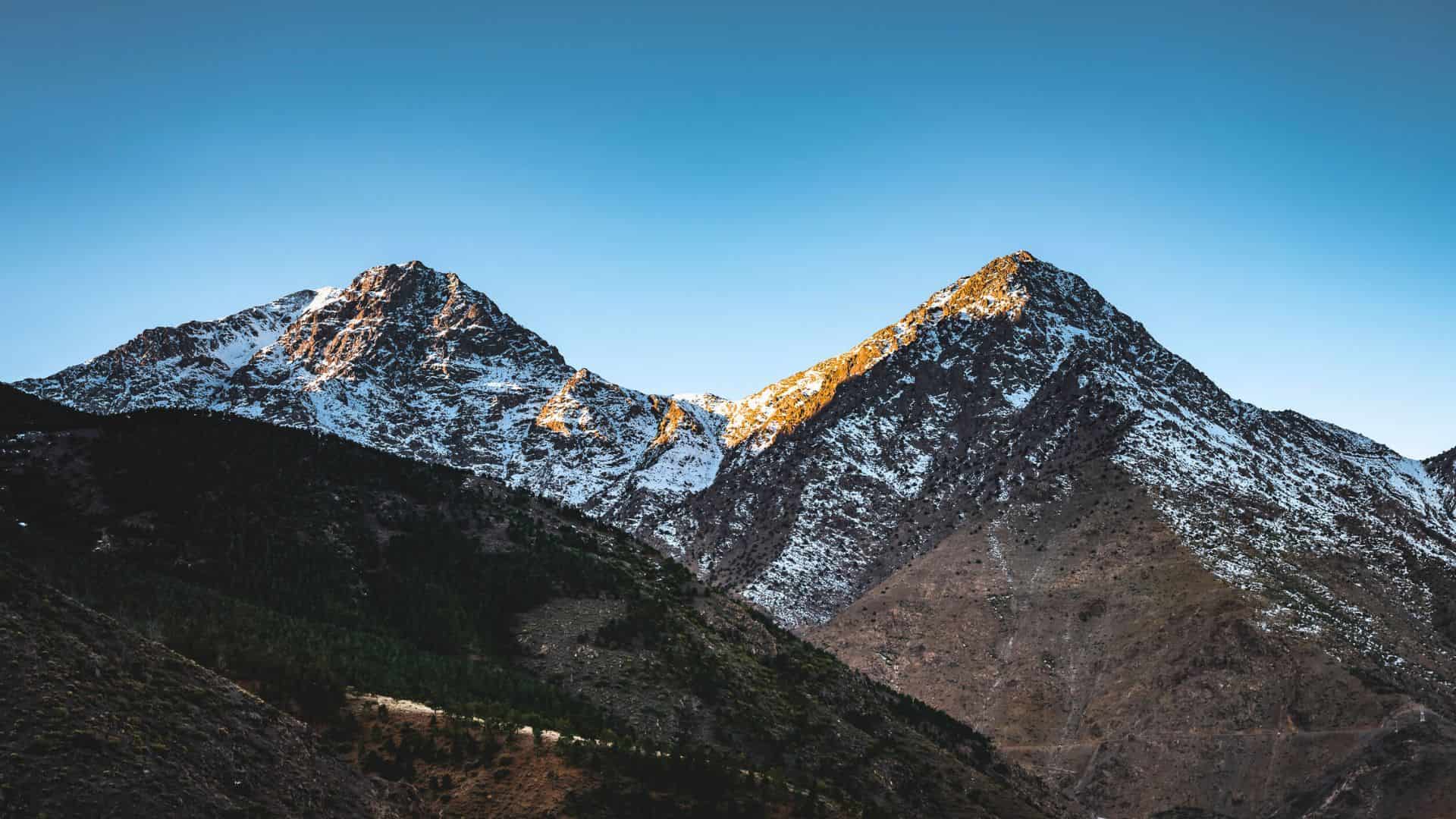
Located in the High Atlas Mountains, Mount Toubkal reaches 4,167 meters (13,671 feet) and stands as North Africa’s highest summit. The standard route follows a clear valley path from Imlil, gradually gaining elevation without exposed scrambling during summer months. Local guides frequently accompany hikers, adding regional knowledge and route awareness. Stone refuges near the upper slopes allow overnight stays that support steady acclimatization. The terrain consists mainly of scree and well-trodden trails, demanding stamina rather than technical skill. Expansive desert-meets-mountain views and Berber villages along the approach make the journey culturally and visually rich.
Pico de la Nieve (Spain – Canary Islands)
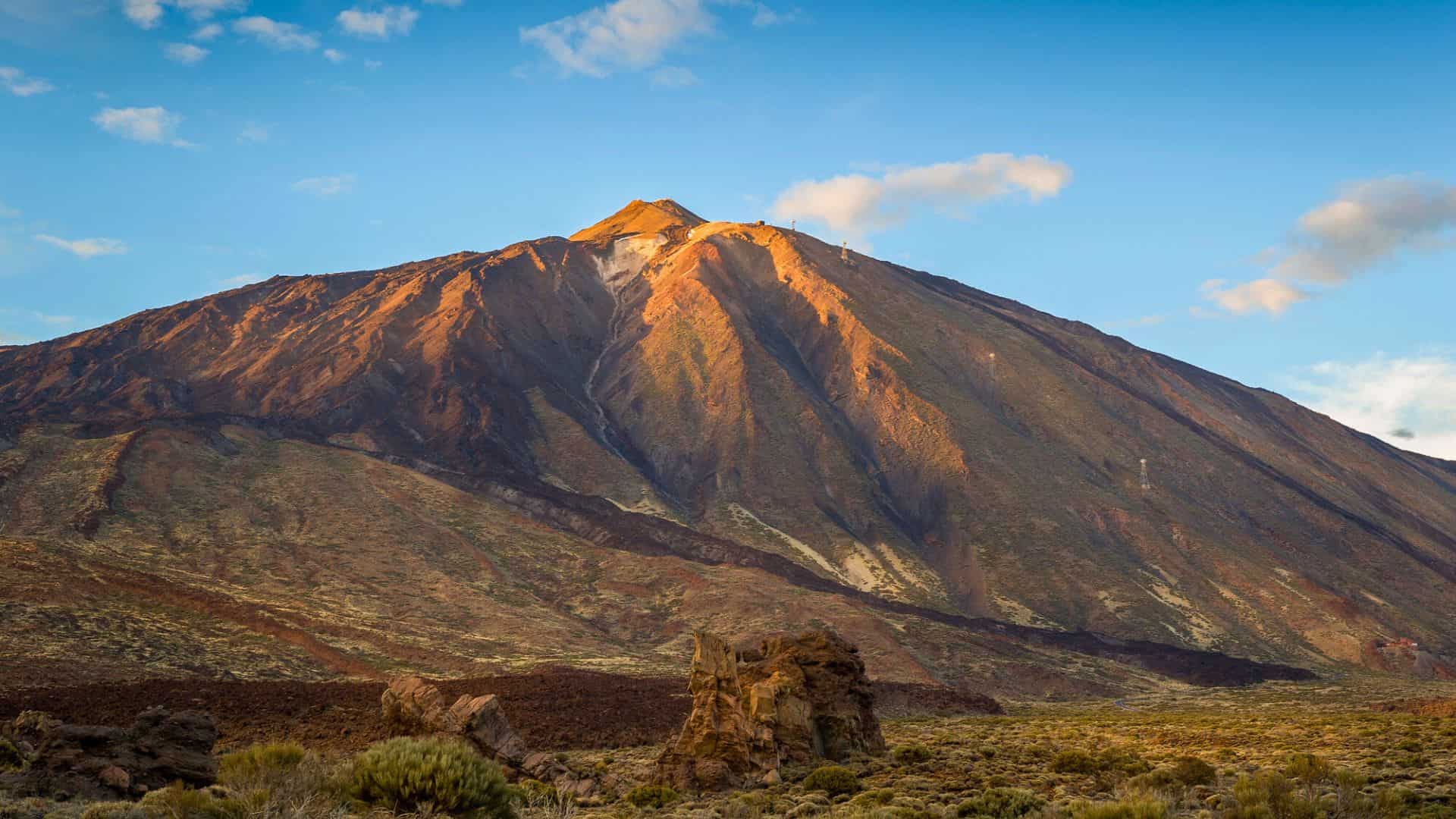
Set on Tenerife, Pico de la Nieve rises to 2,239 meters (7,346 feet) and is accessible through a mix of paved access roads and gentle hiking paths. Much of the elevation gain can be shortened by driving close to the summit area, making the remaining walk manageable for casual hikers. The surrounding volcanic landscape features wide trails with minimal elevation changes. Weather conditions are generally stable, and the trail network is clearly defined. Views extend across the island and toward Mount Teide, giving hikers dramatic scenery without extended physical strain or navigational challenges.
Mount Hood (Oregon, USA)
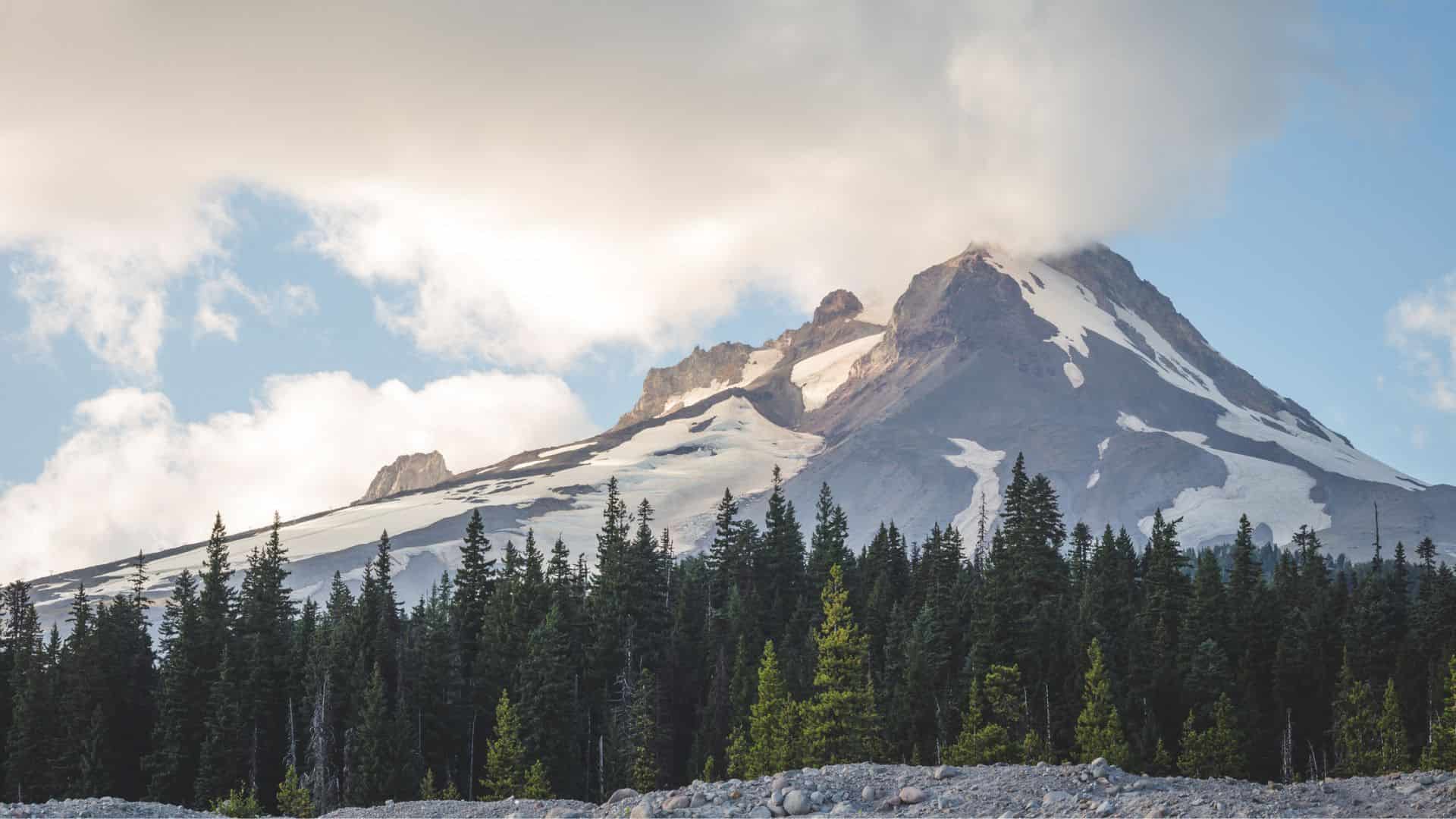
Standing 3,429 meters (11,249 feet) tall, Mount Hood dominates Oregon’s skyline and attracts hikers seeking alpine scenery without complex climbing skills. In late summer, the standard south-side route becomes a long but manageable hike, requiring basic navigation and steady pacing rather than ropes or advanced gear. Trailheads are easy to reach, and the route follows well-established paths used by thousands each year. Snowfields linger but are typically gentle, while weather forecasts and ranger guidance are readily available. Hood’s accessibility, paired with expansive views of forests and valleys, makes it a favored challenge for strong hikers.
Mount Olympus (Greece)
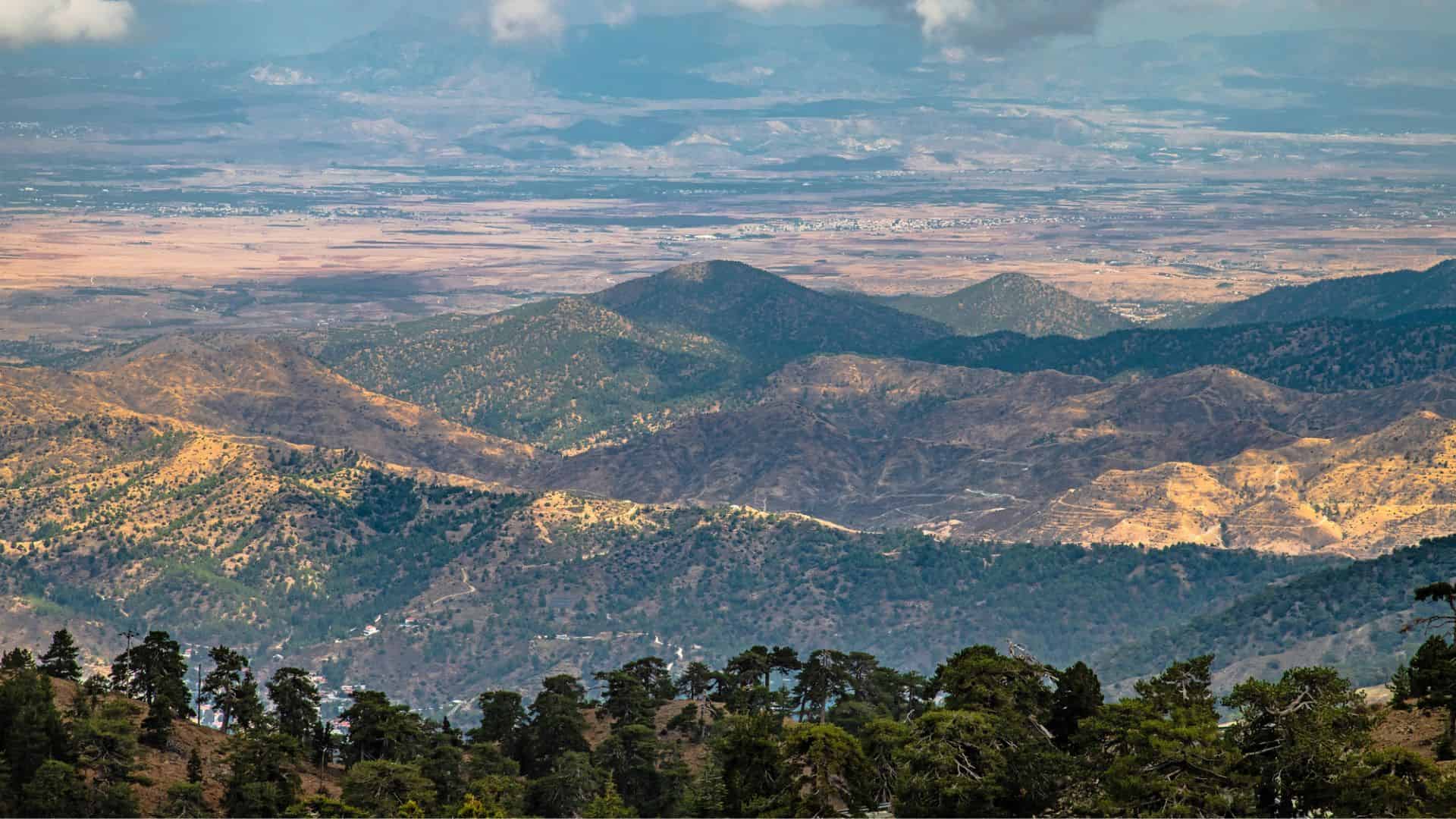
Rising above Greece’s mainland, Mount Olympus climbs to 2,918 meters (9,570 feet) and combines mythic history with practical hiking routes. Well-maintained trails lead through forests and alpine meadows to high refuges that support staged ascents. The approach to Skala, a primary summit, involves steady walking rather than technical climbing. Signage and marked paths simplify navigation, while refuges supply food and lodging during the season. Although higher summits involve scrambling, many hikers reach panoramic viewpoints without specialized gear. Dramatic cliffs, cloud-filled valleys, and ancient legends add depth to the experience.
Pico do Arieiro (Portugal – Madeira)

Rising to 1,818 meters (5,965 feet), Pico do Arieiro is known for dramatic ridgelines and cloud-filled valleys that feel far more rugged than the effort required to reach them. A paved road leads almost to the summit, greatly reducing physical demand. From there, maintained stone paths guide hikers along volcanic peaks with handrails in exposed sections. The air is cool, conditions are often stable, and trail signage is clear. Sunrise and sunset draw visitors seeking striking views without long ascents. The mountain suits travelers wanting high-altitude scenery paired with manageable walking distances.
Pico de Orizaba (Mexico)
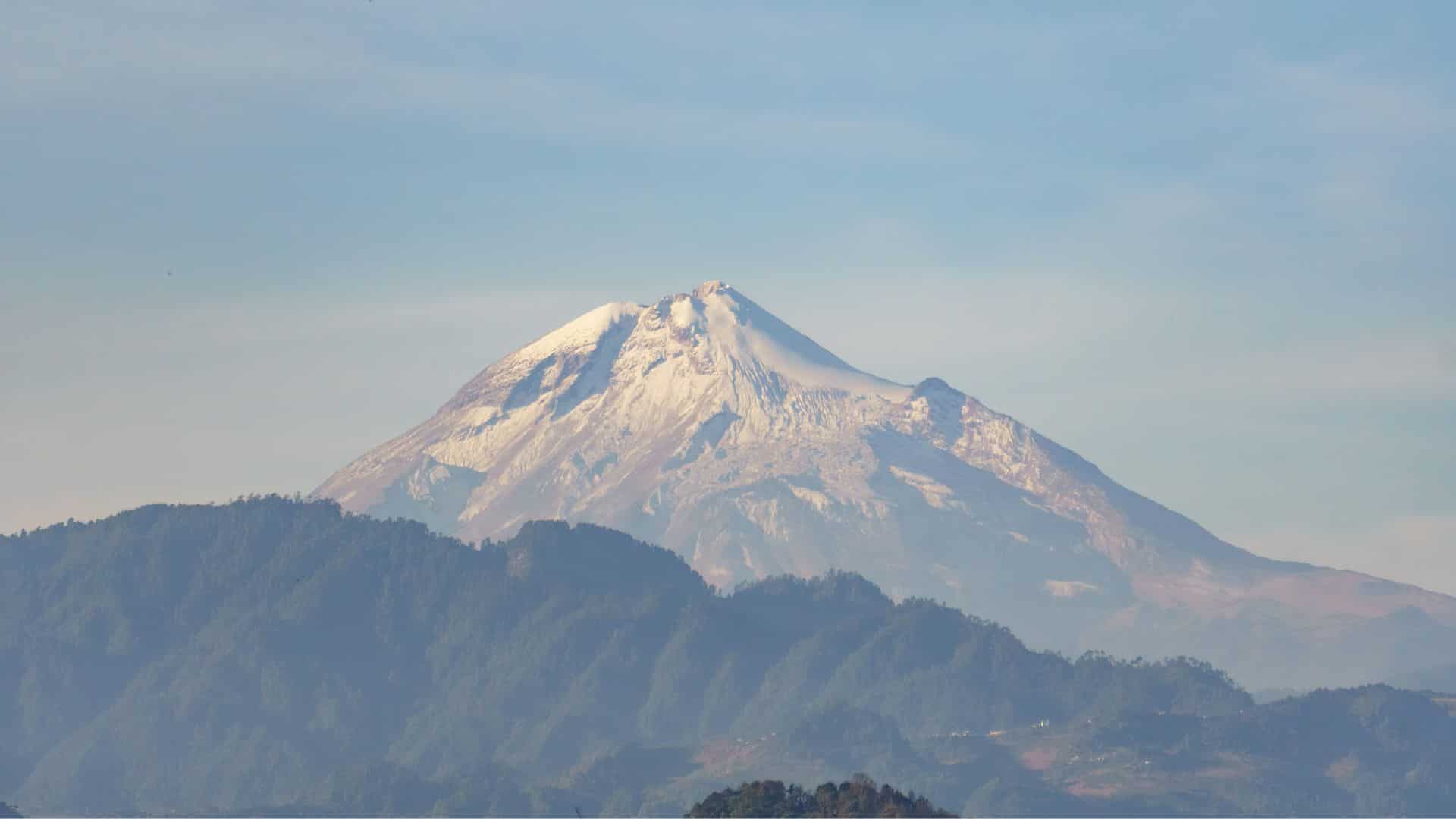
Pico de Orizaba reaches 5,636 meters (18,491 feet), yet its normal route is widely regarded as one of the simplest ascents among very high mountains. The Jamapa Glacier route involves walking on gradual snow slopes rather than technical ice climbing. Many hikers complete the ascent with basic crampon skills and guided support. Clear seasonal weather windows and established base camps simplify planning. Despite its height, the climb follows a logical progression that helps acclimatization. Sweeping views across central Mexico reward the effort, while the straightforward terrain allows determined trekkers to focus on endurance rather than complex movement.
Mount Bachelor (Oregon, USA)

Want to save this?
Found in Oregon’s Cascade Range, Mount Bachelor reaches 2,763 meters (9,068 feet) and is known for its broad, even slopes. Former ski service roads and summer trails trace a direct route upward, allowing hikers to maintain a consistent rhythm. The volcanic cinder surface reduces steep drop-offs, while open terrain provides constant visibility of the route ahead. Trail access is straightforward, with parking near the base. On clear days, hikers can see multiple Cascade peaks from the summit. The climb emphasizes endurance over complexity, making it approachable for those new to higher-elevation hiking.
Mount Kilimanjaro (Tanzania)
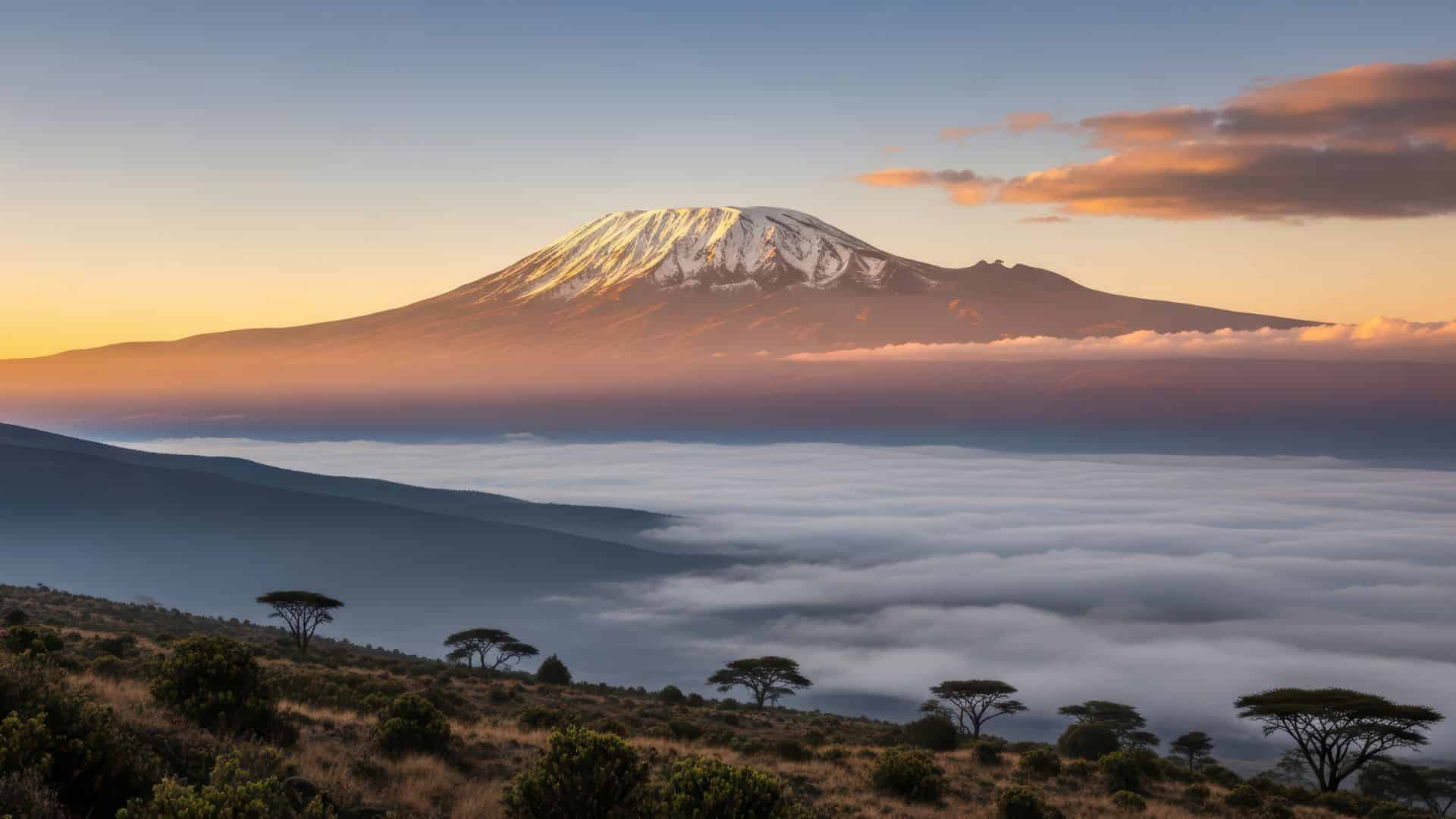
At 5,895 meters (19,341 feet), Mount Kilimanjaro is Africa’s highest mountain and a true walk-up peak. No ropes or climbing hardware are required, as established routes consist of trekking trails rather than exposed scrambles. Professional guides and porters manage logistics, allowing hikers to focus on pacing and acclimatization. Multiple route options let climbers choose scenery and ascent speed. The landscape changes dramatically, from rainforest to alpine desert, creating constant visual interest. Kilimanjaro’s reputation comes from altitude management rather than technical difficulty, making it accessible to physically prepared hikers with determination and patience.
Mount Snowdon / Yr Wyddfa (Wales)
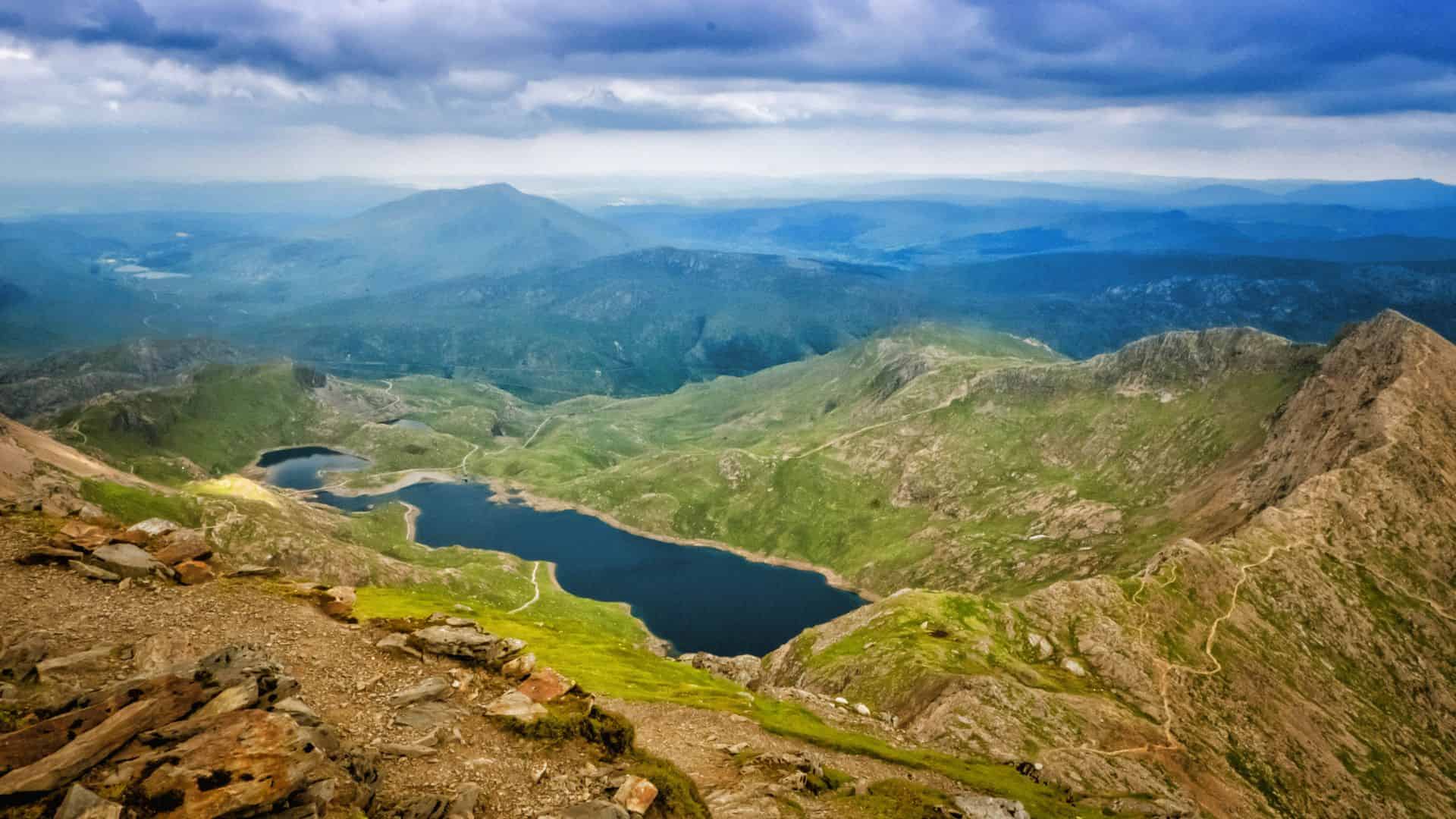
Reaching 1,085 meters (3,560 feet), Snowdon is approachable thanks to multiple established routes that vary in length and difficulty. Paths like the Llanberis Track follow gradual gradients, making steady progress possible without technical movement. Clear wayfinding and frequent foot traffic reduce navigation concerns. A mountain railway runs alongside part of the ascent, emphasizing accessibility. Weather can shift quickly, yet forecast information and ranger presence are widely available. From the summit, lakes and rolling hills stretch in every direction, rewarding hikers who want a classic mountain experience without committing to a demanding climb.
Mount Bromo (Indonesia)
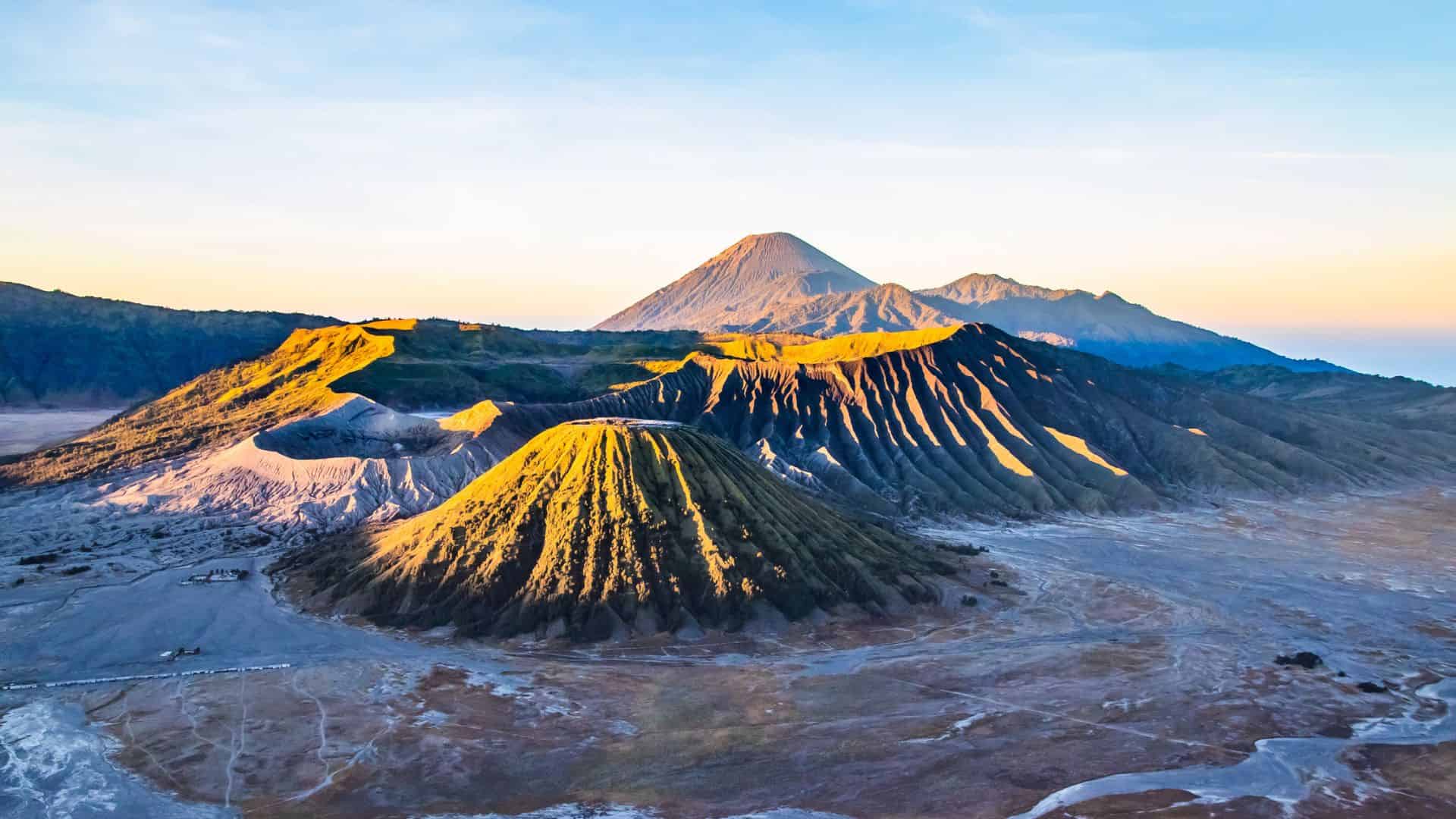
Known for its active volcanic crater, Mount Bromo stands at 2,329 meters (7,641 feet) and requires minimal hiking effort. Much of the journey involves crossing a flat volcanic plain, followed by a short stair climb to the crater rim. The path is obvious and heavily used, especially during sunrise hours. No technical skills are involved, and the elevation gain is brief. Ash-covered landscapes and surrounding calderas create striking visuals in a compact area. Bromo is ideal for travelers seeking dramatic terrain while avoiding long distances or physically demanding ascents.
Table Mountain (South Africa)
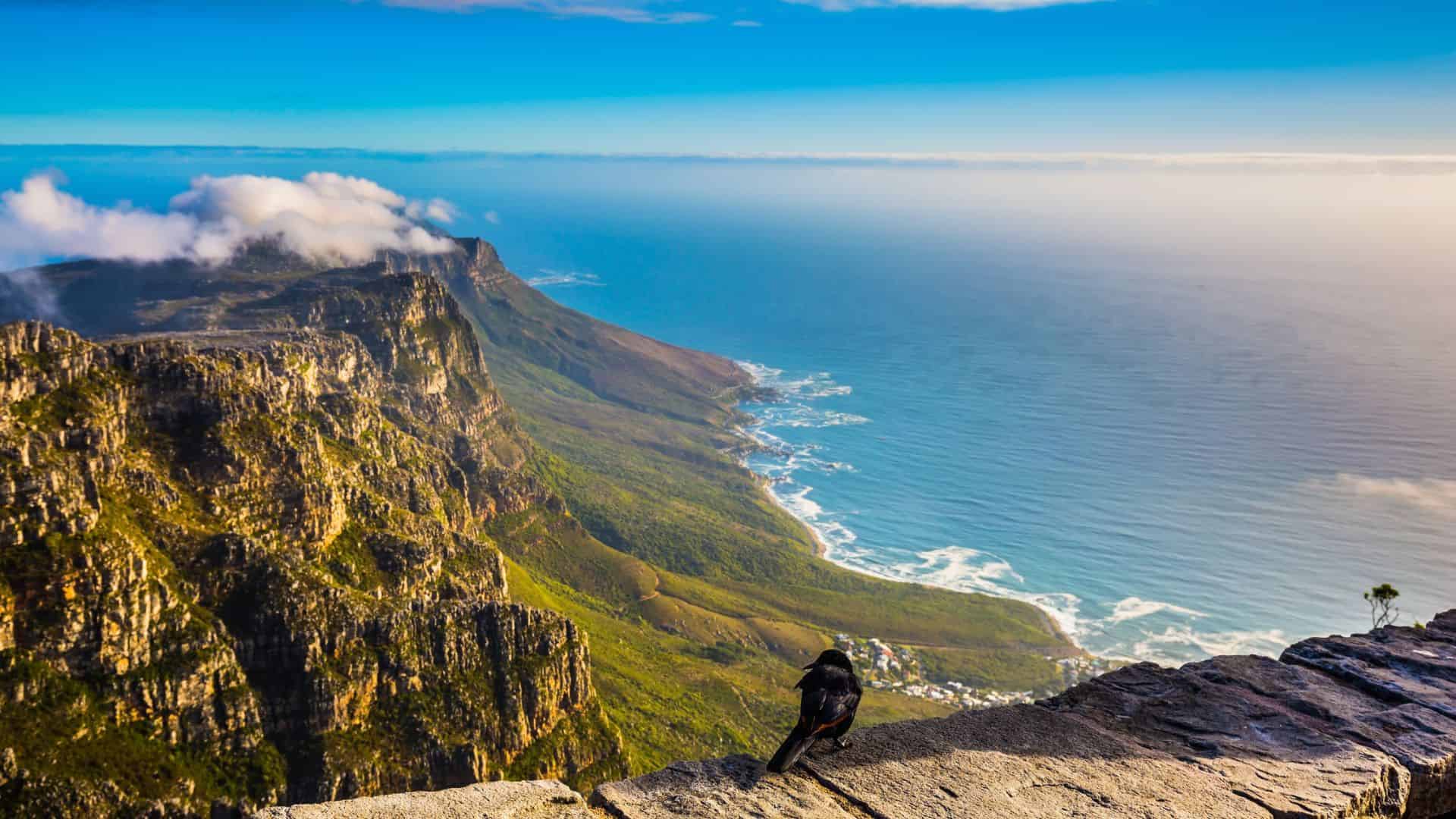
Dominating its surroundings at 1,086 meters (3,563 feet), Table Mountain combines urban access with varied hiking routes. Trails like Platteklip Gorge follow a direct line upward, featuring stone steps and a steady incline rather than scrambling. Waymarked paths and frequent hikers create a strong sense of safety. A cable car operates near the summit, allowing flexible ascent or descent options. The flat summit plateau gives extensive views over the coastline and cityscape. Despite its prominence, the climb remains approachable for prepared walkers who manage pacing and weather awareness.
Mount Monadnock (New Hampshire, USA)
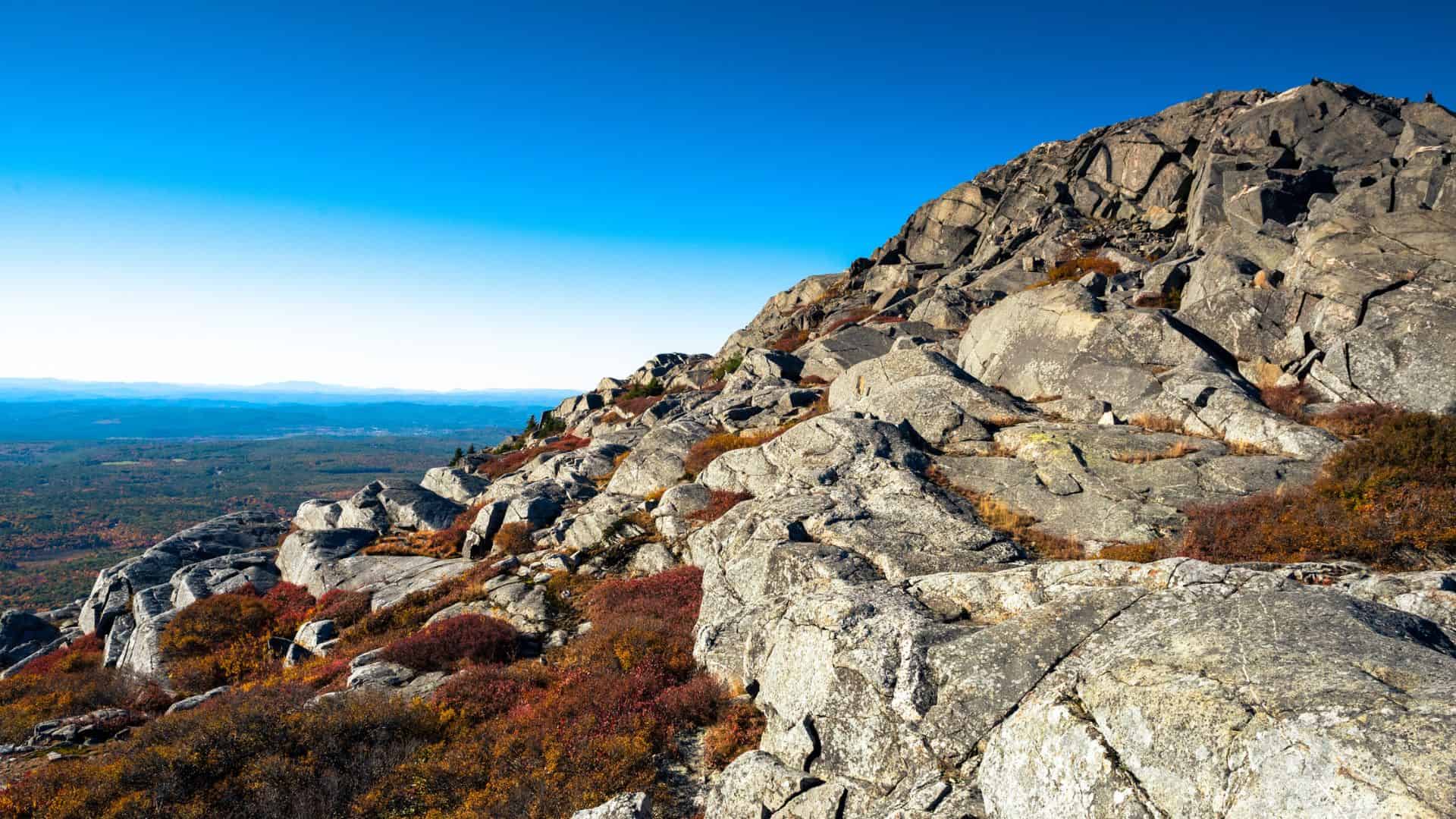
Mount Monadnock rises 965 meters (3,165 feet) and is one of the most frequently climbed mountains in North America. Its network of maintained trails ranges from gentle forest paths to rocky sections that add interest without real danger. Clear trail markers and short approach distances make navigation straightforward. The hike can be completed in a few hours, yet the summit delivers sweeping views across New England. Monadnock’s modest height keeps altitude concerns away, while its open granite summit teaches basic foot placement and balance, making it a strong choice for hikers building confidence and experience.
Big Views, Small Panic
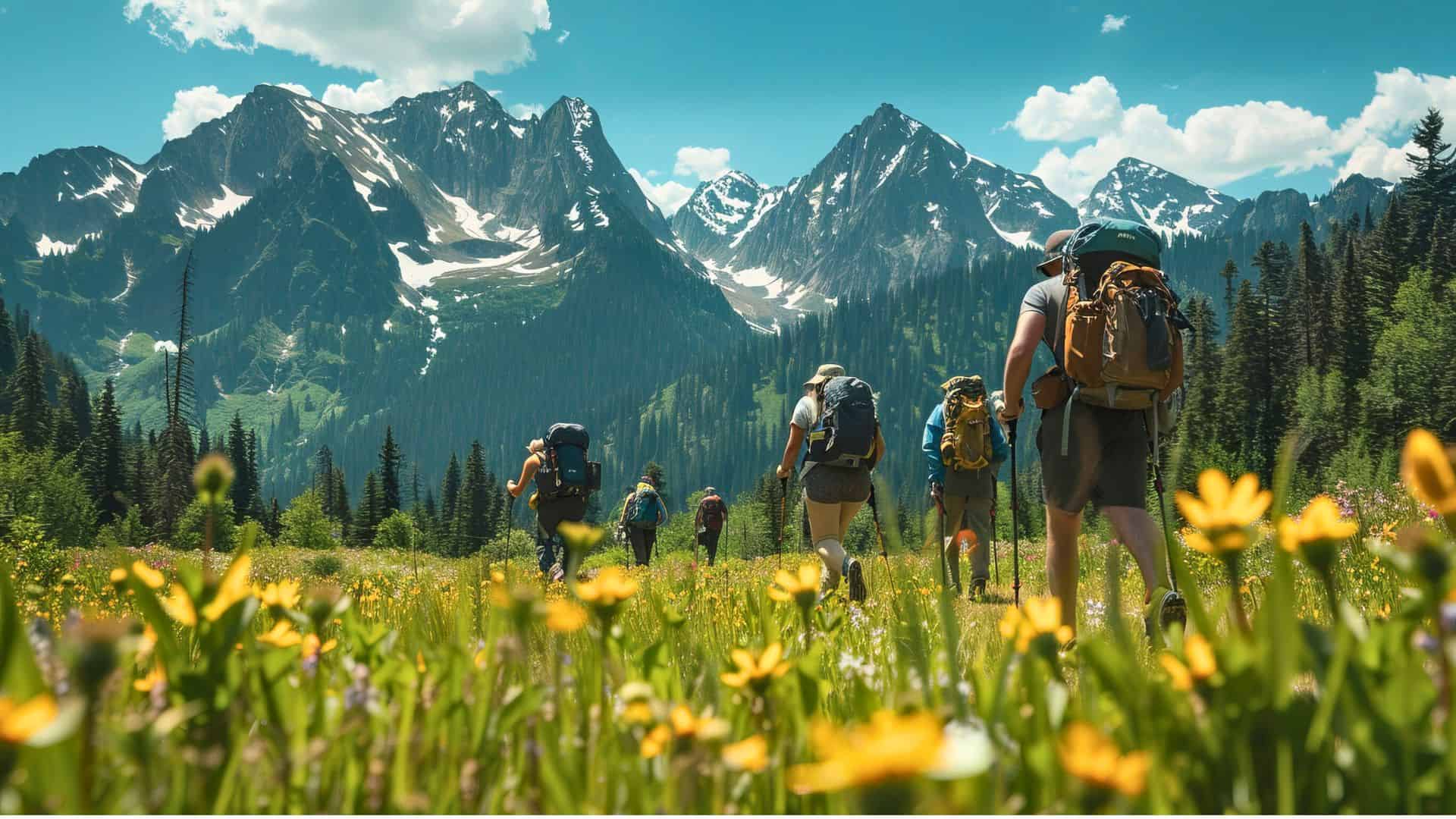
Big hikes don’t have to be extreme to feel real. When a trail is clear and the climb makes sense, confidence builds with every step. You notice your breathing, the ground under your boots, and the view opening up. That feeling sticks. It reminds you that mountains aren’t just for experts. They’re great teachers for pacing, patience, and paying attention. Finishing strong matters more than chasing bragging rights.
Take this as encouragement to get outside and try something bigger than usual. Plan well, watch the weather, and respect your limits. A perfect hike leaves you tired but steady, proud but calm. These mountains show that progress doesn’t need extra stress. One solid day on a good trail can change how you see yourself. Keep it simple, stay curious, and keep walking upward.
10 Active Volcanoes Around the World You Can Actually Hike
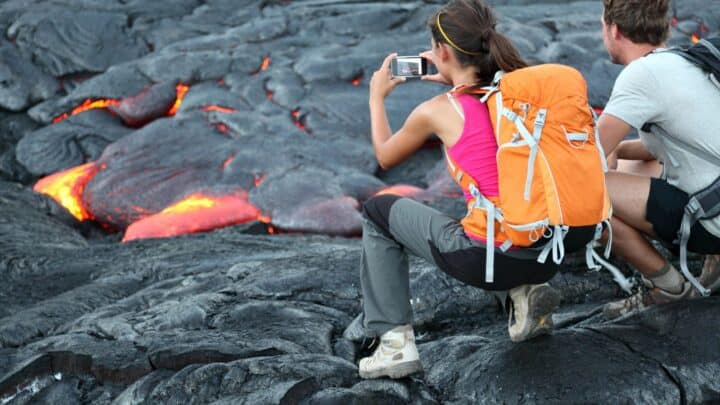
Active volcanoes offer more than dramatic views—they let hikers witness geological power up close. Not every peak is off-limits, and some have well-maintained routes that lead to steaming craters or solidified lava fields. That’s where these 10 active volcanoes around the world you can actually hike come in, highlighting locations that welcome adventurous trekkers while balancing safety measures and local guidelines. These volcanoes span continents and climates, from tropical islands where morning hikes reveal plumes of steam above lush jungles to high-altitude mountains with crisp air and panoramic vistas.
Read More Here: 10 Active Volcanoes Around the World You Can Actually Hike
13 Mountain Destinations Worth Going to (That Aren’t in the Alps)

There are plenty of great places around the world where you can enjoy breathtaking scenery and outdoor activities without the crowds. From towering peaks to rolling hills, these 13 mountain destinations (that aren’t in the Alps) bring a mix of adventure and calm that’s perfect for anyone who loves nature.
Read More Here: 13 Mountain Destinations Worth Going to (That Aren’t in the Alps)