Solo travel in Europe doesn’t have to feel expensive or complicated. It's now easier than ever to move around on your own without watching every euro. Flights are more flexible, trains connect cities smoothly, and many places still keep daily costs low. That means less stress and more space to enjoy the trip your way. You can start with these 13 most affordable European countries for solo travelers in 2026.
'You can wake up late, change plans fast, and spend time where you actually want to be. No rushing, no coordinating, no pressure to keep up with anyone else. These destinations are great for travelers who want clarity, safety, and value without sacrificing character. If you want a trip that feels simple, flexible, and genuinely fun, this is a perfect place to start.
Sofia, Bulgaria

Sofia attracts solo travelers with low daily costs, efficient metro lines, and compact districts. Hostels, guesthouses, and short-term rentals remain inexpensive year-round. The city center mixes Roman ruins, Orthodox churches, and Soviet era architecture, all reachable on foot. Cafes and bakeries keep prices modest, helping travelers manage long stays. Nearby Vitosha Mountain supports hiking and skiing via public transport. English appears widely among younger residents. Safety levels remain high, even at night. Day trips to monasteries and villages add cultural depth without heavy spending. Internet speeds suit remote work, museums charge little, and parks create quiet breaks daily.
Bucharest, Romania

Bucharest works well for solo travelers seeking affordability with big city energy. Public transport, ridesharing, and walkable neighborhoods keep movement simple. Accommodation costs stay low outside peak summer, especially in central districts. Coffee shops and coworking spaces support remote workers and social connections. The Old Town concentrates museums, historic streets, and nightlife within blocks. Parks like Herastrau give calm breaks from traffic. English communication remains common. Safety has improved steadily. Trains link Transylvania and the Black Sea cheaply, enabling varied trips without complex planning. Food markets stay inexpensive, libraries welcome visitors, and sidewalks feel active late across seasons citywide daily.
Kraków, Poland

Kraków suits solo travelers wanting history without high prices. The medieval Old Town, Kazimierz, and river paths connect easily by foot or tram. Hostels and budget hotels cluster near transport hubs. Museums and churches charge modest entry fees. The city feels compact and calm, helping first time visitors navigate confidently. University populations keep cafes affordable and streets lively. Day trips to Auschwitz or Wieliczka remain inexpensive by bus. English signage appears frequently. Crime rates stay low, even during busy seasons. Night trains reach Prague and Vienna, while green spaces support slow afternoons for solo pacing and budget focused planning daily.
Budapest, Hungary
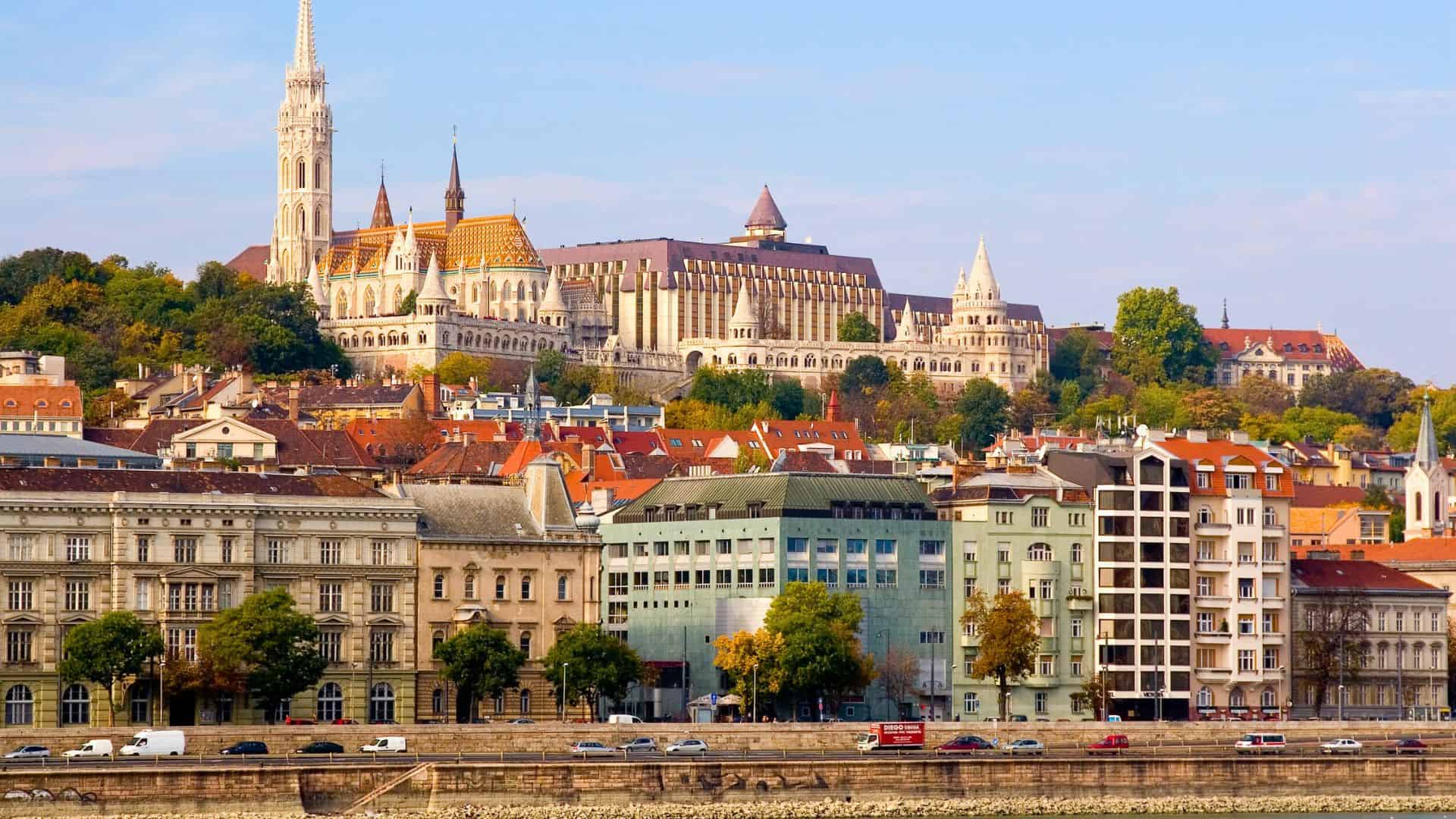
Budapest draws solo travelers with low costs and striking scenery along the Danube. Public transport passes stay cheap and simple to use. Hostels near ruin bars encourage social contact without pressure. Thermal baths remain affordable during weekdays, creating restorative pauses. Neighborhoods like Pest feel walkable, while Buda brings views and quieter streets. Street markets and bakeries help control daily spending. English works widely in tourist areas. Safety feels strong on main routes. Rail connections make Vienna and Bratislava easy add-ons. Night buses run late, museums discount students, and riverside paths suit solo walks during evenings, weekends, year-round, daily.
Riga, Latvia
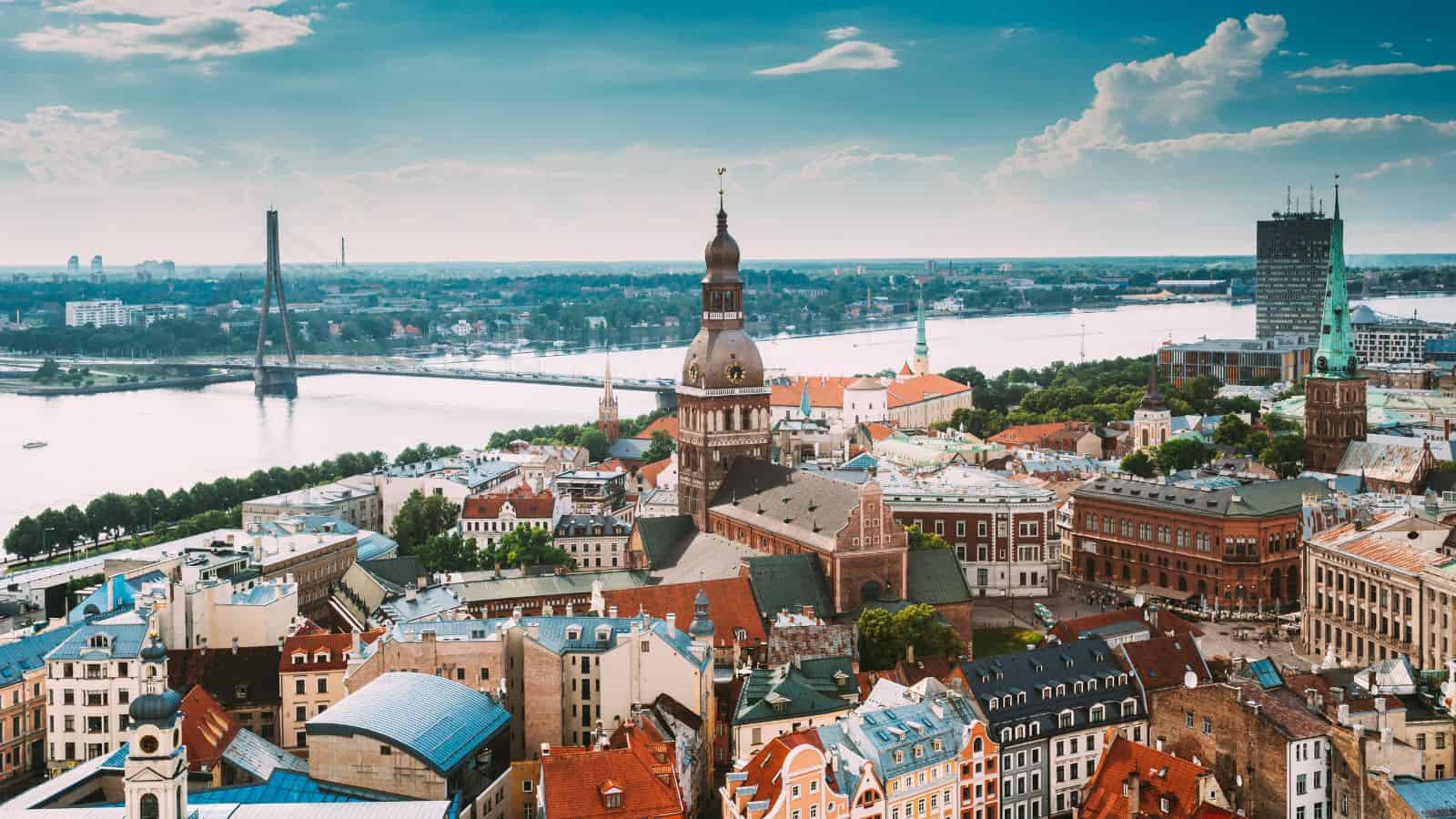
Riga attracts solo travelers seeking value in a compact Baltic capital. The Art Nouveau district and Old Town sit close together, simplifying exploration. Accommodation prices stay reasonable outside midsummer. Trams and buses run frequently, reducing transport costs. Museums, markets, and waterfront walks fit small budgets. Cafes double as work spots with steady internet. English communication remains common among younger locals. The city feels calm and orderly, even after dark. Nearby beaches and forests sit within short train rides. Hostels host social nights, grocery prices stay low, and ferries reach Scandinavia cheaply during shoulder seasons for flexible itineraries, solo travelers daily.
Vilnius, Lithuania

Quiet streets and modest prices make this Baltic capital comfortable for solo travel. The Old Town ranks among Europe’s largest, filled with churches, courtyards, and cobblestone lanes that reward slow exploration. Accommodation costs remain low compared with Western capitals, particularly in shoulder seasons. Buses and trolleybuses run reliably and stay inexpensive. Cafes function as casual work spots with strong internet access. English appears widely in service settings. Safety levels feel reassuring day and night. Green spaces line the river, while short trips lead to Trakai Castle. Cultural events, small galleries, and budget friendly museums keep days varied without heavy spending pressure.
Sarajevo, Bosnia & Herzegovina

Layered history defines daily life here, visible across architecture, neighborhoods, and traditions. Prices for lodging, transport, and meals remain among the lowest in Europe. Walking works well in the center, while trams link outer districts cheaply. The old bazaar area supports relaxed wandering and people watching. English communication improves each year, especially with younger residents. Safety feels solid, with locals quick to help visitors. Cable cars reach mountain viewpoints for little cost. Museums and memorials explain recent history clearly. Coffee culture supports long breaks without expense. Day trips to Mostar stay affordable by train or bus for solo planners.
Belgrade, Serbia

Want to save this?
Energy and affordability shape the experience for solo travelers here. Public transport fares remain low, and many neighborhoods feel walkable. Hostels and guesthouses cluster near the center, supporting social connections without obligation. Historic fortresses and river paths stay free to visit. Nightlife draws international crowds, yet daytime remains relaxed and budget friendly. English works well in cafes and shops. Safety levels feel stable across busy districts. The confluence of rivers creates scenic walking routes. Museums charge little, bakeries help manage food costs, and intercity buses reach regional destinations cheaply, making longer routes simple to arrange alone.
Istanbul, Turkey

Scale and value combine strongly in this transcontinental city. Public transport networks, including ferries, metros, and trams, keep movement affordable and efficient. Accommodation ranges from low cost hostels to budget hotels across many districts. Historic sites, mosques, and markets fill days with minimal entry fees. English communication works in central areas, while signage supports navigation. Safety remains solid on main routes with usual city awareness. Neighborhoods differ widely, keeping exploration varied. Street food helps manage expenses, while grocery shops stay cheap. Ferries double as scenic transport, sunsets over the Bosphorus cost nothing, and long stays stretch budgets comfortably for solo travelers.
Brno, Czech Republic
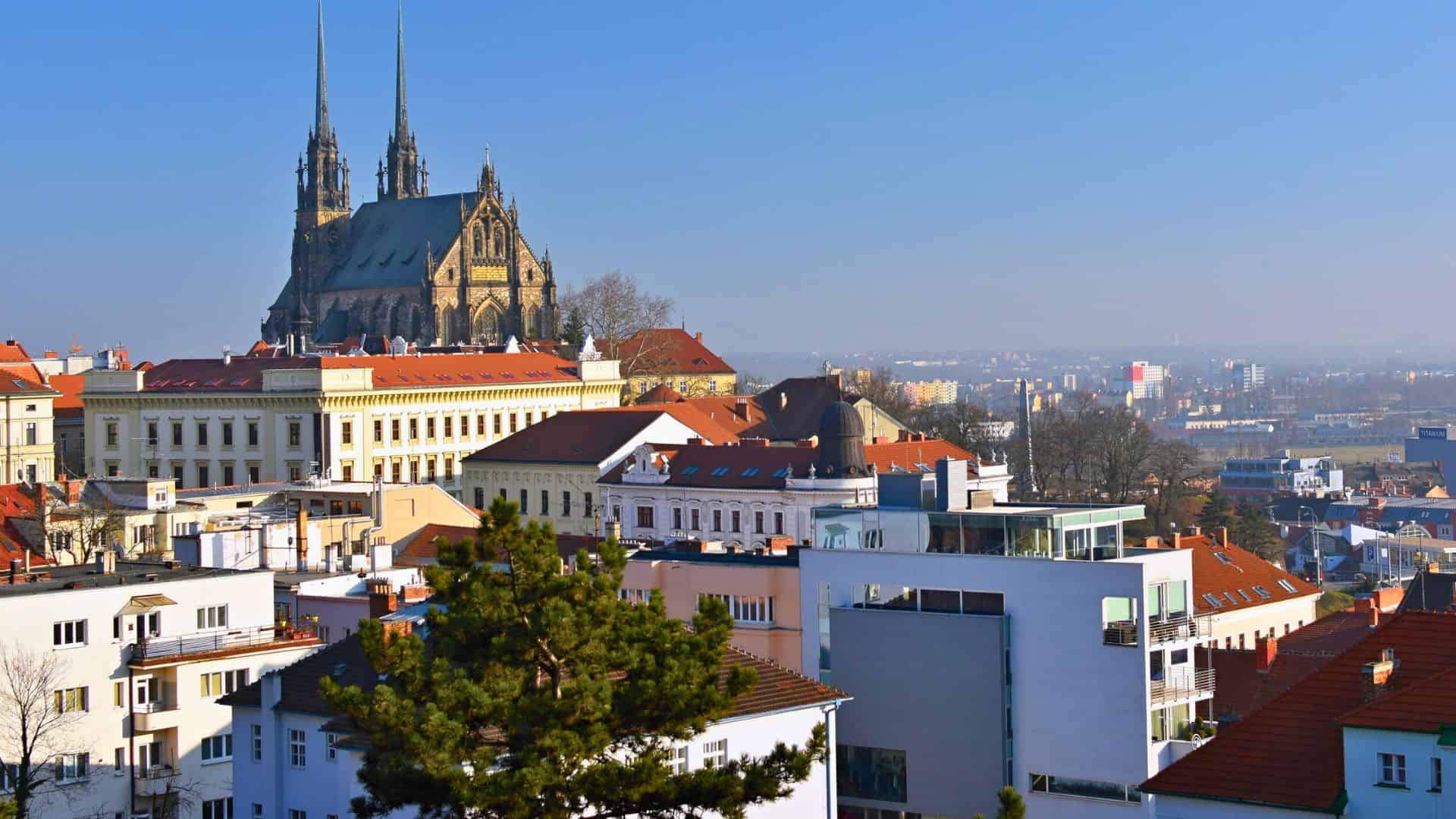
A youthful atmosphere shapes daily life in this Moravian city, supported by universities and a compact layout. Prices for lodging and transport stay lower than in Prague, making longer stays realistic. Trams and buses cover the city efficiently, while the historic center works well on foot. Cafes, libraries, and study halls welcome quiet solo time with strong internet access. English communication appears common among students and service staff. Safety feels consistent across neighborhoods. Hilltop castles and underground tunnels add interest without high fees. Train connections reach Vienna and Bratislava quickly, helping travelers expand routes cheaply. Parks and riverside paths create calm pauses between sightseeing sessions.
Tirana, Albania

Rapid change defines this capital, where affordability remains a major advantage for solo travelers. Accommodation and transport costs stay very low compared with most of Europe. Buses and taxis work cheaply, while central districts allow easy walking. Colorful buildings, museums, and public squares support relaxed exploration. English usage continues to grow, especially among younger residents. Safety feels strong, with lively streets late into the evening. Cafes function as social hubs and work spots. Day trips to the mountains or the coast cost little by bus. Markets help manage daily expenses, while nearby UNESCO towns add cultural depth without straining budgets.
Skopje, North Macedonia
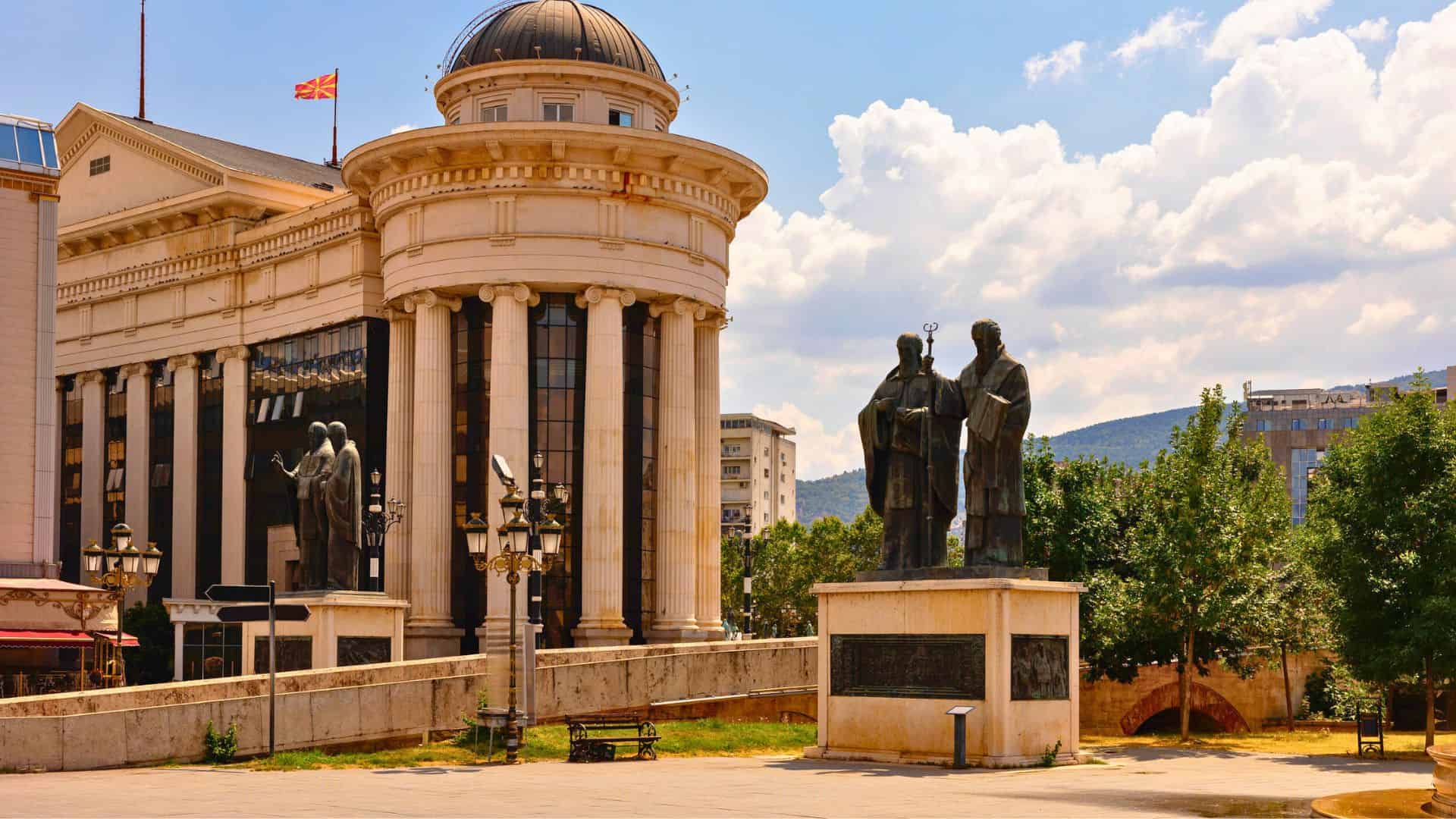
Compact size and low prices make this city manageable for independent travel. The central area connects statues, bridges, and museums within short walking distances. Public buses remain inexpensive and frequent. Accommodation costs stay among the lowest in the region. English communication works well in tourist areas and with younger locals. Safety feels calm, even during evening hours. The Old Bazaar supports casual wandering and people watching. Hills and viewpoints near the city create easy nature escapes. Museums charge modest fees, cafes stay affordable, and intercity buses reach neighboring countries cheaply, supporting flexible Balkan routes without complex logistics or heavy planning demands.
Porto, Portugal
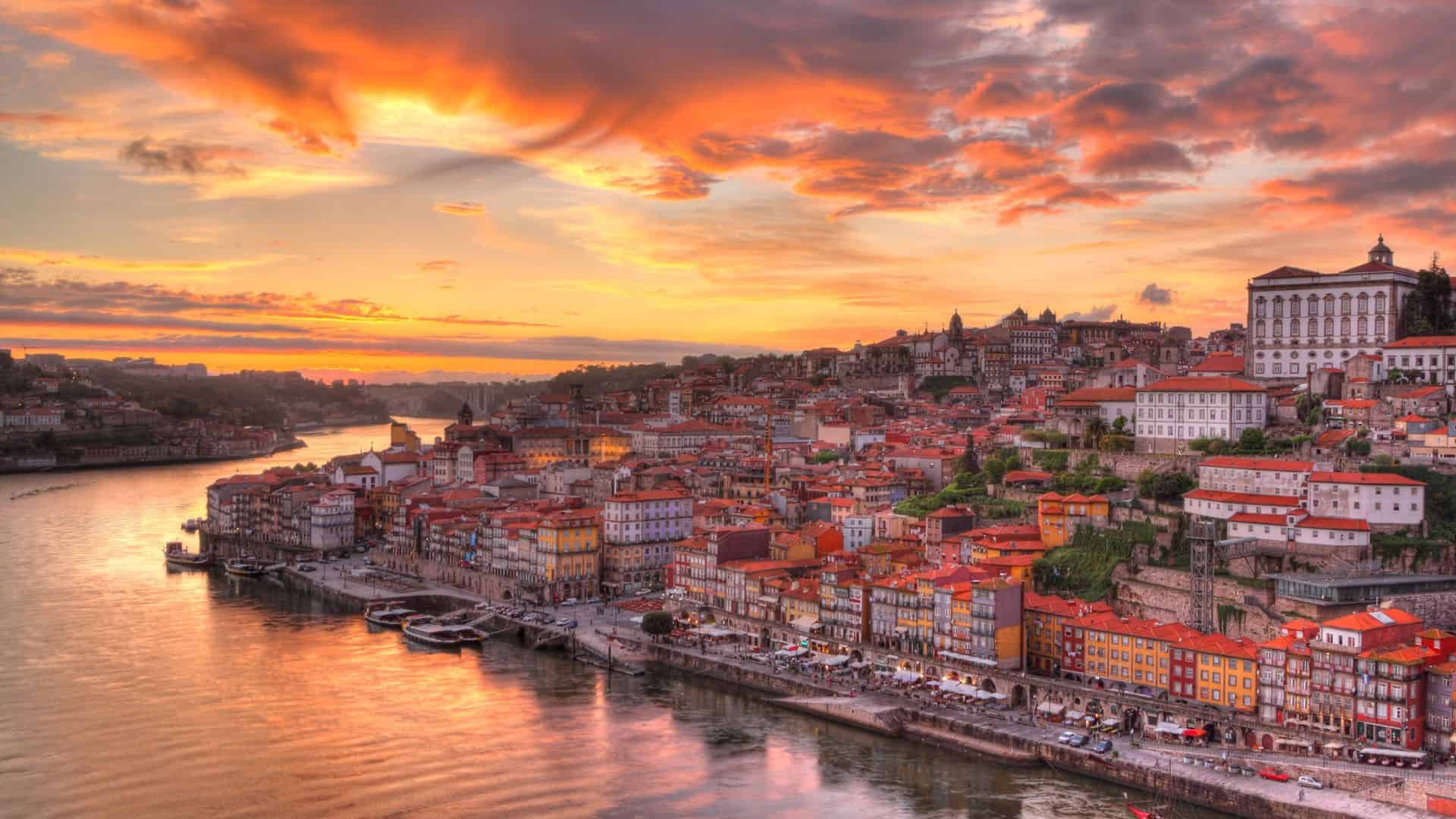
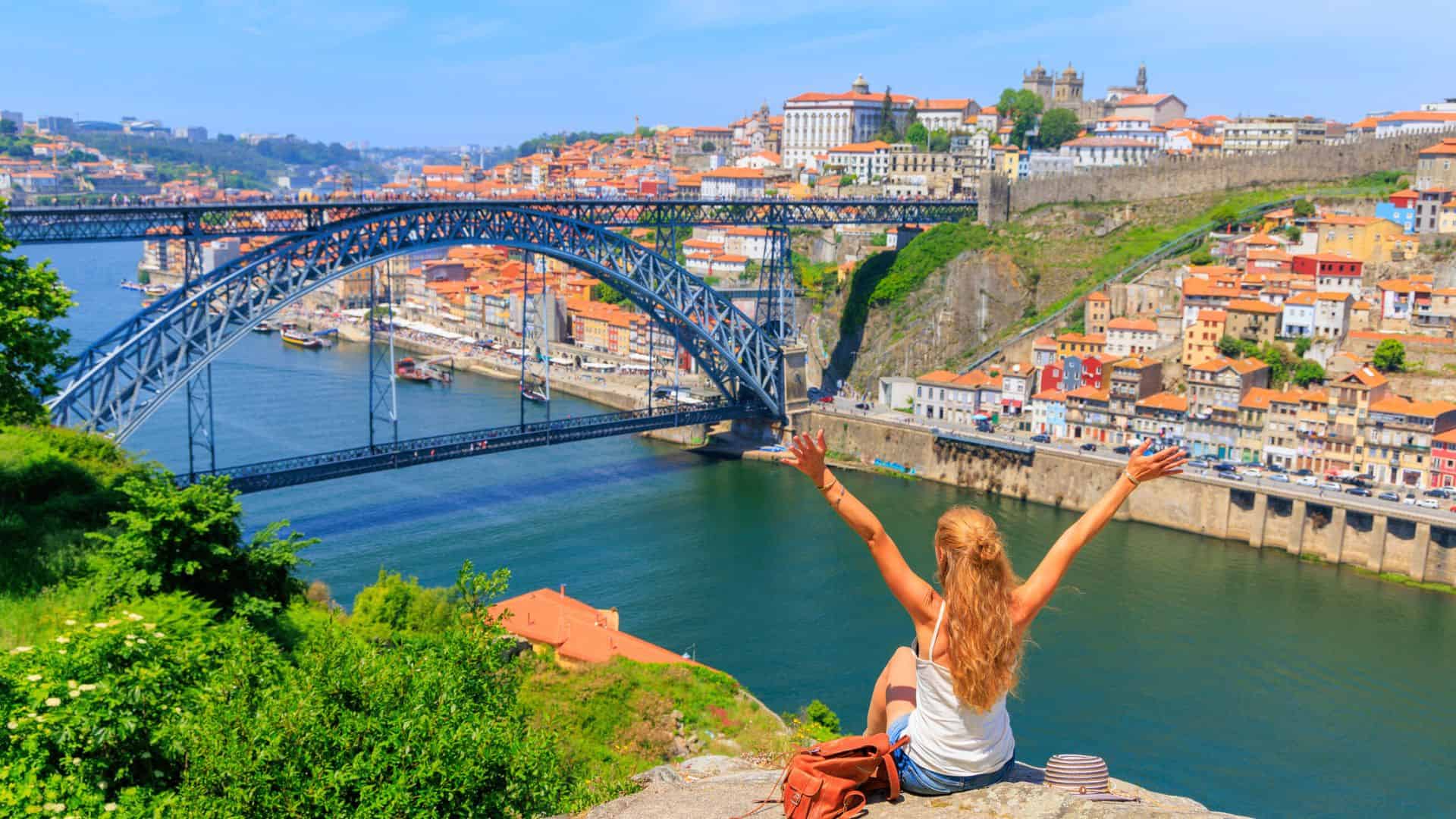
Hillside streets and river views shape daily exploration in this northern Portuguese city. Living costs stay lower than in Lisbon, especially for accommodation and transport. Trams, buses, and metro lines keep movement simple for solo visitors. Historic districts reward slow walking, while riverfront paths suit reflective evenings. English communication works smoothly across most services. Safety levels remain high, contributing to confidence when exploring alone. Markets and bakeries help manage food budgets. Museums and churches charge modest entry fees. Day trips along the Douro Valley remain affordable by train. Hostels encourage social contact, while quiet neighborhoods support rest and routine during longer stays.
More Cities, Less Spending
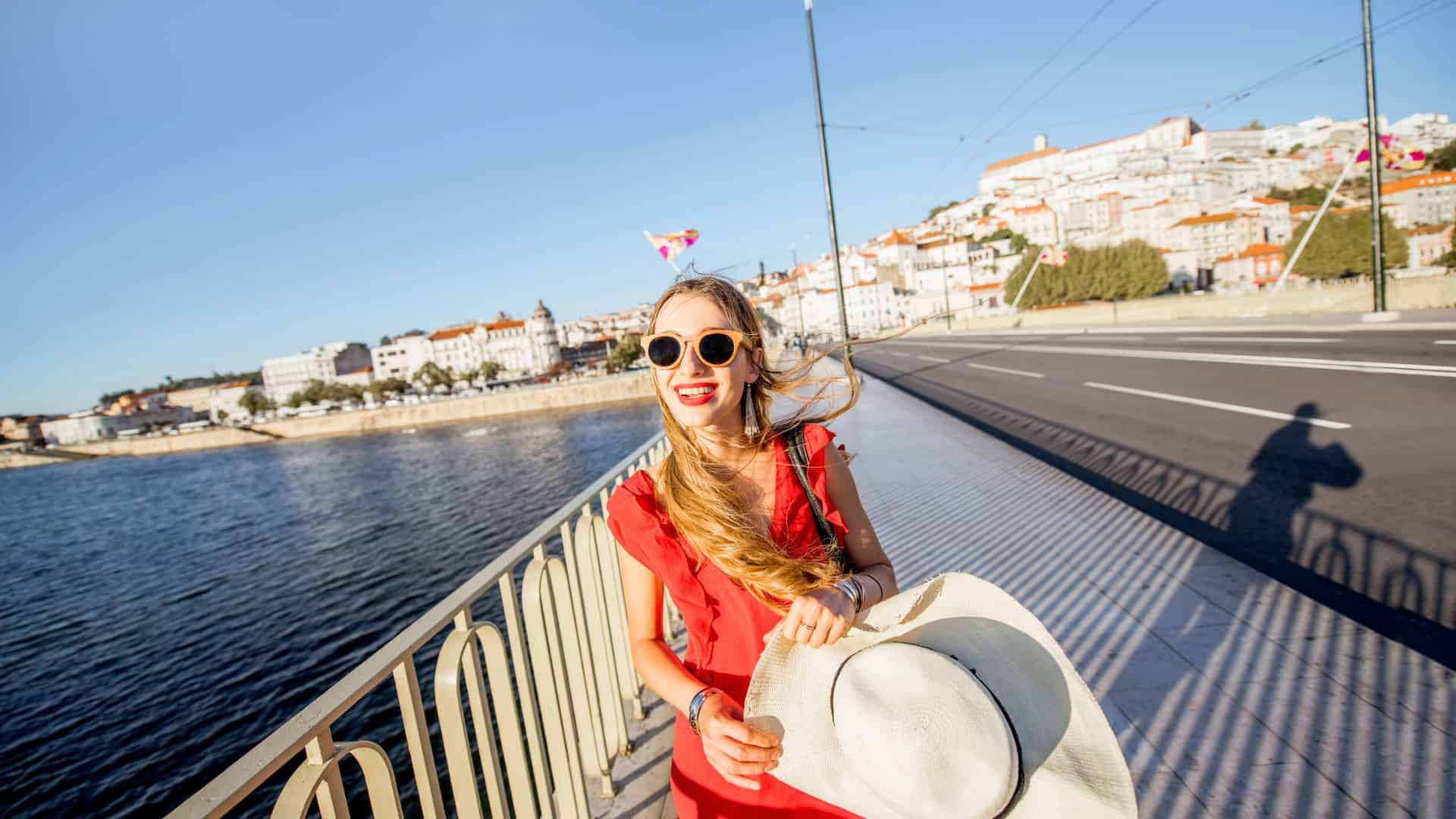
Traveling solo in Europe can be simple, affordable, and honestly pretty freeing. When costs stay low, it’s easier to focus on the experience instead of your budget. You get more room to slow down, stay longer, or change plans without stress. That freedom matters when you’re on your own. It builds confidence fast and makes every day feel more natural.
These cities prove that you don’t need luxury prices to have a great trip. Safe streets, easy transport, and fair daily costs make solo travel feel relaxed instead of rushed. Whether you’re walking for hours, taking spontaneous day trips, or settling into a routine for a week or two, your money stretches further. That extra breathing room changes everything. If Europe has been on your list but felt out of reach, this is your sign. A solo trip in 2026 can feel smart, flexible, and genuinely fun from start to finish.
13 Countries Expected to Boom in Popularity and Travel in 2026
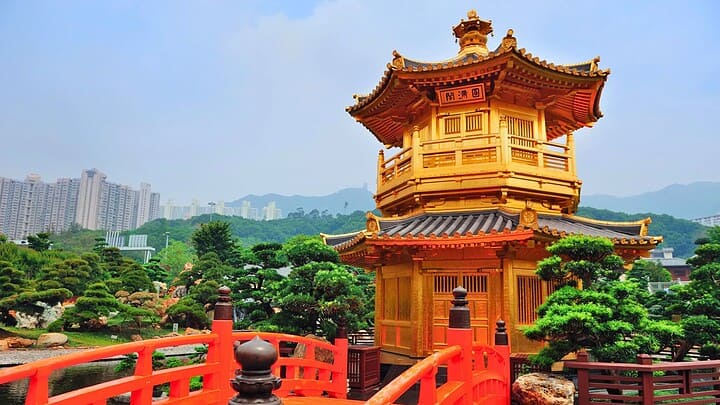
Looking to break out of the usual travel routine and find somewhere fresh to explore? Well, 2026 is shaping up to be the year when a bunch of countries suddenly become the next big thing. These 13 countries expected to become more popular in 2026 are ready to grab your attention with cool landscapes, rich stories, and cities that are buzzing with new energy.
Read More Here: 13 Countries Expected to Boom in Popularity and Travel in 2026
13 Top Travel Destinations on Everyone's 2026 Lists Right Now
Travel is changing in ways that feel fresh and exciting. People are thinking less about ticking boxes and more about finding places that speak to them. Travelers in 2026 are looking for experiences that feel genuine, whether that means wandering through local markets, hiking through quiet landscapes, or exploring neighborhoods that tell real stories. In fact, they have these 13 countries that dominate 2026 travel lists.
Read More Here: 13 Top Travel Destinations on Everyone's 2026 Lists Right Now