Autumn is a great time to trade in the treadmill for a trail. It’s the perfect season to stretch your legs, breathe a little deeper, and enjoy the outdoors without melting in the heat. Hiking in fall has a certain charm: you get the colors, the cooler temps, and that satisfying crunch under your boots that makes every step feel a little more rewarding. But first, you need to be aware of these 13 hiking tips for the fall season.
Of course, autumn hiking isn’t all golden leaves and Instagram shots. The weather can flip faster than a coin, daylight clocks out earlier than you expect, and those picture-perfect leaves on the ground? They’re often hiding roots, rocks, and mud slicks. That doesn’t mean you should stay home. It just means a little preparation and awareness can turn a good hike into a great one.
Check the Weather Forecast

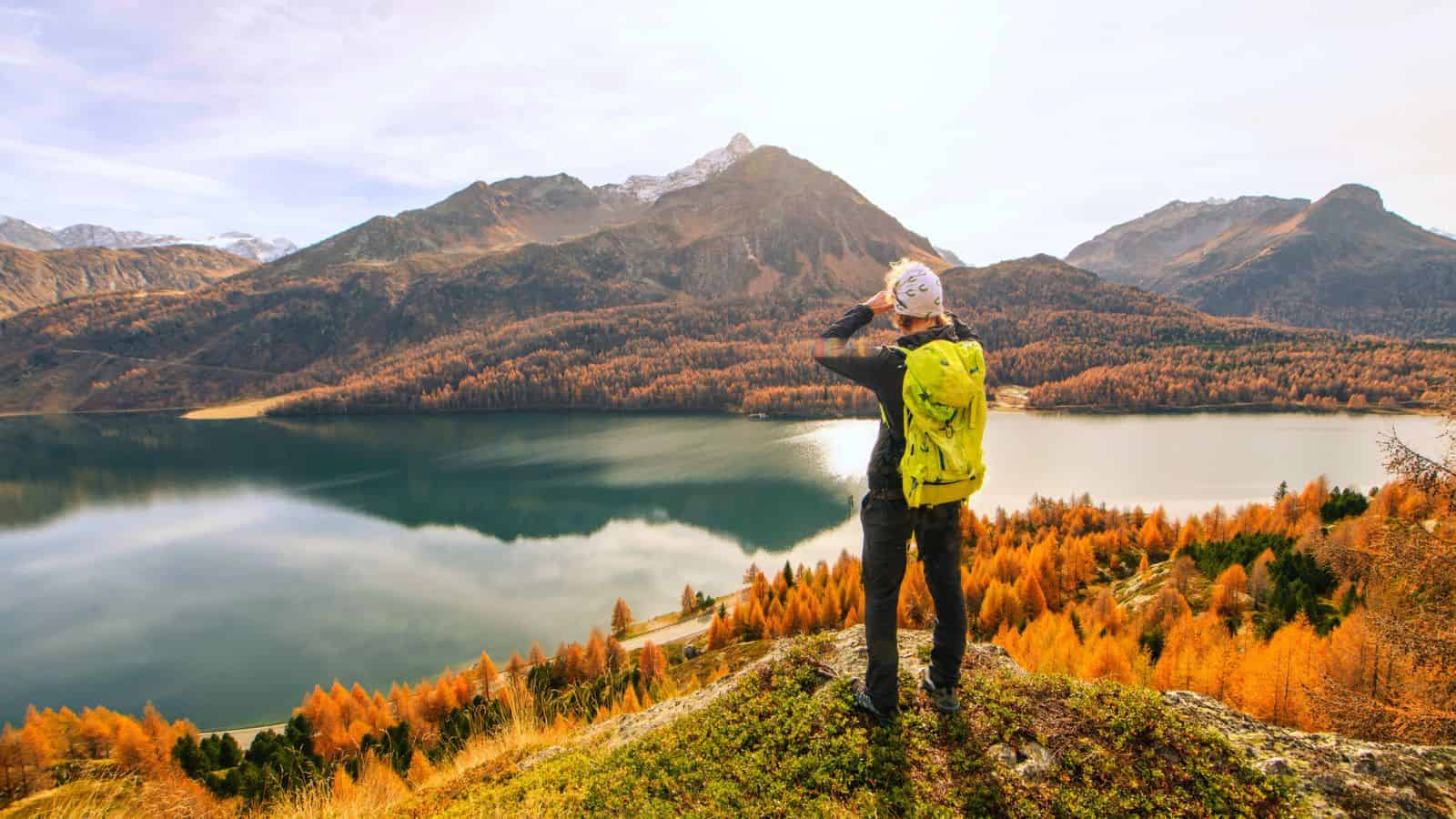
Before heading out on an autumn hike, it’s essential to study the forecast carefully. This season often brings sudden shifts—clear skies can quickly turn to rain, fog, or even early snowfall in higher elevations. By knowing the outlook, you can prepare with the right gear and avoid being caught off guard. It also helps you decide whether to attempt a longer trail or stick to a shorter route. Remember that daylight fades earlier in the fall, so weather awareness combined with time management will keep your hike safe and enjoyable from start to finish.
Dress in Layers
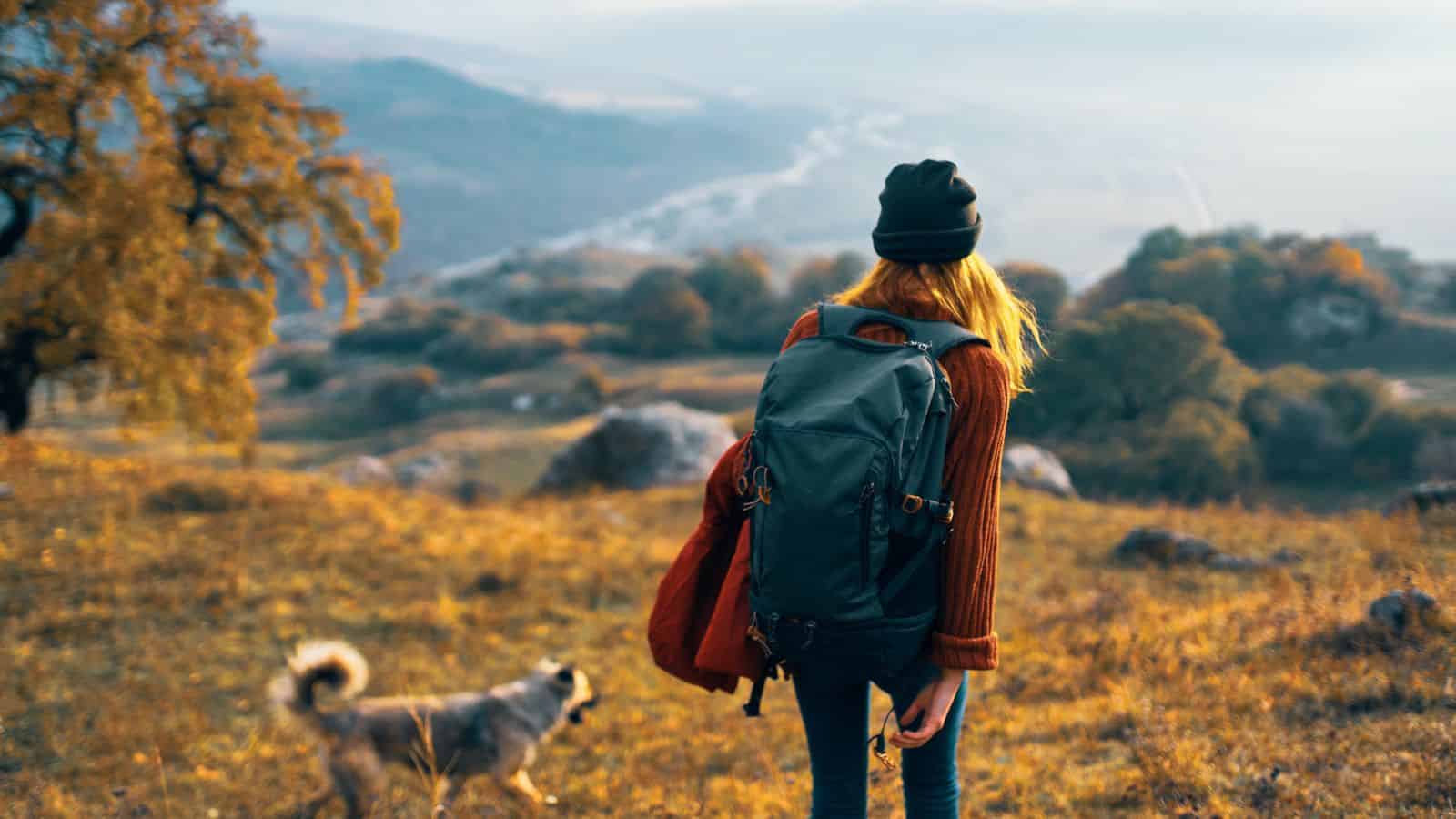
Autumn temperatures can fluctuate dramatically between morning and afternoon, especially in wooded or mountainous areas. Dressing in layers allows you to adjust your clothing as conditions change. Start with a breathable base layer to manage sweat, add an insulating layer like fleece or wool for warmth, and top it with a lightweight, waterproof shell to shield against rain or wind. This approach keeps you comfortable without overheating or becoming chilled. Carrying an extra layer in your pack is also smart, since the weather can shift rapidly. Layering is the key to staying adaptable and safe on autumn trails.
Wear Proper Footwear
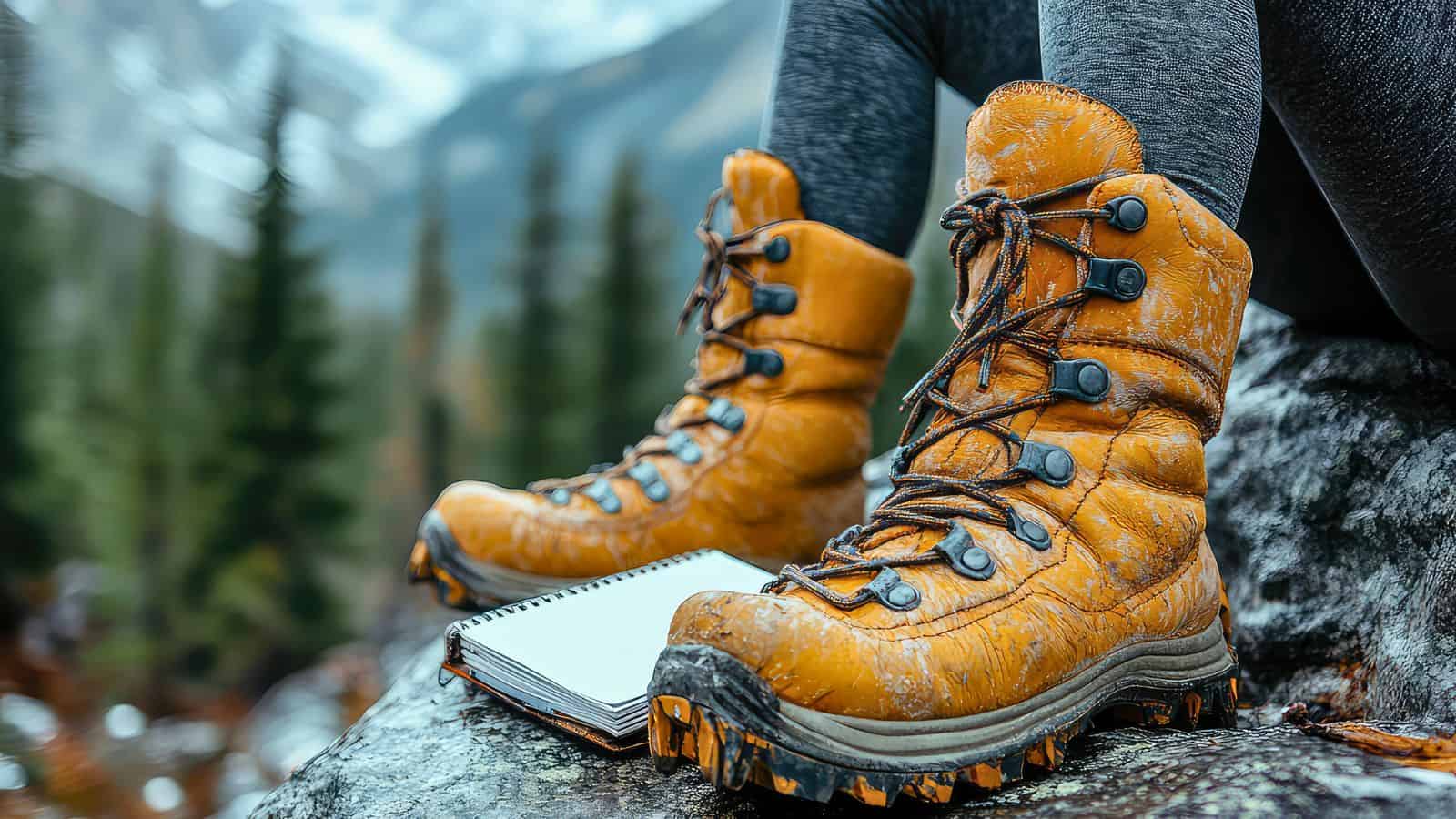
Trails in autumn often become slippery due to fallen leaves, mud, or early frost. Wearing sturdy boots with strong traction is crucial for stability and comfort. Waterproof materials help keep your feet dry when crossing damp ground or after rainfall. High ankle support reduces the risk of sprains on uneven terrain hidden beneath leaves. Unlike lighter shoes, hiking boots give you confidence on challenging paths while also protecting against cold and wet conditions. Investing in quality footwear is one of the most important steps you can take to avoid discomfort, blisters, or accidents during your hike.
Bring Trekking Poles
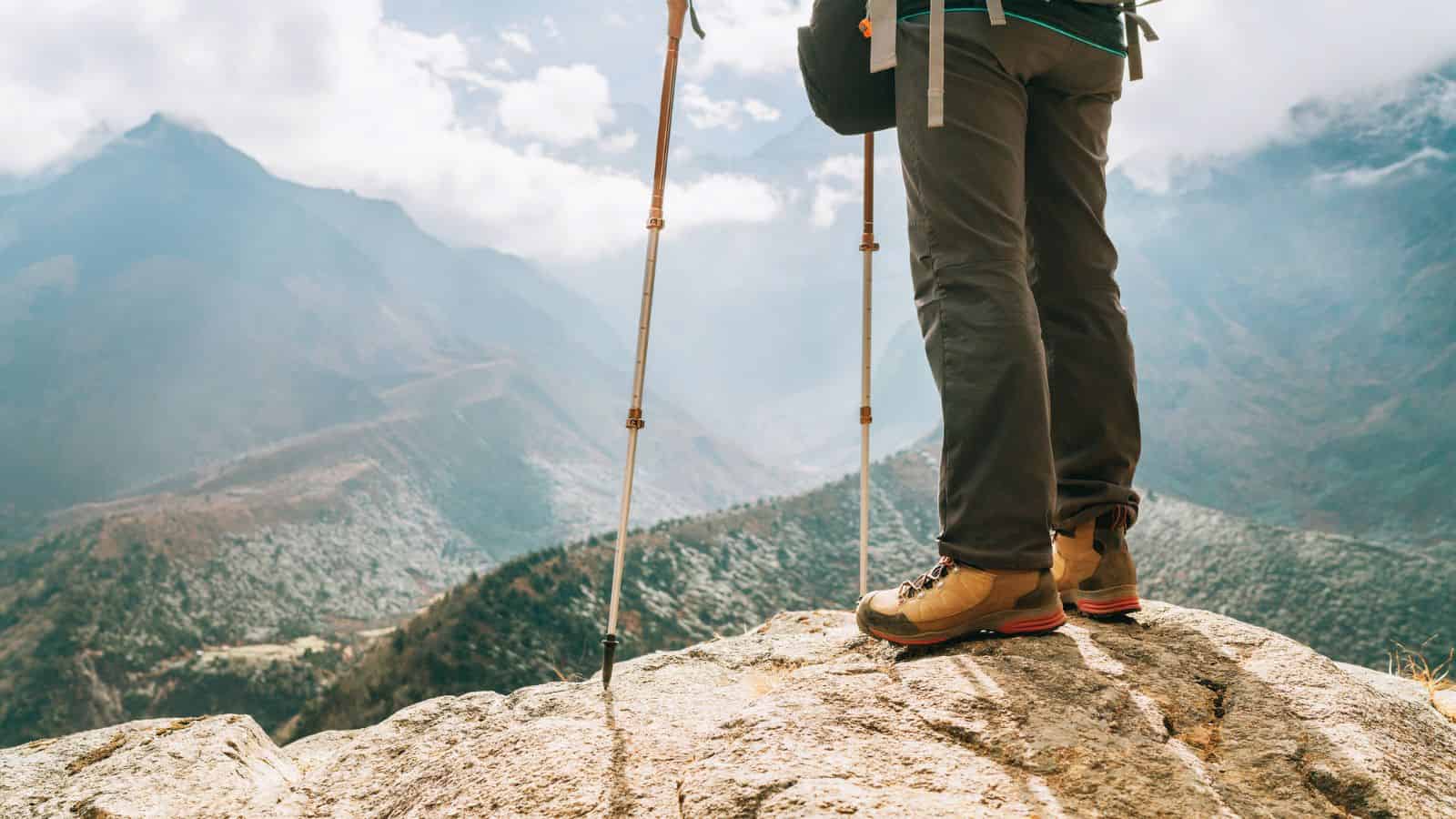
Trekking poles are especially useful in autumn when trails can be unpredictable. Fallen leaves may conceal rocks, roots, or holes that could cause you to trip. Poles add balance and stability, particularly on steep inclines, muddy sections, or stream crossings. They also reduce strain on your knees and joints, making long hikes more comfortable. Adjustable poles can be shortened uphill and lengthened downhill for better support. Even if you’re confident on your feet, having poles can prevent slips and falls, especially when conditions are damp. They’re a lightweight addition that significantly improves safety and endurance on autumn trails.
Start Early
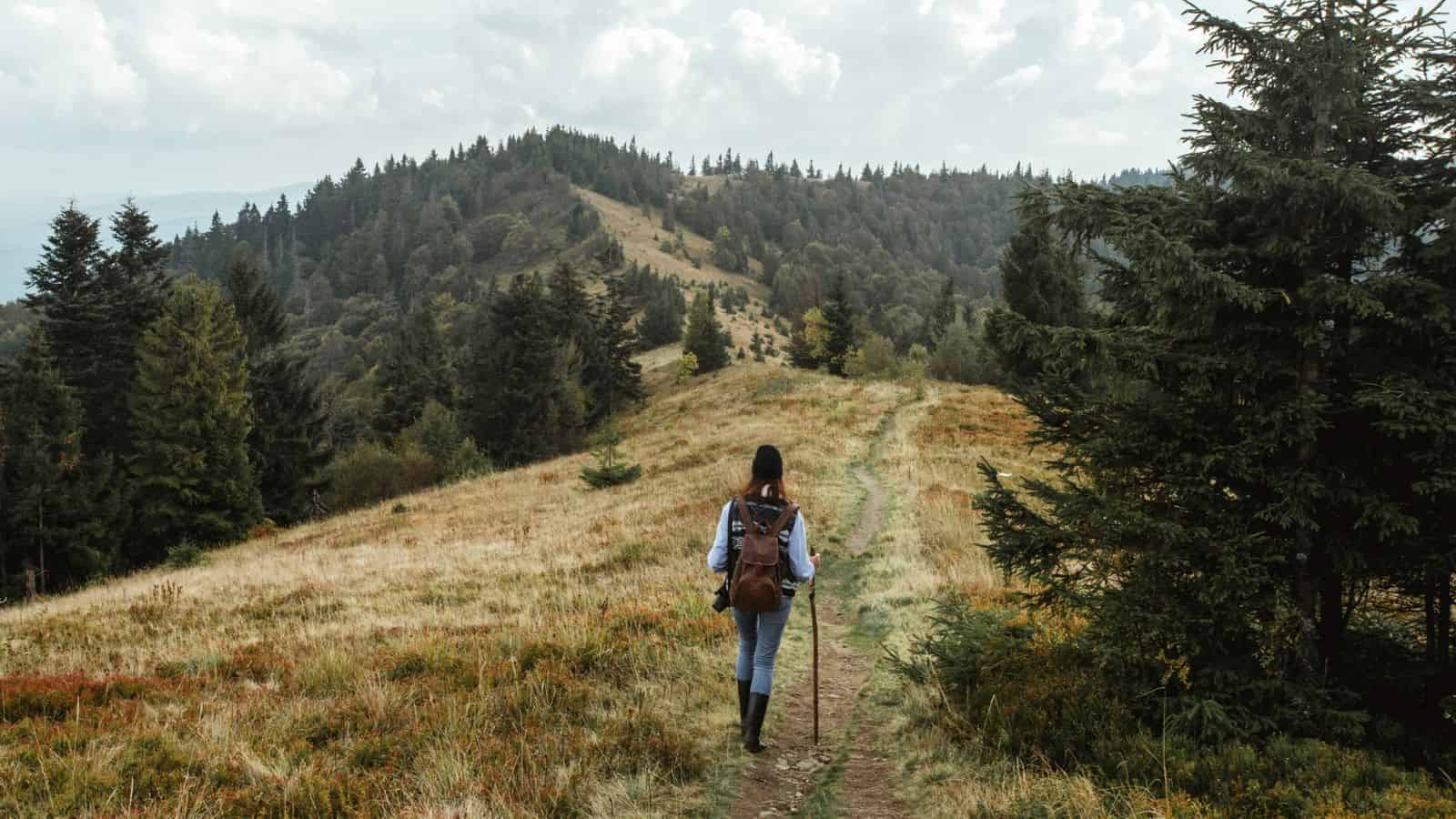
With shorter daylight hours in autumn, beginning your hike early is crucial. Trails that might feel manageable in summer can become risky if darkness falls before you finish. Starting early gives you more time to complete your route at a comfortable pace without rushing. It also allows you to enjoy the crisp morning air and the vibrant colors of the season when the light is soft and golden. If you’re hiking in remote areas, early starts reduce the chance of being caught in unfamiliar terrain after sunset. Planning your day around daylight helps keep your adventure safe.
Carry a Headlamp or Flashlight
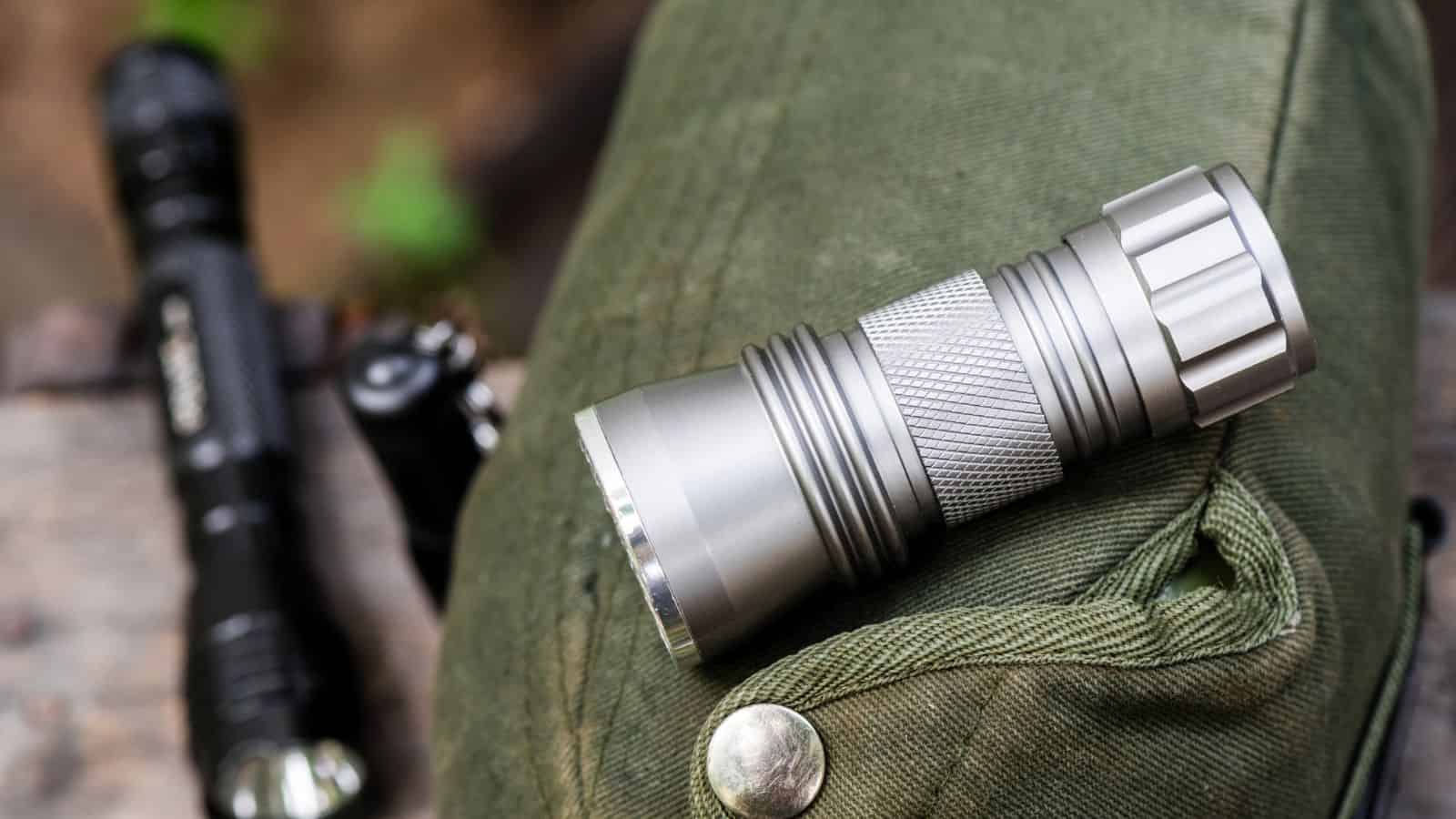
Autumn hikes often extend longer than planned, and shorter days mean darkness can arrive quickly. A reliable headlamp or flashlight is essential for safety if you’re still on the trail after sunset. Even on familiar paths, shadows and low light can make navigation difficult, and fallen leaves may hide hazards. A headlamp keeps your hands free, while a flashlight is a good backup. Always pack extra batteries, since cooler temperatures can drain power faster. Having a strong light source not only helps you stay on course but also increases visibility for others in your group.
Stay Hydrated

Want to save this?
Cooler temperatures can trick hikers into thinking they don’t need as much water, but hydration remains just as important in autumn as it is in summer. Sweating may be less noticeable in cooler air, yet your body still loses fluids during physical activity. Carry enough water for the entire hike, and consider using an insulated bottle to prevent it from getting too cold. Electrolyte tablets or drinks can also help maintain energy levels. Don’t rely solely on natural water sources, since they may be unsafe to drink without treatment. Consistent hydration keeps your body strong and alert.
Pack High-Energy Snacks

Hiking in autumn often requires extra fuel since cooler air can increase calorie burn. Bringing high-energy snacks helps maintain stamina and focus throughout the trek. Choose items that are lightweight, easy to carry, and resistant to temperature changes, such as nuts, dried fruit, granola bars, or jerky. These foods deliver a steady stream of energy without weighing down your pack. Keep snacks accessible so you can eat small amounts regularly rather than waiting until you feel drained. Proper nutrition on the trail helps prevent fatigue, sharpens concentration, and allows you to enjoy the scenery without exhaustion.
Watch for Wildlife

Autumn is an active season for wildlife as animals prepare for winter. Deer may be more visible during their rut, bears could be foraging for food, and smaller creatures are busy gathering supplies. Staying alert and respectful is key to avoiding conflicts. Make noise while hiking to signal your presence, especially in dense forests. Keep a safe distance if you encounter animals and never feed them. Carrying bear spray in certain regions may be wise. Observing wildlife from afar can be memorable, but safety should always come first. Awareness protects both hikers and the animals themselves.
Know the Trail Conditions
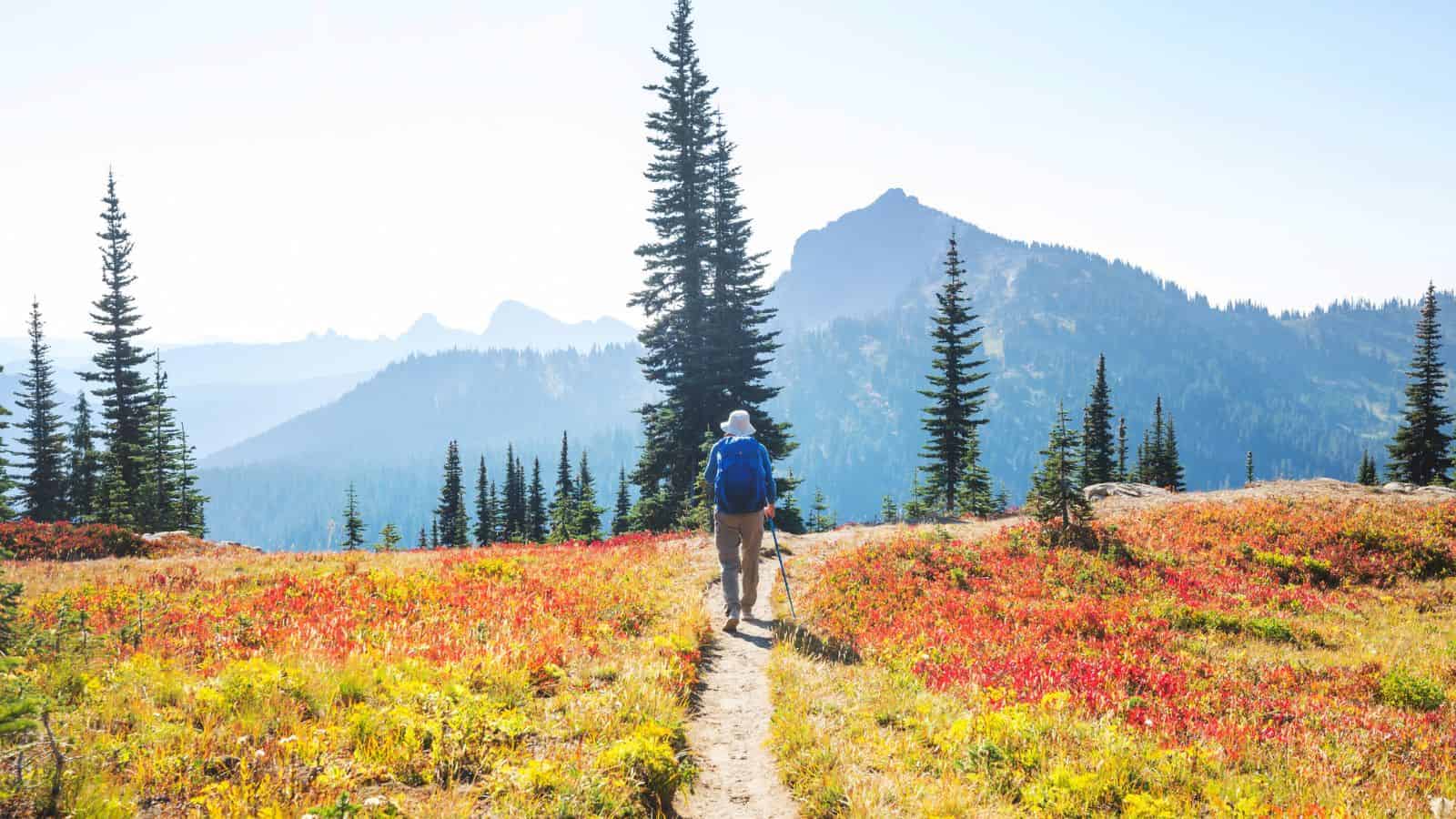
Autumn trails can be tricky because fallen leaves often cover roots, rocks, or holes that could cause slips or twisted ankles. Wet leaves can also be as slick as ice, making descents especially hazardous. Before heading out, check recent trail reports if available, and be cautious with every step. Pay attention to footing, particularly near slopes, river crossings, or areas with heavy leaf cover. Walking poles and sturdy footwear help reduce risks. Staying mindful of conditions helps you move at a steady pace while avoiding injuries. Respecting the trail’s seasonal changes is key to a safe hike.
Bring a Map or GPS
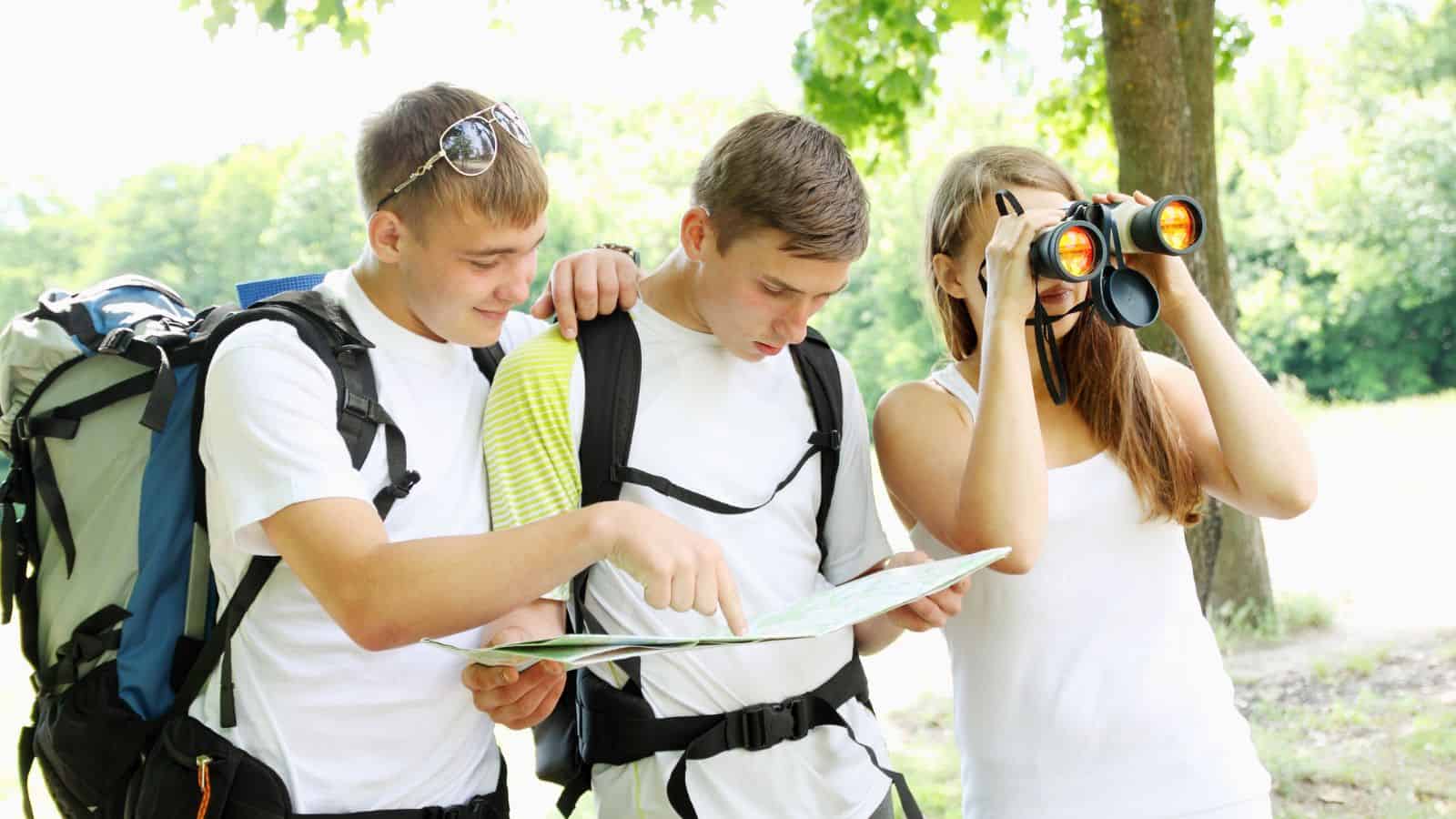
Relying solely on cell service during an autumn hike can be risky, as coverage is often unreliable in wooded or mountainous areas. A physical map, compass, or GPS device makes sure you can navigate even if your phone fails. Trails can be harder to follow when leaves obscure markers or paths, so having a backup navigation tool is essential. Familiarize yourself with the route before starting, and mark key points like trailheads, intersections, or water sources. Carrying reliable navigation tools not only builds confidence but also helps prevent getting lost in fading daylight or shifting weather.
Protect Against Ticks
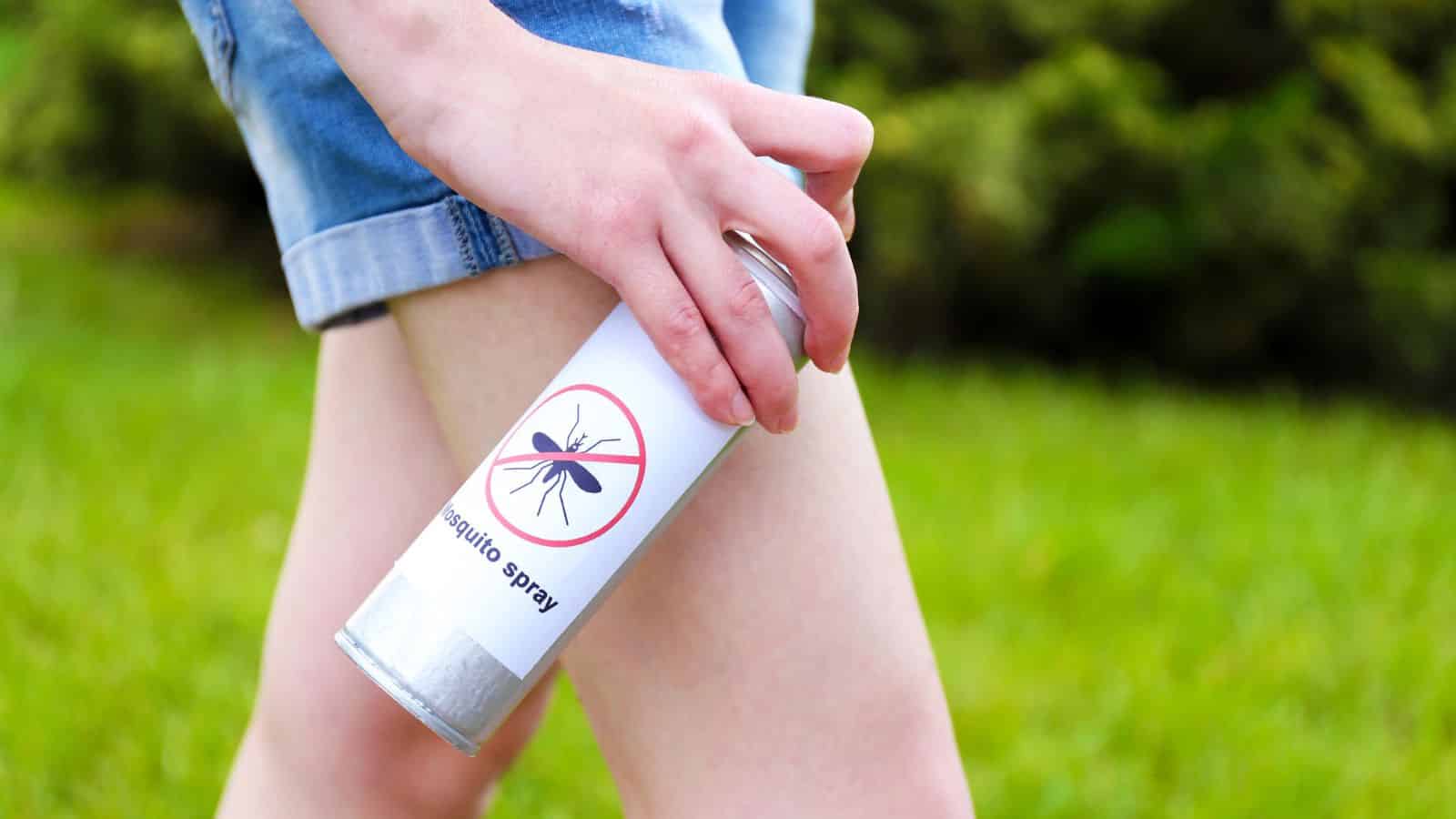
Even though temperatures drop in autumn, ticks can remain active and pose health risks. Wearing long sleeves, long pants, and gaiters helps reduce skin exposure. Light-colored clothing makes it easier to spot ticks before they attach. Applying insect repellent with proven ingredients adds another layer of defense. After finishing your hike, do a careful check of your clothing, skin, and gear, especially around ankles, waistbands, and hairlines. Removing ticks quickly lowers the chance of illness. Staying mindful about tick safety is a simple but crucial step to keeping your autumn adventures healthy and worry-free.
Leave No Trace
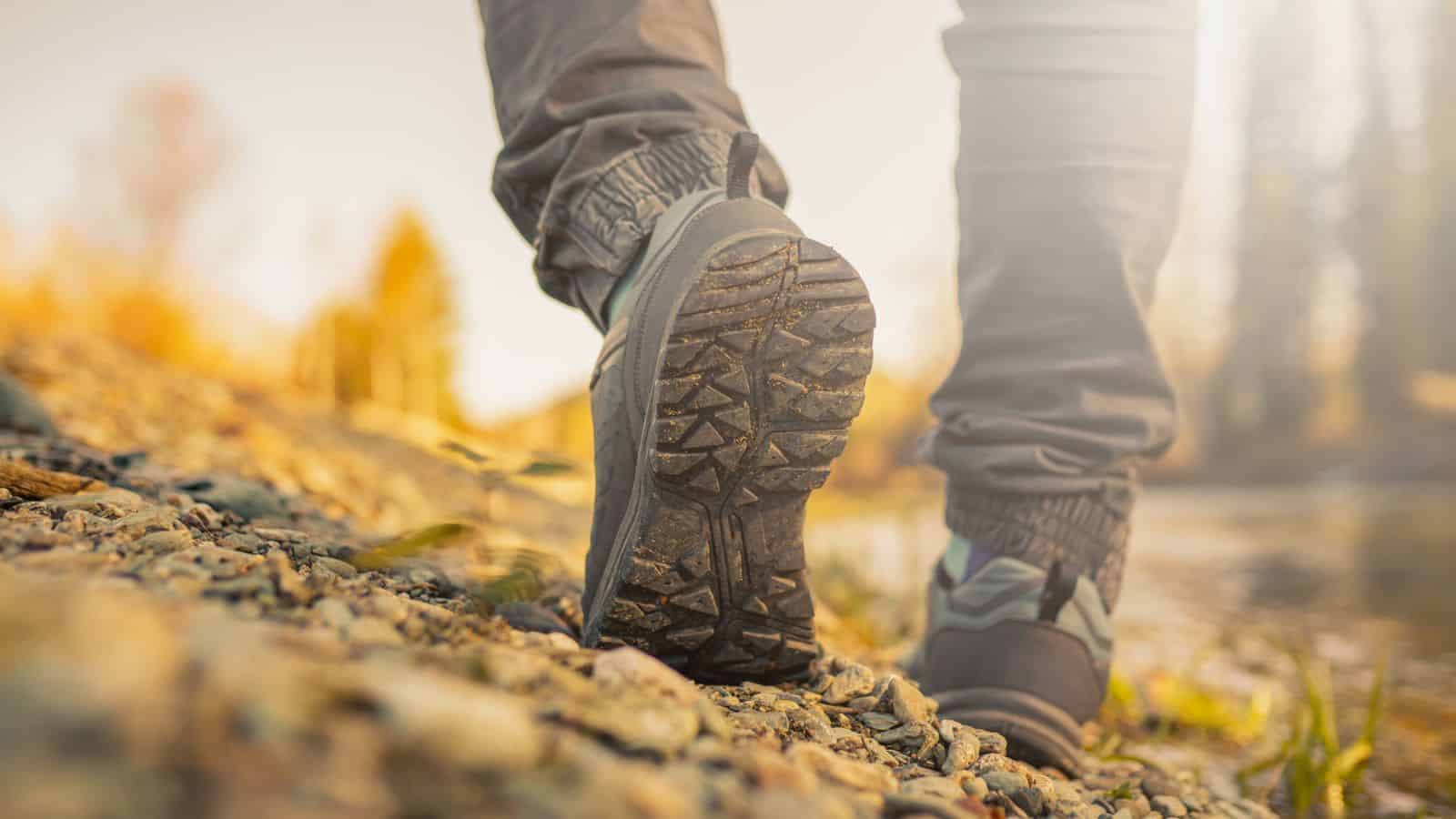
Autumn landscapes are particularly fragile, as plants prepare for winter, and the soil can be more vulnerable to erosion from rain or fallen leaves. Practicing Leave No Trace principles helps protect these environments for future hikers. Carry out all trash, including food scraps, and stick to established trails to avoid damaging vegetation. Be mindful of campfires, as dry leaves and wind can increase fire risk. Respect wildlife by keeping a safe distance and not disturbing their seasonal preparations. By hiking responsibly, you help preserve the beauty and balance of autumn trails while setting a positive example for others.
Hike Smart, Brag Later
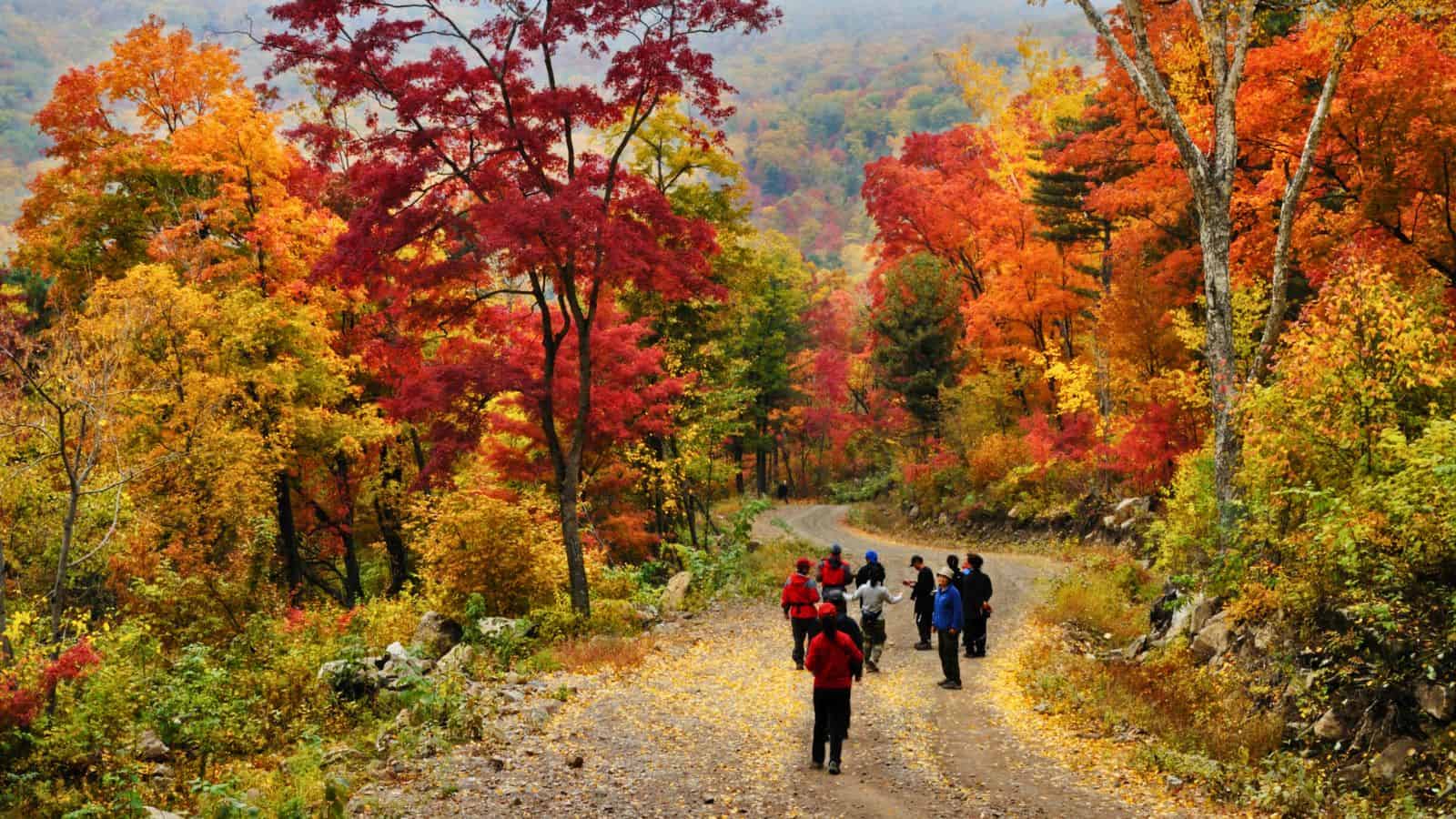
Autumn hiking has its quirks, but that’s part of what makes it so great. The season brings crisp air, bright colors, and trails that feel fresh and alive in a way you don’t get any other time of year. With the right mindset, it becomes the perfect chance to slow down, enjoy the scenery, and soak up everything the outdoors has to give before winter sets in.
At the end of the day, it’s simple: a little planning keeps the surprises fun instead of frustrating. Pack smart, pay attention, and let the season do the rest. Whether it’s a short walk through local woods or a longer trek in the mountains, autumn trails are waiting. Lace up your boots, grab your gear, and head out. You’ll be glad you did.