Travel has a funny way of flipping expectations. You think you know how a place will feel, then you land and realize you were way off. That feeling is exactly what 13 countries that surprise first-time visitors the most capture so well. Sometimes it’s the pace, sometimes it’s the people, and sometimes it’s the small details that stick with you. Those moments catch you off guard and stay in your head long after the trip ends.
This article digs into that feeling. It’s for anyone who likes being surprised and doesn’t need a perfect plan. If you’ve ever come home with stories that didn’t match what you expected, you’ll recognize yourself here. These places don’t just look different. They change how you see travel. They make travel feel real, not polished or predictable, and they remind you that your normal is not shared by everyone.
Iceland

Iceland surprises visitors through its stark scale and closeness to raw natural forces. Volcanoes, lava fields, glaciers, and waterfalls appear within short drives, making landscapes feel constantly shifting. Many expect a bustling capital, yet Reykjavík feels compact and calm. Weather changes rapidly, sometimes several times in one day, shaping daily plans. Hot springs sit beside icy winds, reinforcing the country’s dramatic contrasts. Roads stretch across wide open spaces with few towns in between, creating a sense of isolation. Travelers often notice how deeply nature influences local routines, architecture, and conversations.
Turkey

Expectations often shift quickly upon arrival in Turkey, where cultural boundaries feel less clear-cut than anticipated. Some neighborhoods resemble southern Europe, while others reflect Middle Eastern traditions. Calls to prayer echo near modern cafés and busy shopping streets. Hospitality plays a major role in social interactions, and conversations often extend longer than expected. History appears everywhere, layered from ancient ruins to Ottoman landmarks and modern construction. Daily routines balance tradition with contemporary life, especially in cities like Istanbul. Many visitors are surprised by how familiar and unfamiliar the country feels at the same time.
Egypt

Encounters with Egypt frequently challenge expectations shaped by history books. Ancient monuments dominate the landscape, yet modern life moves loudly around them. Traffic flows with little visible structure, and streets remain active late into the night. Personal interactions tend to be direct, with strong opinions and expressive communication. Tourism and daily routines overlap closely, especially in major cities. Many visitors notice how bargaining shapes commerce and social exchange. Beyond famous sites, residential neighborhoods reveal tightly knit communities. The contrast between monumental past and present-day realities creates an experience that feels intense and deeply layered.
India
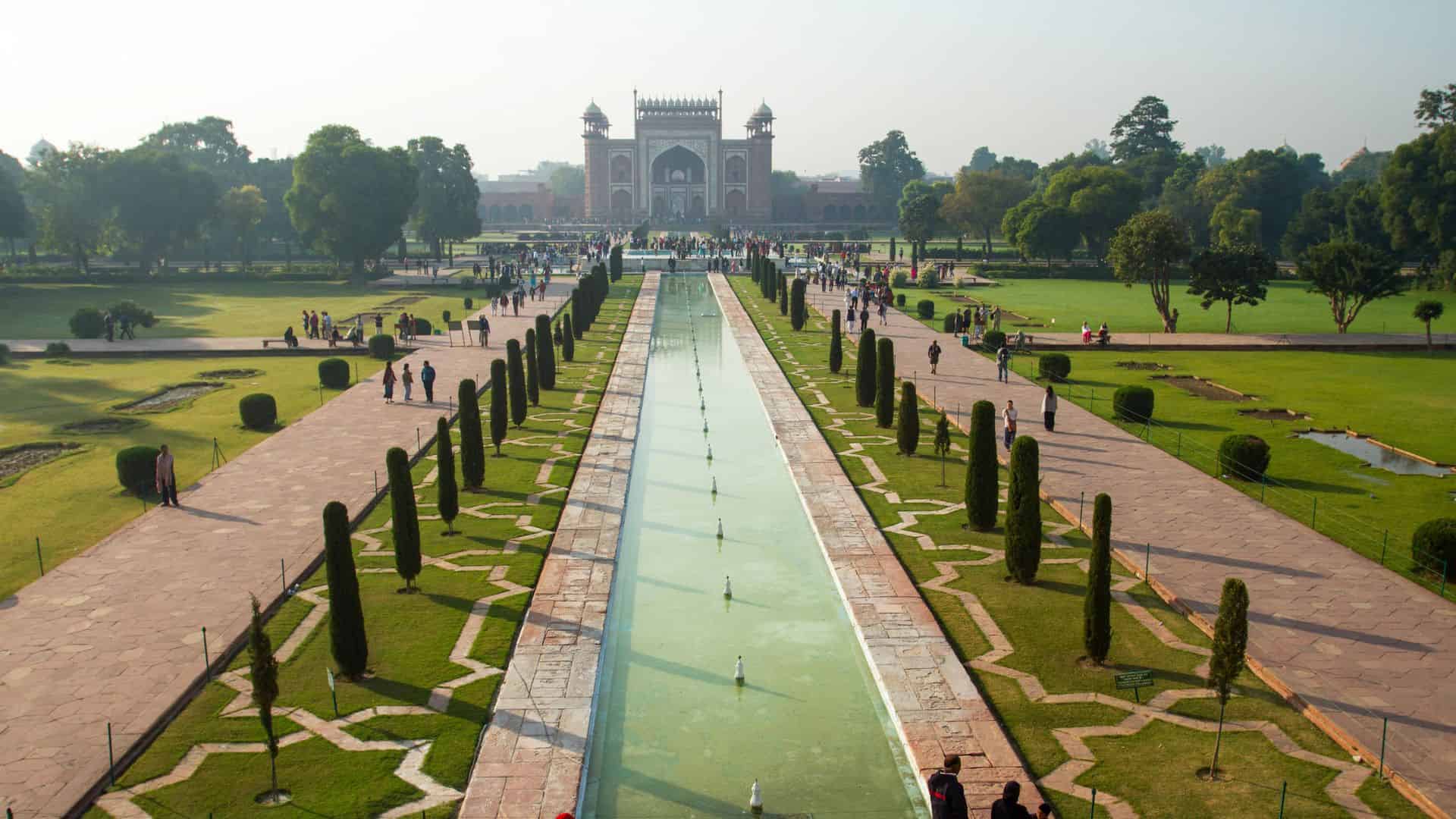
For many newcomers, the first encounter with India feels overwhelming due to its scale and intensity. Cities pulse with constant sound, movement, and human interaction, while rural areas follow entirely different rhythms. Languages, clothing, religions, and customs shift dramatically from one region to the next, sometimes within hours of travel. Daily life unfolds in public view, from street commerce to religious rituals. Infrastructure may feel unpredictable, yet social systems function through deeply ingrained habits. Visitors often notice strong contrasts between wealth and poverty, order and improvisation, creating an experience that feels emotionally powerful and impossible to ignore.
Georgia
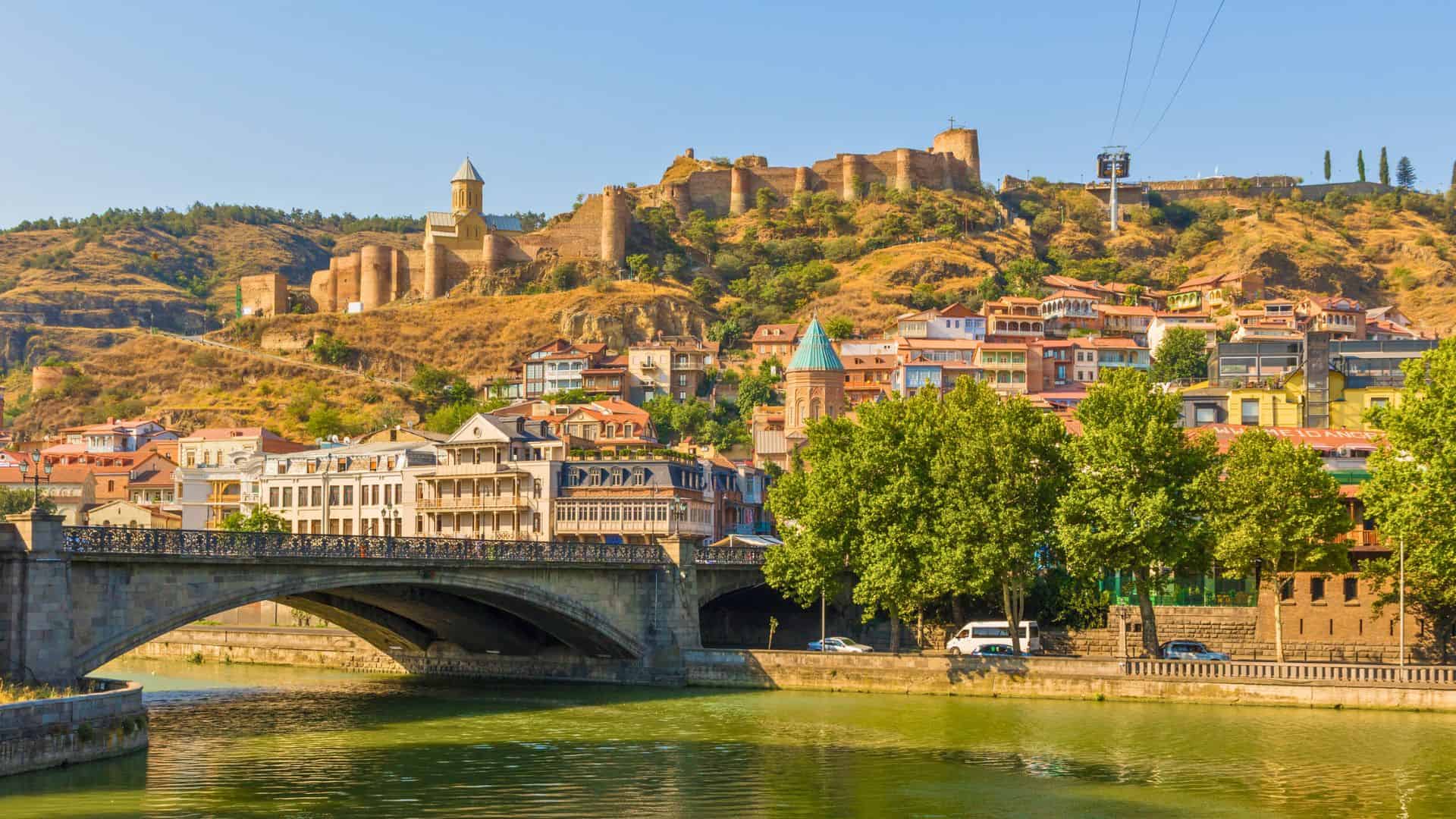
Georgia often surprises travelers through its strong sense of identity. Mountains rise sharply behind cities, shaping both climate and culture. Social gatherings play a central role in daily life, with long conversations and formal toasts marking special occasions. Traditions feel firmly protected, even as younger generations adopt global influences. Architecture reflects multiple historical periods, sometimes within the same street. Outside urban areas, villages maintain slower rhythms tied to agriculture and family ties. Visitors frequently notice pride in language, history, and customs. The country’s position between regions contributes to a character that feels both familiar and unfamiliar.
China
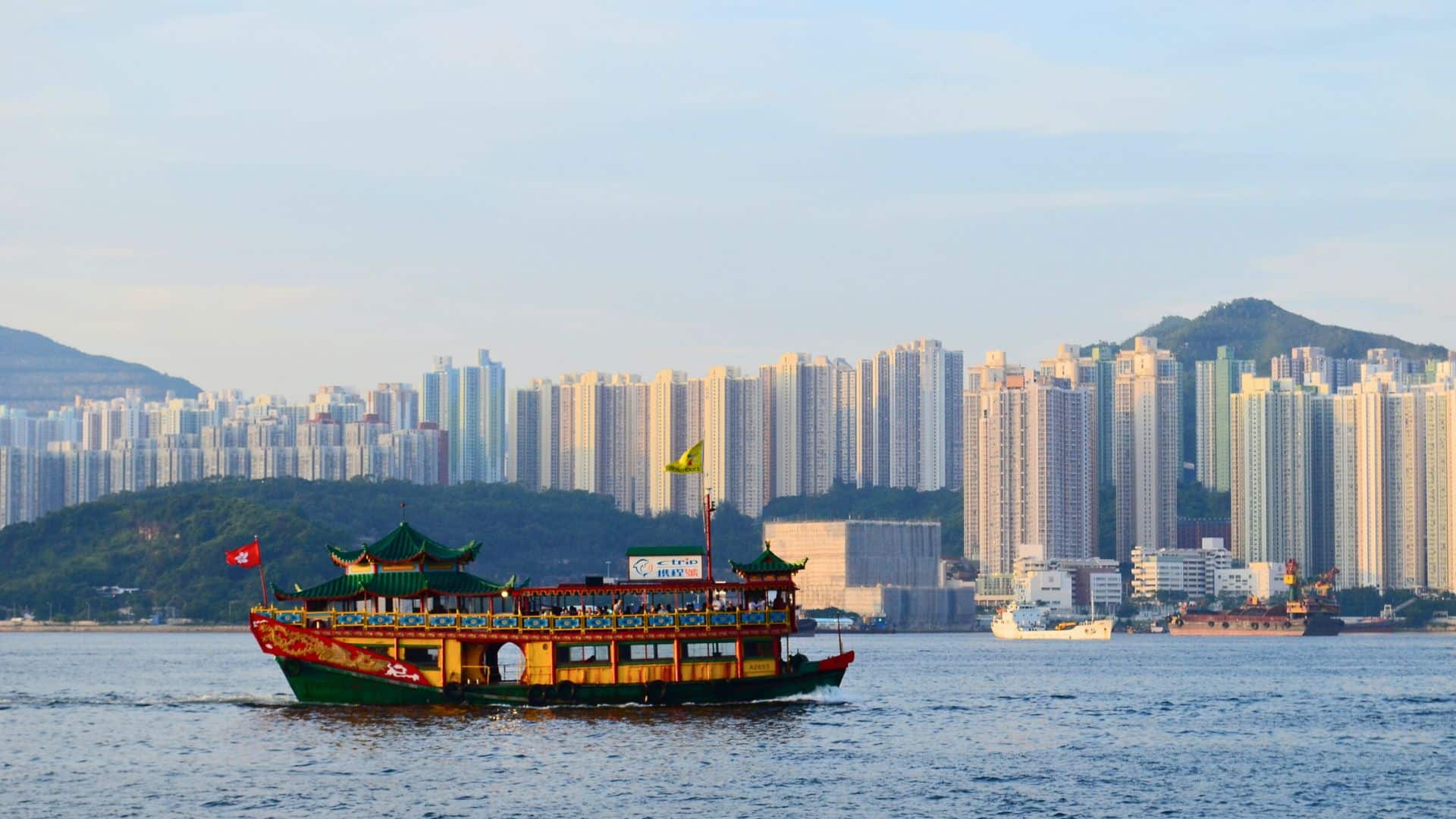
First-time visitors are often struck by sheer scale. Cities stretch endlessly, with towering buildings, wide roads, and dense crowds moving with purpose. Ancient history appears in unexpected places, from neighborhood temples to old city walls, set against modern skylines. Daily routines feel structured around technology, with mobile payments and apps shaping almost every interaction. Language barriers can feel pronounced, especially outside major hubs. Public spaces stay busy at all hours, reflecting long workdays and active evening life. Travelers frequently notice how regional differences influence customs, food habits, and accents, making each stop feel distinct despite shared national identity.
Bolivia
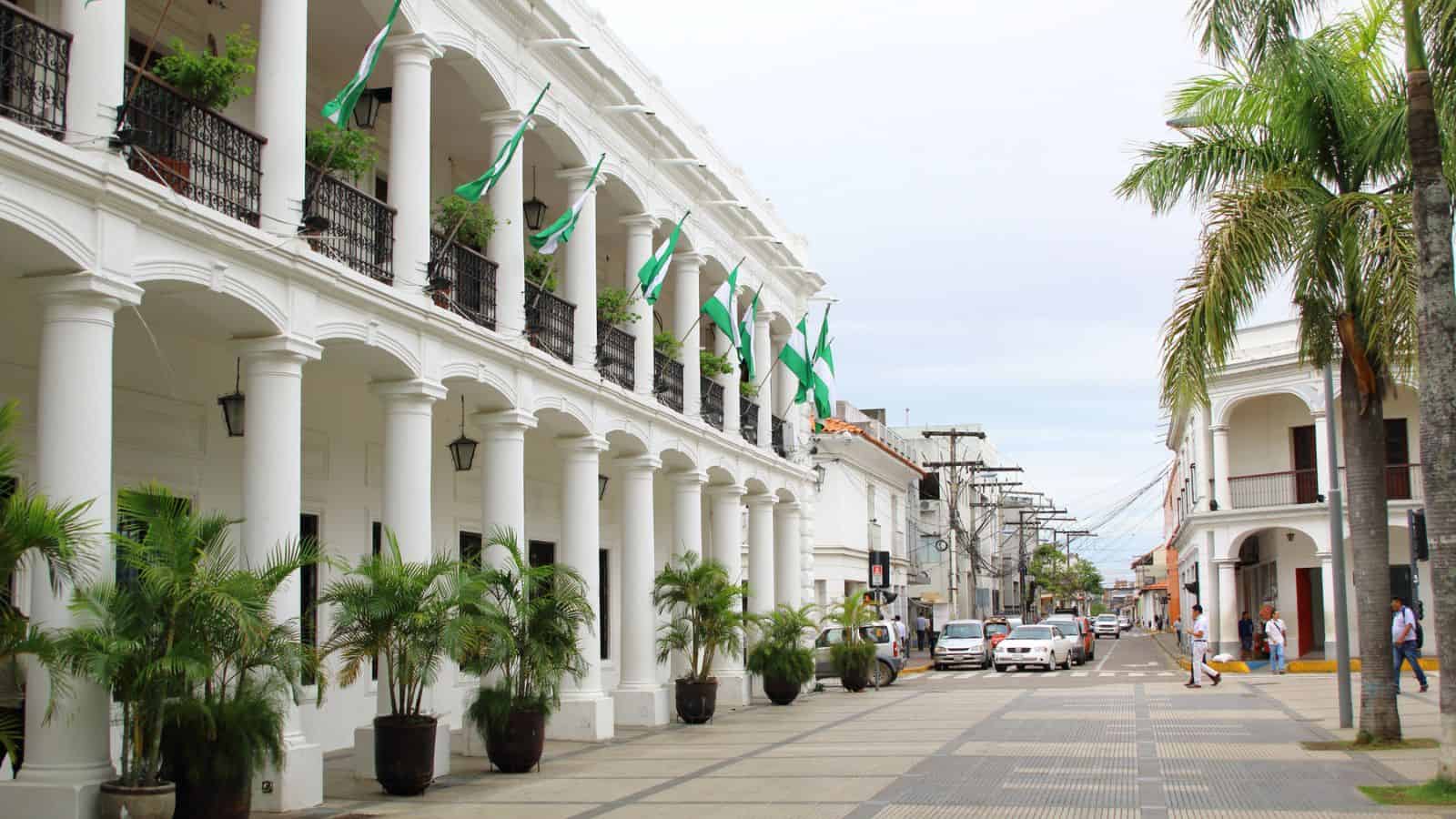
Bolivia surprises many travelers through its physical and cultural intensity. High-altitude cities can leave visitors breathless, both literally and figuratively. Indigenous traditions shape clothing, markets, and festivals in ways rarely seen elsewhere. Infrastructure feels basic in places, encouraging patience and flexibility. Landscapes shift dramatically, from salt flats to jungles to mountain ranges, often within the same journey. Urban centers feel functional rather than polished, reflecting local priorities. Travelers frequently notice a strong sense of community and resilience. The experience can feel raw and unfiltered, challenging assumptions formed from more tourist-focused destinations.
Japan
Want to save this?
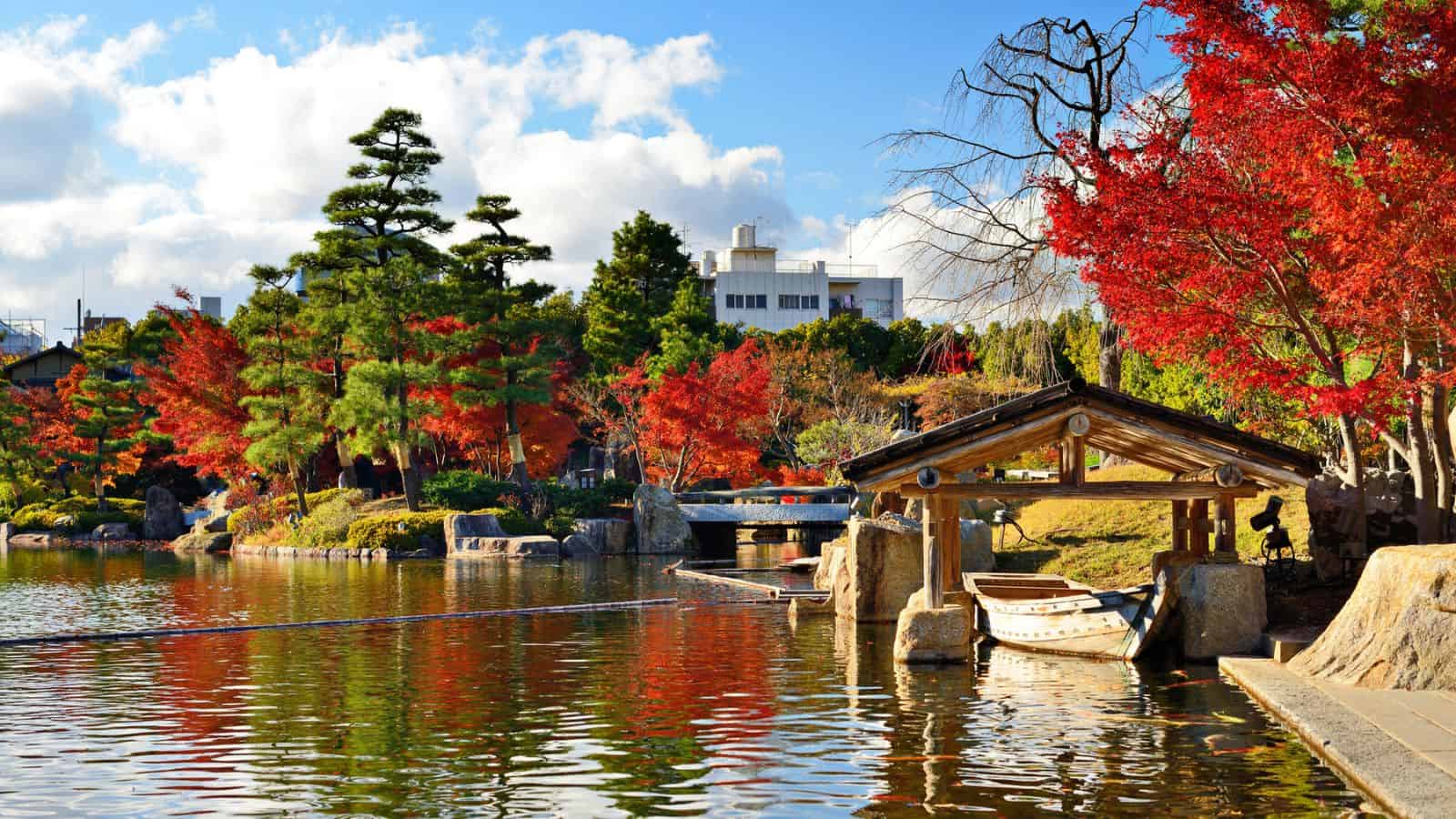
First-time visitors to Japan are often struck by an extraordinary sense of order paired with constant motion. Trains run with remarkable precision, streets remain spotless despite dense populations, and everyday interactions follow clear social rhythms. Ancient temples, quiet gardens, and ritualized customs exist alongside neon-lit districts and advanced robotics. Small details stand out: vending machines everywhere, cash still common, and a deep respect for personal space. Visitors frequently notice how silence is valued in public settings, while cities remain active late into the night. The contrast between restraint and intensity shapes a memorable first impression.
Morocco
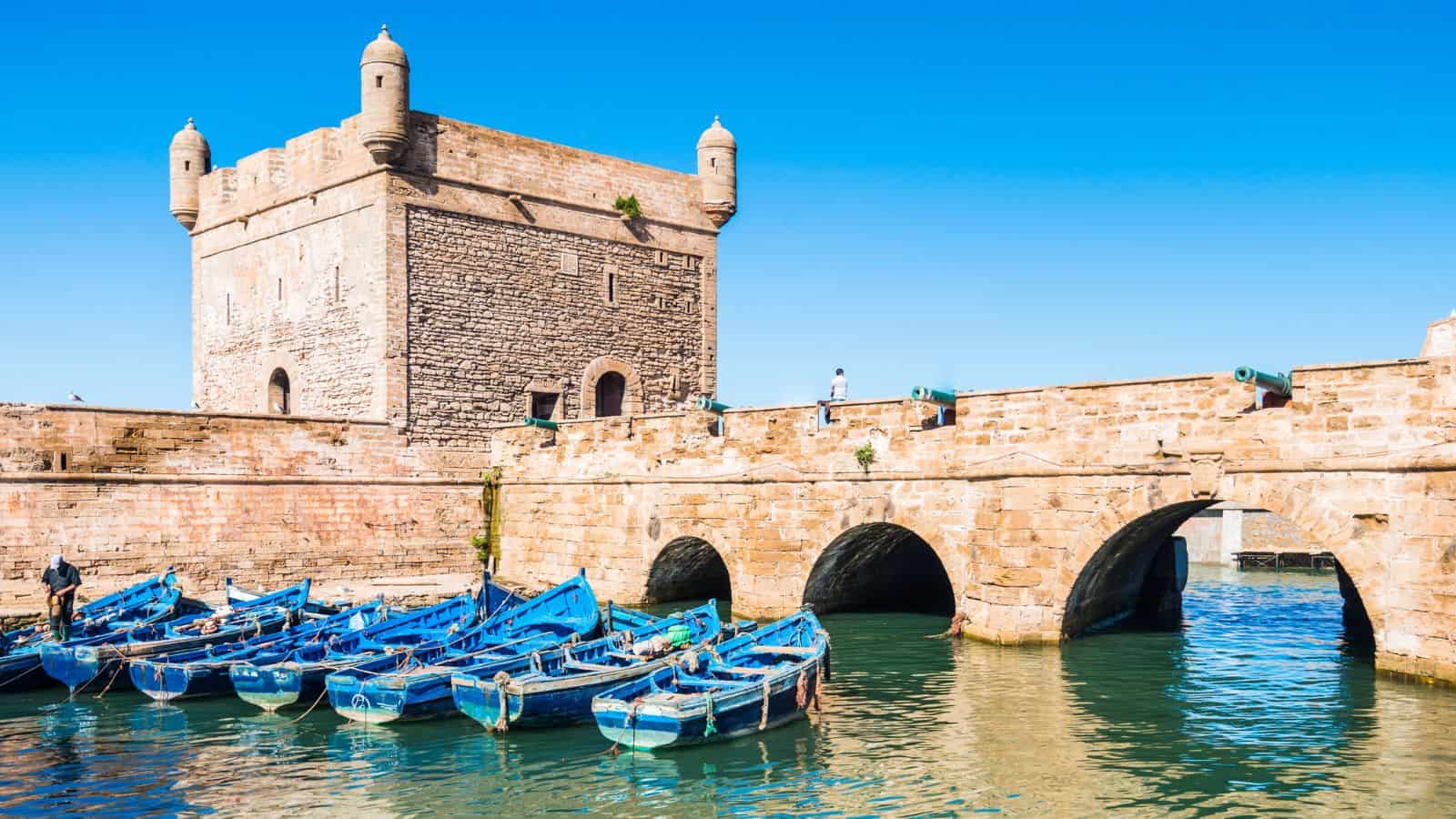
Morocco often surprises newcomers through its intensity and pace. Historic medinas feel maze-like, filled with movement, voices, and craftsmanship unfolding in tight spaces. Cities such as Marrakech and Fes operate on rhythms unfamiliar to many Western travelers, where streets serve as social hubs and commerce flows constantly. Architectural details—tiles, arches, courtyards—appear around unexpected corners. Rural areas reveal slower patterns of life, shaped by geography and tradition. Visitors quickly learn that negotiation is part of daily interaction. The contrast between ancient customs and modern influences creates an environment that feels layered and unpredictable.
South Korea
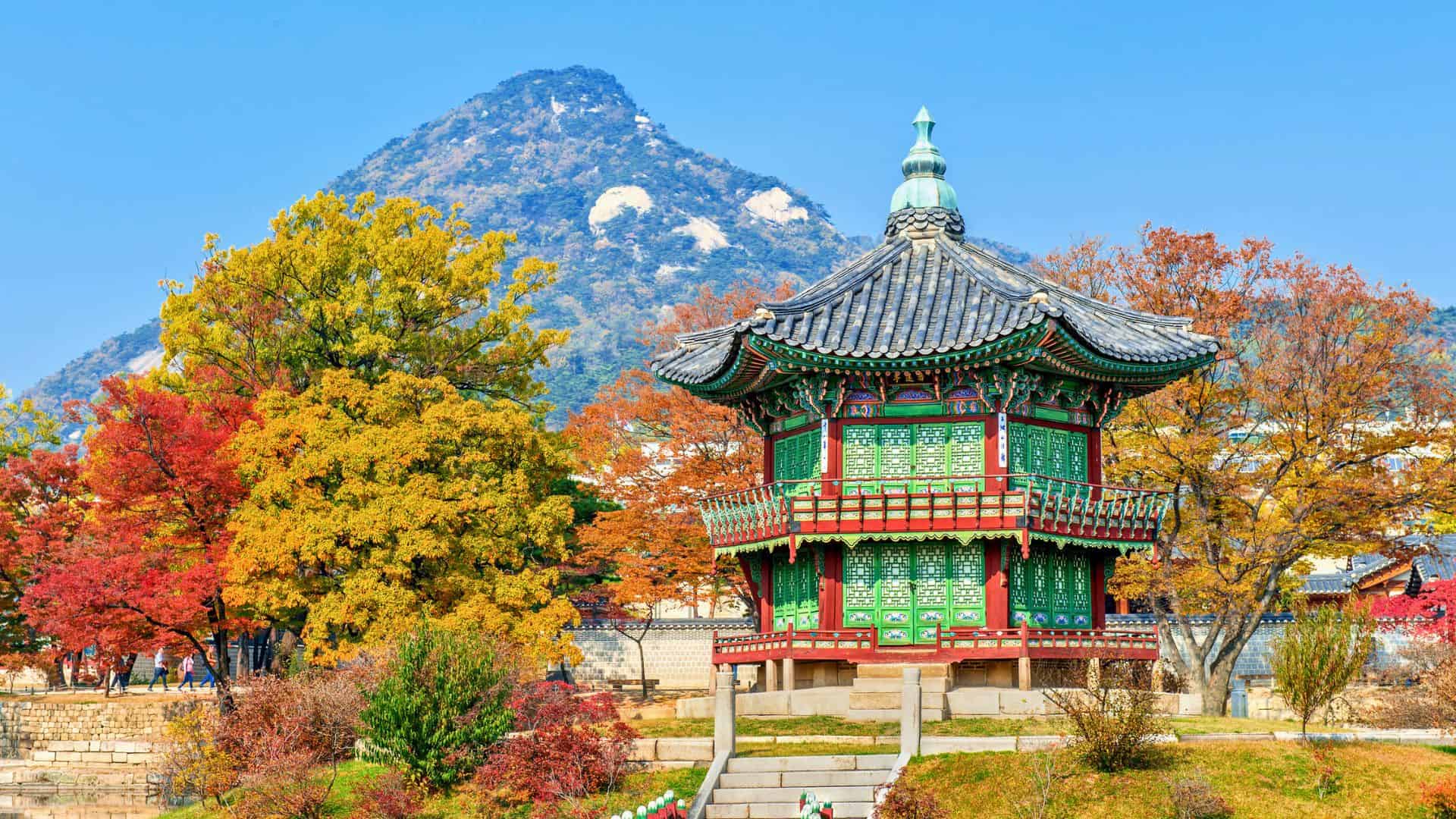
South Korea often surprises visitors through its speed and structure. Internet access is fast, public transport runs late into the night, and cities feel constantly active. At the same time, social expectations around hierarchy, age, and etiquette remain deeply rooted. Skyscrapers tower over historic palaces, creating striking visual contrasts. Night markets, karaoke rooms, and cafés keep neighborhoods busy after dark. Visitors frequently notice how trends spread quickly, from fashion to technology. Despite dense urban living, mountains and hiking trails sit close to major cities, shaping daily routines and leisure time.
New Zealand
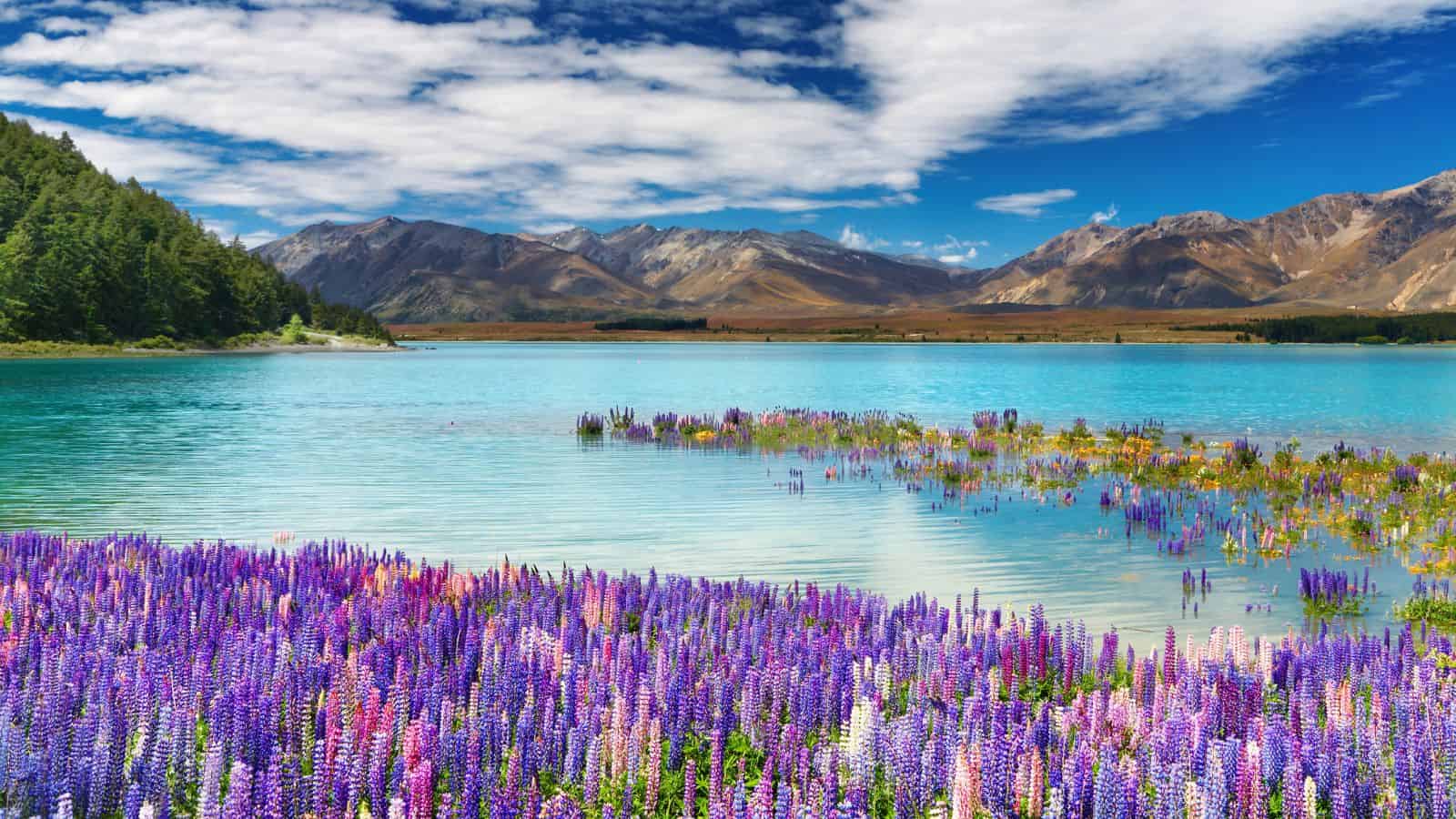
New Zealand often defies expectations through how quickly scenery changes. Coastal areas, mountains, forests, and farmland appear within short distances. Cities feel relaxed and uncrowded, even in major urban centers. Daily interactions tend to be informal, with less emphasis on hierarchy or formality. Outdoor activities shape social life, regardless of the season. Māori culture is visible in language, art, and public spaces, influencing national identity. Visitors are often surprised by how quiet many areas feel, especially outside cities. The balance between modern living and close proximity to nature leaves a strong impression.
Brazil

Many first-time visitors are surprised by the country’s emotional intensity and regional variety. Urban centers feel energetic and expressive, with music, conversation, and movement filling public spaces. Social interactions tend to be open, with physical gestures and direct eye contact common. Daily life differs greatly between regions, shaped by geography and history. Inequality is visible, especially in large cities, yet community bonds remain strong. Nature feels close even in metropolitan areas, from beaches to green hills. Travelers often notice how cultural identity is expressed openly through festivals, sports, and everyday interactions.
Vietnam

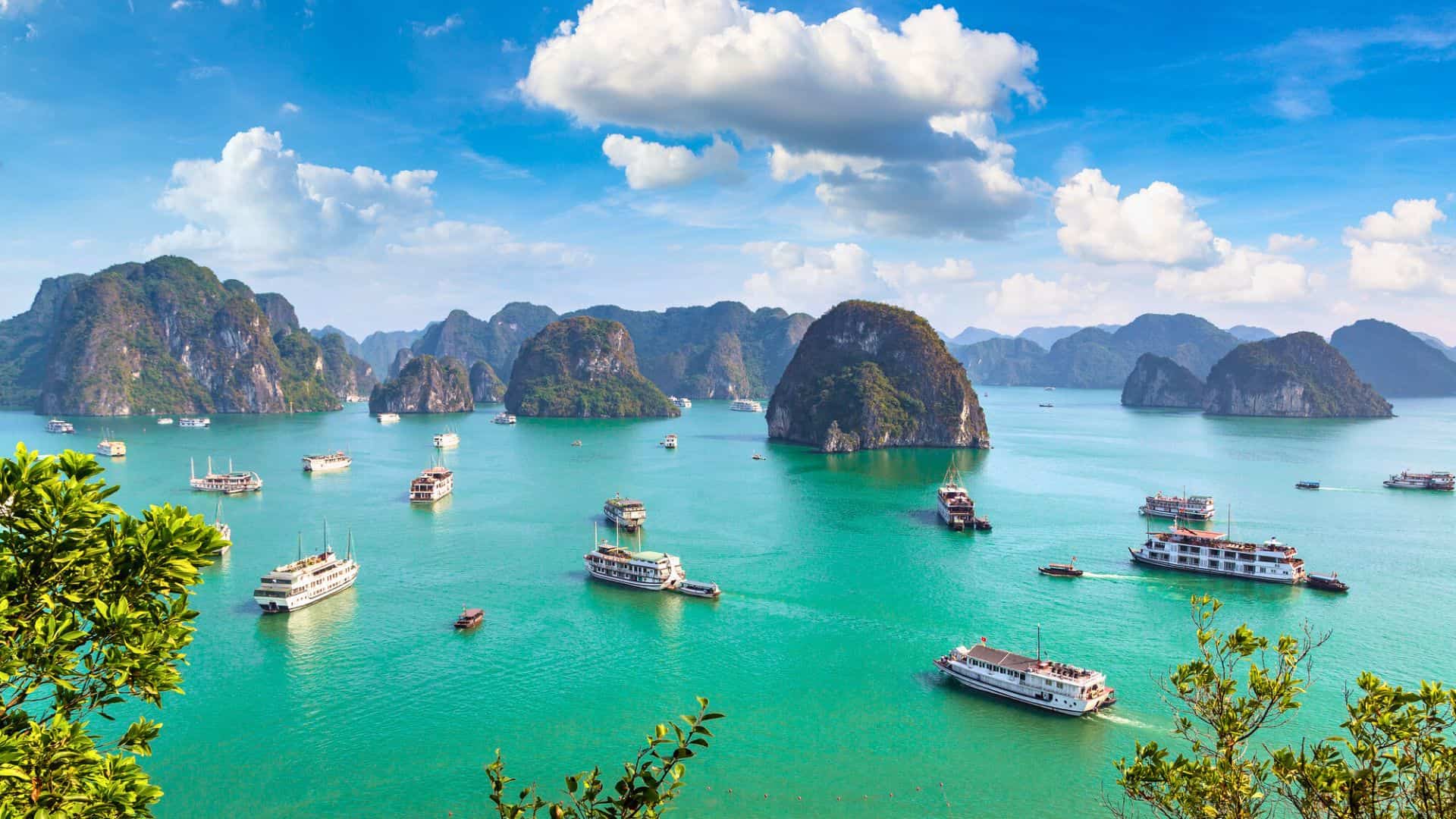
Vietnam frequently surprises first-time visitors with its energy and adaptability. Streets pulse with motorbikes moving in organized chaos, yet daily life flows smoothly within it. Cities change quickly, with modern buildings rising beside older neighborhoods and temples. The country’s history feels present in museums, memorials, and conversations with locals. Rural regions reveal rice fields, rivers, and small communities closely tied to the land. Many travelers notice strong family bonds and an emphasis on education and work ethic. The balance between rapid development and long-standing traditions leaves a strong, lasting impression.
Reality Hits After Landing
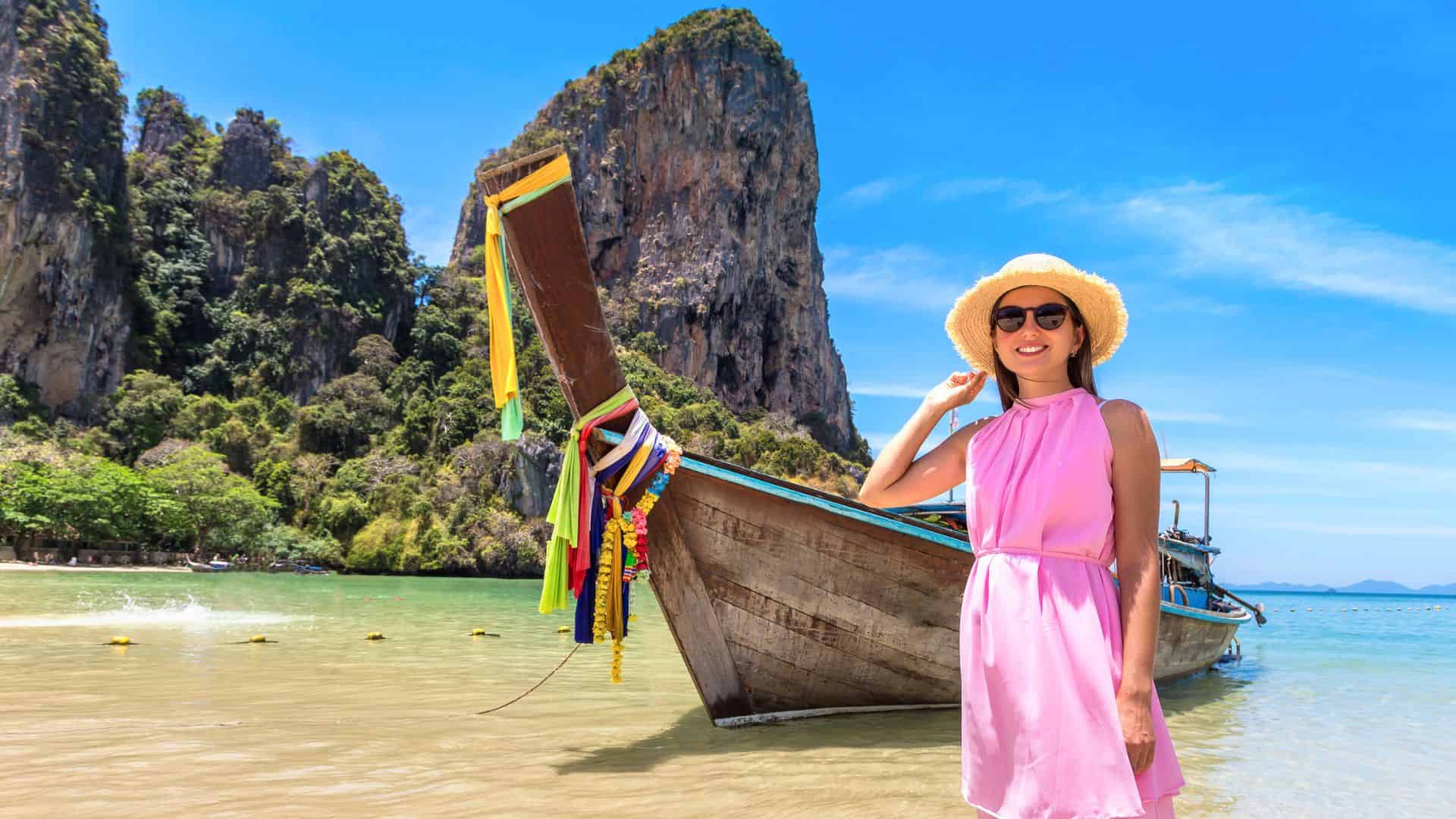
Travel surprises stay with you because they break patterns. They shake loose assumptions you didn’t know you had. A place can look familiar on a screen, then feel totally different once you’re there. Routines change. Social rules shift. Small moments start to matter more than landmarks. That’s when travel stops being about checking boxes and starts feeling personal. Not better or worse. Just real.
If this list does anything, it should spark curiosity. Not pressure. You don’t need to chase a perfect trip or copy someone else’s path. Let surprises happen. Let things feel strange for a bit. That’s usually where the best memories come from. Travel doesn’t have to be smooth to be great. Sometimes it works best when it catches you off guard and makes you rethink what you thought you knew.
10 Canadian Regions Where Visitors Felt Out of Place

While Canada boasts some of the most beautiful landscapes in the world, certain regions can leave travelers feeling out of place. With their bustling urban centers, high traffic, and overwhelming crowds, these areas can be a lot to handle for those unfamiliar with them. From the crowded streets of major cities to areas with a distinct local culture, some regions may seem harder to navigate for those expecting a peaceful retreat. The fast-paced environment, combined with regional customs and the sheer number of people, can be a shock for first-time visitors.
Read More Here: 10 Canadian Regions Where Visitors Felt Out of Place
9 Everyday Rules in Japan That Surprise U.S. Visitors

Traveling to Japan can feel like stepping into a different rhythm of daily life. Small details that locals consider routine often surprise visitors from the United States. With these everyday rules in Japan that surprise U.S. visitors, it becomes clear how cultural expectations shape interactions, from train etiquette to dining customs. Something as simple as handling money or using public transportation has its own set of standards, and those unspoken rules can catch outsiders off guard. Knowing them ahead of time can help avoid awkward moments while making the trip far smoother.
Read More Here: 9 Everyday Rules in Japan That Surprise U.S. Visitors