Sea levels are rising faster than many expected, and these 13 countries that could disappear if sea levels rise are especially vulnerable. Even small increases in water levels can cause big problems. Flooding, erosion, and saltwater creeping into freshwater sources threaten homes, farms, and entire communities. For many people living in these places, the future is uncertain as they watch their land slowly disappear.
Understanding which countries are most at risk helps us grasp the real impact of climate change beyond just numbers and charts. These places show us how rising seas can reshape the world in ways that affect millions. While the situation is serious, learning about it is a step toward finding solutions and supporting those who face the greatest threats. It’s a reminder that climate change affects us all, no matter where we live.
Malta
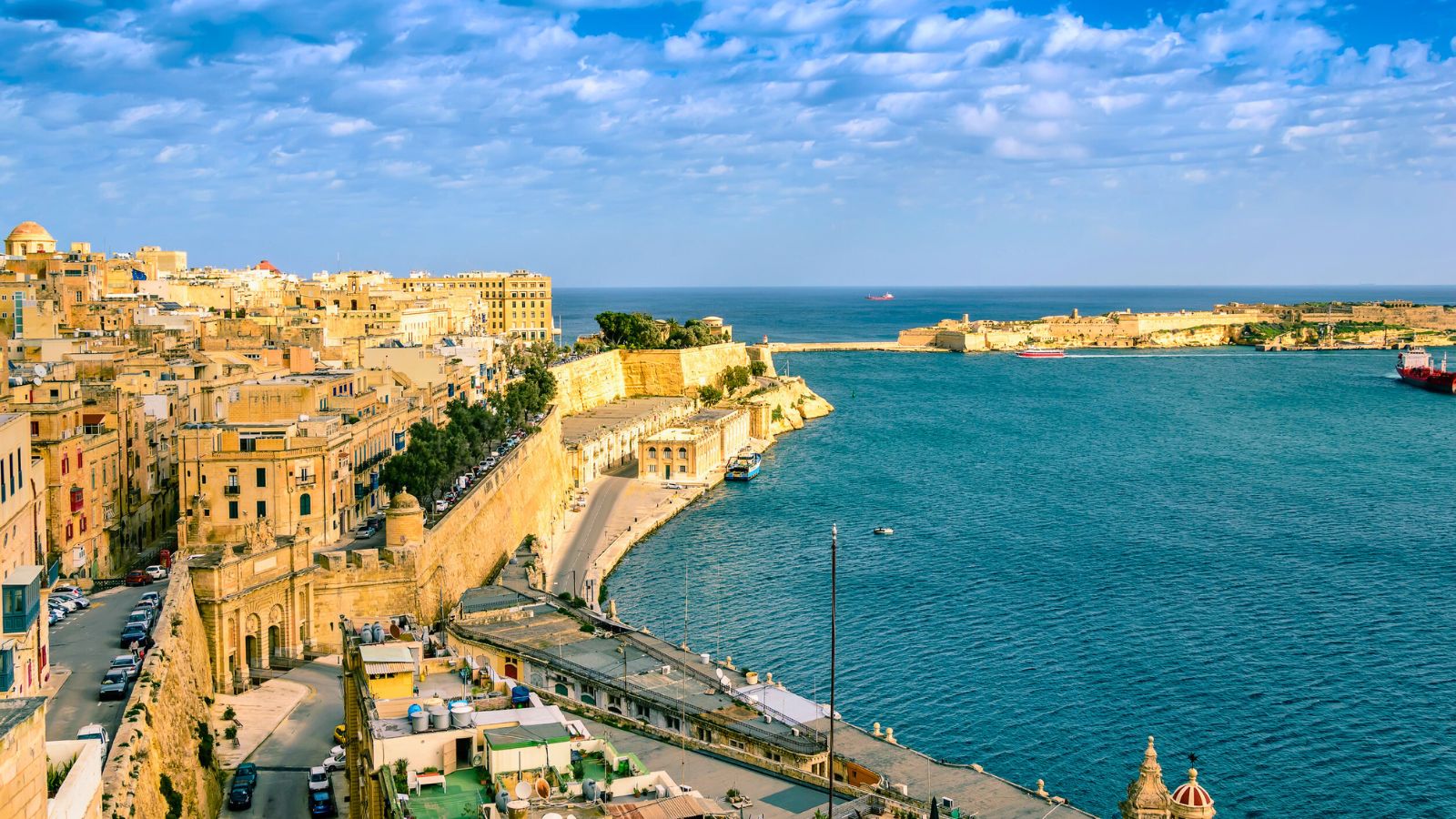
Situated in the Mediterranean Sea, this island nation has a coastline characterized by low-lying areas susceptible to flooding and erosion. Rising sea levels threaten infrastructure, historical sites, and residential zones near the shore. Limited land area and high population density increase the risks associated with coastal changes. Water scarcity and saltwater intrusion into groundwater are additional concerns. Adaptation strategies include strengthening coastal defenses and improving urban planning to mitigate the impact of environmental changes.
The Bahamas
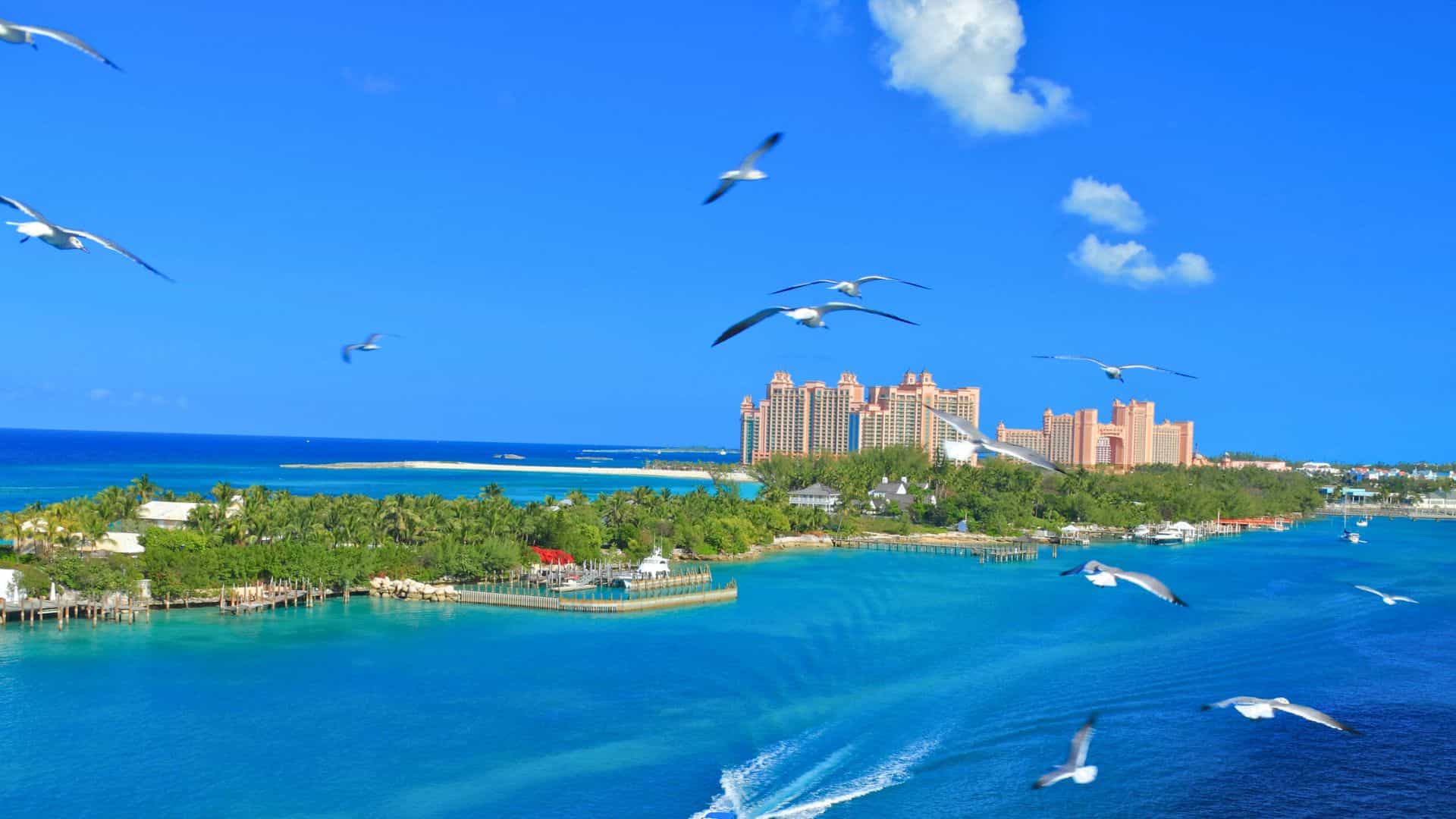
This collection of over 700 islands and cays in the Caribbean is particularly vulnerable to rising seas and stronger hurricanes. Many inhabited islands have low elevation, making them susceptible to flooding and storm surges. Coastal infrastructure, homes, and natural ecosystems such as mangroves and coral reefs face increasing threats. The tourism industry, a major economic driver, depends heavily on the health of these coastal zones. Efforts to improve resilience include building protective barriers and restoring natural buffers against the ocean’s advance.
Kiribati
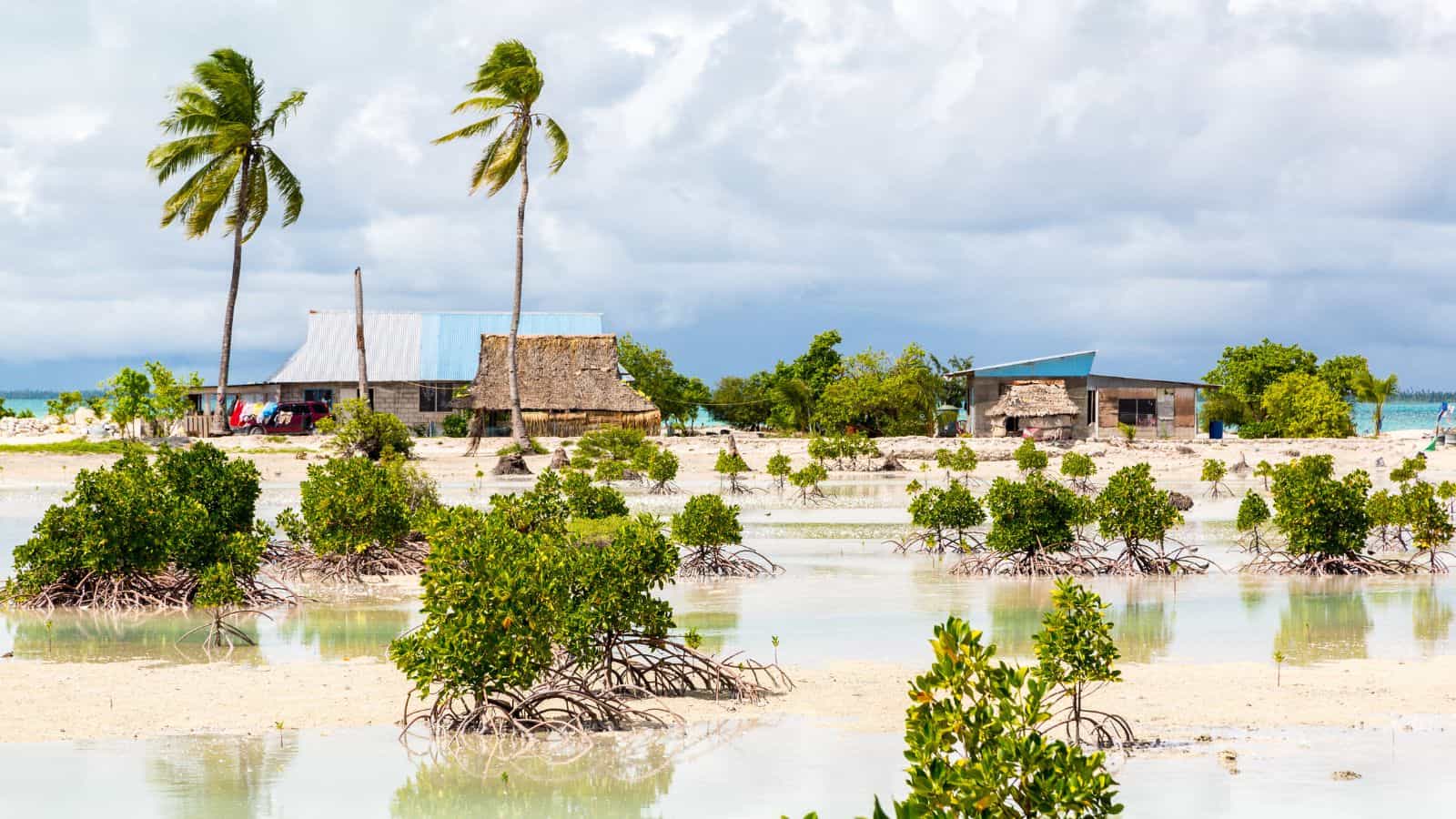
Kiribati is an island nation situated in the central Pacific Ocean, made up of 33 atolls and reef islands. The country faces a serious threat from rising sea levels, as much of its land lies just a meter or two above the ocean. Saltwater intrusion affects freshwater supplies and agricultural land, creating challenges for food security. Kiribati has been actively seeking international support to relocate parts of its population, as the long-term habitability of its islands is increasingly uncertain due to climate change.
Fiji

Located in the South Pacific, this country consists of more than 300 islands, several of which are low-lying and at risk from rising ocean levels. Saltwater intrusion threatens freshwater supplies and agricultural land, while coastal erosion affects settlements and infrastructure. The tourism sector, vital to the economy, faces potential damage from environmental changes. Many communities depend on the natural environment for their livelihoods and cultural practices, making adaptation measures critical for sustaining life and heritage in the face of climate threats.
Marshall Islands
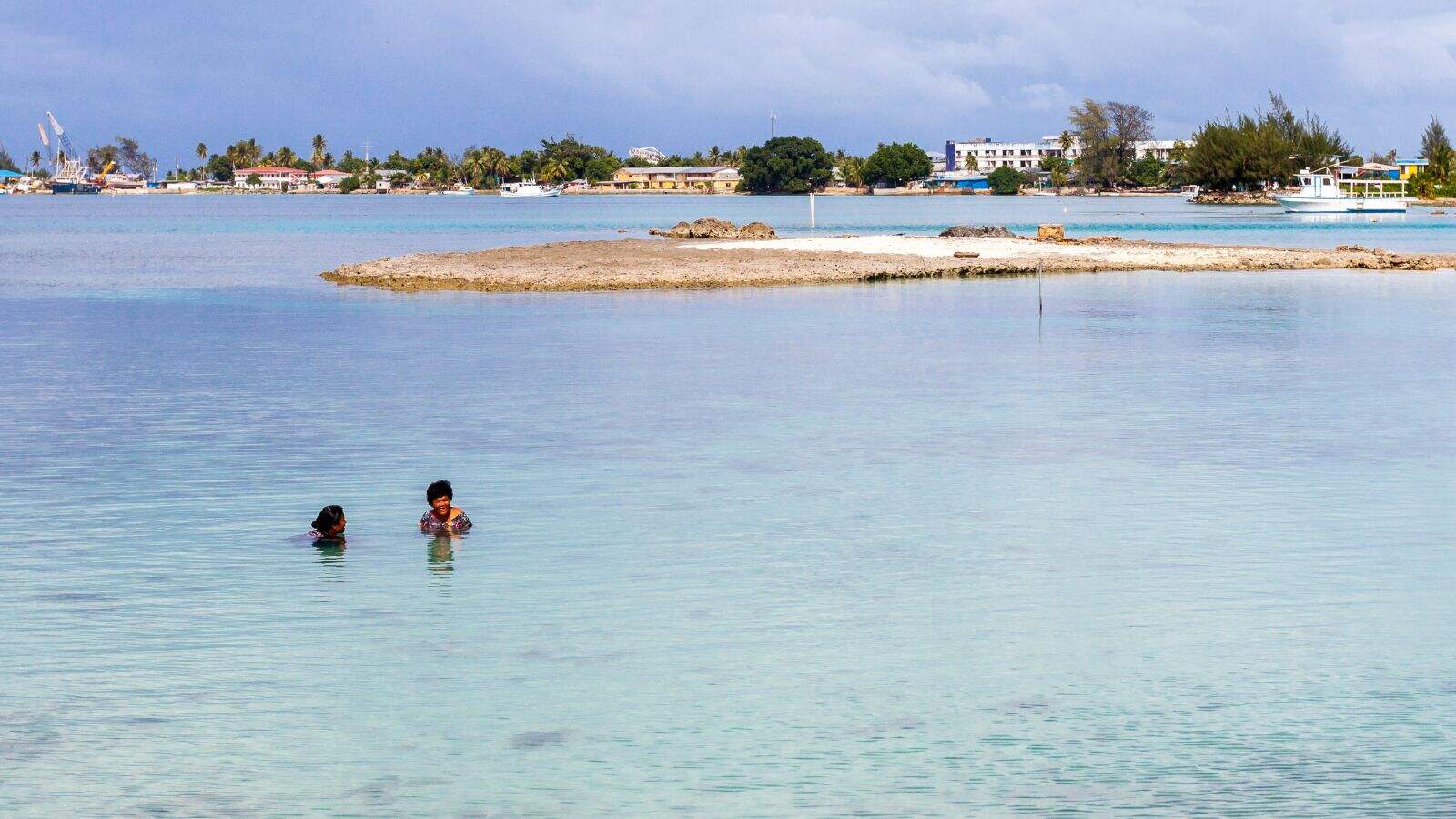
The Marshall Islands consist of 29 atolls and five isolated islands in the central Pacific Ocean. These low-lying islands are particularly susceptible to flooding caused by sea-level rise and storm surges. The nation’s freshwater lenses are fragile and easily contaminated by saltwater, impacting drinking water availability. The Marshallese people have strong cultural ties to their land, and the potential loss of territory threatens their identity and traditions. Efforts to adapt include building sea walls and other protective measures, but risks remain high.
Tuvalu
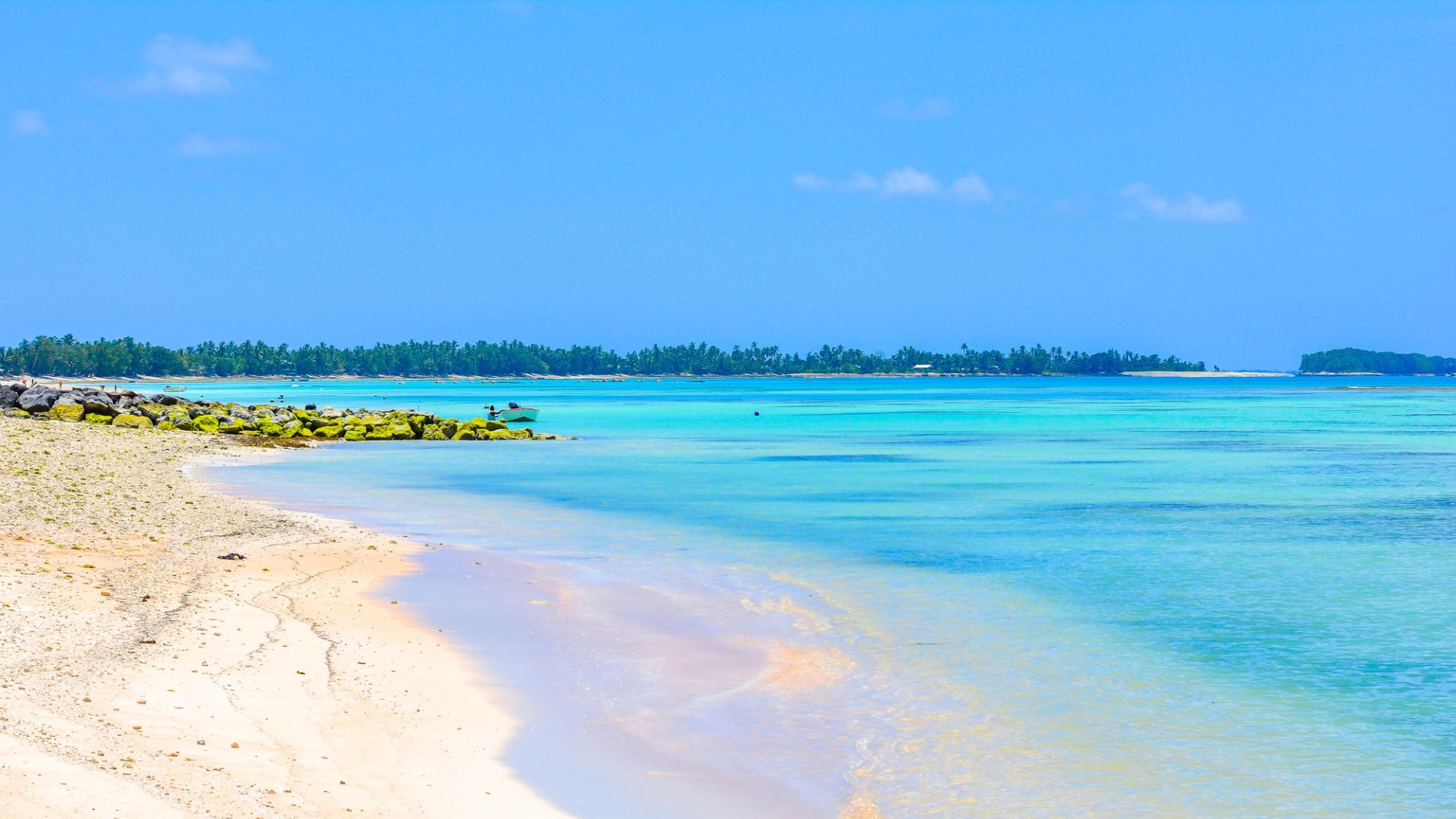
Tuvalu is a small island country in the Pacific Ocean, consisting of nine tiny atolls and reef islands. Its highest point is only a few meters above sea level, which places it at high risk from flooding and coastal erosion. The limited landmass and scarce freshwater resources make it difficult for residents to adapt to environmental changes. Tuvalu’s cultural heritage and traditional way of life are deeply connected to its land, and rising seas threaten to disrupt these communities significantly.
Vietnam

Located in Southeast Asia, this country has a long coastline and a vast delta region formed by the Mekong and Red Rivers. Low-lying areas are prone to flooding, saltwater intrusion, and land subsidence, which threaten agriculture and densely populated communities. Coastal cities face increased risks from typhoons and storm surges. Efforts to adapt include improving flood defenses, restoring mangroves, and implementing sustainable land management practices. The livelihoods of millions depend on these measures as environmental pressures intensify.
Netherlands
Want to save this?
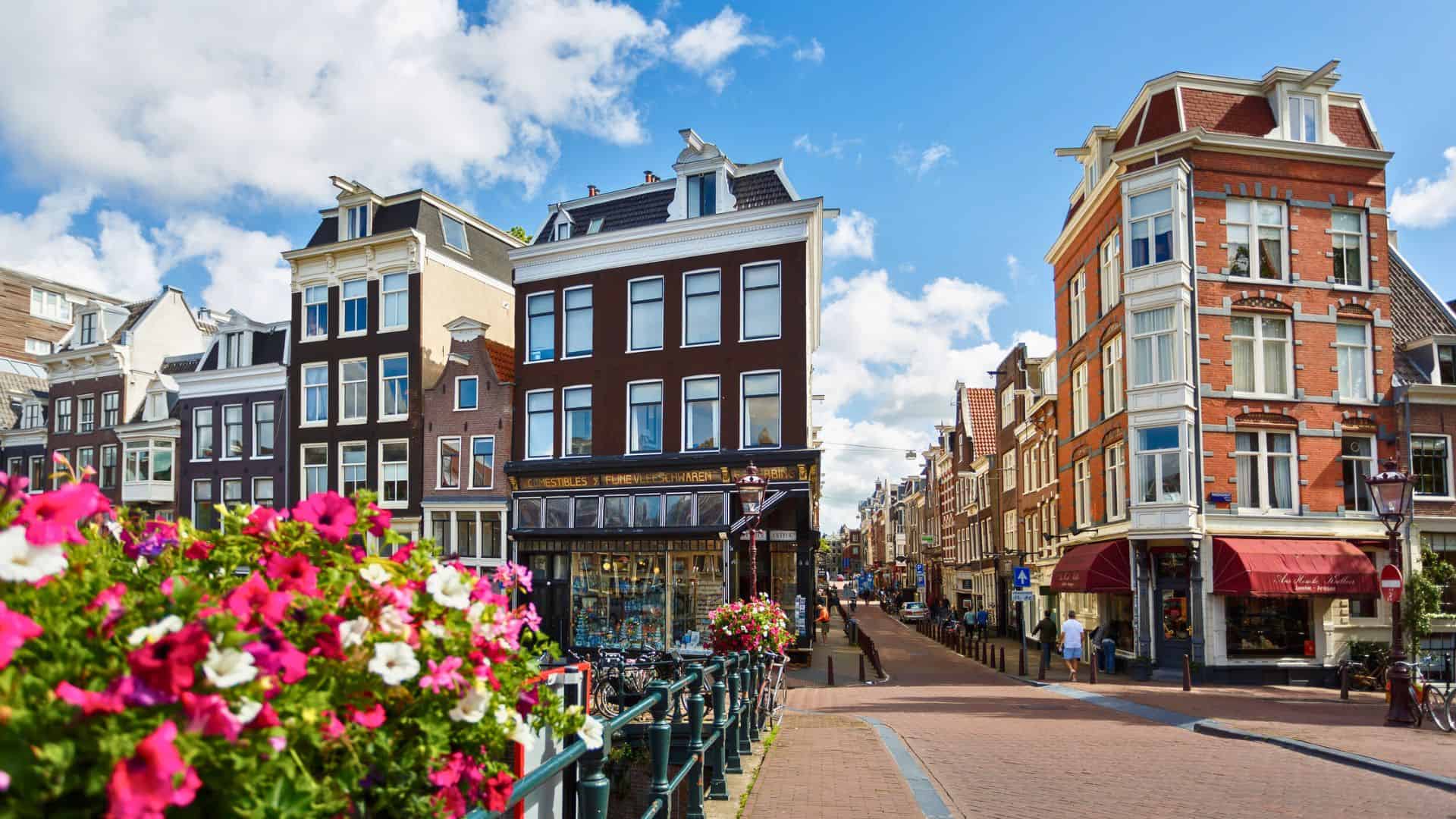
Known for its extensive system of dikes, canals, and pumps, this European country has a large portion of its land below sea level. Rising seas and increased river flooding create ongoing challenges for water management. The country has developed sophisticated flood defense systems to protect cities and agricultural areas. However, the long-term impacts of climate change require continuous innovation and investment in infrastructure. Urban planning and environmental policies are focused on maintaining safety while accommodating population growth and economic activity.
Maldives

The Maldives is an island nation located in the Indian Ocean, composed of around 1,200 small coral islands grouped into 26 atolls. It is known for its exceptionally low elevation, with an average ground level of just about 1.5 meters above sea level. This makes it extremely vulnerable to rising ocean waters, which threaten to submerge its islands completely. The country’s economy heavily relies on tourism and fishing, both sensitive to environmental changes. Its population faces the risk of displacement if the islands become uninhabitable.
Vanuatu
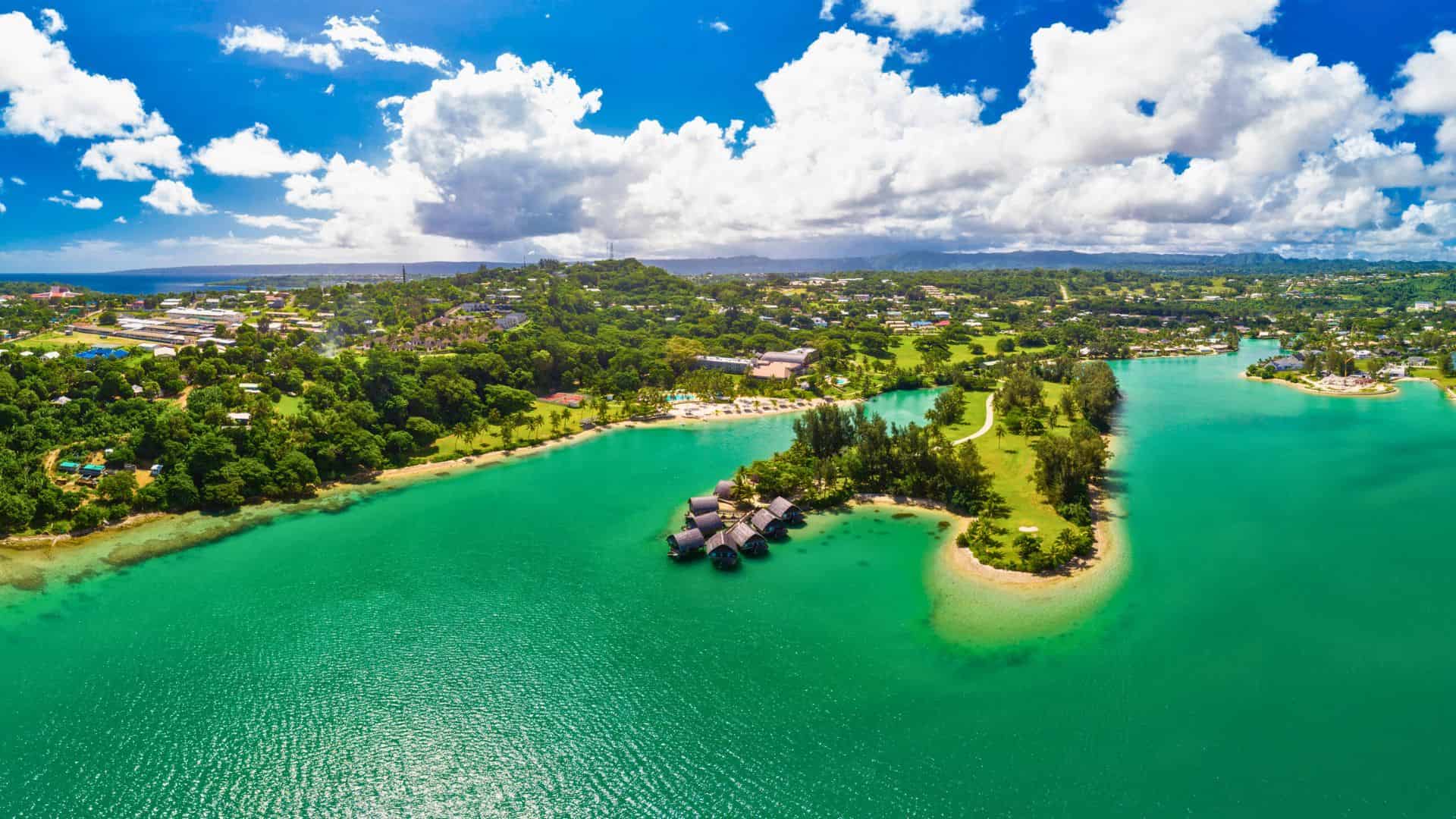
This Pacific island nation comprises around 80 islands, many of which are vulnerable to the effects of sea-level rise and extreme weather events. Coastal communities often experience flooding and loss of land due to erosion. The country’s economy, largely dependent on agriculture and tourism, is at risk from environmental disruptions. Traditional lifestyles and cultural heritage are tied closely to the land, which makes displacement a serious concern. Efforts to enhance resilience include disaster preparedness and infrastructure improvements.
Singapore
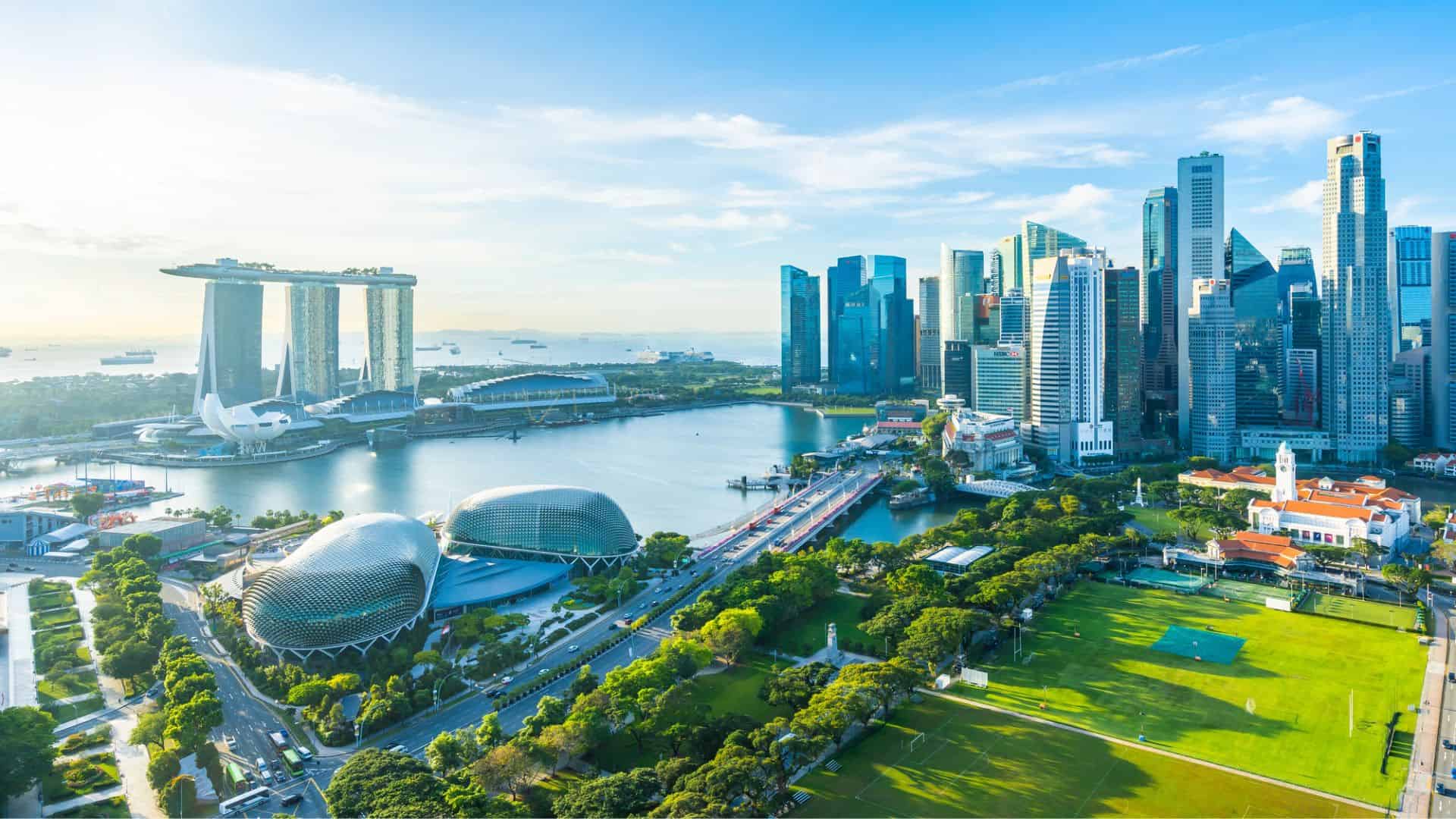
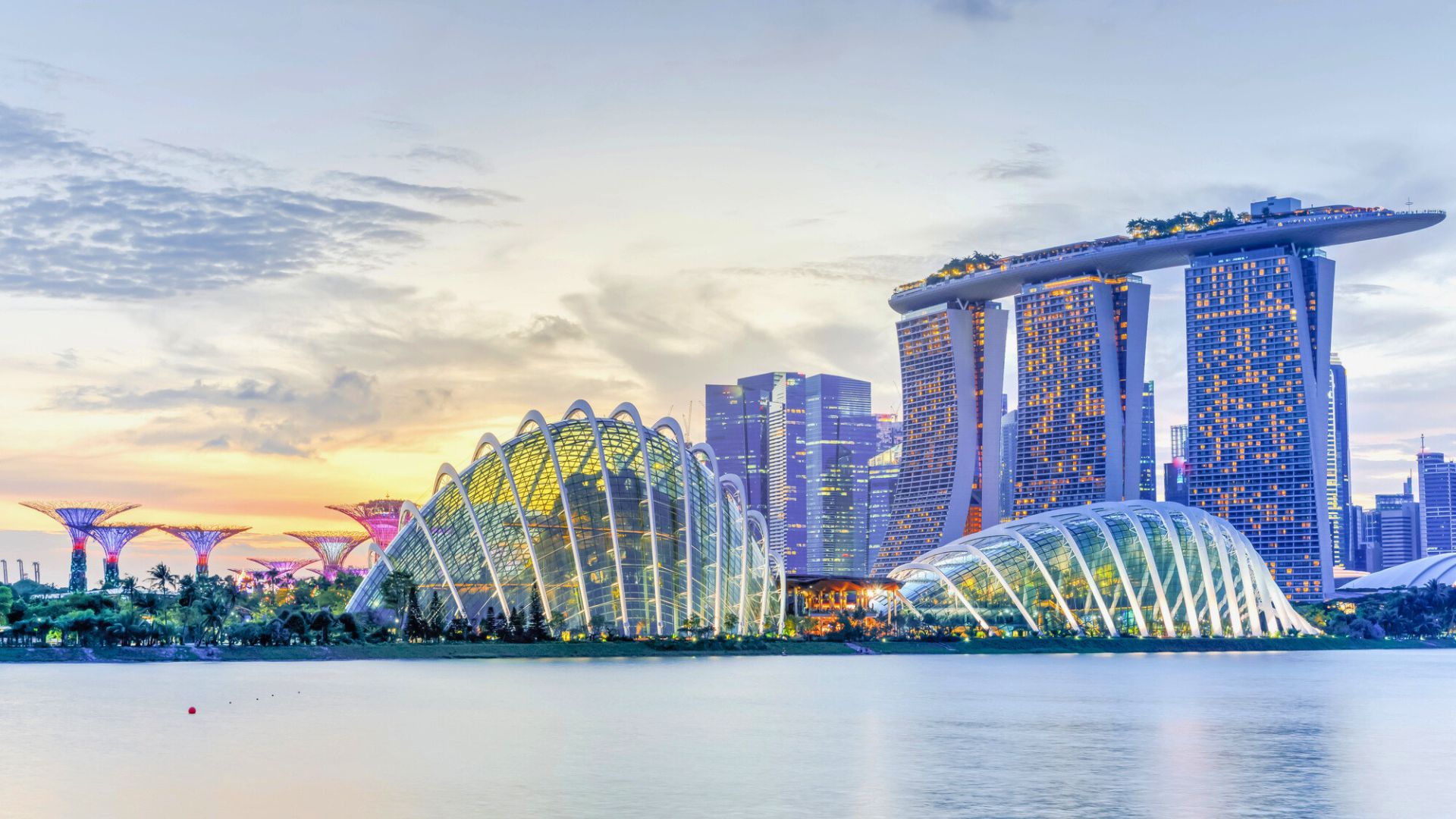
A highly urbanized city-state located at the southern tip of the Malay Peninsula, it has extensive coastal areas that face risks from sea-level rise and intensified rainfall. Land reclamation has increased its size, but much of the territory remains vulnerable to flooding. Advanced engineering and infrastructure projects are underway to manage water levels and protect urban zones. Given its economic importance as a global financial hub and port, safeguarding against coastal hazards is a national priority, with significant resources dedicated to adaptation.
Bangladesh

Bangladesh is a densely populated country located on the delta of several major rivers, including the Ganges and Brahmaputra. Much of its land lies at or near sea level, making it prone to flooding from rising sea levels and intensified storm surges. Coastal areas face increased salinity, which harms agriculture and freshwater sources. Millions of people live in vulnerable zones, and displacement due to flooding is a growing concern. The country is investing in infrastructure improvements and disaster preparedness to cope with these environmental challenges.
Seychelles
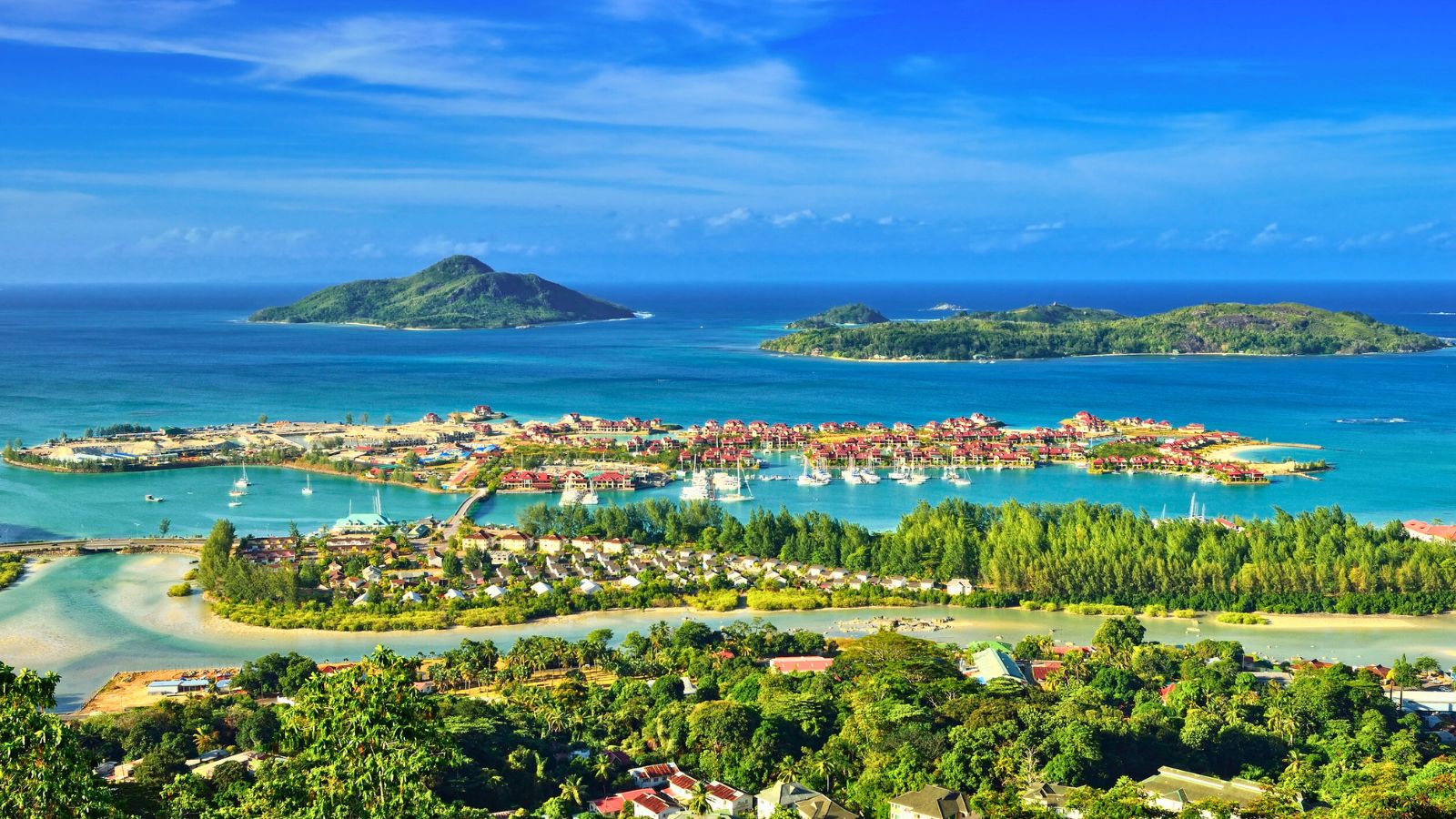
Located in the Indian Ocean, this archipelago consists of 115 islands, many of which are low-lying and vulnerable to rising sea levels. Coastal erosion and increased flooding pose significant threats to its natural habitats and human settlements. The islands’ unique ecosystems, including coral reefs and beaches, face disruption from changing ocean conditions. Tourism and fishing are important sectors that could be impacted by environmental shifts. Efforts to manage coastal zones and protect biodiversity are ongoing but face growing challenges.
Rising Seas, Falling Maps
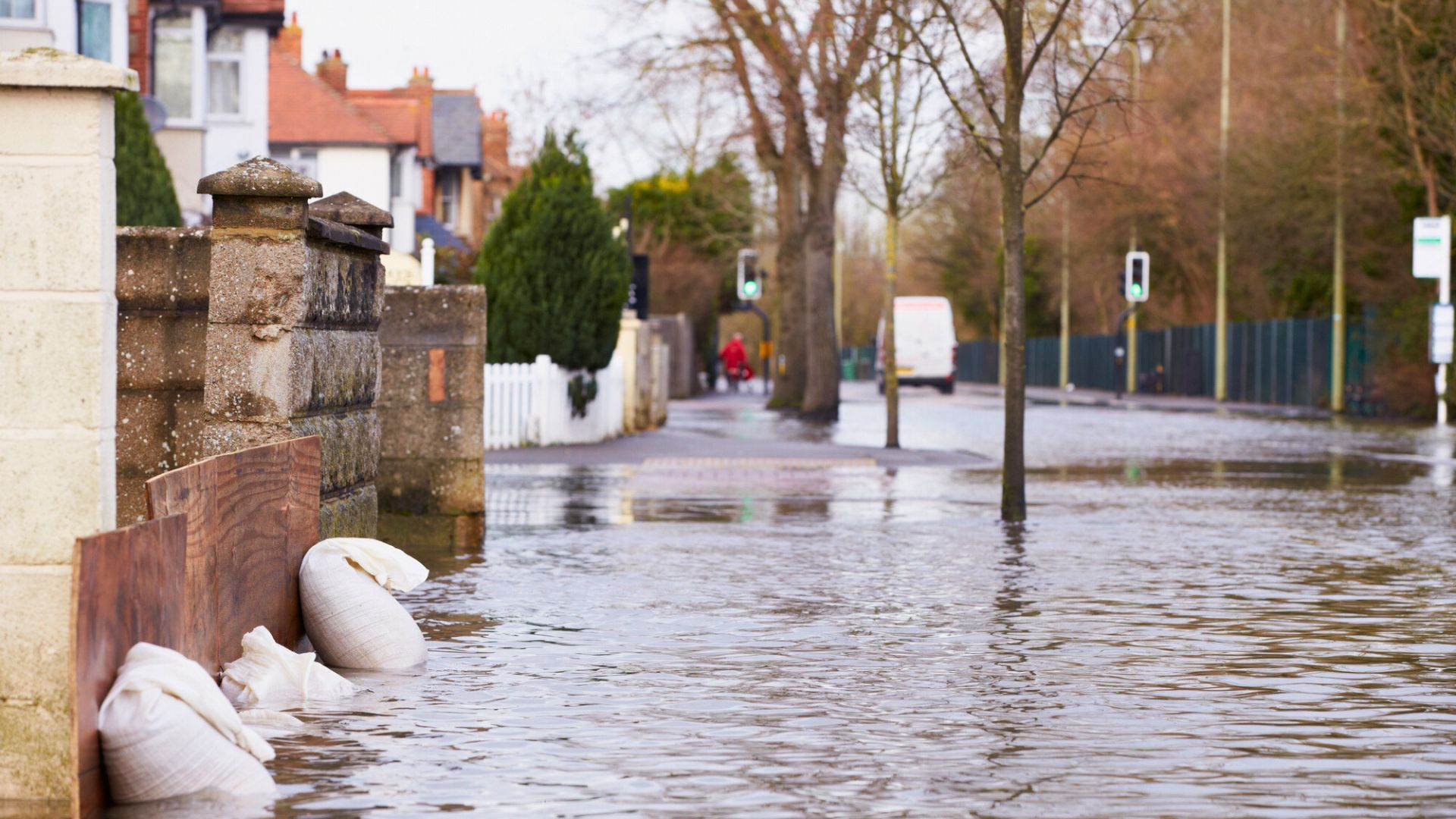
Rising sea levels aren’t just a distant problem; they’re already changing the world we live in. The countries most at risk remind us that climate change has real, tangible effects on people’s homes and futures. These challenges highlight the importance of paying attention and taking action before more land and communities are lost.
While some places face tough times ahead, the situation also pushes us to think about how we can adapt and support those affected. It’s a chance to come together, learn from what’s happening, and work toward solutions that protect both people and the planet. The stories of these countries serve as a clear warning and a call to act because the choices we make today will shape the world for generations to come.
13 Countries at Risk of Losing Famous Landmarks to Climate Change

Rising seas, extreme weather, and shifting landscapes are putting parts of the world’s heritage in danger. There are countries at risk of losing famous landmarks to climate change, with sites that have stood for centuries now facing an uncertain future. From ancient ruins to natural wonders, the threats range from erosion and flooding to intense storms that could permanently alter these places. For travelers, historians, and locals alike, the possibility of losing these icons is more than just a cultural loss—it’s a reminder of the urgent need for action.
Read More here: 13 Countries at Risk of Losing Famous Landmarks to Climate Change
13 Countries Where Tourism Comes With Serious Risk Factors

Tourism can be an enriching and rewarding experience, but there are some destinations where the risks outweigh the rewards. Certain countries present serious safety concerns for tourists, whether due to political instability, natural disasters, health outbreaks, or ongoing conflicts. These destinations, while beautiful and historically rich, require extra caution, and travelers must be well-prepared before setting foot on their soil.
Read More Here: 13 Countries Where Tourism Comes With Serious Risk Factors