Rising seas, extreme weather, and shifting landscapes are putting parts of the world’s heritage in danger. There are countries at risk of losing famous landmarks to climate change, with sites that have stood for centuries now facing an uncertain future. From ancient ruins to natural wonders, the threats range from erosion and flooding to intense storms that could permanently alter these places. For travelers, historians, and locals alike, the possibility of losing these icons is more than just a cultural loss—it’s a reminder of the urgent need for action.
With these locations, the clock is ticking. Visiting now means experiencing landmarks that may not look the same in a few decades—or might not survive at all. Knowing which sites are most vulnerable can inspire more mindful travel and greater appreciation for the history and beauty they hold. Explore the countries where climate change poses the greatest risk to world-famous landmarks and see why protecting them matters more than ever.

Italy

Italy’s landmarks, from Venice’s canals to the ruins of Pompeii, face serious threats from climate change. Rising sea levels increase flooding in Venice, damaging historic buildings and weakening foundations. Coastal erosion affects ancient sites like Paestum, while extreme heat and shifting weather patterns contribute to cracks and structural degradation in centuries-old stonework. Glacial retreat in the Alps impacts traditional mountain architecture, and agricultural shifts affect cultural landscapes like Tuscany’s vineyards. Restoration efforts are ongoing, but the combination of environmental pressures makes protecting Italy’s heritage more difficult than ever.
Egypt

Egypt’s ancient treasures, including the Pyramids of Giza and Luxor’s temples, are increasingly at risk from shifting climate patterns. Extreme heat accelerates the erosion of limestone, while stronger winds carry abrasive sand that wears down intricate carvings. Rising sea levels threaten the Nile Delta’s archaeological sites, and unpredictable flooding impacts the preservation of ancient structures. Changes in humidity cause damage to wall paintings and ancient masonry. The combination of environmental stress and urban encroachment means Egypt’s historical heritage requires more intensive conservation to withstand future climate challenges.
United States

The United States faces multiple threats to its historic landmarks due to climate change. Coastal sites such as the Statue of Liberty and Jamestown are at risk from sea level rise and stronger storm surges. National parks like Glacier and Everglades see habitat changes that indirectly affect historic structures. Wildfires threaten cultural heritage areas in California, while flooding impacts riverfront cities rich in history, such as New Orleans. Increasingly unpredictable weather patterns require significant adaptation strategies to protect sites that hold both national and global cultural importance.
Australia

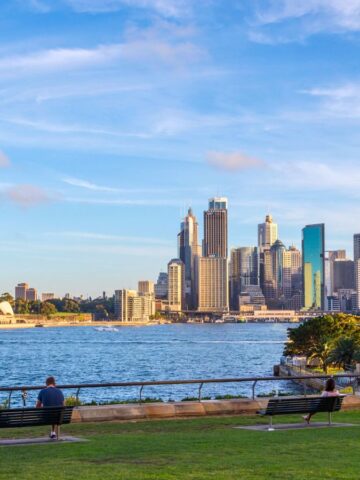
Australia’s landmarks, including the Great Barrier Reef and Sydney Opera House, are under growing climate pressure. Coral bleaching threatens the Reef’s cultural and ecological significance, while rising sea levels and extreme storms increase damage risk to coastal heritage sites. Iconic natural formations like Uluru face ecosystem changes that could alter their surrounding environments. Bushfires intensify during hotter summers, putting both natural and built heritage at risk. The preservation of Australia’s landmarks now demands both climate resilience measures and community-led conservation initiatives.
Greece

Greece’s heritage, from the Acropolis to centuries-old island towns, faces increasing risks due to climate change. Intense heatwaves damage ancient stonework and cause cracks in marble structures. Rising sea levels threaten low-lying islands with historic settlements, while heavier rainfall erodes archaeological sites. Wildfires pose a significant risk to both cultural and natural heritage areas. Coastal erosion impacts historical harbors, altering their original structure and usability. Preservation efforts now must address a wider range of environmental hazards that were far less frequent in previous decades.
Spain

Spain’s historic cities, ancient fortresses, and cultural landscapes face increasing threats from climate change. Rising temperatures and prolonged droughts weaken old masonry and wooden structures, while heavier rains cause flooding that damages historical districts. Coastal erosion impacts iconic sites along the Mediterranean and Atlantic shores, including parts of Cádiz and Valencia. Inland, extreme weather patterns strain the preservation of UNESCO-listed areas such as the Alhambra in Granada. These combined pressures mean conservation teams must adapt faster to protect Spain’s rich cultural and architectural heritage from further degradation.
Indonesia
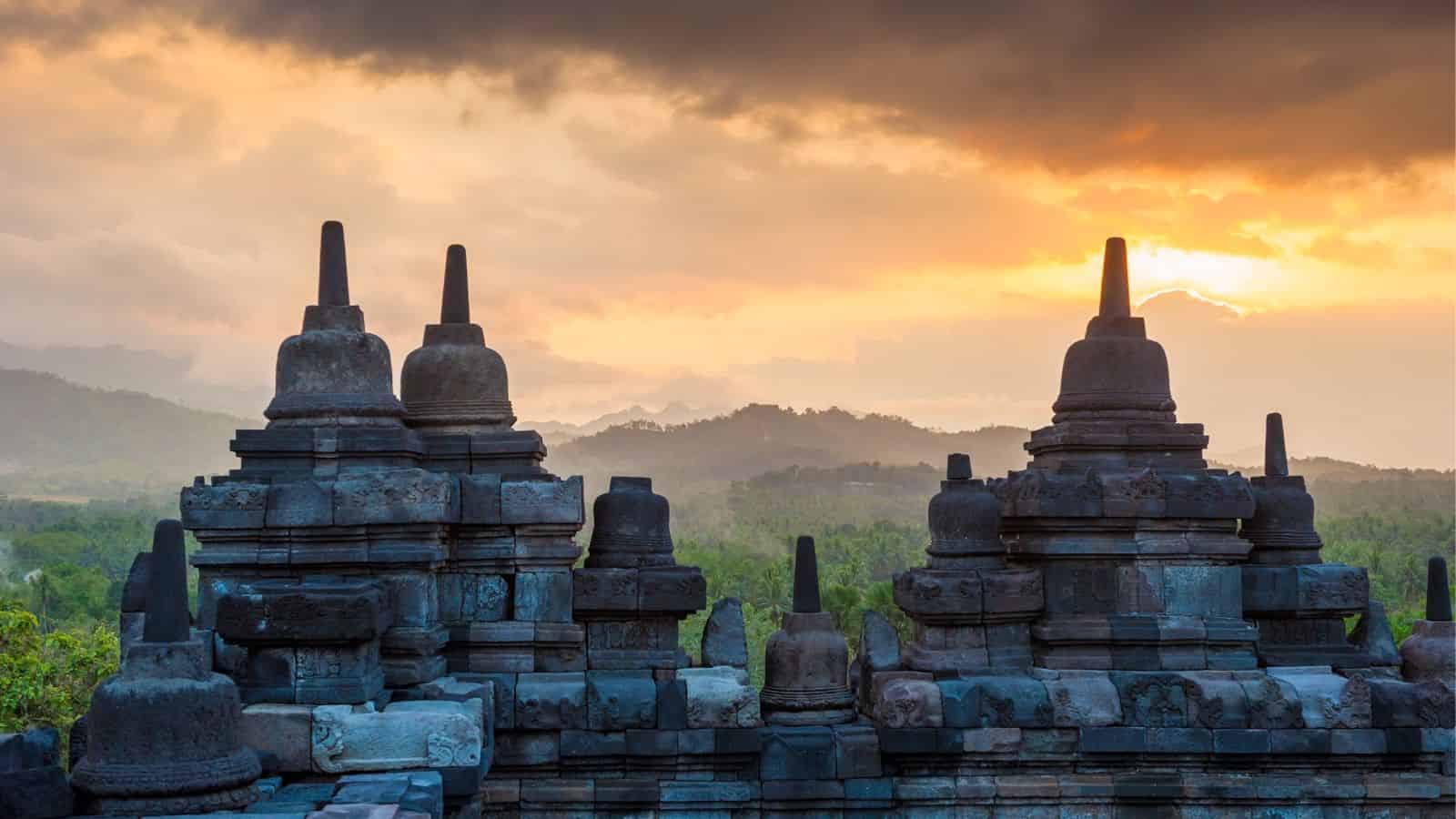
Indonesia’s cultural heritage, from Borobudur Temple to centuries-old mosques and traditional villages, is highly vulnerable to changing climate conditions. Rising sea levels threaten coastal heritage areas, while increasingly severe storms cause structural damage to historic buildings. Earthquakes and volcanic activity, compounded by heavy rainfall and flooding, accelerate the deterioration of ancient stone and woodwork. In low-lying areas, saltwater intrusion damages both foundations and surrounding ecosystems. Preservation requires addressing not only weather extremes but also geological factors that are becoming more intense under climate change.
Want to save this?
Peru

Peru’s landmarks, including Machu Picchu and the ancient city of Chan Chan, face significant threats from shifting climate patterns. Heavy rainfall increases the risk of landslides in the Andes, while changing humidity levels damage stonework and adobe structures. Coastal erosion impacts archaeological sites along the Pacific, while glacier melt alters water flow that historically sustained Incan agricultural terraces. Rising temperatures affect the preservation of delicate artifacts. These environmental changes, combined with tourism pressures, create an urgent need for adaptive conservation approaches in Peru.
Japan

Japan’s heritage, from Kyoto’s temples to coastal shrines like Itsukushima, is facing mounting challenges due to climate change. Rising sea levels threaten low-lying cultural sites, while heavier typhoons cause flooding and structural damage. Increased humidity and temperature fluctuations accelerate wood decay and mold growth in historic buildings. In mountainous regions, landslides put ancient paths and shrines at risk. Earthquake activity combined with changing weather patterns adds complexity to preservation efforts, requiring continuous adaptation to protect both tangible and intangible cultural assets.
China

China’s historic and cultural landmarks, from the Great Wall to ancient water towns, face mounting threats due to climate change. Increased rainfall and extreme weather events accelerate erosion of stone and brick structures. Rising sea levels endanger coastal heritage sites like the city of Xiamen, while desertification threatens regions with ancient relics such as Dunhuang’s Mogao Caves. Glacial melt in Tibet also impacts sacred monasteries. Pollution combined with changing climate patterns speeds deterioration, requiring more frequent maintenance and restoration efforts to protect structures that have stood for centuries against new and intensifying environmental challenges.
Mexico
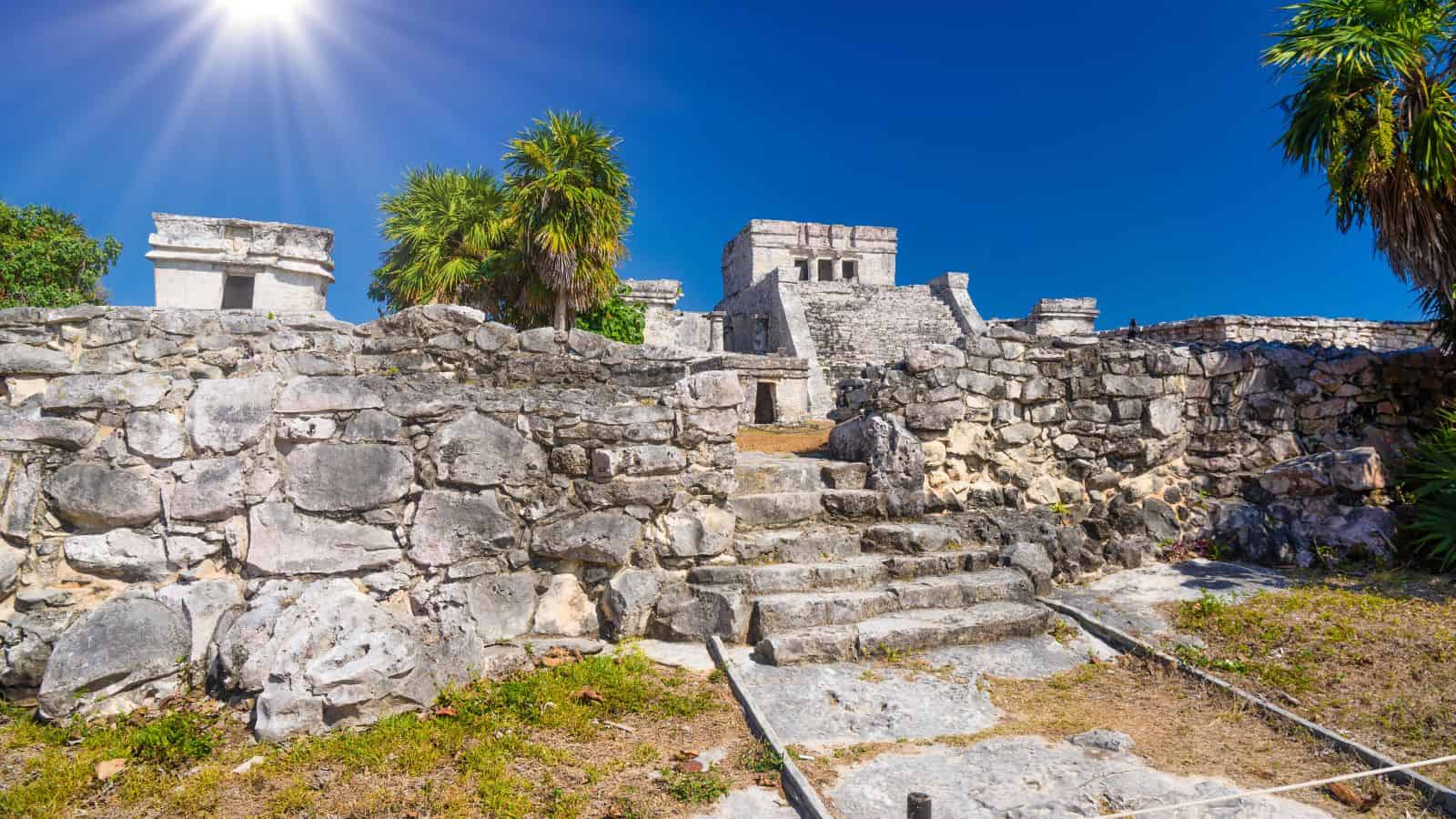
Mexico’s heritage ranges from Mayan ruins to Spanish colonial cities, many of which are threatened by extreme weather patterns and sea level rise. Coastal archaeological sites, including Tulum and Campeche, face erosion from stronger storms and saltwater intrusion. Inland, heavy rainfall and flooding damage stonework and cause structural instability. Rising humidity and temperature fluctuations promote biological growth that weakens ancient masonry. Cultural treasures in regions prone to hurricanes are particularly vulnerable, with restoration projects often delayed by recurring climate impacts, creating ongoing challenges for conserving Mexico’s rich architectural and archaeological legacy.
Brazil

Brazil’s landmarks, such as Rio de Janeiro’s Christ the Redeemer and the historic center of Salvador, face growing risks from severe weather and environmental shifts. Intense rainfall and flooding threaten hillside communities and cultural districts, while coastal erosion impacts heritage along the Atlantic. In the Amazon, indigenous archaeological sites are vulnerable to deforestation and altered rainfall patterns. Higher humidity levels accelerate material decay, particularly in older buildings with traditional construction. The combination of natural and human-induced pressures makes safeguarding Brazil’s cultural treasures increasingly challenging under changing climate conditions.
Cambodia

Cambodia’s Angkor Wat and other ancient temple complexes are at risk due to shifting weather patterns, prolonged droughts, and flooding. Changes in monsoon timing affect water systems that historically supported these structures. Droughts weaken the surrounding soil, while intense rains erode foundations and masonry. Increased vegetation growth during wetter periods further damages stone surfaces. Beyond natural factors, rising temperatures and tourism pressures amplify the wear on these landmarks. Preservation teams face the challenge of balancing environmental threats with the need to maintain access for visitors while protecting Cambodia’s most iconic cultural heritage sites.
12 Overhyped American Landmarks That Locals Know to Avoid

Certain American landmarks are often marketed as “must-see” destinations, drawing thousands of tourists every year. However, locals in those areas often have a different perspective and know that some of these places are overhyped. Whether it’s the high prices, crowded conditions, or lackluster experiences, many iconic spots fail to live up to their reputation. For travelers looking to make the most of their vacation, avoiding these overpublicized landmarks can free up time to explore more rewarding and less crowded attractions.
Read More Here: 12 Overhyped American Landmarks That Locals Know to Avoid
12 Stunning Lake Towns in the U.S. That Are Perfect for Year-Round Living

Lake visits are always trips to look forward to, imagine living near one! Living near the water can be a dream come true, and there are 12 stunning lake towns in the U.S. that are perfect for year-round living. These towns offer breathtaking views, a strong sense of community, and plenty of outdoor activities to enjoy throughout the seasons. From fishing and boating in the summer to cozying up by the fireplace in the winter, life by the lake provides a unique and fulfilling lifestyle.
Read More Here: 12 Stunning Lake Towns in the U.S. That Are Perfect for Year-Round Living