Food lovers talk about Michelin stars the way sports fans talk about championships, and 13 cities with the most michelin starred restaurants often become reference points in that conversation. They signal skill, focus, and years of hard work on the plate. Some cities quietly collect these stars, while others turn them into a big part of daily life. Walk a few blocks and you might pass a tiny counter spot, a polished dining room, and something in between, all holding serious recognition.
This article looks at places where that standard shows up again and again. These cities attract chefs who push themselves, diners who pay attention, and inspectors who keep a close eye on consistency. Some are loud and fast, others calm and traditional. If food guides shape your travel plans, you’re in the perfect place to start reading.

Tokyo

Tokyo holds the world record for Michelin‑starred restaurants, regularly exceeding two hundred establishments across all star levels. The Michelin Guide Tokyo debuted in 2007, marking the first non‑European city edition. Starred venues range from intimate sushi counters seating fewer than ten guests to refined kaiseki houses rooted in centuries‑old customs. Tokyo is also notable for Michelin recognition across varied price points, including ramen shops and tempura specialists. Many chefs train for decades before leading a counter. Seasonal ingredients, precise knife skills, and strict sourcing standards play central roles. Reservations are often scarce, reflecting intense local demand.
Paris

Paris represents the historical foundation of the Michelin Guide, which originated in France in 1900. The city consistently maintains more than one hundred starred restaurants, including several prestigious three‑star institutions. Parisian fine dining emphasizes classical French techniques, structured tasting menus, and rigorous sauce work. Many globally recognized chefs built their reputations here before expanding internationally. The city’s inspection standards influence Michelin practices worldwide. Starred restaurants appear across arrondissements, from grand dining rooms near the Champs‑Élysées to compact neo‑bistro settings. Paris also houses numerous culinary schools, reinforcing its role as a training ground for professional chefs worldwide.
Kyoto
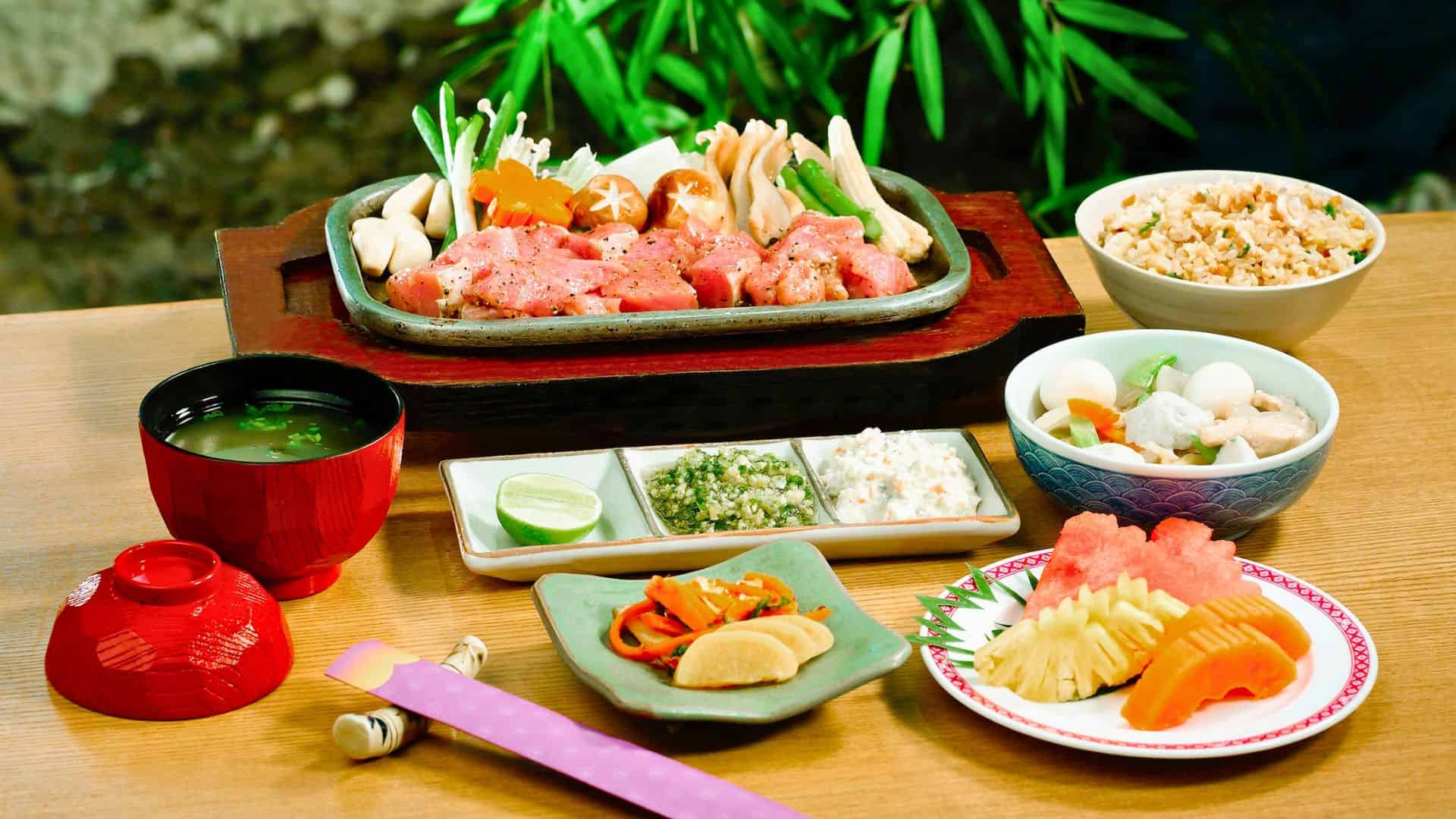
Kyoto ranks among the world’s top cities for Michelin recognition despite a smaller population. The Michelin Guide Kyoto highlights traditional kaiseki restaurants, tea‑house style dining, and templeside establishments with long histories. Many starred venues operate in historic wooden buildings and follow strict seasonal calendars tied to regional agriculture. Kyoto chefs focus on refined presentation, subtle seasoning, and harmony between course progression and time of year. Some restaurants trace ownership through multiple generations. The city’s preservation laws limit modernization, reinforcing continuity in cooking methods. Kyoto’s Michelin presence reflects deep cultural heritage rather than contemporary dining trends.
Osaka
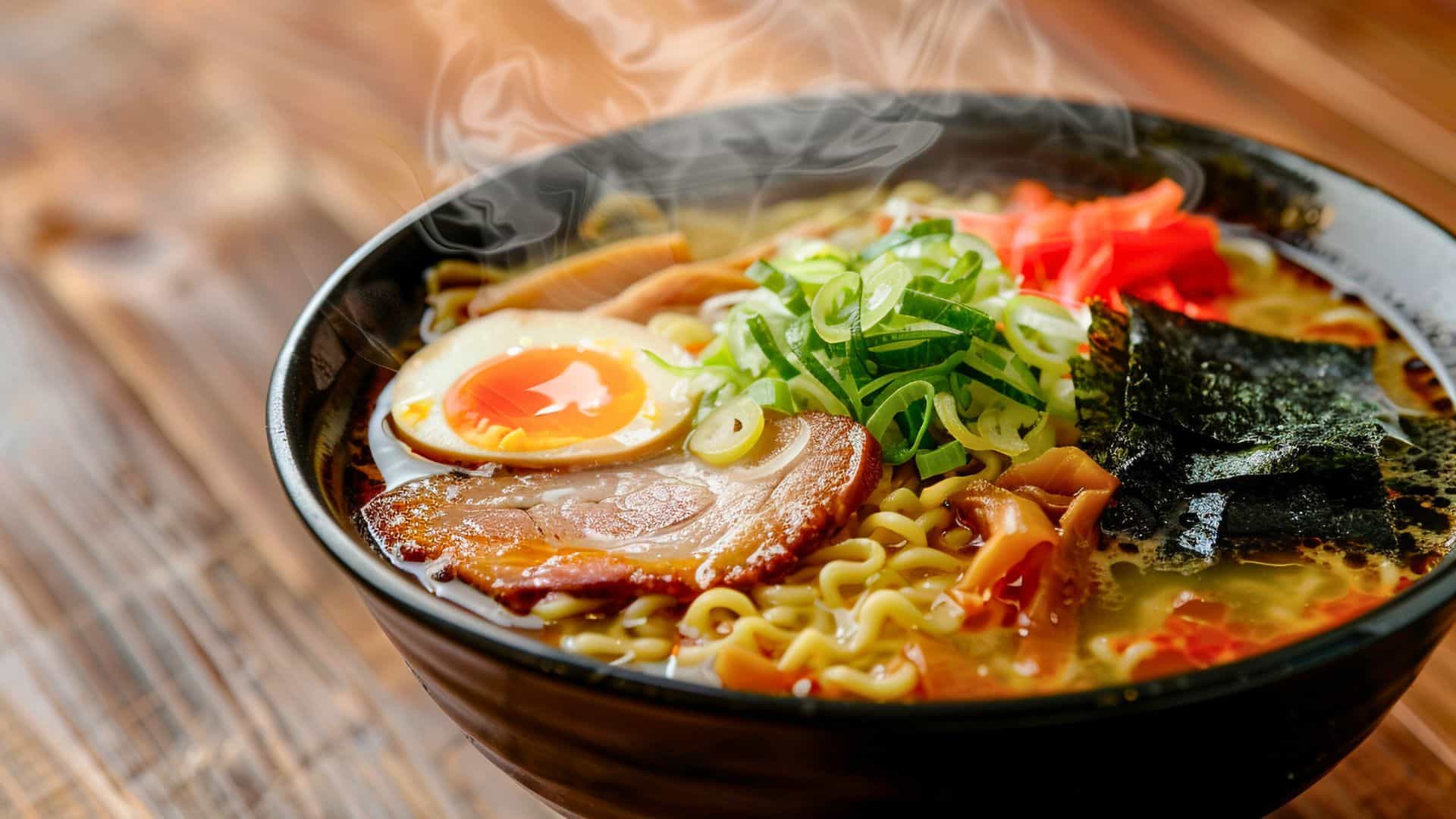
Osaka earns global recognition for its high concentration of Michelin‑starred restaurants alongside a strong everyday food culture. The Michelin Guide Osaka showcases kappo dining, sushi specialists, and modern Japanese kitchens. Often called “Japan’s kitchen,” the city has long functioned as a commercial food hub, historically supplying rice and seafood nationwide. Chefs emphasize balance, technique, and ingredient clarity. Many starred restaurants operate counter‑style, encouraging direct interaction between chef and guest. Compared with Tokyo, Osaka dining tends toward relaxed service while maintaining strict technical standards. The city’s Michelin success reflects both tradition and contemporary creativity.
London
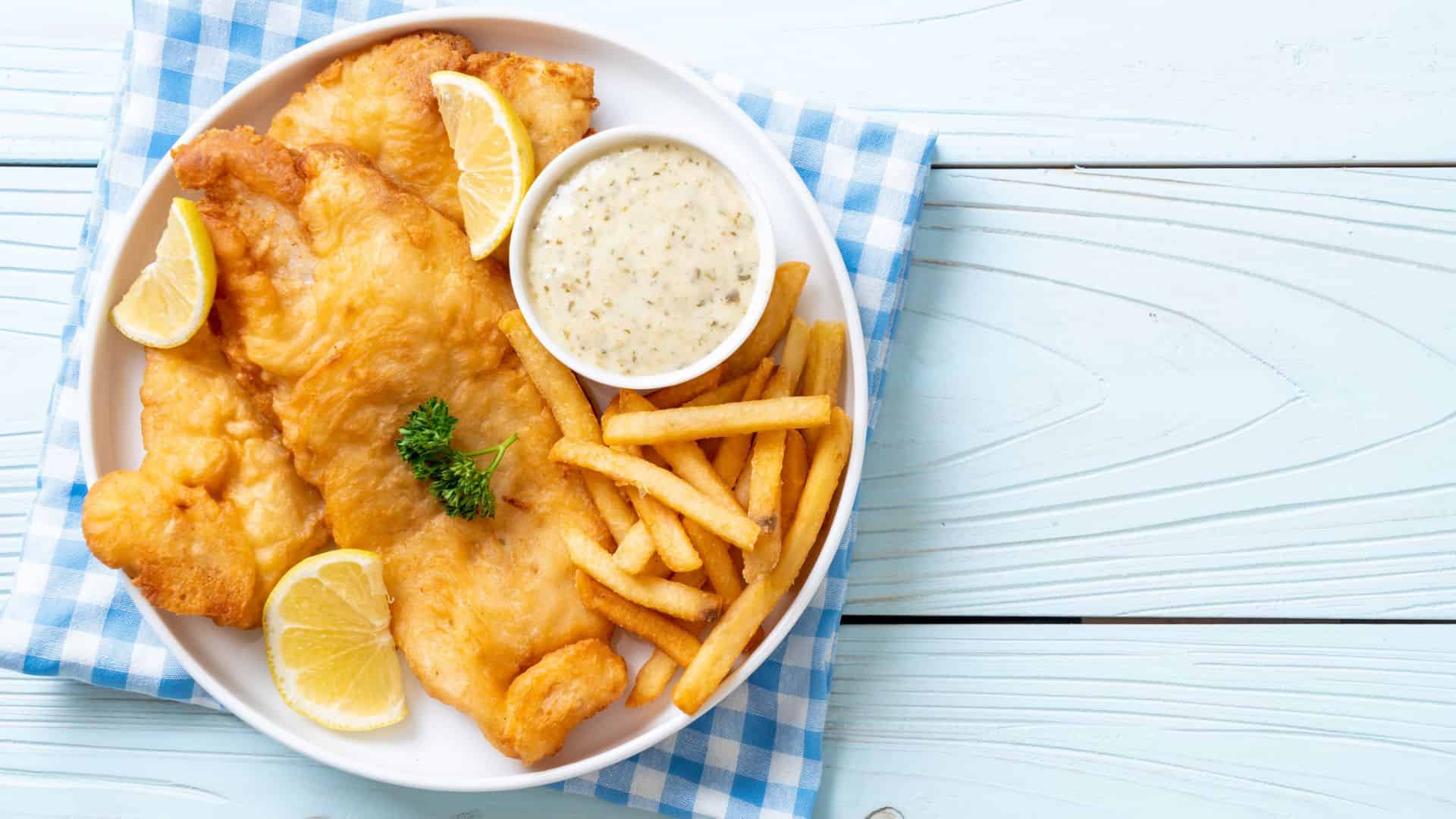
London hosts the largest number of Michelin‑starred restaurants in the United Kingdom, with steady growth since the guide’s introduction in 1911. The city features diverse global cuisines, including French, British, Japanese, Indian, and Nordic‑influenced kitchens. Michelin recognition spans classic hotel dining rooms, modern chef‑led spaces, and neighborhood restaurants. London’s food scene benefits from international talent and strong supply chains for seafood, meat, and produce. Several restaurants hold multiple stars, reflecting technical precision and consistency. Frequent openings and closures make the guide dynamic, with inspectors closely tracking evolving dining standards across the capital.
New York City
New York City hosts the largest concentration of Michelin‑starred restaurants in the United States since the guide’s local debut in 2005. Starred establishments span Manhattan, Brooklyn, and increasingly Queens, reflecting the city’s broad geographic scope. Dining styles range from fine French technique to Japanese omakase, contemporary American tasting menus, and Korean fine dining. High ingredient costs and intense competition shape restaurant operations. Many chefs draw from immigrant backgrounds, reinforcing global influence. Michelin inspectors assess consistency despite frequent staff turnover. The city’s stars change regularly, mirroring New York’s fast‑moving hospitality landscape and constant reinvention.
Get the Recipe: New York City
Hong Kong
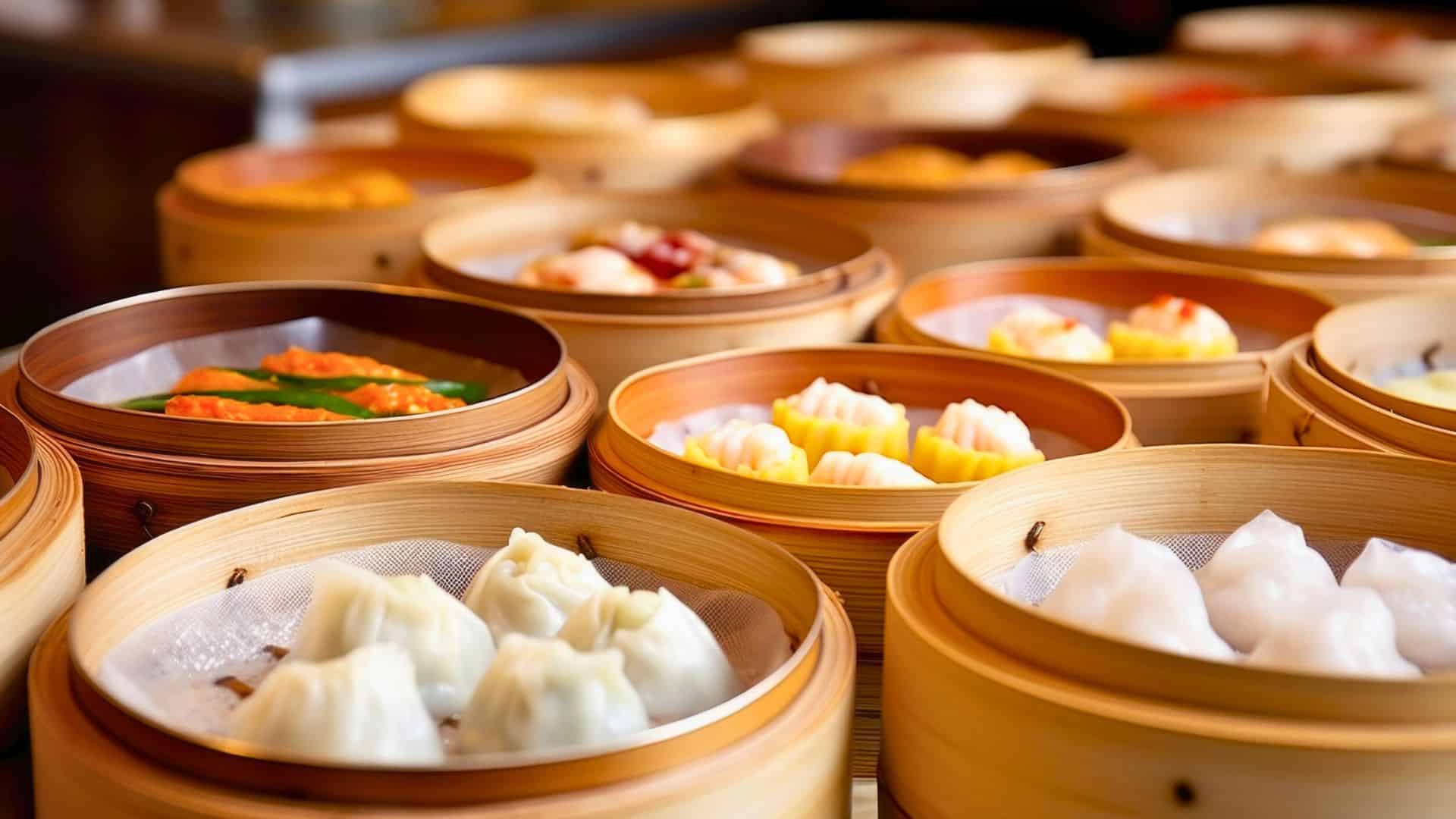
Hong Kong maintains one of the densest concentrations of Michelin‑starred restaurants in Asia. The guide highlights Cantonese fine dining, roast meat specialists, seafood houses, and contemporary international restaurants. Hong Kong stands out for Michelin recognition at multiple price levels, including noodle shops and dim sum venues. Proximity to southern China influences ingredient sourcing, while global trade connections support premium imports. Many starred kitchens emphasize traditional preparation methods preserved for decades. Limited space shapes compact dining rooms and efficient service. Hong Kong’s Michelin presence reflects both deep regional heritage and its role as an international dining crossroads.
Singapore
Want to save this?
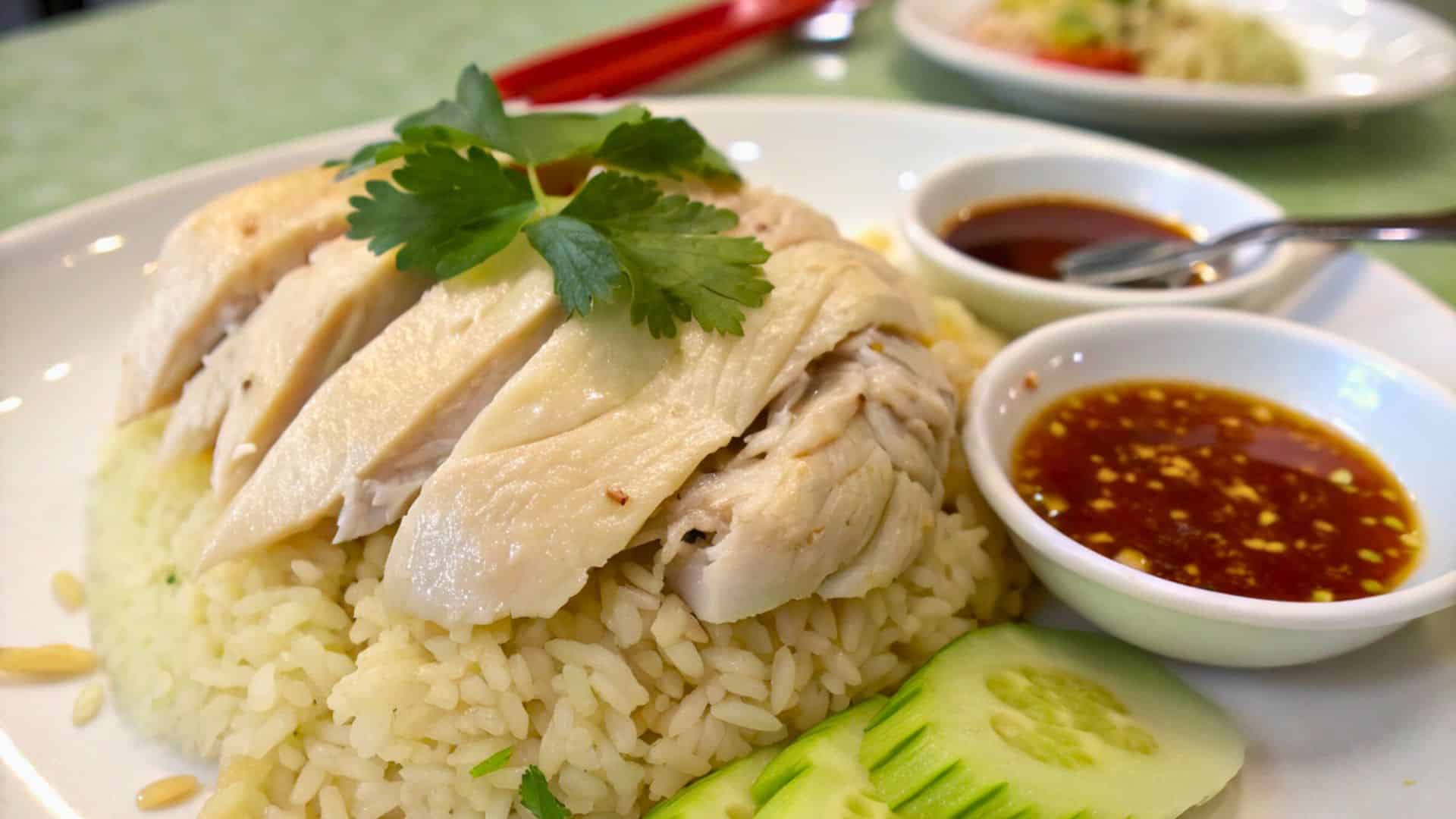
Singapore holds one of the highest numbers of Michelin‑starred restaurants relative to its size. The Michelin Guide Singapore launched in 2016 and quickly gained attention for recognizing hawker stalls alongside fine dining venues. Starred establishments include modern Asian restaurants, European‑style tasting menus, and traditional street food counters. Strict food safety standards and centralized ingredient distribution shape consistency across the city. Many chefs operate in luxury hotels or integrated developments. Government support for tourism and dining strengthens visibility. Singapore’s Michelin reputation reflects precision, efficiency, and a strong balance between heritage cooking and contemporary techniques.
Rome
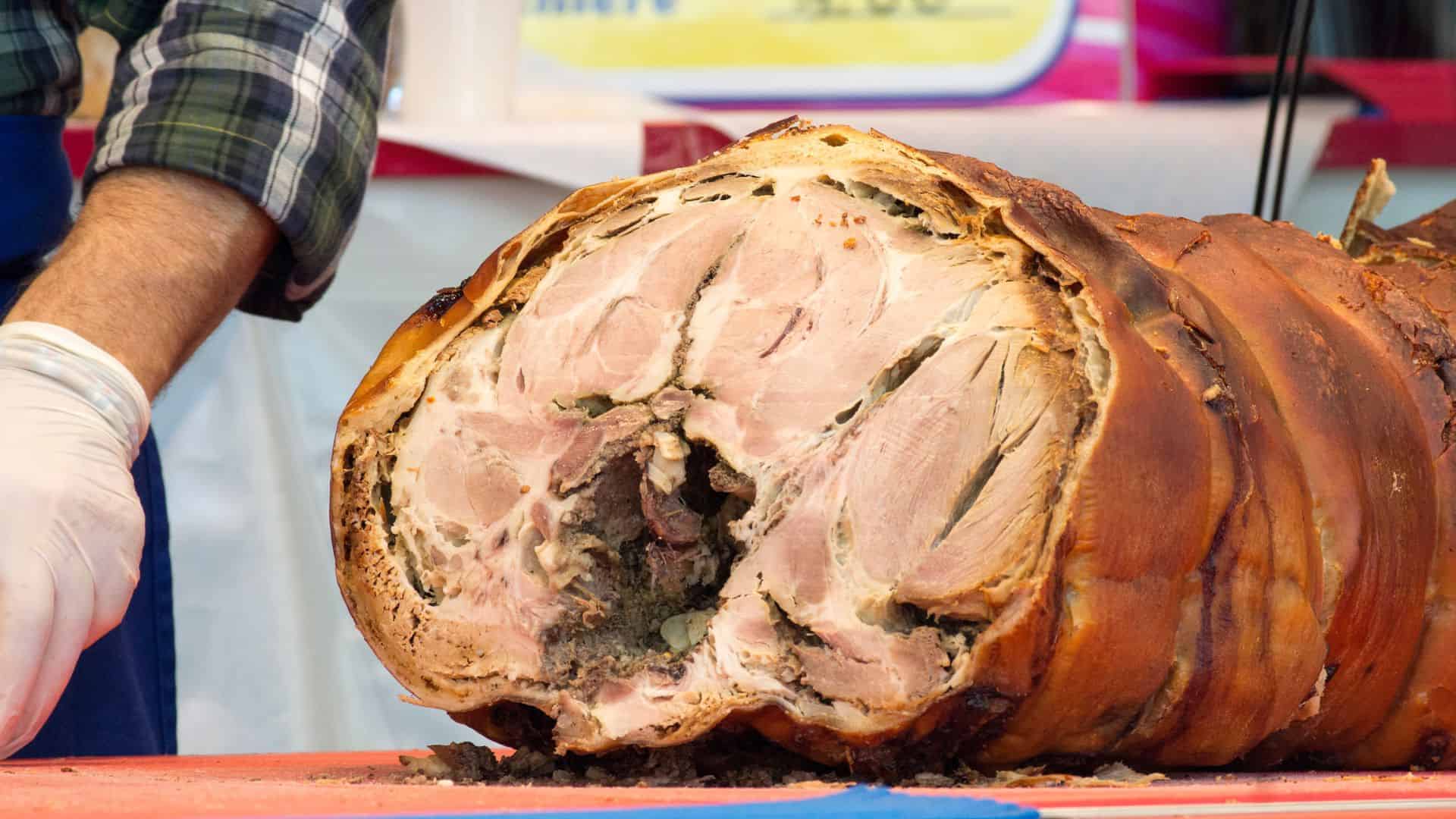
Rome features a significant number of Michelin‑starred restaurants rooted in Italian regional cooking and modern interpretation. Starred kitchens often focus on Roman classics such as pasta alla carbonara or cacio e pepe, prepared with technical rigor. The city balances historical context with contemporary dining rooms, sometimes housed in centuries‑old buildings. Ingredient sourcing emphasizes Lazio agriculture, olive oil, and seafood from nearby coasts. Rome’s Michelin scene grows steadily rather than rapidly, reflecting conservative dining habits. Many chefs prioritize restraint and clarity. The city’s recognition underscores Italy’s ability to adapt tradition within formal dining standards.
Barcelona
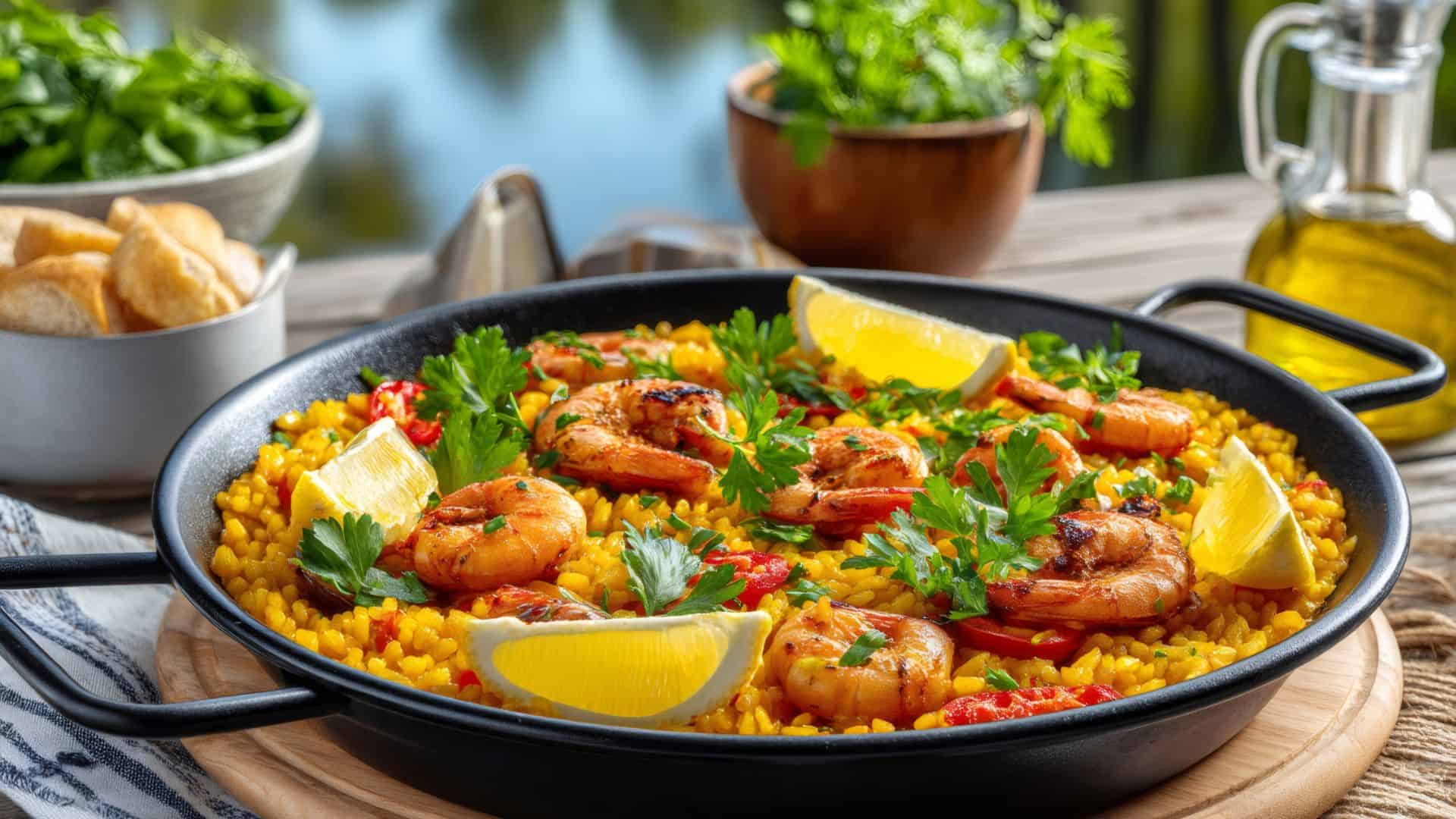
Barcelona maintains a strong Michelin presence driven by Catalan cooking and modern Spanish fine dining. The city features numerous starred restaurants ranging from long‑standing family establishments to architecturally striking contemporary spaces. Barcelona gained international attention through chefs associated with the region’s avant‑garde movement of the late twentieth century. Local sourcing emphasizes Mediterranean seafood, olive oil, pork, and seasonal vegetables. Many starred kitchens focus on technical precision, structured tasting menus, and artistic presentation. Proximity to both coastline and farmland supports ingredient variety. Michelin inspectors recognize consistency and innovation, reinforcing Barcelona’s reputation as a major European dining destination.
Madrid
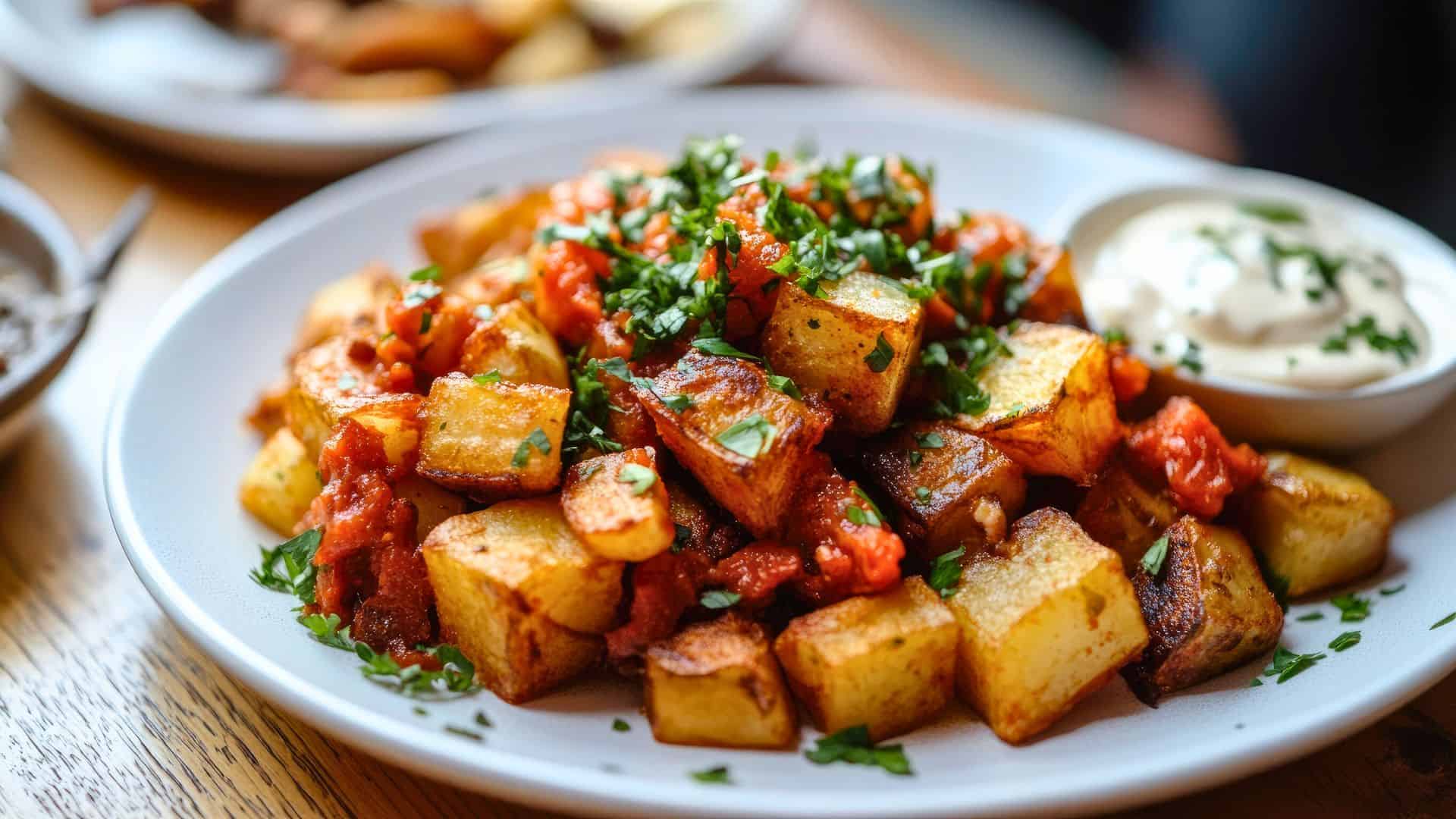
Madrid’s Michelin‑starred restaurants reflect Spain’s capital as a crossroads of regional cuisines. The city attracts chefs from across the country who reinterpret traditions from Galicia, the Basque Country, Andalusia, and Castile. Starred venues range from formal dining rooms to modern chef‑driven spaces emphasizing seasonal Spanish produce. Madrid benefits from strong supply networks linked to national markets such as Mercamadrid, one of Europe’s largest food distribution centers. Several restaurants focus on contemporary tasting formats with technical discipline. Michelin recognition in Madrid has expanded steadily, highlighting the city’s growing influence within Spain’s fine dining landscape.
San Sebastián
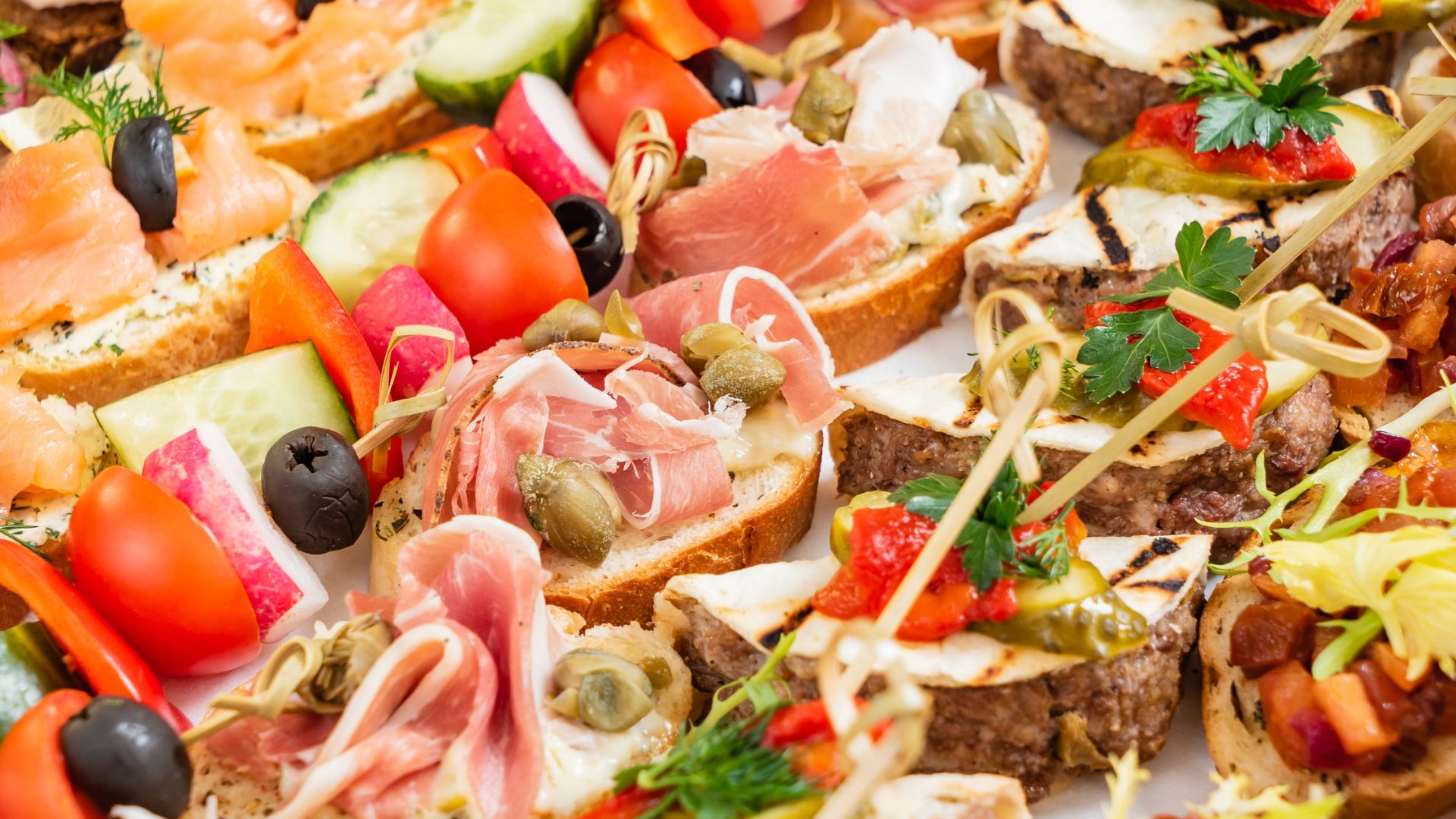
San Sebastián holds one of the highest concentrations of Michelin stars per capita worldwide. Despite its small size, the city supports multiple three‑star restaurants and a dense network of acclaimed kitchens. Located in the Basque Country, San Sebastián draws on a regional food culture centered on seafood, grilling techniques, and precise preparation. The city is also famous for pintxos bars, which influence formal dining through attention to detail and craftsmanship. Culinary societies known as txokos shape professional development. Michelin recognition reflects long‑term consistency, strong chef mentorship, and deep community engagement with food culture.
Seoul
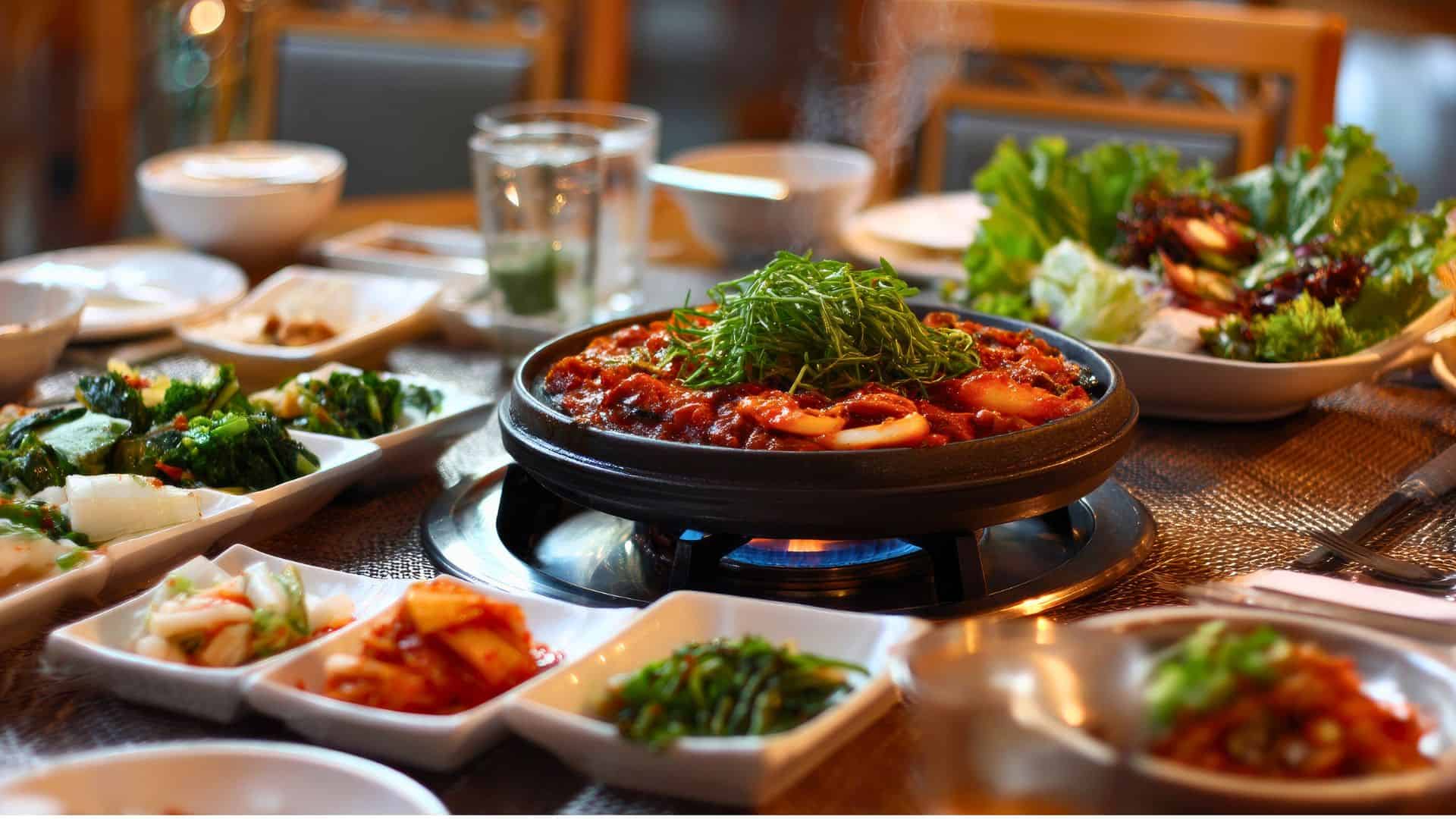
Seoul has rapidly emerged as a major Michelin city since the guide’s introduction in 2016. Starred restaurants highlight refined Korean cuisine alongside contemporary interpretations and international formats. Many chefs reinterpret royal court dishes, fermentation traditions, and regional specialties using modern techniques. Seoul’s dining scene benefits from a strong domestic audience, advanced logistics, and access to premium local ingredients. Several starred venues emphasize counter seating and seasonal menus. Government support for cultural exports has increased global visibility. Michelin recognition in Seoul continues to expand, positioning the city as a leading center for modern Korean fine dining.
Stars Worth Chasing
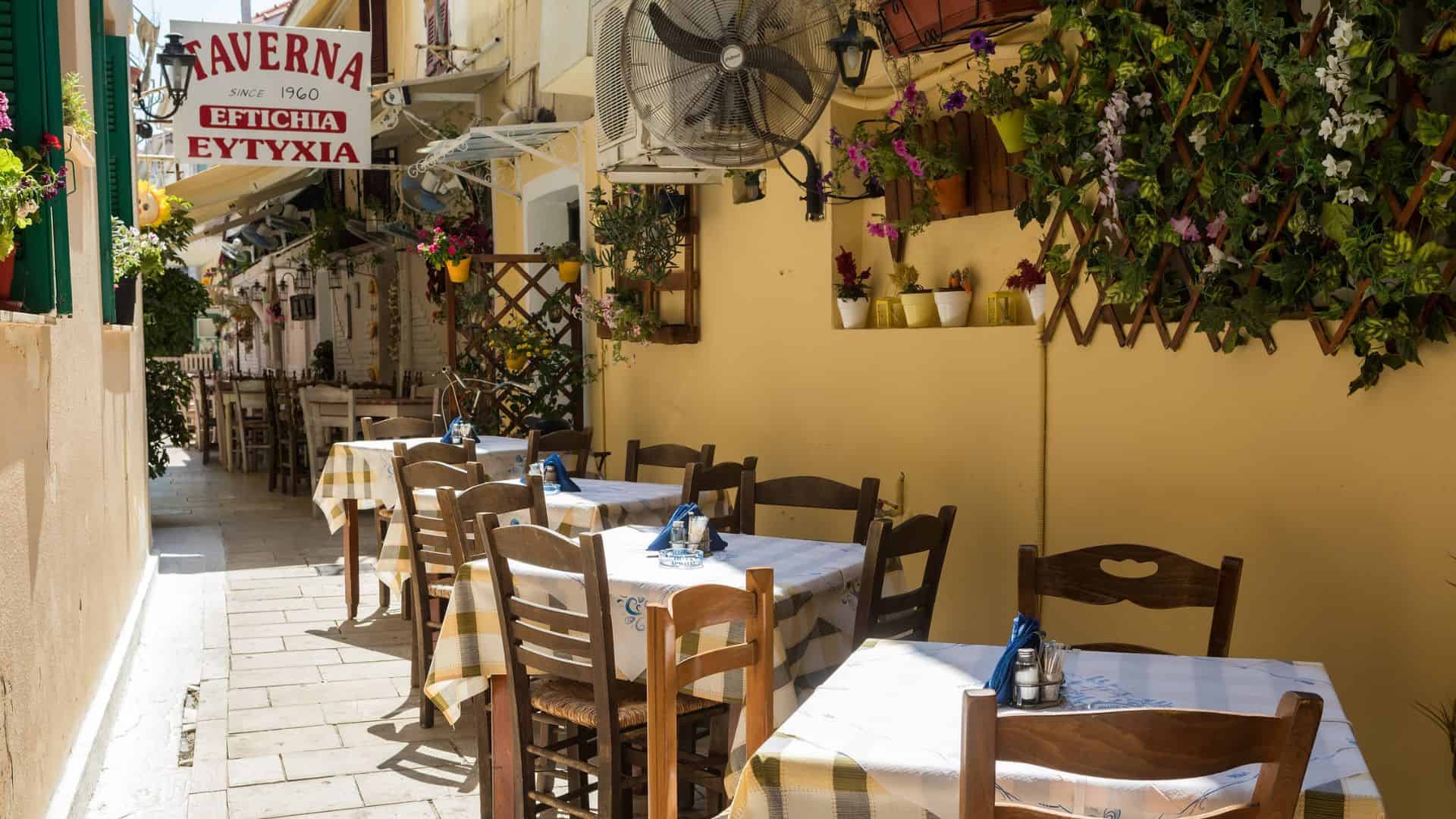
Cities with a high number of Michelin stars don’t become that way by accident. Years of pressure, ambition, and sharp attention to detail shape how people cook and how people eat. These places reward curiosity. They ask diners to slow down, pay attention, and notice the work behind each plate. Whether the setting is formal or relaxed, the common thread is consistency and pride. That’s what keeps these cities on the map year after year.
If food plays a big role in how you travel, these destinations matter. They give you choice, range, and standards you can trust. One night might feel bold, the next calm and precise. That contrast is part of the draw. You don’t need to know every name or chase trends to appreciate what’s happening. Just show up hungry and curious. Great meals tend to follow.
14 Countries With Food Scenes So Good You’ll Plan a Trip Around Them
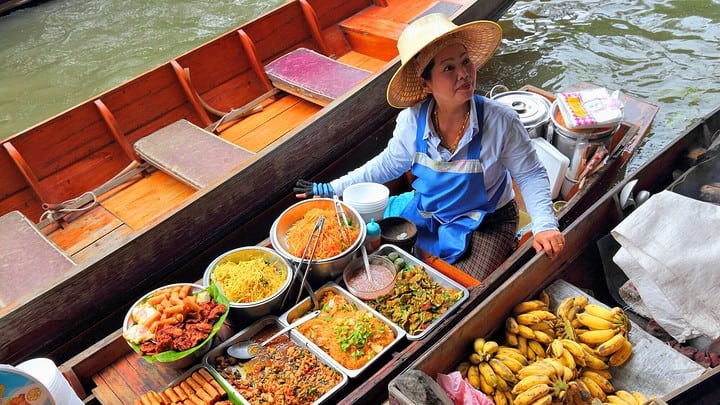
Food has a way of turning a trip into something unforgettable. In particular, food from these 14 countries with great food scenes has become the main reason why tourists flock to visit. Exploring these places through their food lets you connect with the culture in a way that goes beyond sightseeing. It’s about tasting history, tradition, and creativity all in one bite.
Read More Here: 14 Countries With Food Scenes So Good You’ll Plan a Trip Around Them
11 U.S. Food Regions Visitors Explore for Local Dishes

The United States is home to diverse food regions, each offering its own distinct flavors and traditions. Some areas are famous for their local dishes, from Southern comfort food to coastal seafood specialties. These regions have shaped American food culture, and for travelers looking to taste authentic, regional dishes, there’s no better way to experience a place than through its local food. While many visitors flock to popular tourist sites, there’s a growing trend of exploring food as a way to connect with a destination.
Read More Here: 11 U.S. Food Regions Visitors Explore for Local Dishes