Airports are often the gateway to adventure, but for some American airports, the experience leaves much to be desired. Long security lines, outdated facilities, and missed connections are just a few of the complaints travelers have voiced about these airports. While some may offer stunning views or extensive amenities, their reputation for inefficiency and overcrowding continues to grow.
Here are 13 American airports whose reputations for poor service, inconvenient layouts, and delays are tarnishing the travel experience. Despite ongoing renovations and efforts to improve, these airports still have a long way to go in regaining passenger trust. If you're flying into one of these, plan accordingly, give yourself extra time, and brace for a less-than-ideal airport experience.
Newark Liberty International Airport (EWR)
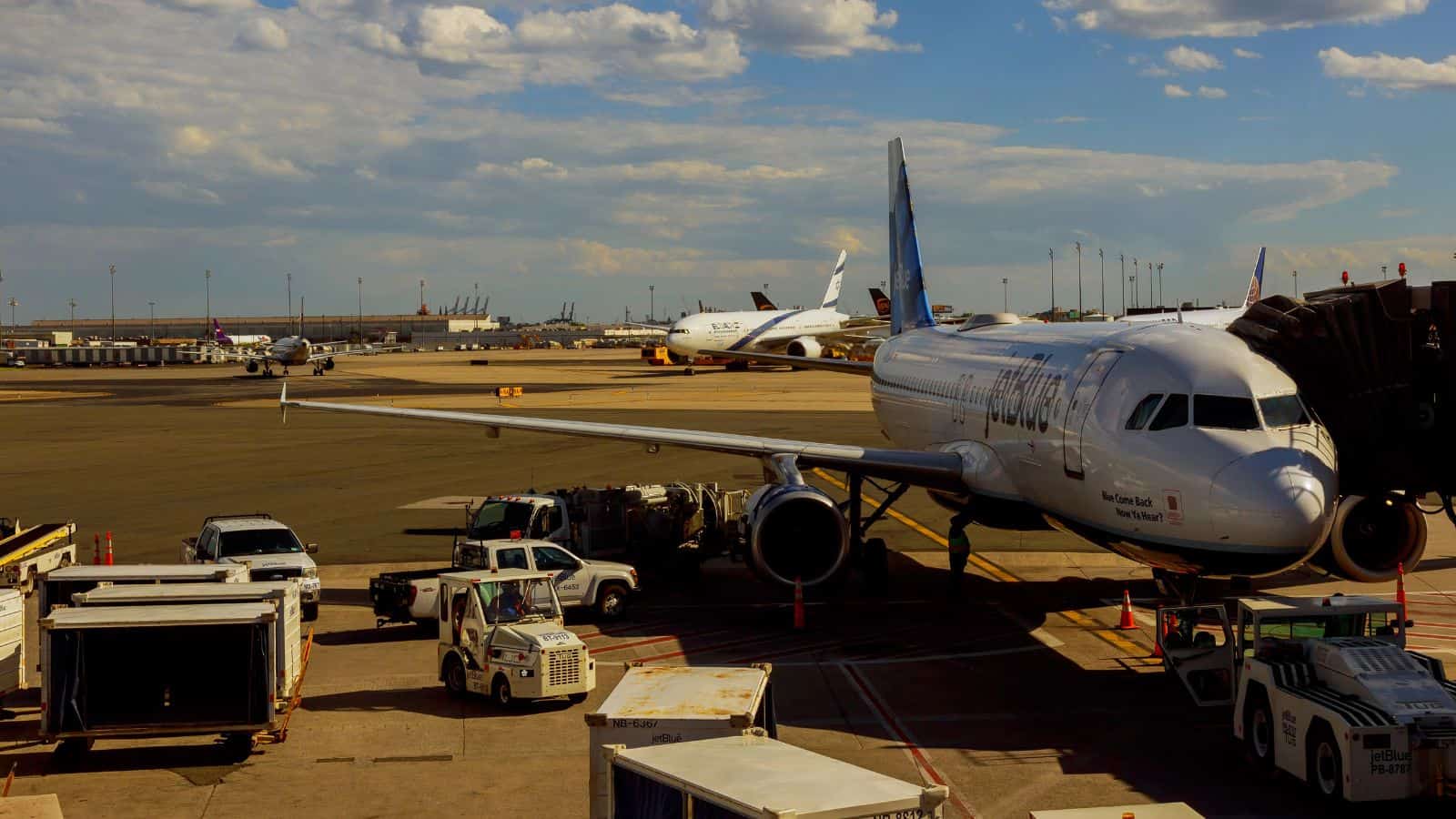
Newark consistently ranks near the bottom for on-time performance and passenger satisfaction. Travelers often complain about long delays, poor signage, and a general sense of disorganization across terminals. Security lines can stretch unpredictably, and terminal amenities vary widely. Even after some renovations, the airport remains a frustrating place to navigate. Those with tight layovers or international connections may find it especially stressful. Weather issues and nearby traffic congestion add to the list of challenges at this airport.
LaGuardia Airport (LGA)
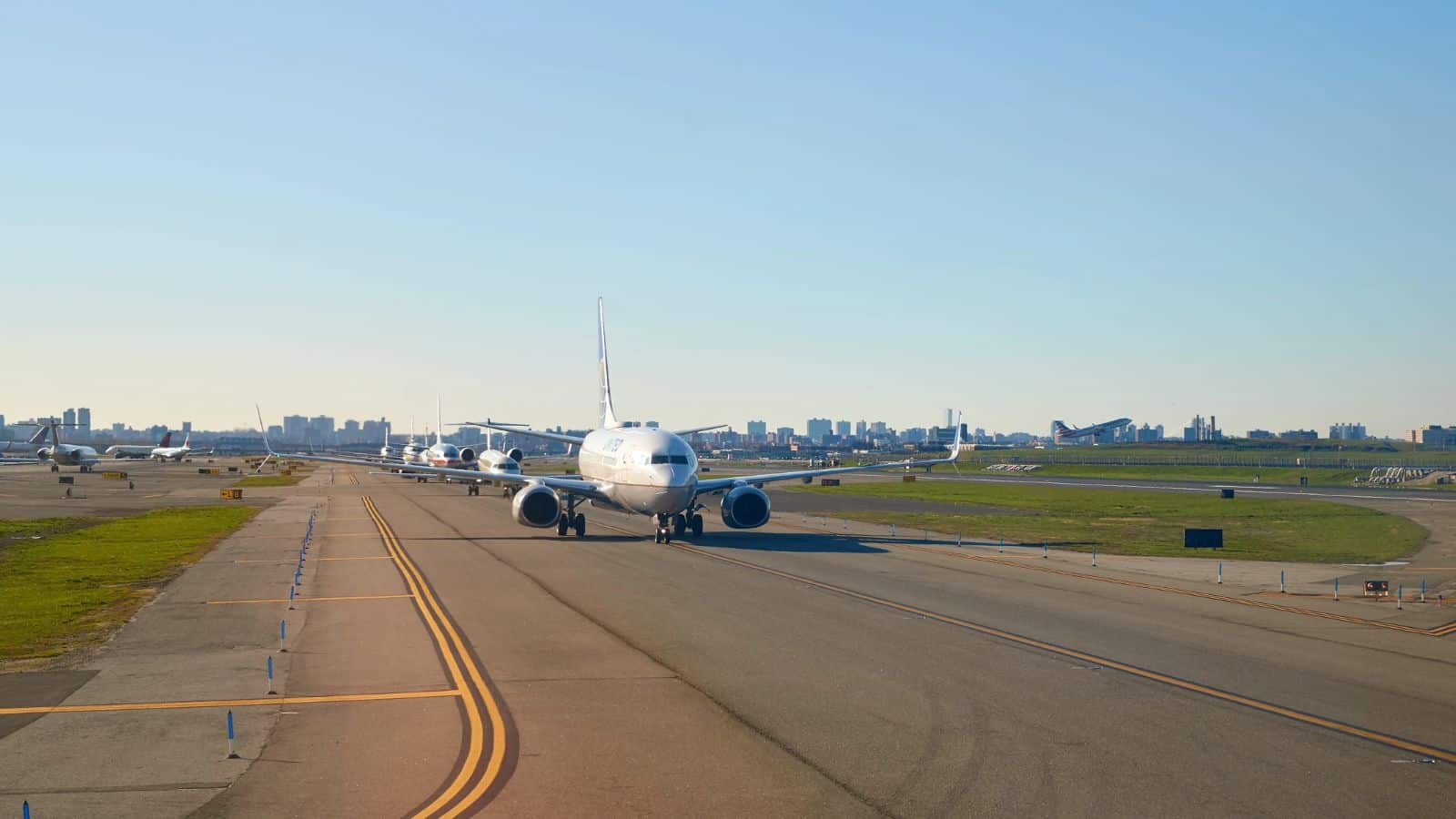
LaGuardia’s reputation has been difficult to shake, even as major renovations reshape its terminals. Crowded waiting areas, dated bathrooms, and long security lines have long annoyed travelers. Construction has created a better experience in parts, but delays and confusing layouts remain common. Shuttle transfers between terminals are inconsistent, and traffic in and out of the airport can be brutal. For many, it’s still one of the more challenging airports to navigate, especially during peak travel hours.
Los Angeles International Airport (LAX)

LAX is massive and chaotic. Between crowded terminals and the traffic-clogged loop, getting in and out can take longer than the flight itself. Long walks between gates, slow baggage claim, and confusing shuttle systems make transfers difficult. Construction continues across terminals, but many areas still feel outdated. Ride-share pickup zones are often jammed, adding to delays. Despite being one of the busiest airports in the country, it frequently leaves travelers frustrated due to its scale and lack of coordination.
Chicago O’Hare International Airport (ORD)

O’Hare is a major hub with a long history of delays, especially in winter. Snow and wind often disrupt flights, but even in clear weather, the airport struggles with congestion and long taxi times. Gate availability is a frequent problem, causing planes to idle after landing. The terminals themselves can be hard to navigate, with sudden gate changes and limited seating during busy periods. For connecting passengers, short layovers are risky, even when flights arrive on schedule.
Miami International Airport (MIA)

Miami’s international focus brings in large crowds and long lines—especially at immigration and baggage claim. Language barriers and poor signage can confuse travelers unfamiliar with the layout. Security lines are unpredictable, and terminal cleanliness varies. Public transportation access is limited compared to other major airports. Complaints often focus on missed connections, slow customs processing, and inconsistent service. For those arriving after long flights, the airport’s lack of organization and high noise levels make recovery and transitions more difficult.
Denver International Airport (DEN)

While spacious and modern-looking, Denver’s airport has grown more frustrating for travelers in recent years. The train connecting terminals is frequently delayed, causing missed connections and long waits. Ongoing construction adds confusion, with rerouted foot traffic and unclear signs. The layout is large, so walking between gates can be time-consuming, especially during gate changes. Security lines at peak times can stretch far beyond expectations. For an airport meant to feel efficient, many passengers now describe it as exhausting and disorganized.
Dallas/Fort Worth International Airport (DFW)

DFW is massive, and navigating its terminals can feel like crossing a small city. Shuttle systems between terminals are inconsistent, and passengers frequently report long waits or missed rides. Finding food or restrooms during layovers can require a long walk. Delays due to weather and air traffic are common. Cleanliness varies by terminal, and seating near gates is sometimes hard to find. Even experienced travelers get tripped up by its size and sometimes confusing signs between transport zones.
Want to save this?
Philadelphia International Airport (PHL)
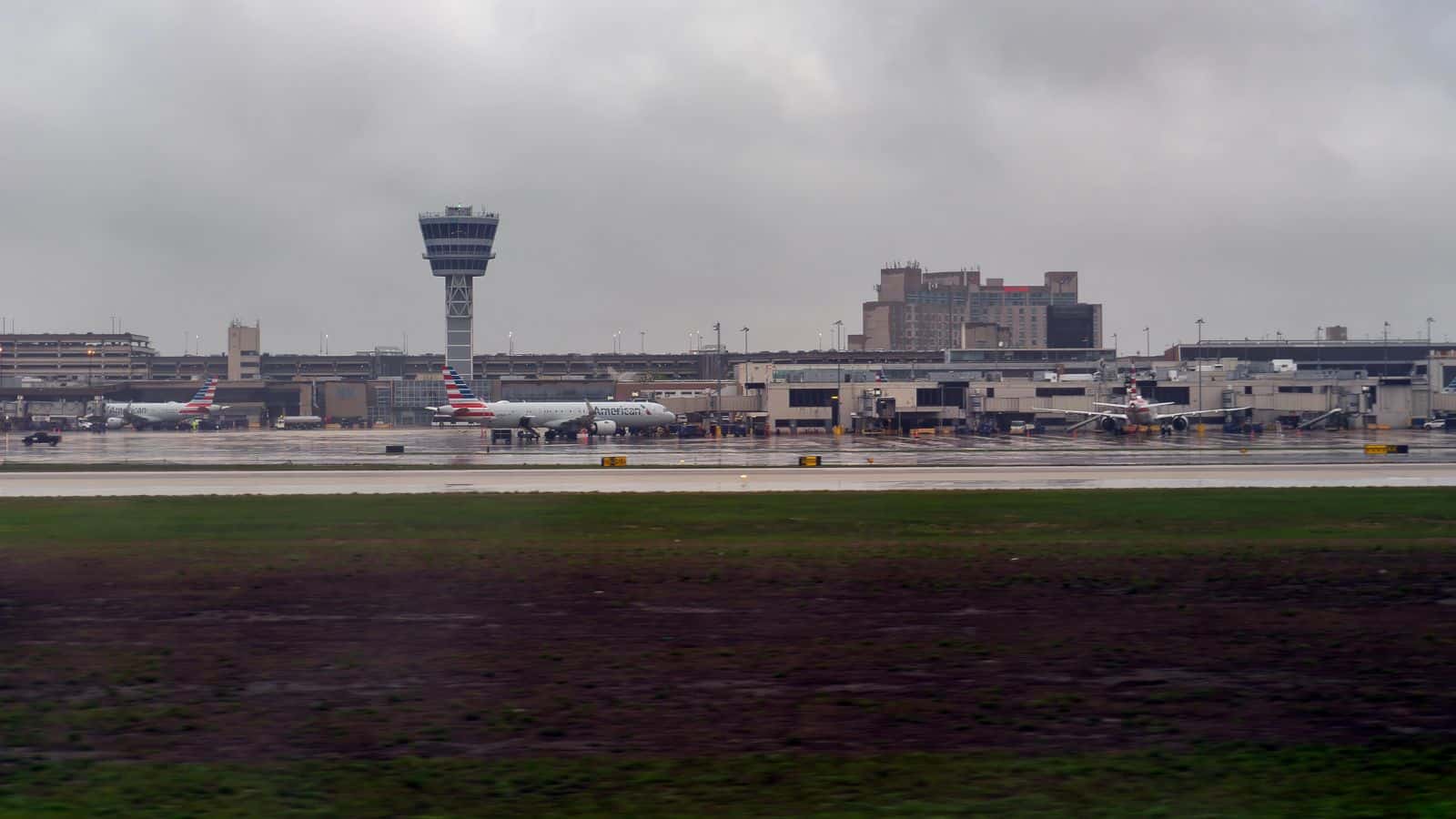
Philadelphia’s airport feels dated in many areas, especially in older terminals where outlets, restrooms, and seating are limited. Flight delays and last-minute gate changes are common, creating headaches for connecting passengers. The food options are limited outside of peak terminals, and many parts of the airport lack natural light or decent seating. Security checkpoints tend to move slowly, and construction has done little to improve flow. For many travelers, PHL still ranks among the more stressful airport experiences.
Boston Logan International Airport (BOS)
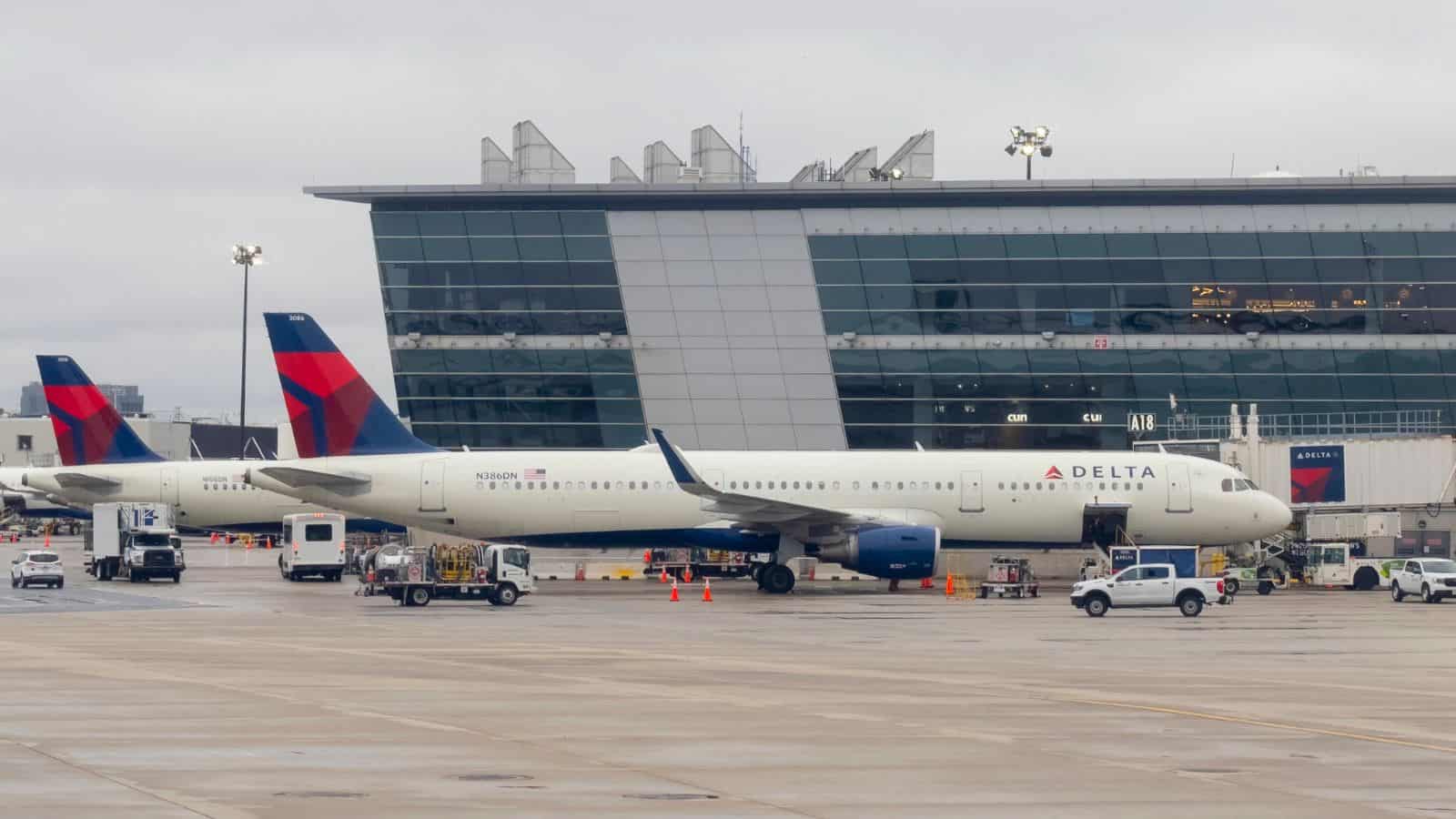
Logan's terminals vary greatly in condition and convenience, and narrow hallways make crowding feel worse during busy hours. Public transit access doesn’t reach every terminal directly, which adds difficulty for those without rides. Seating is limited in older concourses, and food options are uneven across terminals. Travelers often report long waits for security, especially in Terminal B. For an airport serving a major tech and academic hub, its layout and comfort level fall short of expectations during peak periods.
Orlando International Airport (MCO)
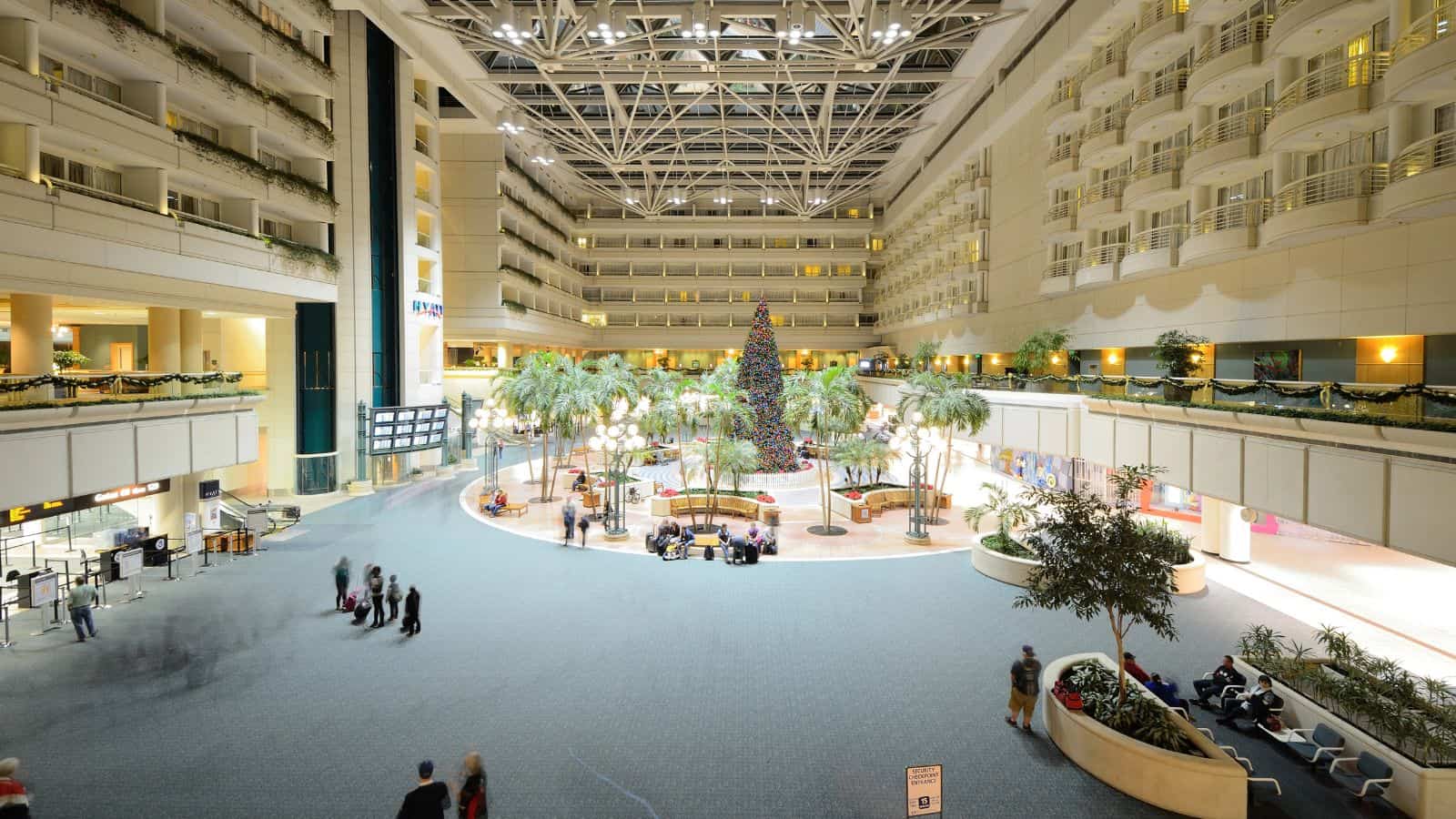
Orlando sees a constant flow of families, tour groups, and vacationers, which creates long lines at nearly every stage—check-in, TSA, customs, and baggage claim. The volume of passengers often overwhelms staff, especially during holidays. Children, strollers, and group travel slow down movement through terminals. Security wait times can be unpredictable, and signage isn’t always clear. Despite newer sections, crowding and noise levels wear down travelers quickly, particularly after long-haul flights with tired kids in tow.
Atlanta Hartsfield-Jackson International Airport (ATL)
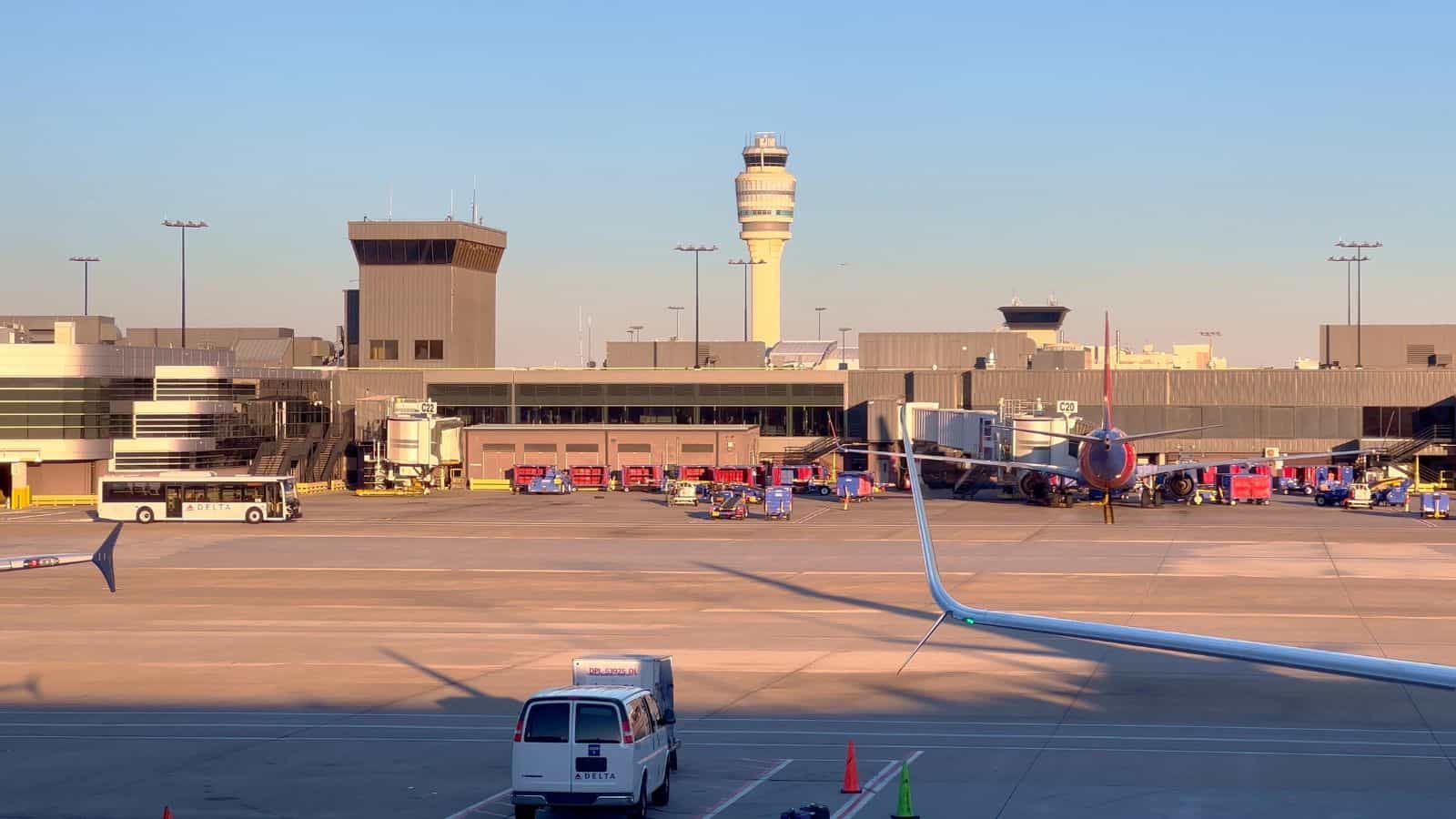
ATL handles more passengers than any other airport in the U.S., but its massive layout and constant rush can feel like a race. Walking distances between concourses are long, and while the train system helps, it’s not always reliable. Security screening lines vary wildly by terminal, and delays from weather or tight layovers cause frequent stress. With limited time to move between flights, the pressure to hustle is high. For newcomers, the pace and scale can be disorienting.
San Francisco International Airport (SFO)

SFO’s biggest problem is weather. Frequent fog leads to arrival and departure delays, especially in the mornings. Runway space is limited, so small disruptions ripple across schedules. Inside, travelers report long waits at TSA and confusing signage between terminals. Gate changes are frequent, and seating near gates can fill quickly. While parts of the airport are modern, the experience depends heavily on your airline and terminal. Even short delays can stretch into long layovers without much warning.
Honolulu Daniel K. Inouye International Airport (HNL)
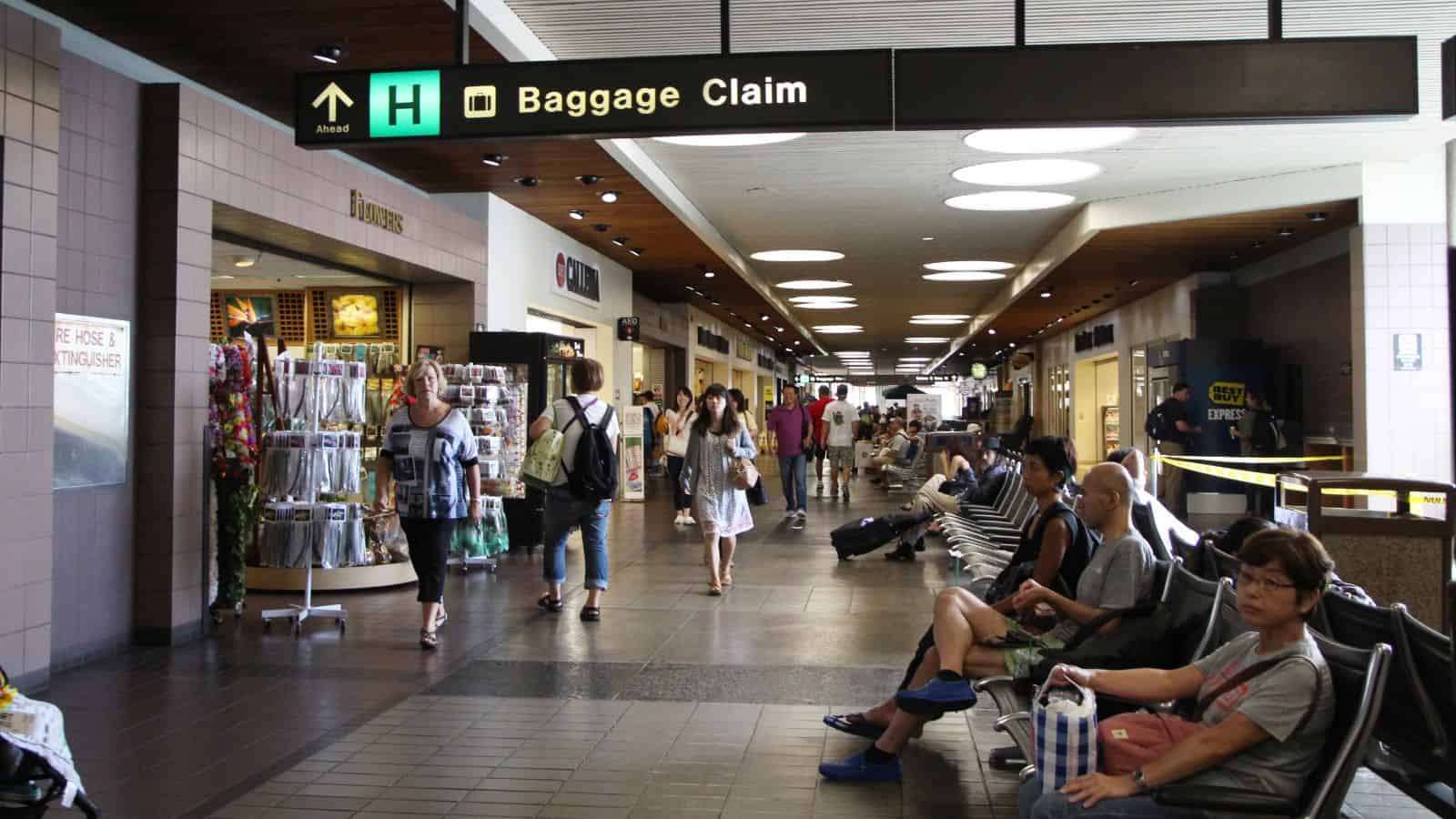
Though located in a destination people dream about, HNL has outdated terminals with poor signage and limited seating in key areas. Transfers between terminals often involve outdoor walks, which can be difficult with luggage or during rain. Restroom conditions and food choices vary by terminal. Many visitors find the layout confusing, especially if arriving from international flights. After long travel hours, HNL doesn’t make the first or last leg of a trip to Hawaii as smooth as expected.
10 Travel Trends That Do More Damage Than Good

Did you know that some travel trends are harmful? Popular travel habits can shape the way people explore the world, but there are 10 travel trends that do more damage than good. While some may seem appealing or convenient, they can negatively affect local communities, the environment, and even travelers. Understanding the impact of these trends is crucial for making informed decisions that promote responsible and sustainable travel.
Read More Here: 10 Travel Trends That Do More Damage Than Good
15 Most Chaotic Cities That Tourists Should Think Twice About

Which chaotic cities do you know about? Traveling to vibrant cities can be exciting, but there are 15 most chaotic cities that tourists should think twice about. These destinations are known for their overwhelming crowds, intense traffic, and a pace of life that can be disorienting for visitors. While they may offer unique experiences and attractions, the chaos can also lead to stress and frustration, making them less appealing for some travelers.
Read More Here: 15 Most Chaotic Cities That Tourists Should Think Twice About