Island hopping is one of those travel styles that feels easy but stays with you. You’re not locked into one place or one plan. You wake up near the water, check the sky, and move when it feels right. Lucky for you, there are 12 archipelagos where you can sit, watch, talk, and feel time stretch a bit. Life in these places never feels rushed or dull.
Traveling through island chains keeps things fresh without feeling scattered. Every short crossing brings a new shoreline, a different mood, or a change in pace. You don’t need big plans or tight schedules for this kind of trip. Flexibility matters more. Weather shifts. Boats run late. You roll with it. That freedom is the reward. It’s perfect for travelers who like movement, variety, and trips that feel personal without trying too hard.
Raja Ampat (Indonesia)
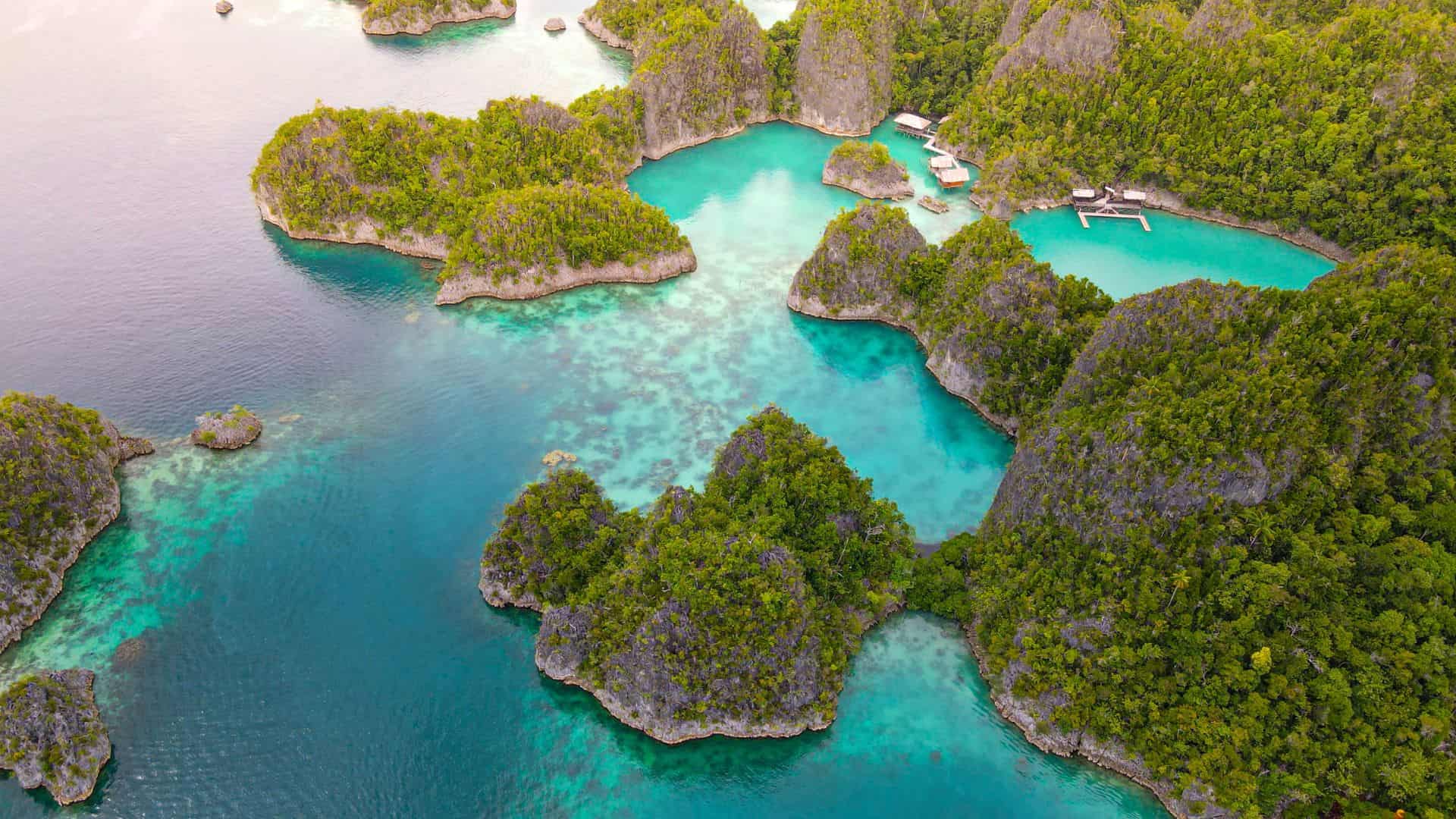
Raja Ampat lies off the northwest tip of Papua and consists of hundreds of jungle‑covered islands scattered across vivid turquoise waters. Limestone karst formations rise sharply from the sea, hiding quiet lagoons and remote beaches accessible only by boat. Beneath the surface, coral reefs support an extraordinary concentration of marine life, attracting divers from around the world. On land, dense rainforests echo with birdlife, including birds‑of‑paradise. Small villages maintain traditional ways of life, giving travelers insight into Papuan culture while moving between islands.
Hawaiian Islands (USA)

Formed by volcanic activity in the middle of the Pacific, this island chain spans a wide range of climates and terrains. Black lava fields, rainforest valleys, high sea cliffs, and coral beaches appear across relatively short distances. Traveling between islands highlights dramatic differences, from active volcanoes to deeply eroded landscapes shaped by rain and time. Strong cultural traditions remain visible through language, navigation history, and respect for land and ocean. Constant wave motion, trade winds, and shifting skies define daily life across the archipelago.
Galápagos Islands (Ecuador)

The Galápagos Islands are a remote volcanic archipelago shaped by lava flows, ocean currents, and time. Each island feels distinct, with stark black rock fields, cactus forests, and green highlands shaped by mist. Wildlife shows little fear of humans, allowing close observation of giant tortoises, sea lions, and marine iguanas. Island hopping here means moving through different ecosystems within short distances. Strict conservation rules guide travel, keeping human impact limited while preserving the fragile balance that makes the islands so scientifically significant.
Palawan Archipelago (Philippines)

The Palawan Archipelago stretches along the western edge of the Philippines, defined by towering limestone cliffs and jade‑colored water. Island hopping uncovers hidden lagoons, narrow channels, and beaches framed by tropical forest. Beneath the surface lie coral reefs and historic shipwrecks, especially around Coron. On shore, small communities rely on fishing and sea travel, maintaining strong connections to their environment. Inland areas reveal mangroves, caves, and wildlife reserves, creating a journey that shifts continually between sea exploration and lush coastal landscapes.
Cyclades (Greece)
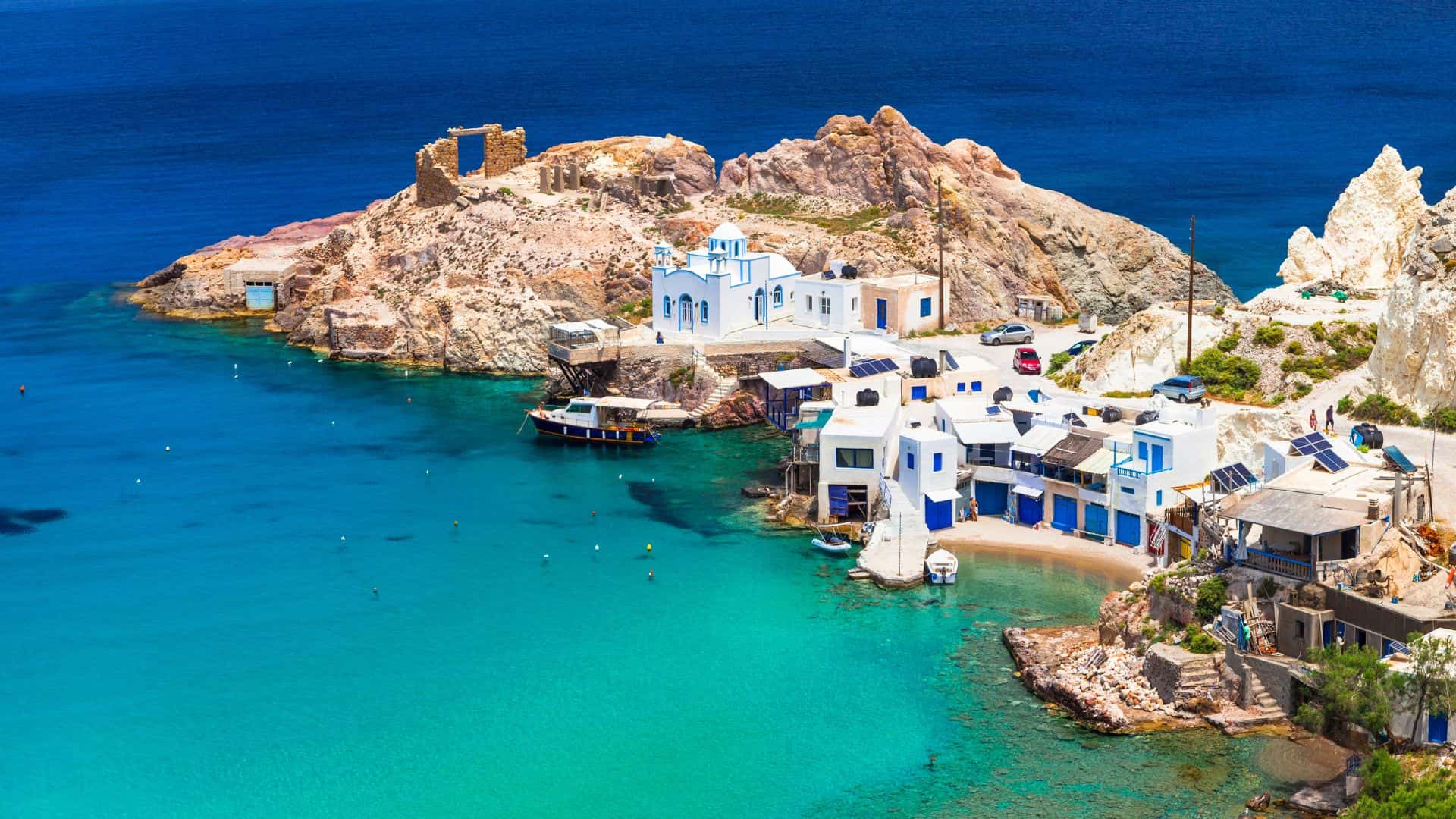
Scattered across the Aegean Sea, the Cyclades combine rocky landscapes, deep blue waters, and centuries of history. Whitewashed villages cling to hillsides above natural harbors, while narrow paths connect chapels, ruins, and quiet coves. Each island carries a distinct character, from lively ports to tranquil agricultural communities. Ancient myths, classical ruins, and medieval fortresses appear alongside modern island life. Traveling between islands by ferry reveals changing coastlines, shifting light, and the constant presence of wind shaping both architecture and daily routines.
Maldives
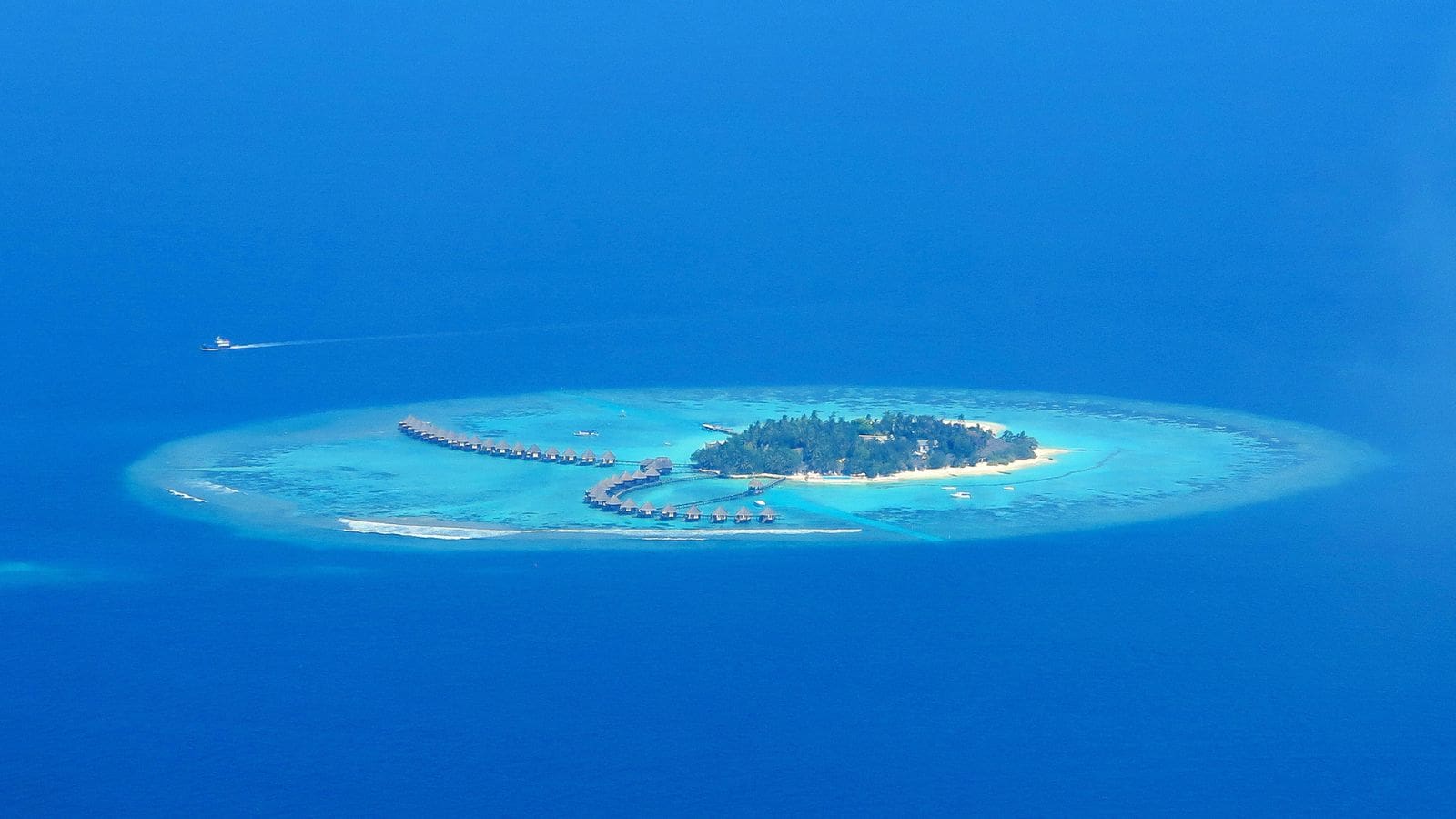
The Maldives stretches across the Indian Ocean as a chain of low‑lying atolls formed by coral reefs surrounding shallow lagoons. Island hopping reveals dramatic shifts in scenery, from tiny sandbanks barely above sea level to lush local islands with palm groves and mosques. Life here moves with the tides, dhoni boats, and daily fishing routines. Beneath the clear water, manta rays, reef sharks, and colorful fish glide through coral gardens. Sunrises and sunsets dominate each day, creating a rhythm tied closely to the sea and sky.
Faroe Islands (Denmark)
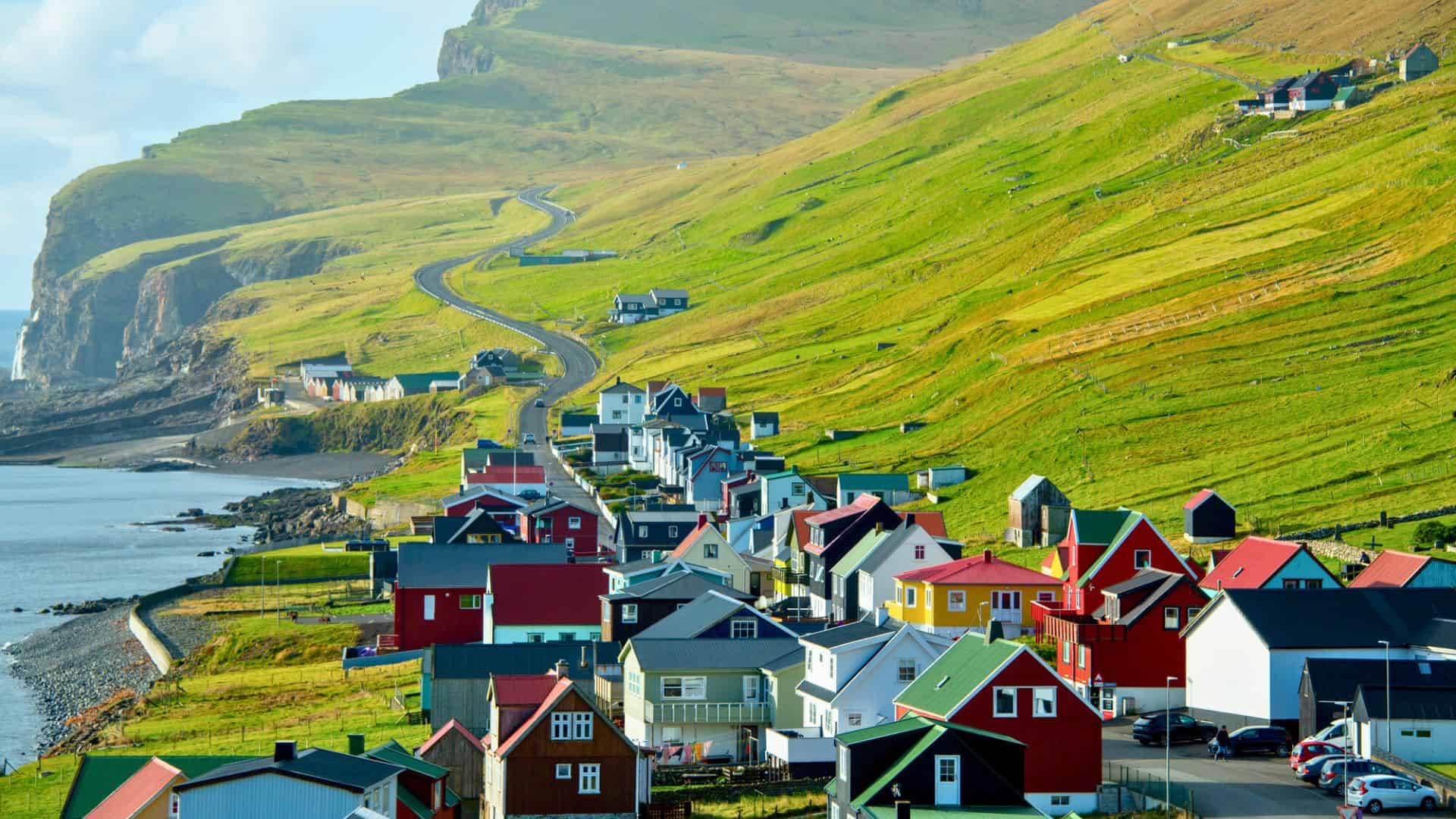
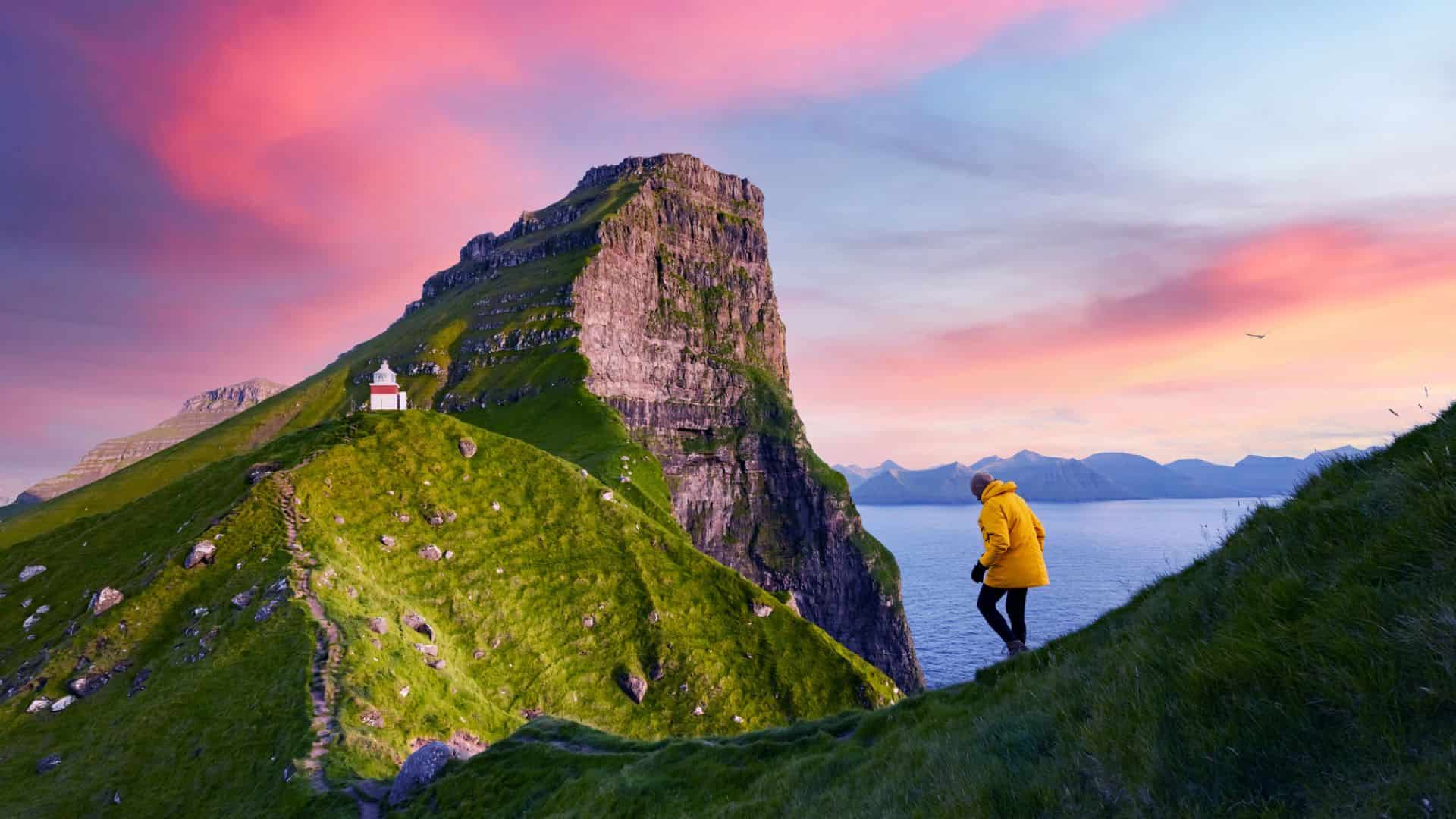
Rising from the North Atlantic between Iceland and Norway, this archipelago is shaped by wind, rain, and steep basalt cliffs. Narrow fjords cut deeply into the land, while grassy slopes tumble toward the ocean below. Waterfalls plunge directly into the sea, and seabird colonies cling to inaccessible ledges. Small villages with turf‑roofed houses sit along protected inlets, connected by tunnels, ferries, and mountain roads. Island hopping here feels raw and dramatic, with weather changes adding constant motion to both land and sea.
Want to save this?
San Blas Islands (Panama)
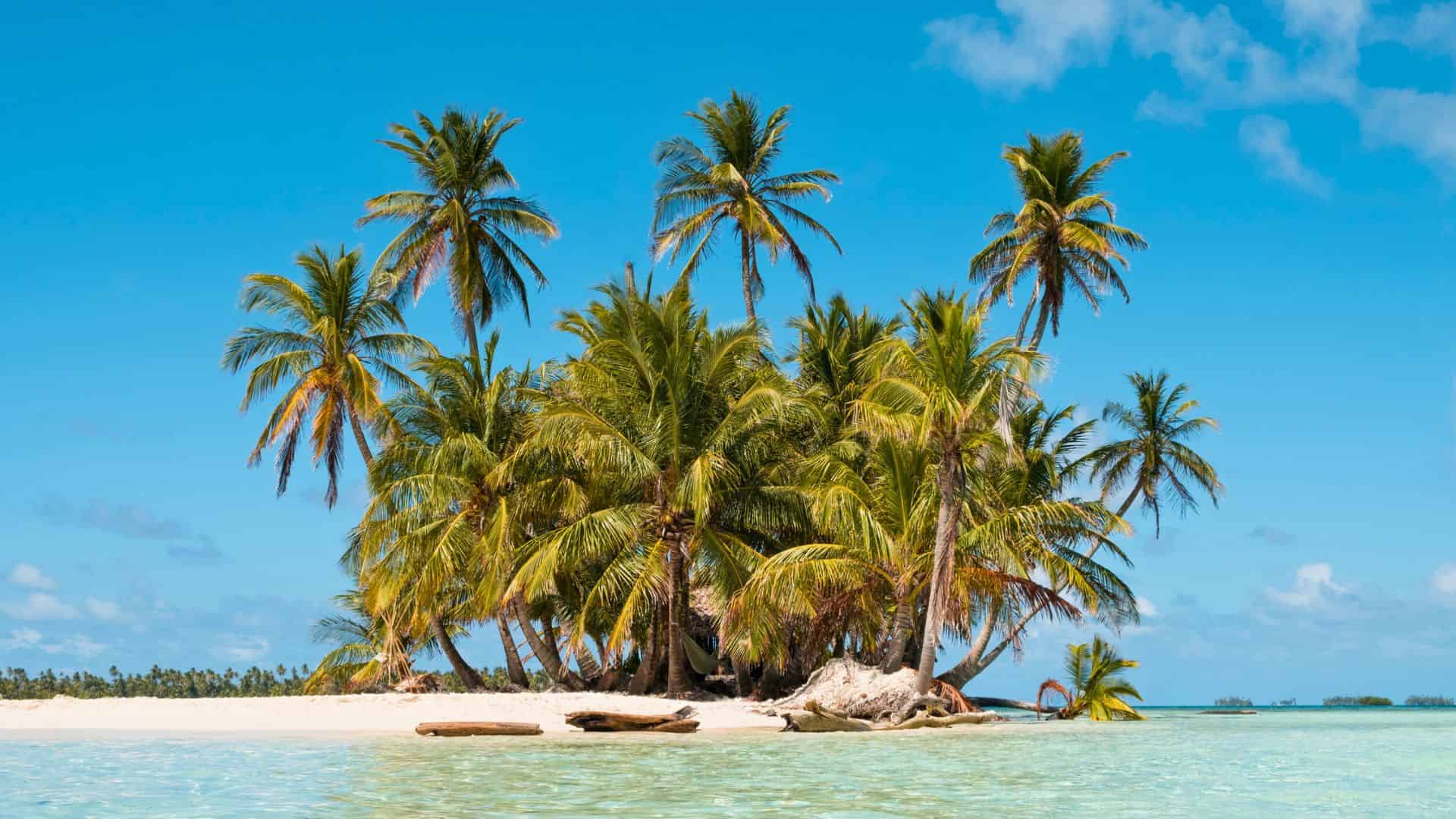
Stretching along Panama’s Caribbean coast, this archipelago consists of hundreds of small, low‑lying islands surrounded by shallow reefs. Many islands remain sparsely developed, with palm trees, simple huts, and narrow strips of sand edging clear water. The Guna people govern the region and preserve traditional customs, language, and dress. Travel between islands typically happens by small boat, passing fishing canoes and coral gardens below. Days unfold slowly, guided by tides, sunlight, and community life closely tied to the sea.
The Azores (Portugal)
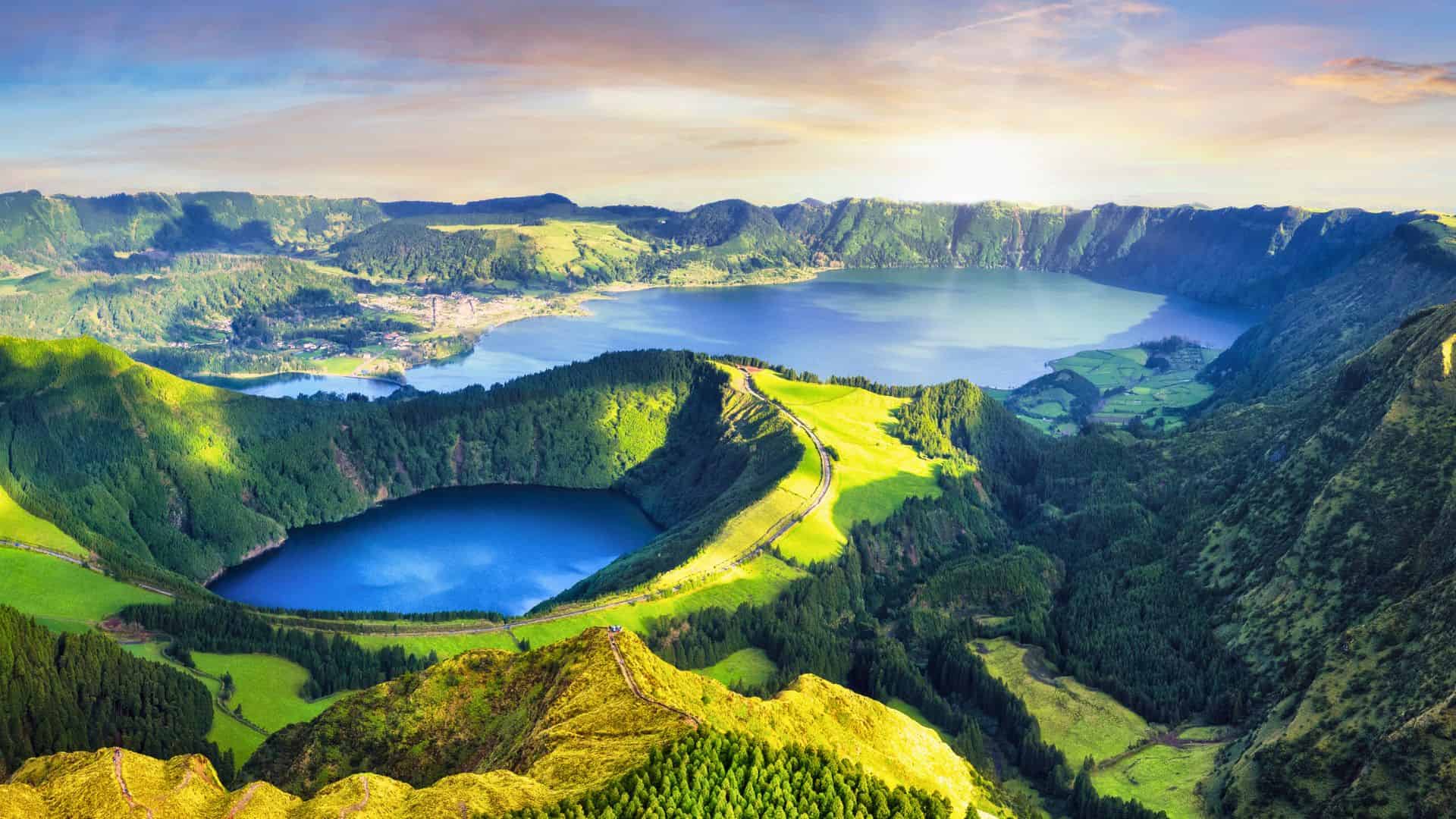
Set far out in the Atlantic, these nine volcanic islands reveal landscapes shaped by eruptions and tectonic forces. Crater lakes fill ancient calderas, while steam rises from geothermal fields and coastal hot springs. Green pastures, hydrangea‑lined roads, and rugged shorelines define travel between islands. Whale and dolphin sightings are common during crossings, reflecting the richness of the surrounding waters. Each island has its own pace and scenery, from dramatic cliffs to fertile valleys, making movement between them feel like stepping through varied natural worlds.
Whitsunday Islands (Australia)
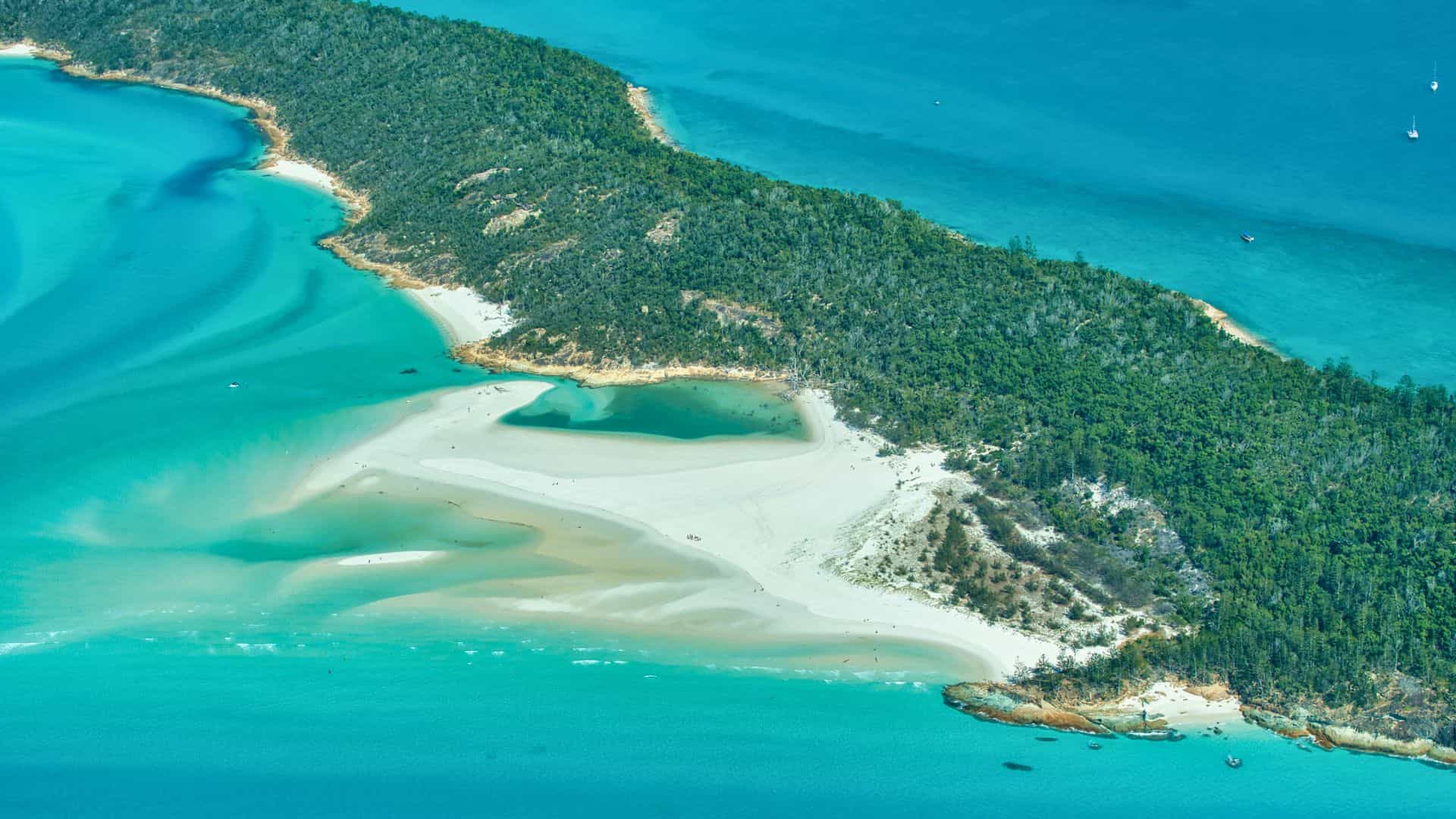
Located off the coast of Queensland, this chain of continental islands sits within the heart of the Great Barrier Reef. Calm seas and steady winds make travel by sailboat a defining experience, with routes weaving between forested hills and sheltered bays. Fine white silica sand contrasts sharply with shallow aqua water, especially along sweeping shorelines such as Whitehaven Beach. Fringing reefs support turtles, rays, and reef fish, while hiking trails inland lead to lookouts above the Coral Sea, revealing constantly shifting colors and light.
Lofoten Islands (Norway)

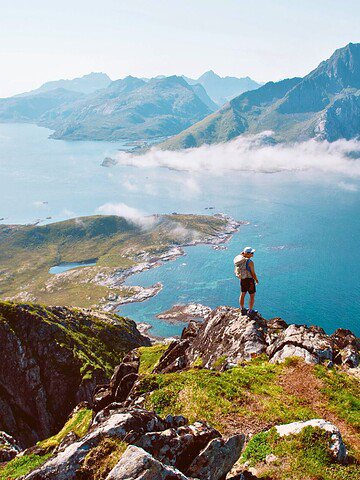
Far above the Arctic Circle, sharp granite peaks rise straight from narrow fjords, creating striking contrasts between mountain and sea. Fishing villages line sheltered bays, their red wooden cabins standing out against snow, rock, or summer greenery. Island hopping reveals beaches with pale sand, rolling surf, and unexpectedly mild waters warmed by ocean currents. Seasonal light shapes every experience, from winter darkness and auroras to endless summer daylight. Sea eagles circle overhead, reinforcing the strong connection between wildlife, weather, and coastal life.
Seychelles
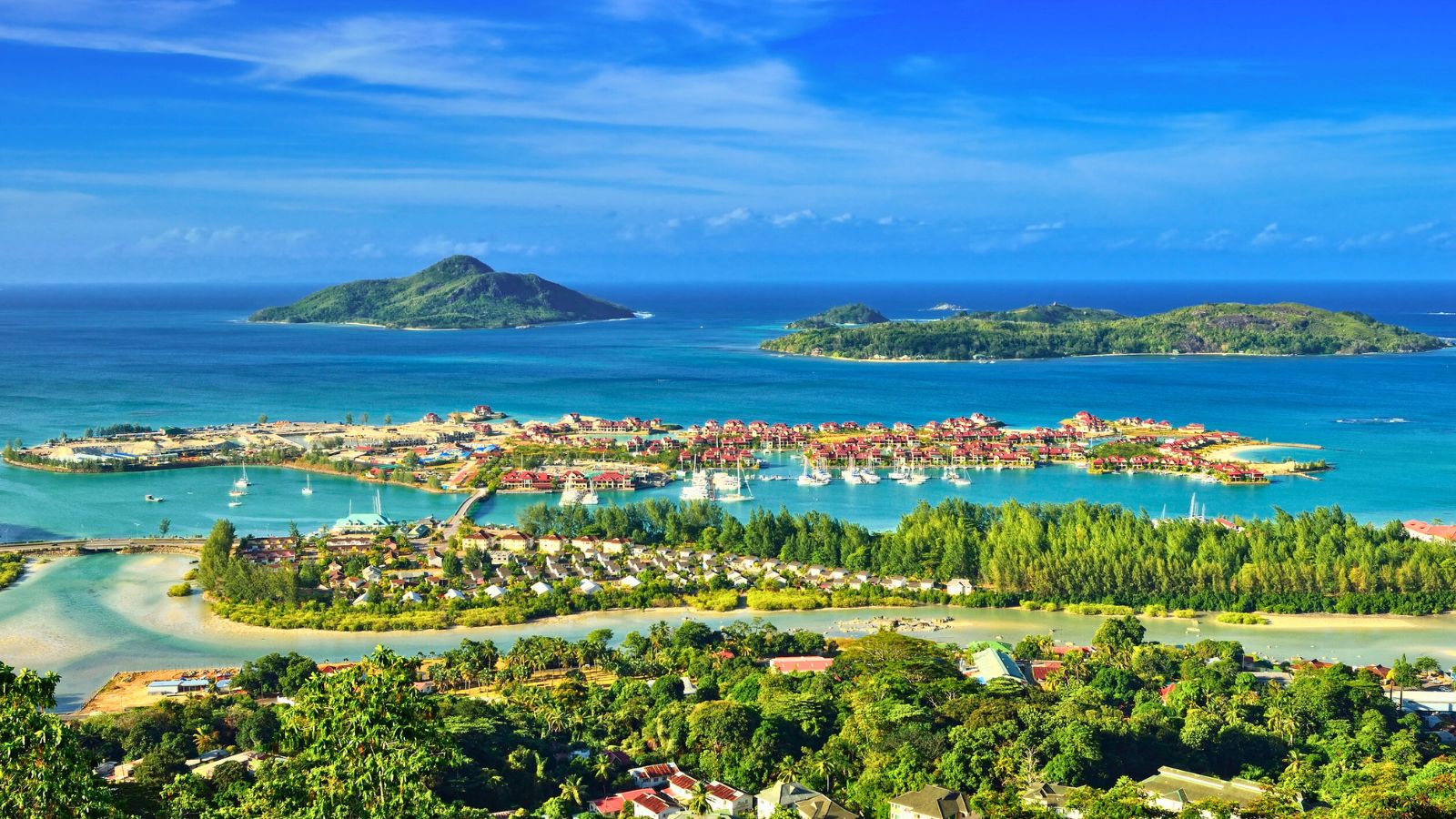
The Seychelles archipelago lies scattered across the Indian Ocean, featuring granite islands with dramatic boulders and coral islands ringed by reefs. Dense forests cover the interiors, sheltering rare plants and birds found nowhere else. Beaches curve gently between rock formations, while clear waters support thriving marine ecosystems. Island hopping allows movement between busy cultural centers and quieter nature reserves. Creole heritage, shaped by African, Asian, and European influences, is visible in language, architecture, and daily life, giving the islands a strong sense of place.
Follow the Water, Not Schedules
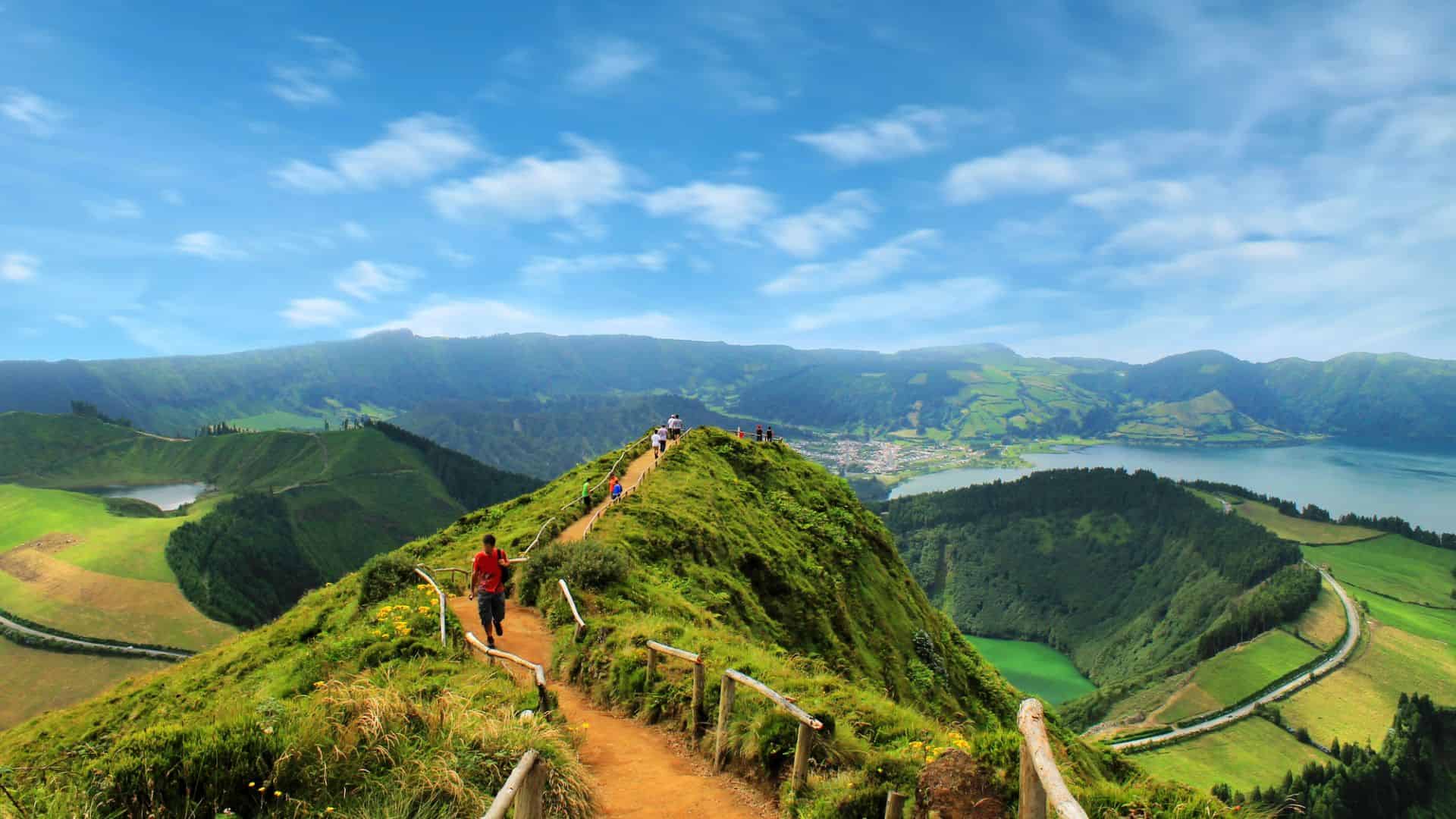
Island hopping has a way of resetting how travel feels. You stop counting sights and start paying attention to moments. The days don’t need much structure. You move, you pause, and you let the setting guide what comes next. Boats replace long drives. Water replaces highways. That shift alone can make a trip feel lighter and more grounded. It’s not about doing everything. It’s about doing enough and letting the rest unfold.
By the time the journey ends, the memories blur together in a good way. Different islands, different mornings, the same sense of ease. You get used to change without stress, and that sticks with you. This style of travel is great for anyone who wants space to breathe while still feeling curious and engaged. Long after the bags are unpacked, that slower rhythm is often what you miss most.
13 Must-Visit Caribbean Islands for Families Who Love Travel
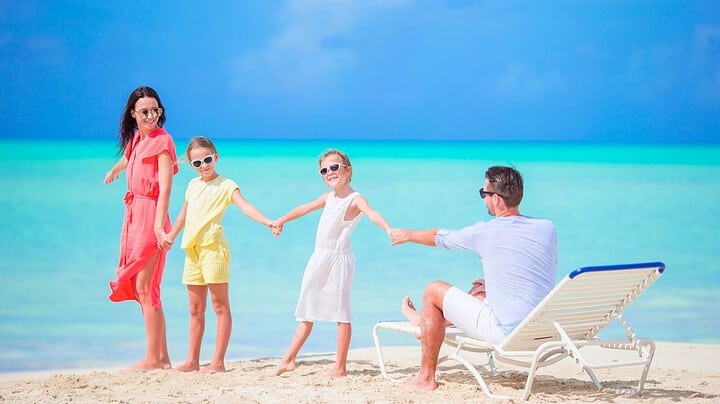
Planning a family trip to the Caribbean doesn’t have to be complicated. What most parents want is pretty simple: a safe place where kids can play, calm beaches that don’t feel crowded, and enough activities to keep everyone from getting bored. In fact, there are 13 family friendly islands in the Caribbean which has plenty of spots that check those boxes.
Read More Here: 13 Must-Visit Caribbean Islands for Families Who Love Travel
13 Affordable Tropical Islands Where Your Dollar Stretches Further
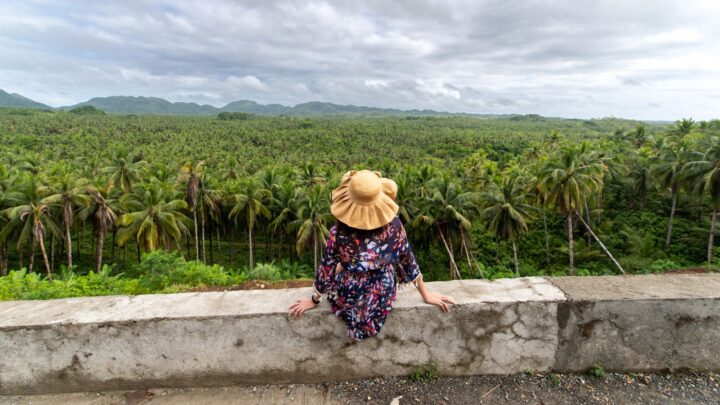
For many travelers, the dream of relaxing on an island feels out of reach, but there are affordable tropical islands where your dollar stretches further. These destinations combine natural beauty with lower costs, making it possible to enjoy beaches, local food, and cultural experiences without breaking the budget. From crystal-clear waters to vibrant markets, the charm of these islands proves that paradise doesn’t always have to come with a high price tag.
Read More Here: 13 Affordable Tropical Islands Where Your Dollar Stretches Further