Traveling to Japan with family doesn’t have to mean packed schedules or crowded streets. Once you leave the big cities, the pace shifts fast. Roads get quieter. The air feels cleaner. Kids can move freely without being rushed every five minutes. Parents get space to relax and stop checking the clock. These 12 Japanese countryside places for families are the perfect choices.
You’ll find that these places where children can explore safely and adults can slow down without boredom setting in. Nights are calm, mornings start early, and no one feels pushed to do too much. If your goal is a trip that feels grounded and perfect for real connection, this side of Japan delivers without stress or show. It’s the kind of travel where conversations last longer, and memories form without trying too hard.
Achi Village (Nagano Prefecture)
Tucked deep in the mountains of southern Nagano, Achi Village is known across Japan for its remarkably dark night skies. Families ride a ropeway after sunset to panoramic viewpoints where children can spot constellations, planets, and meteor showers with the naked eye. During the day, gentle countryside scenery encourages relaxed walks through orchards and forests. Seasonal activities such as apple picking, snow play, and simple nature crafts help children connect with the land. Small inns and rural lodgings create a calm rhythm, making it easy for families to slow down together.
Biei & Shirogane (Hokkaido)
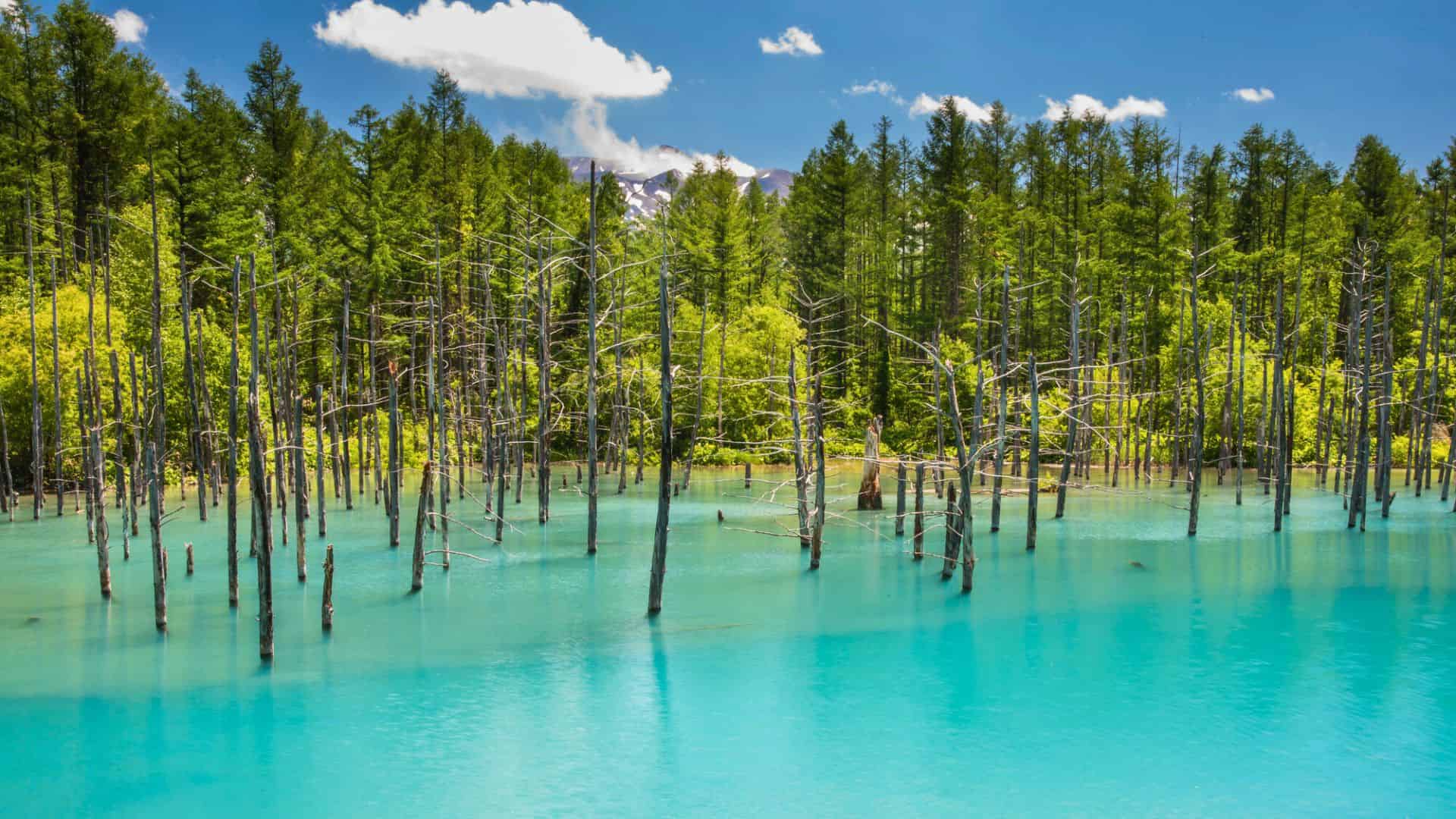
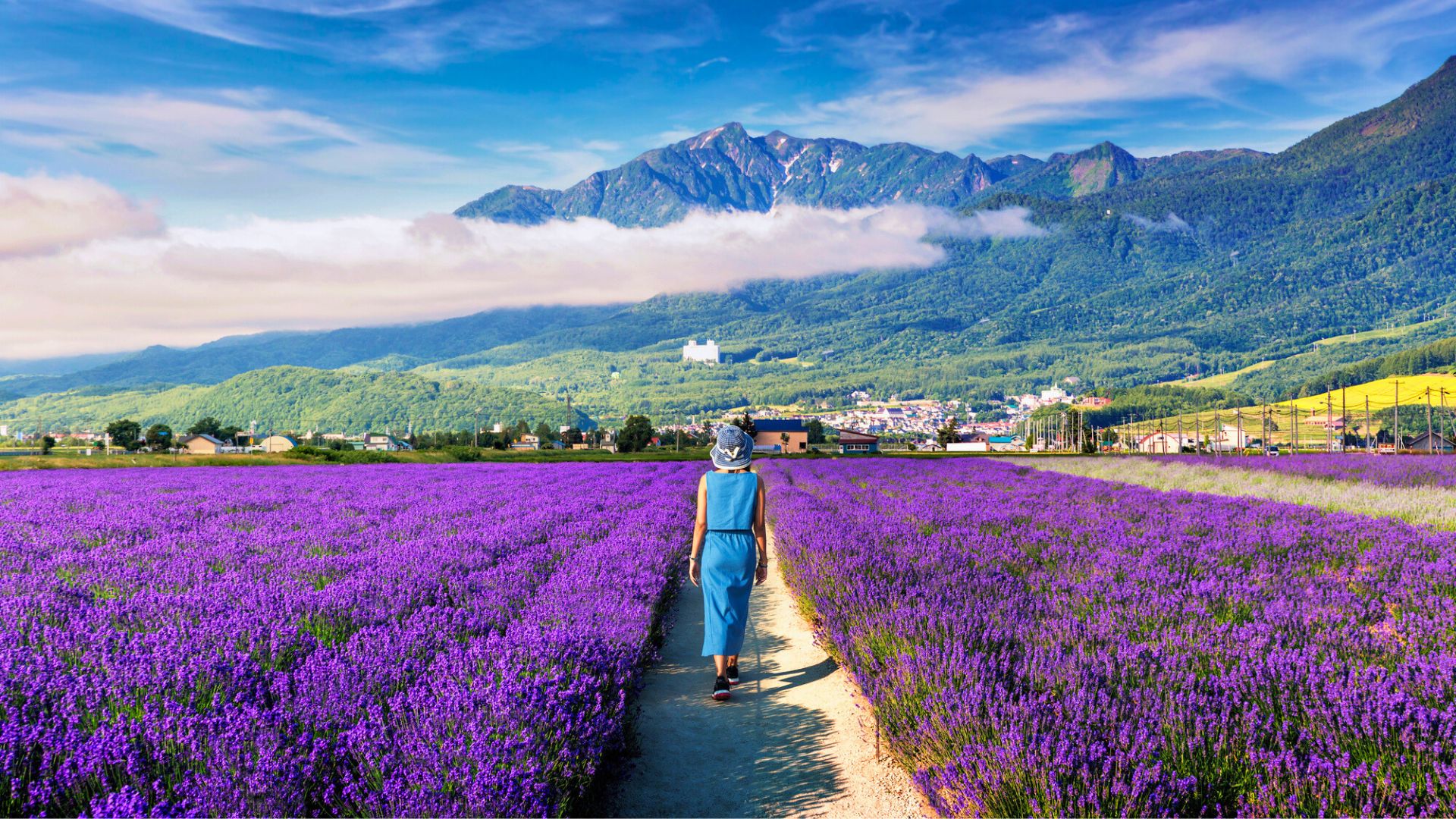
Biei and nearby Shirogane feature wide landscapes shaped by rolling hills, patchwork farms, and distant mountain ranges. Families can cycle quiet roads, stop for photos at colorful flower fields, and visit the striking Blue Pond with its changing shades through the seasons. The open scenery gives children space to run freely, while parents appreciate the clear air and uncluttered surroundings. Simple cafés, picnic spots, and scenic viewpoints encourage unhurried days. Each season transforms the scenery, from summer blooms to winter snowfields, creating fresh discoveries year-round.
Ouchi-juku (Fukushima Prefecture)
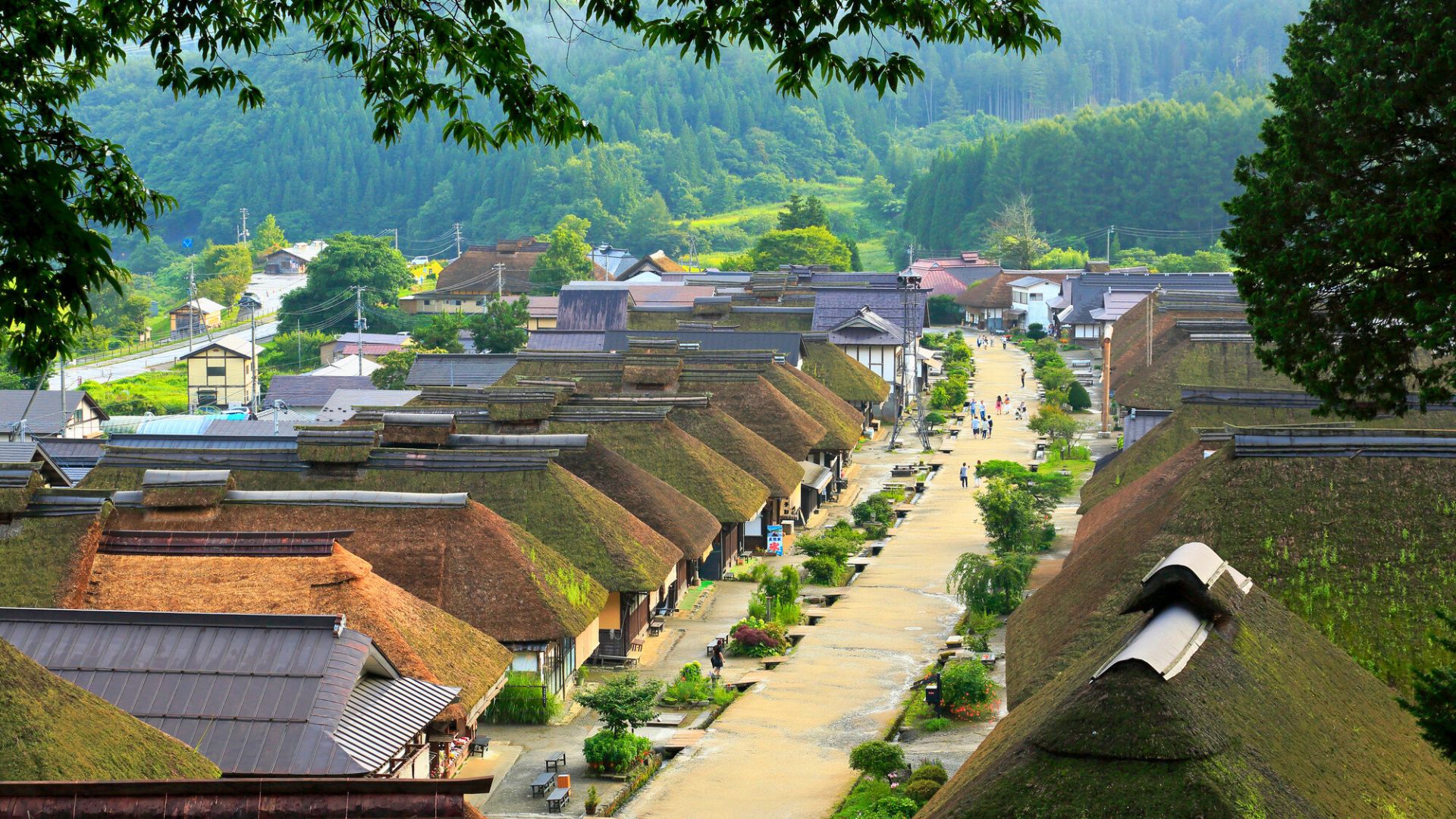
Ouchi-juku preserves the feeling of a historic post town, with thatched-roof buildings lining a single main street. Families stroll past traditional houses that once hosted travelers during the Edo period. Children often enjoy learning how people lived centuries ago, while trying local customs such as eating soba with a long green onion. Small museums and craft shops add educational moments without feeling formal. In winter, snow blankets the village, creating a scene straight from a history book. The slower pace encourages curiosity and shared conversations across generations.
Ine no Funaya (Kyoto Prefecture)
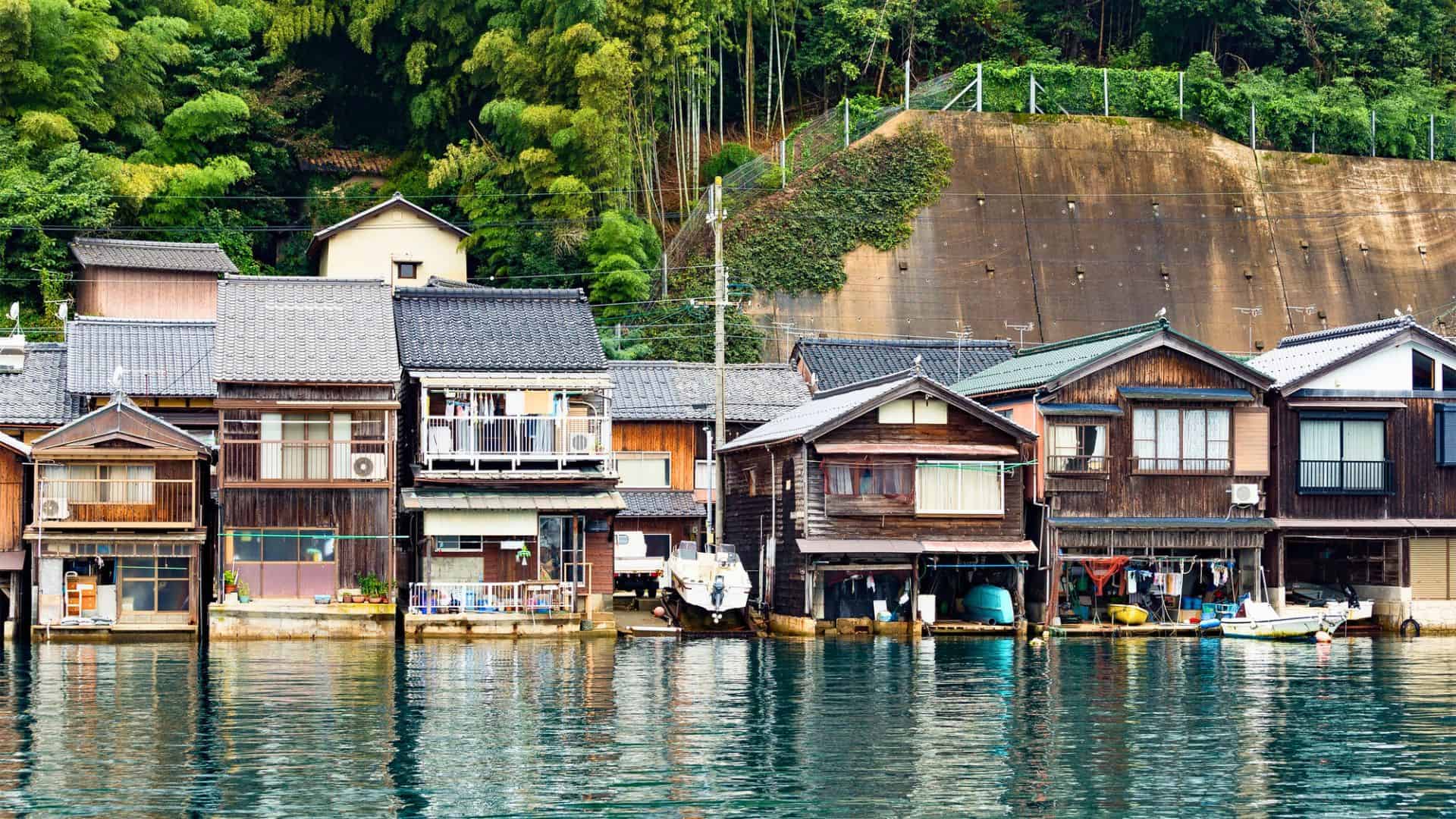
Ine no Funaya is a quiet fishing village where wooden boat houses stand directly above the sea. Families can walk along the shoreline and watch boats glide beneath homes, creating a strong connection between daily life and the water. Short boat tours allow children to feed seagulls while learning about coastal traditions. The village atmosphere remains calm, with narrow lanes and gentle waves replacing city noise. Staying overnight helps families experience morning light on the bay and observe fishing routines that have continued for generations.
Kamikochi (Nagano Prefecture)
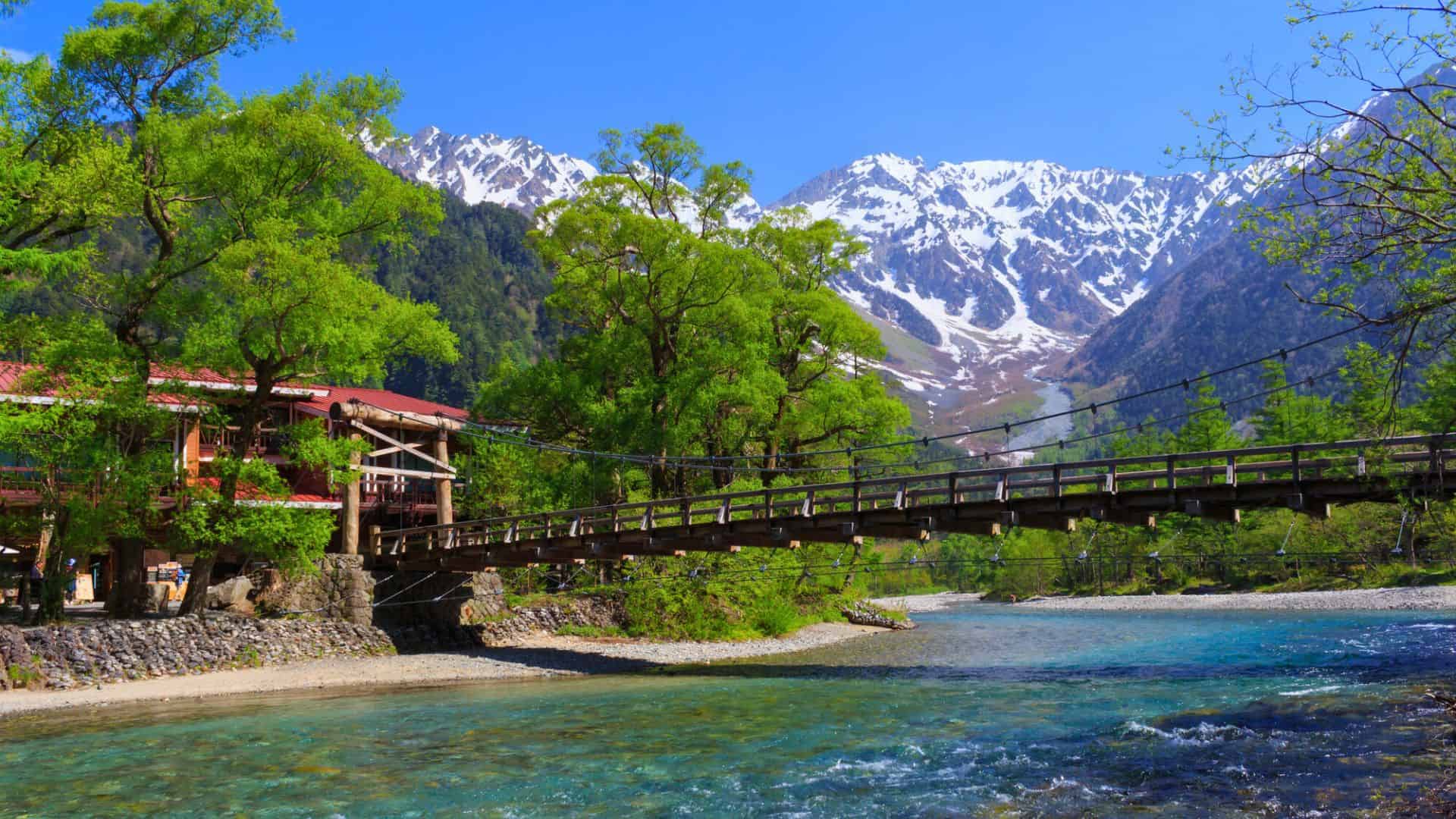
Set high in the Japanese Alps, Kamikochi is a protected valley with flat walking paths that suit families with young children. Clear rivers, wooden bridges, and dramatic peaks create an outdoor classroom where kids can spot birds, monkeys, and alpine plants. Trails are well-marked and free of traffic, allowing parents to relax while exploring. Picnic areas encourage long breaks surrounded by nature sounds. Seasonal changes bring fresh colors, from spring greenery to autumn foliage, making each visit feel different while remaining easy to navigate.
Kakunodate (Akita Prefecture)
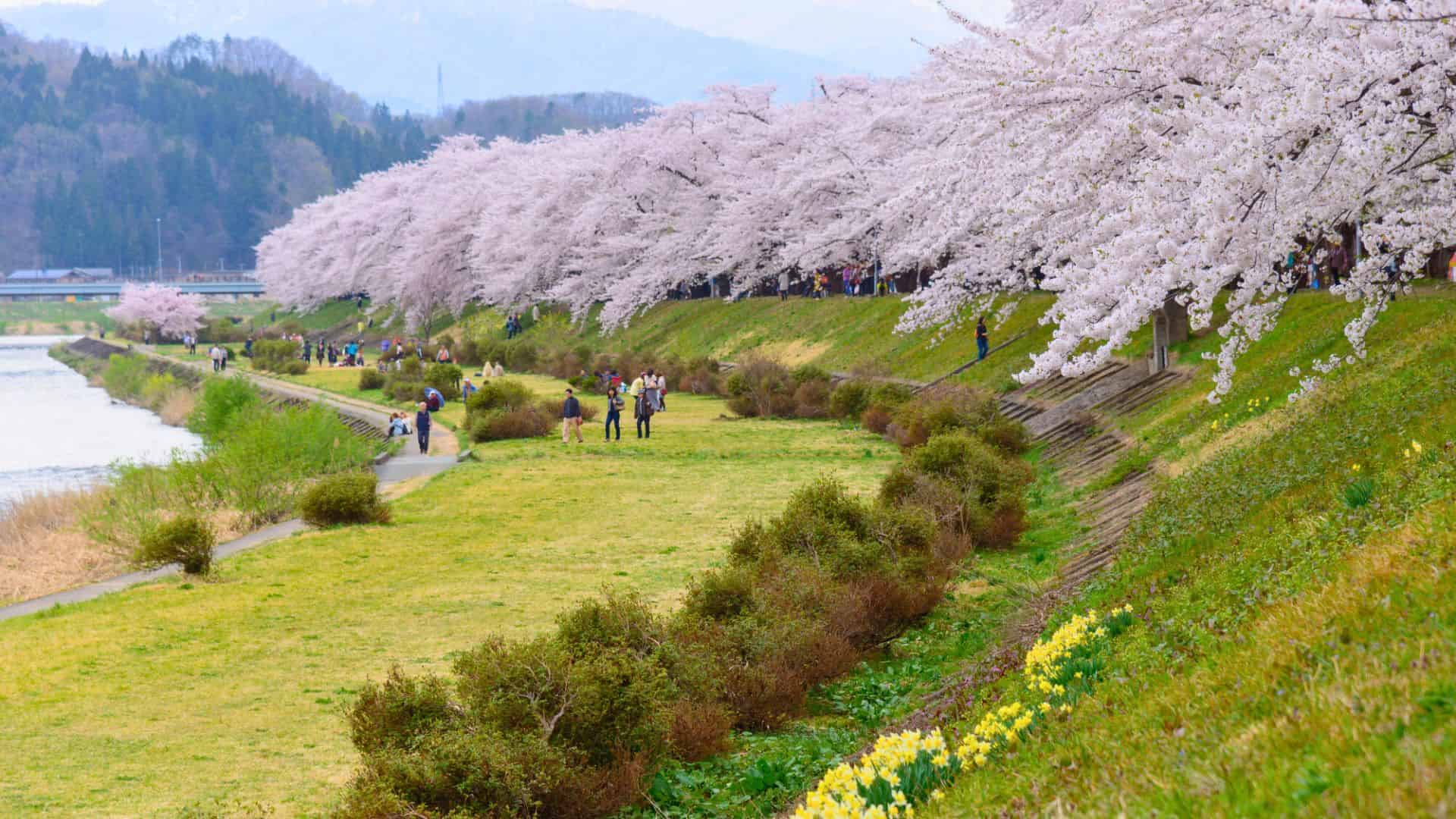
Kakunodate is a former samurai town where wide streets are lined with preserved warrior residences and arching cherry trees. Families wander between historic gates, gardens, and small museums that explain daily life during feudal times. Children often enjoy spotting family crests, wooden armor displays, and old tools. In spring, fallen petals cover the roads, while autumn brings deep reds and golds. Local sweet shops and craft stores add casual stops along the way. The town layout feels calm and walkable, encouraging relaxed exploration together.
Asuke (Aichi Prefecture)
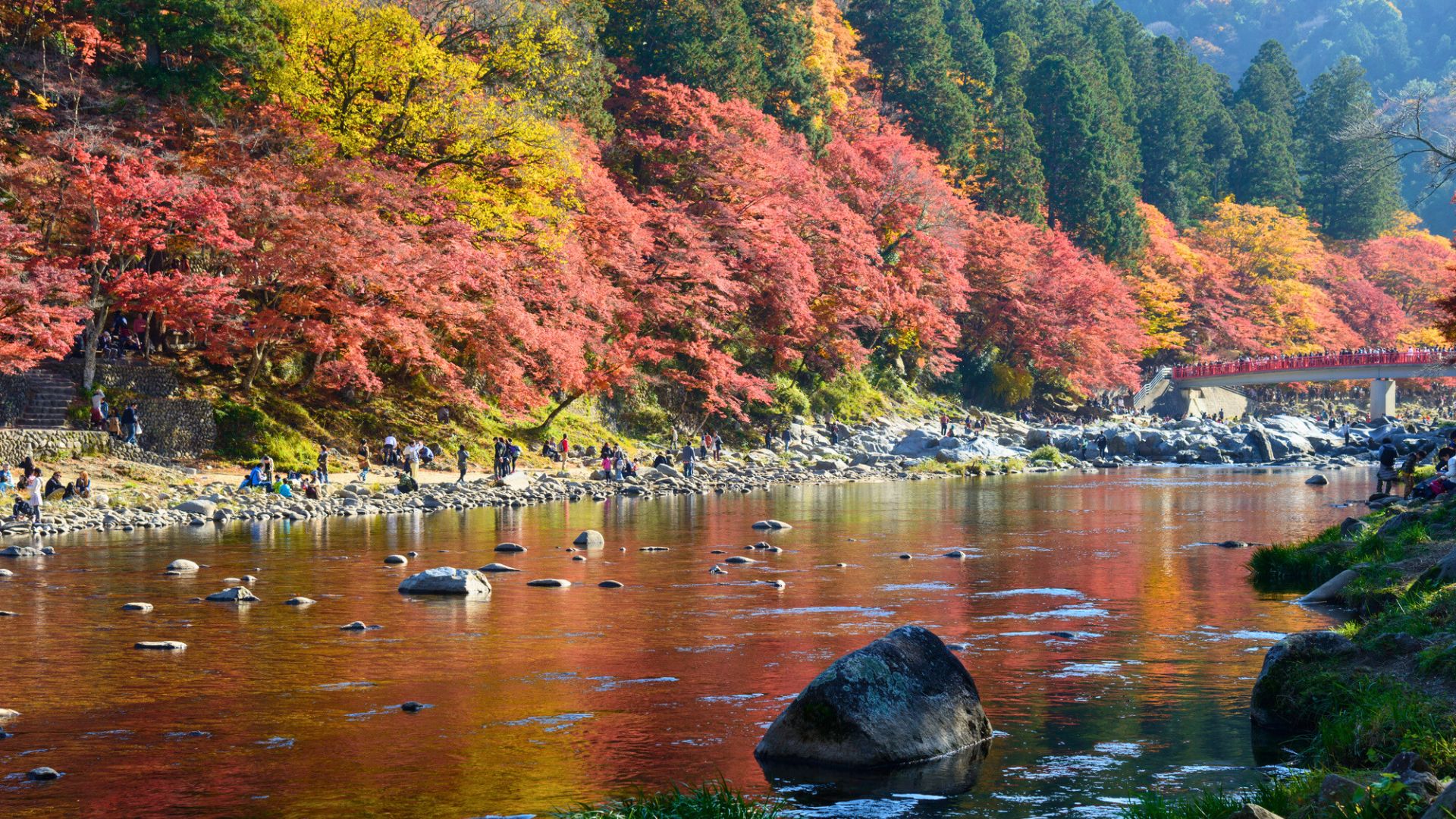
Asuke is a mountain town where traditional life remains visible in everyday routines. Families walk along old merchant streets, cross small bridges, and visit restored houses that explain local history in simple, hands-on ways. Children can try craft workshops such as paper making or woodwork while learning how materials came from nearby forests. Riverside paths allow relaxed strolls with frequent stops to watch fish or skip stones. Seasonal festivals bring parades, music, and decorations that feel rooted in community life rather than tourism, creating meaningful shared moments.
Unzen (Nagasaki Prefecture)
Want to save this?
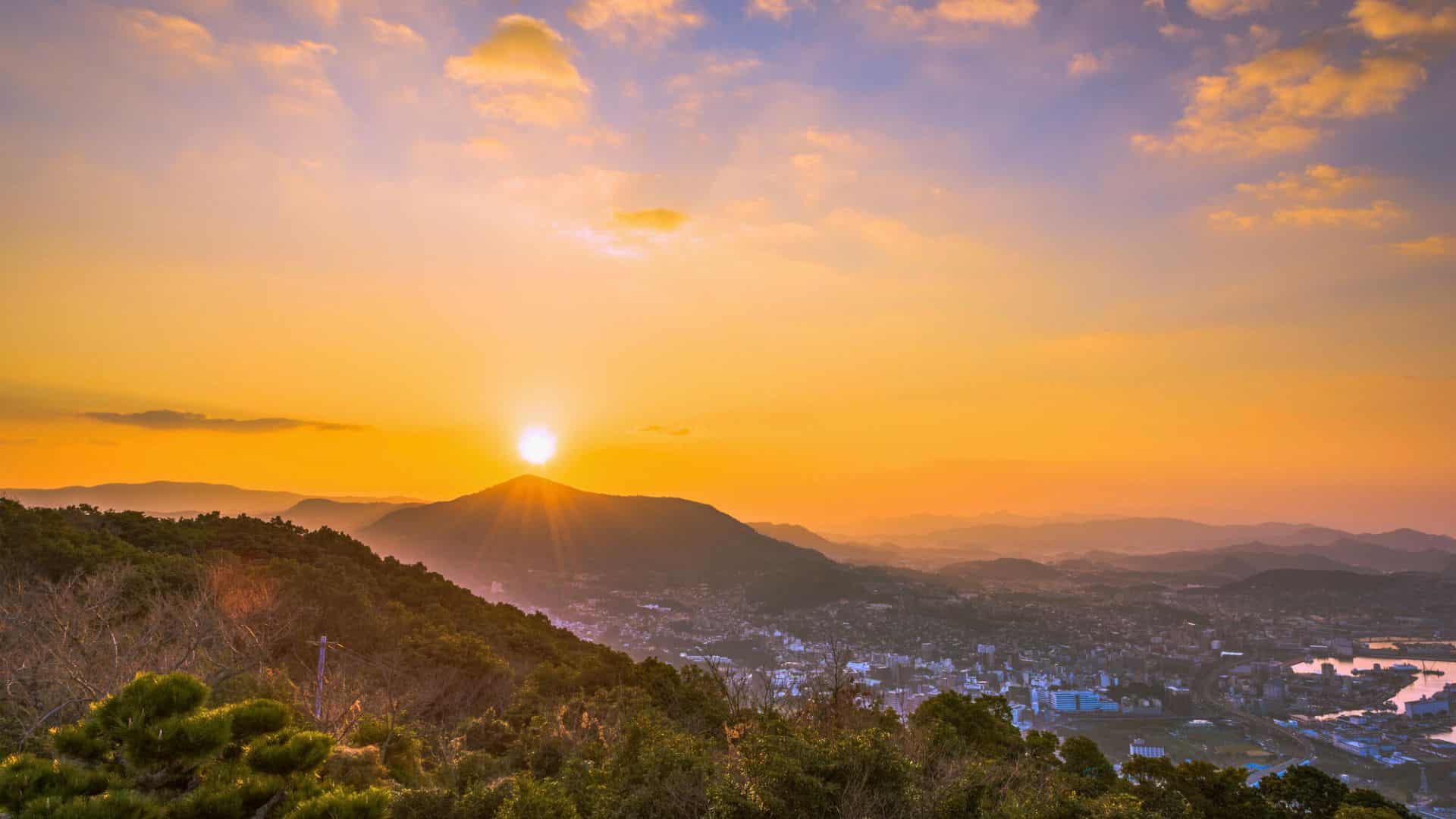
Unzen sits within a volcanic landscape shaped by steam vents, rugged hills, and wide open parks. Families follow boardwalks through geothermal areas where clouds of steam rise from the ground, sparking curiosity about Earth science. Open green spaces nearby give children room to play after walks. Short hiking routes lead to viewpoints overlooking the surrounding countryside and sea. Educational signs explain volcanic activity in clear language. The cooler mountain air and natural scenery create a refreshing change from coastal cities while remaining easy to explore together.
Noto Peninsula (Ishikawa Prefecture)
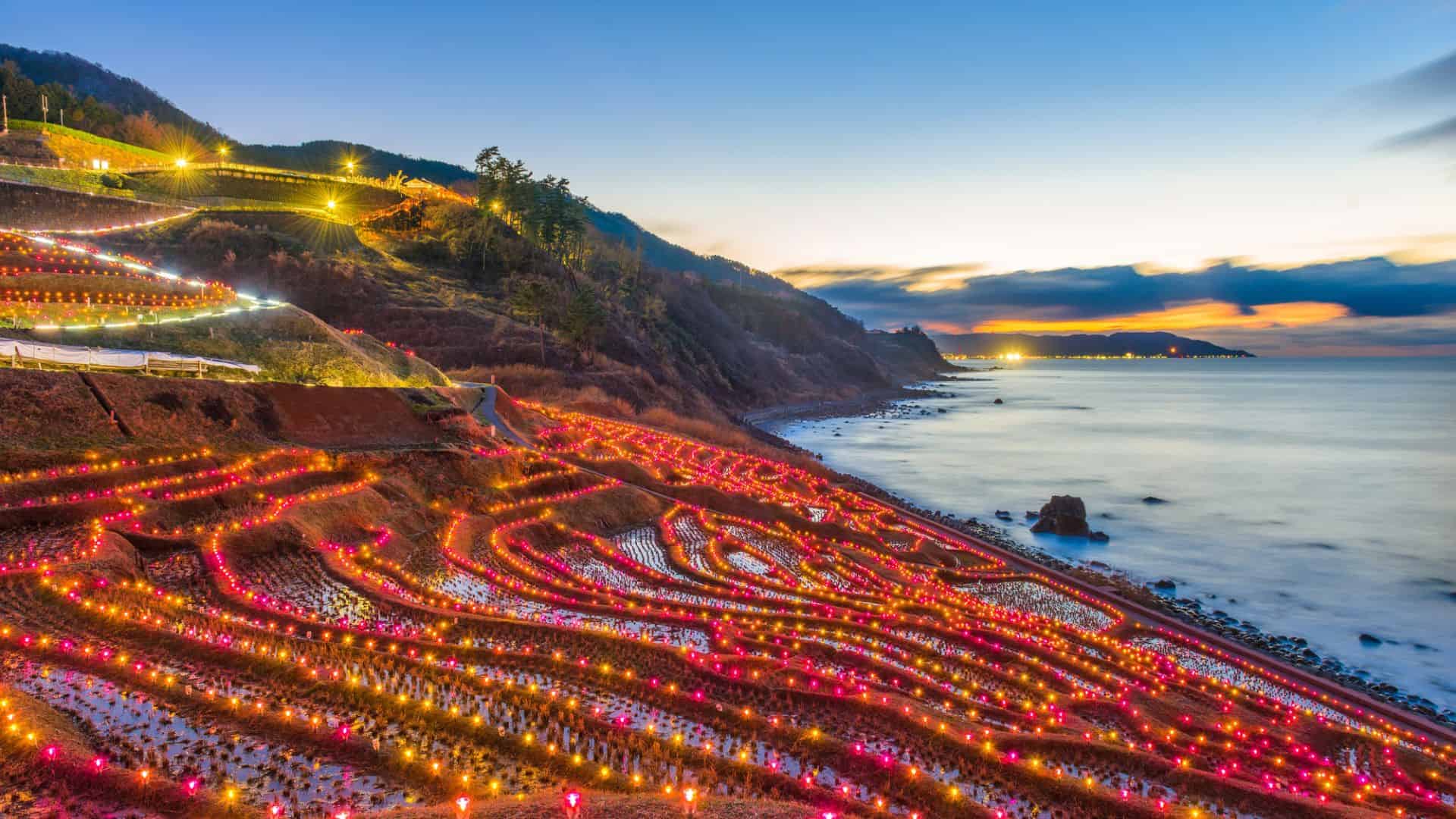
The Noto Peninsula stretches into the Sea of Japan with quiet fishing towns, terraced rice fields, and winding coastal roads. Families traveling here experience a slower rhythm, stopping at viewpoints, small beaches, and rural villages. Farm stays allow children to help with simple daily tasks and learn how food is grown and prepared locally. Traditional festivals, often held in small communities, introduce music and rituals passed down for centuries. The combination of sea views and countryside scenery encourages curiosity and conversation during unhurried days.
Biei Farm Stays (Hokkaido)
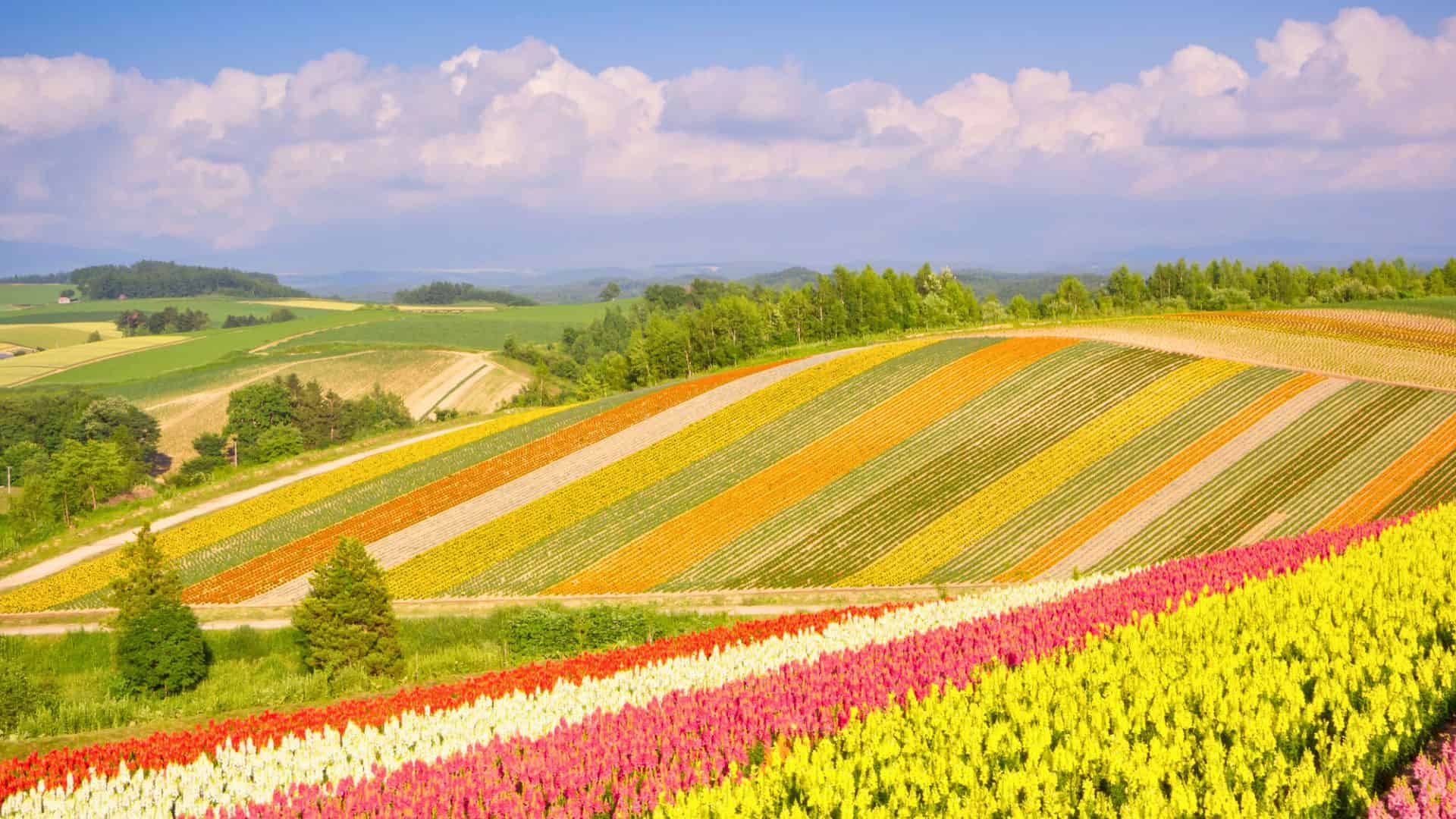
Staying on a farm in Biei places families directly within Hokkaido’s open landscape. Children wake early to feed animals, collect eggs, or help harvest vegetables, gaining a clear sense of seasonal work. Open fields and gravel paths allow safe exploration under wide skies. Hosts often explain farming routines in friendly, easy language. Evenings are quiet, with sunsets stretching across rolling hills. This setting helps children understand where food comes from while parents enjoy the calm pace and close connection to nature.
Shimanto River (Kochi Prefecture)
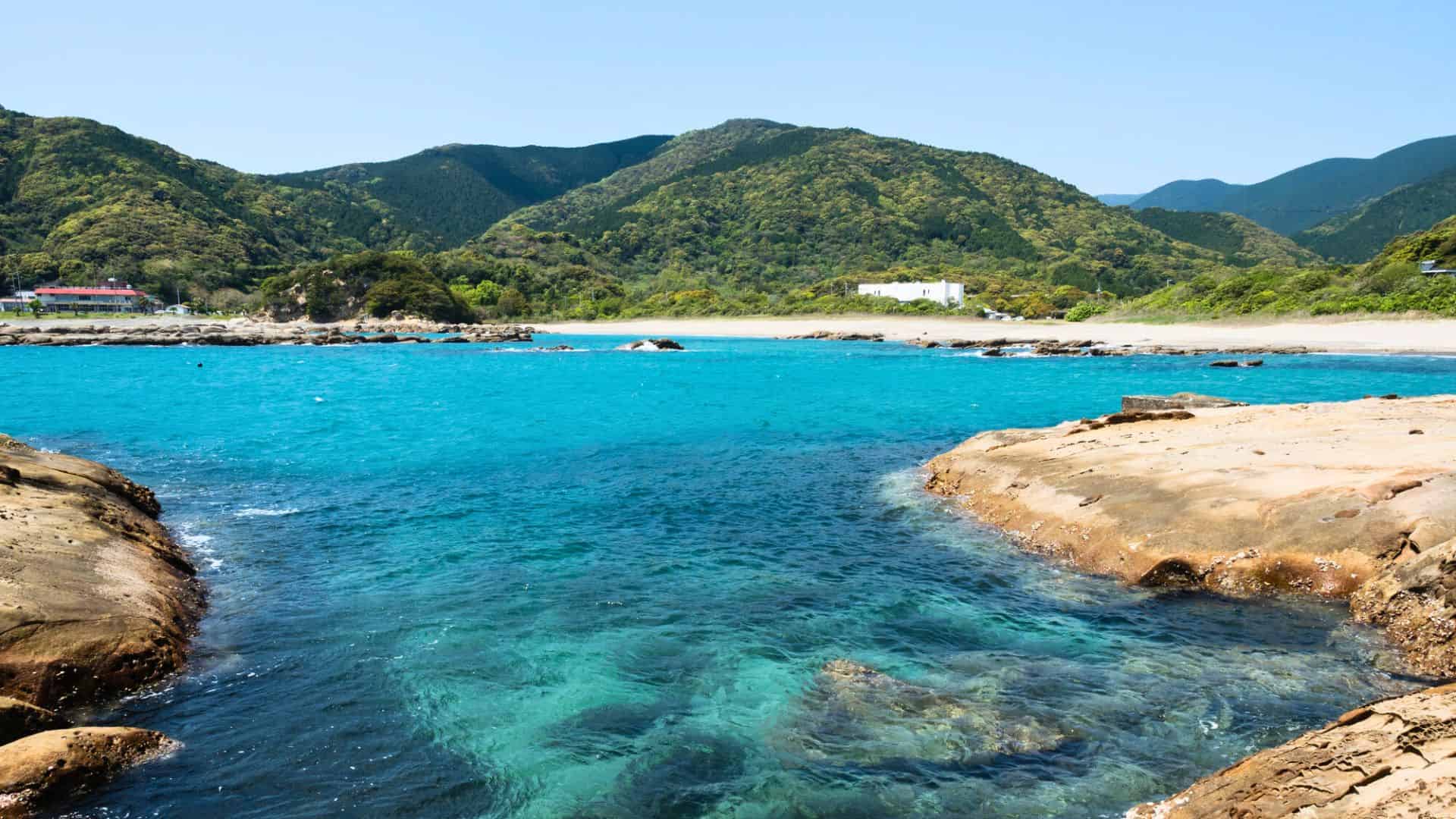
The Shimanto River flows through forested valleys and small villages, remaining one of Japan’s clearest waterways. Families spend time near shallow banks where children can play, watch fish, or paddle during warmer months. Low bridges crossing the river add excitement, especially after rainfall. Canoeing routes suit beginners, while riverside trails allow peaceful walks. Nearby towns remain modest and uncrowded, keeping attention on the natural surroundings. Days here revolve around water, wildlife, and simple outdoor activities shared at an easy pace.
Tsuwano (Shimane Prefecture)
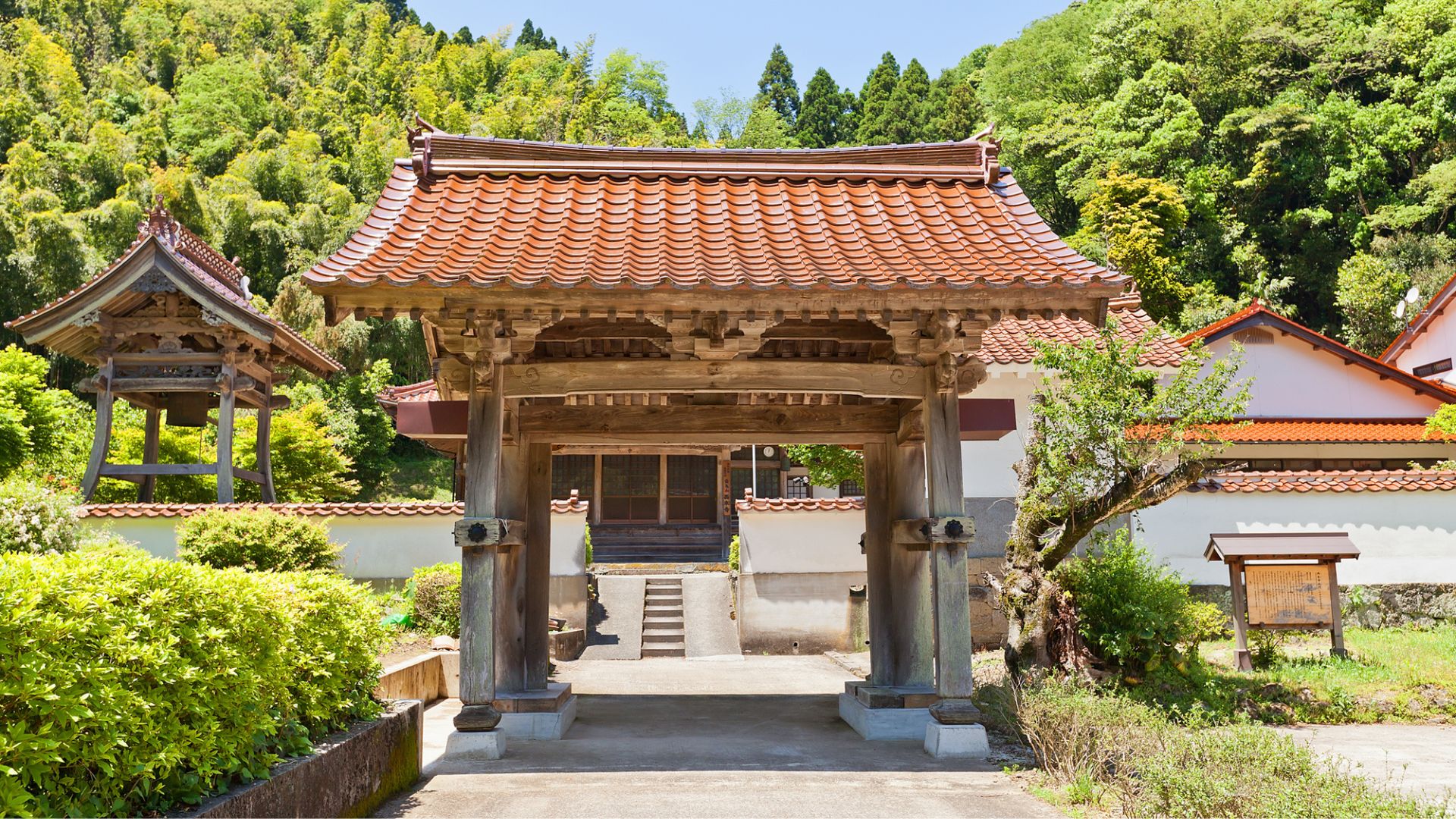
Tsuwano is a compact castle town known for its canals filled with colorful carp. Families stroll along quiet streets, passing old school buildings, shrines, and merchant houses that reflect the town’s past. Children enjoy spotting fish gliding beside stone paths and learning why canals were part of daily life. A chairlift or short hike leads to castle ruins with wide views of the valley below. Museums and small parks are close together, making exploration manageable while keeping the atmosphere calm and reflective.
Family Time, Minus the Rush

Traveling through rural Japan with family leaves a different kind of memory. It’s quieter, slower, and easier to stay present. Kids remember open spaces, kind locals, and days that didn’t feel rushed. Parents remember fewer screens, better sleep, and time that actually felt shared. These are places where plans stay loose and small moments matter more than big sights.
If you’re looking for a trip that feels great without pressure, the countryside delivers. You don’t need constant activity to keep kids engaged. You just need room to wander, places that feel safe, and time to let days unfold naturally. That’s what makes these destinations perfect for families who want something real, calm, and lasting.
11 Rookie Mistakes in Japan That Instantly Expose You as a Tourist
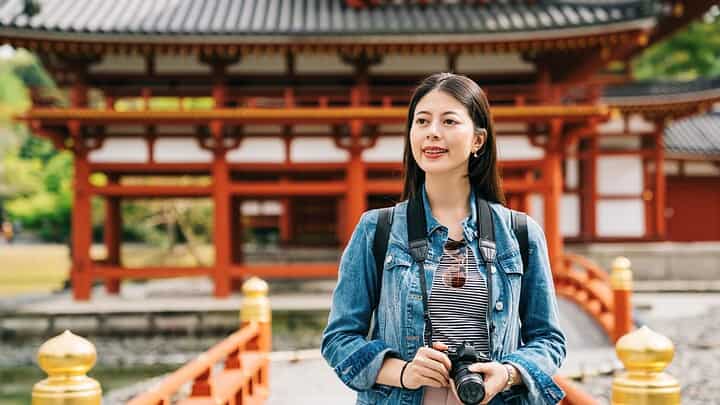
Traveling to Japan is a great experience—clean streets, efficient trains, and a culture that values respect in every small action. But for many first-time visitors, it’s easy to stand out without even realizing it. The country has its own quiet rhythm, and what feels normal back home can look out of place here. This is why you should know these 11 mistakes tourists make in Japan.
Read More Here: 11 Rookie Mistakes in Japan That Instantly Expose You as a Tourist
10 Items You’ll Be Glad You Packed for a Trip to Japan

Japan is a country where modern innovation meets centuries-old traditions, making it a destination filled with both excitement and discovery. For travelers heading there, a smooth trip often depends on preparation. There are items you’ll be glad you packed for a trip to Japan, from basics like a universal power adapter to essentials such as comfortable walking shoes for temple visits and city streets. Even practical details like carrying a coin purse for change or portable Wi-Fi to stay connected can save time and reduce stress.
Read More Here: 10 Items You’ll Be Glad You Packed for a Trip to Japan