Canada is known for its diverse landscapes and unpredictable weather, with some regions experiencing sudden snowstorms that can catch even the most seasoned travelers off guard. While winter storms are common across the country, certain areas are especially prone to unexpected weather changes that can challenge even the most prepared. From the coastal areas of British Columbia to the chilly provinces in the East, these regions can go from clear skies to heavy snow in a matter of hours.
For those planning to explore Canada during the winter, understanding where these snowstorms are most frequent is essential for staying safe. Whether planning a ski trip or simply visiting family, it’s crucial to be aware of the areas where the weather can change unexpectedly. With these tips on where to expect sudden snowstorms, travelers can be more prepared and enjoy the beauty of Canada’s winter landscapes without worry.
Newfoundland’s Avalon Peninsula
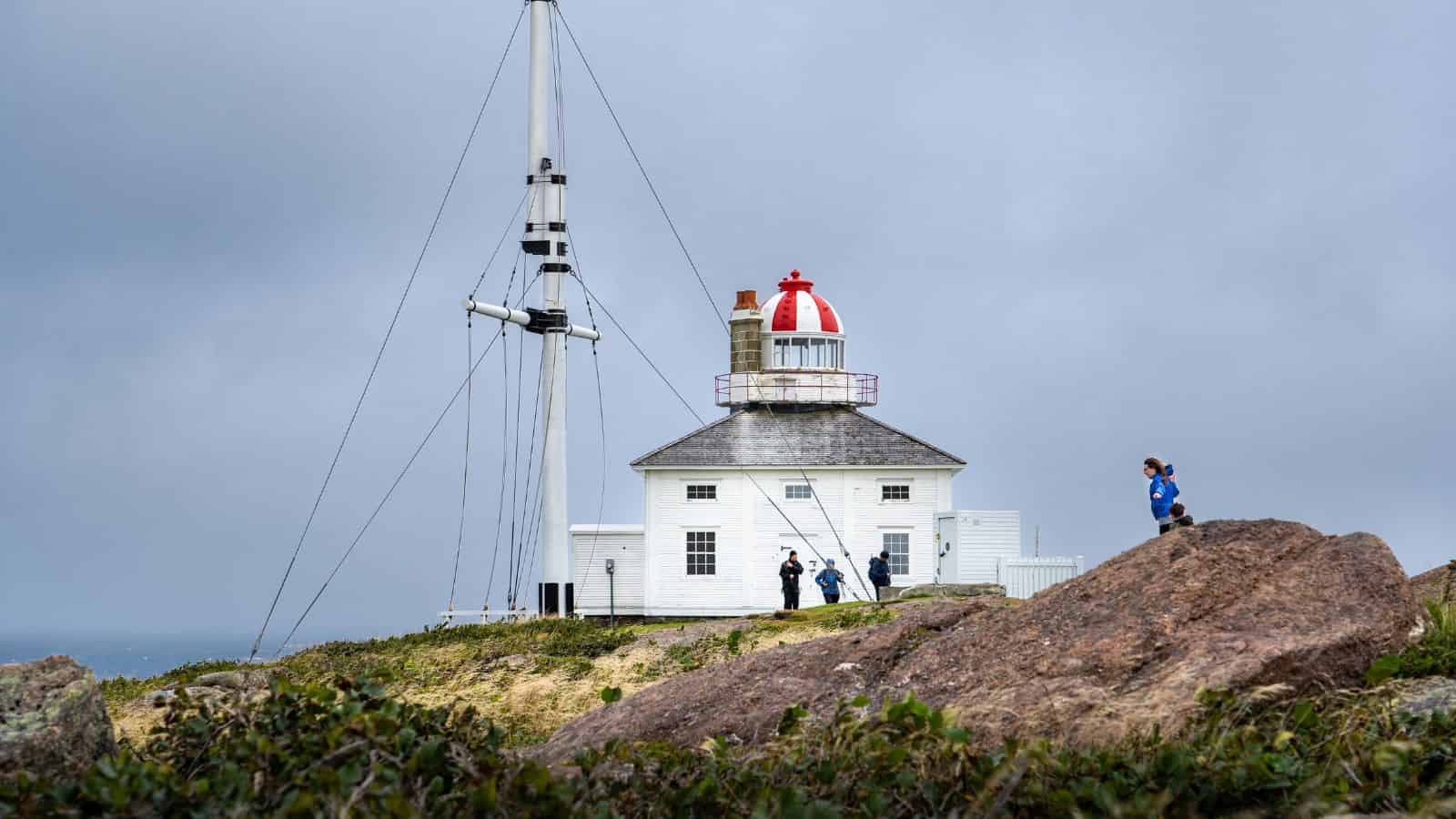
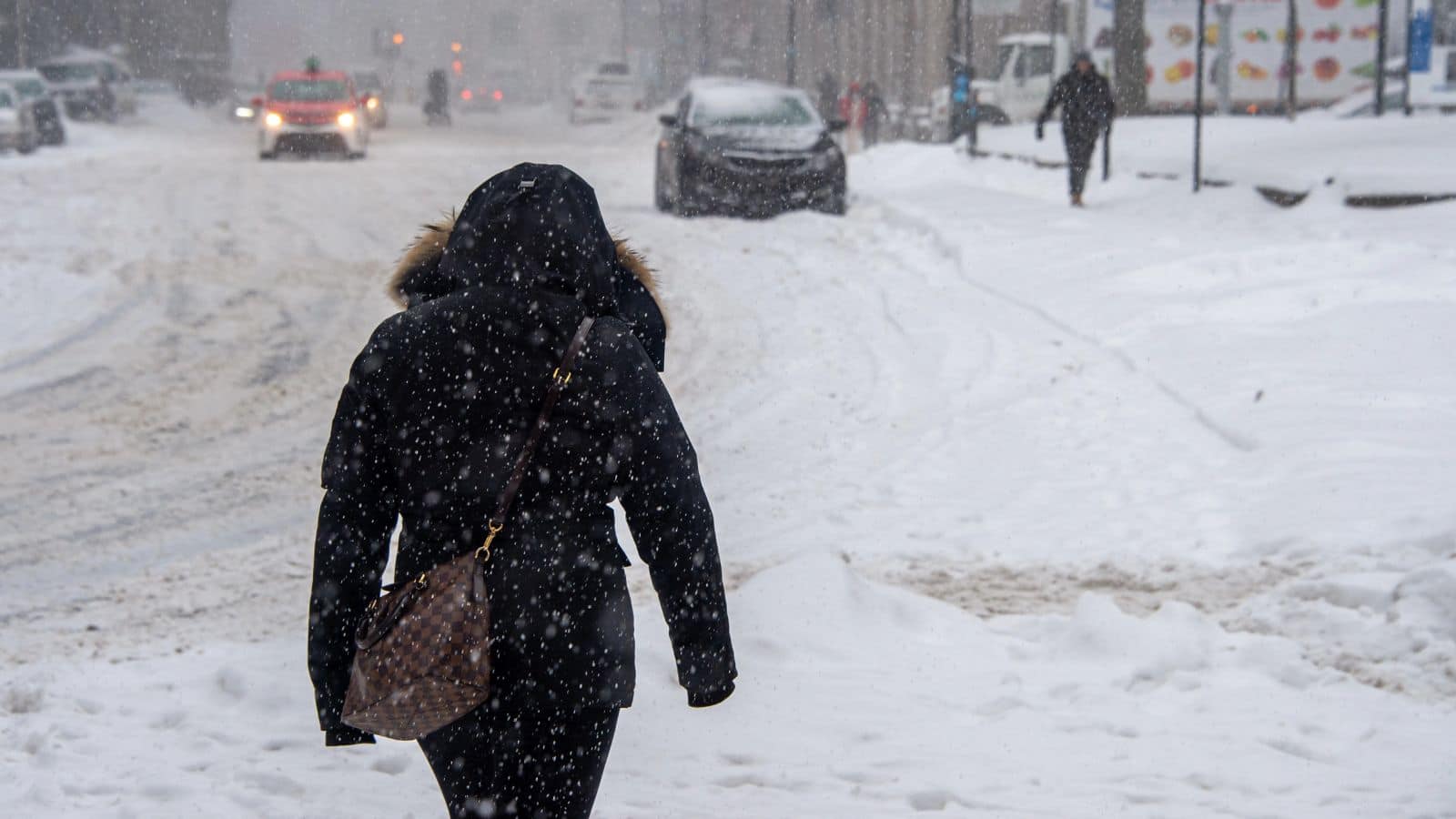
The Avalon Peninsula is known for weather that can shift suddenly, often catching travelers by surprise. Moist Atlantic air meets cold winds from the north and creates sharp changes that build into heavy snow with little warning. Locals say a calm morning can turn into near whiteout conditions by afternoon, especially near coastal areas. Roads can become slippery quickly, and visibility drops fast. The region’s position along major storm tracks makes it one of the most unpredictable places in the country during winter, with conditions that often develop faster than forecasts suggest.
Québec’s Saguenay–Lac-Saint-Jean
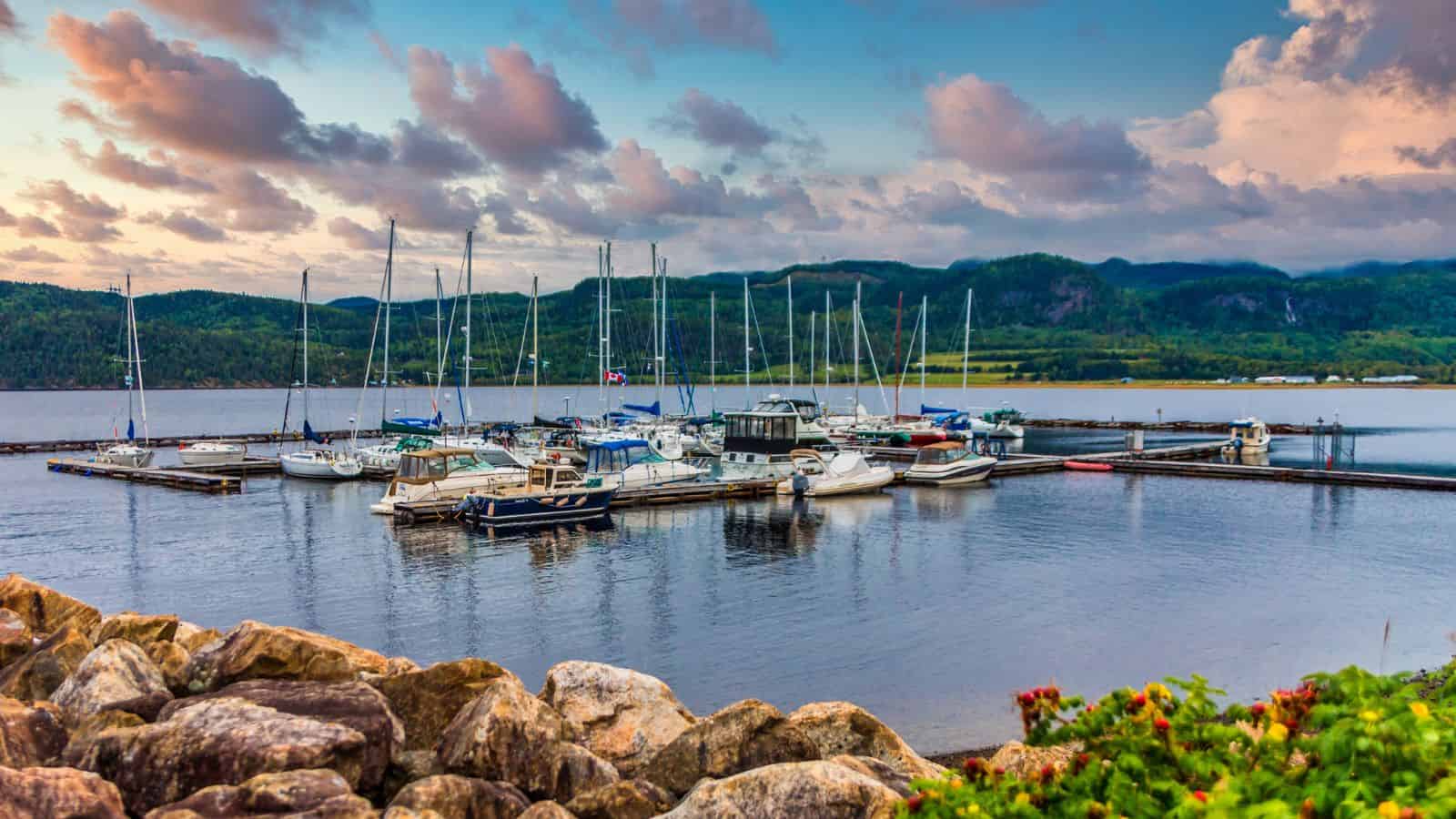
Saguenay–Lac-Saint-Jean sits in a position where Arctic air arrives quickly, creating sudden winter storms. Cold systems drop in through the river valley and collide with moisture from nearby lakes, producing fast and intense snowfalls. Locals are used to roads disappearing under thick snow within a short period, which makes driving conditions challenging. Wind gusts can push snow across open fields and create drifting that builds rapidly. Even on days that start clear, sharp drops in temperature often lead to unexpected squalls. Travelers who visit during winter learn to stay alert and check conditions regularly.
Northern Manitoba (Churchill Area)
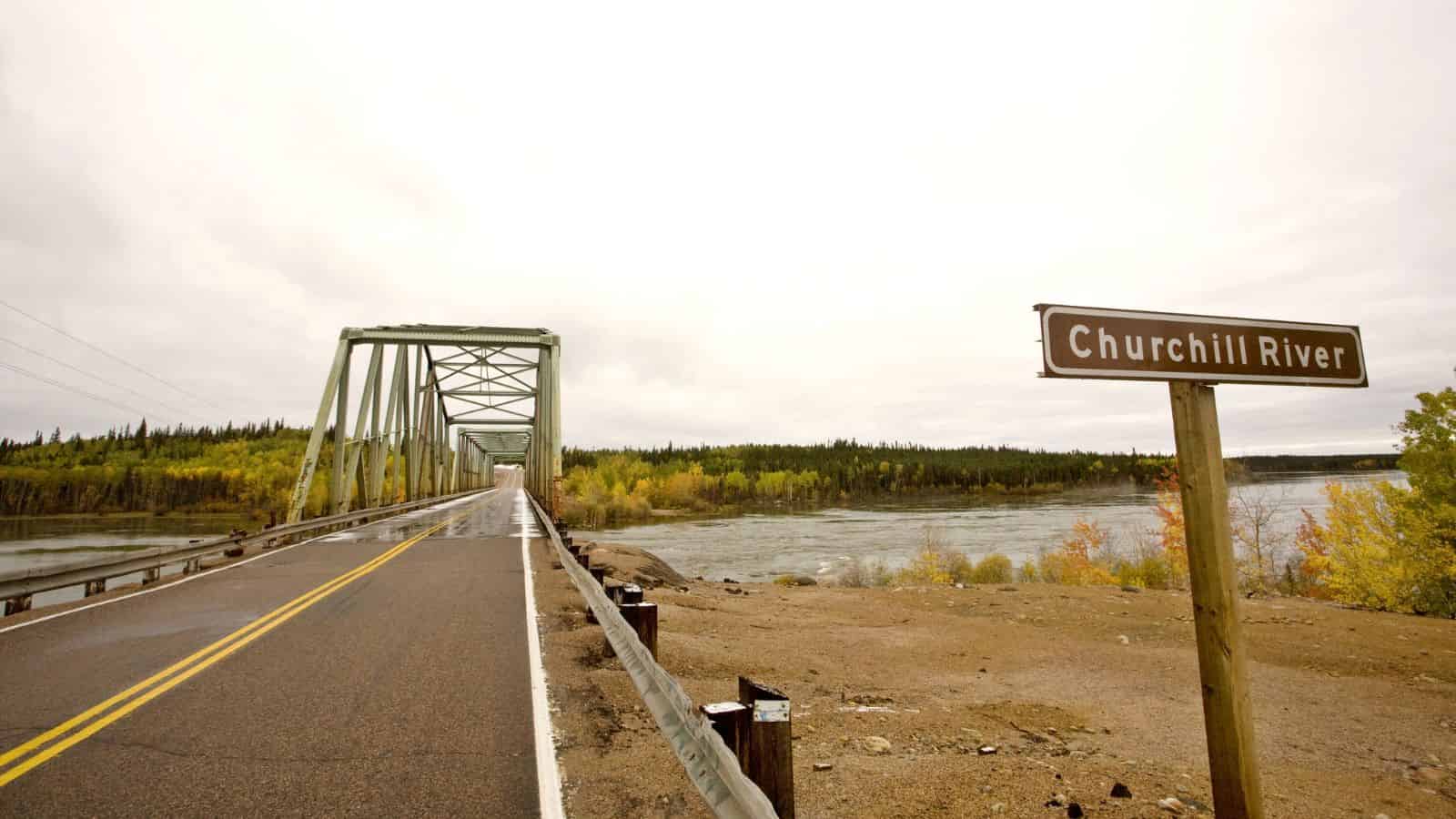
The Churchill area experiences strong Arctic fronts that sweep through without much notice. Snowstorms can form quickly when frigid air from the north meets any available moisture along the coast. The region’s open landscape gives wind plenty of room to build strength, which reduces visibility almost instantly. Wildlife researchers, photographers, and visitors often report that conditions can shift within an hour. Temperatures also fall sharply when these fronts arrive, creating harsh conditions that feel extreme even for experienced winter travelers. Because of its northern position, sudden snow remains a regular part of life in Churchill.
Rocky Mountains in Alberta (Banff and Jasper)

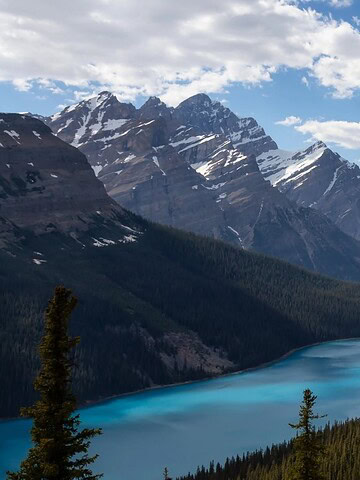
The Rocky Mountains are known for dramatic weather changes that occur due to shifting winds, elevation, and cold air settling in valleys. Clear blue skies can turn gray within minutes as snow clouds roll over peaks. Mountain passes often receive sudden bursts of heavy snow that make driving difficult. Visitors who hike or ski learn quickly that forecasts are not always reliable because the terrain shapes weather patterns in unpredictable ways. Cold air can drop into lower elevations and create fast snow squalls that move with surprising speed. These shifts make the Rockies both scenic and challenging in winter.
Labrador Coast

The Labrador coast experiences winter storms that form quickly when Arctic winds move across the frigid North Atlantic. Snow can fall heavily even on days that begin with stable conditions. Cold ocean air meets low pressure systems that track along the coast and create sharp bursts of snow with strong winds. Locals often deal with drifting that builds rapidly along roads and shorelines. Because the area is remote, weather reports sometimes lag behind fast changes, so residents are accustomed to preparing for sudden shifts. Travelers visiting the coast during winter often talk about how quickly storms appear from the horizon.
Northern British Columbia (Cassiar Region)
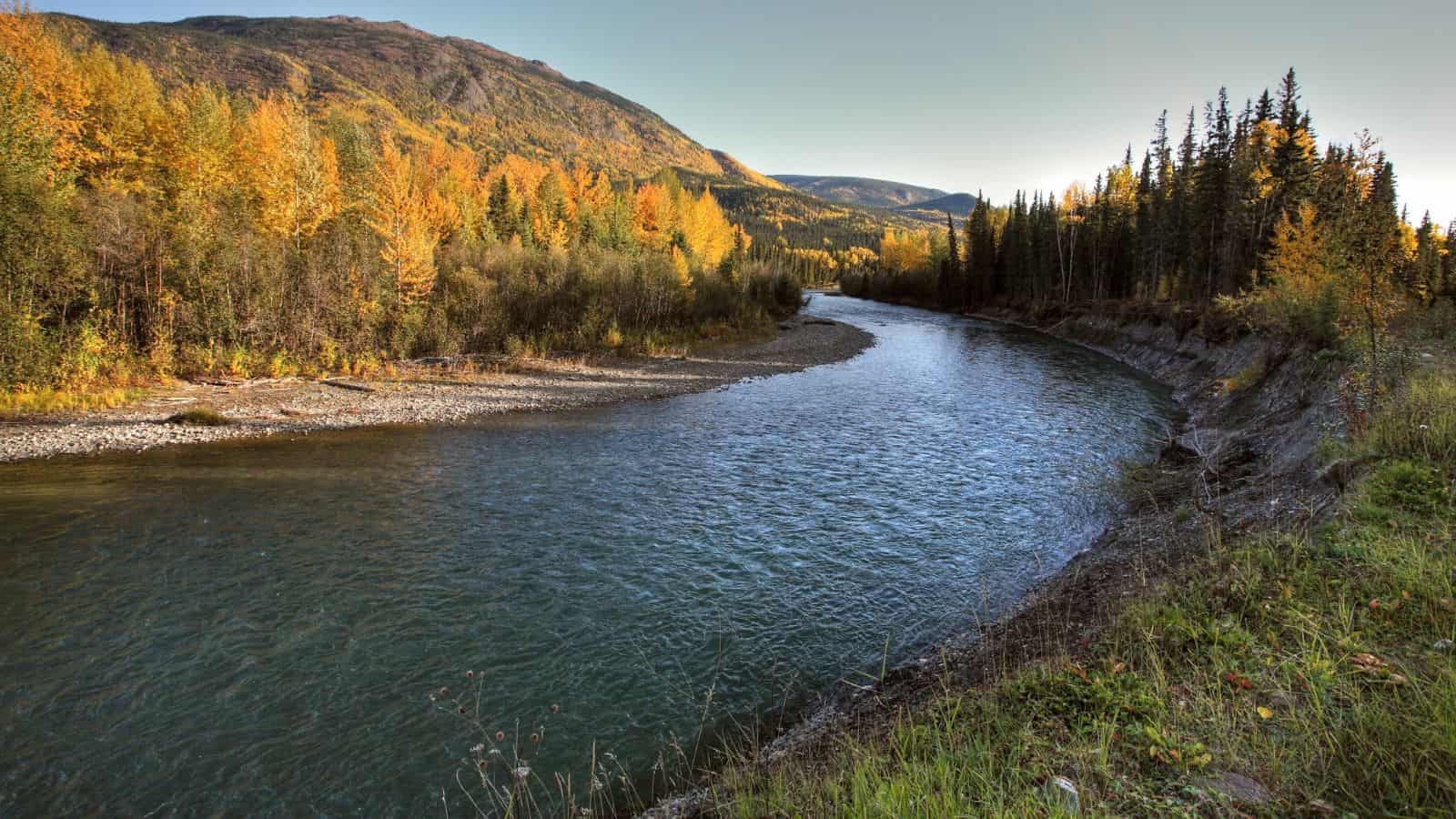
The Cassiar region is exposed to cold Pacific air that moves across mountain ridges and produces sudden snowfall. The terrain funnels weather through narrow valleys, causing fast buildups of snow and quick drops in temperature. Even during calm periods, clouds can gather behind peaks and release intense bursts without warning. Drivers on remote highways often encounter steep changes in conditions within short distances. Wildlife workers and residents know that the region’s weather changes faster than many forecasts predict. The combination of mountains, moist air, and shifting winds makes this one of the most unpredictable winter areas in the province.
Yukon’s Dempster Highway Corridor
Want to save this?
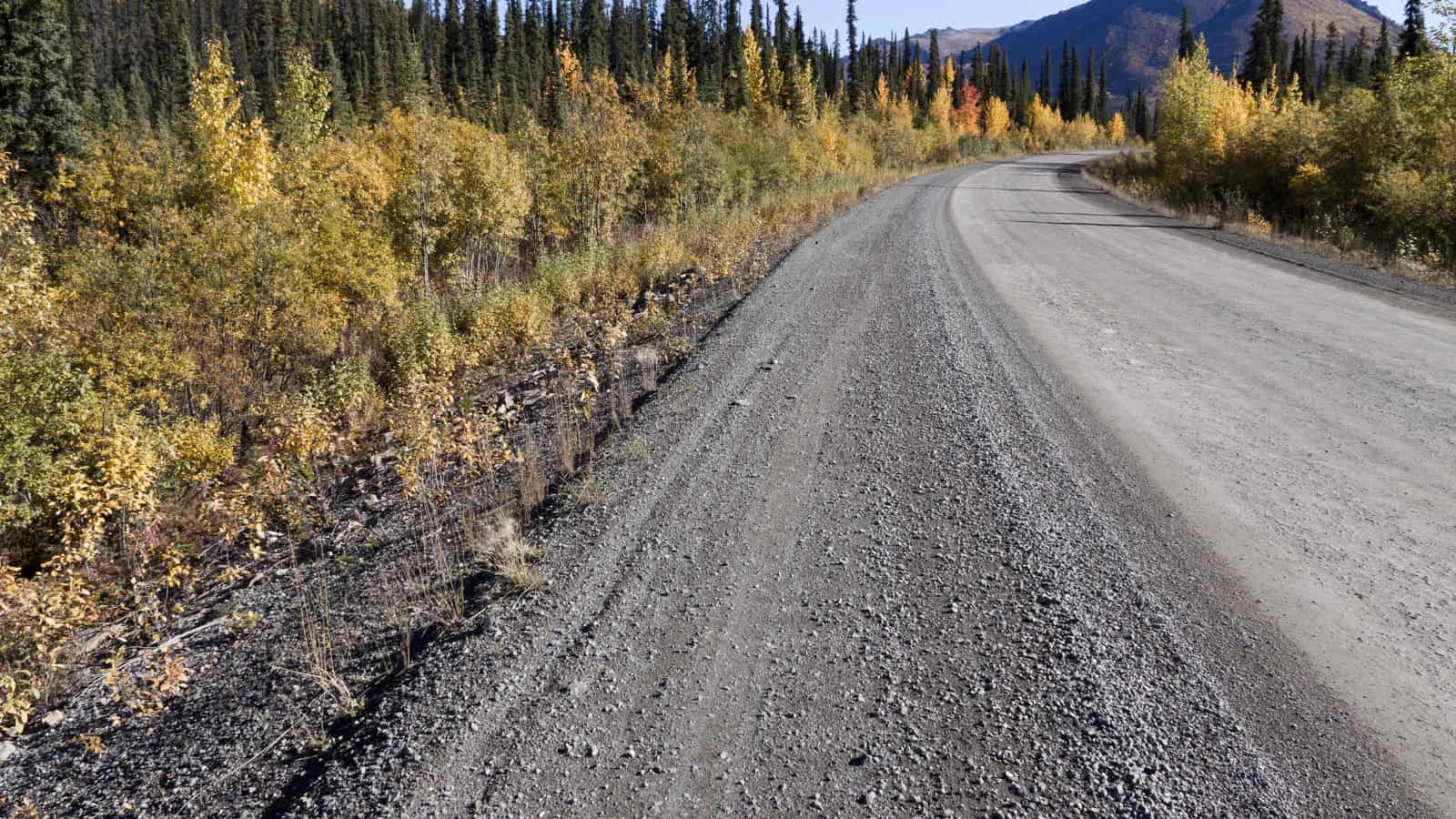
The Dempster Highway is known for sudden storms caused by open tundra landscapes and strong Arctic winds. Snow can sweep across the road quickly, creating low visibility and icy conditions. Weather systems travel freely across the flat terrain, which allows storms to form and intensify in a short time. Travelers often report that a clear sky can turn into a heavy snow event within an hour. The region is also extremely cold, which increases the severity of even moderate storms. Drivers and winter explorers learn to carry supplies and monitor conditions closely because the weather does not stay stable for long.
Northwest Territories (Inuvik Region)

The Inuvik region sees fast-forming storms driven by cold winds coming from the Arctic Ocean. These winds carry snow inland quickly, reducing visibility and coating roads in a short span of time. Because the region lies far north, sunlight is limited in winter, which makes sudden storms feel even more intense. Locals often say that the sky can shift from calm to harsh without clear warning signs. Freezing temperatures make the snow dry and easily blown by wind, creating drifting that piles up rapidly. Travelers visiting during winter learn to stay cautious and watch the sky carefully.
Québec’s Gaspé Peninsula
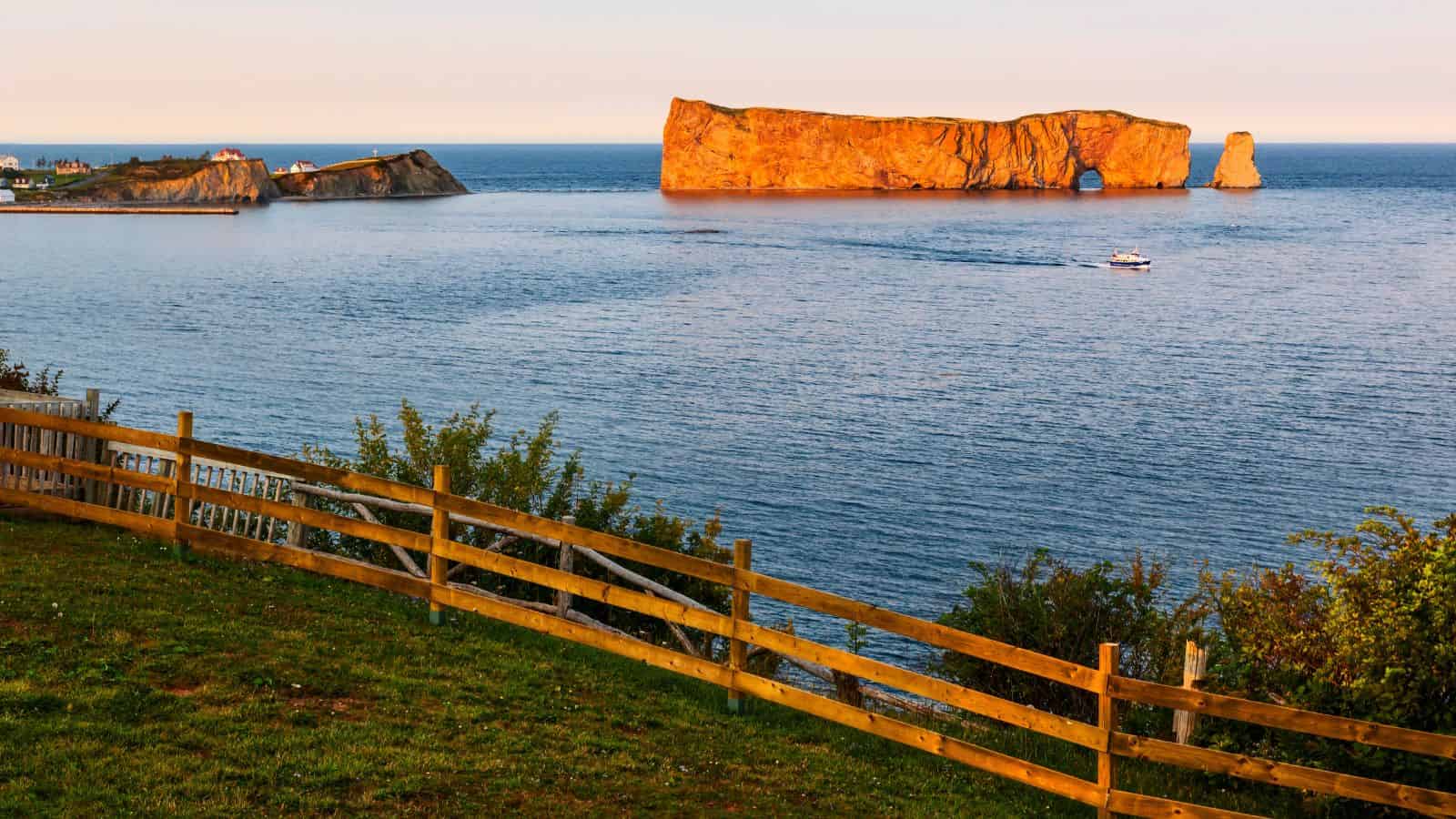
The Gaspé Peninsula is surrounded by water and exposed to cold Atlantic systems that can produce sudden snow bursts. The combination of ocean moisture and sharp temperature drops triggers quick-forming squalls that sweep across coastal towns. Strong winds push snow inland and create drifting in open areas. Even when weather appears stable, conditions often turn snowy because of shifting air patterns over the Gulf of St. Lawrence. The peninsula’s geography places it directly in the path of winter storms, which arrive faster and stronger than many travelers expect. Locals know to stay flexible because winter weather rarely stays predictable.
Saskatchewan’s Northern Boreal Region
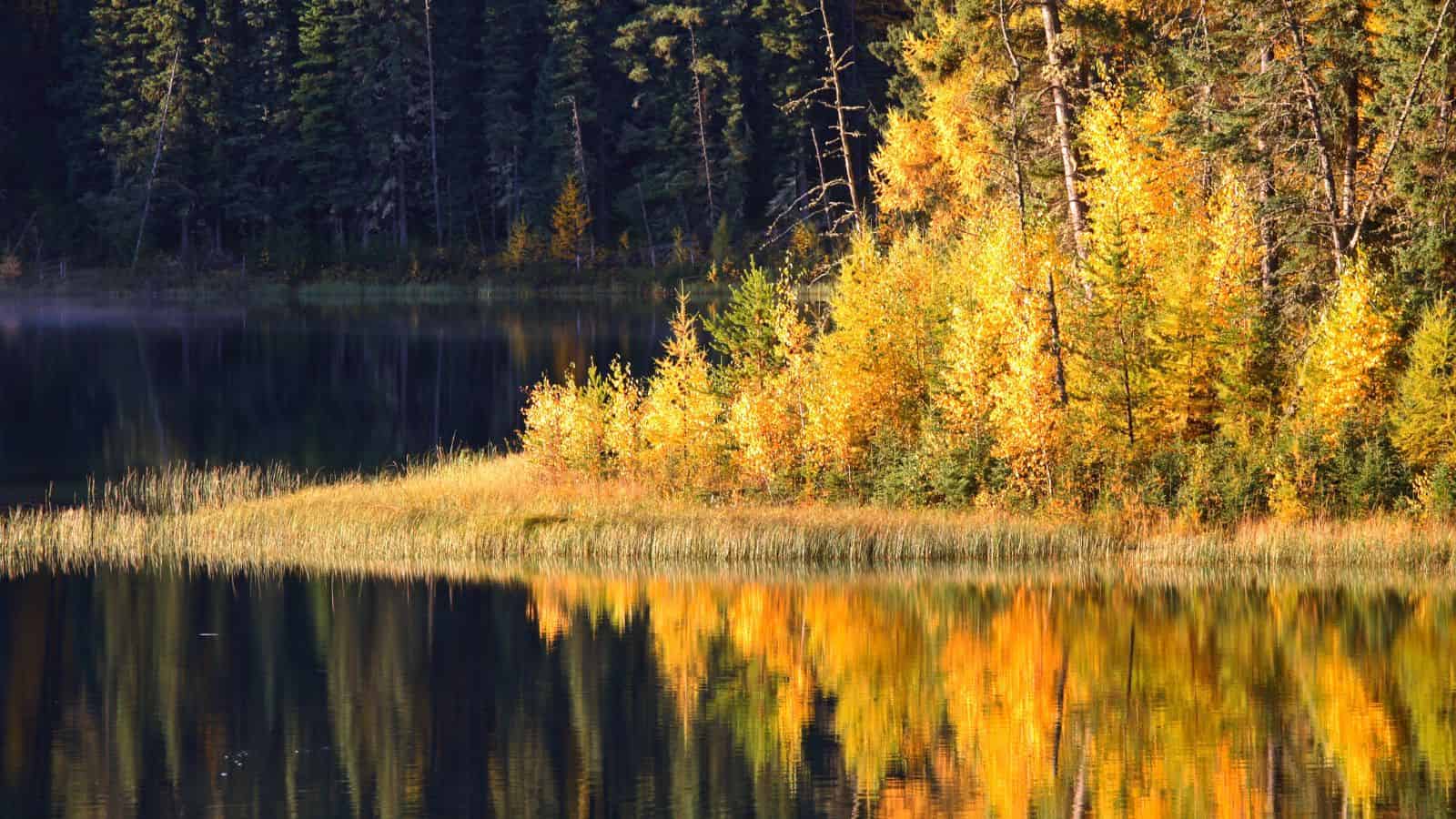
The northern boreal areas of Saskatchewan experience sudden snowstorms when Arctic air pushes south and meets warmer pockets drifting in from the prairies. This clash can produce heavy bursts of snow in a short amount of time. Forested areas reduce visibility as winds swirl through trees and move snow across trails and roads. Even brief temperature swings can create sharp weather shifts. Locals are familiar with unpredictable winter days where calm mornings quickly turn snowy. Travelers heading into northern regions often prepare for quick changes because storms tend to build faster than forecasts suggest.
Nunavut’s Baffin Island
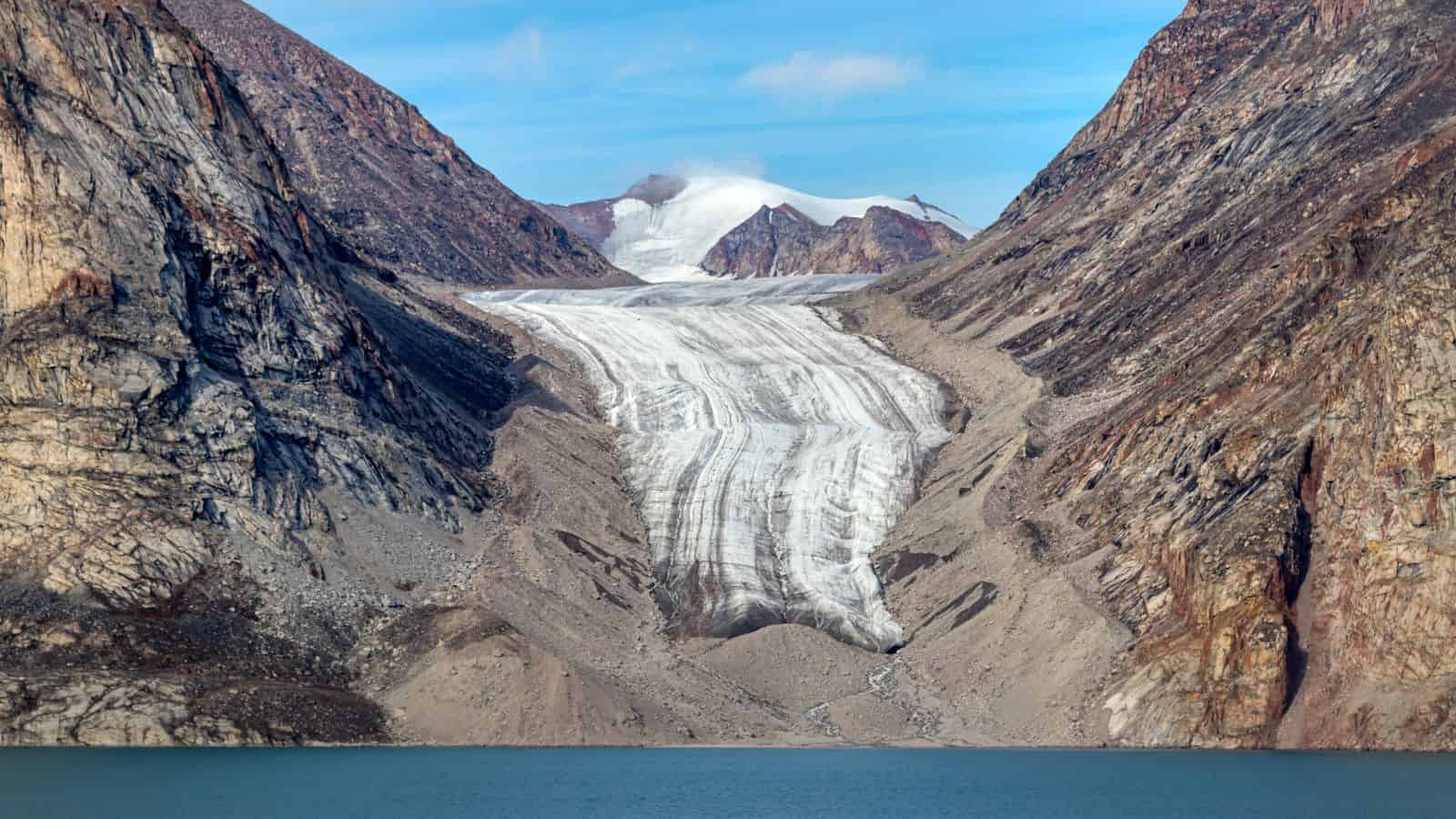
Baffin Island is known for fast, intense storms triggered by extreme Arctic conditions. Snow can move across the island rapidly, carried by strong winds that lower visibility to nearly zero. Because temperatures are already very cold, even small weather changes lead to harsh storm activity. The landscape is open, which allows wind to travel freely and intensify snowfall. Residents and researchers often report that conditions shift without warning, making winter travel challenging. Flights, outdoor work, and daily routines can be disrupted suddenly. These quick weather swings define winter life on Baffin Island.
Ontario’s Lake Superior Snowbelt
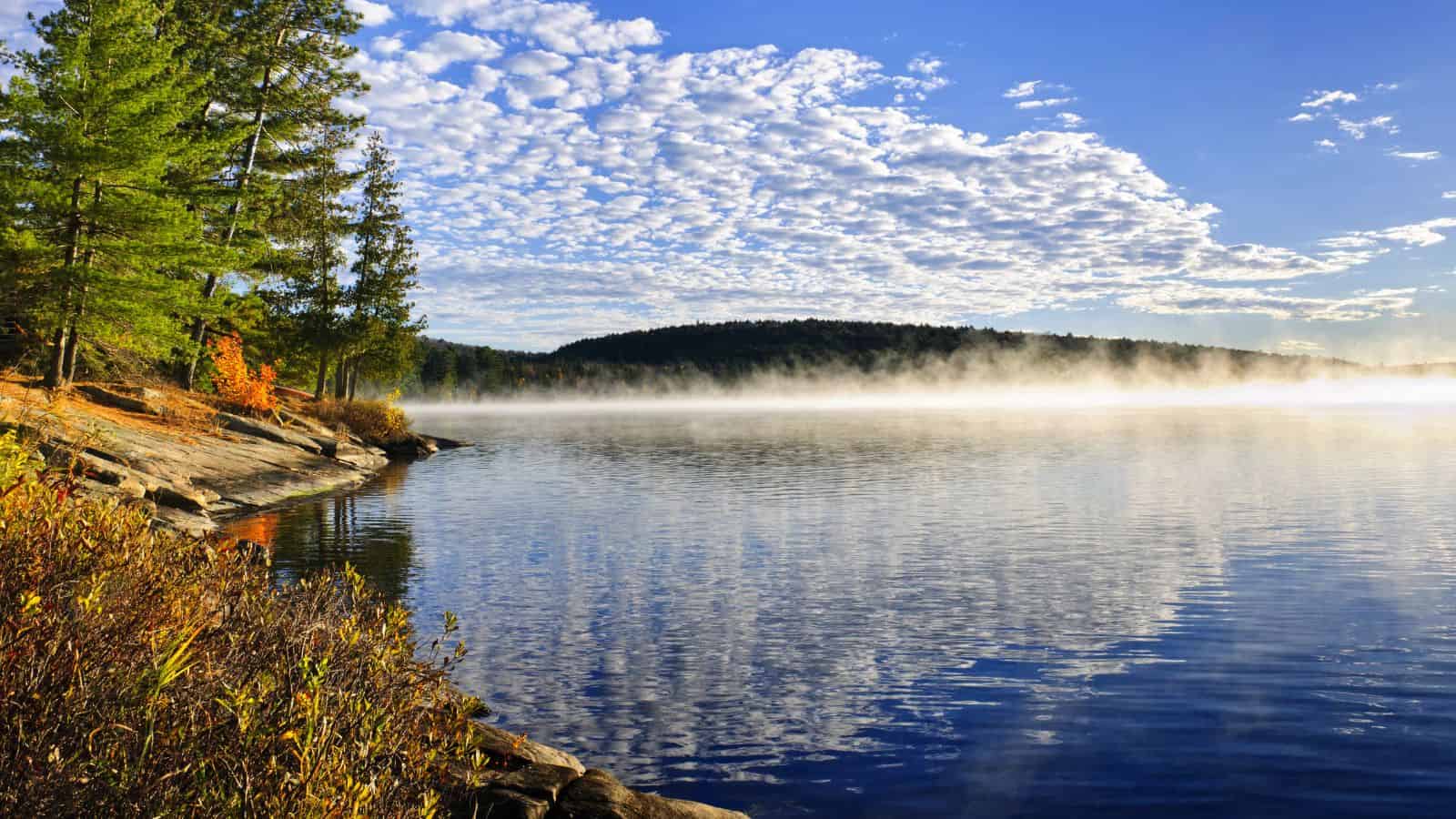
The Lake Superior snowbelt experiences rapid lake-effect snow created when cold winds pass over warmer lake water. This process generates intense snow bands that form suddenly and drop heavy snow on narrow regions along the shoreline. Drivers can move from clear conditions into near whiteouts within minutes. The unpredictability of lake-effect systems makes forecasting difficult, and storms often develop faster than expected. Locals understand that winter days can change quickly and plan accordingly. Travelers often find the snowbelt to be one of the most surprising regions for sudden, powerful snow events.
13 Things Tourists Should Never Do in Canada

Canada, known for its friendly people and stunning landscapes, is a popular destination for travelers. However, even the most seasoned visitors can sometimes unknowingly break local customs or make mistakes that could lead to awkward situations. The country's laid-back nature and open-door policy shouldn't fool anyone into thinking that anything goes. There are a few behaviors and actions that can leave a bad impression or even be considered disrespectful by Canadians. From cultural misunderstandings to basic etiquette blunders, tourists need to be aware of these common missteps to fully enjoy their trip.
Read More Here: 13 Things Tourists Should Never Do in Canada
10 Surprises Americans Aren’t Expecting on Their First Trip to Canada

Visiting Canada might feel familiar, but several small differences can catch Americans off guard. From tipping customs and sales tax included in prices to bilingual road signs and unexpected daylight saving rules, these details shape daily life north of the border. Even how to queue at a bus stop or tap a transit card can cause a moment of uncertainty. Knowing what to expect keeps these surprises from turning into delays or awkward conversations, so the trip unfolds smoothly from start to finish.
Read More Here: 10 Surprises Americans Aren’t Expecting on Their First Trip to Canada