Travel today doesn’t feel quite the same as it did years ago, even when visiting familiar places. Changes in technology, costs, crowd patterns, and traveler behavior have quietly reshaped how trips unfold. Simple parts of travel, like booking flights, getting around cities, or finding quiet moments, now come with new expectations. These shifts aren’t always obvious at first, but they influence everything from planning timelines to daily routines on the road.
Understanding these changes can help travelers adjust and plan more realistically. When expectations match how travel works now, trips tend to feel less stressful and more manageable. Take a closer look at the ways travel has shifted, compare them to past experiences, and use the insights to approach future trips with clearer expectations and better preparation.

Planning happens earlier

Travel planning now begins much sooner than it once did. Flights, lodging, and rail seats often sell out earlier, especially during popular travel windows. Travelers have learned that waiting can limit options rather than create bargains. Earlier planning also reflects how interconnected bookings have become—one delayed decision can affect several others. Visa requirements, reservation systems, and capacity limits all encourage advance action. Instead of spontaneous trips built in days, many journeys now take shape over weeks or months. This shift changes how people think about travel, placing more emphasis on preparation and fewer assumptions about last-minute availability.
Flexibility matters more than precision

Rigid plans feel harder to maintain than they once did. Weather disruptions, schedule changes, and system delays are now expected rather than surprising. Travelers plan frameworks instead of minute-by-minute schedules, leaving room to adjust without stress. Flexibility shows up in booking choices, daily pacing, and willingness to change direction. This mindset reduces frustration when plans shift and allows trips to stay balanced. Travelers now value options that allow movement rather than locking every detail in place. Precision has given way to adaptability, reshaping how success is defined during a trip.
Crowd awareness is constant

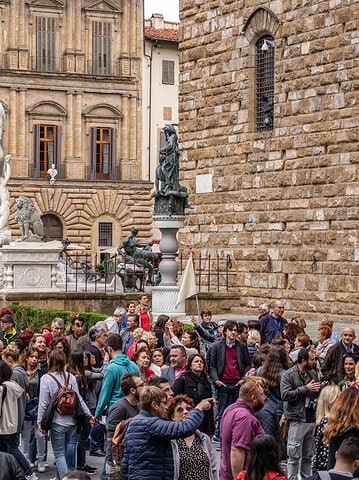
Travelers now think about crowd patterns at every stage, from choosing destinations to picking entry times. Popular places can feel overwhelming without careful timing, so people research peak hours, reservation systems, and seasonal limits more closely. Crowd awareness shapes when people travel, where they stay, and how they move through a place. This attention didn’t always feel necessary in the past. Today, it affects daily decisions and expectations. Travelers aim to avoid compression points that change pacing and movement, making crowd management a regular part of trip planning rather than an afterthought.
Prices fluctuate faster

Travel costs now change at a pace that feels unpredictable. Airfare, lodging, and transport prices can shift multiple times in a single day. Travelers track prices more closely and feel pressure to act quickly when something aligns. This volatility adds urgency to decisions that once felt more relaxed. Budget planning has become more dynamic, with travelers building buffers instead of fixed totals. The experience of booking now involves timing as much as destination choice. Price movement shapes when people commit and how long they wait, adding a new layer of attention to the process.
Digital access is assumed everywhere

Travel now depends heavily on phones and digital tools. Boarding passes, reservations, maps, and payments often exist only in digital form. Travelers expect stable access to devices and connectivity throughout a trip. This reliance changes how people prepare, with backups focused on battery life and offline access rather than printed documents. Navigation and confirmation happen in real time, reducing uncertainty but increasing dependence on technology. While this streamlines movement, it also means that technical issues can interrupt plans quickly. Digital readiness has become a core part of travel preparation.
Longer stays replace fast movement

Travel now leans toward staying longer in one place rather than moving quickly through many locations. Travelers have learned that frequent transitions add fatigue and reduce time spent settling in. Longer stays make it easier to establish routines, understand local patterns, and move at a steadier pace. This shift also reflects practical realities such as transportation delays and booking constraints. Instead of maximizing distance covered, travelers focus on depth and continuity. Time once spent packing, commuting, or reorienting is redirected toward walking familiar streets and returning to the same places. Travel feels less rushed and more grounded as a result.
Want to save this?
Return visits feel more common

Many travelers now return to places they already know rather than seeking something new every time. Familiarity removes pressure and shortens the learning curve. Travelers arrive knowing how areas connect, where to stay, and what pacing works best. This allows trips to unfold with fewer decisions and less uncertainty. Return visits also shift attention away from major sights toward daily rhythms and smaller details. Travel becomes less about discovery and more about connection. Revisiting places supports confidence and comfort, making the experience feel steadier and more personal than first-time visits often allow.
Air travel feels more procedural
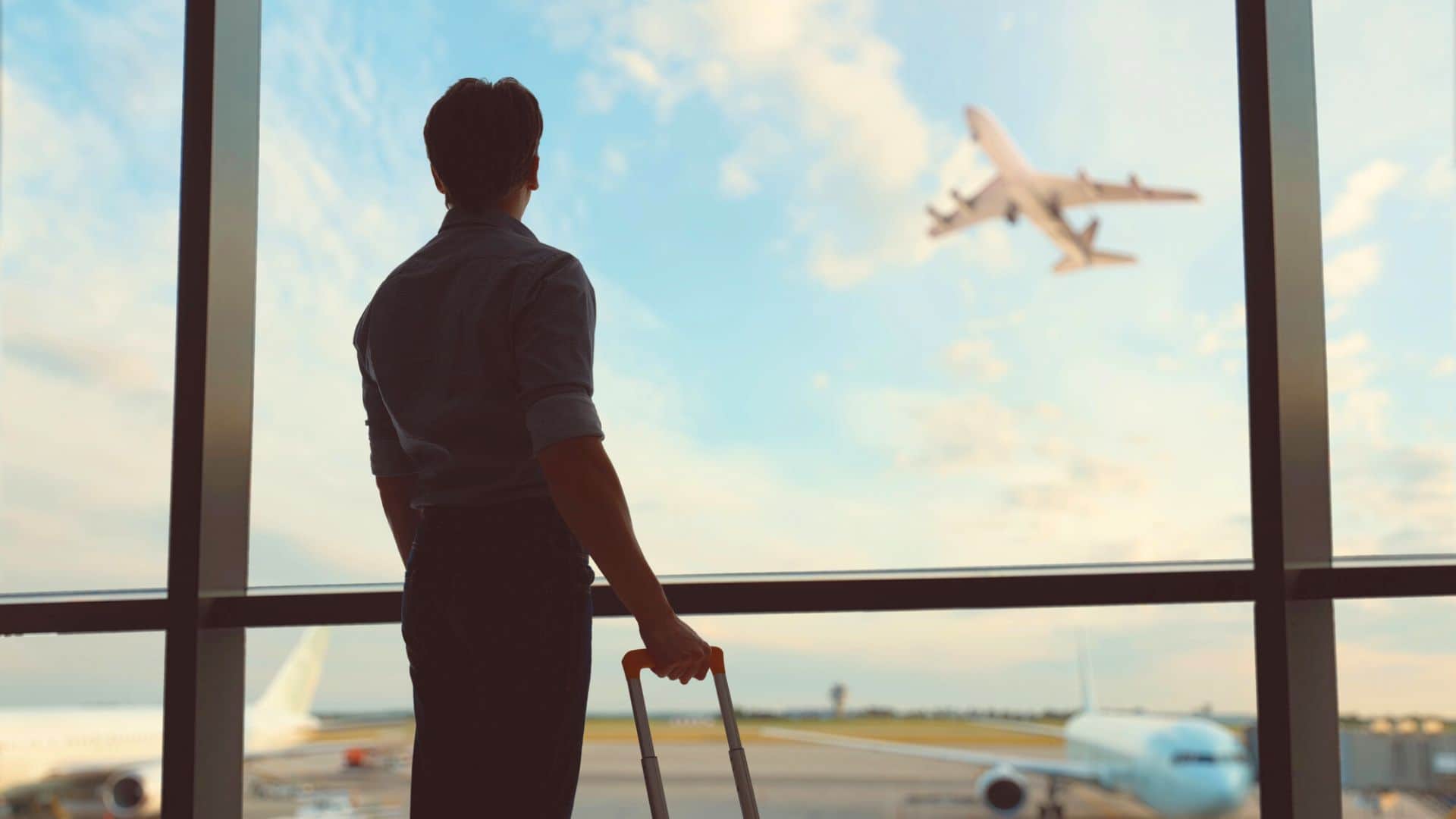
Flying now requires more attention and energy than it once did. Security steps, boarding processes, and documentation checks feel stricter and more layered. Travelers plan extra time and mental space for airports, knowing delays and changes are possible. The experience involves more waiting, more rules, and fewer assumptions about smooth flow. This shift changes how trips begin and end, with airports feeling like significant parts of the journey rather than brief transitions. Air travel now demands preparation and patience, shaping how travelers pace the rest of their trip.
Accommodation rules are stricter

Stays now come with clearer boundaries around timing, usage, and responsibilities. Check-in and check-out windows are enforced more closely, and house rules are spelled out in detail. Travelers adjust expectations around flexibility and access. This clarity reduces ambiguity but increases the need to read terms carefully. Planning arrival and departure days takes more thought than it once did. The relationship between guest and host feels more structured, shaping how travelers move through a place. Accommodations now function less like open-ended bases and more like defined agreements with specific conditions.
Local routines shape experiences more
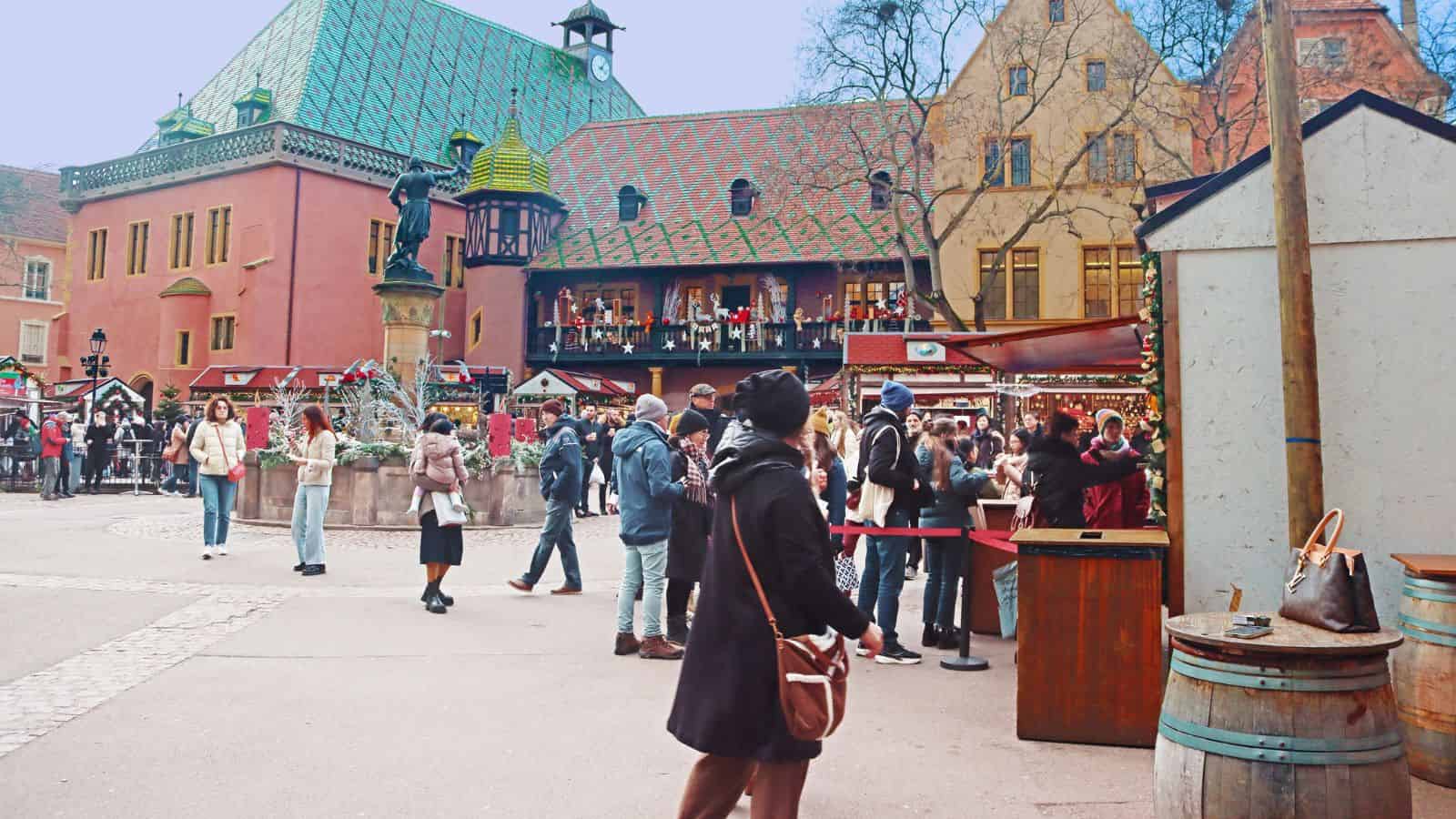
Travelers increasingly pay attention to how places function day to day. Store hours, transit schedules, and neighborhood rhythms shape plans more than major attractions. This awareness changes how days are structured, encouraging alignment with local patterns rather than constant sightseeing. Travelers plan around when areas are active or quiet, adjusting movement accordingly. Understanding daily routines reduces friction and helps trips feel smoother. Experiences become shaped by timing and context rather than checklists. Travel feels more integrated into everyday life, even during short stays.
Rest is part of the plan

Trips now include intentional recovery time. Travelers recognize that constant movement reduces awareness and enjoyment. Rest days or lighter schedules are built in to support balance. This might mean shorter outings, staying close to accommodations, or leaving entire days open. Rest improves the quality of surrounding days, making movement and attention sharper. Travel is no longer treated as endurance. By planning for recovery, travelers maintain steadier energy and reduce burnout. This shift reflects a broader understanding that travel works best when physical and mental limits are respected.
9 Airport Gate Etiquette Mistakes That Make Everyone Hate You

Be aware of these things! Navigating the airport can be stressful, and certain behaviors at the gate can make the experience even worse for everyone around. There are nine airport gate etiquette mistakes that make everyone hate you, and recognizing these actions can help create a more pleasant environment for all travelers. Whether it’s taking up too much space with luggage or engaging in loud conversations, these habits can quickly irritate fellow passengers.
Read More Here: 9 Airport Gate Etiquette Mistakes That Make Everyone Hate You
15 Flight Tips That'll Help Calm Your Travel Anxiety

Feeling anxious when flying? Traveling by plane can be a source of anxiety for many people, but there are 15 flight tips that'll help calm your travel anxiety. Understanding how to manage stress during a flight can make the experience more pleasant and enjoyable. Simple strategies, from breathing techniques to choosing the right seat, can significantly reduce feelings of unease and help travelers feel more at ease.
Read More Here: 15 Flight Tips That'll Help Calm Your Travel Anxiety