The United States is home to diverse food regions, each offering its own distinct flavors and traditions. Some areas are famous for their local dishes, from Southern comfort food to coastal seafood specialties. These regions have shaped American food culture, and for travelers looking to taste authentic, regional dishes, there’s no better way to experience a place than through its local food. While many visitors flock to popular tourist sites, there’s a growing trend of exploring food as a way to connect with a destination.
Here are 11 food regions across the U.S. that offer delicious local dishes visitors rave about. Whether craving barbecue in the South or fresh seafood along the Pacific coast, these places guarantee an unforgettable food experience. Get ready to travel with your appetite and dive into the flavors that define these U.S. regions.

New Orleans, Louisiana

Visitors explore New Orleans on foot because each neighborhood holds its own food traditions shaped by Creole, Cajun, African, French, and Caribbean influences. Travelers wander from block to block tasting gumbo, po’boys, jambalaya, and pastries that reflect generations of local cooking. Small cafés, street stalls, and long-running family restaurants appear around every corner.
The city’s history and music add to the experience, creating a setting where food and culture blend naturally. Many travelers enjoy the freedom of exploring side streets and markets where they discover dishes that show how deeply food is tied to the city’s identity.
If you're going to Louisiana, don't miss out on a detour to Breaux Bridge. Maison Madeleine is an incredible secret dining experience that is worth the trip!
Texas Hill Country, Texas

Texas Hill Country attracts travelers who enjoy exploring barbecue traditions spread across small towns and countryside roads. Visitors follow scenic routes between smokehouses that prepare brisket, ribs, and sausage using long-standing methods. Many towns have family-run spots that have served locals for generations. People often plan multi-day trips focused entirely on tasting regional barbecue while taking in rolling landscapes and quiet rural settings. Travelers appreciate how each town brings its own approach to seasoning and cooking, creating a relaxed food-centered journey where every stop highlights a different part of Hill Country’s personality.
Pacific Northwest (Oregon and Washington)

The Pacific Northwest pulls travelers toward markets, coastal towns, and neighborhoods known for dishes shaped by local farms and fisheries. Visitors spend their days exploring coffee shops, bakeries, cafés, and restaurants that highlight seafood, produce, and seasonal ingredients. Cities like Portland and Seattle encourage walking, making it easy to discover new spots with each block. Smaller coastal towns add variety with seafood shacks and community markets. Travelers often say the region feels fresh and grounded in its environment, with food that reflects its forests, rivers, and coastline. This makes the area a favorite for slow, curious exploration.
Southern Appalachia (Tennessee, North Carolina, Virginia)

Southern Appalachia draws visitors searching for mountain dishes shaped by farming traditions and family recipes. Travelers explore diners, roadside stops, and small-town cafés that serve cornbread, beans, smoked meats, and regional pies. Many towns host festivals that highlight local produce and long-standing cooking methods. The region’s winding roads lead to communities where food reflects resilience, resourcefulness, and a deep connection to the land. Visitors enjoy hearing stories from locals and learning how specific dishes developed over time. Exploring Southern Appalachia becomes both a food trip and a cultural journey shaped by history and mountain life.
New England Coast (Maine to Massachusetts)

The New England coast attracts travelers interested in dishes shaped by fishing traditions and generations of coastal living. Visitors explore docks, seafood shacks, markets, and historic towns where local catches are prepared in straightforward styles that highlight freshness. Walking through seaside neighborhoods leads to small restaurants, bakeries, and harborfront stalls that serve regional specialties. Travelers enjoy watching fishermen unload their boats, browsing local markets, and tasting dishes tied to life along the Atlantic. The combination of maritime history and scenic towns encourages slow exploration, with each stop offering dishes linked to coastal traditions.
Kansas City, Missouri

Want to save this?
Kansas City appeals to travelers who enjoy exploring a region defined by its barbecue traditions. Visitors move between neighborhoods sampling brisket, burnt ends, and ribs prepared in long-standing smokehouses. The city’s cooking style has deep cultural roots, and many restaurants have been operated by the same families for decades. Travelers often compare sauces, spices, and cooking methods across different spots, making food tours a major part of their trip. Kansas City’s pride in its barbecue culture is clear in every district, which gives visitors plenty to explore at a relaxed pace.
Santa Fe, New Mexico

Santa Fe attracts travelers interested in dishes shaped by Indigenous, Mexican, and Spanish influences. The city’s markets, plazas, and historic streets encourage long walks where visitors discover stews, corn-based dishes, and meals prepared with local chiles. Food traditions here are closely tied to cultural heritage, and many restaurants follow recipes that have been passed down through families. Travelers enjoy exploring neighborhoods where art, history, and food blend naturally. The region’s distinct identity appears in both its flavors and its landscapes, creating a memorable experience for those who enjoy slow, thoughtful exploration.
Chicago, Illinois

Chicago’s food scene encourages travelers to explore multiple neighborhoods on foot. Visitors walk through areas like Chinatown, Pilsen, West Loop, and Greektown to taste dishes shaped by immigrant communities and long-standing family restaurants. The city’s bakery traditions, street foods, and specialty shops reveal different parts of its history. Travelers often split their time between iconic city staples and hidden spots that locals love. Chicago’s layout makes neighborhood exploration easy, with new food discoveries appearing on nearly every block. This variety makes the city a rewarding destination for travelers who enjoy learning through food.
Lowcountry (South Carolina and Georgia Coast)

The Lowcountry region attracts travelers who explore coastal towns shaped by Gullah, African, and Southern food traditions. Visitors discover rice-based dishes, seafood, and slow-cooked stews tied to community history. Walking through waterfront areas, historic districts, and markets reveals restaurants and family-run spots that have served local communities for generations. Travelers learn how geography, heritage, and agriculture shaped the region’s cooking style. The quiet pace encourages slow exploration and thoughtful appreciation of dishes that carry deep cultural meaning. Many visitors leave with a strong sense of the region’s history and its connection to food.
Detroit, Michigan

Detroit draws travelers who enjoy discovering neighborhood food traditions shaped by the city’s immigrant communities and industrial past. Visitors explore areas known for Middle Eastern, Greek, Italian, and Eastern European dishes, along with local favorites such as Detroit-style pizza. Each district has its own character, encouraging travelers to move between neighborhoods and try a range of spots. Family-run restaurants, bakeries, and markets reflect decades of local history. Travelers enjoy the city’s mix of classic dishes and newer community restaurants that highlight Detroit’s ongoing creativity and resilience.
Charleston, South Carolina

Charleston appeals to travelers who explore its cobblestone streets, waterfront districts, and markets in search of regional dishes shaped by Gullah, African, and Southern traditions. Many restaurants follow long-standing recipes that show how local history influenced the city’s cooking. Visitors walk from block to block discovering small cafés, seafood spots, and family-run establishments. The city’s historic charm adds to the experience, making every stroll feel connected to the past. Travelers often say Charleston’s food reveals a deep cultural story that becomes clearer the more they explore its neighborhoods on foot.
11 Nations That Prove Street Food Is the Ultimate Travel Experience
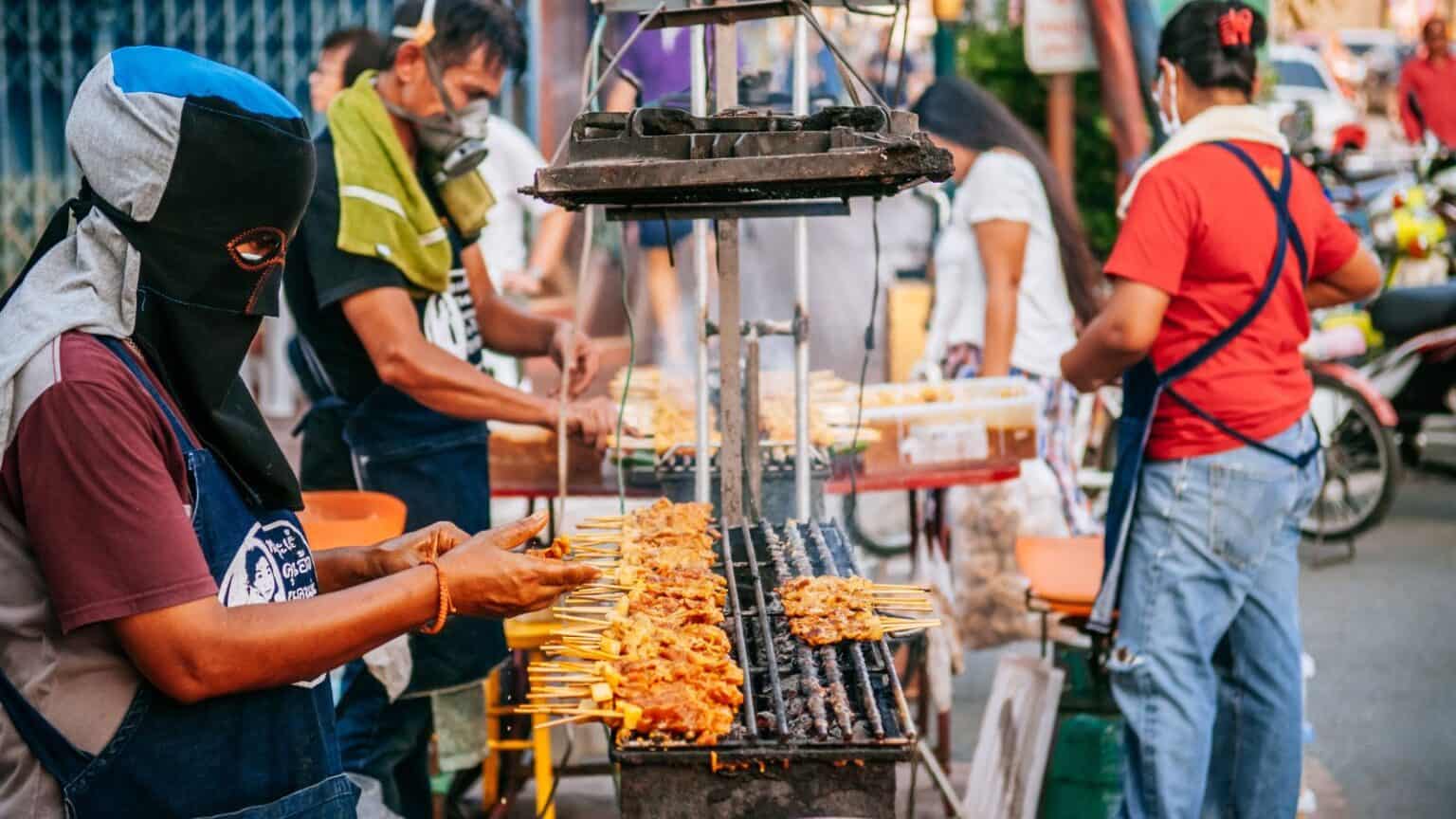
Street food has long been a highlight of traveling, offering a unique glimpse into the culture and flavors of a destination. Across the globe, food vendors on bustling city streets serve up mouthwatering dishes that tell the story of local traditions, ingredients, and flavors. These street foods not only satisfy hunger but also create unforgettable experiences that no restaurant meal can replicate. Whether it's a quick bite on a busy market corner or a local delicacy prepared by a street chef, these foods offer a genuine taste of a country's culture.
Read More Here: 11 Nations That Prove Street Food Is the Ultimate Travel Experience
11 Countries Where Food Adventures Are More Thrilling Than Theme Parks

For travelers seeking excitement beyond theme parks, food adventures offer a unique thrill. While roller coasters and carnival rides might get the adrenaline pumping, some countries take food experiences to a whole new level. In these destinations, culinary traditions, street food, and local delicacies offer an adventure of their own, often more daring than any thrill ride.
Read More Here: 11 Countries Where Food Adventures Are More Thrilling Than Theme Parks