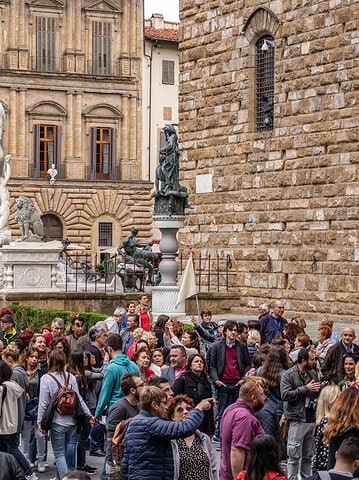
Traveling with a group can be great, but it usually comes with one big challenge: not everyone has the same energy level. Some people are ready to go full speed from sunrise to sunset, while others prefer a slower pace with lots of breaks. That difference can create frustration if you don’t think about it ahead of time. Fortunately, I have 11 tips for handling different energy levels on trips.
Trips are supposed to be fun, not stressful, so it helps to recognize early on that everyone’s rhythm is different. Once you do, it’s easier to make choices that keep things running smoothly. The goal isn’t to force everyone into the same schedule but to find a balance that keeps both high-energy and low-energy travelers happy. With the right approach, the trip can still feel perfect for everyone.

Plan Flexible Itineraries

When traveling with people who have different energy levels, a rigid schedule can cause unnecessary stress. A flexible itinerary allows everyone to participate at their own pace. For example, instead of locking in every hour of the day, design the trip with a central activity and optional side activities. Those who feel energized can take on extra excursions, while others may choose to rest or explore nearby in a slower way. This approach helps keep the group connected but still respects individual needs. Flexibility makes the journey more adaptable and inclusive for everyone involved.
Schedule Downtime

Trips are often packed with excitement, but constant activity can quickly drain some travelers. Scheduling downtime is just as important as planning sightseeing or adventures. This could mean an afternoon break at a park, a quiet coffee stop, or returning to the hotel mid-day before heading out again. Building downtime into the schedule keeps the group refreshed and prevents burnout. It also creates space for reflection and spontaneous moments. By recognizing that rest is part of the experience, you allow both high-energy and low-energy travelers to recharge and continue enjoying the trip without feeling overwhelmed.
Communicate Needs Openly

Communication is key when traveling with people who have different stamina levels. Encourage everyone to share how they’re feeling throughout the trip—whether they’re ready for more activity or need a slower pace. Open dialogue prevents misunderstandings and helps avoid frustration. For example, someone may be hesitant to speak up about being tired, but when communication is encouraged, they’ll feel more comfortable expressing their needs. This openness fosters respect and cooperation, making it easier to adjust plans on the spot. A group that communicates clearly will experience fewer conflicts and maintain a more positive atmosphere throughout the journey.
Mix Activity Types

Balancing high-energy and low-energy activities creates a rhythm that works for everyone. Instead of stacking the day with only strenuous adventures, alternate between active and calmer experiences. For example, a morning hike could be followed by a museum visit or a relaxed boat ride. This balance allows energetic travelers to channel their enthusiasm while giving others time to rest without missing out. It also keeps the trip dynamic and varied, avoiding monotony. Mixing activity types makes sure that no one feels left out, and it encourages the group to share experiences that cater to diverse preferences.
Use “Meet-Up Points”

One of the best ways to handle different energy levels on a trip is to set clear meet-up points. This strategy allows those who want to keep moving to do so, while others can take a slower pace or rest without holding the group back. For example, you might agree to meet at a café after exploring a busy market or at the entrance of a landmark after a few hours. This approach gives everyone freedom while maintaining a sense of structure. It also prevents feelings of pressure or guilt, since each traveler can enjoy the day their way.
Rotate Leadership
Want to save this?
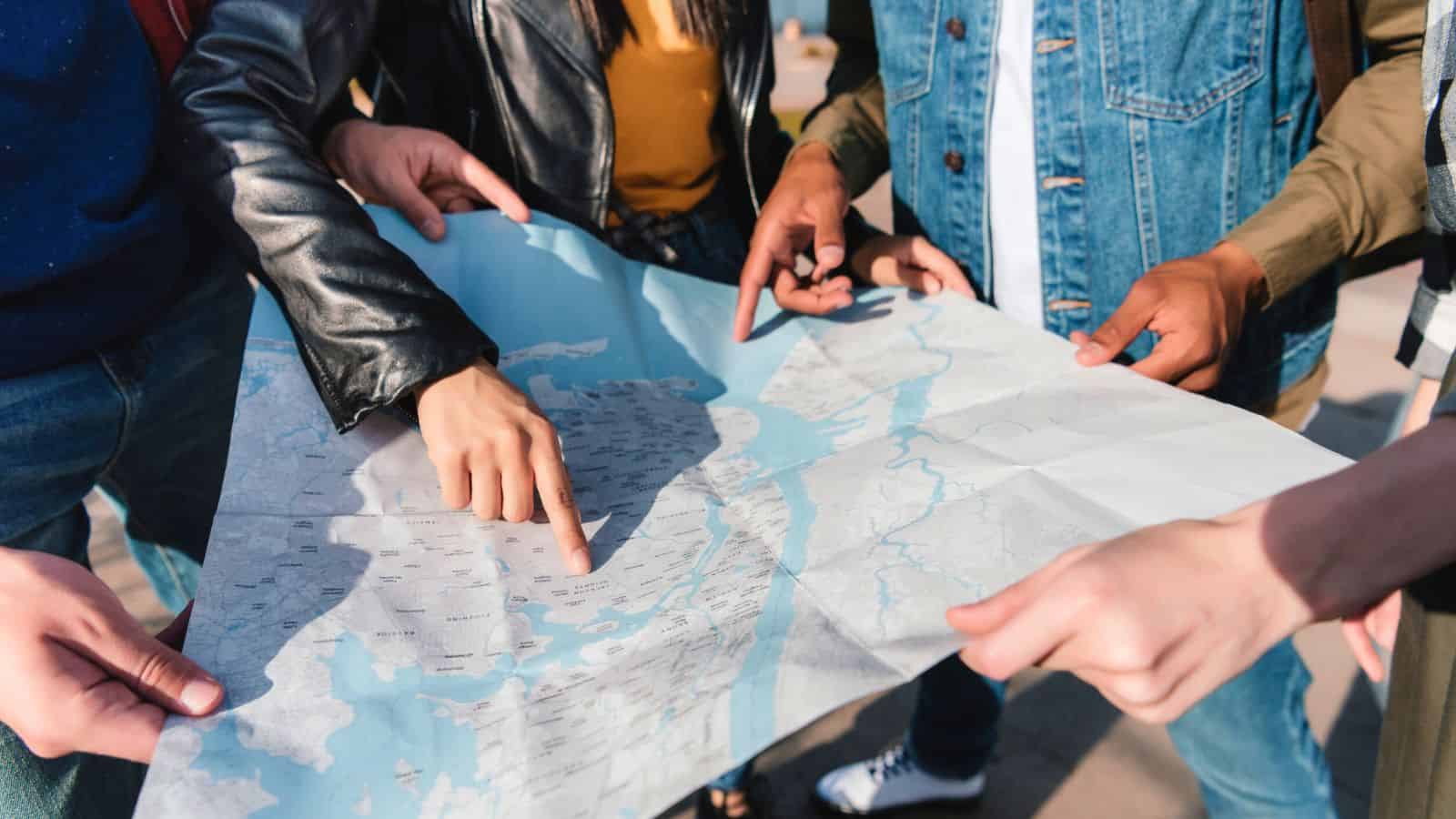
Giving everyone a chance to lead the day’s activities creates balance and fairness. When one person always sets the tone, the group may unintentionally lean toward their energy level, which can leave others feeling overlooked. By rotating leadership, each traveler gets to shape the pace and style of the day. Someone who prefers high-energy adventures might plan a morning hike, while another who leans toward slower activities might schedule a scenic drive or a calm afternoon stroll. This method encourages cooperation, respect, and inclusivity, making sure that all energy levels are acknowledged and valued throughout the journey.
Prioritize Sleep

Rest plays a central role in how much energy people have during a trip. Without enough sleep, even the most active traveler can lose enthusiasm quickly. Prioritizing sleep means setting realistic expectations for late nights and early mornings. For instance, if the group stays out late exploring, it might be wise to start the next day later rather than rushing into a packed schedule. Encouraging good rest habits helps prevent irritability, exhaustion, and unnecessary conflict. When travelers are well-rested, they are more likely to enjoy both active and calm activities, making the entire trip smoother and more enjoyable.
Stay Nourished & Hydrated

Energy levels are closely tied to food and hydration. Skipping meals or forgetting to drink water can cause fatigue, mood changes, and reduced enthusiasm for activities. To avoid this, plan regular meal breaks and carry snacks or water bottles during outings. Even a short pause for a snack can restore energy and keep the group moving happily. Hydration is especially critical in hot climates or during physically demanding activities. By keeping nourishment and hydration in mind, you help maintain steady energy across the group, making it easier for everyone to participate in both active and restful parts of the trip.
Offer Shortcuts or Alternatives
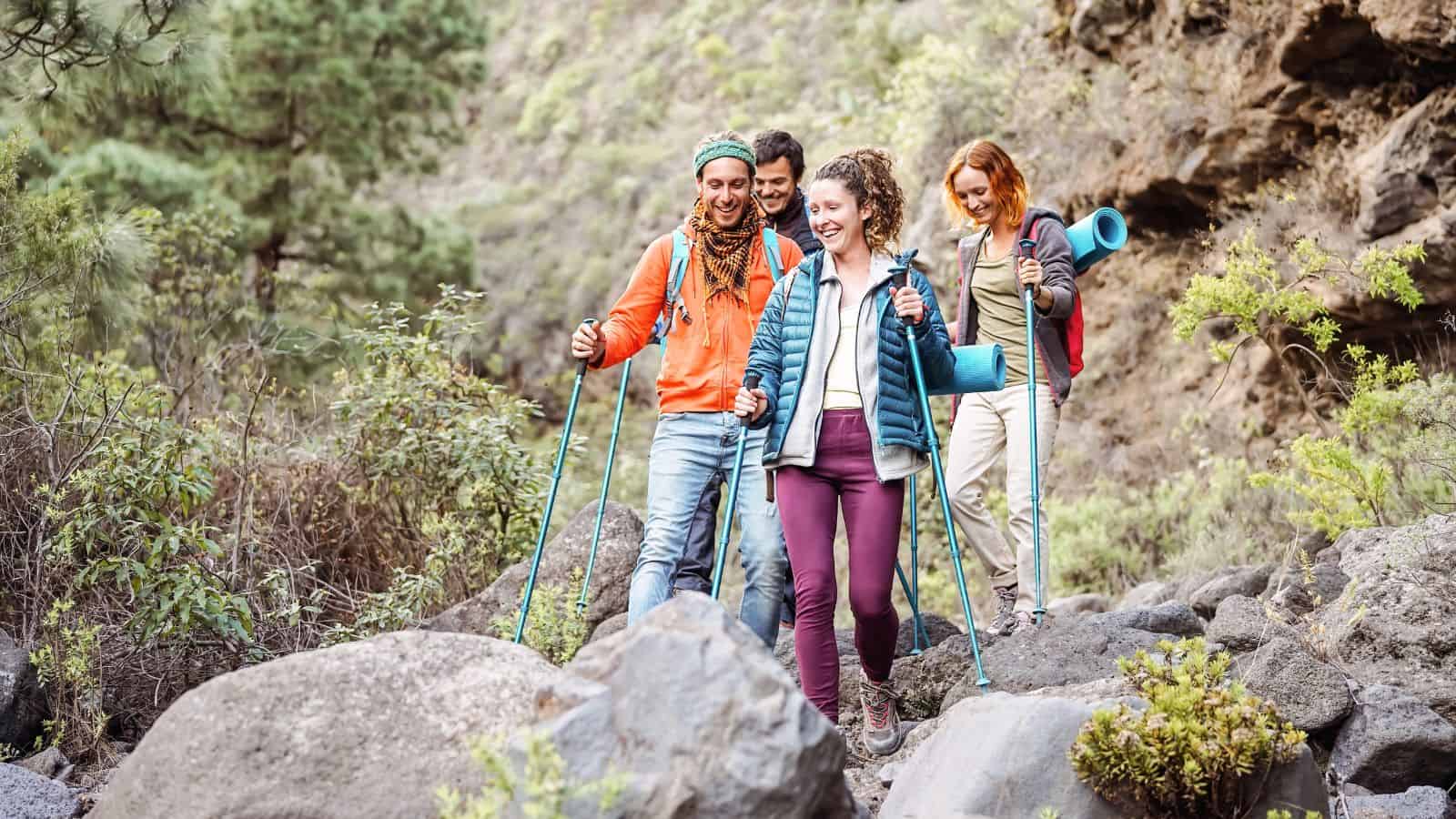
Not every traveler has the same stamina, and long walks or strenuous activities can be challenging for some. Building in shortcuts or alternative options helps everyone feel included. For example, while part of the group hikes to a viewpoint, others might take a shuttle or taxi and meet at the top. This way, no one misses out on the experience, but each person can approach it at their own pace. Alternatives also reduce stress and prevent anyone from feeling pressured. By planning these options in advance, you create a more inclusive trip where everyone can participate comfortably.
Respect Individual Limits
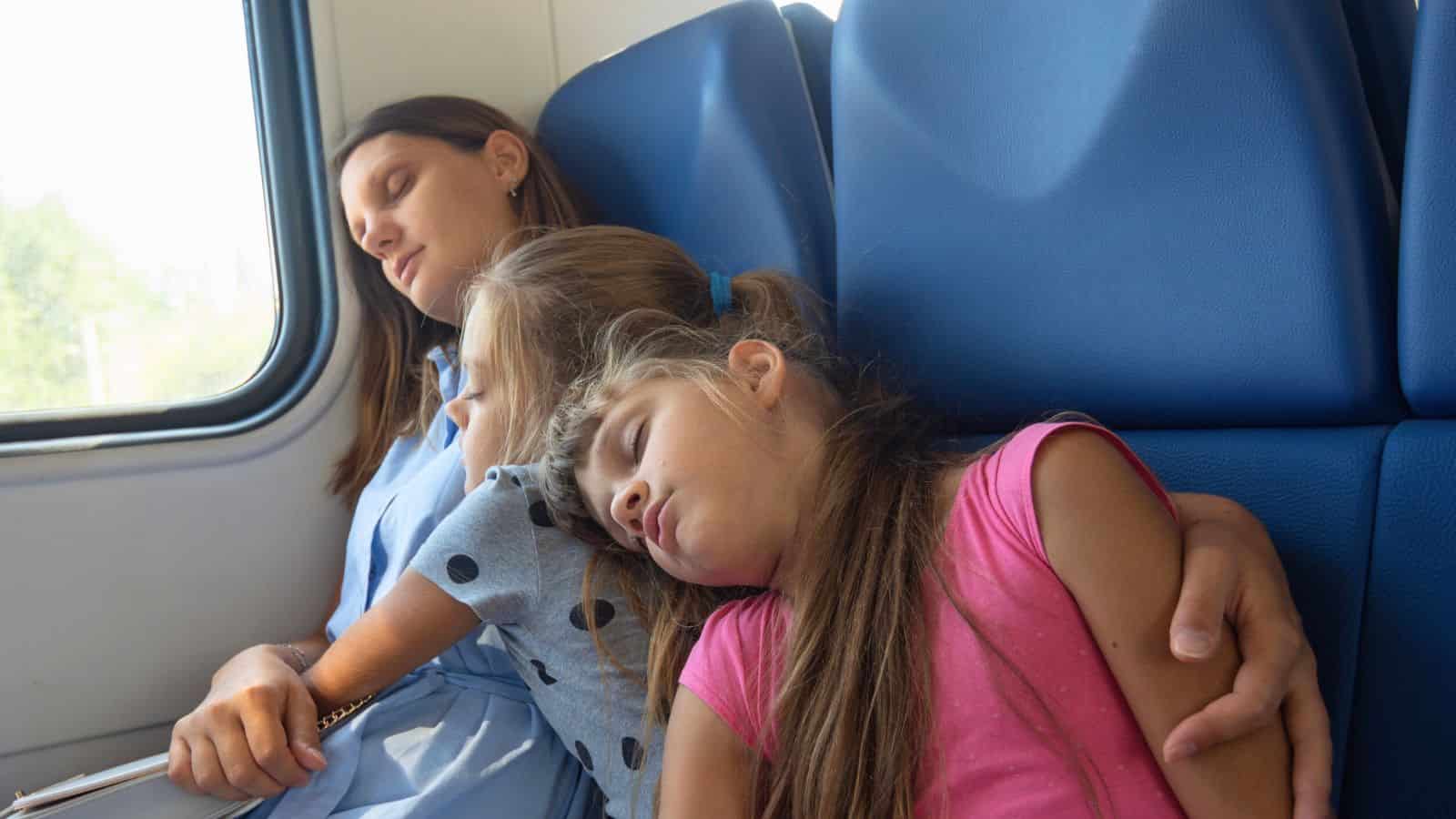
A successful trip depends on respecting the limits of each traveler. Everyone has different thresholds for activity, and pushing someone beyond theirs can create tension or even health risks. Instead, pay attention when someone expresses the need to slow down or take a break. Respecting these boundaries shows care and consideration, and it helps maintain harmony within the group. It also encourages honesty, since people will feel safe voicing their needs. When limits are respected, the group dynamic improves significantly, and the journey becomes more positive and memorable for all, regardless of energy differences.
Celebrate Differences

Different energy levels don’t have to be a challenge—they can actually enrich the trip. By celebrating these differences, you create opportunities for variety and balance. High-energy travelers may inspire others to try something adventurous, while those who prefer a slower pace might introduce the group to peaceful, reflective experiences. Instead of viewing varying stamina as a problem, treat it as a way to broaden the trip’s range of activities. This mindset encourages appreciation of each person’s style and strengths. When differences are celebrated, the journey becomes more inclusive, dynamic, and rewarding for everyone involved.
Different Paces, Same Adventure

At the end of the day, trips are about making memories together, not about keeping the same pace every second. When you accept that energy levels will always vary, it takes the pressure off and makes the whole experience feel lighter. Nobody has to feel like they’re dragging the group down or pushing too hard. Instead, each person gets to enjoy the trip in a way that feels natural to them.
The key is staying flexible, being honest about what you need, and respecting that others might need something different. That’s how you keep the mood positive and the group connected. So the next time you’re planning a trip, remember that different speeds don’t have to be a problem; they can actually make the journey more balanced, memorable, and great for everyone involved.