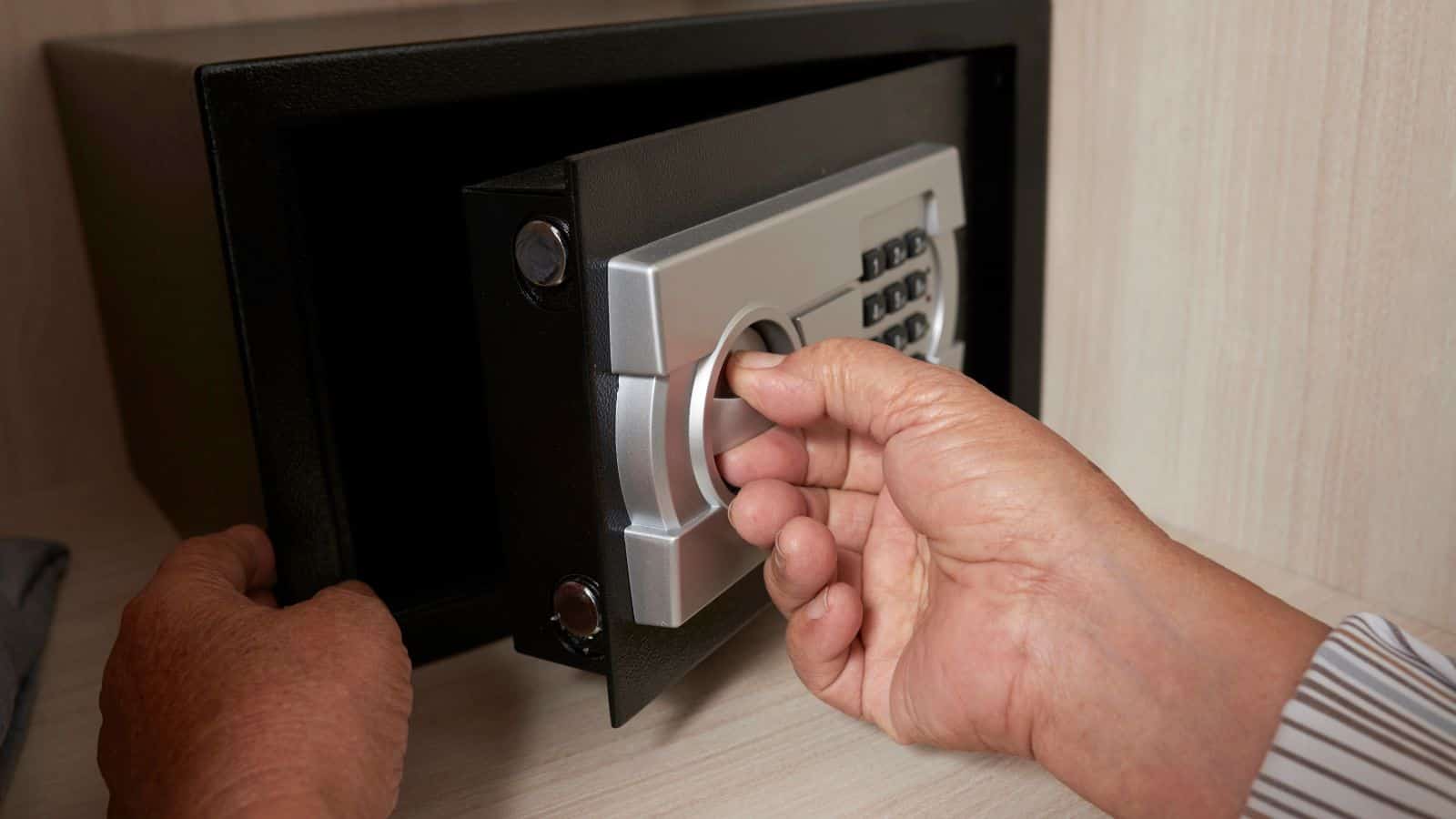
Hotel safes seem like the perfect place to store valuables, but there are certain things you should never leave in a hotel room safe. While they may be convenient for keeping small items secure, they aren’t designed to protect everything. Items like passports, large sums of cash, or sensitive electronics may be at risk due to limited security measures, potential malfunctions, or easy access by hotel staff. Knowing what to keep with you instead can make a big difference in protecting your belongings while traveling.
With these smart precautions, travelers can avoid the stress of losing important items or dealing with unexpected security risks. It’s not about avoiding hotel safes altogether, but about using them wisely and understanding their limits. By learning what should never be stored there, you can travel with more confidence and less worry about your valuables. Before your next trip, take note of these items and adjust your packing routine to keep them safe in better ways.
Your Passport
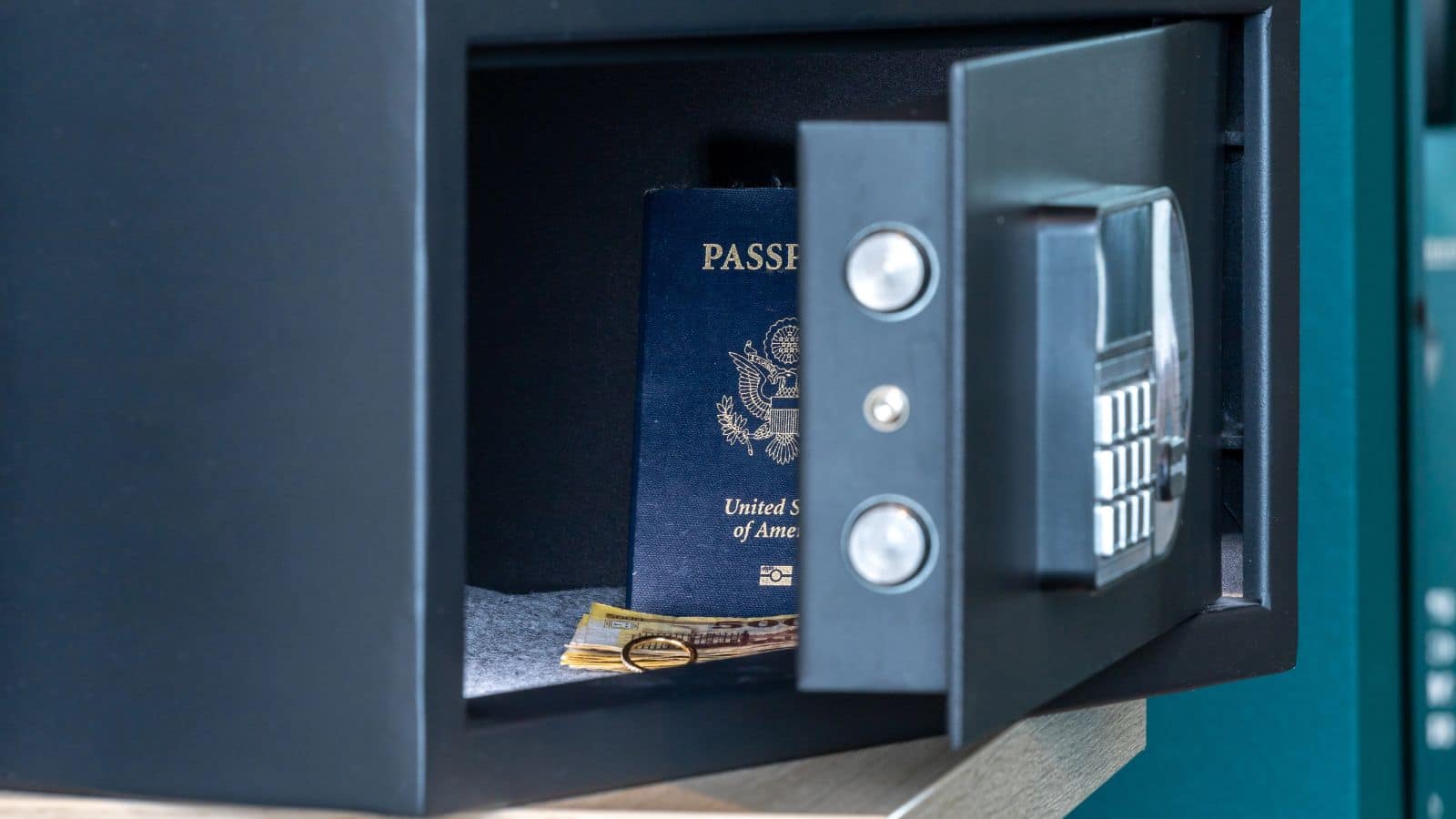
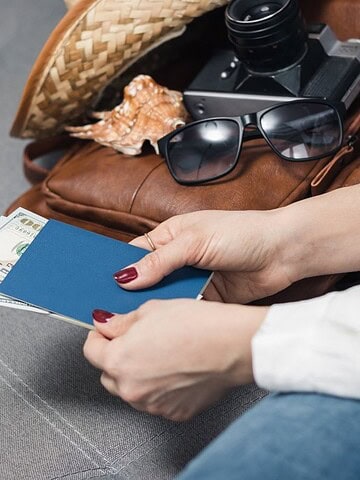
Your passport is the single most important document you carry when traveling, and while it may feel safe behind a hotel room lockbox, it’s better kept somewhere you can access quickly. Safes can malfunction, be tampered with, or require hotel staff to override if they stop working, leaving you stuck without identification. In an emergency—such as needing to board a flight, confirm your identity, or visit an embassy—you’ll want it within reach. A travel wallet or secure money belt is often a smarter place to store it while keeping it with you.
All Your Cash

Putting every bit of cash you have into a hotel safe may seem secure, but it leaves you without options if something goes wrong. Safes can jam or be opened by staff if a reset is required, which risks delays or losses. Keeping all your money in one spot also makes you vulnerable if the safe is removed or broken into. A better approach is to divide your cash: carry a portion with you, store some in a hidden pouch, and leave a small amount in the safe if necessary. Diversifying keeps you from being stranded.
Credit Cards
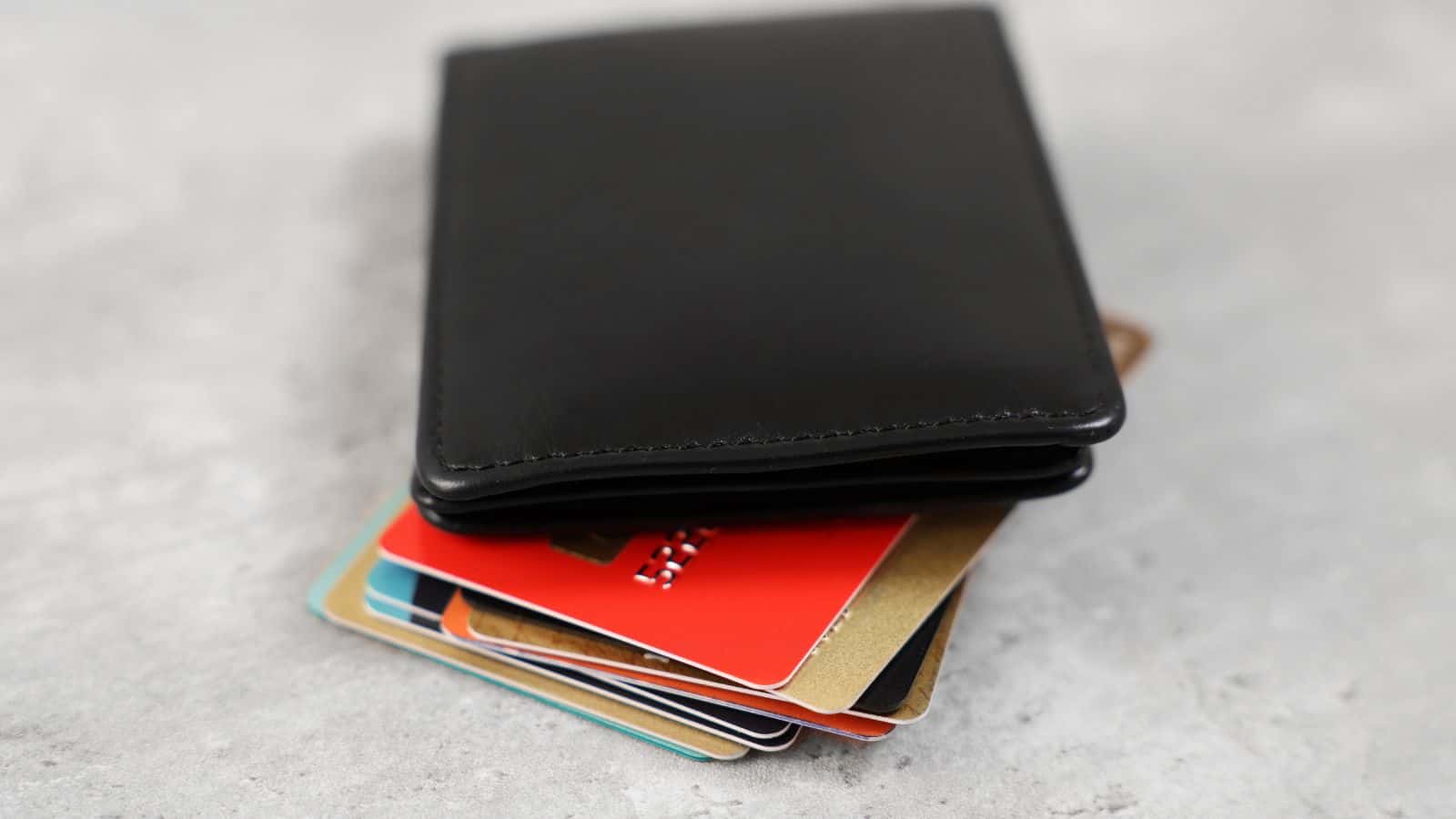
Credit cards are crucial for booking transportation, paying at restaurants, or managing unexpected expenses while traveling. Locking them inside a hotel safe can cause major headaches if the safe malfunctions or you forget your access code. If you suddenly need to pay for a taxi, replace lost tickets, or handle an emergency, you won’t want to wait for staff assistance. Instead of leaving them behind, keep one main card in your wallet and store a backup card somewhere discreet in your luggage. That way, you’re covered without risking losing access to all of them at once.
Electronics With Lithium Batteries

Electronics like laptops, tablets, or power banks aren’t a good match for hotel safes. Many safes aren’t ventilated, and lithium batteries generate heat that can build up in enclosed spaces. Over time, this may damage your devices or, in rare cases, create safety concerns. Additionally, bulky electronics often don’t fit well, which can jam the safe’s locking mechanism. If you’re worried about theft, carry smaller devices with you and leave larger items in a locked suitcase. Keeping them out of the safe helps avoid unnecessary damage or delays when trying to retrieve them.
Travel Documents
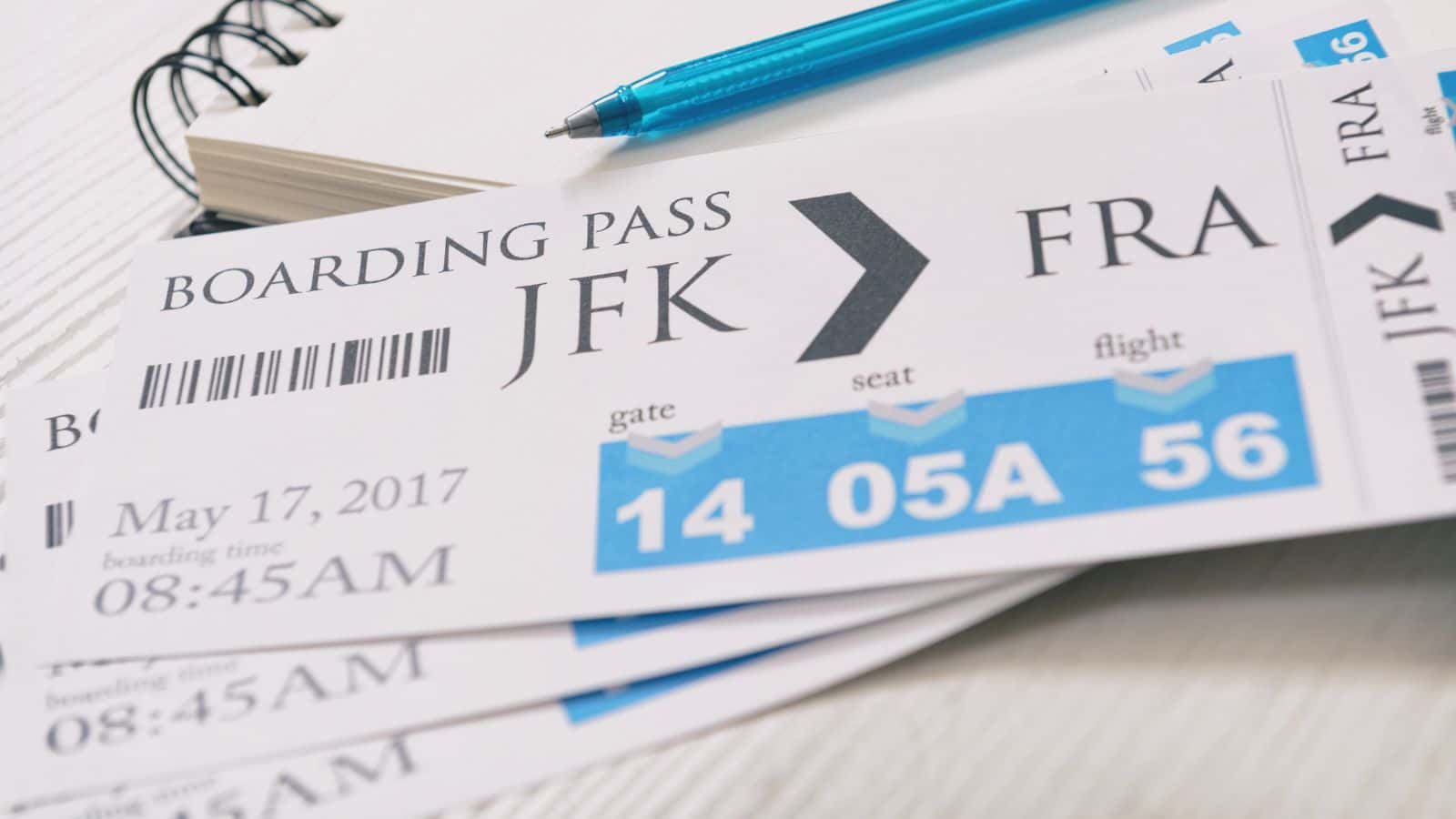
Essential papers like boarding passes, visas, and printed itineraries may not seem as critical as your passport, but losing access to them can derail your plans. Hotel safes are prone to malfunctions, and retrieving documents at the last minute could make you miss a flight or tour. Keeping these papers in a small folder or travel organizer you carry daily is far safer. Having documents readily available also helps if you need to show reservations or proof of entry while out exploring. The convenience of quick access outweighs any perceived benefit of locking them away.
Car Keys
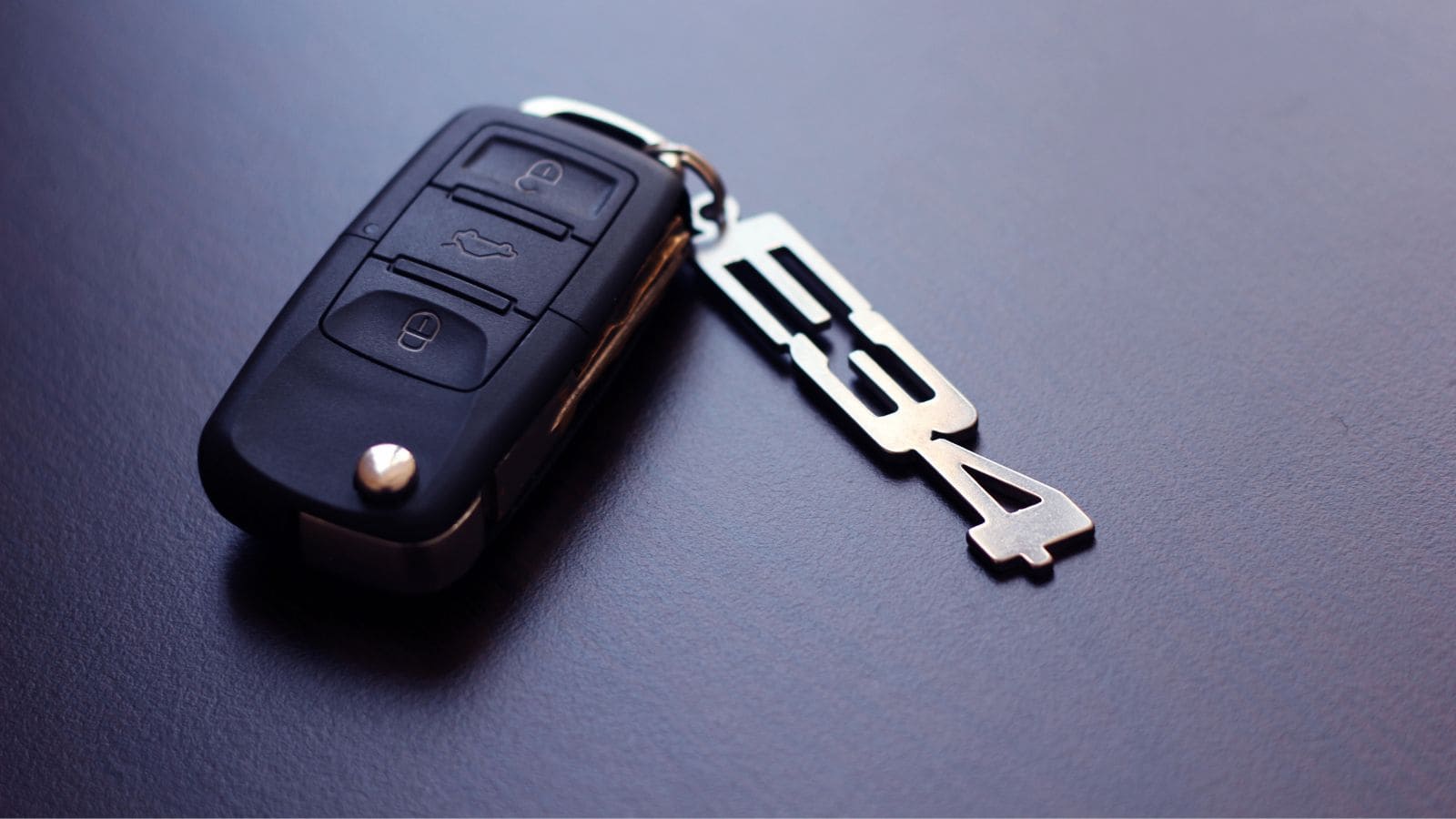
If you’re renting a car, locking the keys inside a hotel safe can turn into a nightmare. Safes sometimes malfunction, and waiting for staff to reset them could cause you to miss a return deadline or delay a road trip. Rental agreements often charge steep fees for late returns or lost keys, so it’s best to keep them in a secure but accessible place. A small pouch or zippered pocket in your luggage works well, while a key clip on your bag keeps them handy without adding stress to your travel schedule.
Want to save this?
Jewelry of High Value
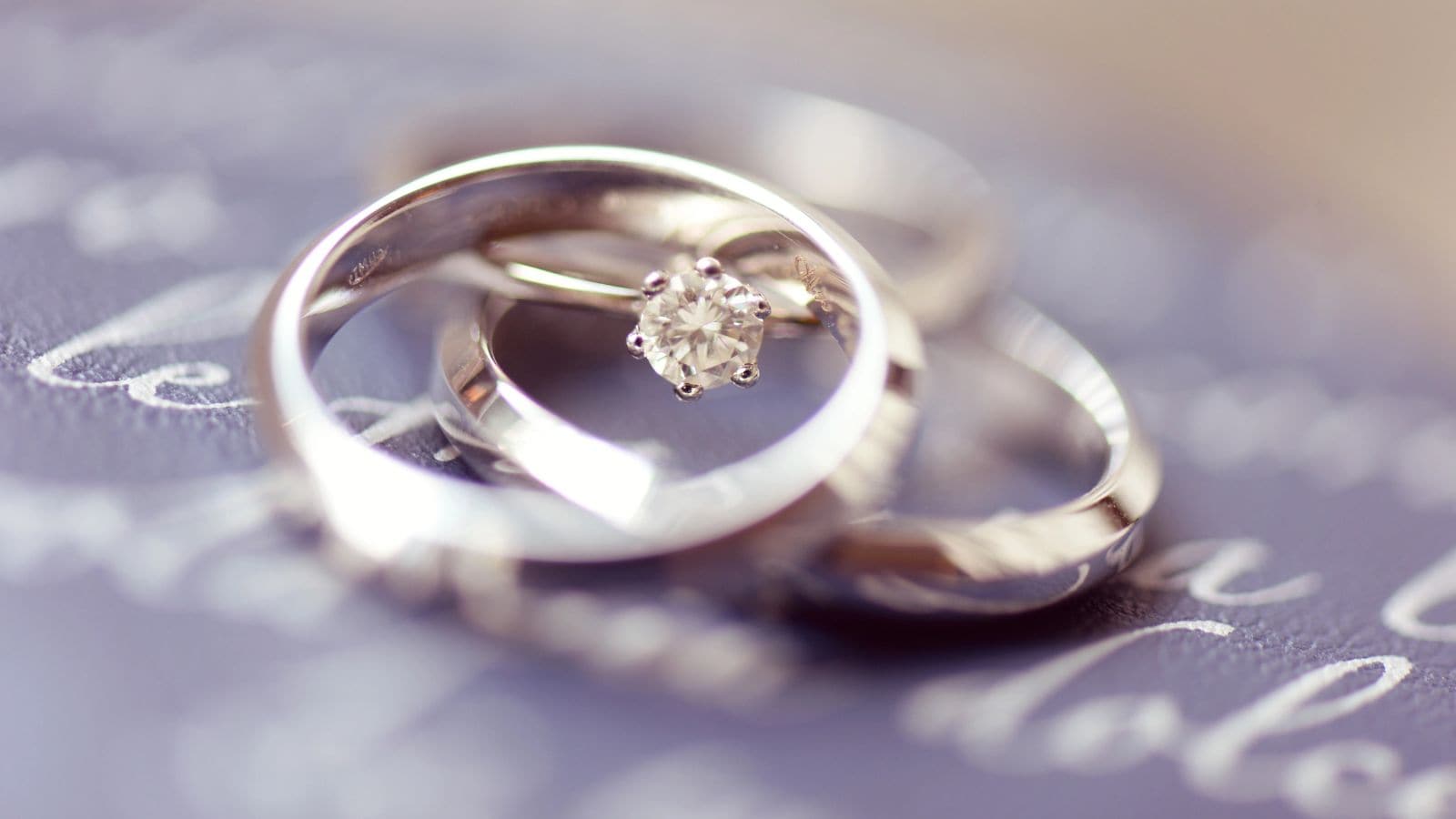
While hotel safes deter casual theft, they are not completely secure. Determined thieves can remove the entire unit or override simple locks. Expensive jewelry, family heirlooms, or engagement rings are risky to leave behind, as their financial and sentimental value is irreplaceable. If you’re not planning to wear these items on your trip, it’s safer to leave them at home altogether. If you do bring them, wear them or use a hotel’s front desk safe deposit service, which typically has stronger protection than in-room safes.
Prescription Medications

Travel schedules can be unpredictable, and prescription medication should always stay within reach. Leaving it in a safe risks complications if the lock malfunctions or you suddenly need access during a late night or early morning. Missing even a single dose could affect your health, and replacing medications abroad may not be simple. Carry daily doses in a travel pill organizer and keep them in your day bag. If you need to bring a larger supply, store it in your luggage but never in a place where you can get locked out.
Sentimental Items
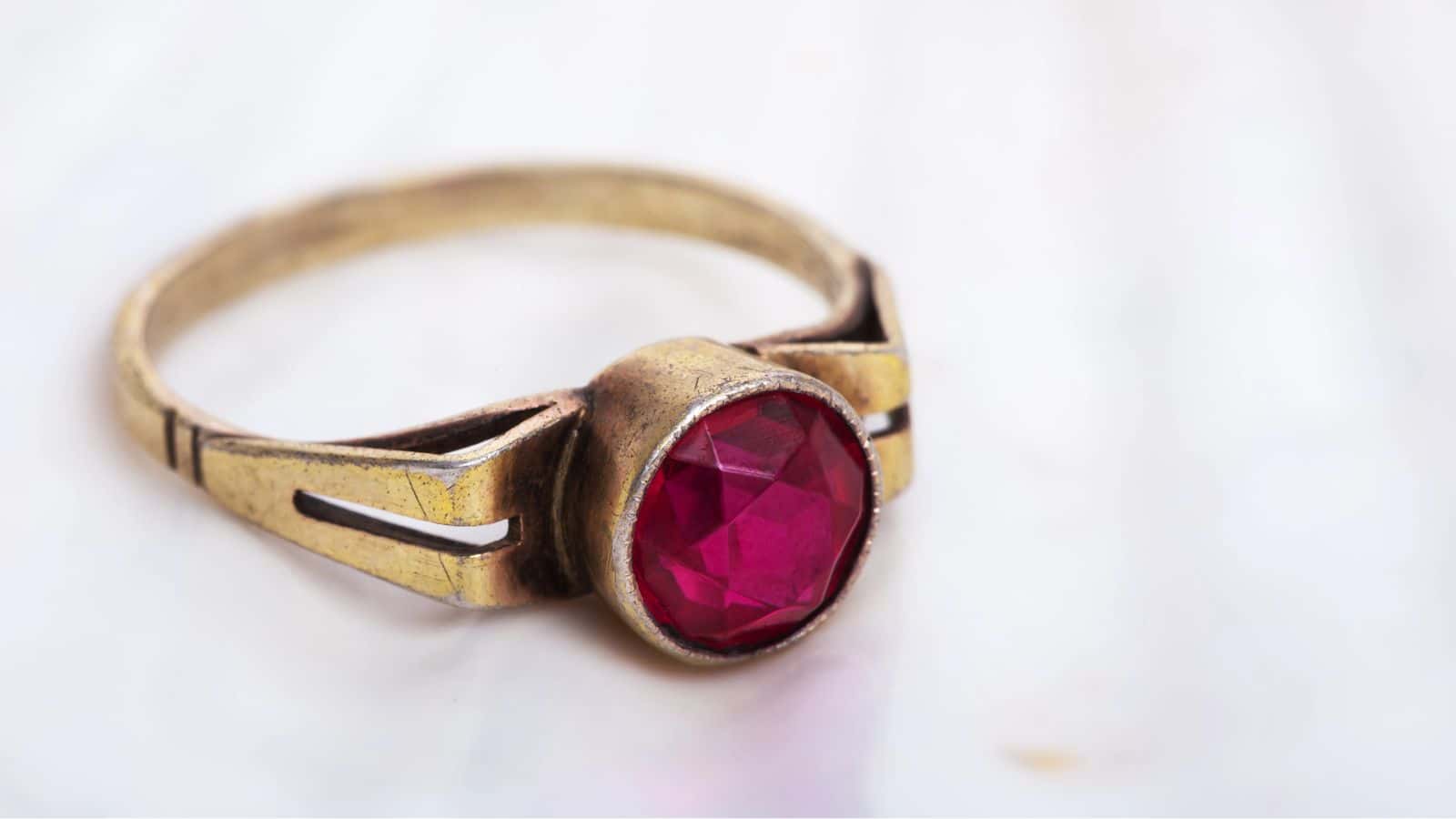
Keepsakes like family photos, heirlooms, or mementos may not have monetary value, but they’re often priceless to the owner. Leaving them in a hotel safe risks losing them forever if something goes wrong. Safes can be broken into, removed, or even accidentally reset, making it difficult to retrieve what matters most. Sentimental belongings are best left at home unless you absolutely need them during your trip. If you do bring them, keep them with you or in a secure pouch within your main luggage where they remain accessible.
Large Electronics
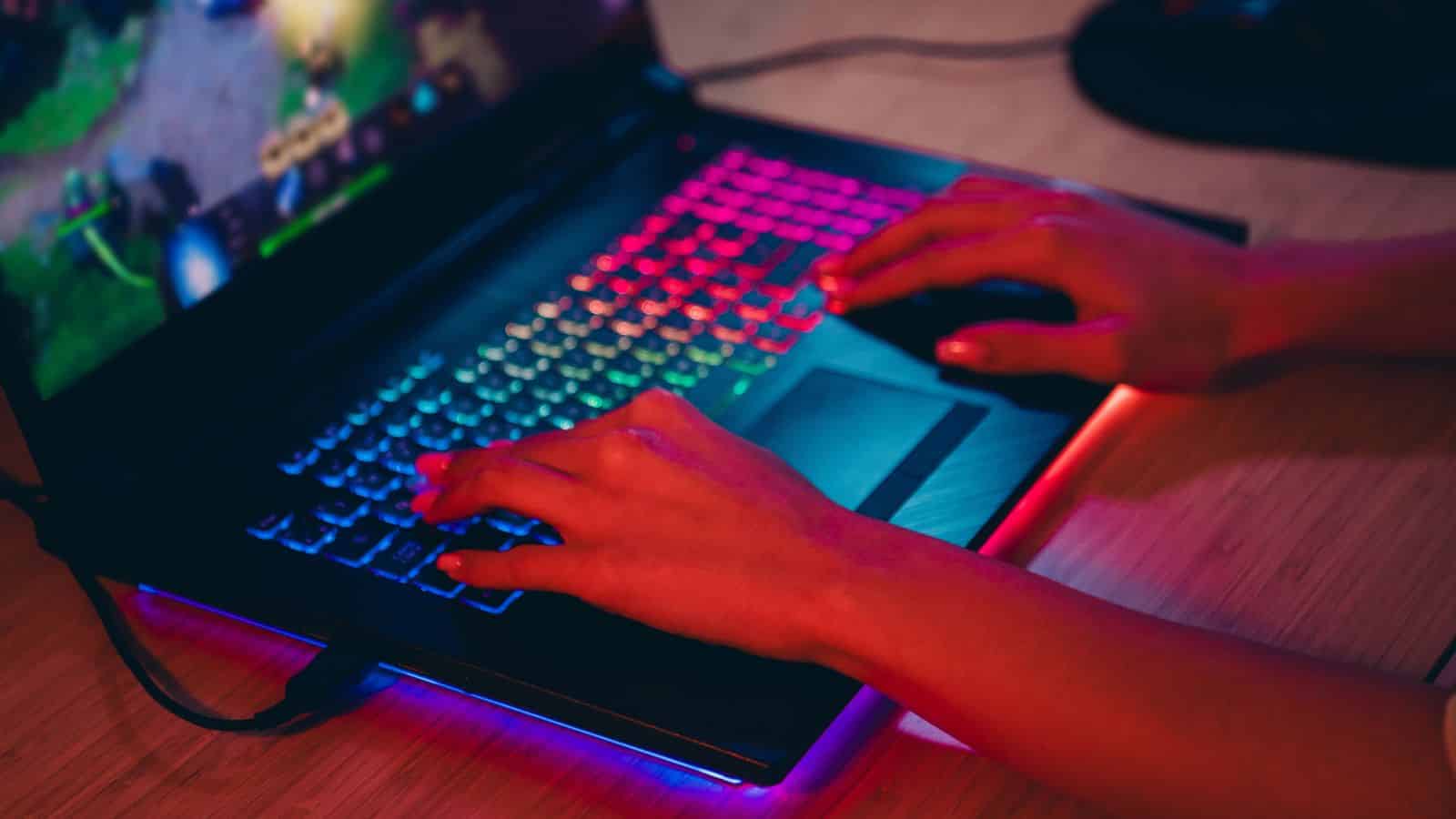
Hotel room safes are not built for bulky items like cameras, laptops, or gaming systems. Trying to cram them inside can jam the locking mechanism or scratch the device. Even if they fit, the lack of ventilation may affect the electronics, especially those with large batteries. A better option is to lock large devices in your suitcase with a TSA-approved lock or take them with you during the day. This prevents both damage to the equipment and unnecessary delays from a malfunctioning safe.
Emergency Contact Information
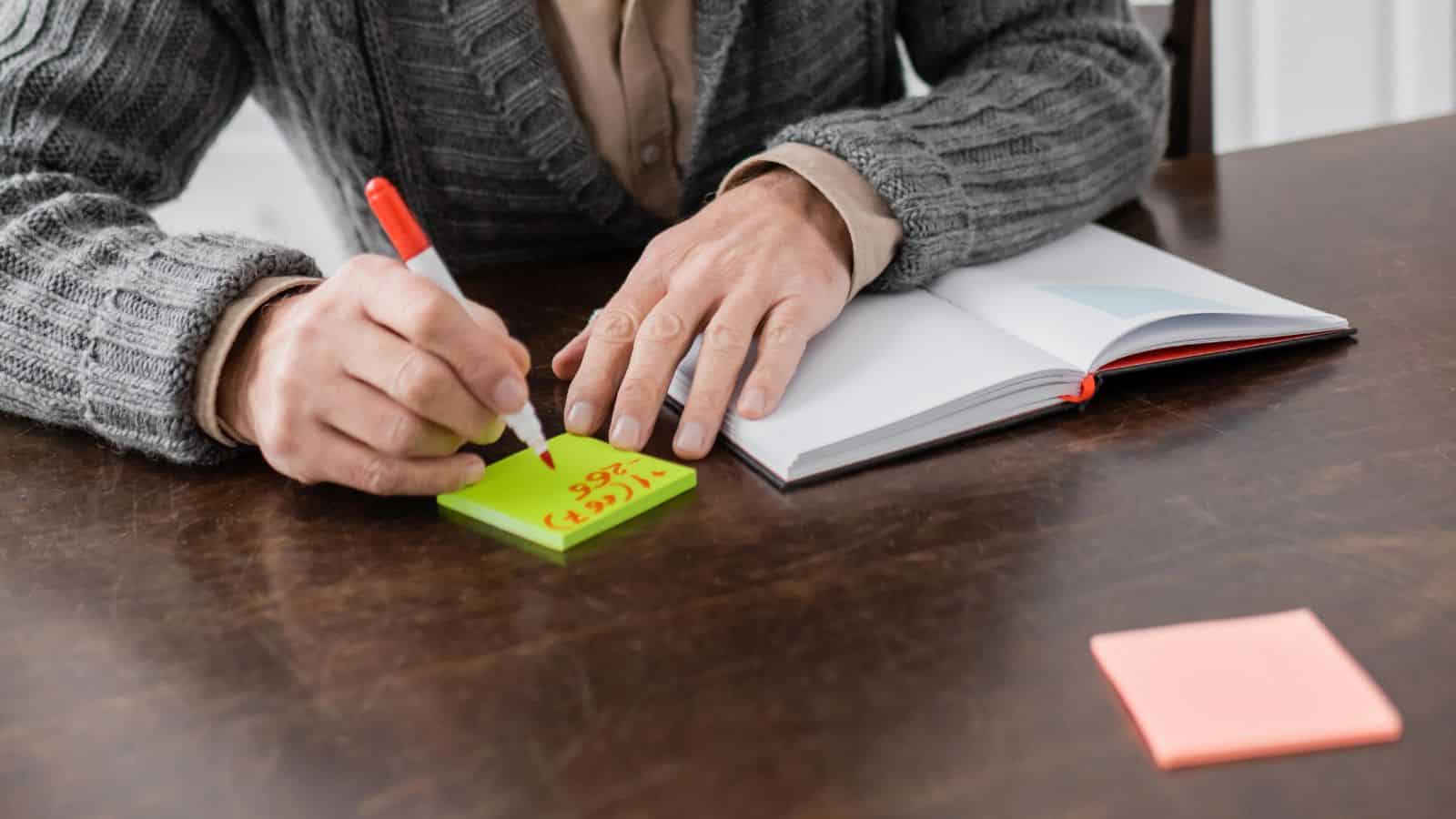
In today’s world, most travelers store important phone numbers and addresses in their phones. But if your phone is lost, stolen, or out of charge, you’ll need that information quickly. Locking it inside a safe puts you at risk of being unprepared during emergencies. Keep printed copies of contact details, hotel addresses, and embassy numbers in your wallet or day bag. Having this information on hand can make a huge difference in stressful situations, especially if you’re in an unfamiliar city where quick communication is critical.
15 Ways to Protect Yourself From Hidden Cameras While Traveling

Stay alert! Traveling can be a thrilling experience, but it also comes with risks that might not be immediately obvious. One such risk is the possibility of hidden cameras. These devices can be placed in hotel rooms, rental properties, or even public spaces, capturing footage without your knowledge or consent. For travelers, it is essential to take precautions and remain aware of their surroundings.
Read More Here: 15 Ways to Protect Yourself From Hidden Cameras While Traveling
10 Social Media Mistakes That Make You a Target While Traveling
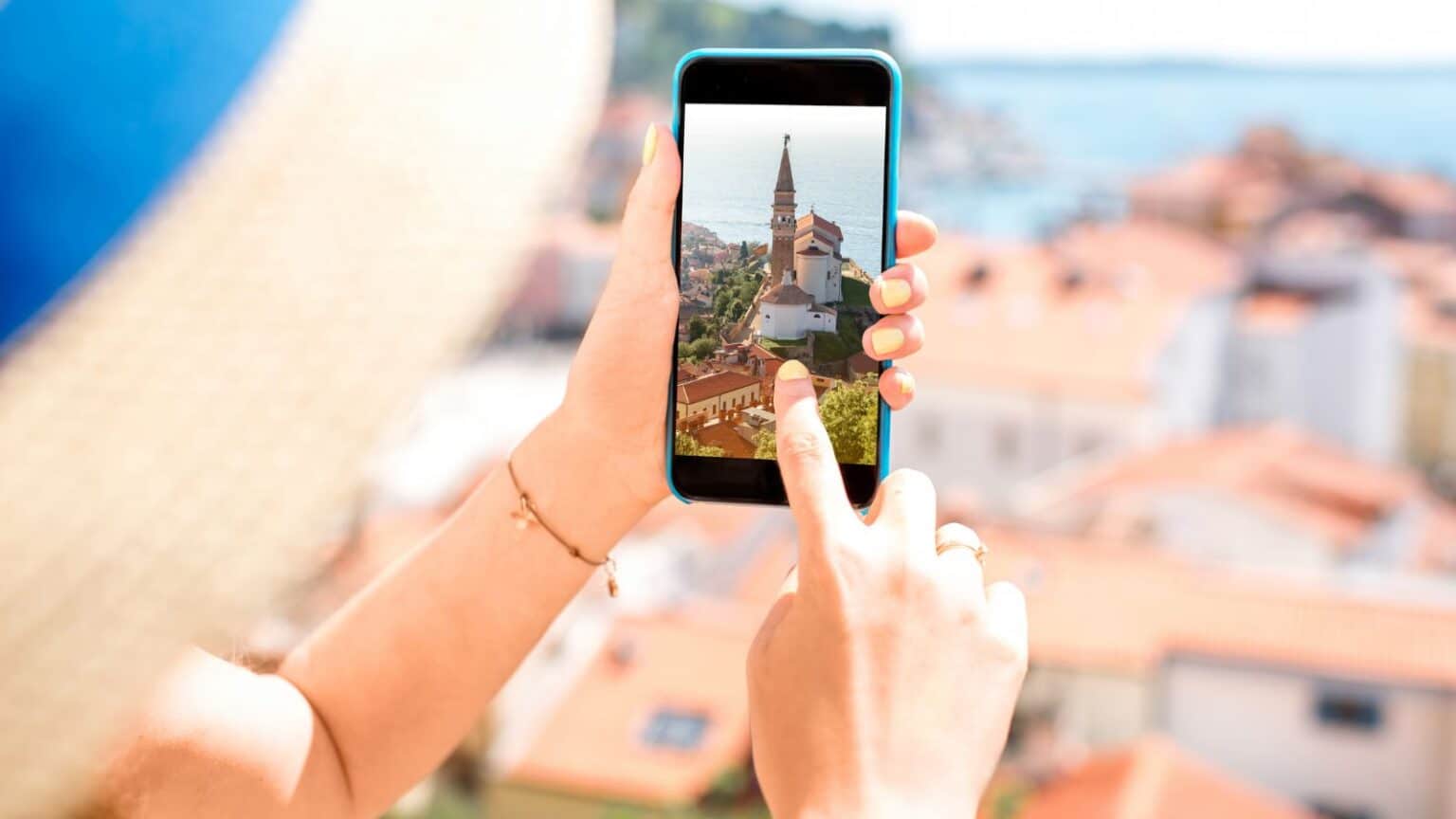
In today’s digital age, social media is a great tool for sharing your travel experiences and staying connected with loved ones. However, it can also put travelers at risk if not used with caution. Posting too many details about your location or plans can inadvertently make you a target for theft, scams, or even worse. Security experts warn against revealing too much information online while traveling, as certain social media habits can expose you to unnecessary risks.
Read More Here: 10 Social Media Mistakes That Make You a Target While Traveling