For many, travel has changed a lot over the years. While modern conveniences and technology have made exploring new places easier, some still long for the classic travel experiences from earlier decades. The charm of slower, simpler trips is something that many recall fondly. From the excitement of travel agency brochures to the thrill of discovering a new city without constant digital distractions, the old-school travel experience holds a special place for many.
If you’re curious about what travel was like in the past, here are 11 nostalgic elements that travelers from previous generations still hold dear. Whether it’s the art of handwritten postcards or enjoying roadside diners along a long drive, these traditions are timeless and worth revisiting. Prepare to take a trip down memory lane as we explore how travel was enjoyed back in the day.

Paper Airline Tickets
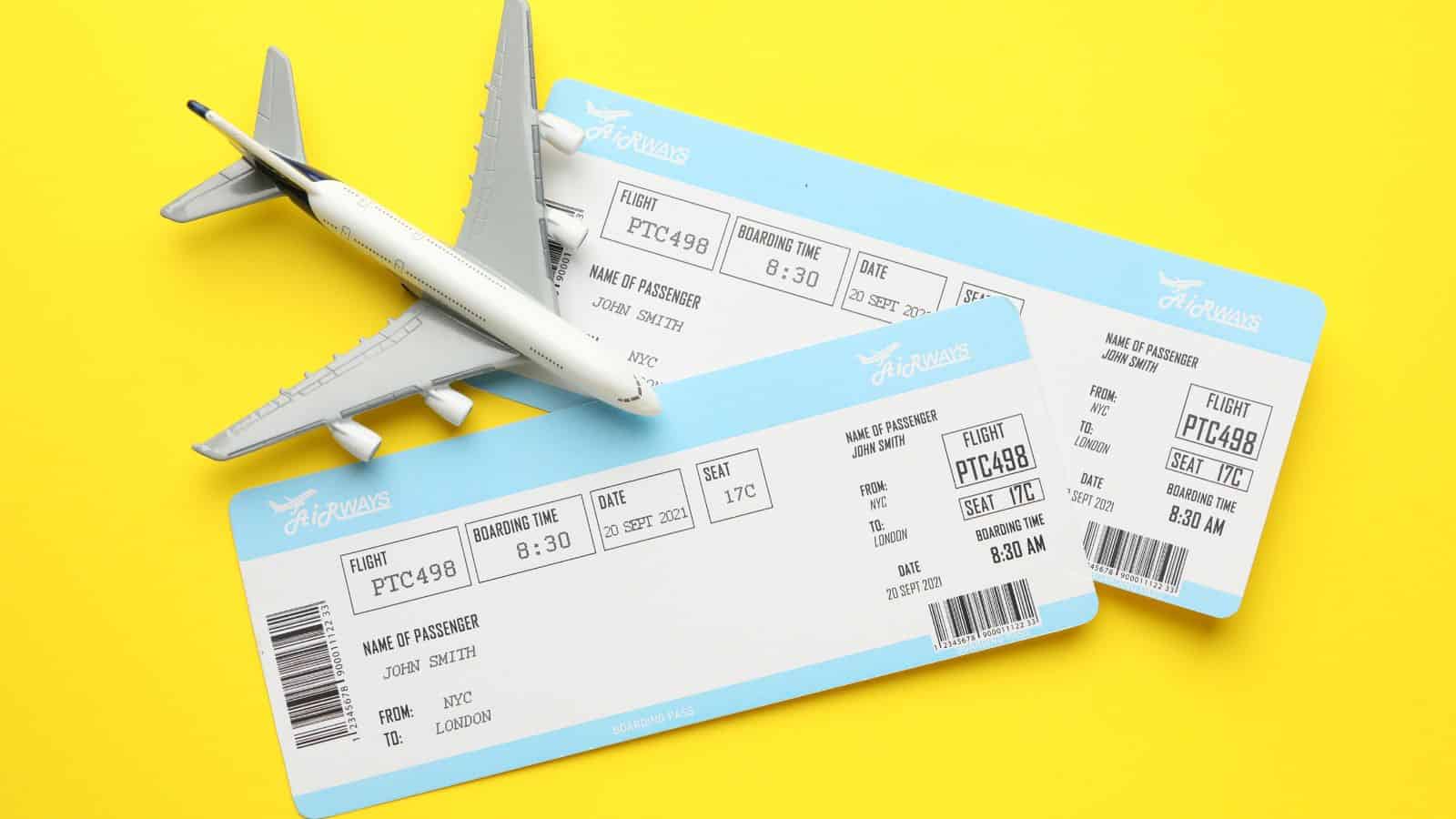
Boomers remember when flying required carrying a thick paper ticket folder that held every flight segment. Losing it meant hours of stress because nothing was stored online and replacements were not simple. Travelers tucked tickets into passport covers, money belts, or bags and checked repeatedly to make sure they were still there. Gate agents tore off perforated stubs, and each airport kept its own copy. The entire process felt very manual, and many people still recall the worry of keeping those documents safe from spills, wrinkles, or getting misplaced during a busy travel day.
Travel Agents for Every Trip

Before online booking, boomers visited travel agents for nearly every vacation. Agents flipped through thick fare books, checked availability by phone, and printed detailed itineraries on long sheets of paper. Many agents knew regular clients by name and remembered their preferences. Travelers relied on their expertise for everything from hotel recommendations to cruise options. Planning a trip felt personal because customers sat across a desk discussing destinations and prices instead of clicking through websites. Boomers often talk about how these visits created excitement and gave each trip a sense of anticipation long before departure.
Calling the Hotel to Reserve a Room

Booking a hotel room once meant picking up the phone, speaking with a receptionist, and hoping the information was correct. Travelers could not compare room photos or reviews, so decisions were made based on trust and brief descriptions. Prices were not standardized, and some hotels recorded reservations by hand in a ledger. Boomers remember saving travel magazines or brochures to find reliable places. Confirmation numbers were rare, and mistakes sometimes happened. Even so, travelers often enjoyed the human interaction and the simplicity of talking directly to someone at the property.
Traveler’s Checks

Boomers used traveler’s checks because international ATMs were uncommon and carrying large amounts of cash felt risky. Many remember standing in line at banks or currency counters to cash them, signing each check in front of a clerk, and keeping the receipts separate in case of loss. Traveler’s checks provided reassurance during long trips, but using them added extra steps to travel days. Some destinations accepted them easily, while others required more paperwork. Boomers often talk about how this system made overseas spending feel structured and cautious compared to today’s fast digital transactions.
Paper Maps on the Dashboard

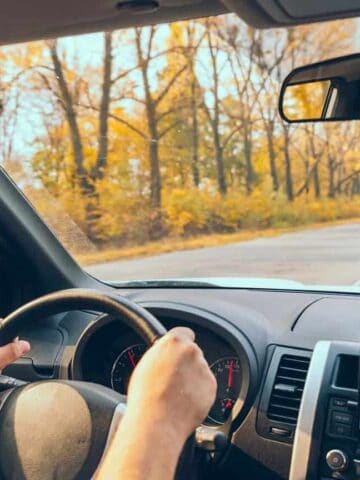
Road trips once depended on paper maps that took up half the dashboard when opened. Boomers recall folding and refolding routes, rotating the map to match the direction of travel, and debating turns with whoever was navigating. Wrong turns were common, but part of the fun. Gas stations often sold updated maps or offered directions. Highlighted routes, scribbled notes, and circled towns marked each journey. These maps sometimes became keepsakes, filled with creases and memories from long drives. Travelers today may use apps, but boomers remember the satisfaction of finding the correct road with nothing but paper.
Film Cameras With Limited Shots
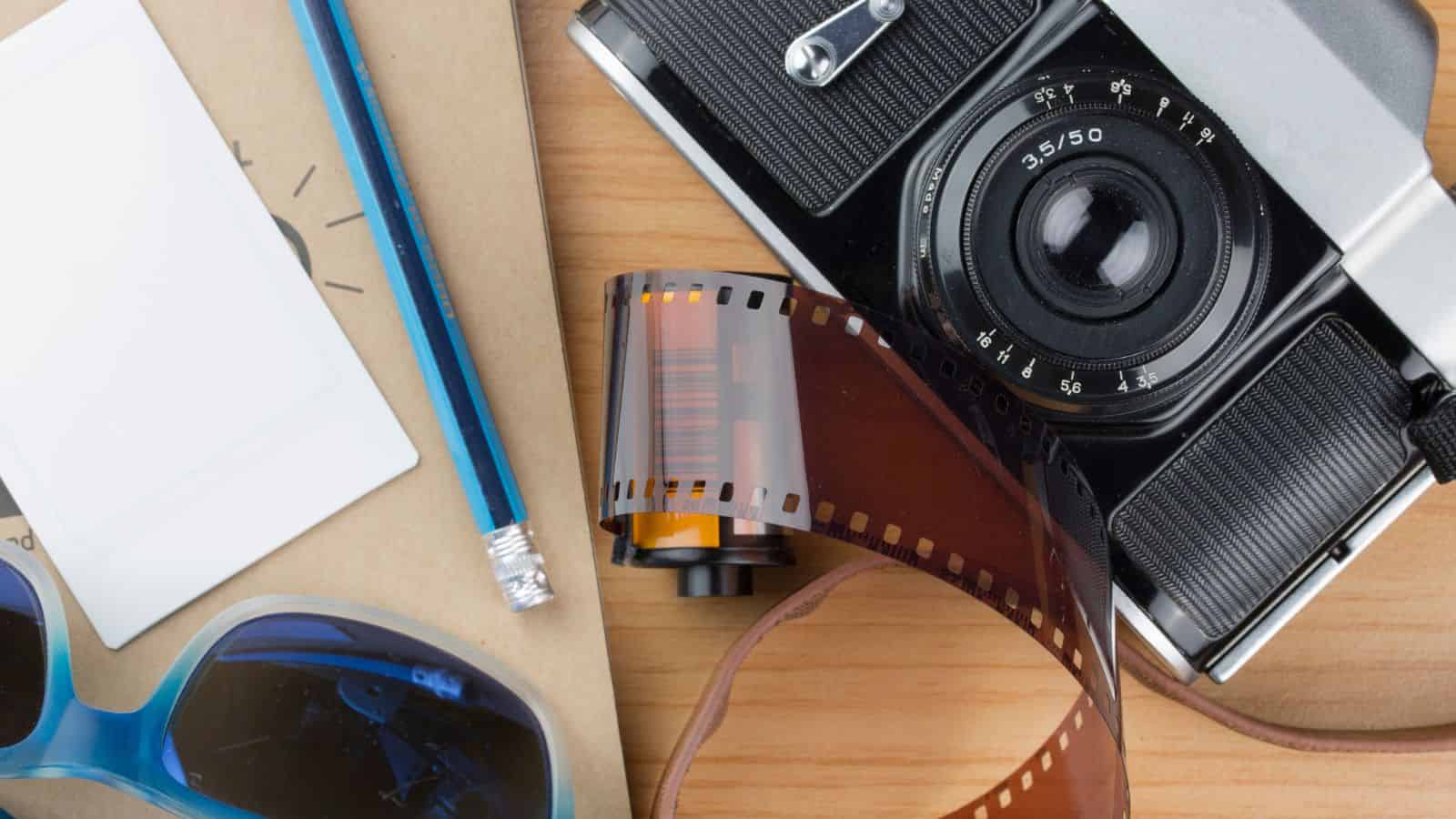
Boomers remember traveling with film cameras that required careful planning. Each roll had a fixed number of shots, so every photo counted. Travelers chose moments thoughtfully, checked the lighting, and hoped the settings were correct. Changing rolls on a busy street or inside a moving bus required steady hands. There was no preview screen to check results. People returned home with excitement and curiosity because they had not yet seen their pictures. Sometimes shots were blurry or out of frame, but the surprise added charm. Film photography created a slower, more deliberate approach to capturing travel memories.
Want to save this?
Guidebooks Stuffed With Notes
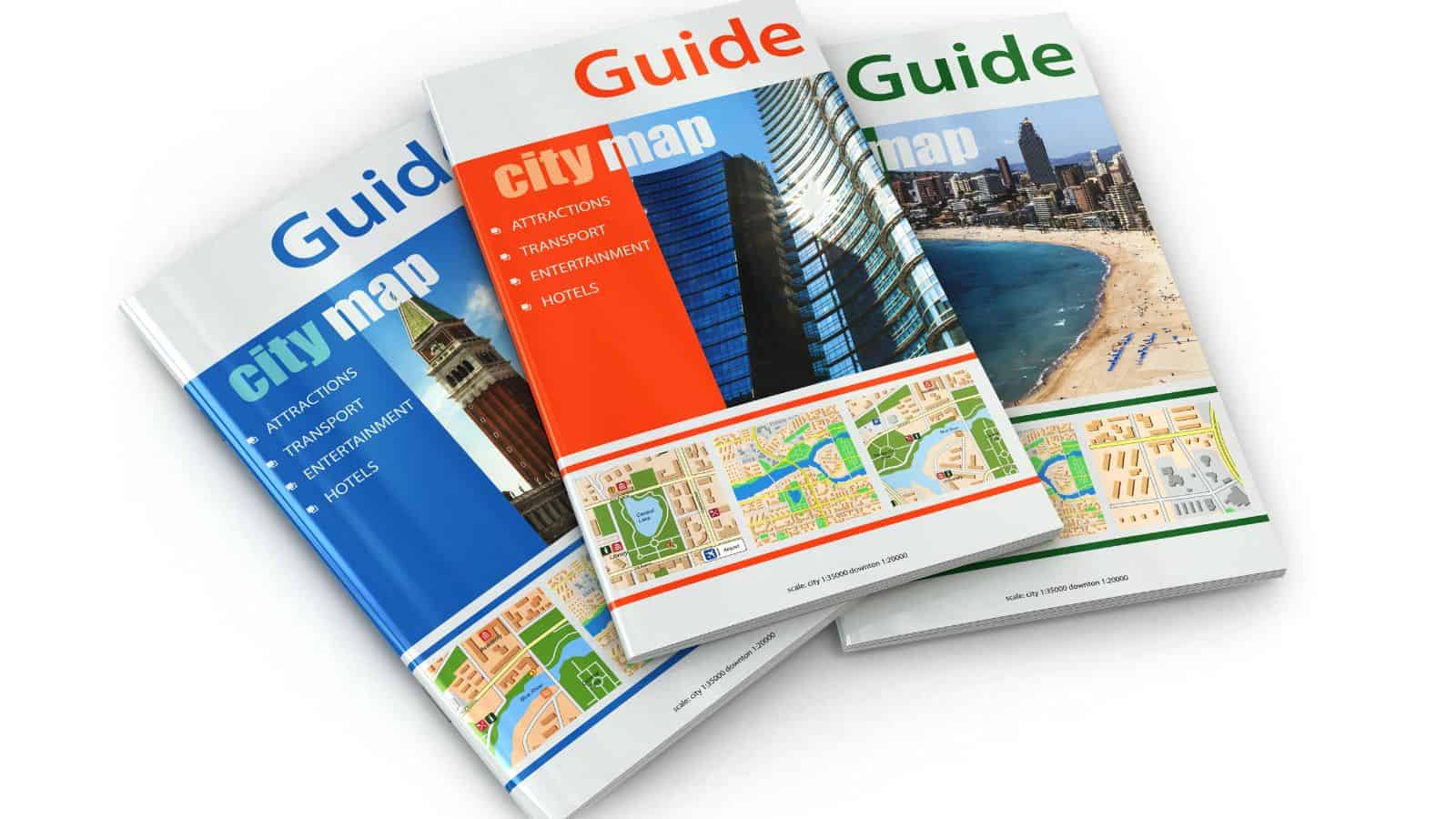
Guidebooks were essential companions for boomers. Many carried thick books filled with paper clips, sticky notes, and dog-eared pages. These books listed hotels, restaurant suggestions, historical facts, and maps, giving travelers a sense of control before the internet existed. People wrote reminders in the margins and tucked ticket stubs between pages. Some guidebooks became personalized travel journals over time. Boomers often relied heavily on them because they offered structure and reassurance in unfamiliar places. Even today, many still keep their old guidebooks as souvenirs that reflect trips taken long before smartphone navigation and online reviews.
Smoking Sections on Planes

Boomers clearly remember when planes had smoking and non-smoking sections. Although separated, smoke often drifted through the cabin, especially on long flights. Ashtrays were built into armrests, and passengers lit cigarettes soon after takeoff. Flight attendants routinely collected used matches and emptied ashtrays. For travelers today, it sounds unusual, but at the time it was standard. Boomers often recall how different the air felt in enclosed spaces and how normal it once seemed. When airlines finally banned smoking, many noticed the cabin atmosphere improved dramatically. This change remains one of the most memorable shifts in travel history.
Phone Cards and Payphones

Staying in touch meant buying phone cards and searching for public phones in airports or city streets. Boomers remember trying to find a quiet corner, dialing long access codes, and keeping conversations brief due to high costs. Time differences added another challenge, so calls were carefully planned. Some travelers left messages with hotel reception desks because phones were less accessible. Even locating a working payphone in some countries required patience. Today’s instant communication contrasts sharply with these experiences, making phone cards one of the strongest reminders of how much travel has changed.
Boarding Without Assigned Seats
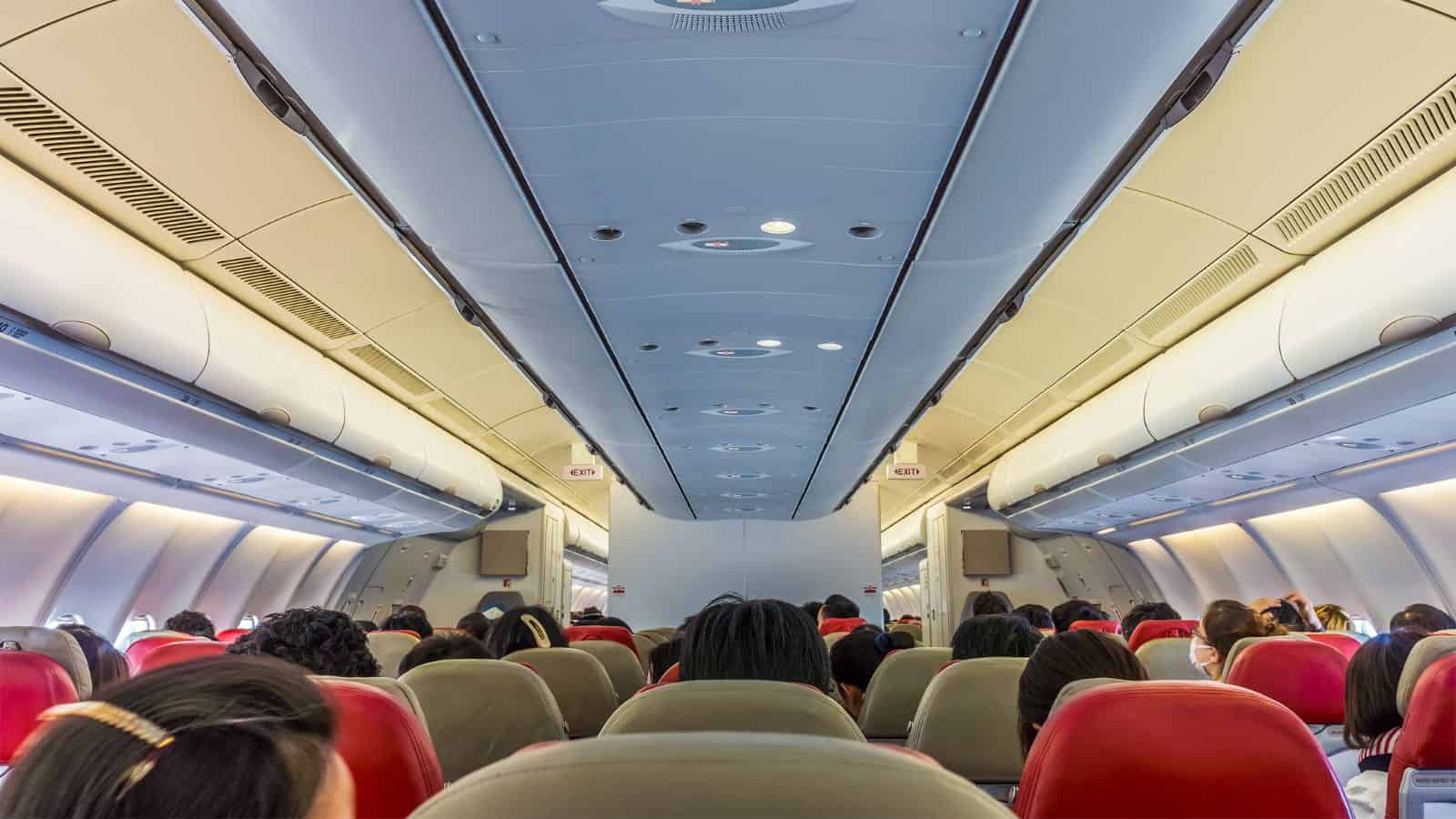
Boomers remember flights where seats were chosen during boarding rather than at check-in. Travelers lined up early to secure a preferred spot, often forming long queues well before boarding began. Families hurried to claim seats together, and solo travelers aimed for windows or aisles. The process could feel competitive during busy flights. Once onboard, people moved quickly, placing bags and settling in. While today’s systems feel more predictable, boomers often recall the excitement and mild chaos of this older method and how it shaped the early atmosphere of a trip.
Waiting Weeks for Trip Photos
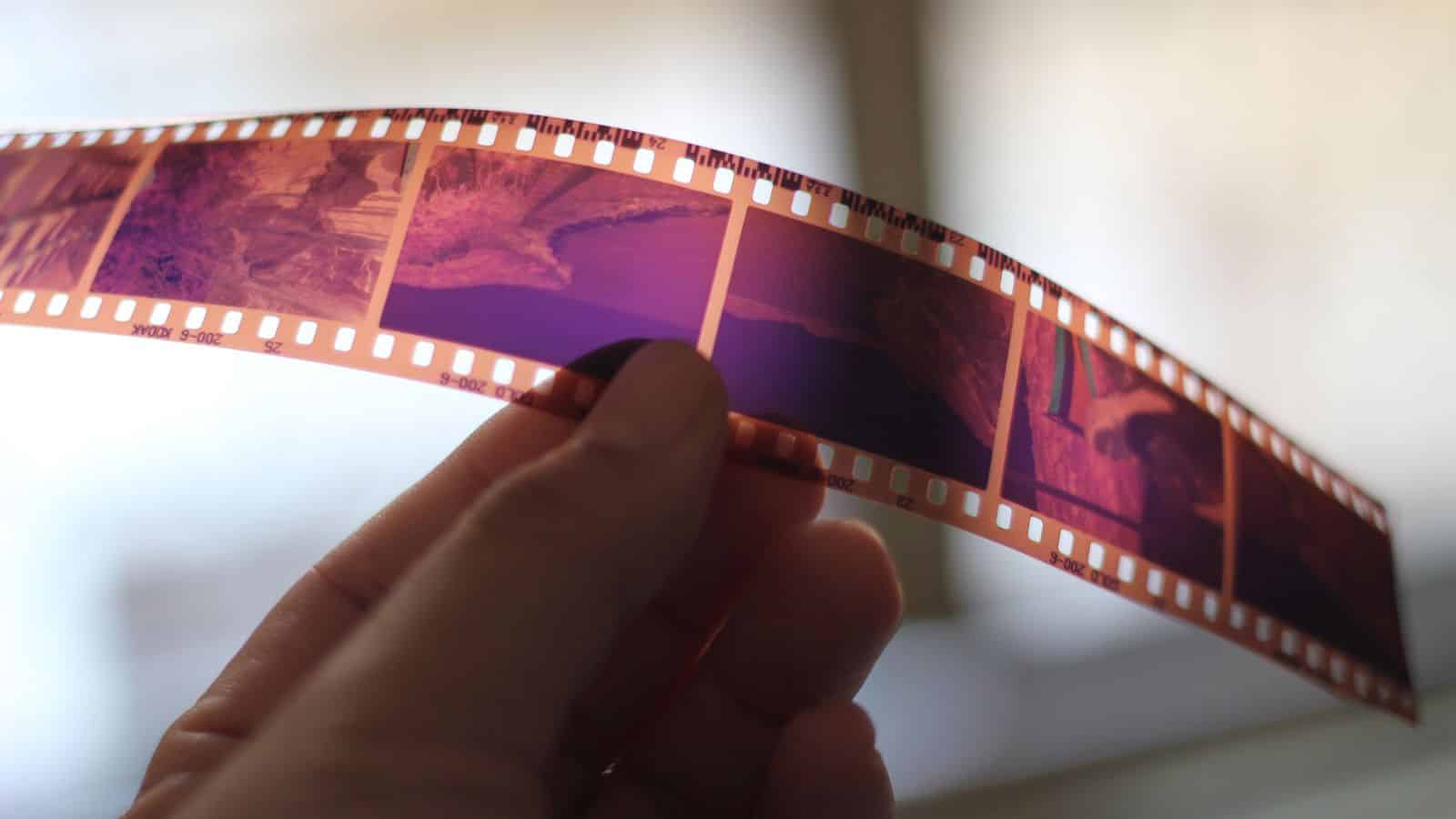
Before digital photography, boomers returned from trips with rolls of film that needed developing. They dropped them off at photo shops and waited days or sometimes weeks for prints. Opening the envelope of photos felt like reliving the journey. Some shots turned out great, while others were overexposed or blurry, but that unpredictability added charm. Friends and family gathered to look through albums rather than scrolling through screens. The delay between taking photos and seeing them created anticipation, making the final reveal a memorable part of the travel experience.
9 Dangerous Passport Myths That Smart Travelers Know Are False

When it comes to international travel, your passport is one of the most essential documents you’ll carry. But misinformation about passport rules can easily derail a trip. From expiration dates to entry requirements, some myths can leave travelers unprepared and scrambling at the airport. In fact, many of the things you’ve heard about passports are just plain false, and it’s crucial to separate fact from fiction before heading to the gate.
Read More Here: 9 Dangerous Passport Myths That Smart Travelers Know Are False
11 Travel Myths That Could Sabotage Your Entire Trip

Traveling offers a chance to explore new places and create lasting memories, but not every piece of advice you come across will serve you well. Many common travel tips circulate widely, yet some can lead to unnecessary stress, wasted money, or missed experiences. From misconceptions about packing to misguided safety advice, following these myths may limit what you get out of your trip. It’s important to recognize which suggestions are outdated or simply unhelpful so you can make choices that truly support your travel goals.
Read More Here: 11 Travel Myths That Could Sabotage Your Entire Trip