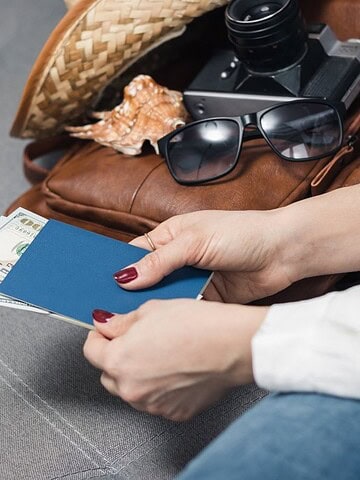
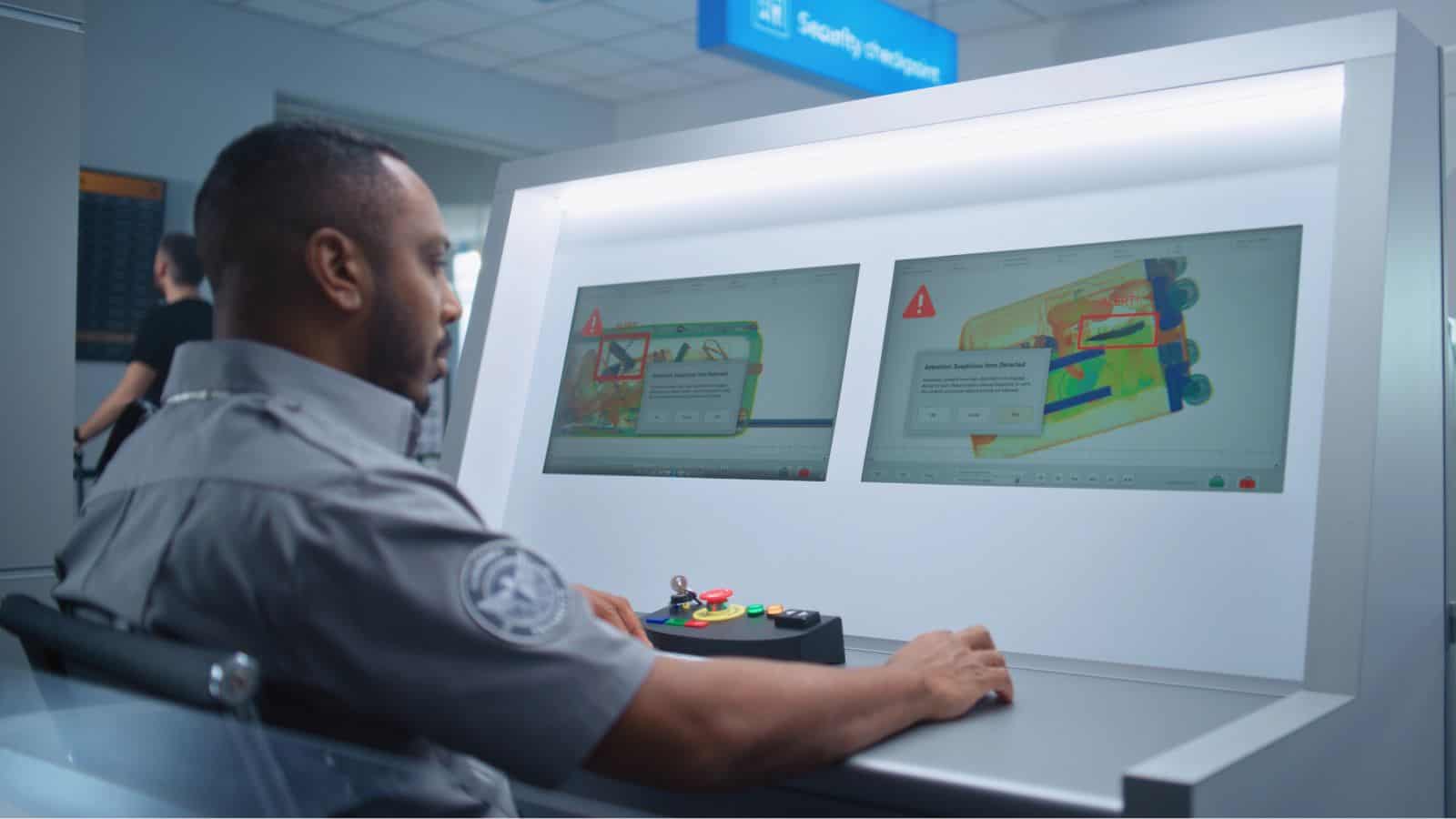
Airport security checkpoints are routine for travelers, but unexpected confiscations can throw a wrench in any trip. From items carried daily to products bought on a whim, these 11 surprising items TSA agents confiscate all the time include things many assume are allowed. Pocket knives and large liquids are obvious, but smaller objects like specialized makeup brushes or flammable items tucked in checked bags often lead to detentions. Understanding which belongings trigger security concerns saves time at the gate and prevents last-minute scrambles.
These are 11 surprising items TSA agents confiscate all the time, and knowing them allows travelers to completely adjust their packing habits before arriving at security lines. Review airline guidelines and TSA regulations in advance to keep essentials onboard. Ready to avoid unexpected seizures? Check the full list below and pack smarter for a smoother journey through airport security.
Sunscreen (full-size bottles)
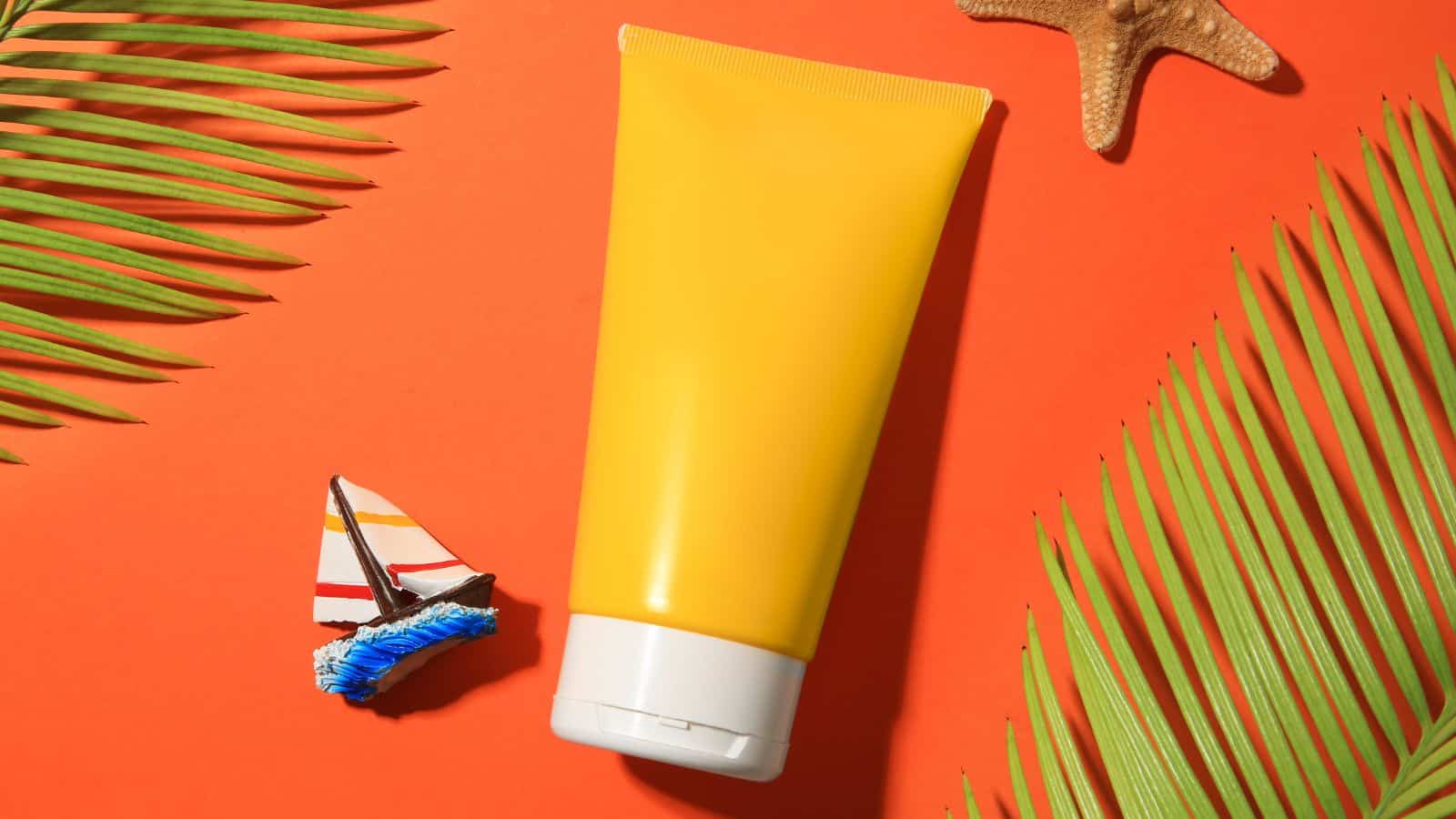
Travelers often forget that sunscreen counts as a liquid under TSA rules. If you pack a full-size bottle in your carry-on, even for medical or dermatological needs, it will likely be flagged and tossed unless it’s under the 3.4-ounce limit and fits in a quart-sized bag. TSA agents don’t make exceptions based on the destination’s climate, so even if you're flying to a tropical island, you’ll need to pack smart. Travel-size versions are your best bet. Bulkier bottles belong in checked luggage, or you risk losing them before you even make it past security.
Canned foods

It surprises many travelers to learn that canned goods often get confiscated at checkpoints. Whether it’s beans, soup, or coconut milk, TSA categorizes these as having too much liquid or gel content to pass through carry-on screening. Even if the can isn’t fully liquid, its density and metal exterior make it difficult for X-rays to see through, leading to extra screening and probable removal. If you’re planning to bring local ingredients or pantry items as gifts or for personal use, it’s safer to pack them in your checked baggage — otherwise, you might watch them get tossed.
Pepper spray
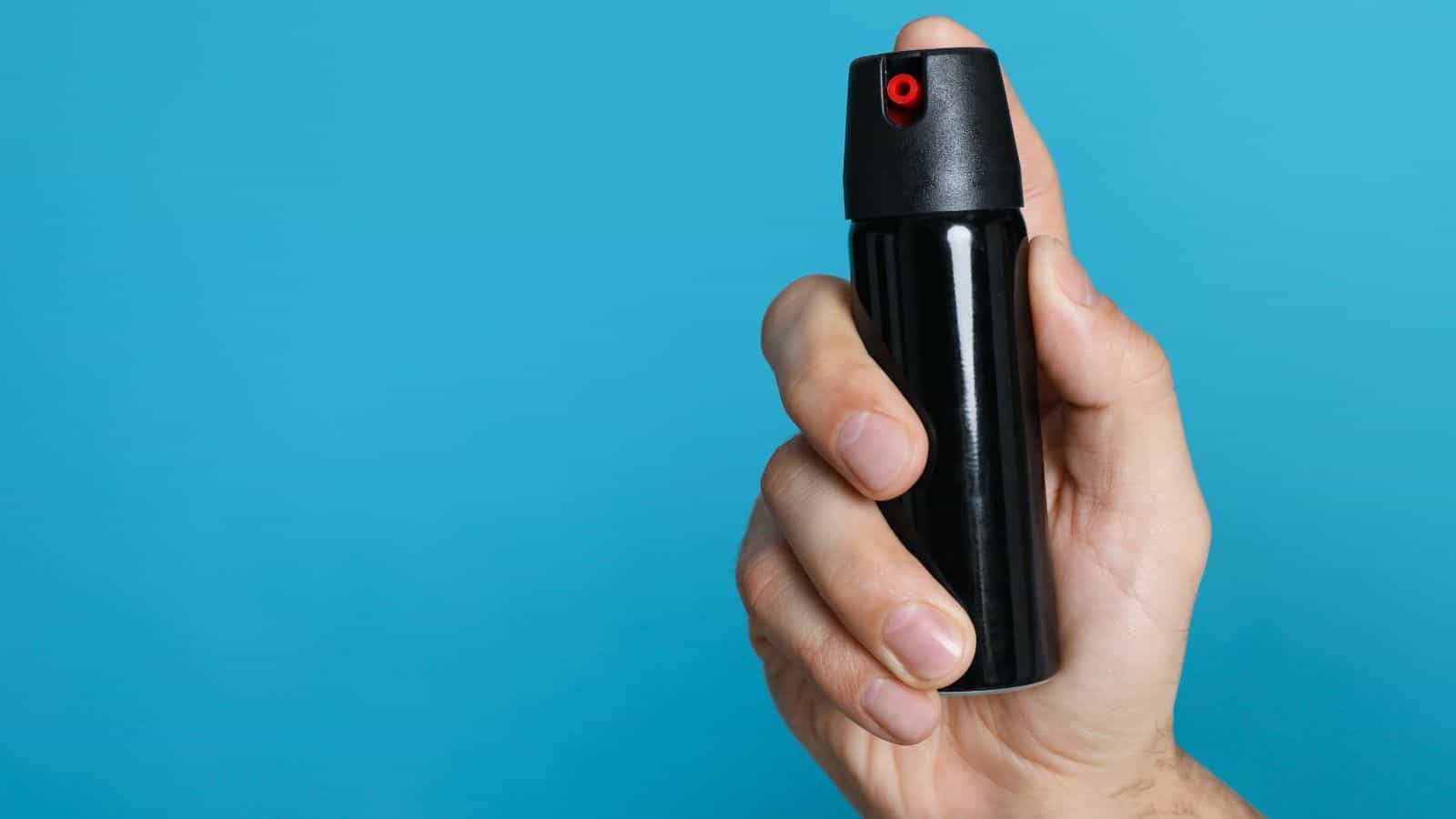
Self-defense tools like pepper spray seem like a reasonable thing to carry, especially for solo travelers. But TSA bans pepper spray in carry-on bags, even in tiny containers. Some airlines allow it in checked luggage with restrictions, typically one 4-ounce container with a safety mechanism to prevent accidental discharge, but these rules vary. People often forget they have it clipped to a keychain or buried in a purse, only to lose it at the checkpoint. If you carry it for safety reasons, check your airline’s exact rules and make sure it’s nowhere near your carry-on before flying.
Box cutters and some utility knives

Box cutters, multitools with blades, and even dull or retracted knives are almost always prohibited in carry-ons. TSA takes a strict stance on anything with a sharp edge, even if the item doesn’t look threatening. Travelers often pack tools for work or crafting, not realizing that anything resembling a blade, including safety razors without the cartridge removed, can be seized. If you need tools at your destination, pack them in checked baggage or plan to purchase them when you arrive. Don’t assume something small or dull will pass; agents follow clear rules and won’t make exceptions.
Tools over 7 inches
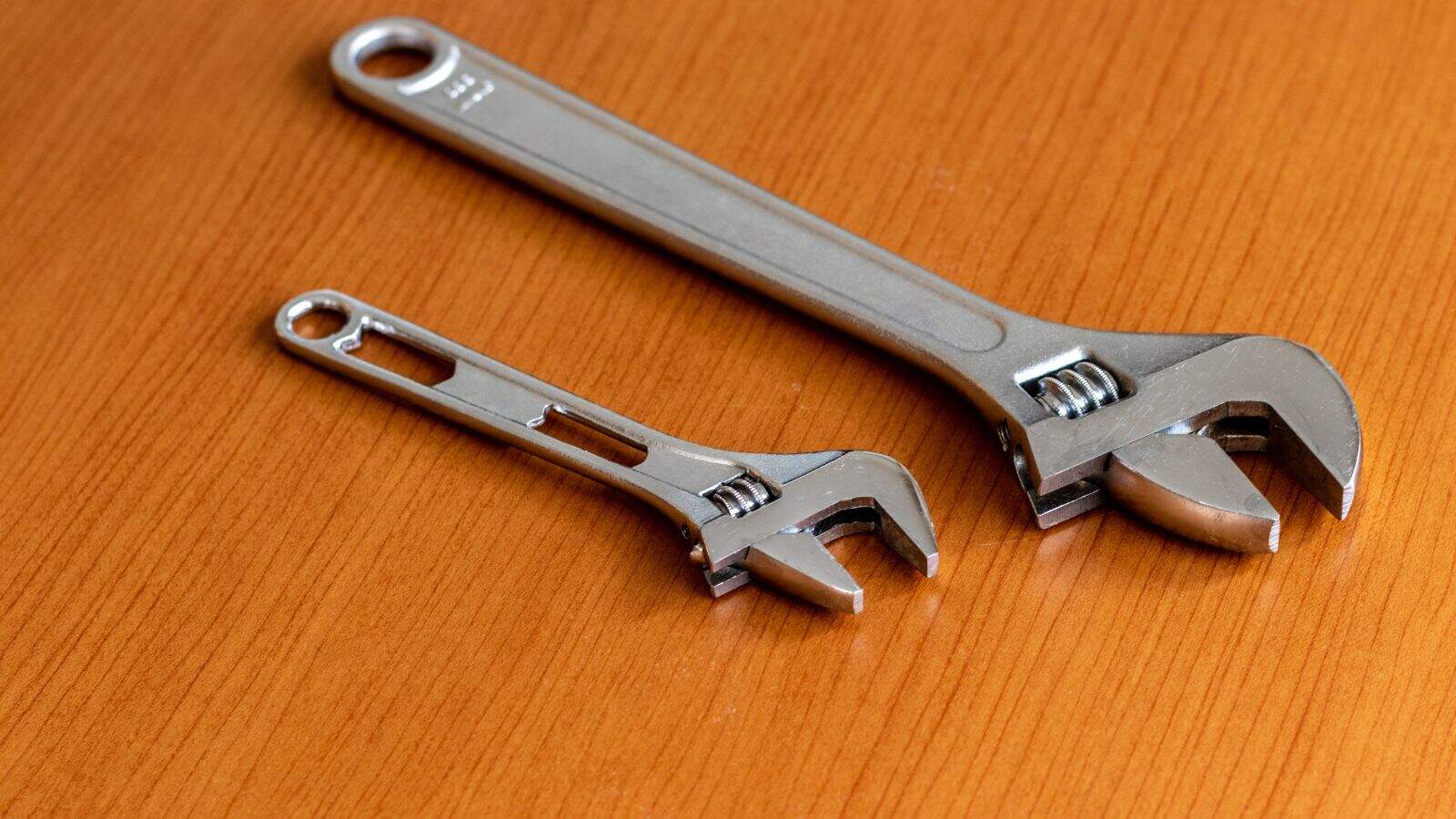
Most people don’t think twice about packing a wrench, screwdriver, or hammer, especially if they’re moving, doing fieldwork, or bringing gear for a specific job. But TSA bans any tool over 7 inches in length from carry-on luggage, regardless of type or purpose. These items are flagged as potential weapons, even if they’re not sharp. That includes things like hiking poles and selfie sticks, which also often exceed length limits. To avoid delays or loss, measure anything even slightly bulky or long and move it to your checked luggage. The 7-inch rule is strict and frequently enforced.
Gel candles

Though they seem harmless, gel candles are flagged by TSA because of their semi-solid texture. The gel is classified similarly to liquids or creams, meaning it falls under the 3.4-ounce limit. Most decorative or scented candles sold in stores far exceed this size, and travelers often pack them as gifts without realizing they won’t make it through security. The appearance of the gel also raises questions during X-ray screening, which can slow down your line. If you’re bringing candles from a trip or gifting them, wrap them carefully and place them in your checked bag to avoid problems.
Want to save this?
Large jars of peanut butter or Nutella

Peanut butter, Nutella, and other spreads may seem solid enough to pass TSA inspection, but they're considered gels, and anything over 3.4 ounces will be removed from your carry-on. Travelers bringing food from home, especially for long flights or picky kids, often pack these without thinking twice. Unfortunately, they’re treated like lotion or shampoo under TSA’s liquid rules. If you can’t live without your favorite spread mid-flight, transfer a small amount into a TSA-compliant container or buy it after security. Otherwise, expect to lose it during screening, no matter how tightly sealed the jar is.
Bowling balls
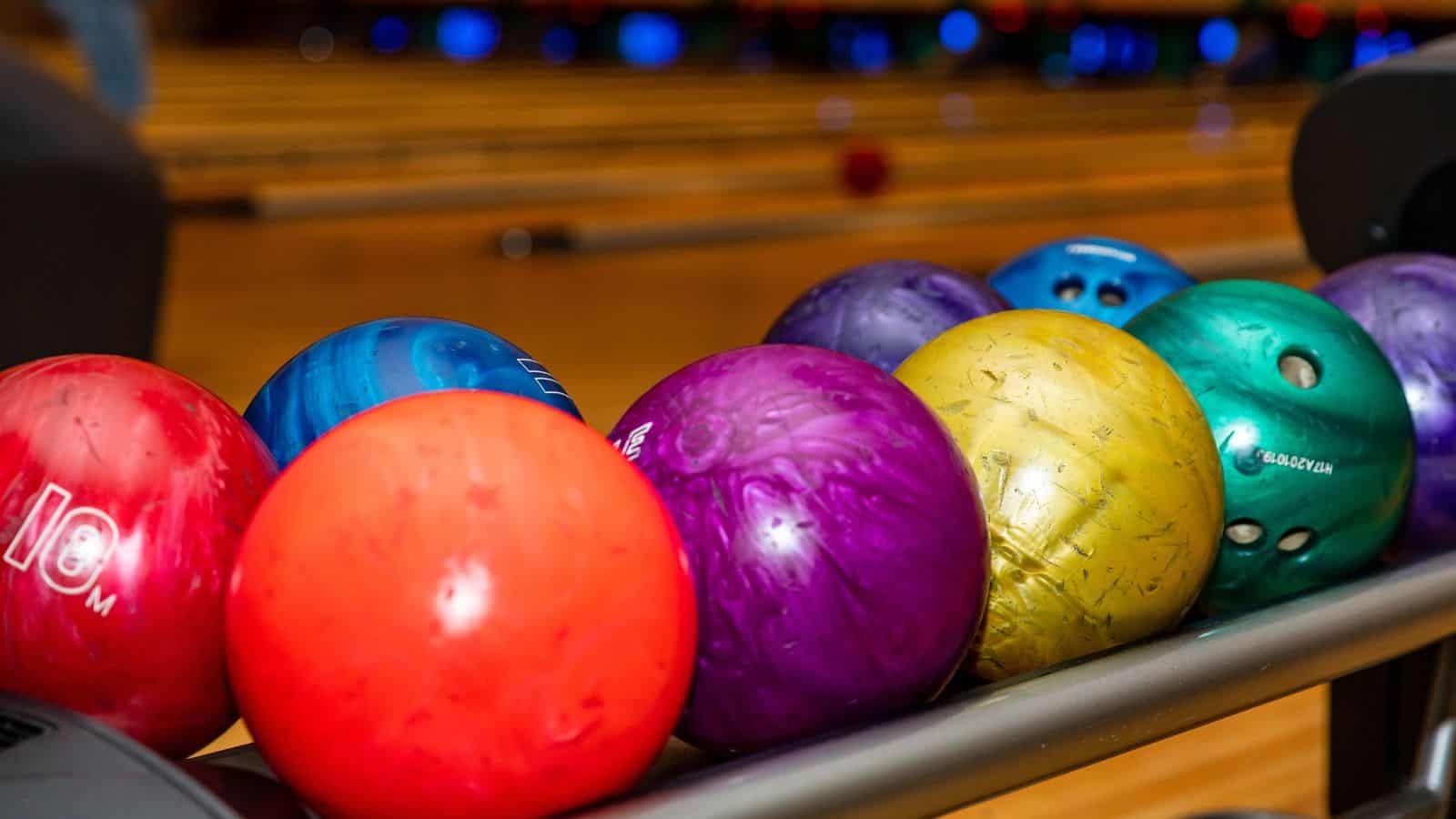
It might sound odd, but travelers do pack bowling balls, and yes, they’re technically allowed in carry-ons. However, they often cause extra screening due to their weight, density, and unusual shape. TSA agents may need to inspect the ball manually or rerun the bag through the scanner, which can slow down your journey. If you’re traveling for a tournament or personal use, check with your airline about weight limits and consider putting the ball in checked luggage. Even if it’s permitted, carrying it on isn’t always the easiest route and may cause unnecessary delays at security.
Corkscrews with blades
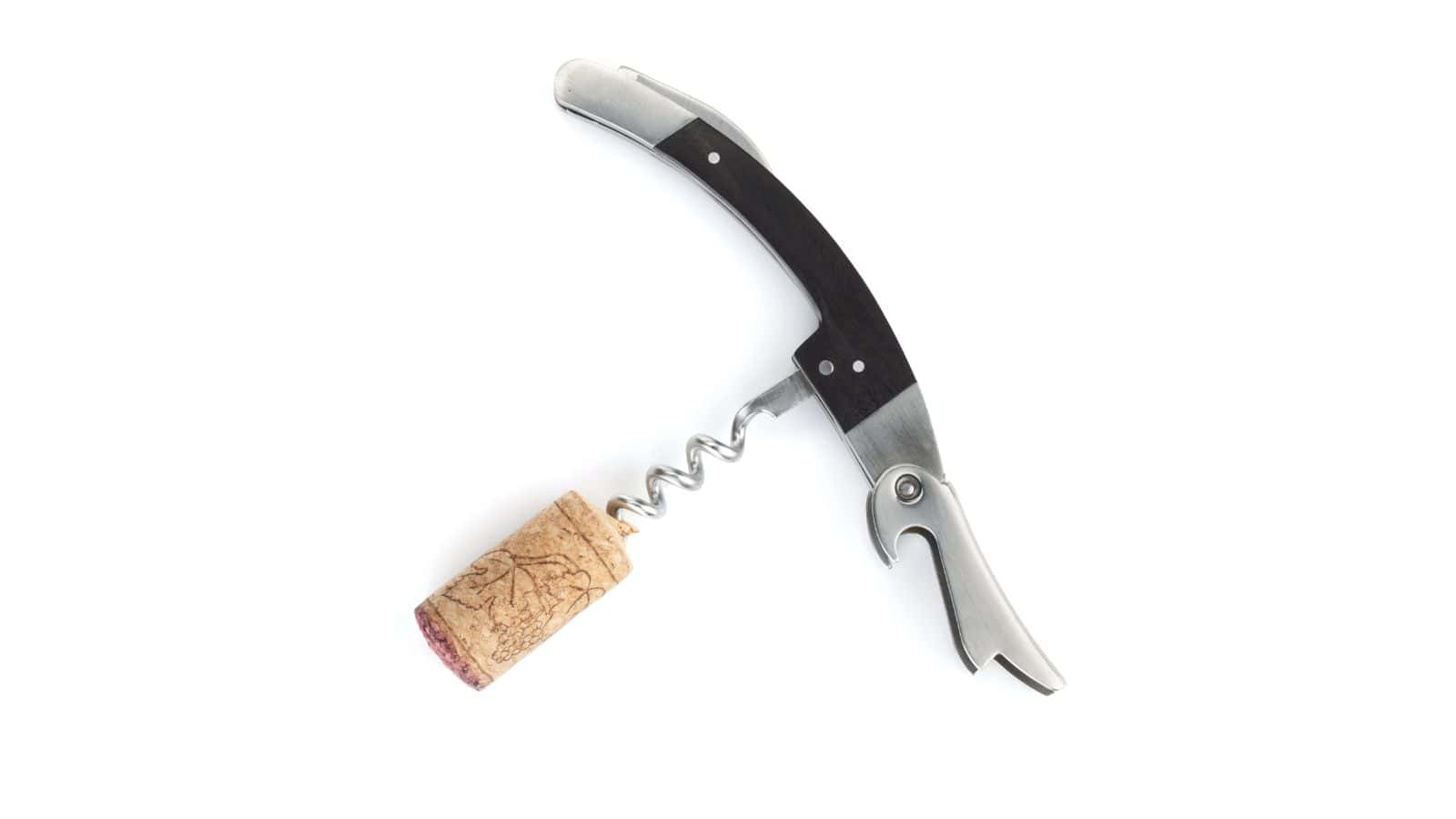
Corkscrews seem like a harmless item, especially if you're packing wine for a trip, but many include a small fold-out knife — and that’s where travelers run into trouble. TSA bans any tool with a blade, regardless of length. Even if the blade is tiny or dull, it’s enough to get the whole corkscrew confiscated. If you really need one at your destination, choose a wine key without any blade or purchase one when you arrive. Many travelers lose fancy openers this way, simply because they didn’t realize one small attachment could get the item flagged and removed.
Surge protectors or power strips

These aren’t prohibited outright, but surge protectors and power strips frequently lead to extra bag checks. Their thick cords, plugs, and blocky shapes show up as dense, hard-to-read objects on X-ray scans. TSA agents may pull your bag aside for manual inspection, especially if it's packed tightly with electronics. While the item likely won’t be taken away, it can delay your progress through the line. If you’re traveling with multiple devices and need extra outlets, consider placing your power strip in an accessible part of your carry-on or packing it in checked luggage to speed things up.
Dry ice

Dry ice is allowed in both carry-on and checked bags, but only in very small amounts, usually under 5.5 pounds (2.5 kg) and with clear labeling and proper ventilation. Travelers bringing frozen goods or medical items often try to use it, but without the right packaging and notice to the airline, it gets removed. Many people don’t realize that dry ice can release carbon dioxide gas as it sublimates, which makes it a safety concern in enclosed spaces like airplane cabins. If you’re planning to fly with it, you’ll need to follow very specific guidelines to avoid problems.
11 Travel Myths That Could Sabotage Your Entire Trip

Don't let these myths fool you! Traveling offers a chance to explore new places and create lasting memories, but not every piece of advice you come across will serve you well. Many common travel tips circulate widely, yet some can lead to unnecessary stress, wasted money, or missed experiences. From misconceptions about packing to misguided safety advice, following these myths may limit what you get out of your trip. It’s important to recognize which suggestions are outdated or simply unhelpful so you can make choices that truly support your travel goals.
Read More Here: 11 Travel Myths That Could Sabotage Your Entire Trip
12 Items to Remove From Your Wallet That Air Travel Experts Warn About

Be careful of these items! When preparing for a flight, it’s easy to stuff your wallet with everything you might need, but some items could be more trouble than they’re worth. Air travel experts have shared a list of things to remove from your wallet before you head to the airport. Some of these items can cause unnecessary delays during security checks, while others might even be a security risk. Whether it’s expired IDs or unnecessary loyalty cards, knowing what to leave behind can help streamline your journey.
Read More Here: 12 Items to Remove From Your Wallet That Air Travel Experts Warn About